
Operator playbooks for cross-border payments, tax, and compliance execution.
Step-by-step guidance for finance, product, and ops teams to launch faster, reduce payout friction, and keep reconciliation clean across borders.

How Platforms Choose International EFT Payments Across Borders
If you are choosing a provider for cross-border EFT, start with route evidence, not country-count slides. Cross-border payments are more complex than domestic ones: they are often slower, less transparent, and more expensive. Broad coverage on paper may not reflect performance in your real corridors or exception paths.
Read more →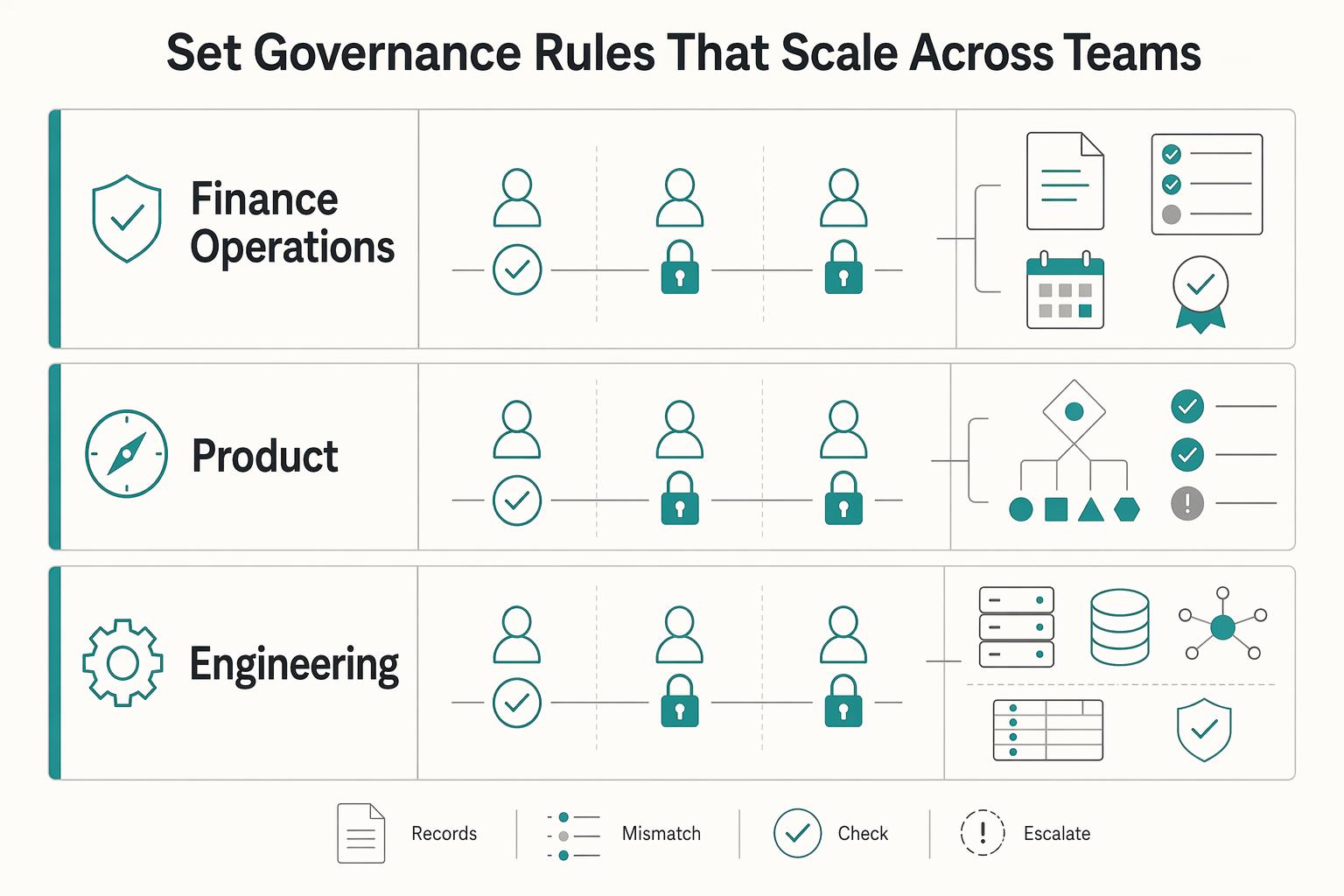
Credit Invoices Explained: How to Issue Reversals and Adjustments in a Subscription Billing Platform
Once volume grows, credit invoices, invoice reversals, and invoice adjustments stop being simple billing edits. They become order-to-cash events that affect customer balances, accounts receivable, accounting records, payment matching, and sometimes fund finalization on a different timeline. The practical mistake is treating them like one back-office task when they are really several linked records that have to stay in sync.
Read more →
Platform Fee Structures: How to Price Your Marketplace Without Losing Contractors
Pricing a marketplace is a tradeoff, not a lookup exercise. If you only compare Seller Fees, Buyer Fees, and Payment Processing Fees as labels, you can protect your headline commission and still miss impacts on contractor retention, checkout conversion, or your real Platform Take Rate after refunds, disputes, payouts, and processor costs.
Read more →
IFRS 15 vs ASC 606 for Global Subscription Platforms
Many global subscription platforms can start from one operating assumption: IFRS 15 and ASC 606 are aligned enough that you may be able to standardize much of your revenue recognition governance. They are not so aligned that every judgment call can be treated as interchangeable. The goal is practical: cut duplicate policy work without letting a real accounting difference or contract nuance slip into close week.
Read more →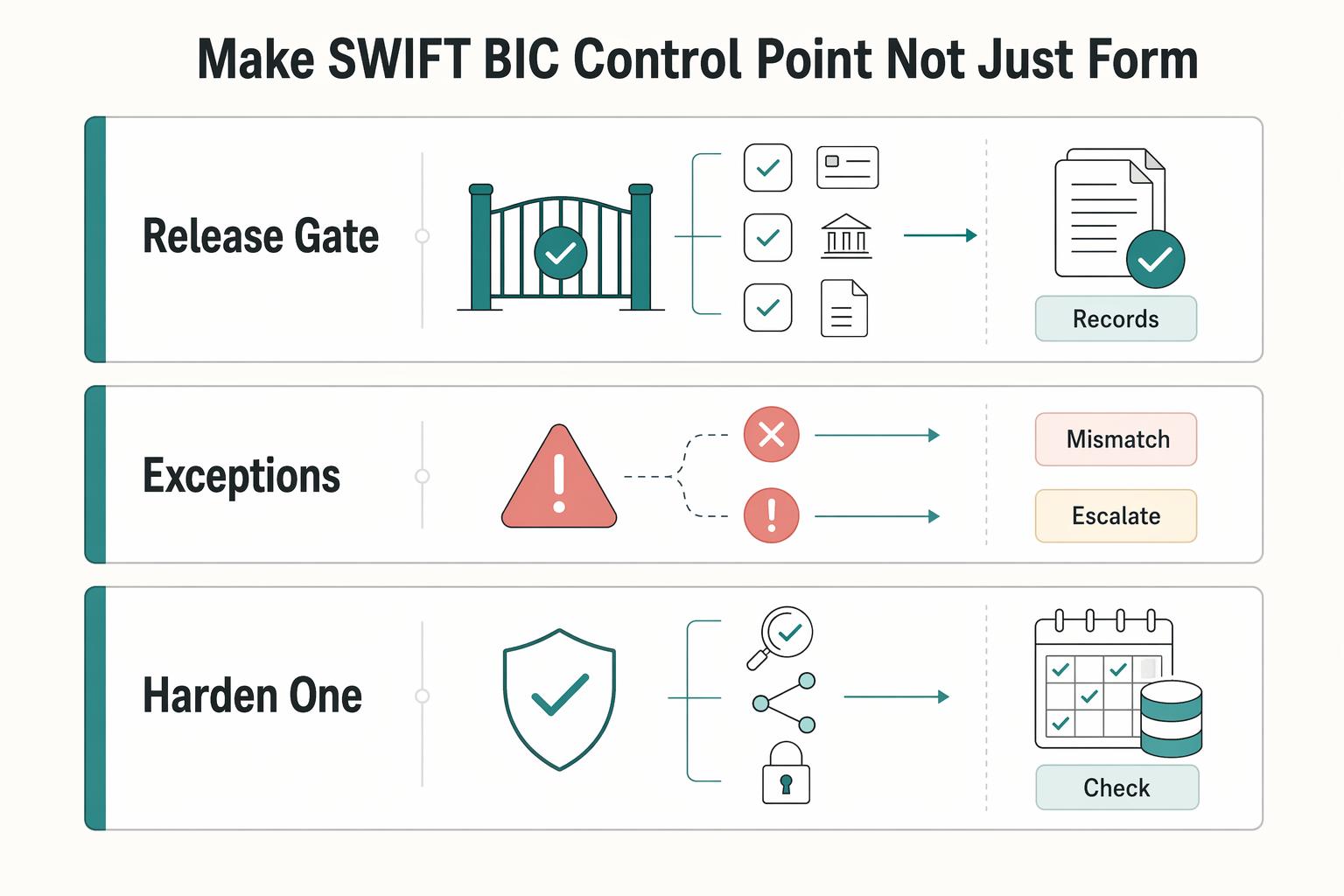
What Is a SWIFT Code? How Platforms Use BIC Codes to Route International Payouts
This guide exists because SWIFT and BIC data are not just banking labels. In a production cross-border payout flow, they are release-control inputs. A wrong value can stop processing, create extra fees, or trigger follow-up work your team should have prevented upstream.
Read more →
Fraud Detection on Payment Platforms with Rules and Machine Learning
For cross-border payout platforms, effective fraud detection is less about a single model or rule than about controls you can document, explain, and defend under audit or incident pressure.
Read more →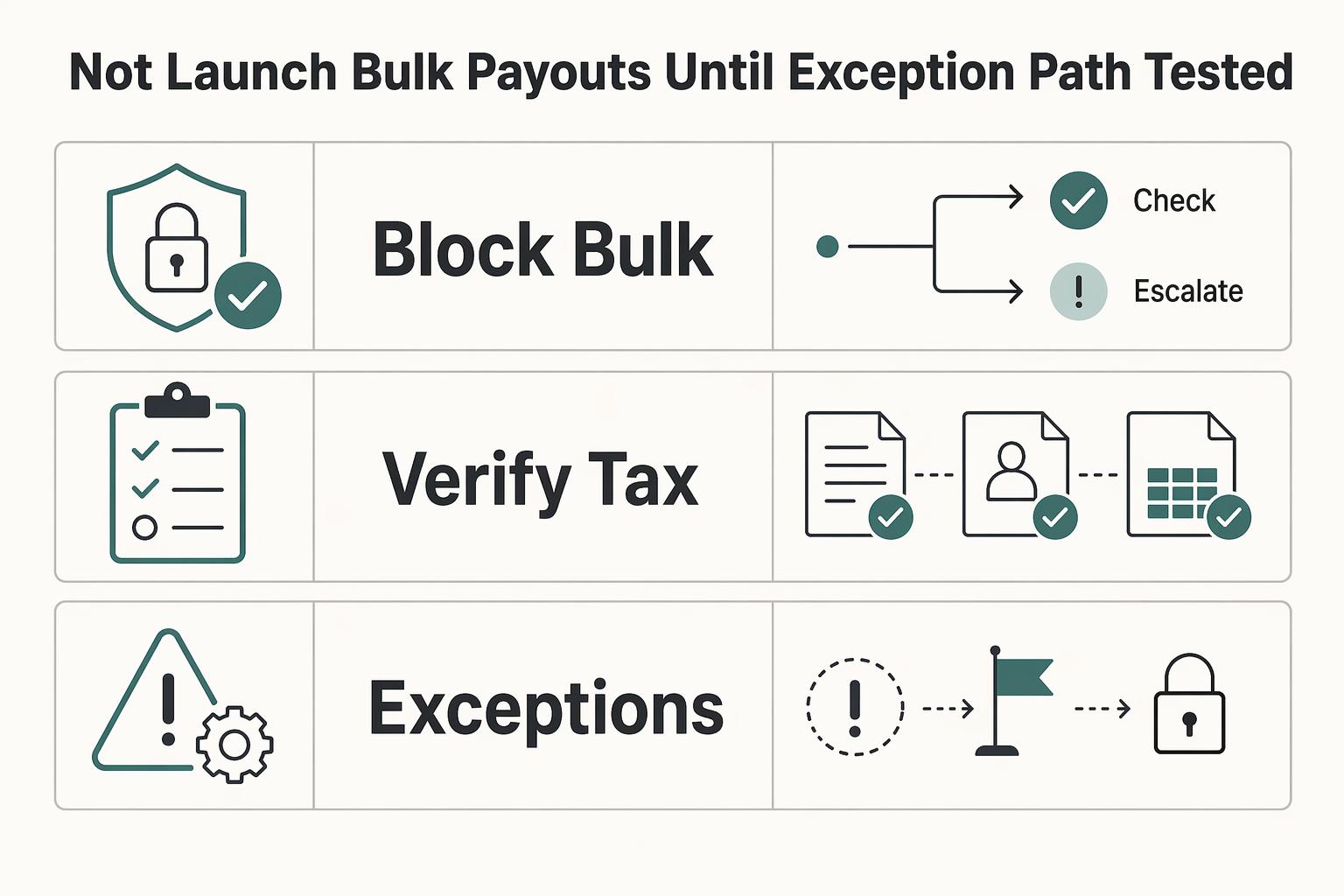
ABA Routing Numbers for U.S. Platform Payout Operations
If your team is shipping U.S. bank payouts, this guide moves you from "what is an ABA routing number?" to a production-ready payout plan with fewer avoidable errors and duplicate sends.
Read more →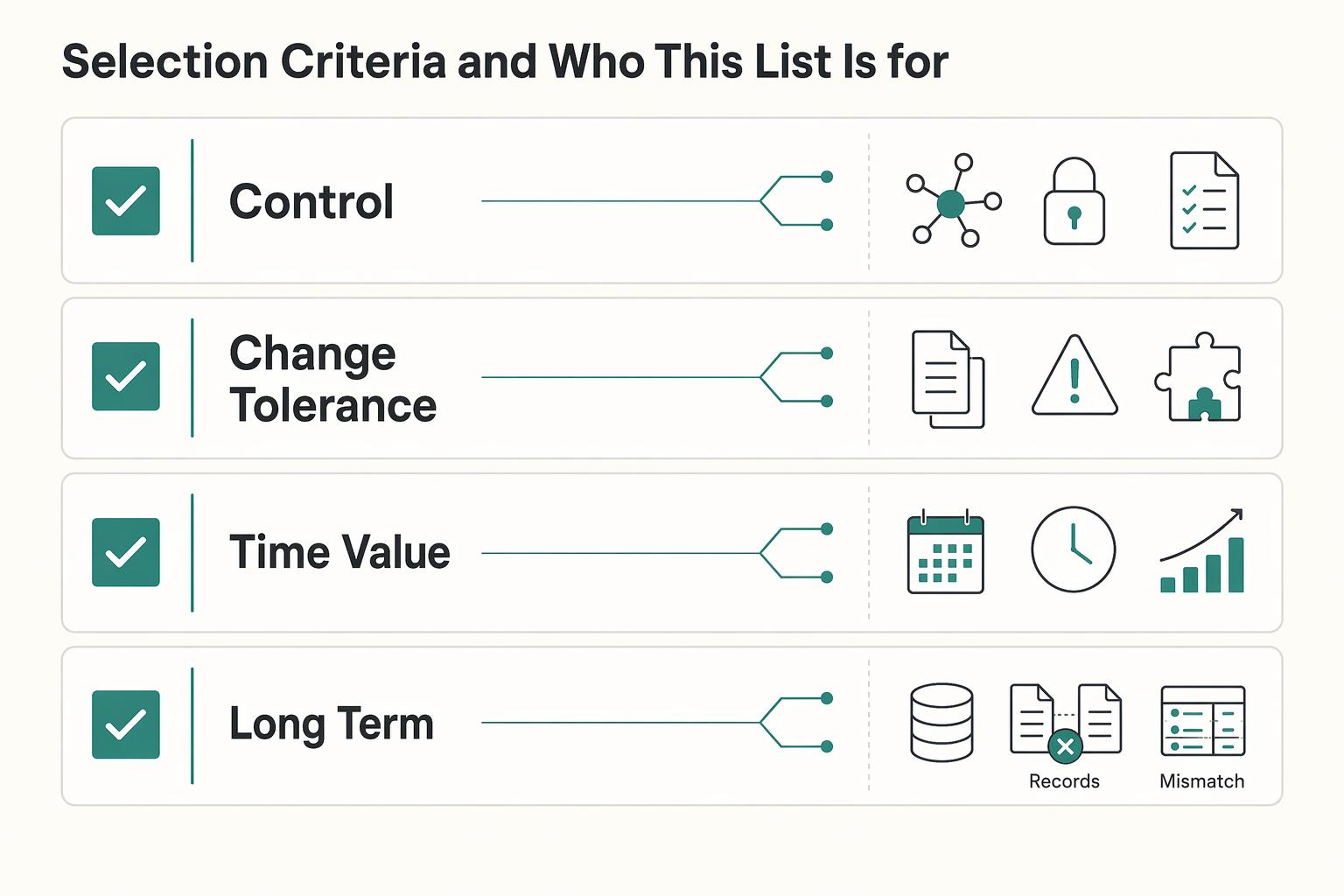
How Payment Platforms Should Sequence Workday Payroll and Finance Integration
Early integration choices often determine where rework shows up later across payroll, finance, and payout operations.
Read more →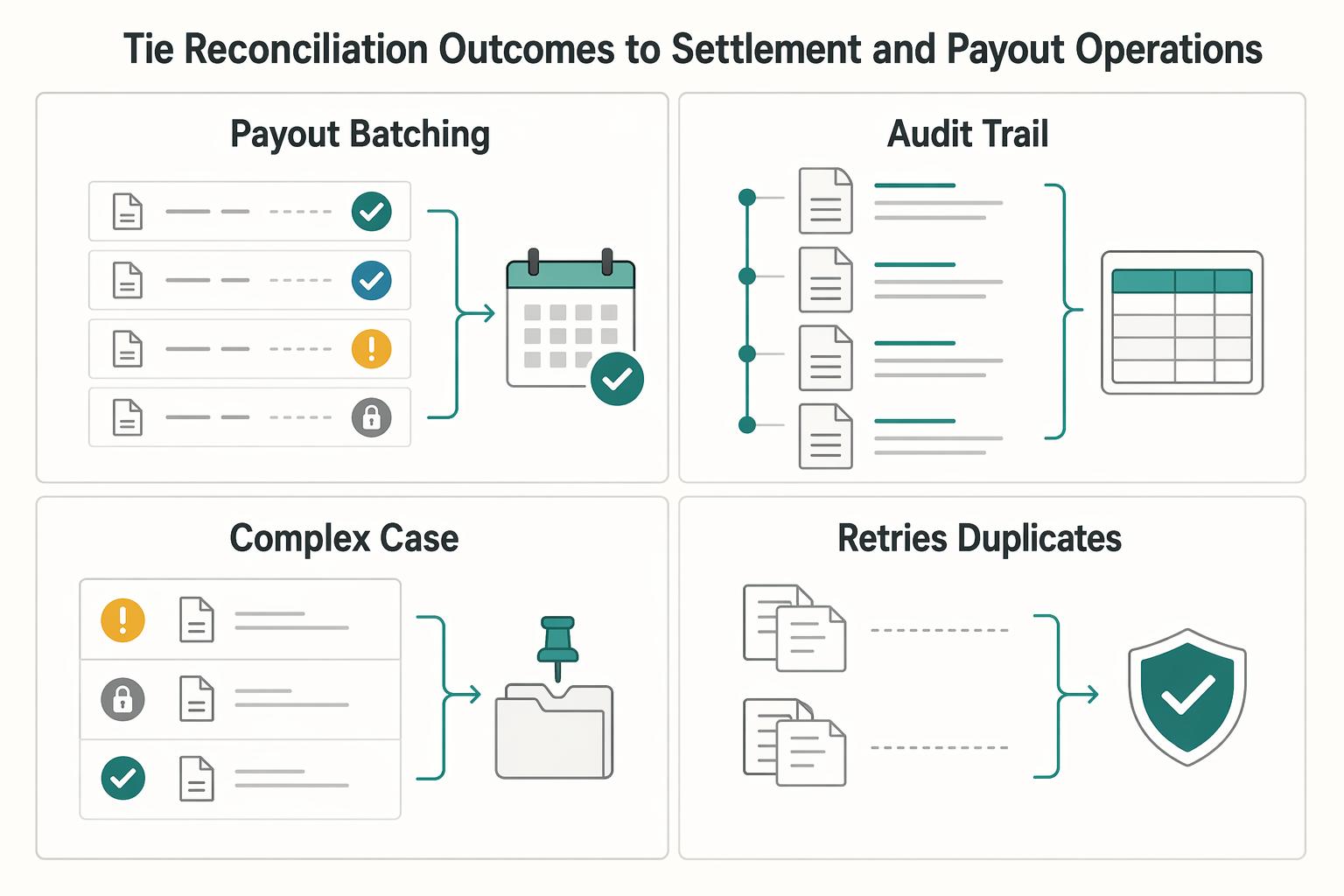
Improving Credit Card Reconciliation for Platforms with Auto-Match Invoice Controls
Auto-match works at scale only when you treat it as a control layer across invoices, the general ledger, approvals, and payout decisions, not as a convenience feature. At its core, credit card reconciliation is still a financial-control task. You are comparing card activity to internal accounting records to confirm transactions are accurate, authorized, and posted correctly.
Read more →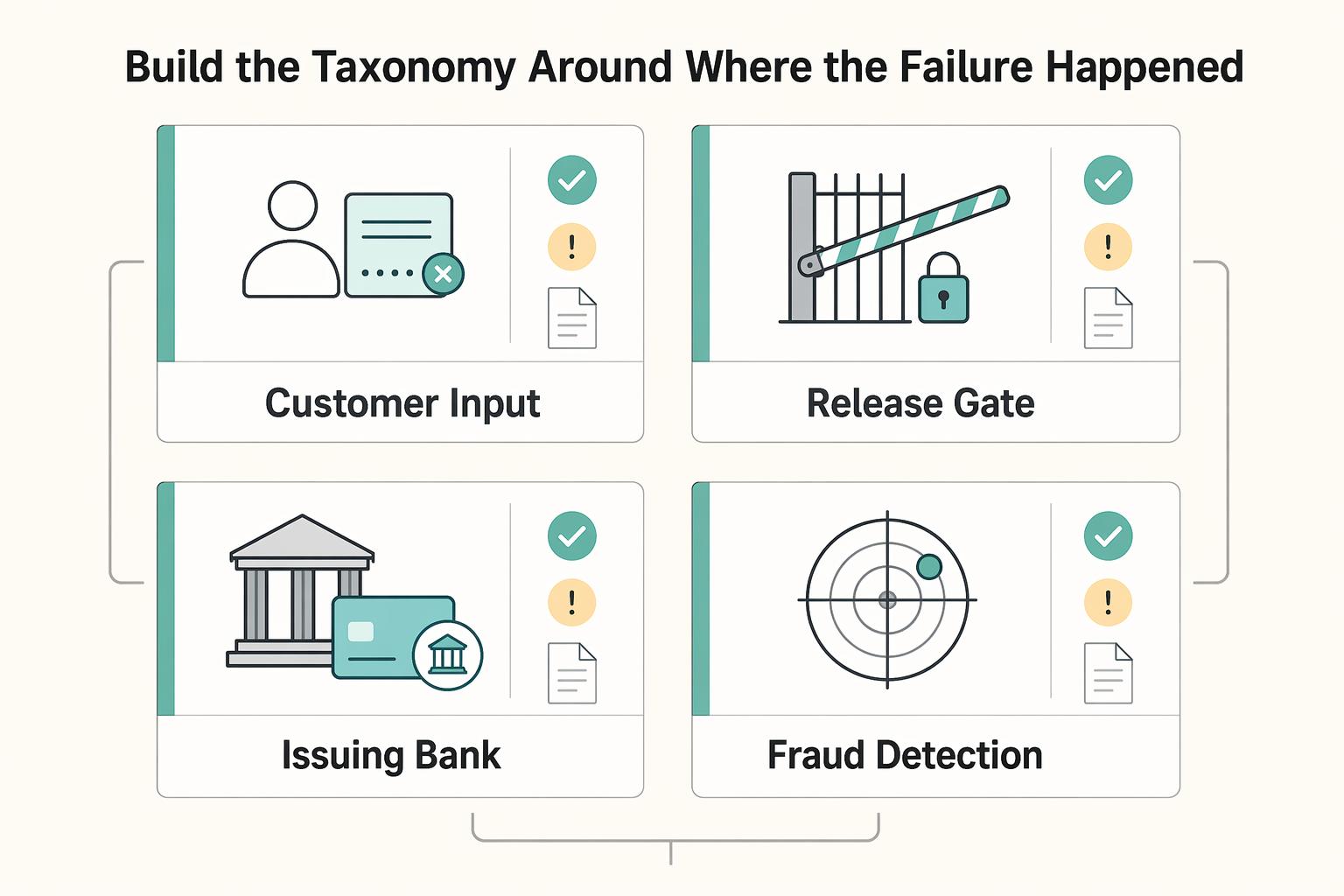
Payment Decline Rate Benchmarks for Platform Operations
A useful decline-rate benchmark is not a headline percentage. It is a repeatable view of your own traffic that clearly defines the cohort, the processor path, and what happened after authorization through settlement and payout reconciliation.
Read more →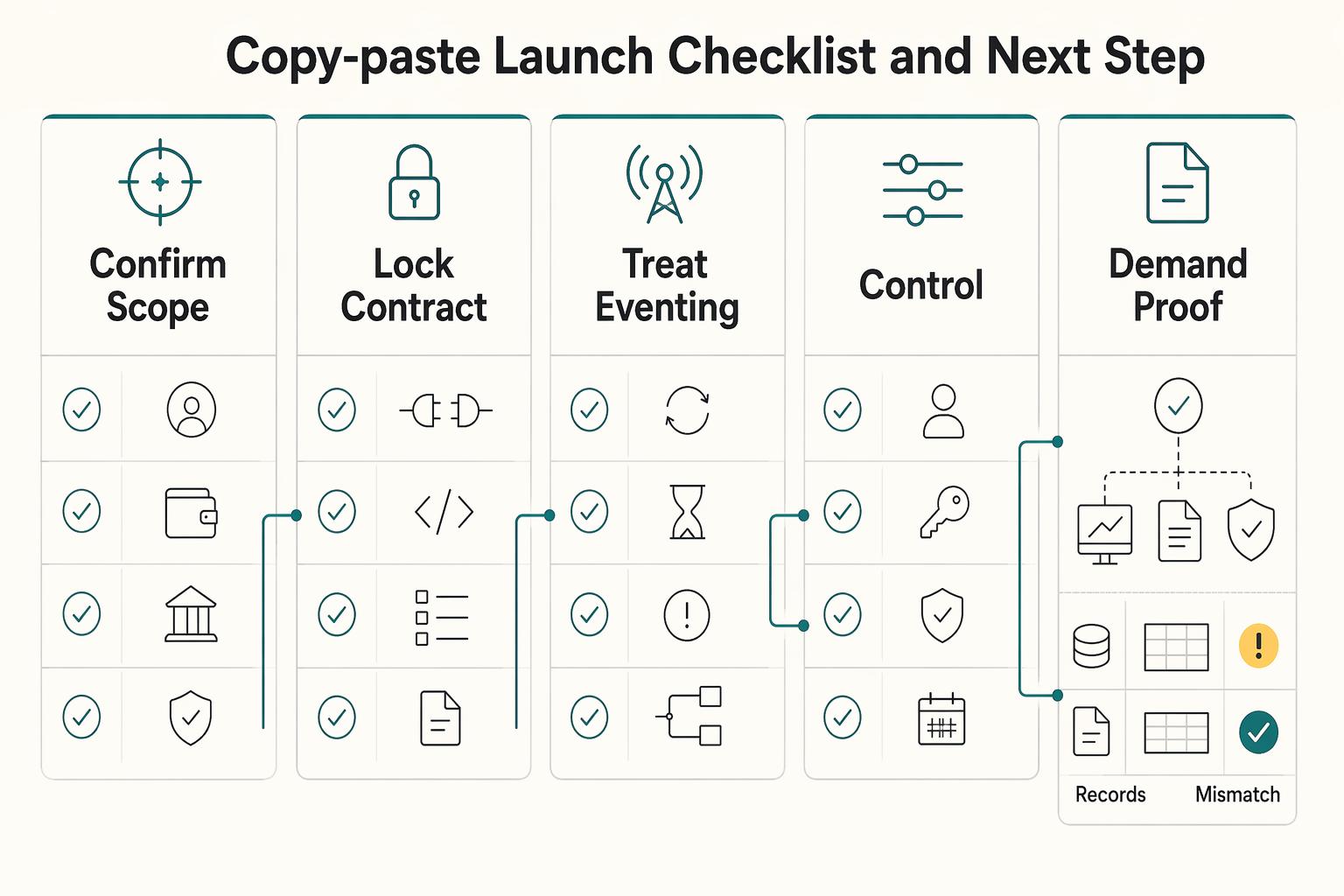
Payout API Design Best Practices for a Reliable Disbursement Platform
A smooth demo does not prove your payout stack is ready for production. If you are a CTO, engineering lead, or solution architect choosing a **Payouts API** or **Disbursement API**, assume from day one that real volume, retries, compliance gates, and exceptions will be yours to run. They are not just your provider's features to advertise.
Read more →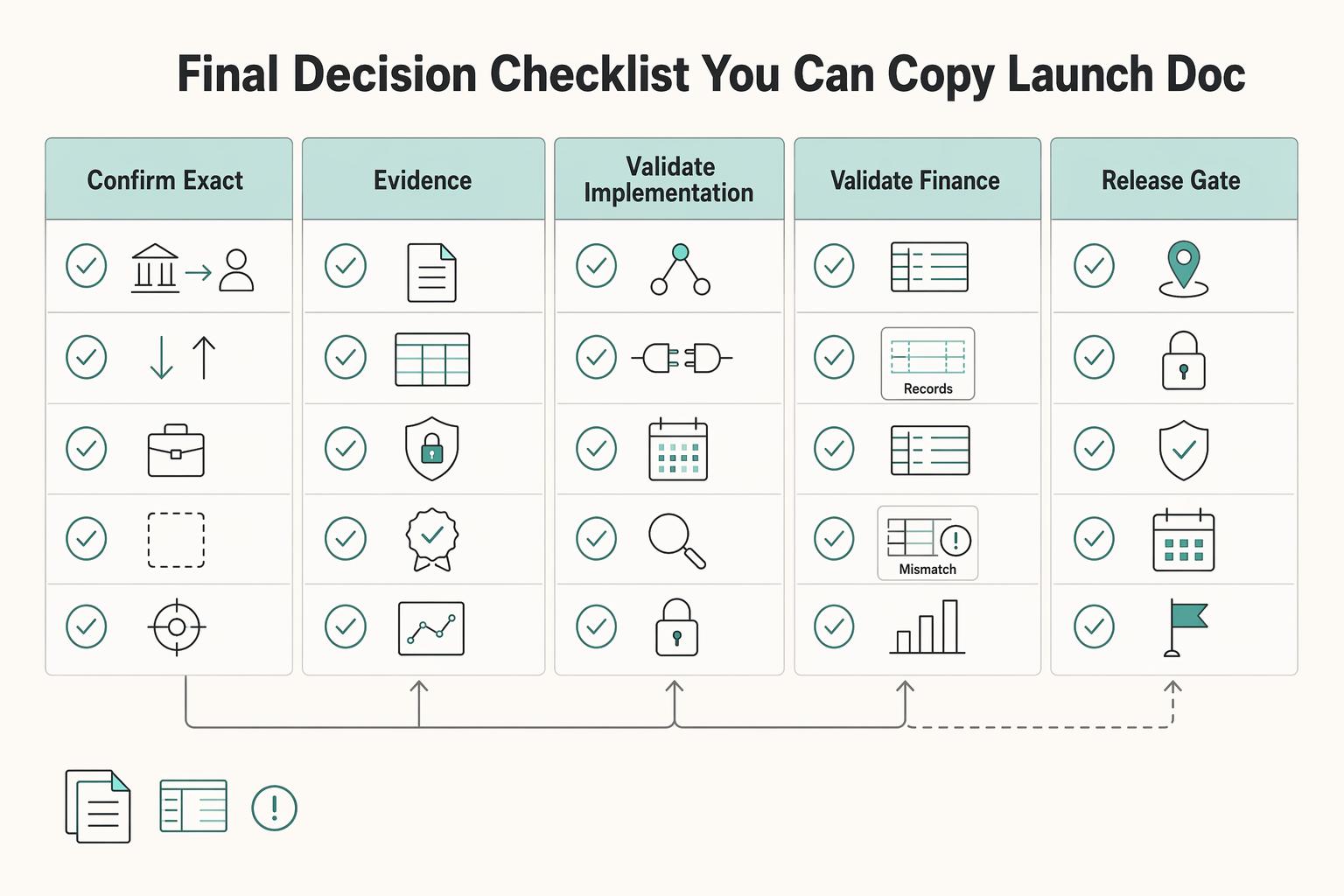
ACH Payment Processing Platforms for U.S. Collections and Payouts
Start with the outcome, not the feature label. You may need a setup that collects money in and sends money out over the U.S. banking network, not just a generic bank-transfer option. In practice, that often means ACH debits for collections and ACH credits for payouts, with controls your product, engineering, and finance teams can run in production.
Read more →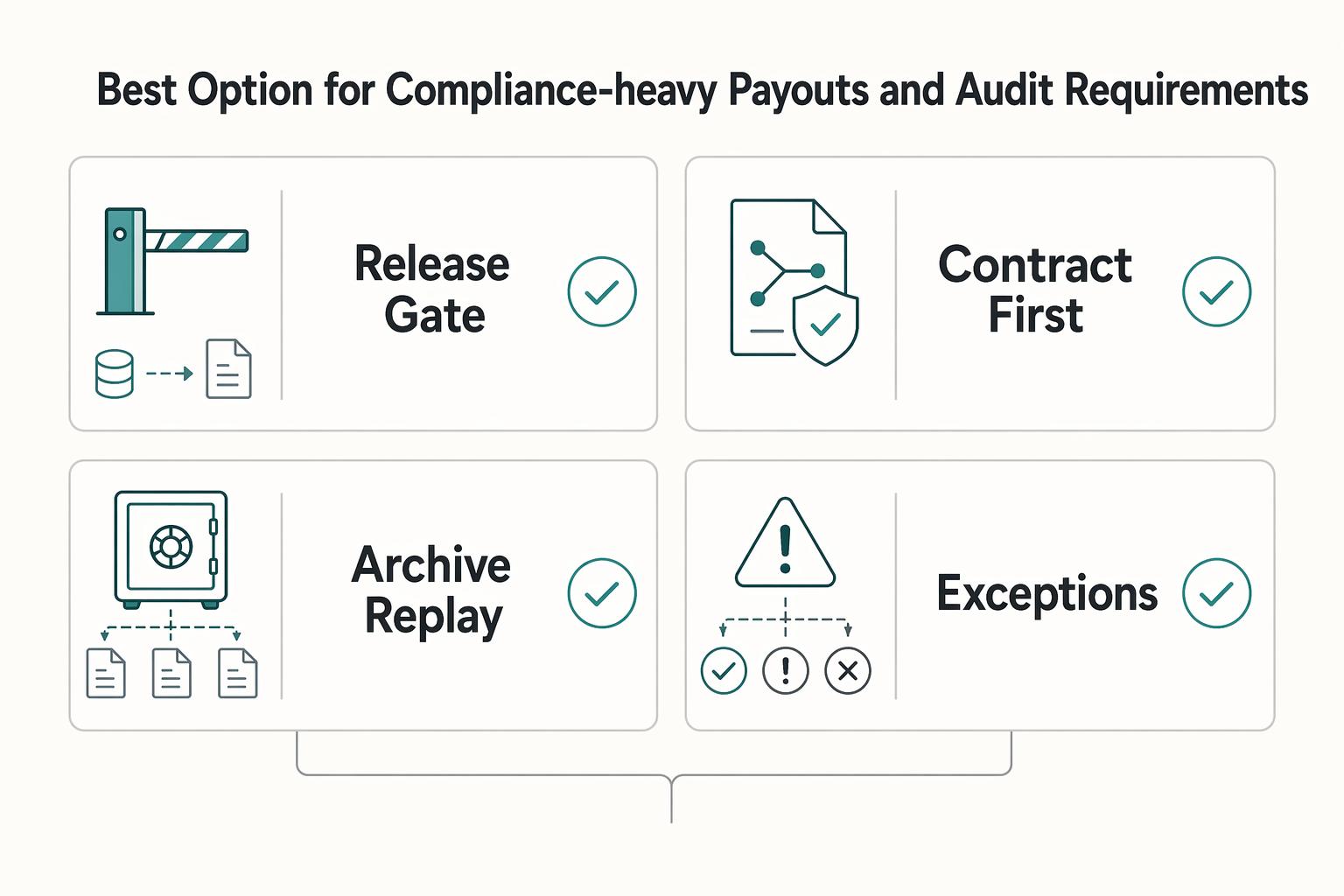
Upgrading Webhook Delivery with Event-Driven Architecture for Zero-Missed Payout Events
If payout correctness is business-critical, the upgrade decision is not "webhooks or events" in the abstract. It is how to reduce missed signals, contain duplicate side effects, and give operators proof of what happened without rebuilding everything at once.
Read more →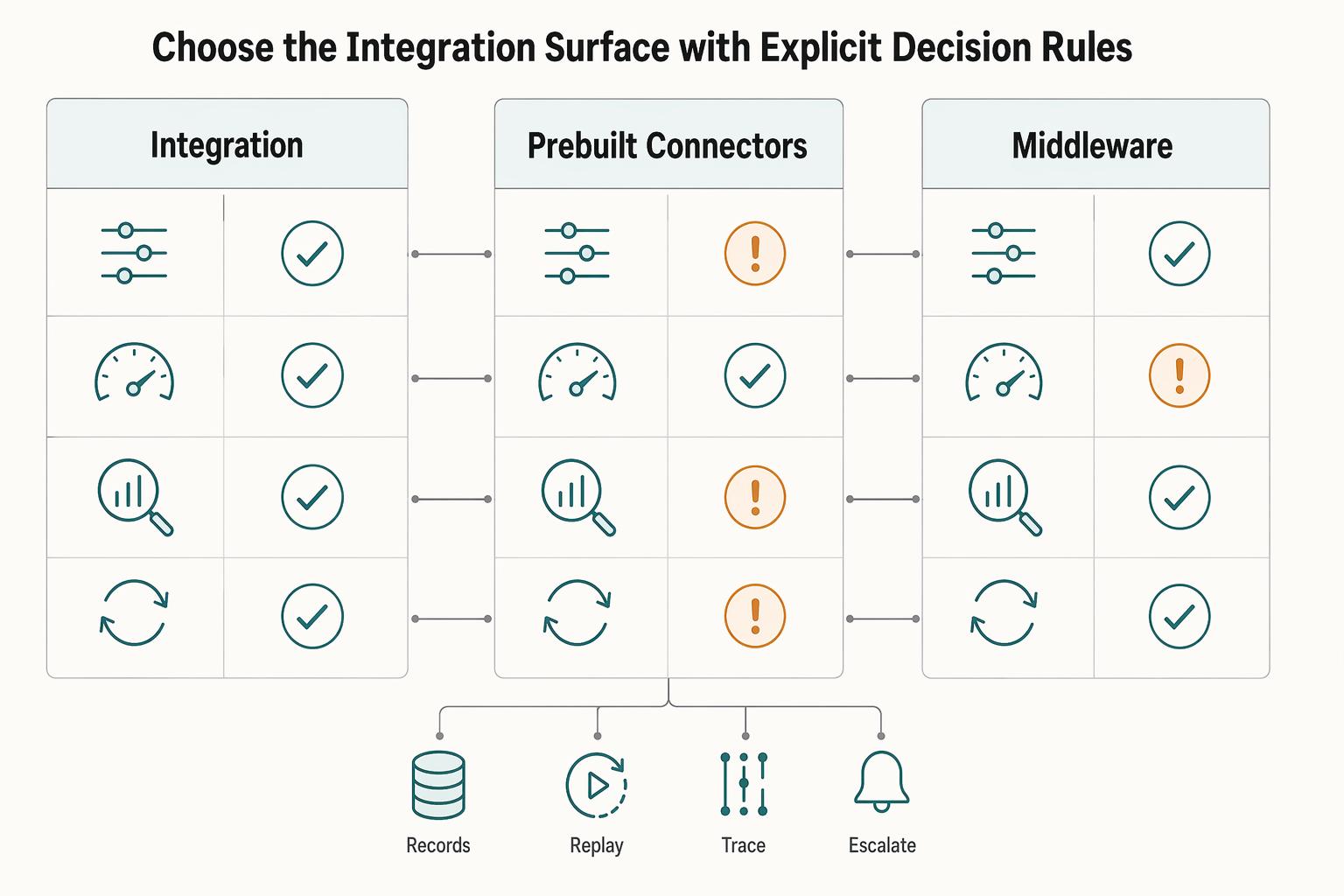
Integrating Acumatica with Payout Infrastructure for Payment Platforms
The fastest way to create platform debt in an **acumatica payment platforms cloud erp payout infrastructure integration** is to assume ERP coverage means payout ownership. Acumatica can handle important payment-acceptance and accounting-posting workflows, but you still need explicit ownership for payout execution, reconciliation, exceptions, and operator controls.
Read more →
State of Platform Payments Benchmark Report for B2B Marketplace Expansion
This article translates broad payments narratives into expansion decisions: where a B2B marketplace operator should launch first, what to delay, and what to validate before committing product and GTM budget in 2026.
Read more →
Churn Rate Benchmarks by Industry for Payment Platforms
If you run a payment platform, start with this assumption: there is no single churn benchmark you can safely copy from search results. Published benchmarks come from different market cuts, including broad industry datasets, B2B SaaS reports, subscription-app reports, and payment-method segments. These are not directly comparable without normalization.
Read more →
ACH vs Wire Transfer for Contractor Payouts When Platform Teams Should Use Each
Use **ACH transfer** as the default for routine contractor payouts, and treat **Wire transfer** as a controlled exception. For most teams weighing ACH against wire, that one decision clears up more day-to-day confusion than starting with edge cases. If you need one rule your team can apply under deadline, start there.
Read more →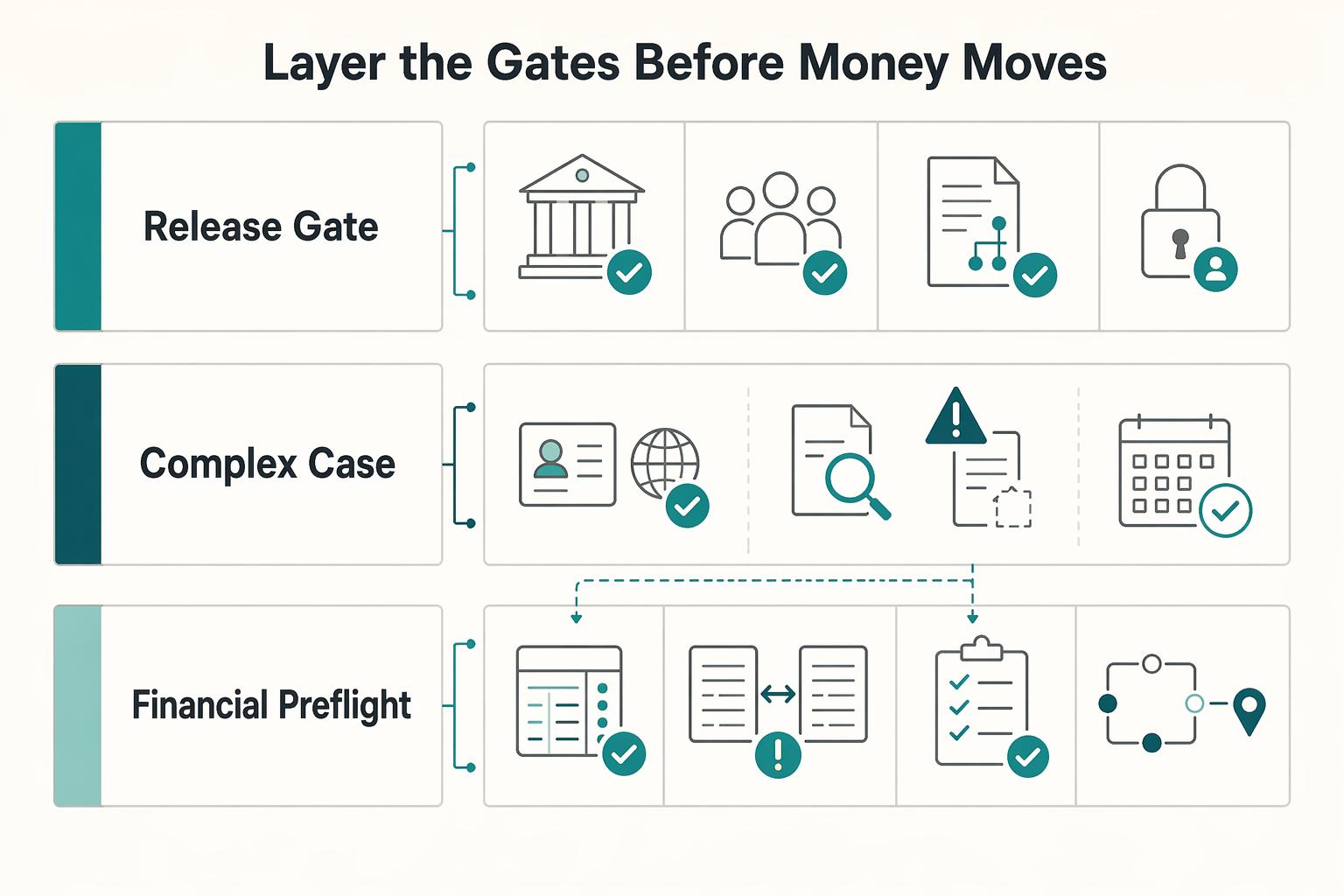
Legal Settlement Disbursement Operations for Law Firms and Claims Administrators
Search gets noisy here because three different categories use similar language: claims administration, post-settlement funding, and law-firm marketing. Treat them as interchangeable and you can make bad decisions about how payouts actually get done.
Read more →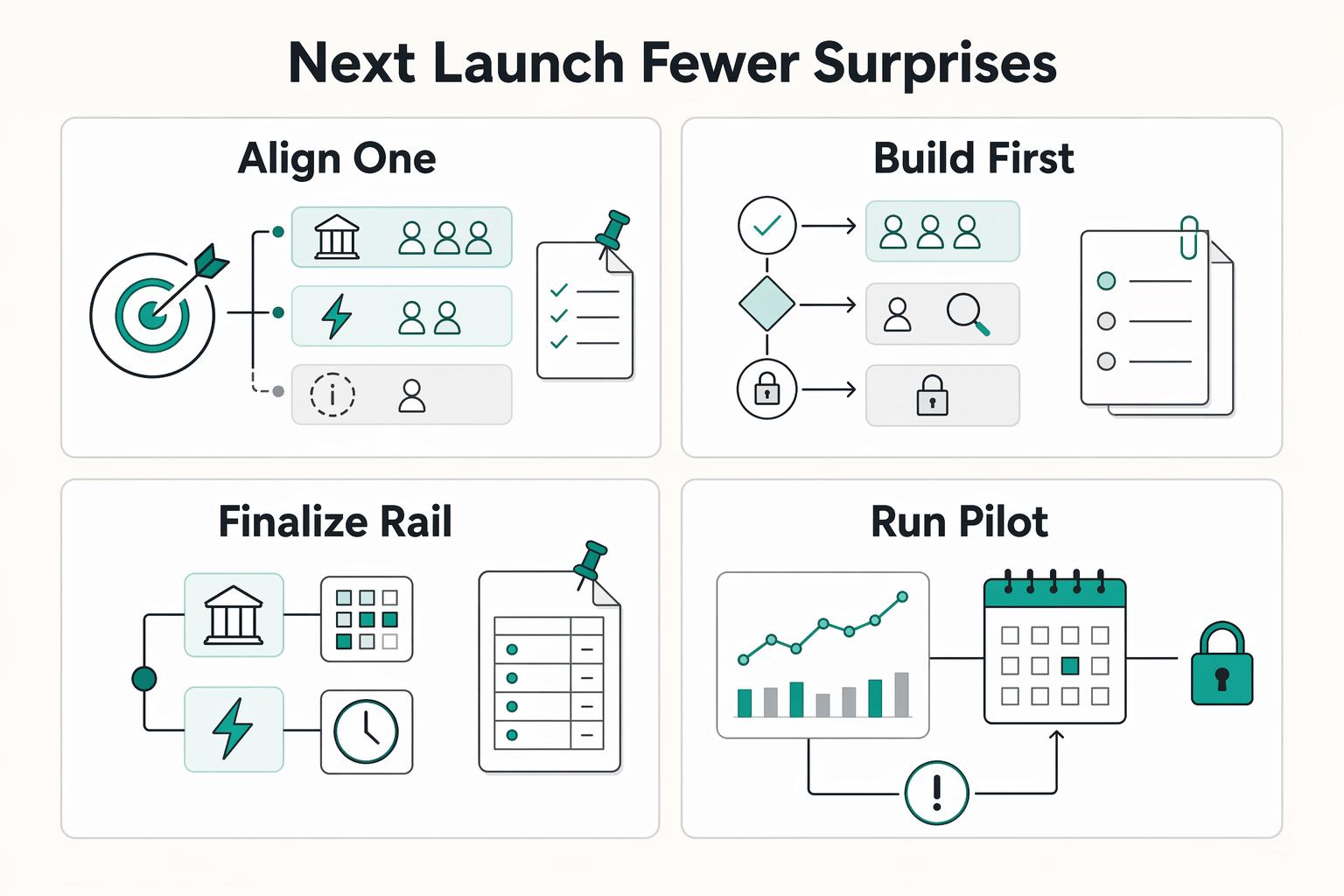
Automating Insurance Claim Payments for Scalable Policyholder Disbursements
Scale claim payouts as a control program first and a speed program second. The goal is to move policyholder disbursements faster at higher volume without weakening fraud controls, AML discipline, or reconciliation when exceptions happen.
Read more →
Cash Advance Programs for Contractors Pros Cons and Better-Fit Alternatives
A contractor cash advance is not automatically reckless or automatically useful. The real question is whether the funding structure fits your cash-conversion cycle closely enough to solve a timing problem without turning routine revenue into expensive repayment pressure.
Read more →