
Operator playbooks for cross-border payments, tax, and compliance execution.
Step-by-step guidance for finance, product, and ops teams to launch faster, reduce payout friction, and keep reconciliation clean across borders.
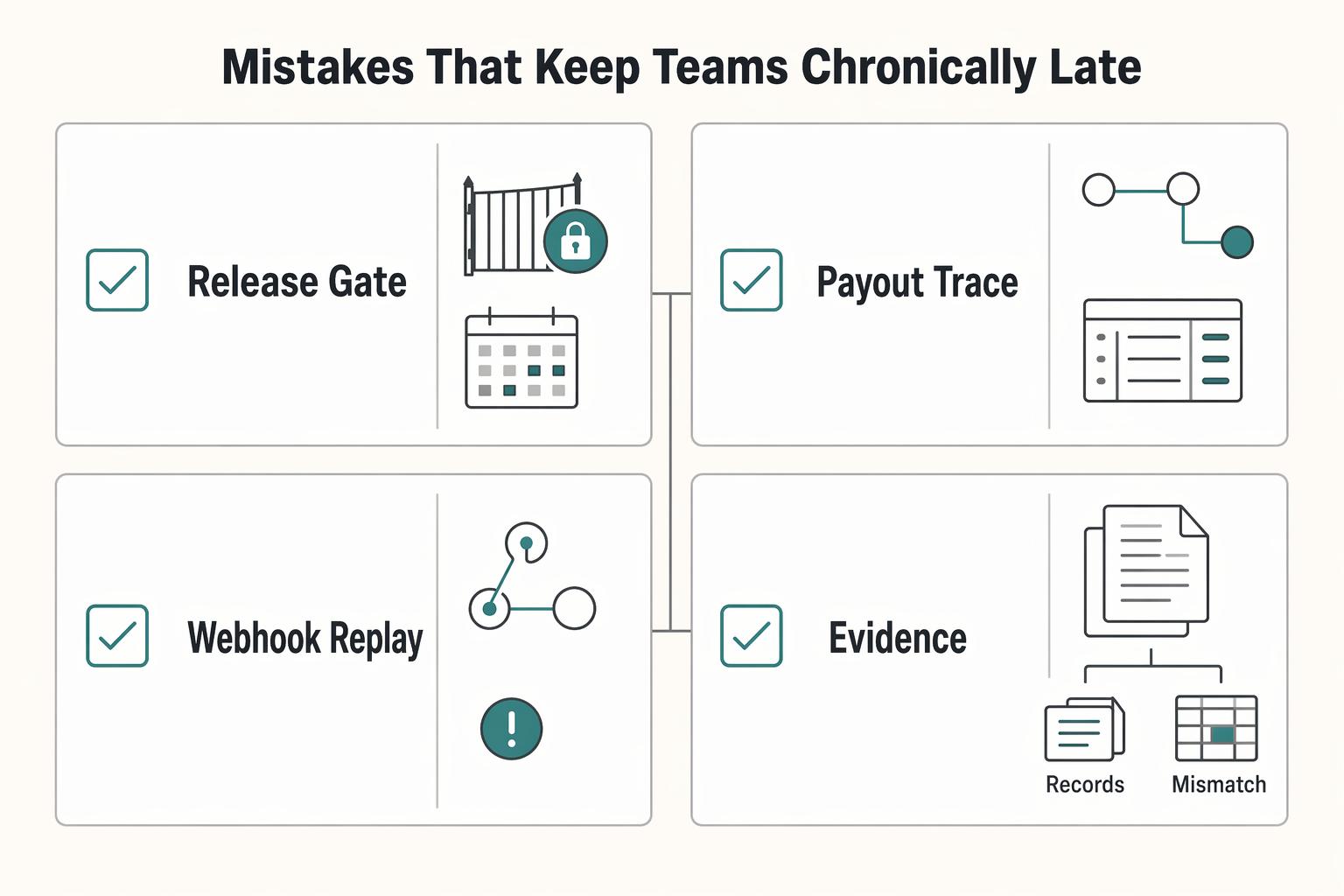
Pay Vendors on Time to Protect Platform Margin and Reputation
Paying vendors on time is not just back-office hygiene. It is an operating decision that affects profitability, supplier trust, and service reliability as complexity grows.
Read more →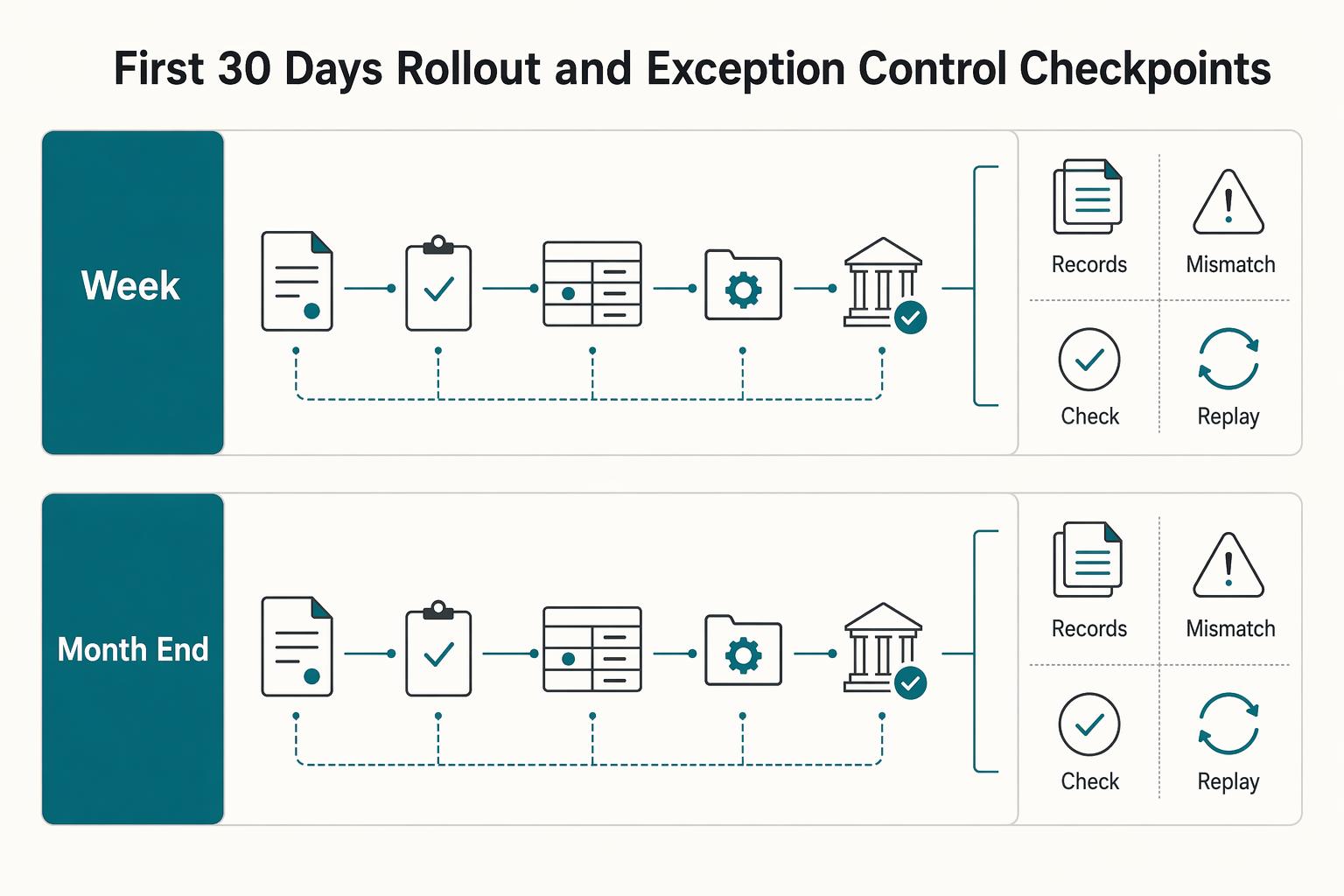
How Platforms Automate 2-Way and 3-Way Invoice Verification
The real question is not whether you know the textbook difference between 2-way and 3-way matching. It is whether your team can turn that difference into a real payment gate inside Accounts Payable. In an invoice verification platform, the distinction matters only when it changes what gets paid, what gets held, and what evidence must exist before settlement moves forward.
Read more →
Which Alternative Payment Methods Improve Subscription Conversion by Market
Subscription conversion across markets can improve when you prioritize relevant local methods and run them well, not necessarily when you add every possible option.
Read more →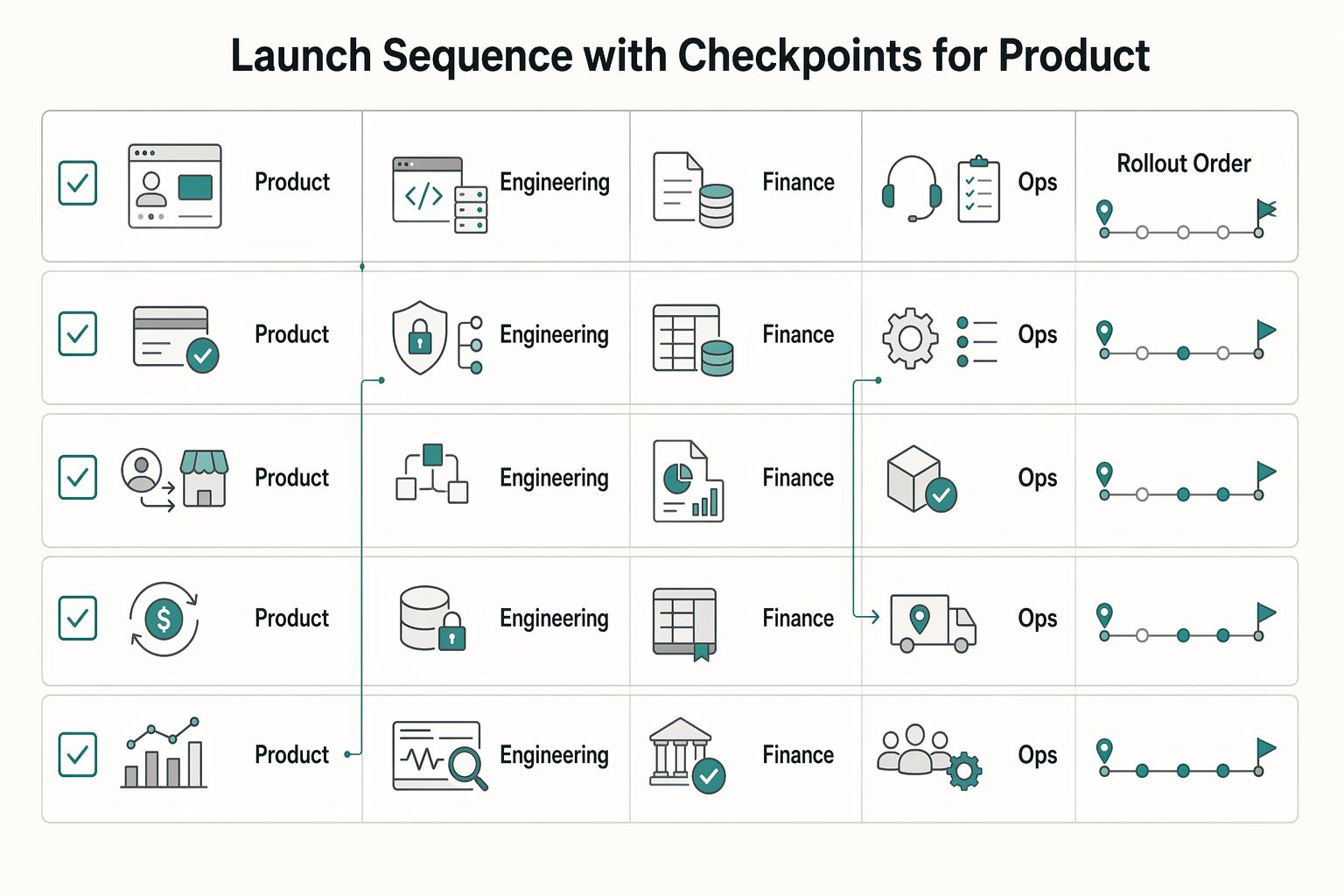
Six Marketplace Payment Setups for Two-Sided Platforms: Checkout, Payout Control, and Reconciliation
# Six Marketplace Payment Setups for Two-Sided Platforms: Checkout, Payout Control, and Reconciliation
Read more →
Tiered Pricing Strategies for Payment Platforms with Basic Pro Enterprise
For a payment platform, a core pricing decision is whether your tiers create a clear path from entry-level adoption to larger contracts without making billing hard to run. This guide focuses on practical Basic/Pro/Enterprise design, not generic SaaS packaging.
Read more →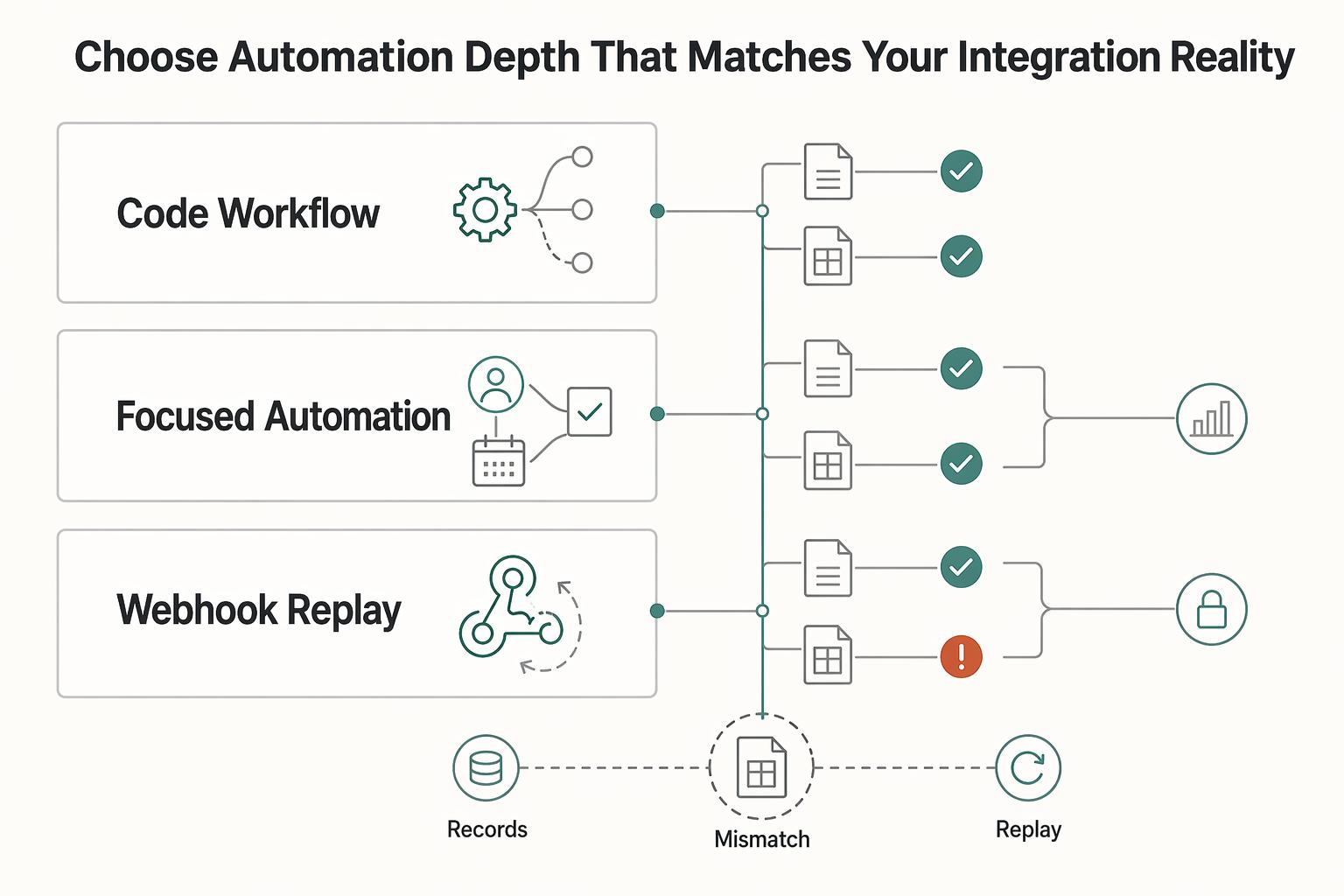
Purchase Order vs Invoice in Platform P2P Systems
If you are evaluating **purchase order vs invoice procure-to-pay cycle platform** design, the hard part is usually not defining the documents. It is deciding who owns each checkpoint, what control exists before money moves, and how cleanly finance, product, and engineering hand off when something goes wrong.
Read more →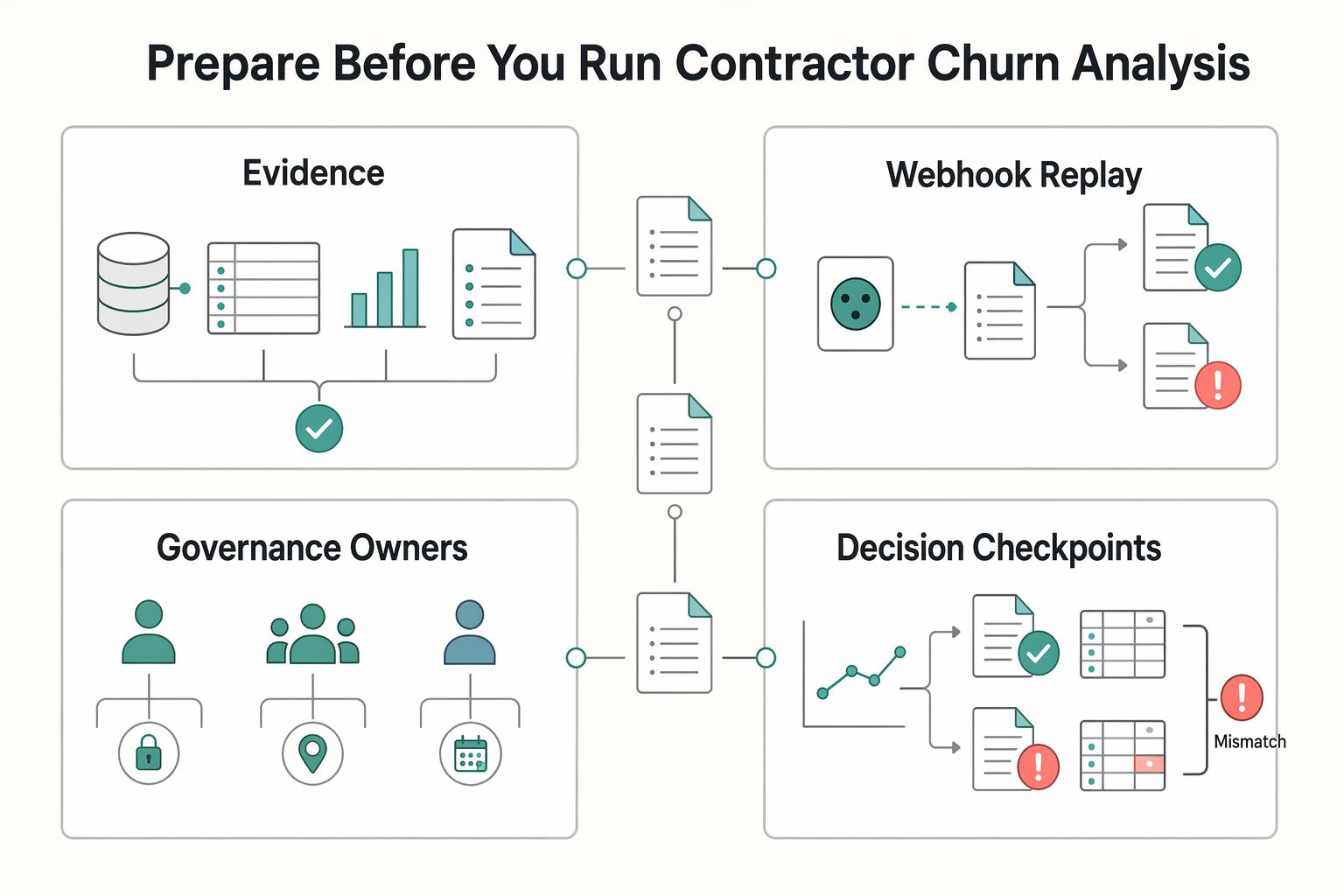
Why Freelancers Leave Platforms and How to Fix Contractor Churn
Contractor churn is not just another retention metric. On a freelancer platform, it is a business model decision because every dropout can affect activity volume, support cost, and the quality of the growth you keep.
Read more →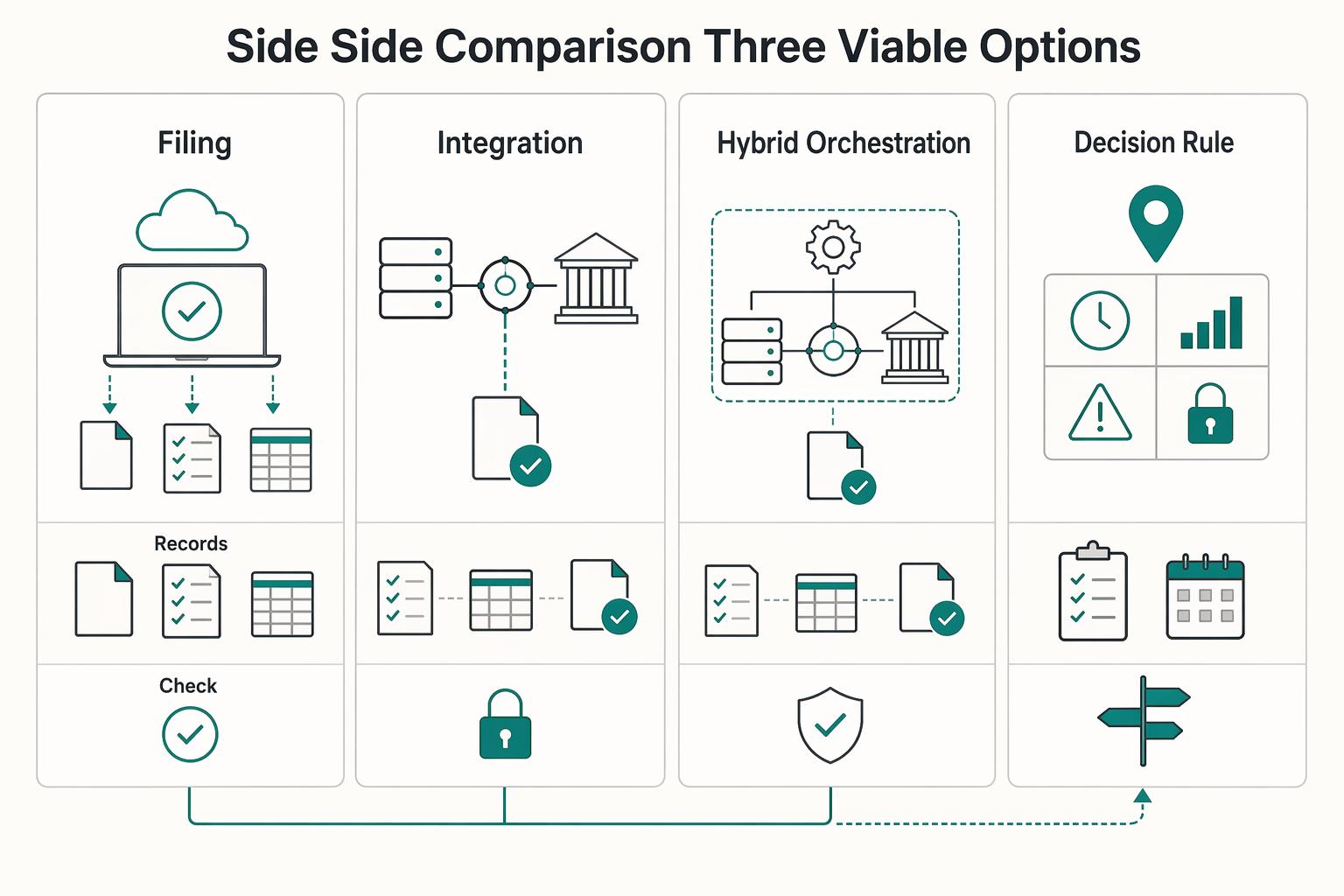
How Platform Teams Accelerate MTD for UK VAT Without Control Gaps
If you operate a platform and need to automate UK VAT reporting, the practical path is usually staged. Get MTD-compliant filing working first with compatible software. Then add deeper automation once you can show your digital records tie to submitted VAT return totals.
Read more →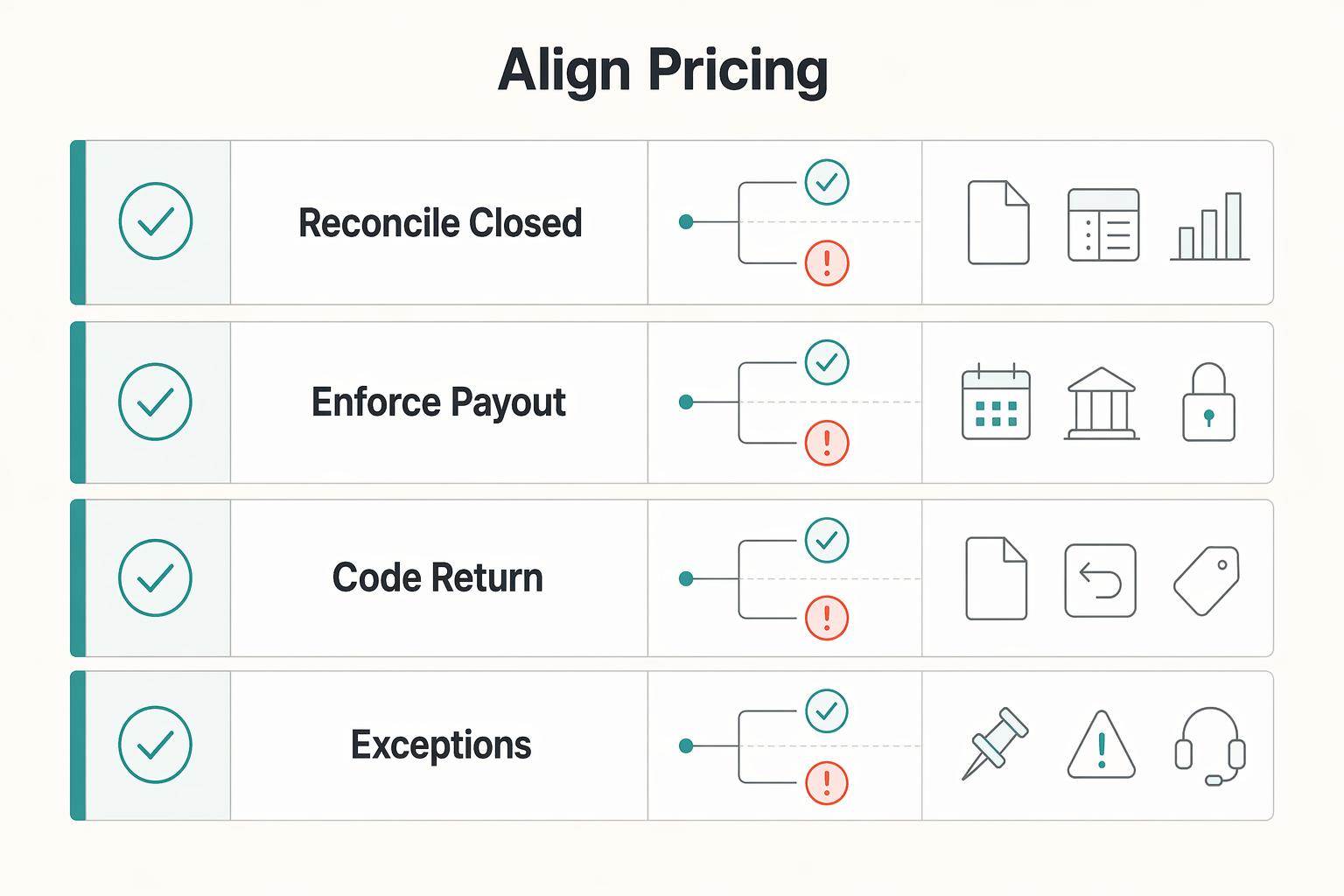
How to Build a Two-Sided Marketplace by Balancing Client and Contractor Acquisition
Balance is an operating discipline, not a traffic goal. In a two-sided marketplace, growth breaks when one side shows up faster than the other side can respond in a useful way. More client demand is not progress if qualified contractors cannot be found or trusted. More contractor signups are not progress if clients cannot find the right fit and close real work.
Read more →
How to Expand Your Subscription Platform to Europe for Payment and VAT Readiness
Treat a European launch as an operations sequencing decision first. Lock VAT, payments, and compliance ownership before you scale localization or acquisition.
Read more →
Mass Payouts for Affiliate Networks Paying Publishers, Partners, and Creators at Scale
Treat affiliate payouts as infrastructure, not as a payment feature. Once you are paying publishers, partners, and creators in volume, the hard part is often not the send button. It is everything around it: commission calculation, recipient onboarding, approval controls, rail selection, status handling, reconciliation, and close.
Read more →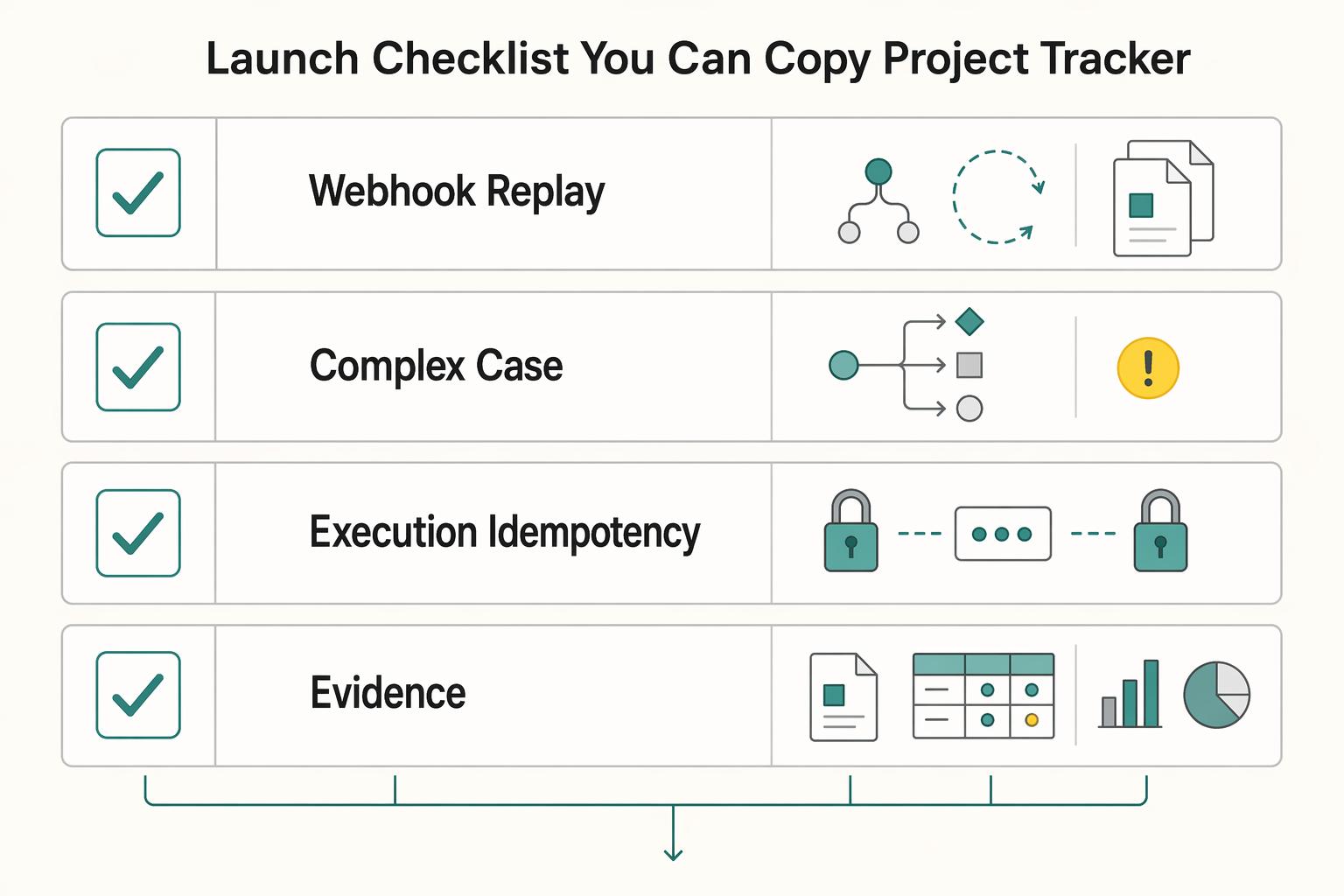
Set Up Direct Deposit for Contractor Payouts Without Ops Debt
If you only pay a handful of 1099s, the product docs are often enough to get started. Once you own payouts for a contractor base, they are just the starting point. This guide is about getting direct deposit live without creating reconciliation headaches, support blind spots, or manual cleanup later.
Read more →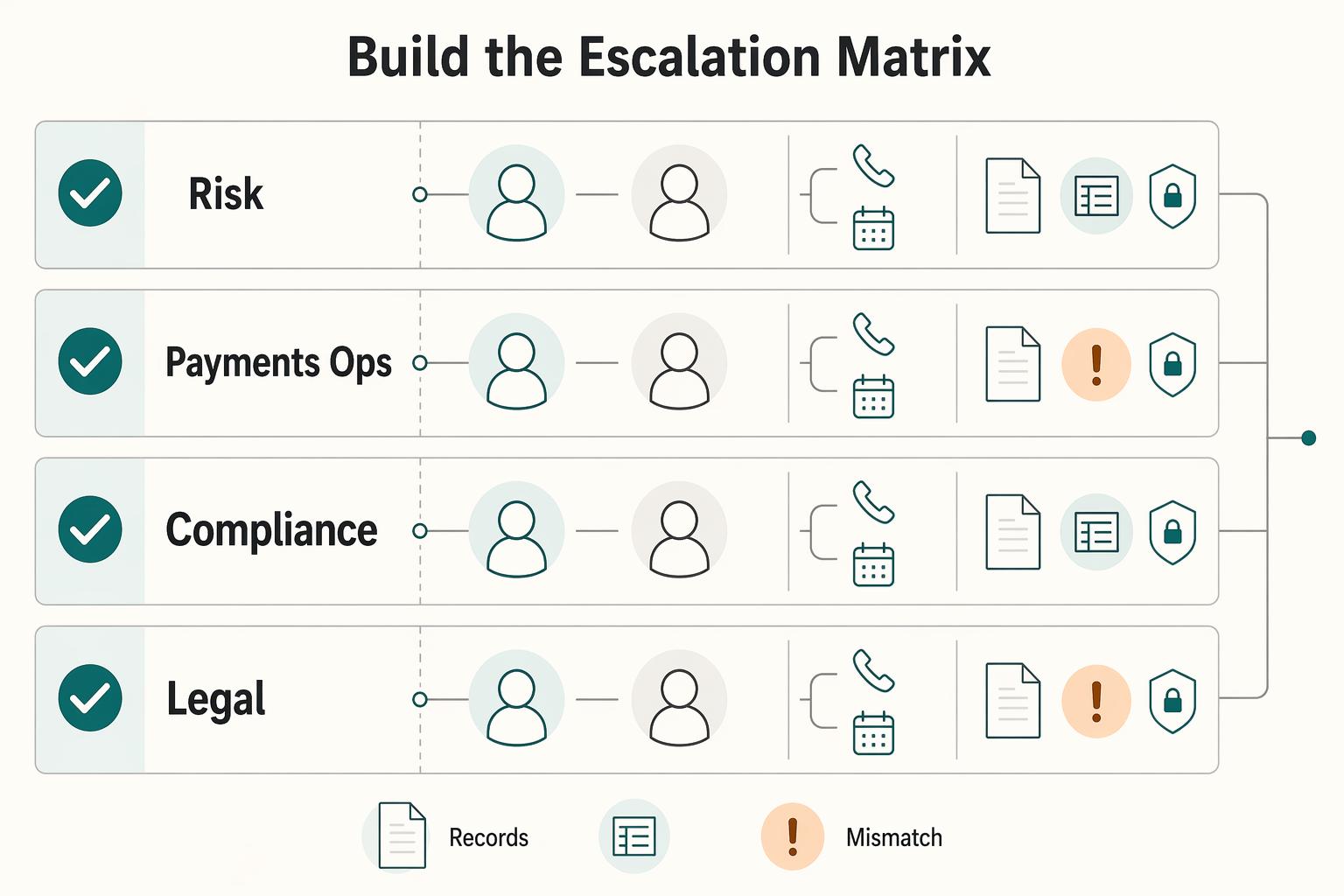
Identity Theft Prevention for Freelancers in Payout Operations
This guide is for platform teams that own contractor, seller, or creator payouts. If you work in Compliance, Legal, Finance, Payments Ops, or Risk, your goal is a practical identity-theft prevention program: one that protects financial accounts, creates clear stop-and-review points, and leaves audit-ready records.
Read more →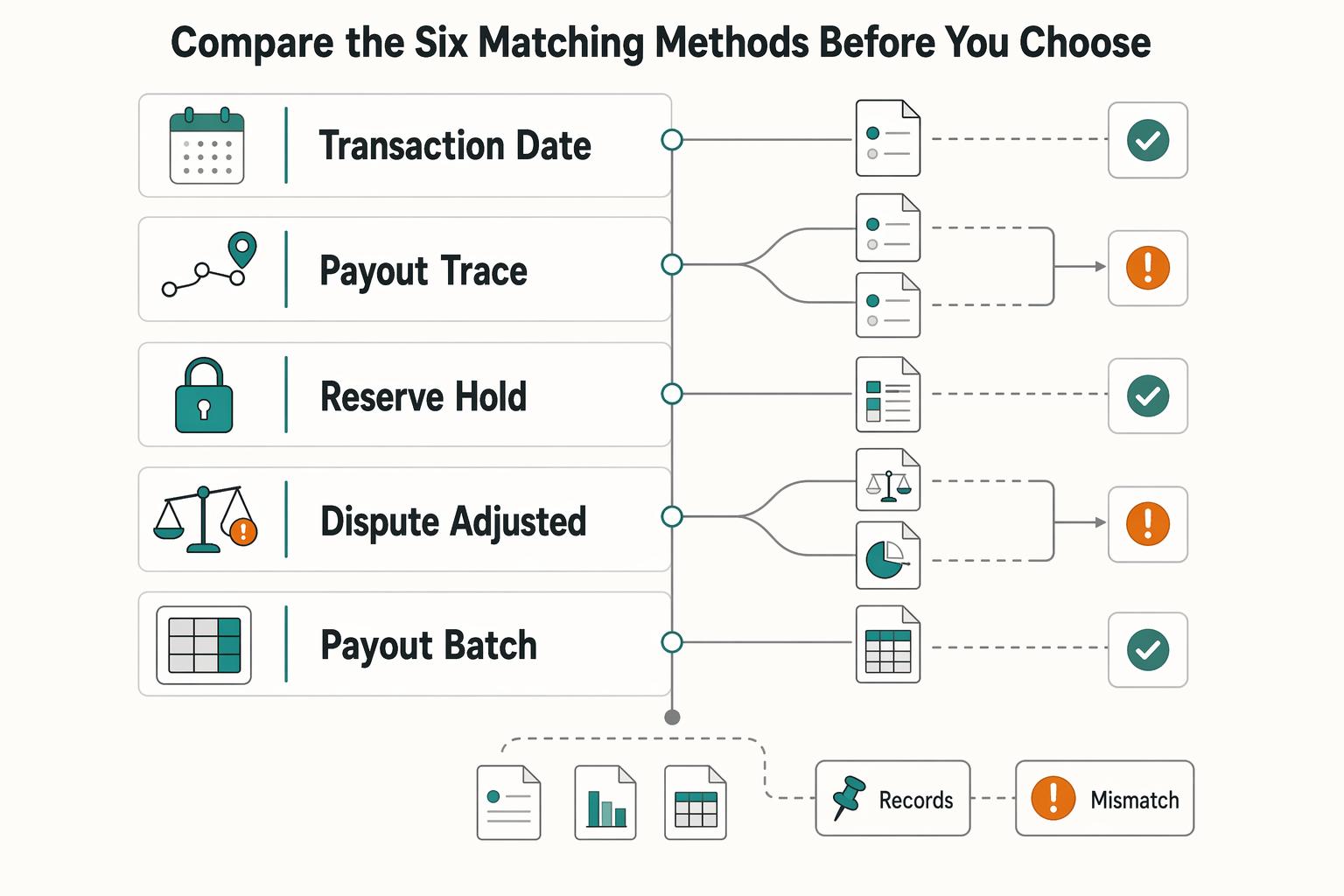
What Is Accrual Accounting? Why Payment Platforms Must Match Revenue and Payout Costs in the Same Period
For platform operators, cash timing often does not match accounting timing, so payout date should not be your default anchor for revenue or payout-cost recognition.
Read more →
Freemium vs Paid Tiers for Payment Platforms
For a payment platform, this is not an abstract free versus paid debate. The real question is whether freemium or paid tiers create the customer mix you want at a cost and revenue pace your business can sustain. In practice, the choice comes down to growth quality, support load, and when monetization starts.
Read more →
Using Machine Learning to Reduce Payment Failures on Subscription Platforms
Machine learning helps most when recurring-payment failures are probabilistic, not deterministic. If a charge might succeed later because timing, issuer behavior, or customer segment matters, model-driven retry timing can improve recovery. If the failure is deterministic, such as an invalid API call, a blocked payment, or a hard decline that cannot be fixed right away, rules and process fixes usually do more good.
Read more →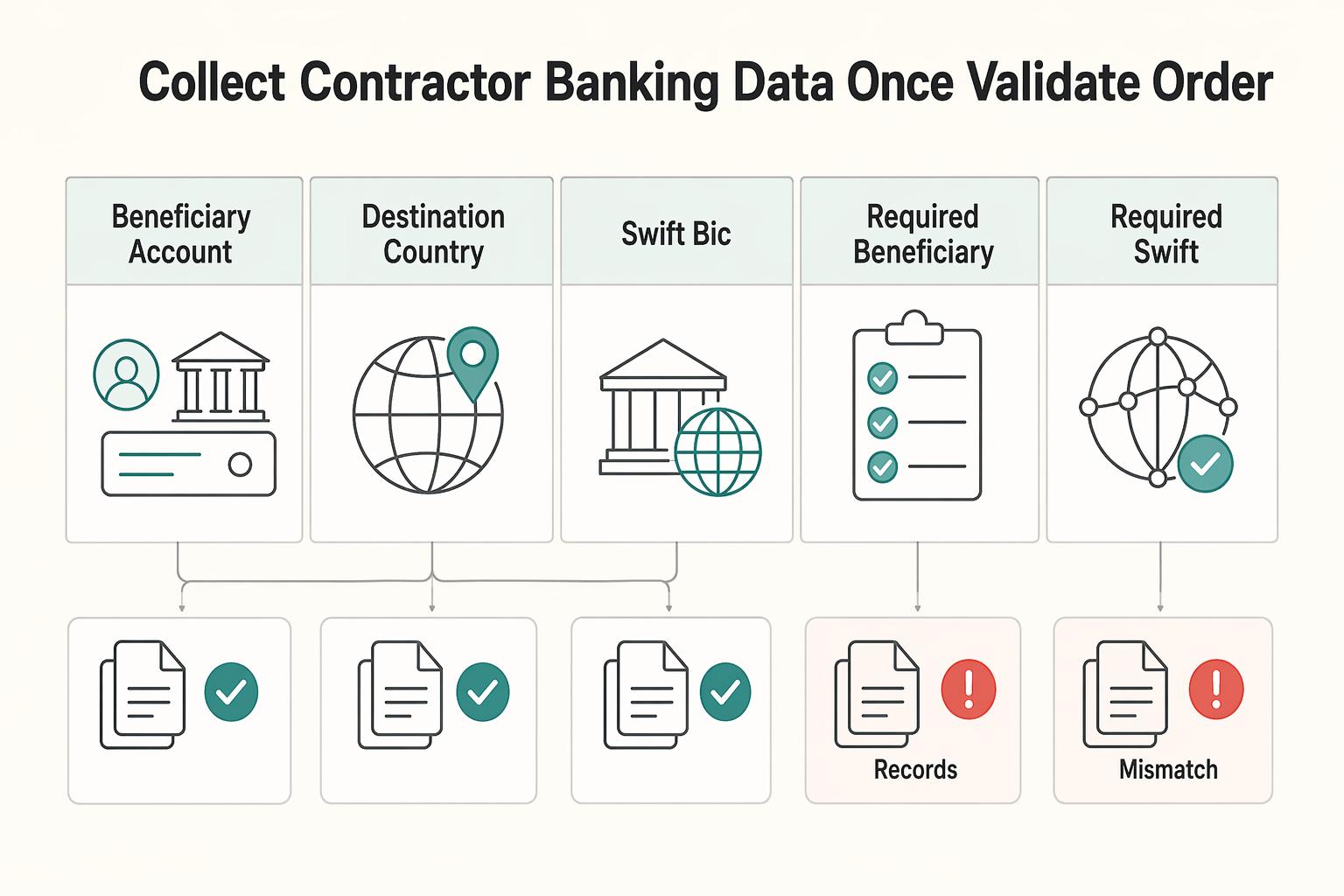
IBAN vs SWIFT for International Contractor Payouts on Platforms
If you are scaling international contractor payouts, treat code choice as a release control, not a glossary question. The practical rule is simple: collect the right bank identifiers up front, validate them before approval, and keep enough evidence to explain every submitted, rejected, returned, or retried payout later.
Read more →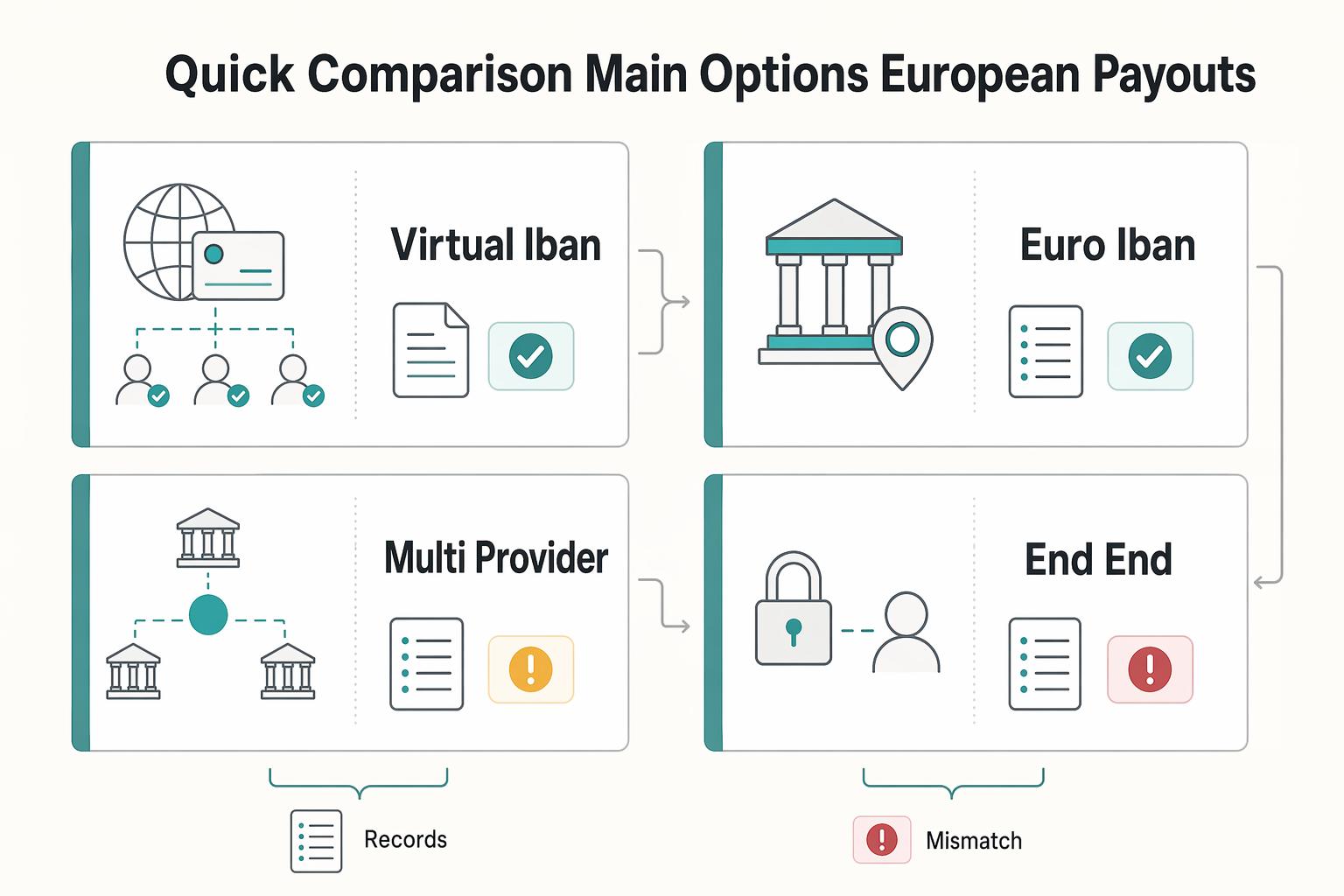
What Is an IBAN Number? How Platforms Use IBANs to Send Error-Free European Payouts
If you are evaluating **iban number platforms european payouts**, skip the glossary. The real decision is which payout setup will keep money moving, exceptions visible, and reconciliation manageable as volume grows. This guide is for platform founders, finance ops leads, and engineering owners who need to ship reliable European payouts, not for readers looking for a basic banking explainer.
Read more →
How Platforms Accept Overseas Client Payments Through Inward Remittance
Your core promise is traceable cross-border receipt, not an "international checkout" button. For platform teams, that means tracking who initiated the payment, who the designated recipient is, what amount was expected, what arrived, which provider statuses came back, and whether funds can move to the next internal step.
Read more →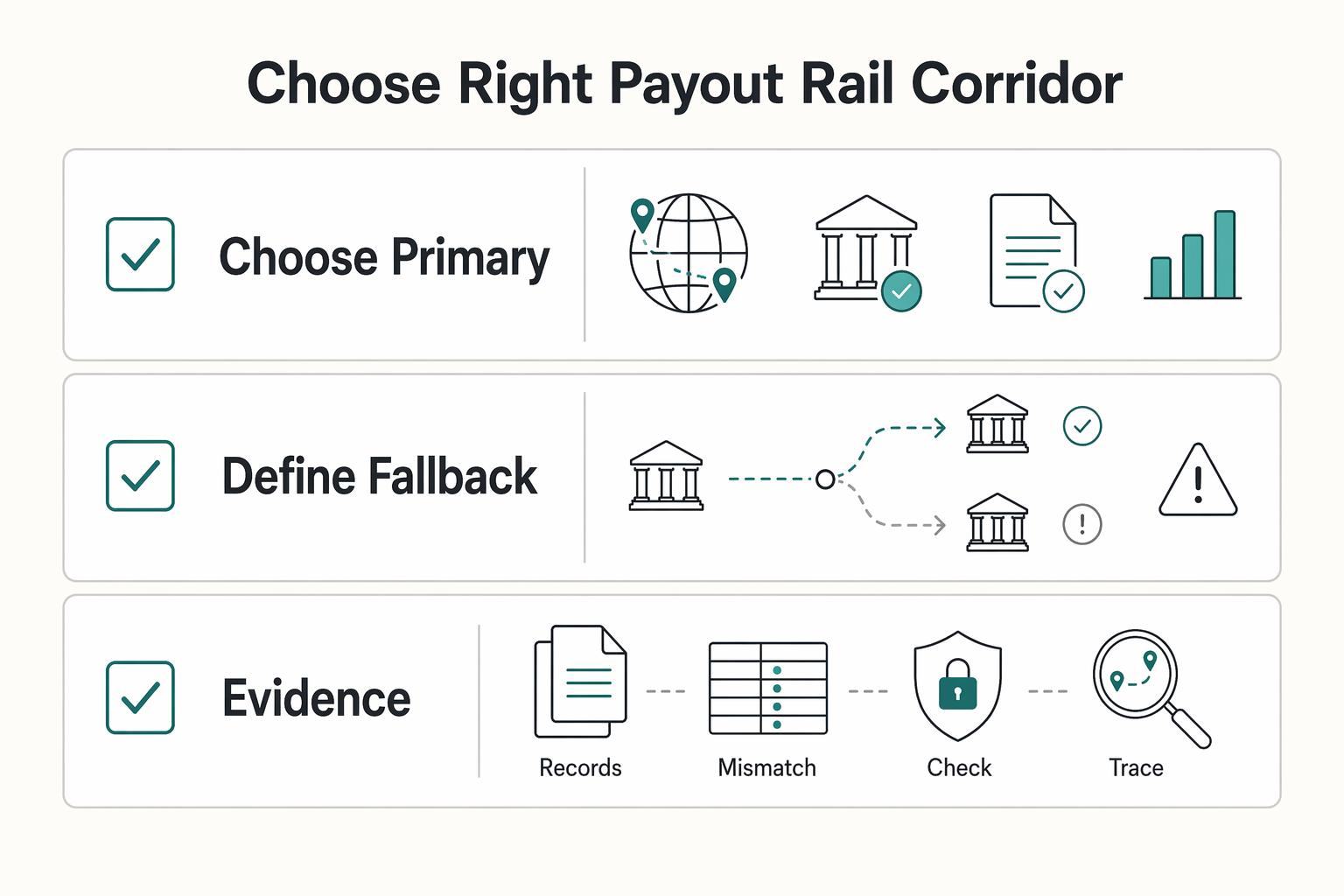
Choosing SWIFT or Local Bank Transfers for Cross-Border Platform Payouts
For platform leaders, this is a routing design decision, not a generic SWIFT versus local debate. The right rail depends on corridor coverage, intermediary-bank behavior, compliance gates, and how much operational complexity your team can absorb when payouts go off path.
Read more →