
Operator playbooks for cross-border payments, tax, and compliance execution.
Step-by-step guidance for finance, product, and ops teams to launch faster, reduce payout friction, and keep reconciliation clean across borders.

Moving Vendor Payouts from Checks to ACH and Wire
This guide gives you a decision-ready sequence for moving vendors from paper checks to ACH or wire, with fewer avoidable failures and cleaner reconciliation. This is not about going digital for its own sake. It is about choosing the right rail for each payout, collecting the right bank details, and handling exceptions without duplicate money movement.
Read more →
How to Use a Multi-Wallet Strategy to Minimize FX Losses
**Short answer:** minimize FX losses by mapping where currencies change, holding funds where same-currency inflows and outflows naturally match, converting earlier when they do not, and adding quote, approval, and ledger controls before you add hedging.
Read more →
How HR Platforms Scale Employee Recognition Payout Disbursements
Treat recognition software and payout delivery as two separate buying decisions. If your team will own disbursement outcomes, start with finance and operations, not the reward catalog. That matters even more for global programs, where cross-border execution, multi-currency budgets, and payout-choice expectations can turn a simple recognition launch into a margin and support problem.
Read more →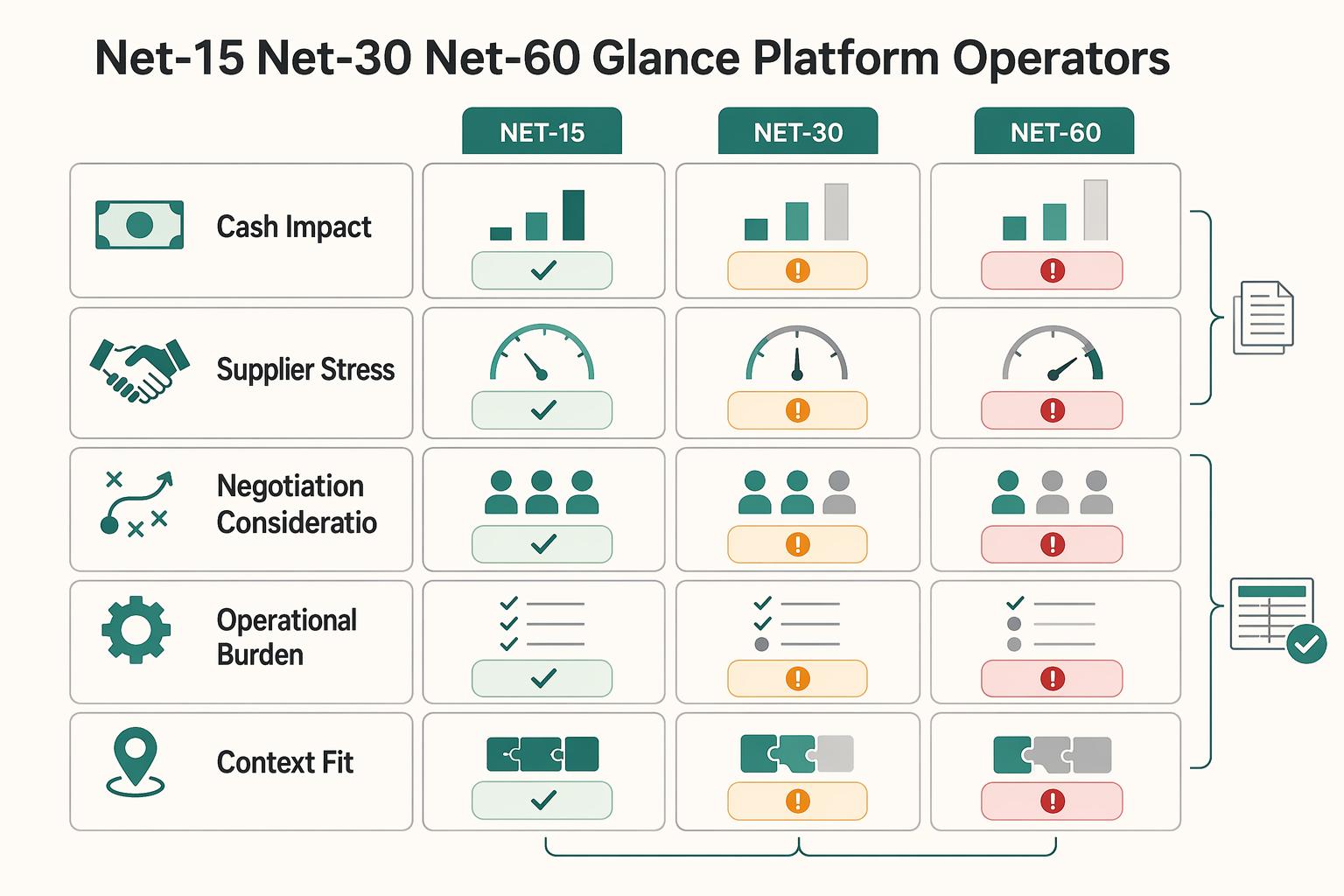
When Platform Teams Should Demand Net-15, Net-30, or Net-60
Choose payment terms based on what your platform can execute reliably, not on the longest term you can negotiate. Moving to longer terms such as Net-30 or Net-60 can improve buyer working capital by keeping cash in the business longer, but it also makes suppliers wait longer to get paid and can strain the relationship. If you cannot execute the term you negotiate, your supplier relationship absorbs the gap. We see the damage when teams negotiate the longer window before they can prove invoice timing and approval discipline.
Read more →
Real-Time Payout Tracking for Platforms That Reduces Support Load
Faster rails do not fix unclear payout state. Payout tracking matters when each payout can be followed from authorization through reconciliation, not when disbursement is merely faster.
Read more →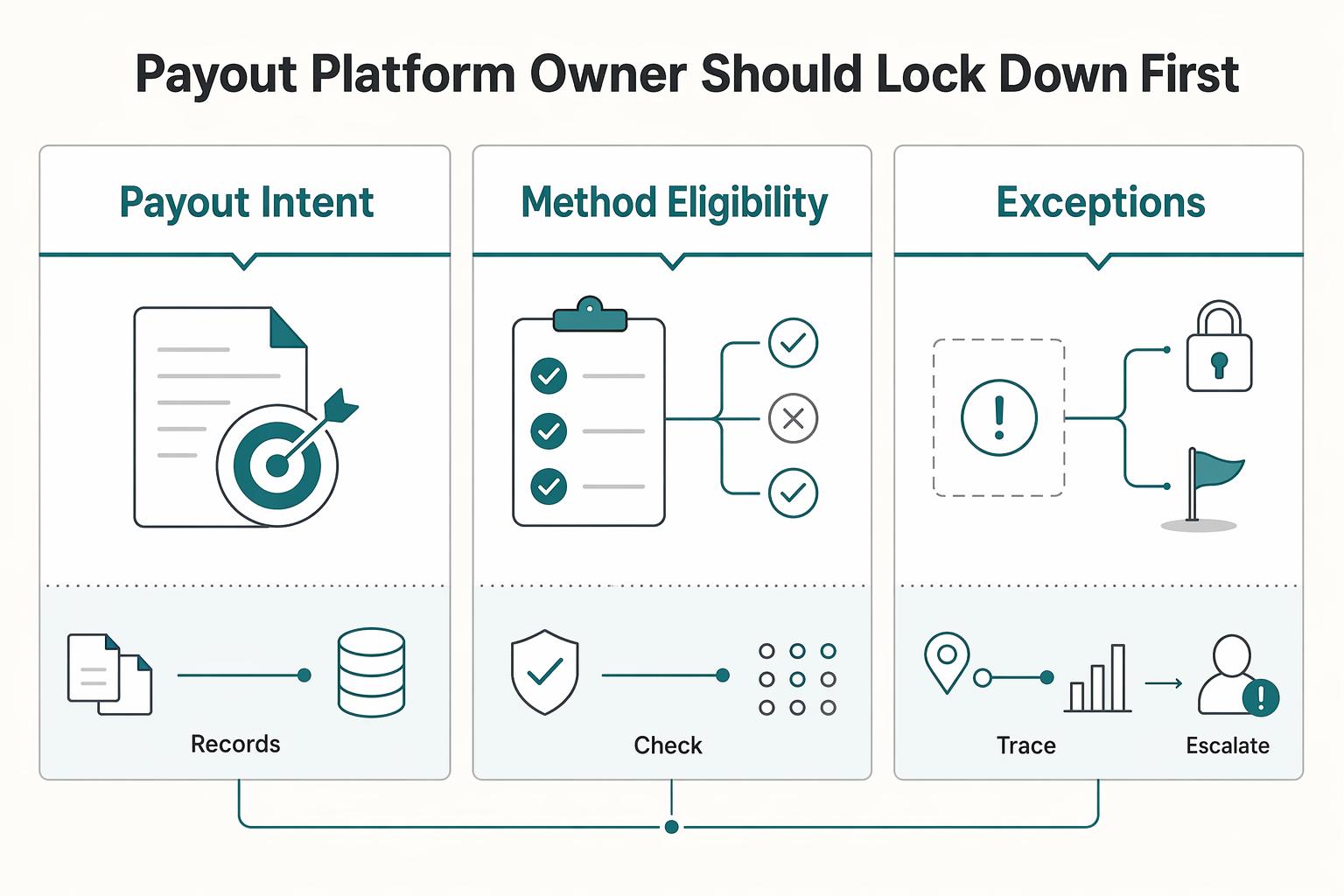
Gift Card Payouts for Platforms When to Use Gift Cards vs Cash
For payout decisions, keep the rule simple: use gift cards for discretionary incentives. Default to direct deposit (ACH) when money is owed for work. If a payment settles an obligation rather than rewards behavior, start with a cash rail and make any exception earn extra review.
Read more →
How Positive Pay Controls Check Fraud in Digital Payment Platforms
This list is for compliance, legal, finance, and risk owners who need to use Positive Pay without turning it into a bigger build than the risk justifies. The goal is practical: reduce check and electronic transaction fraud while keeping decisions and approvals auditable across products and bank relationships.
Read more →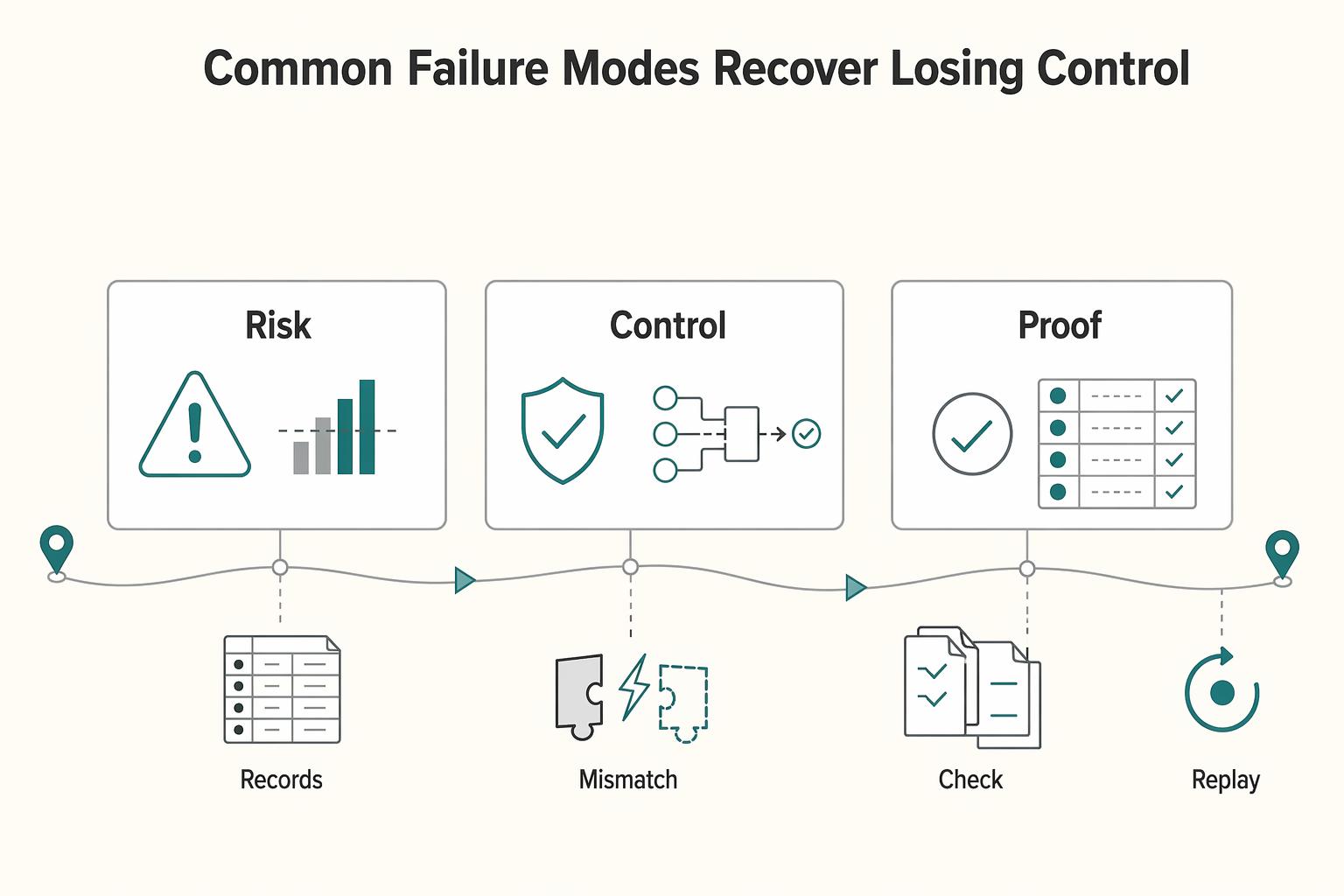
Spend Analytics for Platforms That Turns Payout Data Into Cost Decisions
Treat payout cost reduction as a controls decision first, not a dashboard exercise. If a proposed saving cannot be traced from payout activity into your ledger, checked through a reconciliation process, and tied to a clear settlement outcome, do not ship it, no matter how good the chart looks.
Read more →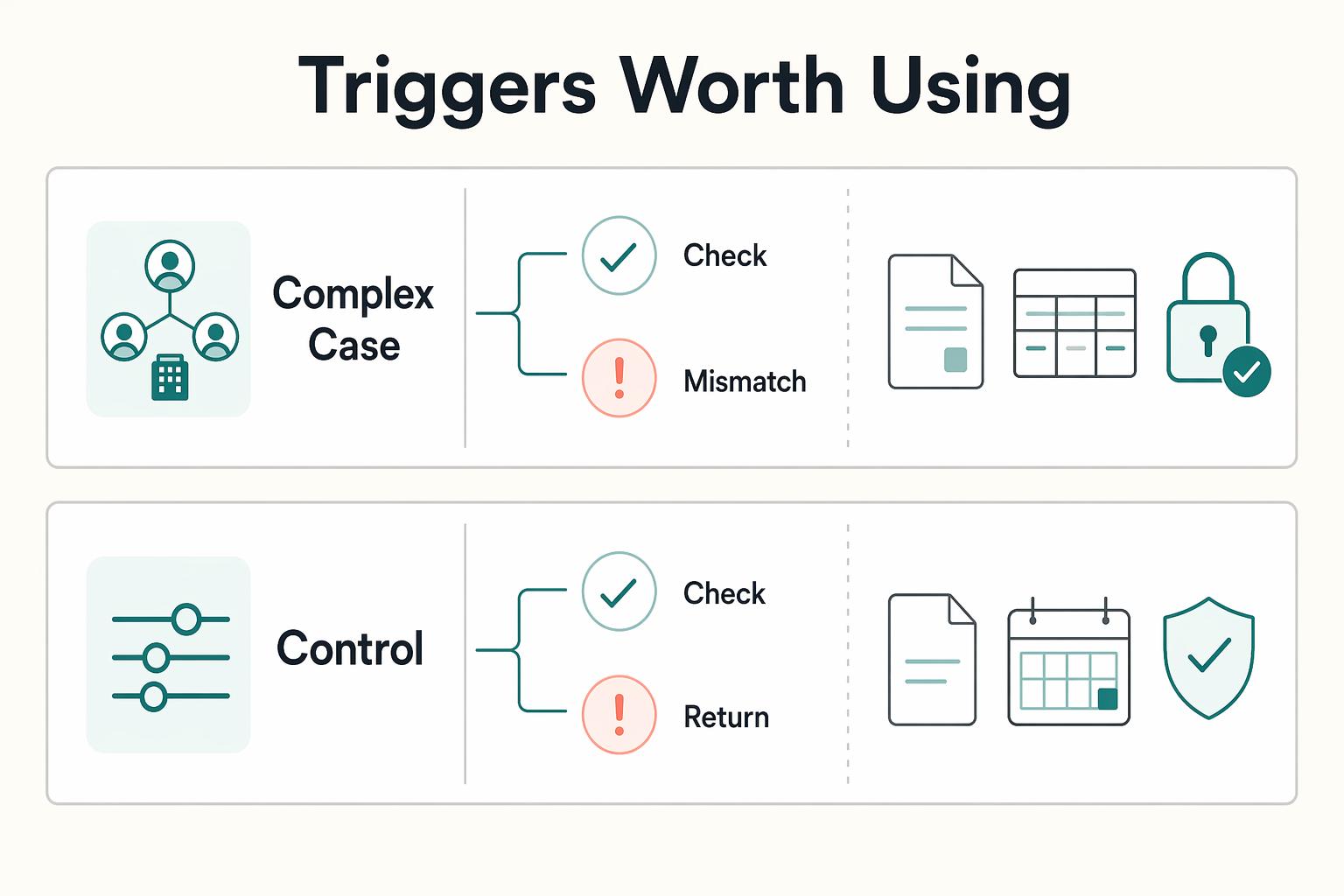
Beneficial Ownership Verification for Platforms Under FinCEN UBO Rules
In 2026, the practical approach is to separate BOI filing scope from ownership-risk controls. Many entities created in the United States are exempt from BOI reporting, but that does not automatically remove ownership-review controls in risk-based onboarding.
Read more →
How Platforms Reduce Chargeback Risk With Daily Decision Rules
If you run a marketplace platform or an embedded payments product, generic merchant advice leaves gaps. This playbook is for the team making decisions across product, ops, finance, and engineering, not a single merchant storefront.
Read more →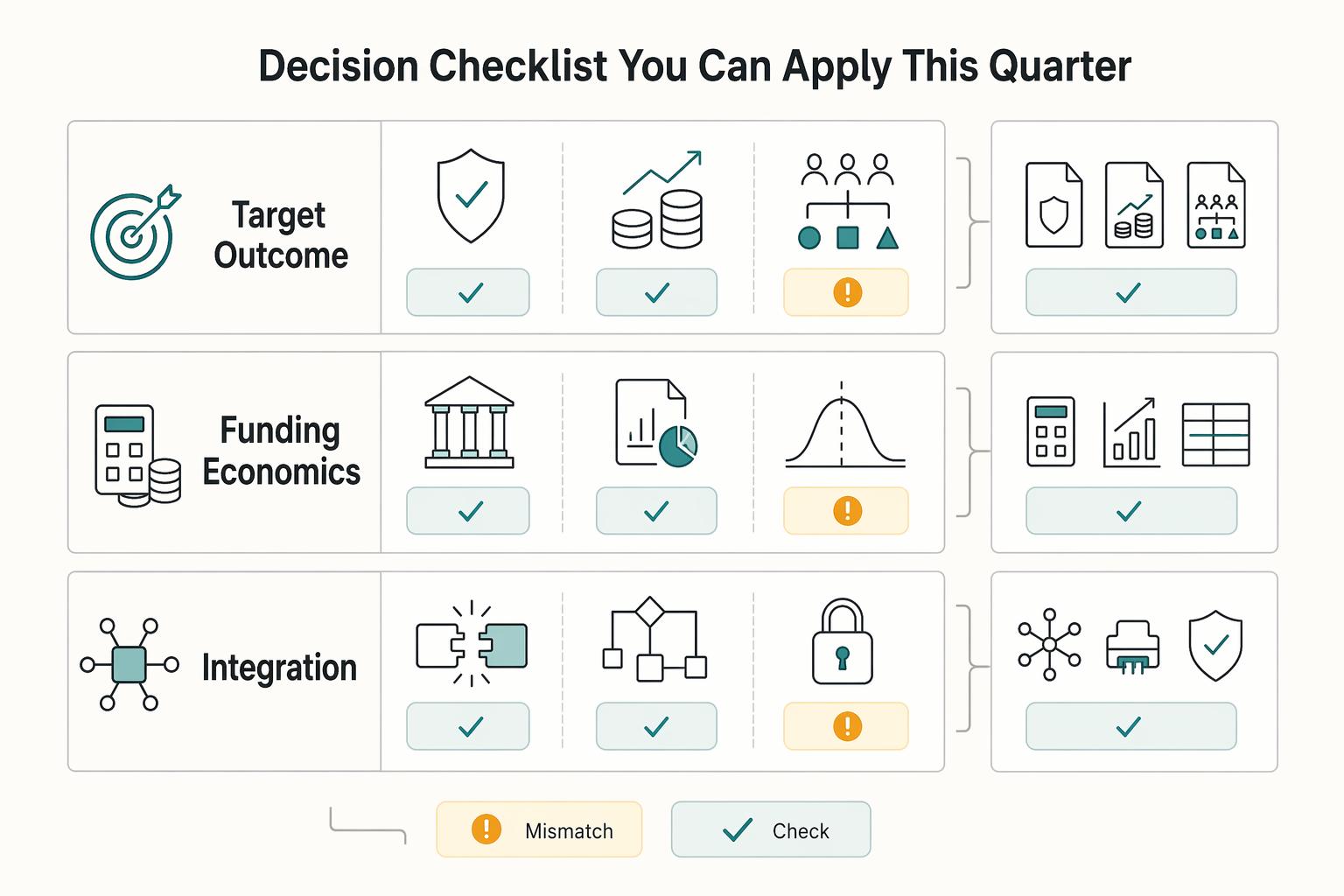
Dynamic Discounting vs. Supply Chain Finance for Platform Unit Economics
When you compare Dynamic Discounting and supply chain finance for a platform, the real question is funding mechanics, not whether suppliers can get paid faster. Both models can accelerate payment and support cash flow, but they do it in different ways, with different effects on cash deployment, working-capital posture, and economics.
Read more →
Intake-to-Procure for Platforms: Request-to-Pay Before a PO
Yes, some Request-to-Pay work can start before a Purchase Order (PO) is raised without turning into a free-for-all. The key is to treat pre-PO intake as a control layer, not just a form: one front door that collects, validates, and routes each request before traditional payment activity begins. That gives teams a clearer path for legitimate payouts while still giving finance and procurement a place to enforce policy before money moves.
Read more →
How Platform Operators Choose Cross-Border Payout Rails by Corridor
The hard part is not choosing one "best" rail. It is choosing the right rail for each corridor and payout type, where cost, speed, access, and transparency pull in different directions. For any route, the practical question is simple: for this country pair, payout size, and recipient experience, which path gives you acceptable delivery, controllable cost, and audit-ready evidence?
Read more →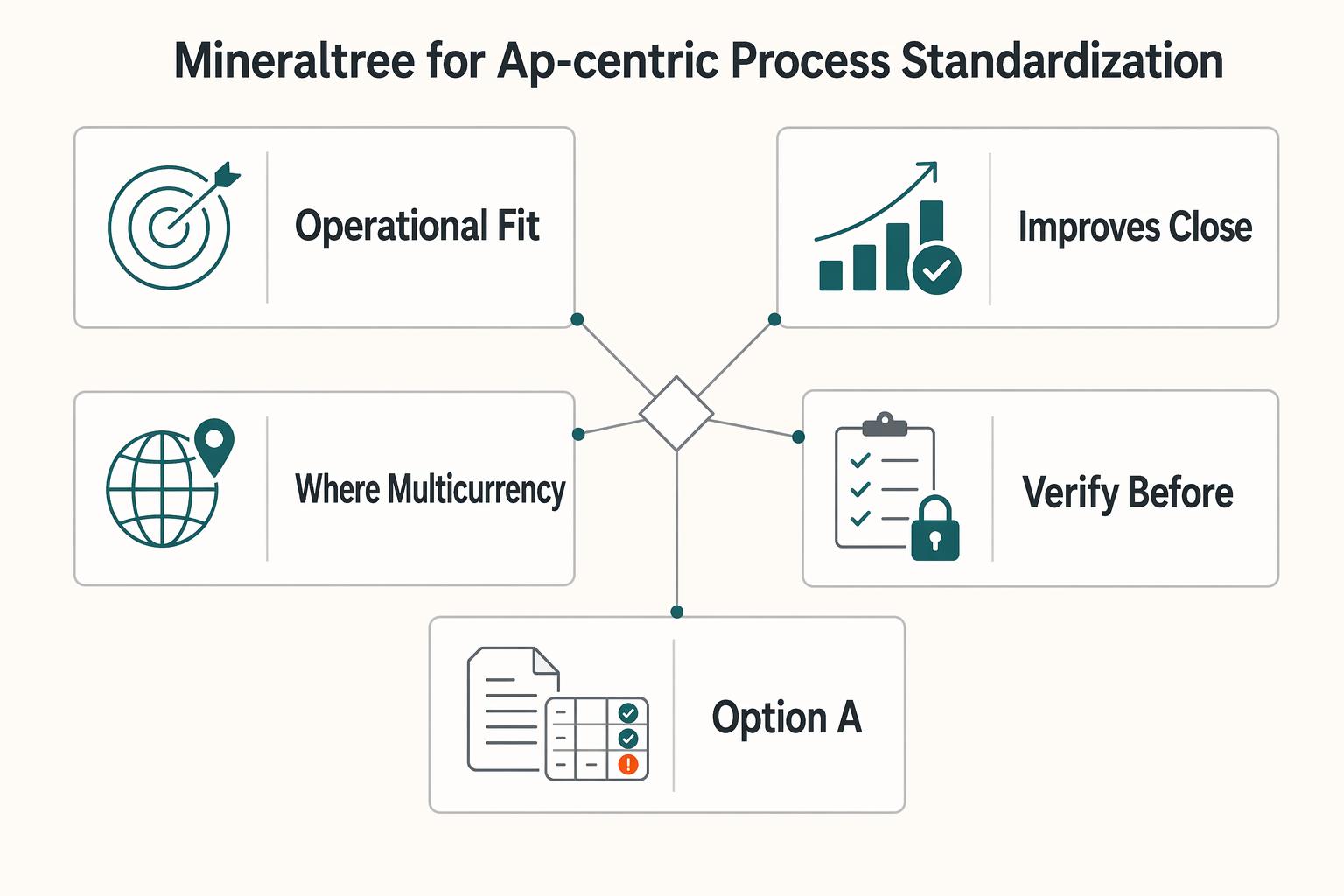
How Platforms Reconcile Foreign Contractor Payments in QuickBooks Online
This guide is for CTOs, engineering leads, and finance ops owners who need foreign contractor payouts to reconcile cleanly in **QuickBooks Online** (`QBO`). The real question is not just whether you can send money. It is whether each payout maps back to the right vendor, bill, and payment record when Accounts Payable reviews the ledger.
Read more →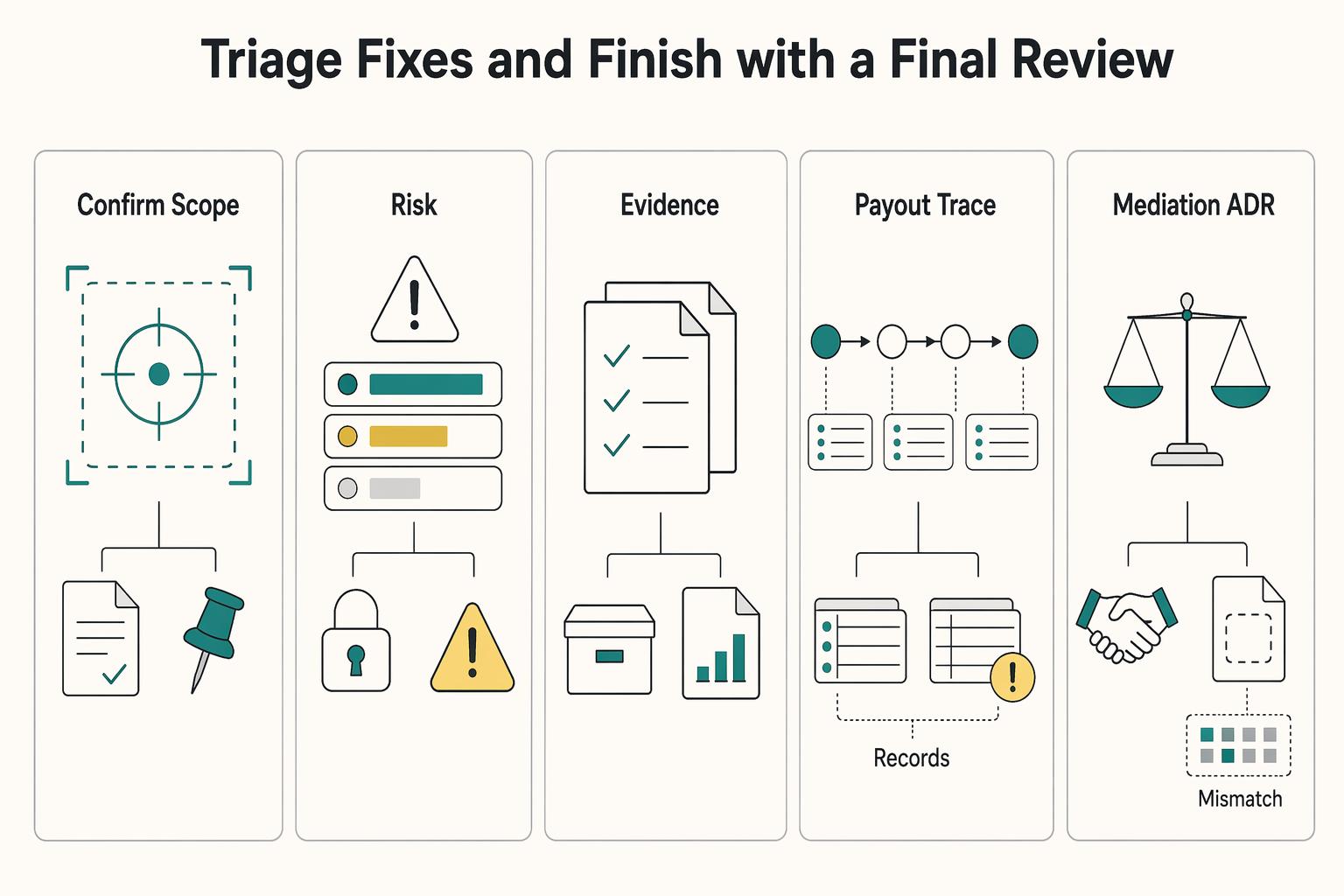
Responding to a Regulatory Audit as a Payment Platform
Use a short initial response structure, not a giant audit program. In the early phase, focus on reducing surprises: define what is in scope, freeze the right evidence, and avoid building process the regulator did not ask for.
Read more →
How Payment Platforms Use DPO to Improve Cash Flow Without Reconciliation Risk
Treat DPO as an operating control only when your ledger, reconciliation, and payout states agree on what "paid" means. If you run AP on a payment platform, you need one paid-state rule your finance, ops, and treasury teams can all defend. On a platform, a better-looking metric that hides settlement lag, pending payouts, or unreconciled items is not real cash-flow improvement.
Read more →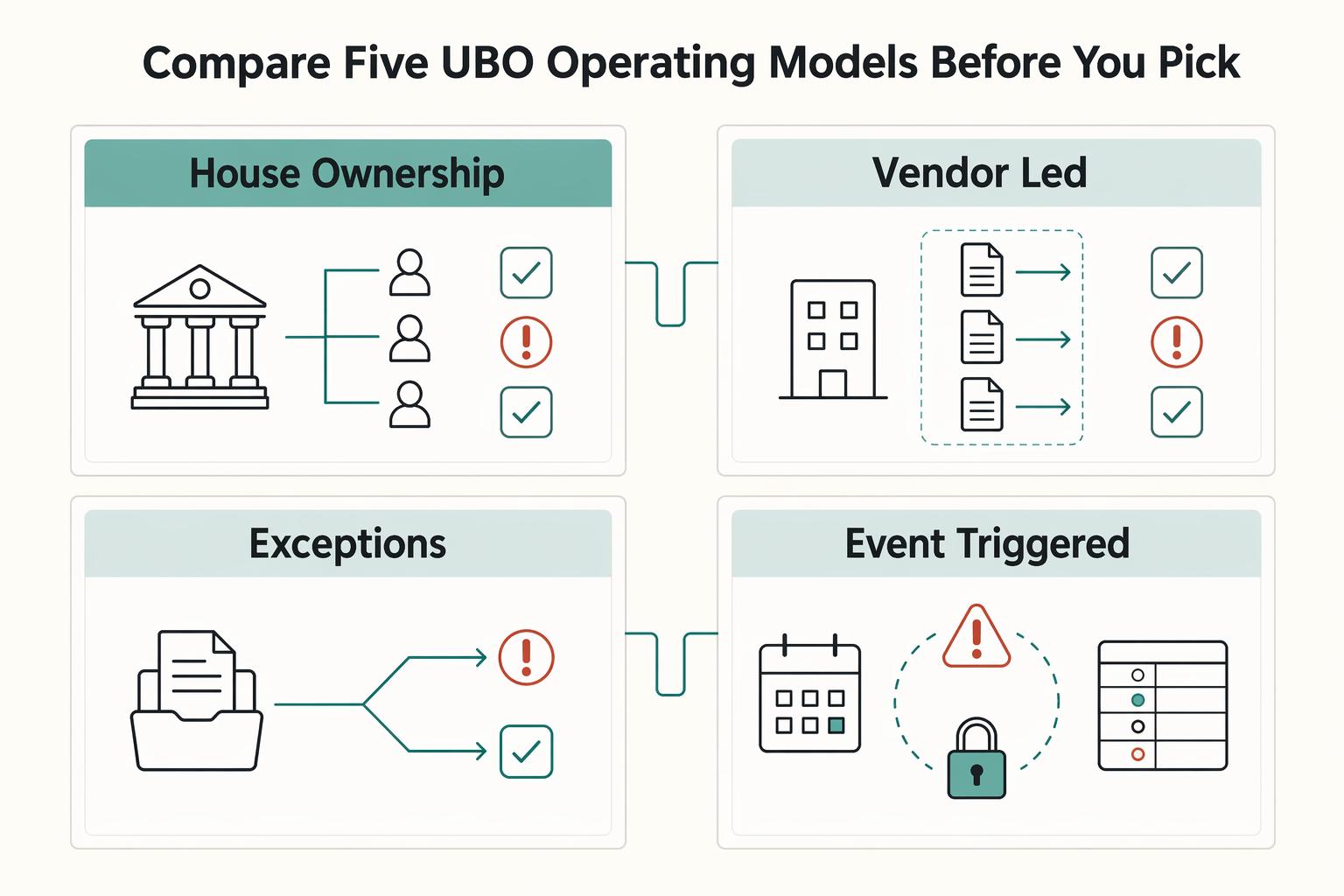
Beneficial Ownership Verification for Platforms and UBO Rules That Control B2B Payout Risk
Treat UBO verification as part of payout release, not as a compliance file that gets archived after onboarding. If you pay contractors, sellers, or creators across markets, the wrong ownership model can create two immediate problems: higher AML/CFT risk and payout delays when an entity cannot be explained well enough to pass review.
Read more →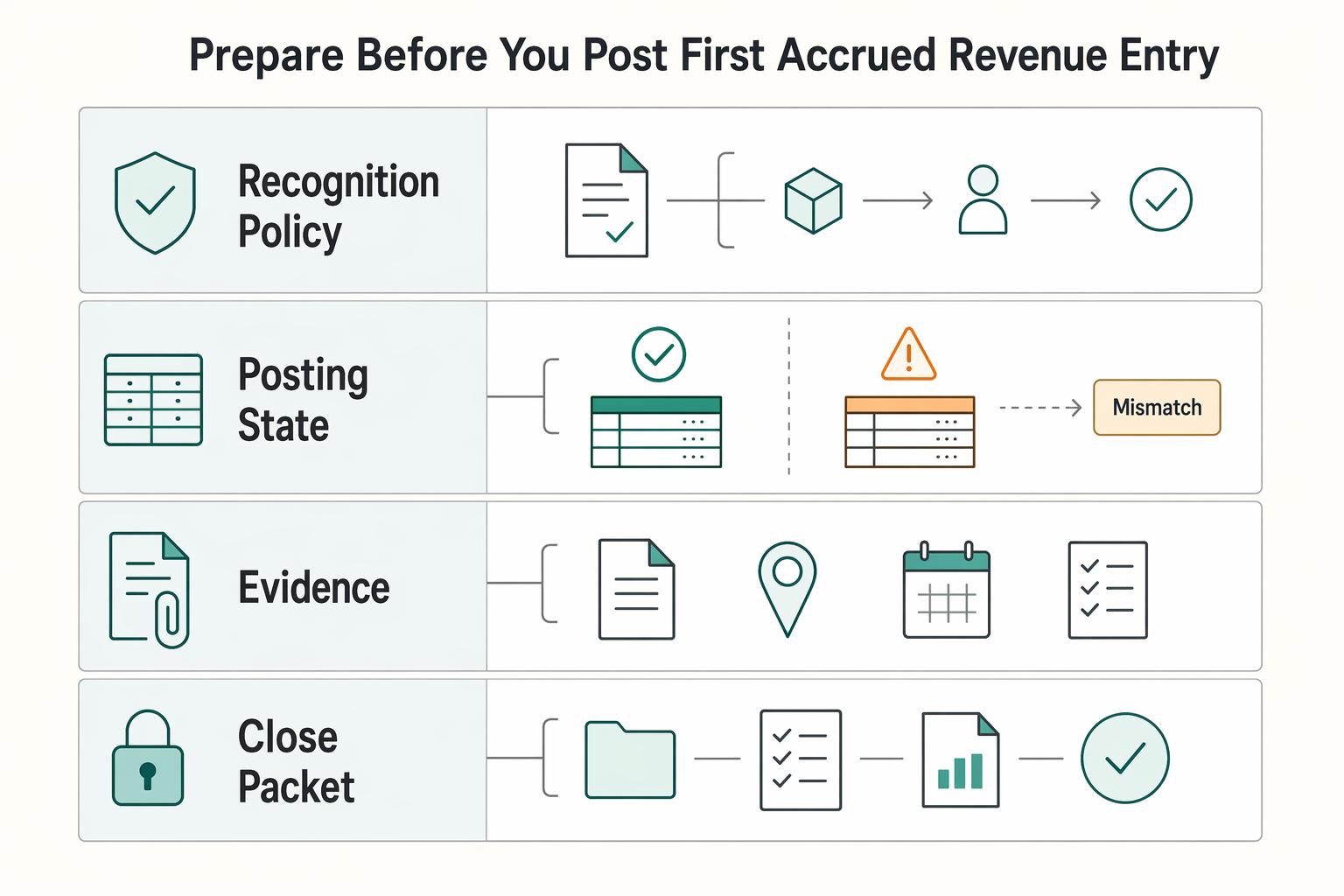
Accrued Revenue for Platforms Recognizing Revenue Before Buyers Pay
You can recognize revenue in a two-sided marketplace before buyer cash arrives, but only if you separate the earning event from billing and make the reclass path explicit. The practical job is to design the accounting so your finance, ops, and product teams can record revenue early without losing control of reconciliation. If you cannot explain that path clearly, your close team will feel it at month end.
Read more →
How Long to Keep Payment Transaction Records by Jurisdiction
Payment data retention is not a single global number. It is a jurisdiction- and regime-specific control decision tied to record type and legal context.
Read more →
How Payment Platforms Should Structure Affiliate Payouts
An affiliate payout design works best when you can show, clearly and consistently, how commission is earned, verified, approved, and reconciled after funds move. This guide is for teams that need a structure they can defend in unit-economics reviews and run without constant cleanup.
Read more →