
Quick Answer
Start by fixing scope and ownership in writing within 24 hours, then assemble a reviewable evidence pack with clear owners, version status, and dual-control checks. To respond to a regulatory audit as a payment platform, show transaction lineage from request ID through provider reference, ledger effect, reconciliation, and reporting output, and escalate quickly when EMEA and APAC interpretation diverges. Classify gaps by risk: remediate anything tied to uncontrolled payouts or inaccurate reporting immediately, and defer low-impact documentation work only with dated accountability.
Regulatory audits test your payment controls under pressure#
Use a short initial response structure, not a giant audit program. In the early phase, focus on reducing surprises: define what is in scope, freeze the right evidence, and avoid building process the regulator did not ask for.
This guide is for compliance, legal, finance, risk, and payments ops teams handling cross-border contractor, seller, or creator payouts. If your platform touches onboarding, AML review, reconciliation, or tax-document handling, you are part of the response even if the notice first lands with one team.
Start with the jurisdiction and licensing perimeter#
Do not assume one audit logic applies across EMEA and APAC. Scope should follow the jurisdiction and licensing perimeter:
| Jurisdiction | Framework | Boundary note |
|---|---|---|
| EU | PSD2 (Directive (EU) 2015/2366) | Structured around explicit scope and exclusions (Article 2 and Article 3); became applicable in January 2018 |
| UK | FCA-authorised or registered status for non-bank payment service providers | Entity status is a practical boundary marker |
| Singapore | Payment Services Act 2019 | Licensing and oversight statute; major parts commenced on 28 January 2020 |
| Hong Kong | HKMA | Licenses and supervises Stored Value Facilities and oversees Retail Payment Systems |
- EU: PSD2 (Directive (EU) 2015/2366, 25 November 2015) is structured around explicit scope and exclusions (Article 2 and Article 3) and became applicable in January 2018.
- UK: non-bank payment service providers are expected to be FCA-authorised or registered, so entity status is a practical boundary marker.
- Singapore: the Payment Services Act 2019 is a licensing and oversight statute, with major parts commencing on 28 January 2020.
- Hong Kong: HKMA licenses and supervises Stored Value Facilities and oversees Retail Payment Systems.
Track the legal and product perimeter, not your org chart. A seller-payout program in one market can trigger different questions than a contractor-payout flow in another. That is especially true where KYB-style checks, risk-based AML CDD for legal persons, tax artifacts, or payout methods differ.
Define the audit target before you collect#
We recommend anchoring the goal on control proof, not volume. You need to show that money movement, identity checks, and reporting outputs stay governed and traceable within the perimeter the regulator actually cares about.
Use a simple checkpoint: can you explain, in two or three sentences, which legal entity, product line, and market the audit targets? If not, pause before broad collection. Overproduction can become a failure mode. Teams dump KYC files, payout logs, and policy folders from every region, then spend time explaining inconsistencies that did not need to be in the room.
Pull in the full response group early#
Bring the full response group in early, even if the first request looks narrow. Compliance and risk usually own AML, KYC, and KYB evidence. Legal interprets scope and market-specific obligations. Finance owns reconciliation and reporting support. Payments ops usually knows where provider references, payout exceptions, and operational logs live.
Flag tax handling early when it is relevant. In the US context, Form W-9 provides a correct TIN to payers or brokers filing information returns. Payment settlement entities may also have Form 1099-K filing obligations for reportable payment transactions. That does not make US tax forms globally relevant, but it does mean tax-document handling can be in scope when the audited flow touches US reporting.
Confirm boundaries before evidence gathering expands#
Set boundaries before you promise anything. Confirm the perimeter in writing, then test your team's understanding against it. Use these checks before your evidence gathering expands:
- legal entity or entities under review
- product or program under review (for example, contractor, seller, or creator payouts)
- markets involved, especially where EMEA and APAC rules differ
- time period covered
- whether the request reaches onboarding, AML/CDD, tax artifacts, reconciliations, or reporting outputs
One practical step is to map the notice to the licensed or supervised activity in that jurisdiction. If the audit touches a UK non-bank PSP entity, FCA status is a real boundary marker. If it concerns Singapore or Hong Kong activity, confirm the service sits inside the local licensing or oversight perimeter before describing controls too broadly.
Lock scope and ownership in writing before you collect more evidence.
Set scope and ownership in the first 24 hours#
In the first day, treat this as an internal response target: turn the notice into a written scope and a named response team before anyone sends narratives or raw exports.
Start with the written audit notification or information request, then draft a short scope summary covering legal entity or entities, jurisdiction, activity or product path, time period, key dates, and regulator-facing team. If specific products or payment flows are relevant to the audited activity, state what is in scope and what is out.
Use one checkpoint before collection expands: can your note answer, without debate, who is being examined, for what activity, in which jurisdiction, across what dates, and with which internal owners?
Assign a named primary owner and backup for each evidence lane. One practical lane map looks like this:
| Lane | Primary owner | First deliverable |
|---|---|---|
| KYC and AML evidence | Compliance | Control list, case samples, policy references |
| Reconciliation and reporting support | Finance | Ledger tie-outs, exception logs, reporting extracts |
| Regulatory interpretation and response wording | Legal | Scope memo, privilege boundaries, open questions |
| Logs and data extracts | Engineering | Source tables, access notes, extraction method |
Apply control integrity to every submission: use segregation of duties and dual controls to the extent possible so one person is not extracting, editing, and approving the same evidence. Have one reviewer confirm source and time period, and another confirm the narrative stays inside the agreed scope.
If jurisdiction coverage or the licensing perimeter is unclear, escalate before drafting broad narrative responses. When local rules constrain AML/CFT implementation or evidence handling, document the constraint and the escalation path instead of improvising one cross-border answer.
Prepare the evidence pack before the first regulator call#
Before the first regulator call, make the pack reviewable: one indexed evidence set that is easy to retrieve, clearly owned, and explainable without improvising.
Build a single index that points to the actual evidence#
Use one evidence index as the front door. For each item, include request reference, artifact name, owner, source location, period covered, version date, and status (draft, reviewed, or regulator-ready). The goal is fast retrieval and traceability, not bulk storage. Structure the pack so records are accessible in a reasonable period of time and support end-to-end transaction reconstruction when requested.
Populate the index across the scoped control areas: KYC, AML, VAT validation, and payout controls. For identity and AML, link the written customer identification and beneficial ownership procedures in use, plus case samples and approval evidence. For VAT validation, attach the result and a short context note, especially when using VIES. Because VIES queries national databases that may not reflect changes immediately, keep the query date, time, member state, and retry notes. Checkpoint: an independent reviewer should be able to open any indexed file and confirm owner, covered period, and final-version status.
Add the control records teams usually forget#
Policies alone are not enough. Include operating evidence such as maintenance notes, incident records, change logs, and current SLA terms for providers in the audited path when those records are relevant to the scoped controls. Contracts belong here too because they document required service levels and should define business continuity and incident-response responsibilities.
If third-party ICT dependencies are in scope and your entity is DORA-scoped, keep the vendor portion as a living register of contractual arrangements rather than a one-time upload. Checkpoint: for each external dependency in scope, you can point to the contract, SLA terms, and the most relevant recent incident or change entry.
Split regulator-ready files from internal tax working notes#
Separate regulator-ready artifacts from internal working notes, especially for W-9, W-8BEN, FBAR, and 1099 workflows. If Form 2555 (FEIE) materials are included, treat them as individual tax support records rather than platform reporting artifacts. Handle tax-identifying data with confidentiality controls and default to masked or redacted copies unless the request requires more.
| Item | Article cue | Handling note |
|---|---|---|
| W-9 | Provides a correct TIN to payers or brokers filing information returns | Show collection and access controls and use masked or redacted copies unless the request requires more |
| W-8BEN | Given to the withholding agent or payer by a foreign beneficial owner | Show collection and access controls and use masked or redacted copies unless the request requires more |
| FBAR | Filed on FinCEN Form 114 and may apply when aggregate foreign account value exceeds $10,000 at any point during the calendar year | Keep operational evidence separate from tax advice |
| Form 2555 (FEIE) | Treat as an individual tax support record rather than a platform reporting artifact | If included, keep it as operational support rather than tax advice |
| 1099 workflows | Payment settlement entities may have Form 1099-K filing obligations for reportable payment transactions | Internal notes tied to 1099-NEC timing by January 31 are often sensitive and may fall outside immediate scope |
Lead with process evidence before raw tax files: collection control, access restrictions, approval path, and masked samples. Internal notes tied to FBAR thresholds over $10,000, FBAR timing (April 15 with automatic extension to October 15), individual Form 2555 FEIE support, or 1099-NEC timing by January 31 are often sensitive. They may also fall outside immediate scope.
Add a one-page context map for the transaction path#
Close the pack with a one-page system context map showing how your core payment platform, provider routes, and ledger exports connect. Keep it functional and scoped: where KYC and AML checks run, where VAT validation happens, where provider references are created, and which ledger export is authoritative.
Label components by function, not internal nicknames. Mark handoffs across onboarding, screening, payment routing, ledger posting, and reporting output. Final test: someone outside the project should be able to trace one payout from intake to ledger export without oral explanation.
For control design details, see Internal Controls for Payment Platforms: Segregation of Duties Dual Approval and Audit Trails.
Map traceability from request to ledger to reporting output#
Traceability is most credible when a payment request can be followed through provider events, ledger effects, reconciliation checkpoints, and reporting output.
Build a transaction lineage table, not just a screenshot pack#
Build one lineage table to trace a transaction end to end so a reviewer can reconstruct who did what, in sequence, without live explanation. Keep it ledger-first, but include upstream request evidence and downstream reporting evidence.
Use one row per economic event, not one row per file. For payout batches, that can mean a batch-instruction row plus separate payout-posting rows when entries book individually. For Virtual Accounts, keep separate rows when credit, return, reversal, or suspense are distinct ledger effects.
| Stage | Minimum identifier to record | Evidence to attach | Reviewer check |
|---|---|---|---|
| Request initiation | Internal request ID | API request record, user or service actor, timestamp, amount, currency | Can we see who initiated it and what was requested? |
| Provider execution | Provider reference or event ID | Provider callback, status response, batch file acknowledgment | Does this match the initiated request exactly? |
| Ledger posting | Ledger entry ID or journal reference | Posting record, booking timestamp, debit and credit lines | Is there one accounting effect for one economic event? |
| Reconciliation | Reconciliation run ID or exception ticket | Reconciliation result, exception disposition, independent reviewer signoff | Was the event independently checked? |
| Reporting output | Report line ID, extract file name, or reporting dataset version | Report extract, transformation note, period tag | Can this ledger event be found in the final output? |
Verification point: test three paths, such as a completed payout, a failed payout, and a returned Virtual Account credit, using only this table and linked evidence. If an independent reviewer stalls at any handoff, fix the lineage before submission.
Do not break the chain by separating customer-identifying context from transaction records without a stable join key. Masking is fine. Losing traceability is not.
Prove retry safety for payout batches and account events#
You need to show that retries do not create duplicate financial effects. The core evidence is idempotency, or equivalent retry-control records, plus ledger proof that one business action produced one posting.
If idempotency keys are used, retain the key, request payload hash, first-seen timestamp, and replay result. As a discipline example, Stripe documents keys up to 255 characters and says repeated requests with the same key return the same result, including failures. If your mechanism differs, document your actual mechanism and uniqueness checks explicitly.
For payout batches, show how duplicate submissions or callback replays are contained. For Virtual Account credit and return flows, where those flows exist, document how duplicate delivery is detected before ledger booking. You need deterministic posting when the same economic event is delivered twice.
Checkpoint: present one real retry or replay incident with the first accepted event, the blocked duplicate, and the resulting single ledger posting.
Explain timing gaps before auditors call them inconsistencies#
State timing differences upfront where eventual consistency applies. This matters most when operational reads can lag booked ledger events.
For each affected component, include:
- source of truth for booked value
- read path used for operational views
- retry or polling logic after writes
- reconciliation control that resolves delayed visibility
If wallet projections rely on asynchronous reads, say so clearly and anchor final value to the authoritative ledger. Keep retry notes for post-write reads. AWS guidance supports repeated reads with increasing wait time rather than assuming immediate visibility. Do not claim a fixed lag threshold unless you can support it. For higher-risk balances or internal accounts, independent reconciliation is stronger evidence than a technical explanation alone.
Show reporting lineage with FINREP and COREP discipline#
Even if you do not file FINREP or COREP, use that lineage discipline: structured data elements, defined relationships, and validation rules, not hand-assembled outputs.
Your reporting note should identify:
- authoritative ledger fields used in each report output
- each transformation or aggregation rule
- controls for completeness and consistency
- period and version of the extract used
That is what makes evidence relevant and reliable. Final test: pick one report line and trace backward to the ledger entry, provider reference, and original request. If that reverse path is not clean, lineage is not ready.
For a step-by-step walkthrough, see How to Handle Payment Disputes as a Platform Operator.
Demonstrate funds movement controls across core product paths#
Funds movement controls are strongest when each core path shows allowed states, exception gates, and auditable evidence from trigger to final posting. We recommend using separate controls for your collections, held balances, FX conversion, and payouts rather than one generic narrative.
Map the control points for each money path#
Create one control map per path with the trigger, allowed state changes, blocking conditions, exception approver, and evidence at each handoff. Keep transaction references explicit so a reviewer can identify each payment transaction.
| Path | Minimum control points to document | Failure example | Containment step to document |
|---|---|---|---|
| Collections | payment reference, expected payer/payee match, posting rule, exception owner | unmatched deposit | keep it out of customer-available flow, open an exception ticket tied to the payment reference, and begin identification or recovery steps |
| Held balances | account designation, safeguarding rule for relevant funds, separation of relevant and out-of-scope funds, release approval | out-of-scope funds mixed with relevant funds | stop further movement on that path, separate or reclassify the funds, and require reviewer signoff before release |
| FX conversion | quote timestamp, quoted rate, expiry rule, actual applied rate, override approval | stale quote used | block conversion or requote; if executed at a different rate, disclose the actual rate used and attach exception approval |
| Payouts | eligibility checks, selected provider route, status history, callback handling, return handling | payout released while hold is active | return payout to a held or blocked state, stop or cancel provider instruction where possible, and require separate approval before any release |
For held balances, show both bank-account mapping and ledger classification. If relevant funds and out-of-scope funds are not clearly separated, the control design is not demonstrable.
Record AML holds, status changes, and routing decisions as reviewable events#
Do not rely on the current status alone. Your evidence should show the full history of each payout decision, including who changed status, when, why, and whether the change was automated or manual.
| Event | Fields to retain | Review cue |
|---|---|---|
| AML-related hold | Hold reason, linked alert or case ID, escalation path, and release decision | The review pack should show containment first and escalation to management, and the board where required |
| Status change | Who changed status, when, why, and whether the change was automated or manual | Do not rely on the current status alone |
| Routing override | Selected route, reason, approver, and evidence that only one submission produced a financial effect | Apply the same standard to routing overrides |
For AML-related holds, keep the hold reason, linked alert or case ID, escalation path, and release decision together. Where a transaction is suspected and movement is paused or refrained from, the review pack should show containment first and escalation to management (and the board where required).
Apply the same standard to routing overrides. If a payout is rerouted, keep the selected route, reason, approver, and evidence that only one submission produced a financial effect.
Separate Merchant of Record and Virtual Accounts responsibilities#
Do not blur these models. For Merchant of Record paths, center the control narrative on the entity handling merchant-level card payments and the handoff into your ledger. Validate that the merchant entity, processor reference, and ledger ownership align.
For Virtual Accounts, state it plainly: they are tracking structures, while transactions execute and post to the linked physical account. Your handoff validation should tie the virtual account identifier to the physical account posting reference and then to the ledger entry.
Prove containment with one worked failure per path#
Use four short case files, one per path, each with the initiating event, control trigger, containment action, manual approver if any, and final disposition. Keep each case short enough that an independent reviewer can reconstruct it without live explanation.
Final check: ask a reviewer to trace one unmatched deposit, one safeguarding-separation exception, one stale FX quote, and one payout hold or reroute using only the evidence pack. If they cannot see the stop, approval, and final posting outcome directly, tighten the control record before submission.
For ledger design details, see How to Build a Deterministic Ledger for a Payment Platform.
Prove identity and tax controls without exposing unnecessary PII#
Your evidence needs to show two things. First, your payout flow stays blocked until identity and AML controls clear. Second, your team should expose tax or identity data only to the minimum needed for review.
Tie KYC, KYB, and AML status directly to payout eligibility#
Show the actual control gate, not a generic policy: no payout release unless required identity verification is complete and no AML hold is open. For individuals, connect Customer Identification Program-style checks to your AML program so identity verification appears as part of AML controls, not as an optional onboarding step.
For legal entities, show the written identify-and-verify flow for beneficial owners and how that result drives payout state. A reviewer should be able to trace the onboarding record, verification outcome, beneficial-ownership review when applicable, AML screening or case reference, and the timestamp when payout eligibility was granted. Sample a few accounts to confirm no manual release occurred before verification closed. A failure mode to avoid is a single "verified" flag with no timestamp, linked evidence, or override approver record.
Capture VAT and tax forms with masking and role-based access#
For VAT checks, record operational evidence without overstating certainty. If you use VIES, keep the VAT number checked, member state, check timestamp, and result. Also state the limits clearly: VIES is a search engine rather than a complete database, updates can lag, and data-protection rules may limit returned name and address data. State too that GB VAT-number validation via VIES ended on 01/01/2021.
Use the same minimization standard for W-8BEN, W-9, and 1099-related collection. Your audit pack should prove form type, collection status, collection date, payee linkage, and access controls, while masking tax identifiers and limiting access to full signatures or PDFs to what is necessary for the review purpose. This fits the handling boundary: W-9 is given to the requester, not sent to the IRS, and W-8BEN is given to the withholding agent or payer by a foreign beneficial owner. A strong check is to show both a masked reviewer view and the restricted permission path to unmask. A red flag is a broadly shared folder of unredacted tax forms.
Separate operational tax support from tax advice#
If you track FEIE or FBAR-related information, label it as operational support, not tax advice. You can capture customer-provided data and reminders, but do not present your product, support team, or audit pack as determining tax eligibility.
Keep FEIE language precise. The IRS ties it to foreign earned income and a foreign tax home. One physical-presence benchmark is 330 full days in 12 consecutive months. For tax year 2026, the stated maximum exclusion is $132,900 per qualifying person. Also state clearly that excluded income is still reportable on a U.S. tax return.
For FBAR, stay factual. Filing is on FinCEN Form 114. It may apply when aggregate foreign account value exceeds $10,000 at any point during the calendar year. The annual due date is April 15. Do not imply Form 8938 replaces FBAR.
State KYB coverage gaps plainly and show compensating controls#
If a market lacks full KYB coverage, say so plainly. Do not describe partial checks as equivalent to complete registry-level truth.
Pair each declared gap with compensating controls: manual legal-entity review, beneficial-owner identification and verification, AML screening, and payout blocking until review closes. Make the gap auditable by recording the market, exact coverage limit, fallback checks, reviewer, and final approval or denial for payout activation. Avoid overstatement here. A claim like "global KYB complete" is not supportable if any market only supports partial validation.
Related reading: White-Label Checkout: How to Give Your Platform a Branded Payment Experience.
Decide what to remediate now and what to defer#
Once you have named the real gaps, do not treat them as one backlog. We recommend prioritizing by importance and urgency: fix anything that could create inaccurate reporting or uncontrolled payouts now, then defer lower-risk documentation polish with a named owner and date.
Score gaps by exposure first, effort second#
Use a plain priority matrix with clear lenses, for example regulatory exposure, customer impact, detectability, and implementation effort. The first three should drive urgency. Effort matters, but it should not push a high-risk gap out of immediate action.
A practical way to classify items is into two buckets: immediate-attention issues and issues that should be remediated over a reasonable period. You do not need a regulator-specific formula or fixed weighting, but you do need a clear severity-and-immediacy distinction.
| Gap type | Likely priority | Why | Typical action |
|---|---|---|---|
| Payout release can bypass required hold or approval controls | Immediate | Can lead to uncontrolled payouts and direct regulatory exposure | Block release, add interim approval gate, test recent cases |
| Report output can be wrong because ledger mapping is broken | Immediate | Can produce inaccurate reporting and improve supervisory and operational risk | Correct mapping, reconcile affected period, document impact |
| Reviewer evidence lacks timestamps or approver IDs | Near-term, sometimes immediate | Weakens defensibility and may hide improper overrides | Add logging now, backfill recent samples if feasible |
| SOP wording is outdated but actual control works | Deferred | Documentation weakness with lower immediate operational risk | Assign owner, revise document, set target date |
Draw a hard line for immediate fixes#
If a weakness can let money move when it should not, or can make a regulatory or financial output inaccurate, treat it as immediate.
Be specific about what "immediate" means. It does not always mean a full rebuild right away. It does mean taking prompt steps to change policies, practices, or controls so conditions do not deteriorate while the longer-term fix is built.
After an interim fix goes live, verify recent affected transactions and confirm the control operated as designed, the review path is documented, and release happened only after required approval.
Use manual stopgaps carefully#
Manual controls can work in the short term, but only if dual controls and segregation of duties are preserved. One person should not be able to identify an exception, approve it, and release funds end to end.
A credible interim setup separates preparation, exception review, and release approval across distinct roles. Watch for manual opacity: a tracker or queue can appear controlled, but still lets one person dominate the transaction flow from start to finish.
Log every deferral as an active decision#
A deferred item is not a parked item. Record the rationale, owner, deadline, and interim control if any. That is how you preserve operational continuity without losing control of risk.
Your corrective action note should also specify resources, time frames, and roles and responsibilities. Keep each entry concrete and time-bound so it reads as active risk management, not avoidance.
Before closing this step, verify that every deferred item has a live owner, a date, and an interim control where needed. If one is missing, the item is not deferred. It is unmanaged. Before assigning deferred fixes, align owners on a consistent control and evidence standard in Gruv docs.
Escalate quickly when legal interpretation is unclear#
When the rule is unclear, we recommend escalating early and treating the outcome as a governed interpretation, not an operations judgment.
Trigger escalation on scope drift and cross-border rule conflicts#
Escalate promptly if expectations conflict across jurisdictions, or if a regulator asks for materials beyond the audit scope you already confirmed. Cross-border supervision can be applied inconsistently across jurisdictions, so a reading that works in one market should not be reused automatically in another.
Check each new request against the planned examination scope, named entities, products, and period already agreed. Regulators can request additional materials, but you still need a written record of what changed, why it matters, and who approved the expanded response. Prevent quiet scope creep, especially when teams start drafting responses for added jurisdictions before legal has reviewed the obligation.
Escalate incomplete AML, KYC, and tax evidence immediately#
If AML or KYC evidence does not support the control you are claiming, escalate before submission. For identity controls, the practical test is whether the file supports a reasonable belief that the customer's true identity is known. If timestamps, reviewer evidence, or document status are missing, mark the evidence incomplete and route it upward.
Apply the same standard to tax artifacts tied to Form W-9, Form W-8BEN, and 1099 handling. Form W-9 provides a correct TIN to a payer filing information returns, and Form W-8BEN is submitted when requested by the payer or withholding agent. Missing or inconsistent records in the evidence pack should be treated as potential reporting and withholding risk, not clerical cleanup.
Route the call through legal and risk, then log it#
Route the interpretation, response boundary, and any compensating statement through internal legal and risk review. Then log the decision with the jurisdiction, request date, exact question, documents reviewed, approved response, named approvers, and attached regulator correspondence and management responses.
Before closure, confirm the decision log and submission pack match. If the response sent to the regulator drifts from the approved interpretation, defensibility weakens even when the underlying control is sound.
Pressure-test vendor and consultant dependencies#
You should be able to explain and evidence key controls without the vendor doing the talking. Third-party use does not transfer accountability, and dependency risk can increase where external parties control reporting logic, payout routing, or data your team cannot independently validate.
Map black-box areas first#
Start with dependencies that directly affect outcomes you may need to defend in an audit: reporting pipelines, payout routing, exception handling, and external layers between your ledger and regulator-facing outputs. If you rely on an external layer in that flow, document what it calculates, what data it receives, what it returns, and which decisions are not transparent without vendor input.
Include fourth-party exposure in the same map. If your vendor uses subcontracted services that handle your data, treat those as part of the same dependency inventory.
Verification point: maintain a current inventory of third-party services, components, and outsourced activities tied to the audited flow, with internal ownership for each one.
Validate contract rights and practical operability#
Uptime commitments are not enough for audit readiness. For material outsourcing, confirm the agreement supports access, audit, and information rights, and that SLAs are documented and current.
Then test whether your team can operate around the dependency without ad hoc vendor support. Check that operating procedures, maintenance steps, and escalation paths are current and usable under time pressure.
Red flag: if one external consultant is the only person who can explain a critical control, that is concentrated operational and evidentiary risk.
Test whether vendor outputs are independently defensible#
Treat practical access to provider outputs, and the ability to review them against internal records, as an audit-readiness control. Your team should be able to tie vendor outputs back to internal records and answer follow-up questions without waiting for vendor reinterpretation.
Run a sample reconciliation now for a material reporting dependency. If outputs cannot be explained consistently, filters are undocumented, or timestamps vary between pulls, log it as a control gap. One failure mode is simple: during a vendor outage or cyber incident, reconstruction of the population behind a submitted report may be delayed or impossible.
Assign fallback ownership before audit deep dives#
Set fallback ownership before deep audit requests arrive. For each critical outsourced activity, document whether fallback is an alternate provider, an in-house process, or a constrained internal reconstruction based on retained data.
Include contract-end data handling in that plan, including return or destruction procedures. Verification point: each critical dependency has a named fallback owner, a documented minimum continuity method, and access to the data needed to support audit responses if the vendor is unavailable.
For a clearer view of float between collection and payout, see Understanding Payment Platform Float Between Collection and Payout.
Common failure patterns and how to recover fast#
We recommend starting fast recovery with containment and clear documentation: stabilize the risk now, mark what is temporary, and attach a dated fix plan so short-term workarounds do not become permanent gaps.
Contain manual fixes before they become the control#
A manual workaround can be reasonable in an audit response, but it becomes a control gap if it is undocumented, unreviewed, and reused indefinitely. Put immediate review around the workaround and document it as temporary.
Then attach a dated remediation plan. A POA&M-style tracker is useful because it records the task, milestones, and scheduled completion dates.
Verification point: each temporary manual control has an owner, start date, review evidence, and target end date. Red flag: the same manual exception appears across reporting cycles with no dated replacement plan.
Rebuild current-state SOPs from the live process#
Outdated SOPs create avoidable audit risk because teams rely on instructions that no longer match reality. Rebuild SOPs from what runs today, then map each SOP to the control areas it supports.
Prioritize higher-risk flows first, then capture the trigger, source system, decision point, approver, retained evidence, and handover artifact name. If your scope includes safeguarded or client money, records should support a usable audit trail, prompt balance determination, and a clear explanation of transactions; retain required records for five years where applicable. A common failure mode is an evidence pack with obsolete screenshots, outdated owners, or broken links.
Reconcile inconsistencies to firm-maintained records and reissue a clean index#
When timestamps, statuses, or totals conflict across systems, anchor the response in records maintained by your own firm and keep third-party records as supporting evidence. That makes the trail easier to defend.
Reissue a clean evidence index that lists source system, extract time, population, preparer, reviewer, and the audit question answered. If a report was regenerated after fixing filters or duplicates, state that directly.
Verification point: totals tie across internal records, reconciliation workpapers, and submitted reports. If client money is in scope, be ready to determine totals promptly, and in some FCA contexts within two business days when required.
Cut irrelevant data and answer the request as scoped#
More data is not always safer. It can introduce inconsistencies and unnecessary privacy exposure. Keep submissions aligned to the specific request, period, and entities or products in scope.
Apply data minimisation in practice: provide data that is adequate, relevant, and limited to what is necessary for the stated purpose. For sensitive flows, lead with control evidence and approval history, and include broader personal data only where needed.
Final check: every file in the evidence pack should map to one request, one owner, and one current version. If it does not, remove or relabel it before submission.
Related: Soft vs. Hard Payment Declines: How Your Platform Should Respond to Each.
Close with a one-week execution checklist#
In the first week, make your response narrow, traceable, and reviewable. A common failure mode is not a missing file. It is a mixed submission that drifts beyond scope, includes unnecessary personal data, or cannot be tied to a clear control narrative.
Lock scope and ownership before anyone exports files#
Lock scope and ownership in writing before anyone exports files. Name entities, products, markets, and the time period, then align every request and response item to that perimeter, since exam scope is expected to be risk-focused and request lists should match it.
Assign named owners across compliance, legal, finance, risk, and engineering, and include an independent reviewer who did not assemble the evidence. Keep reporting lines and responsibility splits explicit and documented. Practical internal check: every index item has one preparer, one reviewer, and a due date.
Build and quality-check the evidence index early#
Build the evidence index early, then quality-check it as if it were the final submission. Include core artifacts and the items teams skip under pressure: third-party contracts and SLA terms, change records (including emergency modifications), incident records for unauthorized-access events, prior findings, and the current risk assessment.
If a third party is in the payment or reporting path, document expectations and monitoring clearly, but keep accountability with your entity. If UK Payment Services Regulations records are in scope, confirm relevant compliance records are retained for at least five years before committing to delivery.
Deliver one traceability table across the full path#
Deliver one traceability table from request or event ID through provider reference, ledger posting, reconciliation checkpoint, and reporting output. It does not need to be polished, but it must let a reviewer follow a sampled event end to end without guesswork.
Validate controls on the highest-risk paths in scope, such as Virtual Accounts, payout batches, KYC and KYB, AML, and VAT validation. For legal-entity customers where the rule applies, confirm beneficial-ownership procedures are written and maintained. For EU VAT checks, treat VIES as one control point only: valid or invalid status, not full VAT assurance for the entire chain.
Triage fixes and finish with a final review#
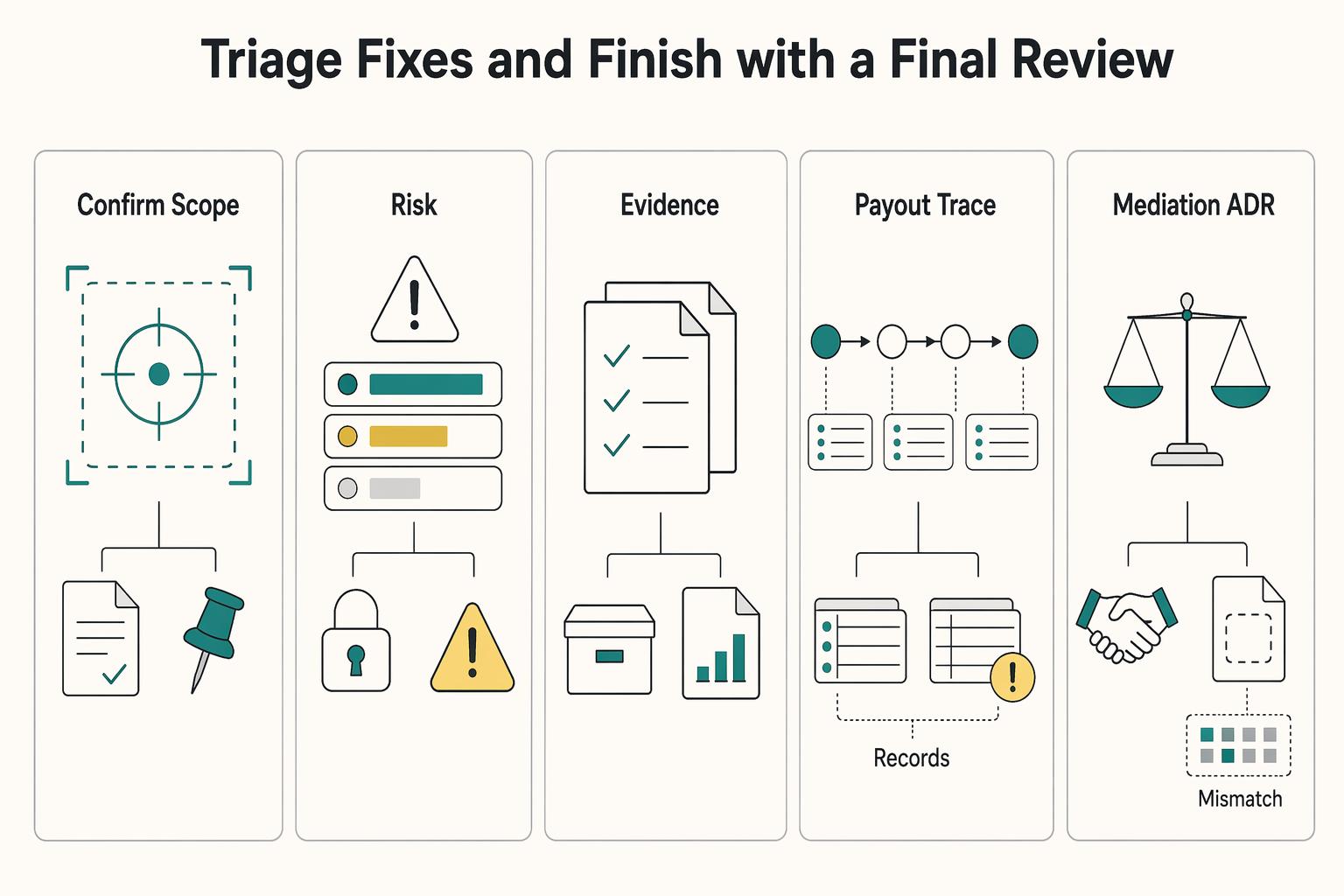
Triage remediation by impact. If a gap can cause inaccurate reporting, uncontrolled payouts, or unsupported AML or KYC decisions, fix it now, even with a temporary manual control. If it is low-impact documentation cleanup, defer it with an owner, rationale, approval, and target date.
Log legal interpretations and escalation decisions, especially where jurisdiction treatment differs. End with a final review for completeness, consistency, and data minimization under GDPR Article 5(1)(c): data should be adequate, relevant, and limited to what is necessary.
- Confirm scope, entities, products, and markets in writing.
- Assign owners across compliance, legal, finance, risk, and engineering.
- Build and quality-check the evidence index with SLA, change, and incident records.
- Deliver traceability table from request through ledger to reporting output.
- Validate controls for high-risk in-scope paths (for example, Virtual Accounts, payout batches, KYC/KYB, AML, and VAT validation).
- Triage remediation using immediate-fix versus deferred-fix rules and approvals.
- Log escalation decisions and jurisdiction-specific legal interpretations.
- Run a final submission review for completeness, consistency, and PII minimization.
If your audit scope spans multiple markets and payout paths, use this plan as your baseline and contact Gruv to confirm program coverage and control fit.
Frequently Asked Questions
What should a payment platform do first after receiving an audit notice?
Start by confirming scope in writing before collecting files. Define entities, products, jurisdictions, and the time period, then assign named owners and reviewers so evidence is preserved under dual controls and segregation of duties. If the request has a regulator-set deadline, plan backward from that date immediately; in some FCA contexts, delivery is required within the time specified by the FCA.
What evidence do regulators usually expect from payment operations?
Regulators usually expect more than policy documents. Your sample set can include traceability through system records and any approval history where a person intervened. If AML is in scope, be ready to provide written program materials and supporting records such as customer identification checks, reports, and retained records where that regime applies.
How much automation is enough for audit readiness?
Automation is not mandatory everywhere. If you use automated data processing systems, compliance procedures should be integrated with them. Where manual steps remain, document who performed and approved each step under dual controls and segregation of duties.
When should we involve external counsel?
Involve counsel when a potential contravention or reporting issue could be material. There is no universal numeric trigger, so base escalation on significance and potential impact. Keep clear escalation mechanisms to senior management and the board where required.
How do we avoid overbuilding controls during an audit response?
Prioritize remediation by regulatory risk and reporting impact first. Fix gaps that could drive inaccurate reporting or other high-risk control failures now, and defer lower-risk improvements with a named owner and target date. A long remediation list without risk ranking is a warning sign.
How do we handle tax-document requests without overexposing data?
Use minimum-necessary disclosure from the start. For Form W-9 and Form W-8BEN workflows, show collection and access controls without broadly sharing full documents unless required. When full identifiers are unnecessary, use masked copies, tightly restrict unmasked access, and log review access.
What about FEIE, FBAR, and 1099-related process evidence?
Keep operational evidence separate from tax advice. FEIE may apply only if IRS requirements are met, while FBAR obligations depend on filing conditions, including the $10,000 aggregate foreign-account threshold. For 1099 workflows, document the process from tax-form collection to reporting output, and note that backup withholding can apply at 24 percent in applicable cases.
Try a related tool
Researched and edited by the Gruv editorial team. Gruv builds cross-border billing, payouts, and finance-operations software for global businesses.
Sources
Educational content only. Not legal, tax, or financial advice.
Related Posts
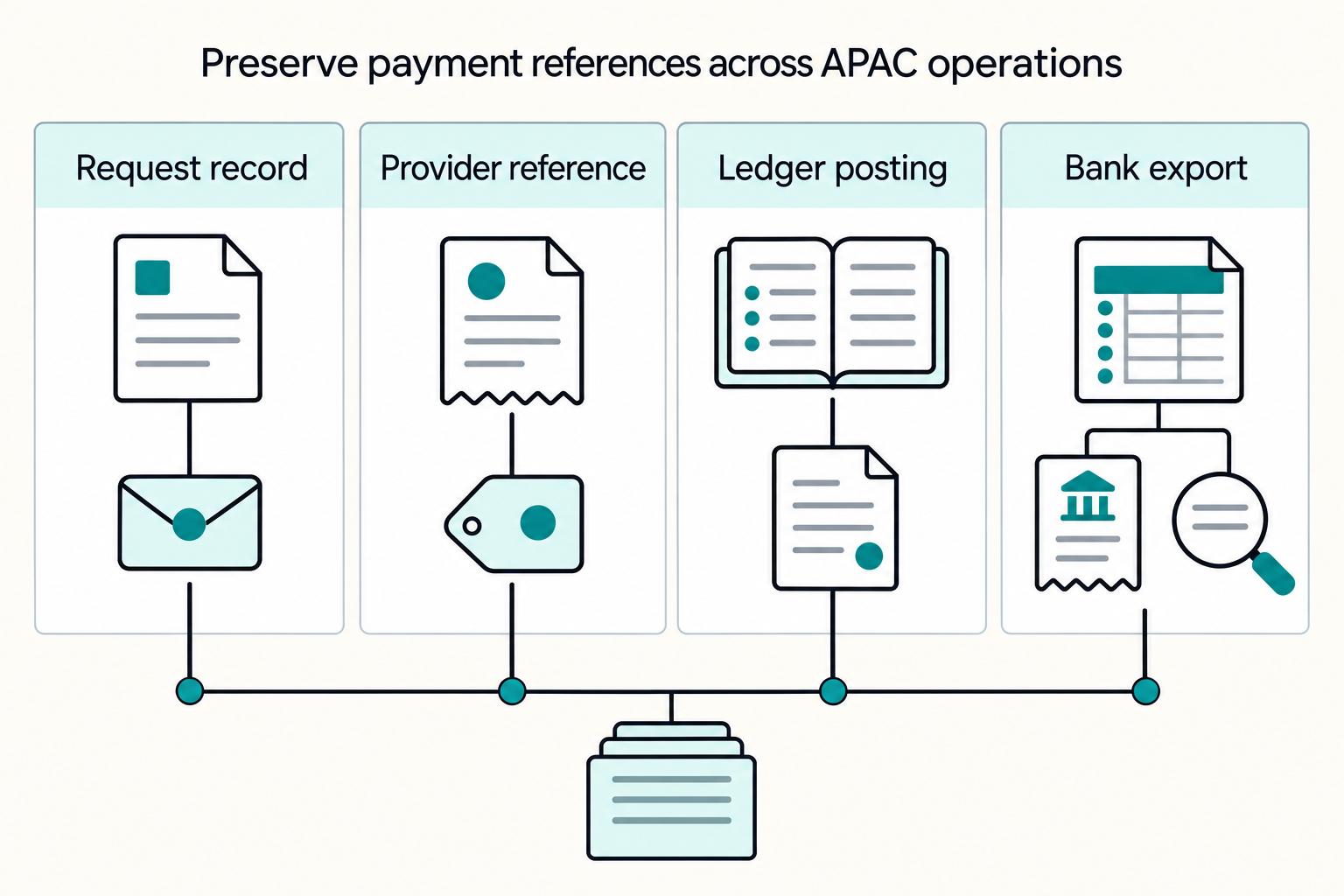
How to Expand Your Subscription Platform to APAC: Payment Methods Currency and Regulatory Landscape
Asia-Pacific (APAC) expansion requires country-by-country launches, not one regional motion. This guide helps you decide with payment, currency, and regulatory evidence so you do not mistake a strong regional headline for real launch readiness in your subscription platform.
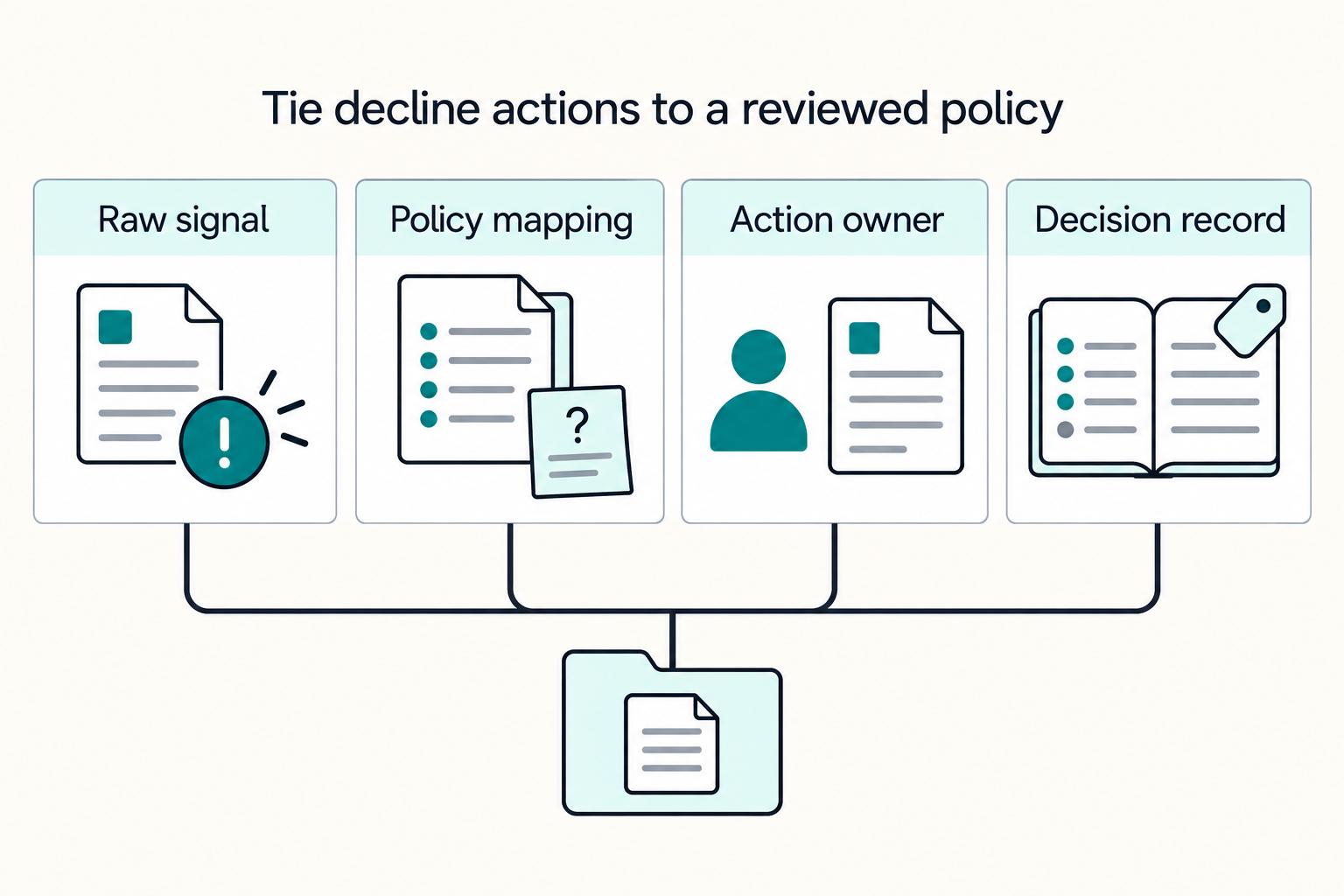
Soft vs. Hard Payment Declines for Platform Teams
Every decline should trigger a deterministic next action: retry, stop, or escalate. When teams rely on ad hoc judgment, they can launch uncontrolled retries, raise processing costs, and still fail to improve approval outcomes.
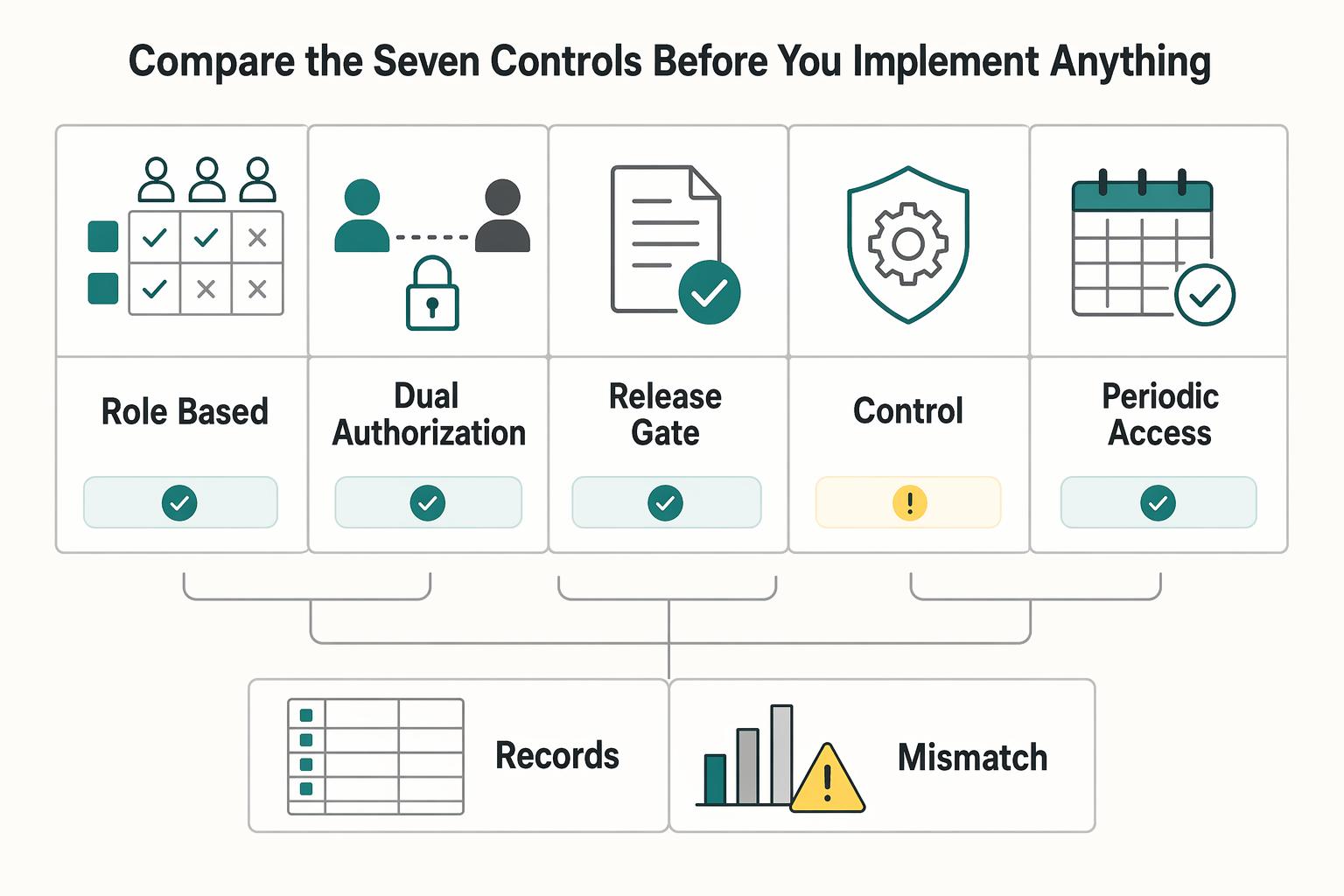
Internal Controls for Payment Platforms That Hold Up in Audit
If you own payout risk, start with a short control set you can operate, verify, and defend when a payout is challenged by compliance, finance, legal, or audit. This ranked list of seven controls aims to reduce real release risk without adding approval theater. It is not a claim that seven controls are always enough.