
Operator playbooks for cross-border payments, tax, and compliance execution.
Step-by-step guidance for finance, product, and ops teams to launch faster, reduce payout friction, and keep reconciliation clean across borders.

Self-Employment Tax Calculator: How Much Will You Owe on 1099 Income?
A **self-employment tax calculator 1099** is useful for speed, but the output is only directional until you put controls around it. If your team uses calculator estimates for reserves, payout timing, or contractor tax support, you need checks finance, compliance, and risk can stand behind later. We recommend deciding early which outputs your team may use directly and which ones require review.
Read more →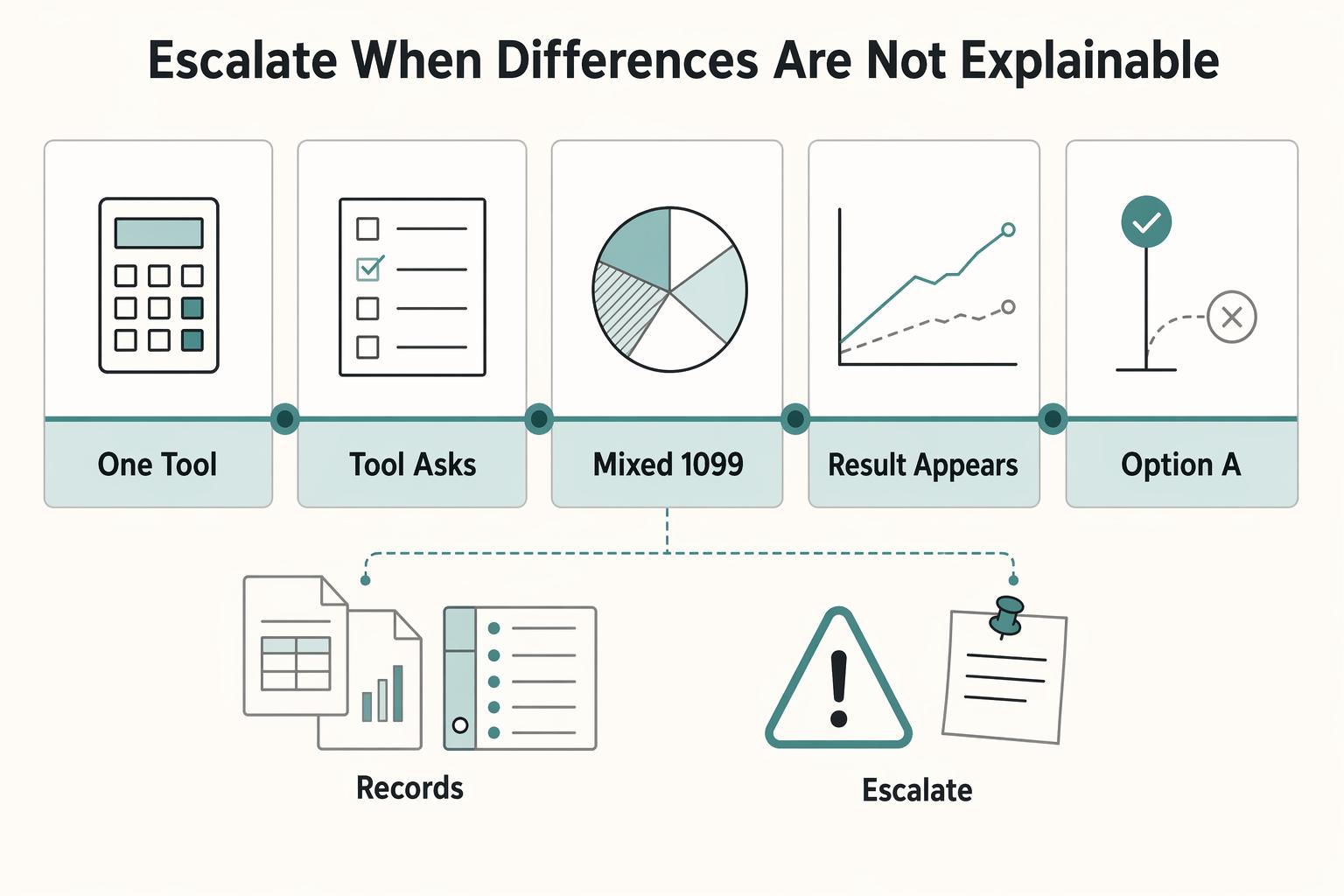
Quarterly Tax Calculator for Freelancers: Estimate Federal and State Taxes
A quarterly tax calculator for freelancers is a starting point, not a compliance conclusion. If you own compliance, finance, or risk, your job is to turn that first-pass estimate into a documented federal and state payment decision you can explain later.
Read more →
Quarterly Tax Payment Calendar for Contractors: All Four Deadlines and How to Calculate Each
The main failure is usually not missed reminders. It is treating different obligations as one shared date list. Federal estimated tax, payroll tax deposit and filing work, and state quarterly reports do not belong in one lane. When they sit together, teams can assign the wrong owner, keep the wrong evidence, or lose track of why a date or filing choice changed.
Read more →
How to Brand Your Payment Links with Custom Logos Colors and Domains
Treat payment-link branding as an execution decision first. Pick what your provider supports now, assign owners, and flag gaps before design sign-off. With Stripe Payment Links, Checkout.com Payment Links, and similar hosted pages, the fastest way to avoid launch surprises is to separate confirmed controls from assumptions.
Read more →
Payment Link Analytics: How to Track Which Clients Have Paid and When
Treat **payment link analytics tracking** as an evidence chain, not just a dashboard. If you need to answer which client paid, how they got there, and when payment was confirmed, anchor on payment confirmation data. Then layer GA4 and ad-platform reporting on top for attribution and optimization.
Read more →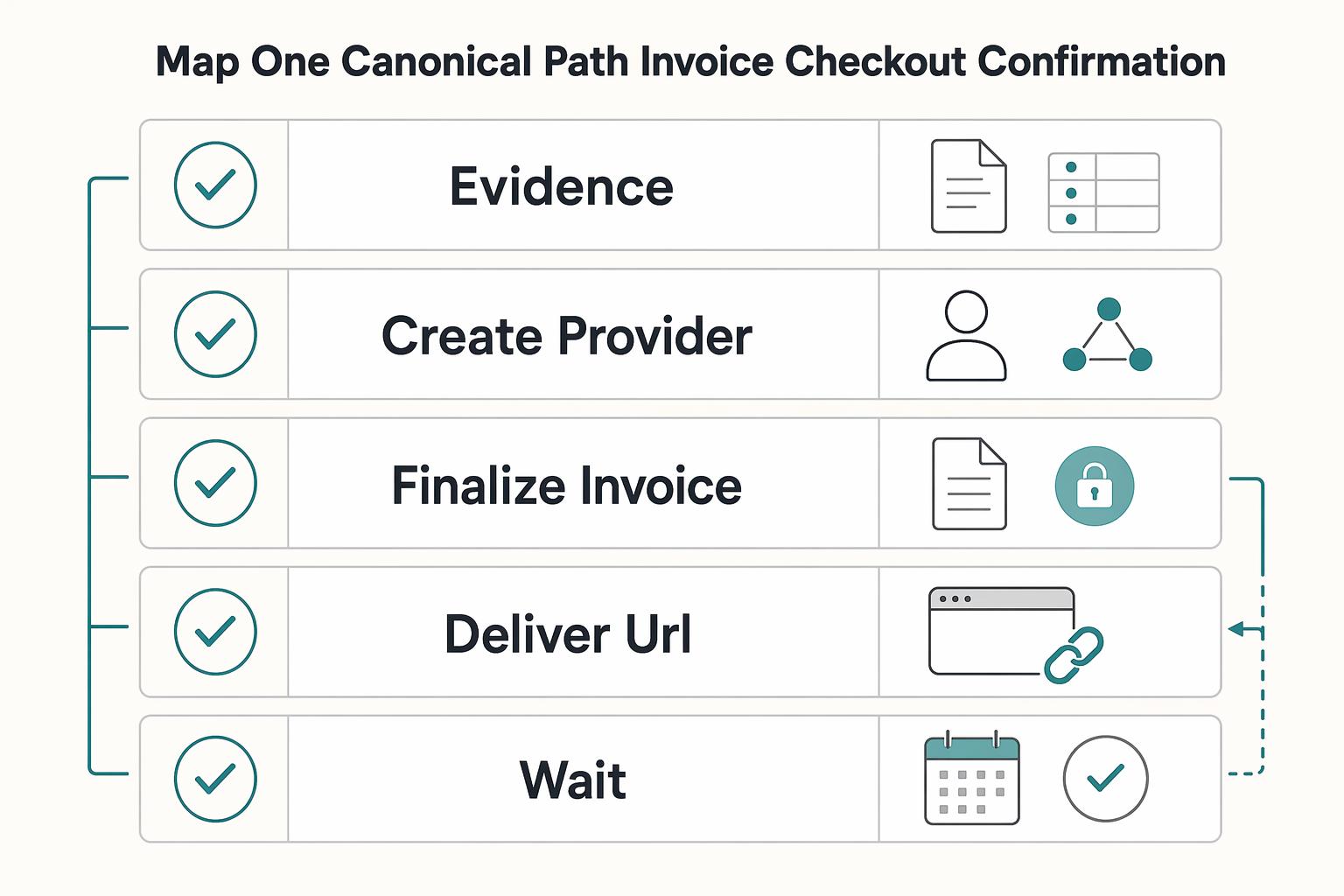
Recurring Payment Links: How to Set Up Auto-Billing for Monthly Retainers
Start with the collection path, not the interface. For monthly retainers, you can either auto-charge a stored payment method or send an invoice first. That choice sets expectations for contracts, failure handling, and finance operations.
Read more →
How to Create a No-Code Payment Page in Under 5 Minutes
For platform teams, **no-code payment page creation is a two-part job**: a simple page can go live quickly, and teams then need additional time to verify operational fit. Visual builders, templates, and configuration can make the first publish fast. The real work is treating that first publish as the start of an operational process, not the finish.
Read more →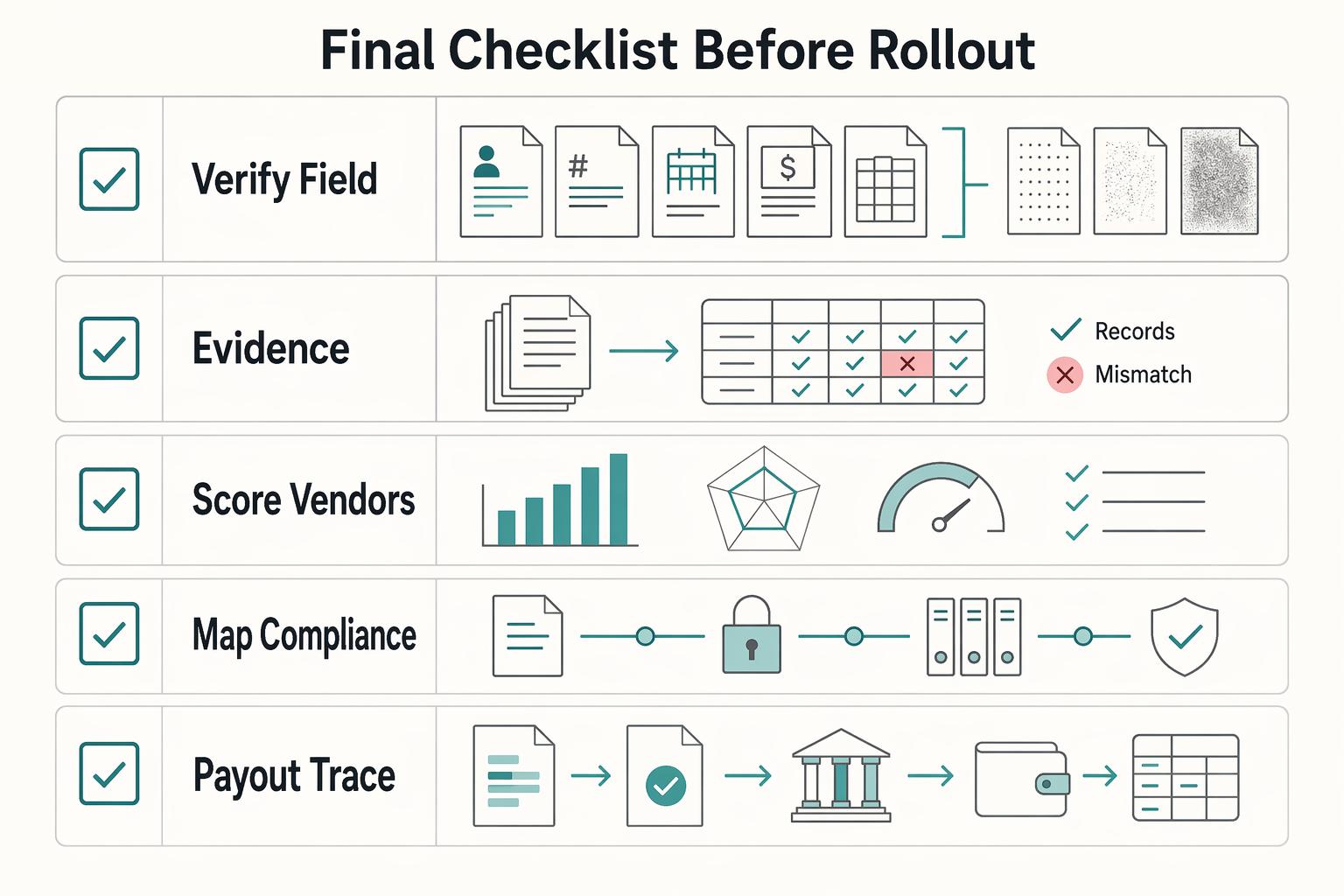
Invoice Scanning OCR for Platforms to Digitize Paper Invoices at Scale
Judge invoice OCR by how it behaves in your actual AP flow, not how it looks in a polished demo. For platform teams, the real test is whether it keeps Accounts Payable moving under volume, limits exception work, and leaves a clear trail into approval, payout, and reconciliation when something is challenged later.
Read more →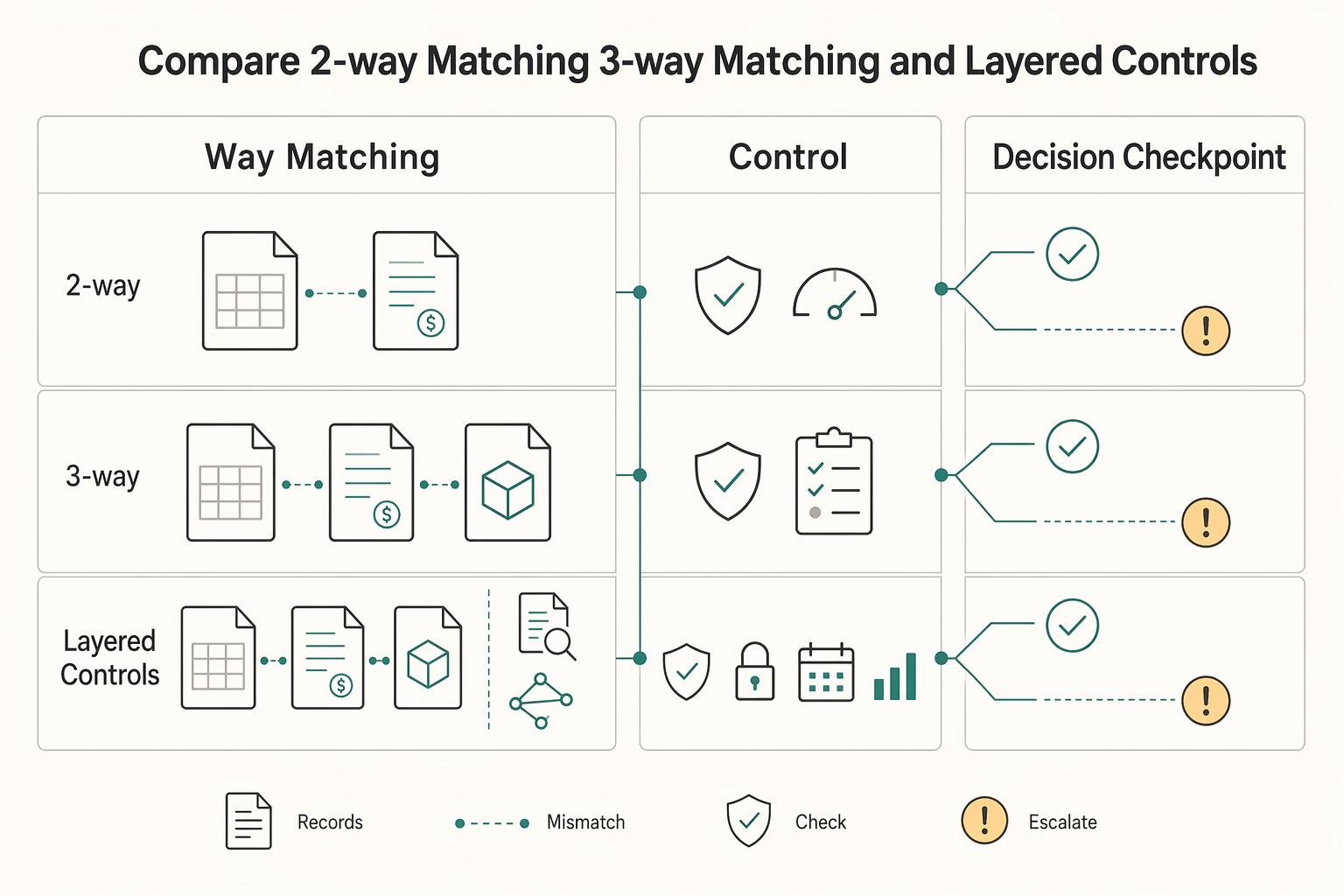
How Platform Teams Use 2-Way and 3-Way Invoice Matching to Stop Overpayment
Platform teams do not need another glossary entry on invoice matching. They need controls that stop real overpayment paths before money goes out the door. At its core, invoice matching compares an invoice with supporting records before payment. The practical question is what you add when a clean match still does not mean the invoice should be paid as submitted.
Read more →
How Platforms Keep Contractor Payment Details Accurate and Compliant
Reliable contractor payouts start with controlled vendor data, not the payout click. What looks like a payout failure is often an upstream record problem, and ACH return codes like `R03` and `R04` only make that visible once a payment is processed.
Read more →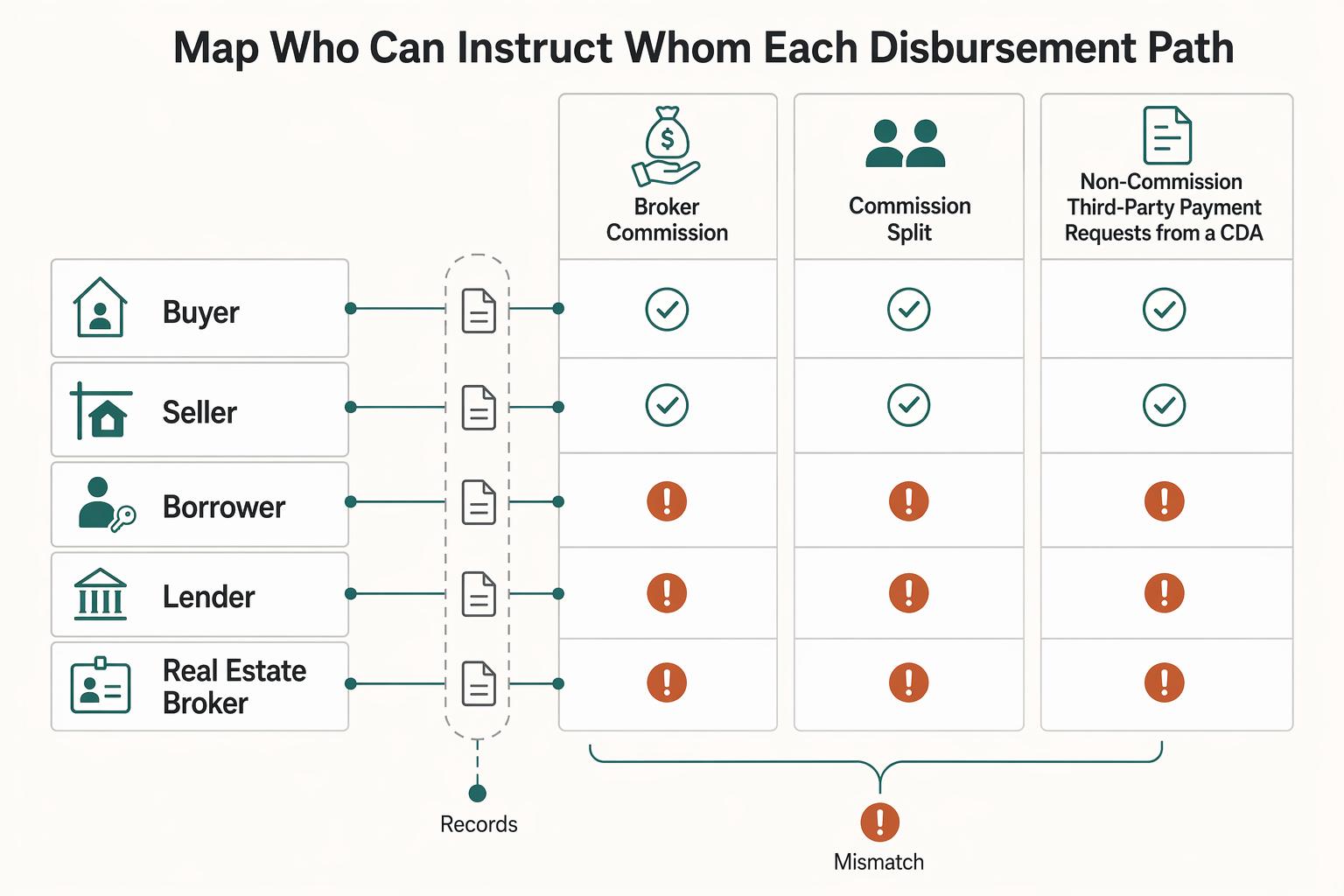
How Real Estate Platforms Pay Agents Commissions and Handle Closing Disbursements
At closing, the controlling question is who can lawfully instruct the escrow holder to release trust funds. In California, the June 30, 2025 guidance from the Department of Financial Protection and Innovation and the Department of Real Estate makes the boundary clear. An escrow agent disburses trust funds based on the written escrow instructions of the principals to the transaction, not solely on a broker's request at closing.
Read more →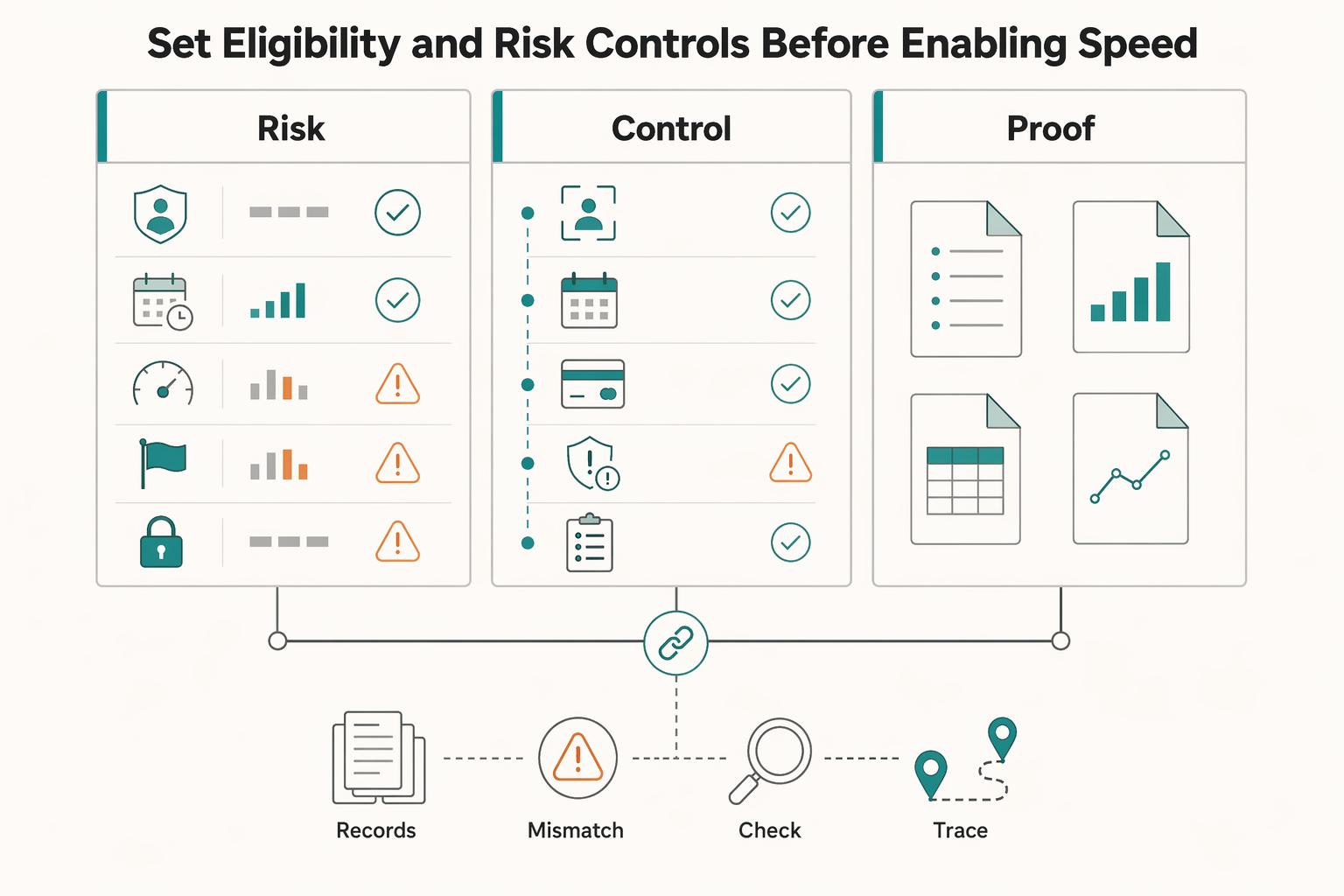
Embed Financing Options in Your Marketplace with Instant Payout Economics
You are not choosing a nice-to-have checkout feature. You are deciding how your marketplace gets paid, what risk it absorbs, and whether faster seller access to cash strengthens or weakens your take rate.
Read more →
How Platforms Should Design Loyalty Reward Payouts for Margin and Control
A customer loyalty program should not be approved on headline appeal alone. If you are choosing between cashback, points, account credit, discounts, or a hybrid model, the real question is simpler: does the payout design improve repeat behavior without quietly damaging unit economics or creating a reward liability your team cannot explain?
Read more →
Embedded Working Capital: Factoring, Financing, or Cash Advance
Treat this as a product design choice first and a funding feature second. The model you pick changes who controls the invoice asset, who collects repayment, what your support team has to explain, and how the economics hold up once disputes and exceptions show up. That is the real lens for embedded working capital.
Read more →
Vendor Approval Process for Platforms That Screen and Onboard Contractors
Most contractor approval processes break as volume rises because they are built like a front-door checklist instead of a full lifecycle. This guide shows how to build a right-sized approval process for your contractor onboarding program that stays audit-ready without forcing every case through the same friction.
Read more →
How Platforms Detect and Stop Fake Invoices Before Payment
If you run platform payment operations, fake invoice risk rarely comes from a single failure. More often, you see a chain of small gaps: weak vendor setup, unclear approval ownership, rushed payment timing, disconnected systems, and hold rules that people interpret differently.
Read more →
ACH vs Wire vs Debit Card for Wallet Funding Speed and Cost
Choosing between ACH, wire transfer, and debit card for wallet funding is usually an operations decision before it is a speed or unit-cost decision. The rail changes who initiates the movement, how retries behave, and how much cleanup lands on payments ops, finance, and support when something goes wrong.
Read more →
How Platforms Use Pooled Wallets vs. Individual Wallets for Contractors
Choose pooled wallets when your platform needs centralized control over funds and operations. Choose individual wallets when users must control private keys and accept the recovery boundary that comes with that choice.
Read more →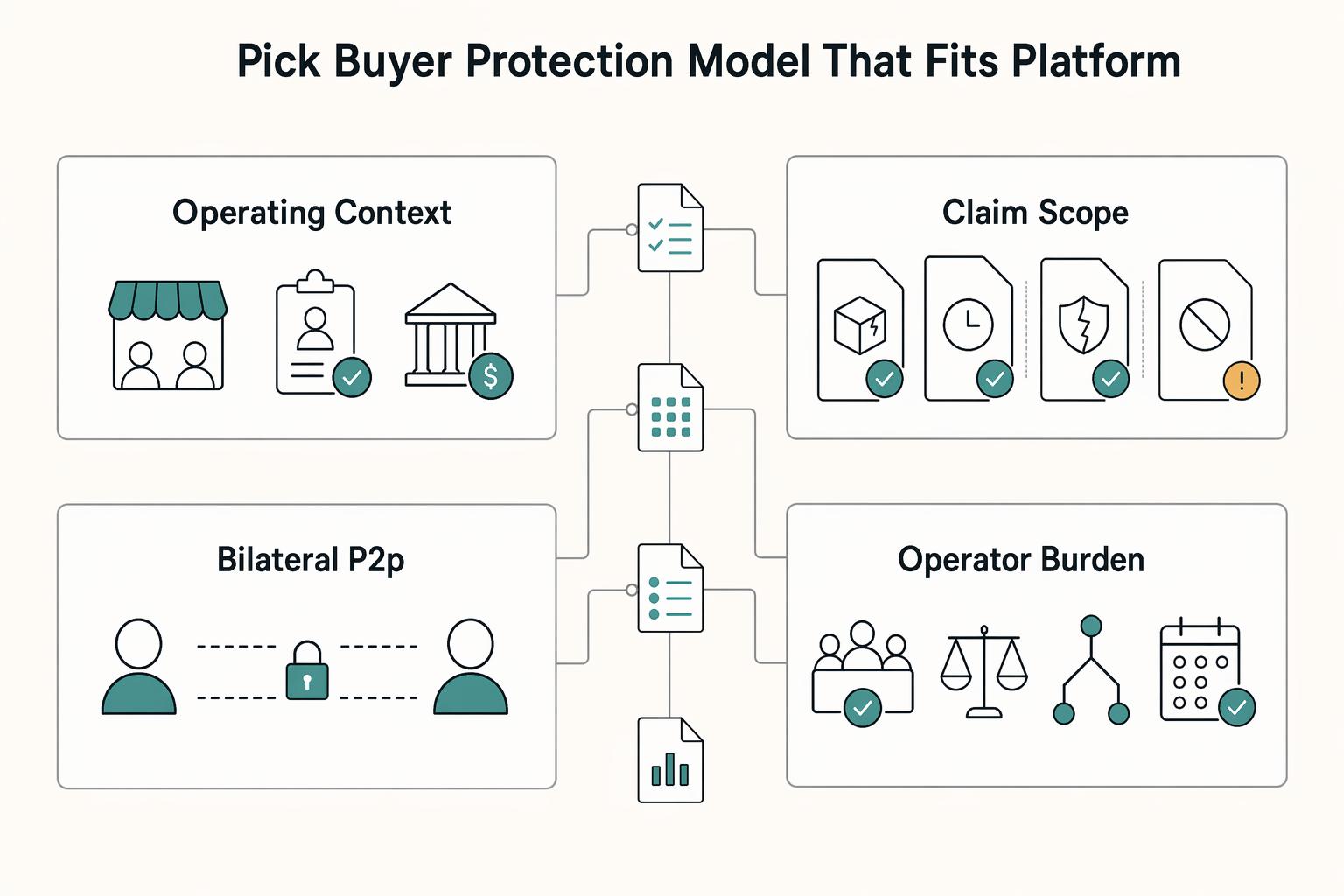
Payment Guarantees and Buyer Protection for Platform Operators
Buyer protection is more credible when your team can point to clear claim scope, clear decision ownership, and a clear dispute path.
Read more →
When Virtual Account Numbers Protect Freelancer Bank Details
If your goal is to protect freelancer payout bank details, focus on the receiving bank detail, not card-masking tools. In practice, the question is whether to give payers a purpose-built receiving detail, often a virtual bank account number, instead of exposing the underlying account behind your payout setup.
Read more →