
Operator playbooks for cross-border payments, tax, and compliance execution.
Step-by-step guidance for finance, product, and ops teams to launch faster, reduce payout friction, and keep reconciliation clean across borders.

Supply Chain Finance for Marketplaces: How Early Payment Programs Can Attract and Retain Sellers
Treat an Early Payment Program as both a funding decision and a payout-control decision. In a marketplace, it can shape seller experience, payout reliability, exception volume, and who carries cash and credit exposure when payment happens before standard terms.
Read more →
Xero + Global Payouts: How to Sync International Contractor Payments into Your Accounting System
Treat this as a disbursement-sync problem, not a receivables setup task. Xero has clear ways to help customers pay invoices and, in some cases, to pay certain supplier bills. That is not the same as running outbound contractor payouts across countries, currencies, and payout methods end to end.
Read more →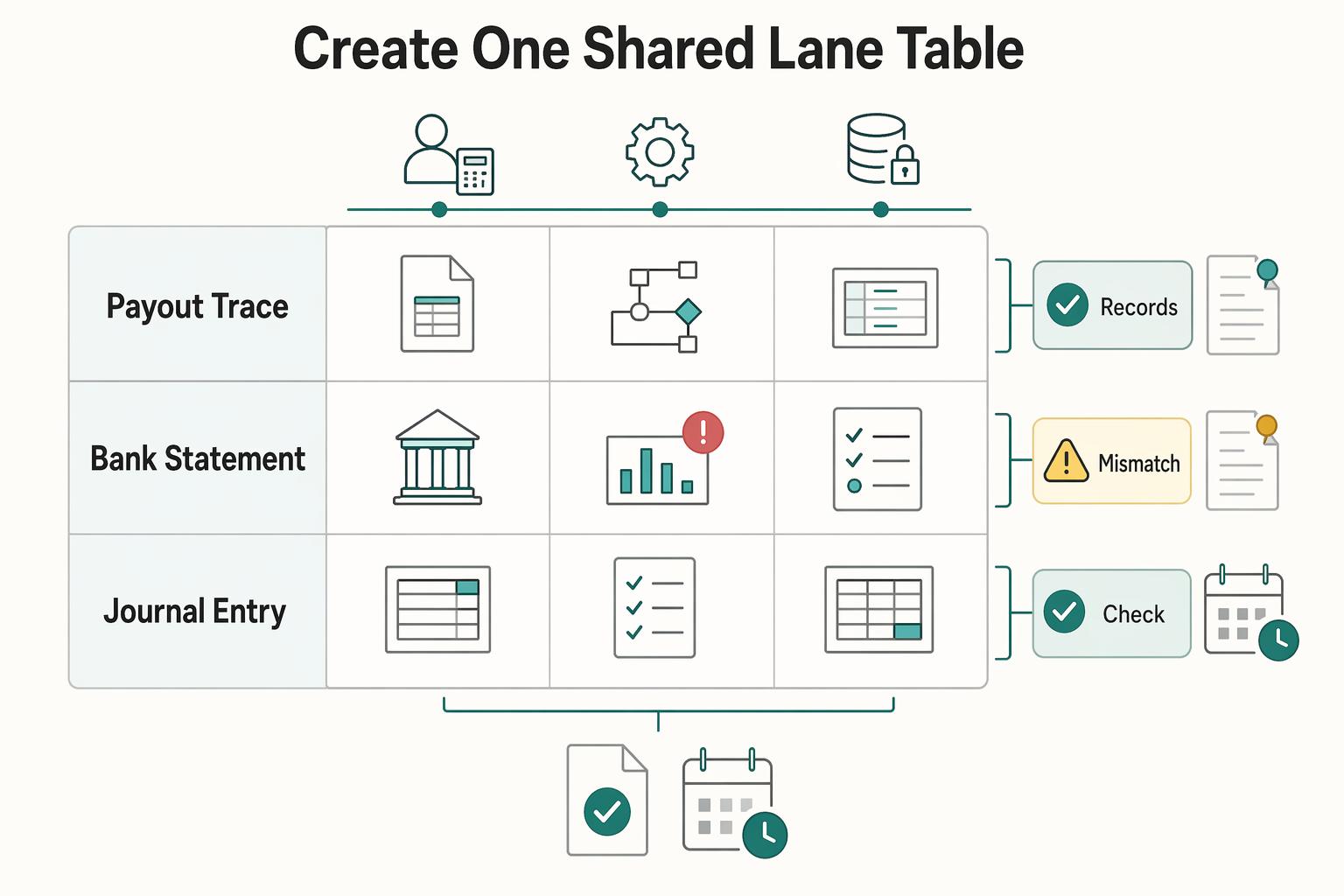
How Finance Teams Shorten Month-End Close With Automation
If you want to **shorten month-end close with automation**, treat close speed as a control-design problem first. You only move faster when matching, journal entries, and exception monitoring preserve authorization, traceability, and review.
Read more →
QuickBooks Online + Payout Platform Integration: How to Automate Contractor Payment Reconciliation
For platform operators, this is an operations design problem. You need a reliable path from each payout event to a bank-matched close in QuickBooks Online, with controls finance can trust and automation engineering can replay safely.
Read more →
Music Royalty Tax Compliance: How Platforms Handle 1099-MISC vs. 1099-NEC for Artist Payments
This is an operating-model decision, not a year-end form choice. A team can ship quickly and still end up with misclassified payouts, correction cycles, and filing risk if the classification logic is weak. If you run creator payouts, you need the classification rule before your first batch, not after your first correction cycle.
Read more →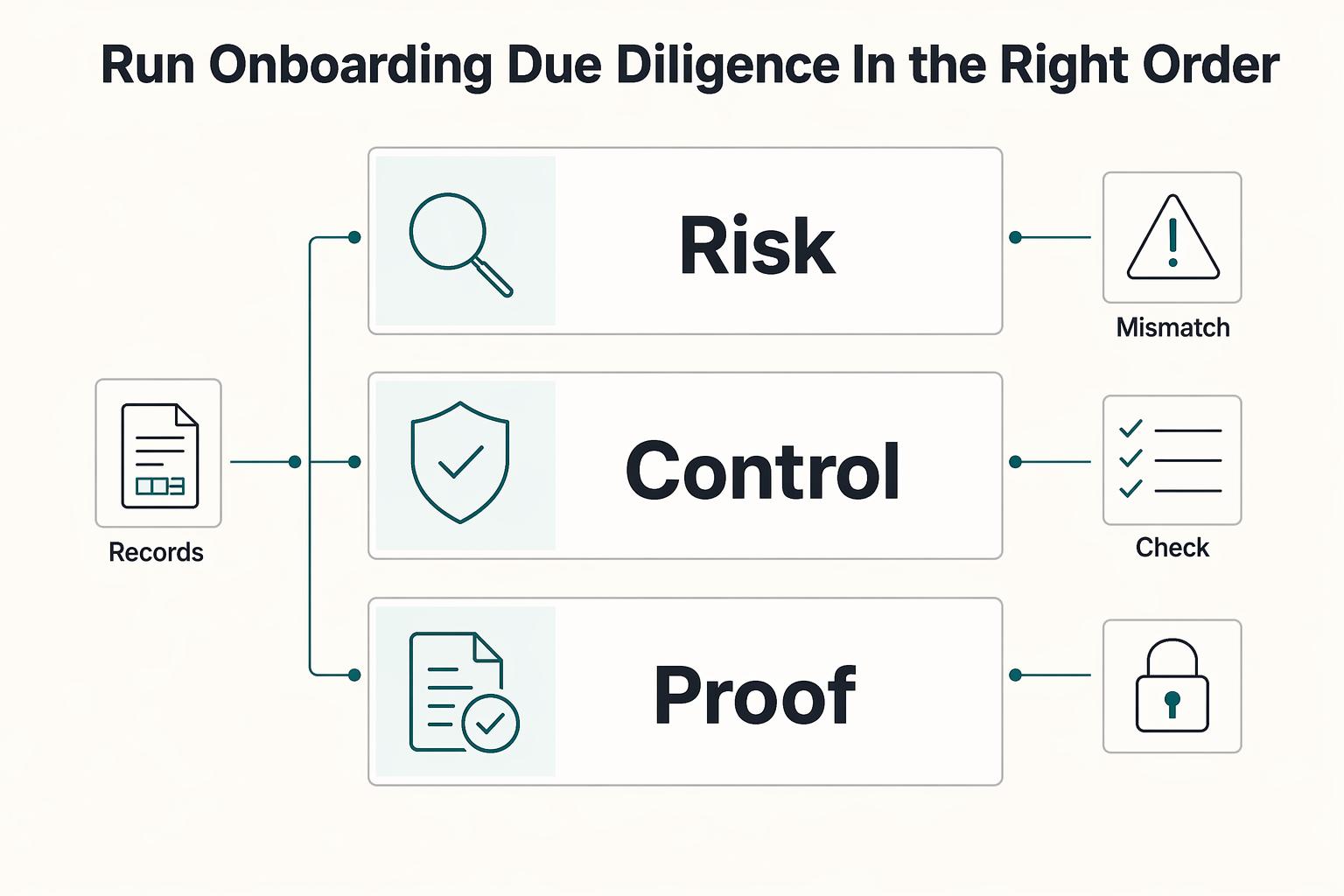
Vendor Risk Assessment for Platforms: How to Score and Monitor Third-Party Payment Risk
Use this guide to build a practical, defensible approach to scoring and monitoring payment-adjacent vendor risk, with clear escalation points and named ownership. It is for compliance, legal, finance, and risk teams that need decisions and evidence that will hold up under scrutiny.
Read more →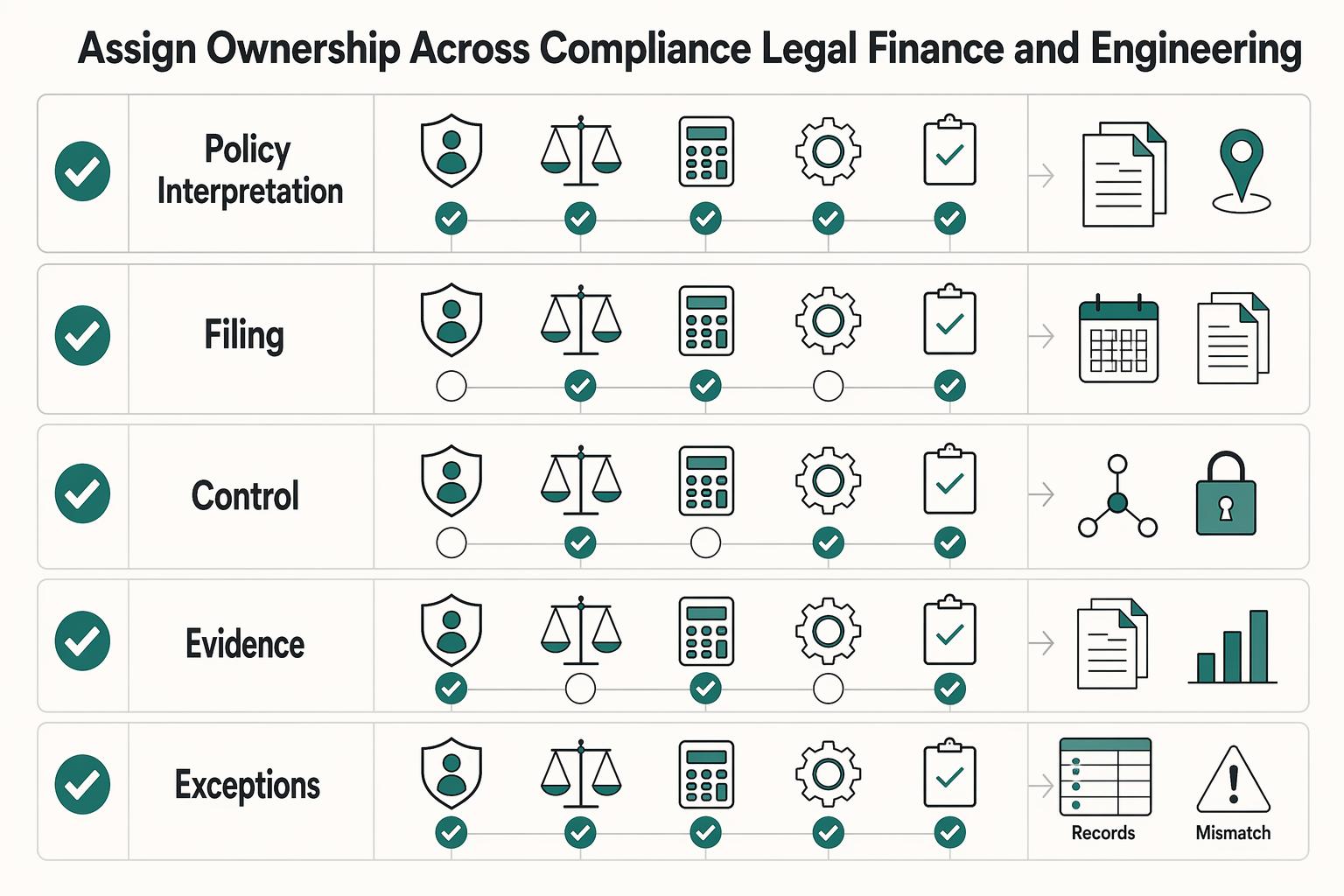
Making Tax Digital for Income Tax and UK Platform Operators: Confirmed Rules and Open Scope Questions
For platform operators, the first useful move is to separate confirmed HMRC and GOV.UK statements from scope assumptions. Most public guidance on Making Tax Digital for Income Tax is written for sole traders, landlords, and their agents, not for platform operators as a distinct audience.
Read more →
DAC7 for Platform Operators: Scope, Seller Data, and Controls for EU and Non-EU Platforms
Treat DAC7 as an operating model problem, not a definitions exercise. If your platform handles income from reportable activities, you need to make defensible scope decisions, collect the right data, and keep evidence that can stand up to questions from national tax authorities.
Read more →
Deferred Revenue for Subscription Platforms: How to Account for Prepaid Plans and Annual Contracts
If you collect cash upfront for an annual plan, you have not automatically earned revenue. For a platform selling prepaid subscriptions across markets, the gap between cash receipt and service delivery is a control issue, not just an accounting entry.
Read more →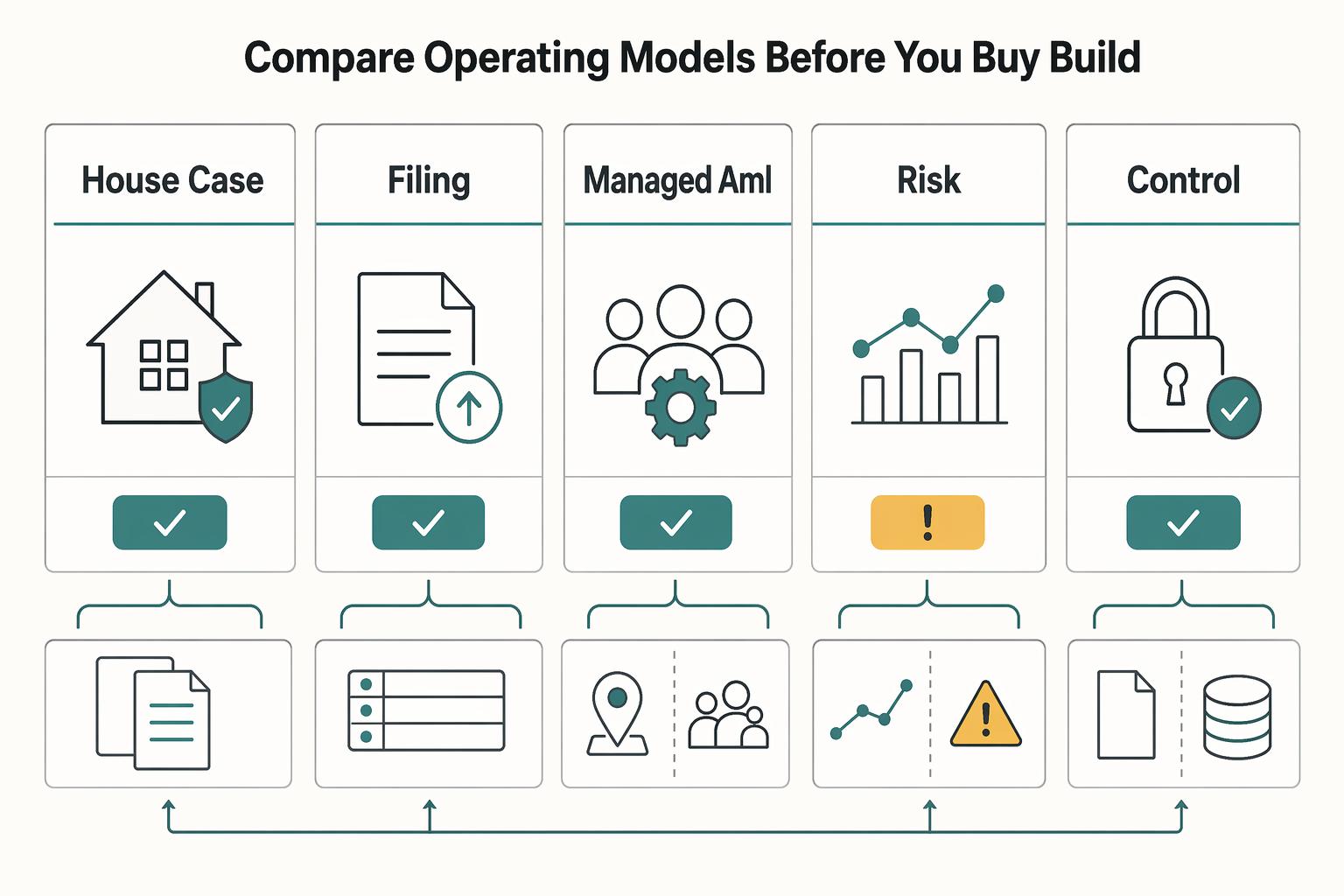
Choosing a Defensible SAR Filing Model for Payment Platforms
For platforms moving contractor, seller, or creator funds, when SAR filing applies, the goal is an operating approach your team can run consistently, not a system that tries to catch everything. You need alerts that get reviewed, cases backed by evidence, and filings you can defend. FFIEC describes suspicious activity reporting as the cornerstone of BSA reporting and emphasizes that SAR content quality is critical to the effectiveness of that system.
Read more →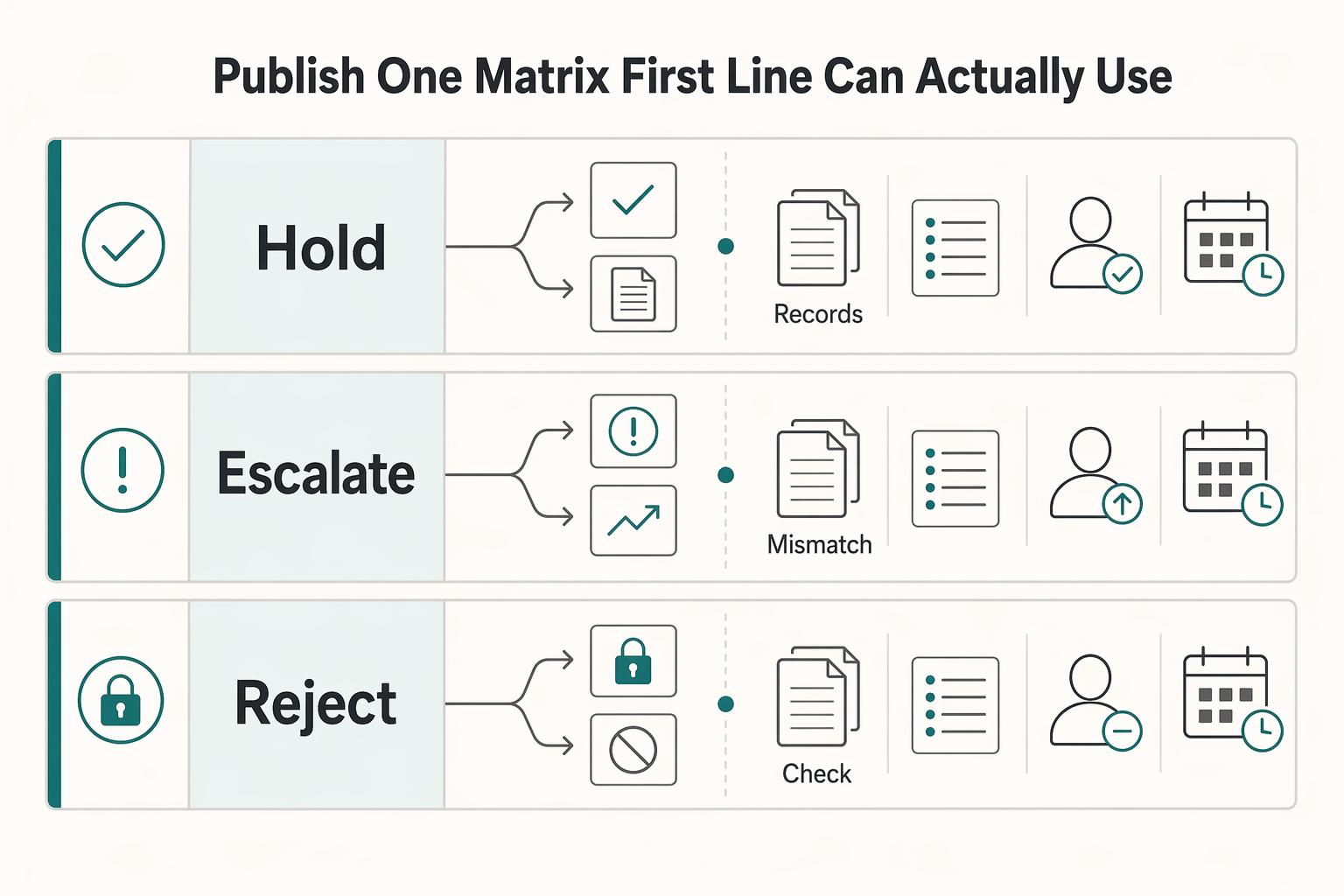
How to Handle Sanctions Screening for Payments to High-Risk Countries
**Do not treat jurisdiction risk and sanctions obligations as the same decision.** That is the simplest way to reduce real sanctions risk without choking off legitimate cross-border payouts.
Read more →
Account Updater Services: How to Automatically Refresh Expired Card Data Before Payments Fail
Expired or reissued cards can break card-on-file and recurring billing before your team sees the issue. When stored credentials go stale, you usually feel it in two places at once: more authorization declines and more manual work to contact cardholders, with chargebacks also possible. Card account updater, or CAU, is meant to refresh stored card details when cards expire or are replaced, but outcomes still depend on provider setup, timing windows, and issuer participation.
Read more →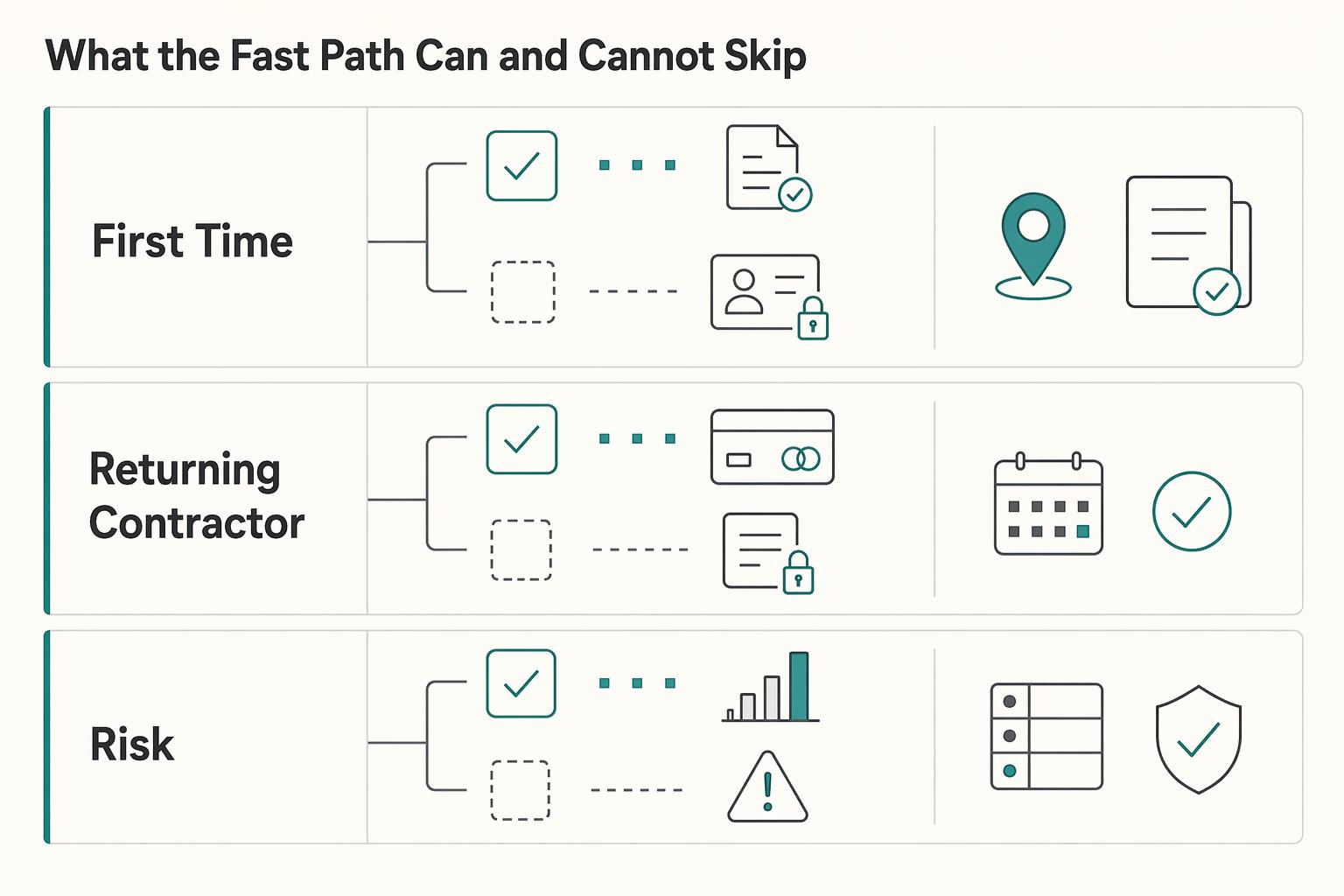
Mobile-First Payment UX: Designing for Contractors on the Go
Mobile-first payment UX for contractors is an operations problem first, not just a screen-design project. If initiation is unclear, status labels do not match provider states, or exceptions end in generic errors, cleanup work can shift to support, finance, and reconciliation.
Read more →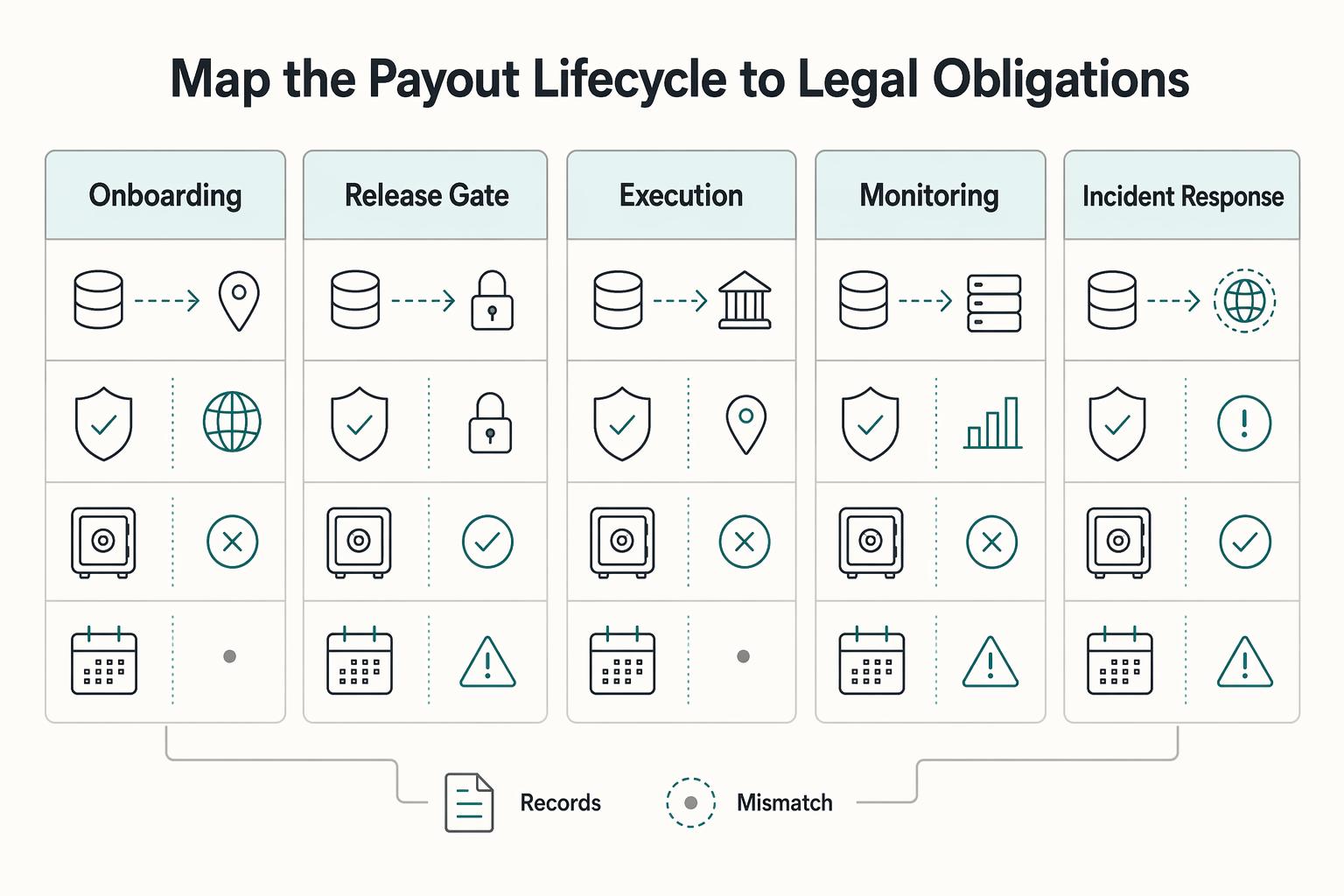
Cross-Border Payment Compliance: GDPR CCPA and Data Localization Requirements
Cross-border payment compliance is two linked jobs, not one checklist: privacy-transfer compliance and payment-control compliance. In the same payout flow, you may need to manage cross-border personal data transfer obligations under GDPR and separate privacy obligations under CCPA. You may also need to run KYC and AML controls that can affect onboarding, payment release, holds, and escalation.
Read more →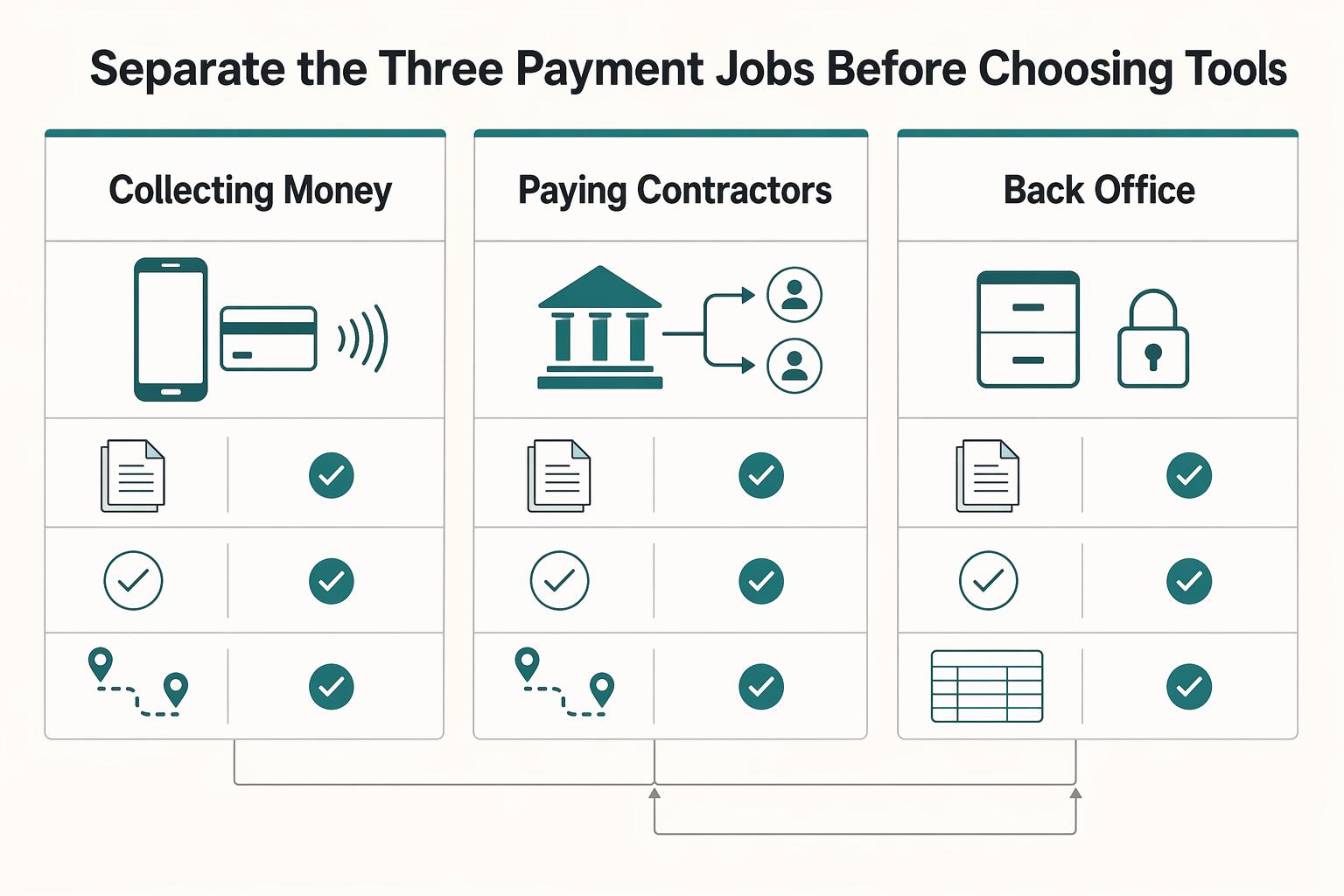
Mobile Payment Apps for Contractors: iOS and Android Comparison
Choosing **mobile payment apps for contractors on iOS and Android** is an ops decision, not a screen-design decision. If you compare only what contractors can tap in the app, you can run into trouble later with payout control, settlement visibility, and posting accuracy at close.
Read more →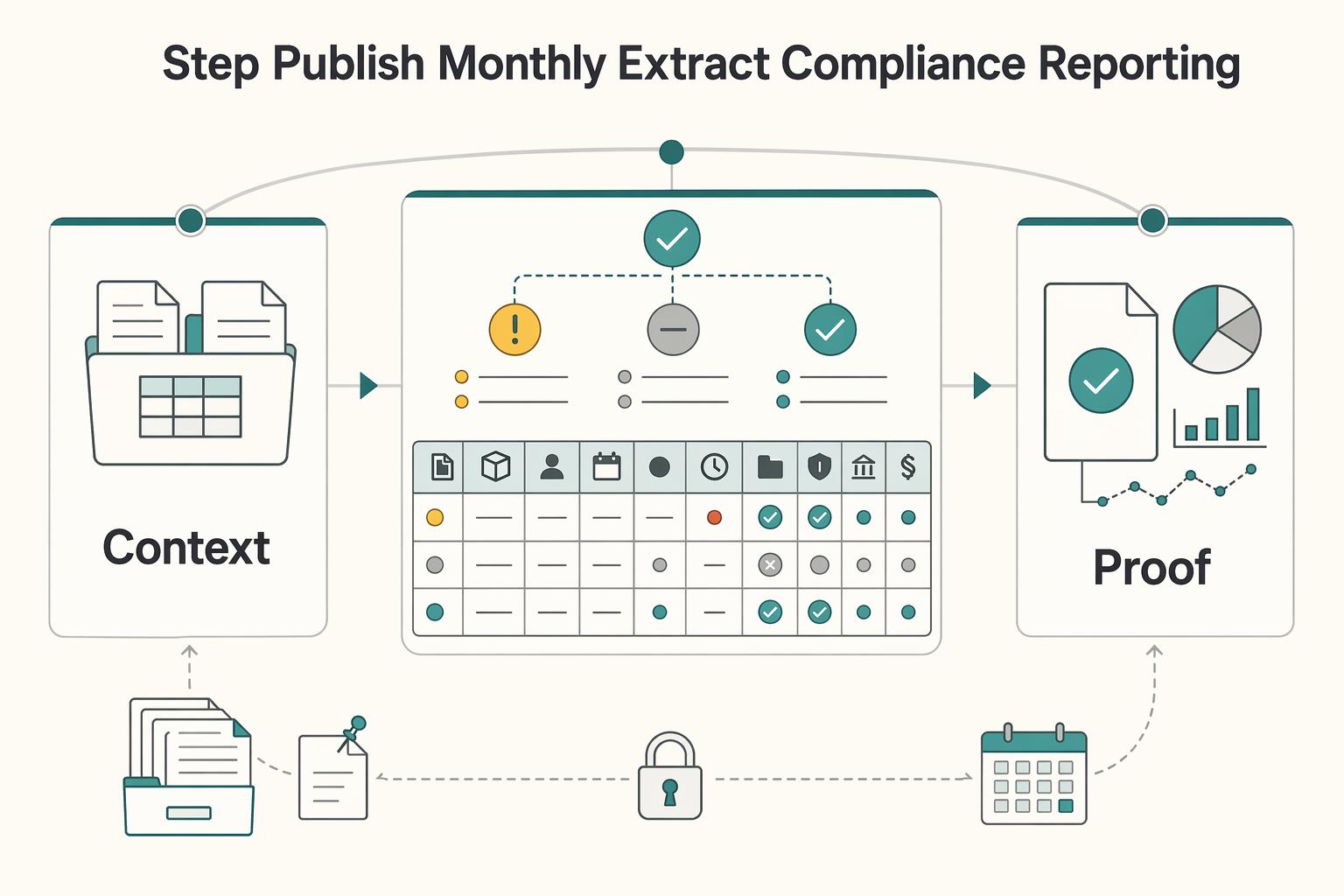
Contract Compliance Tracking: How to Monitor Deliverables and Deadlines
Treat contract compliance tracking as an operating control, not a filing exercise, if you want fewer payout surprises. You want to monitor deliverables, deadlines, and payment-linked obligations early enough that missed milestones become managed exceptions rather than cashflow pressure or audit risk.
Read more →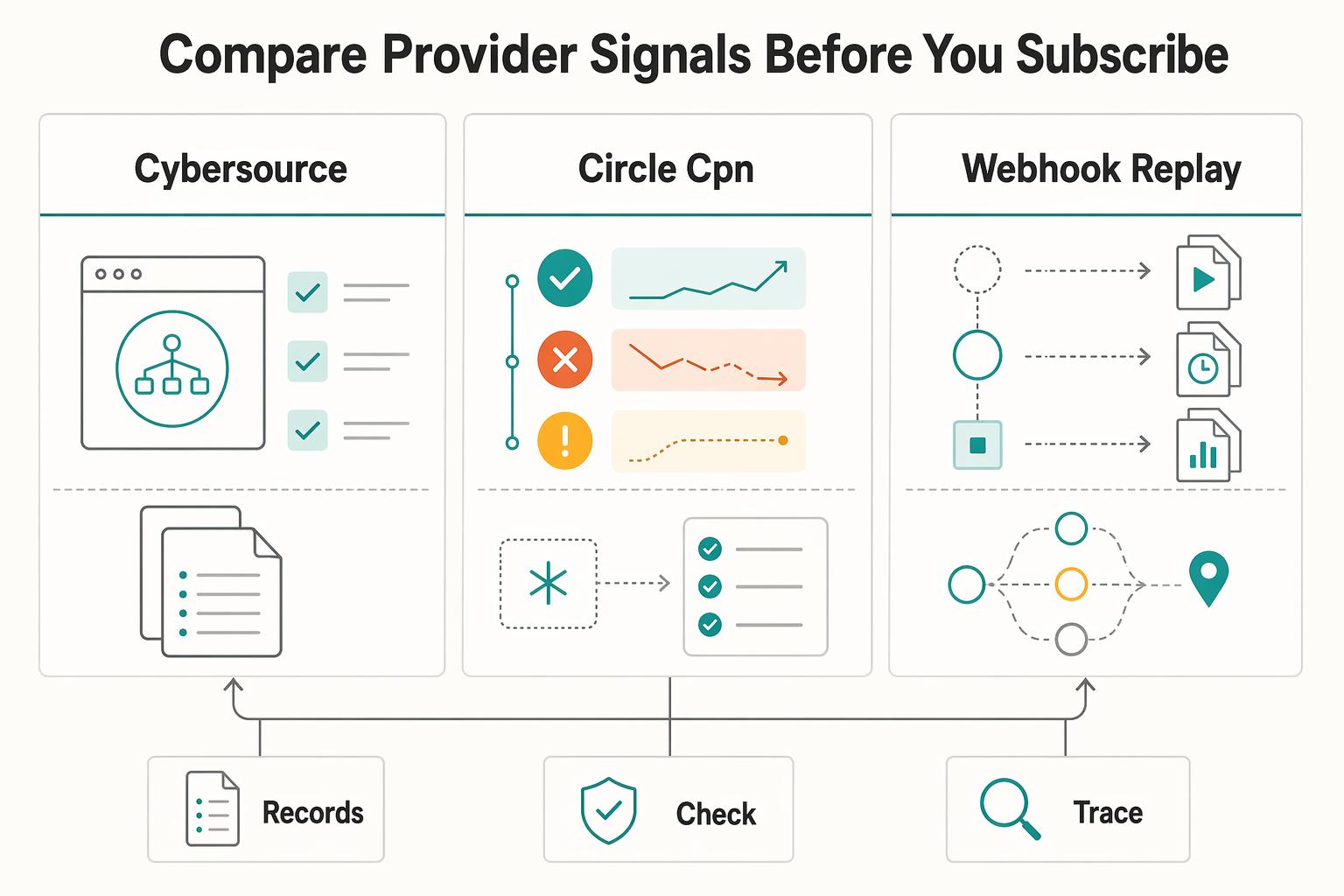
Webhook Implementation Guide: Real-Time Payment Notifications
Payment webhooks are easy to stand up. Reliable payment operations are not. The difference comes down to a few architecture decisions you make early, before late or out-of-sequence events start showing up in production.
Read more →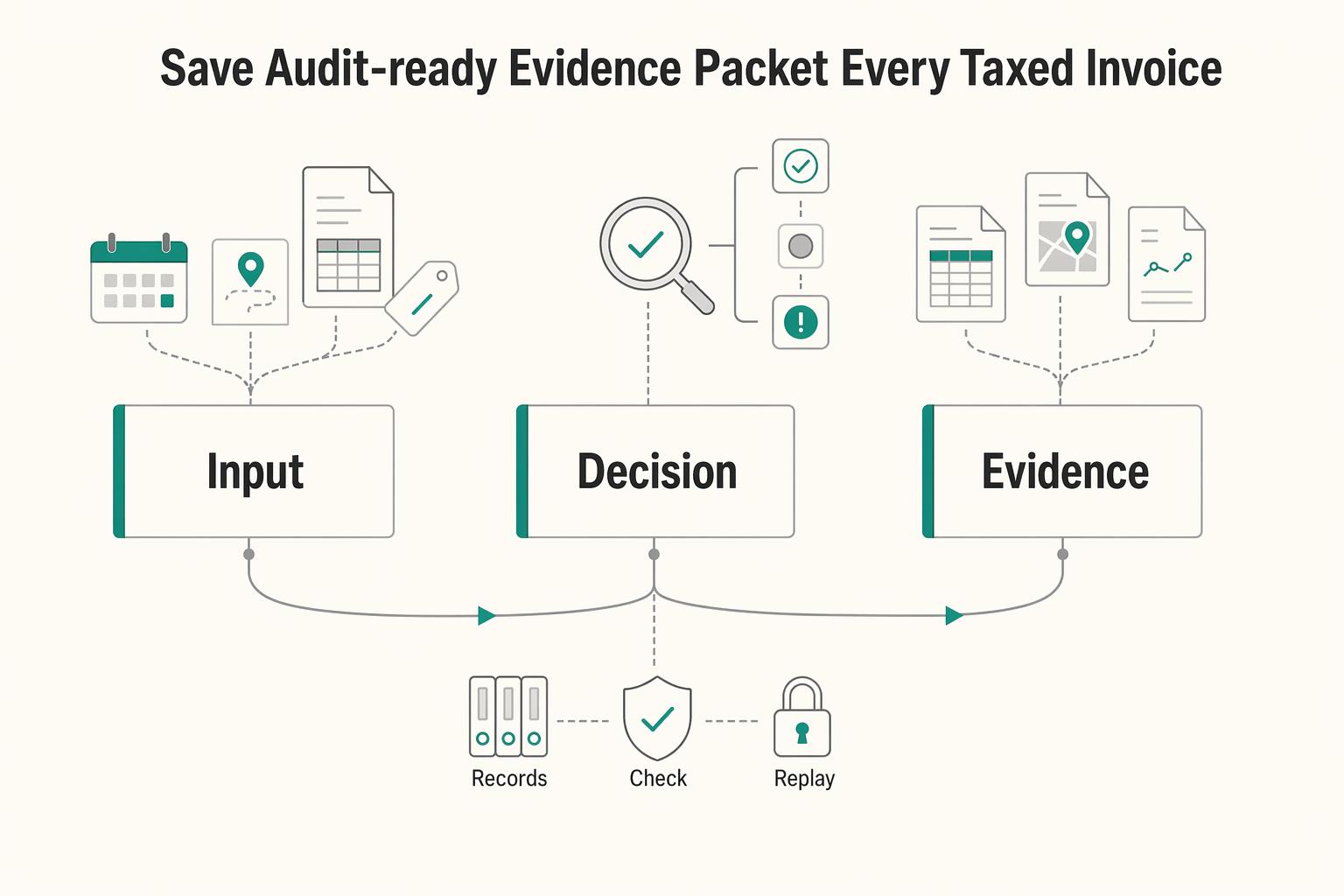
Sales Tax Calculator by State: Know What to Charge Before You Invoice
A **sales tax calculator by state** is a control step, not a final legal conclusion. Use it to calculate the invoice rate, but do not treat the output alone as proof of collection duty, final jurisdiction assignment, or audit-ready support.
Read more →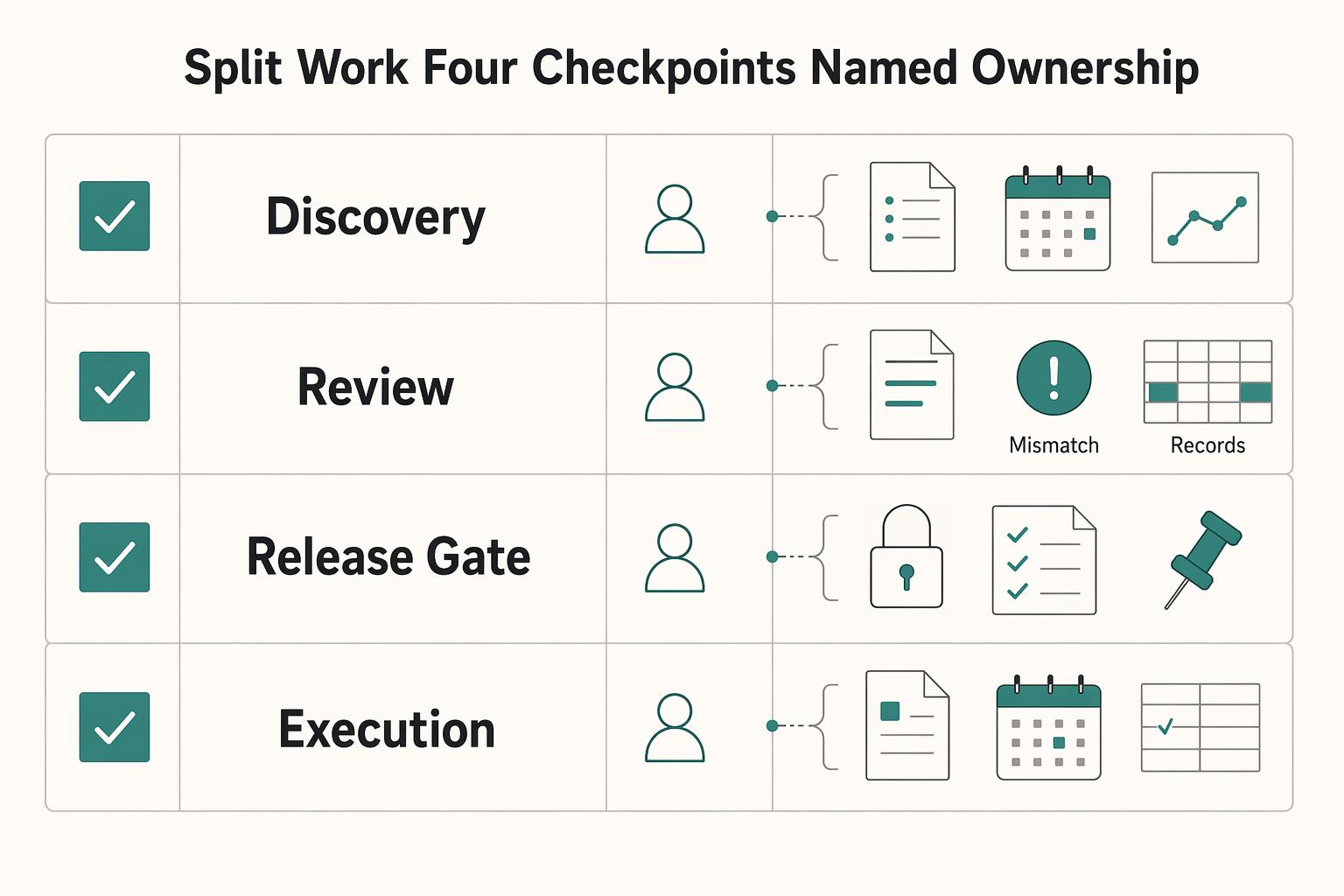
How to Set Up Contract Renewal Reminders to Avoid Scope Creep
The main failure is often not a missed date. It is treating renewal like calendar admin rather than a control point for legal, compliance, finance, and operations. If you treat renewal like a simple date alert, you miss obligation drift.
Read more →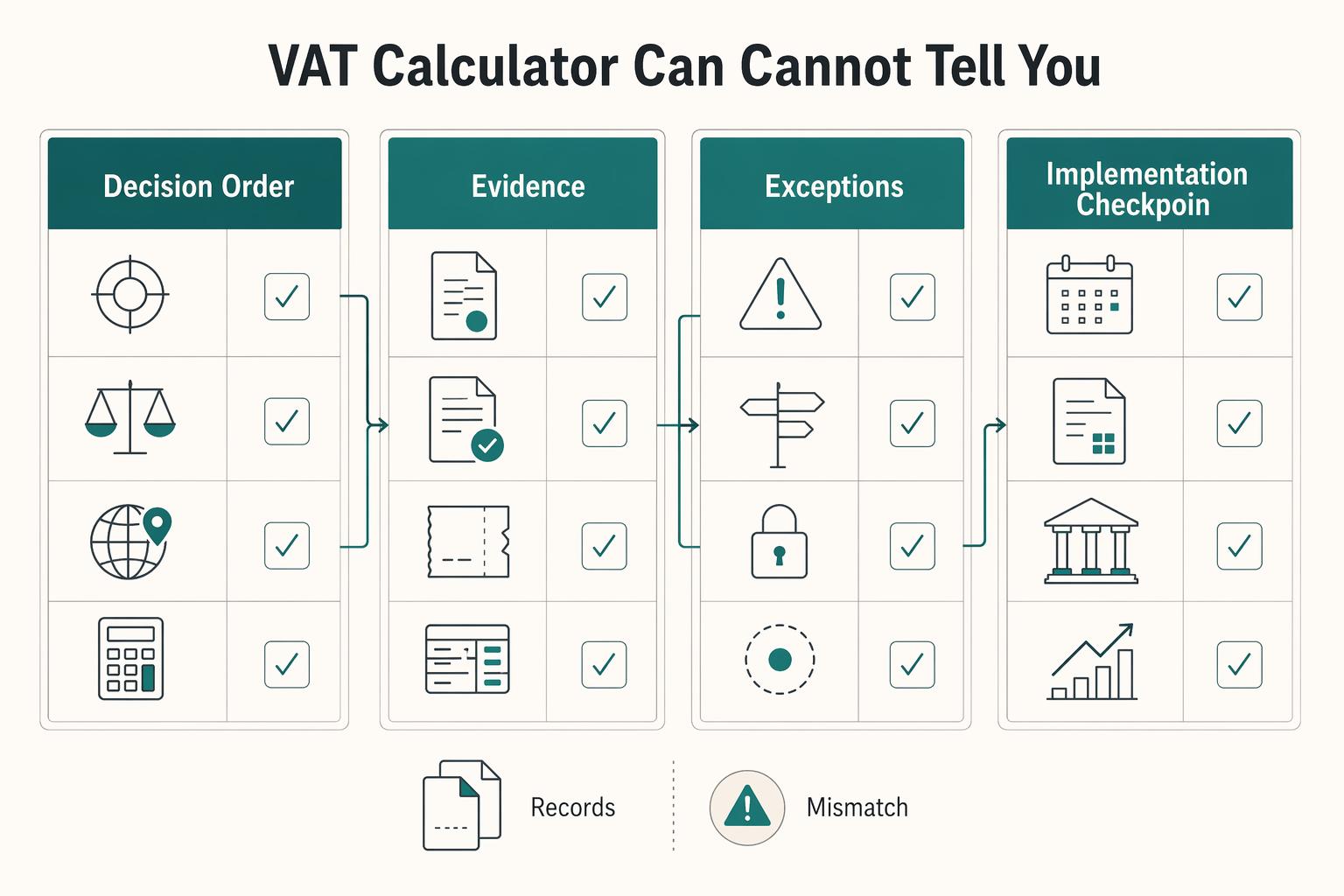
VAT Calculator for Cross-Border Services: What It Can and Cannot Decide
Treat a VAT calculator for cross-border services as a control input, not the legal decision. It helps with VAT math, but the legal treatment still depends on jurisdiction, transaction facts, and the rules on where a service is taxed.
Read more →