
Operator playbooks for cross-border payments, tax, and compliance execution.
Step-by-step guidance for finance, product, and ops teams to launch faster, reduce payout friction, and keep reconciliation clean across borders.
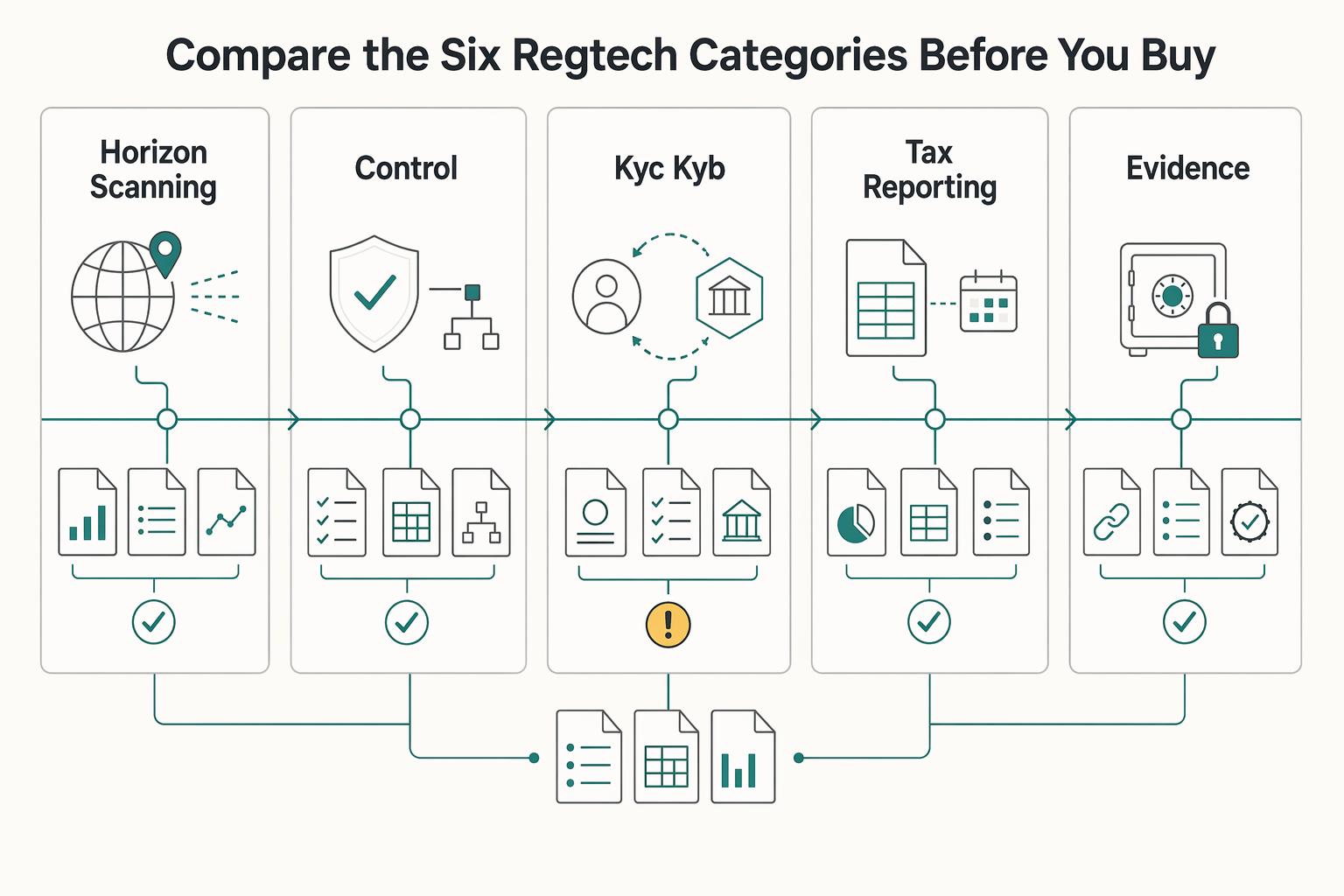
What Is RegTech? How Compliance Technology Helps Payment Platforms Automate Regulatory Reporting
RegTech can automate regulatory reporting for payment platforms, but it should not replace legal judgment. The hard part is often not finding the rules. It is keeping up with changes across jurisdictions and producing a defensible record from onboarding through payout.
Read more →
What Is Multi-Entity Accounting? How Platforms with Multiple Legal Entities Consolidate Financials
Multi-entity accounting works when you keep entity-level books and controls intact first, then consolidate with explicit rules. If your organization operates through two or more distinct business units under common ownership or control, the design should preserve separate records while still giving you one reliable group view.
Read more →
SaaS Accounting Software Evaluation: What Payment Platforms Need Beyond Standard GL Features
Choosing accounting software for a payment platform is a controls and integration decision first, not just a General Ledger feature comparison. If your product depends on recurring billing, payment collection, and reporting, a tool that looks complete at the GL surface can still leave rollout gaps. Revenue treatment and exception handling should be tested early.
Read more →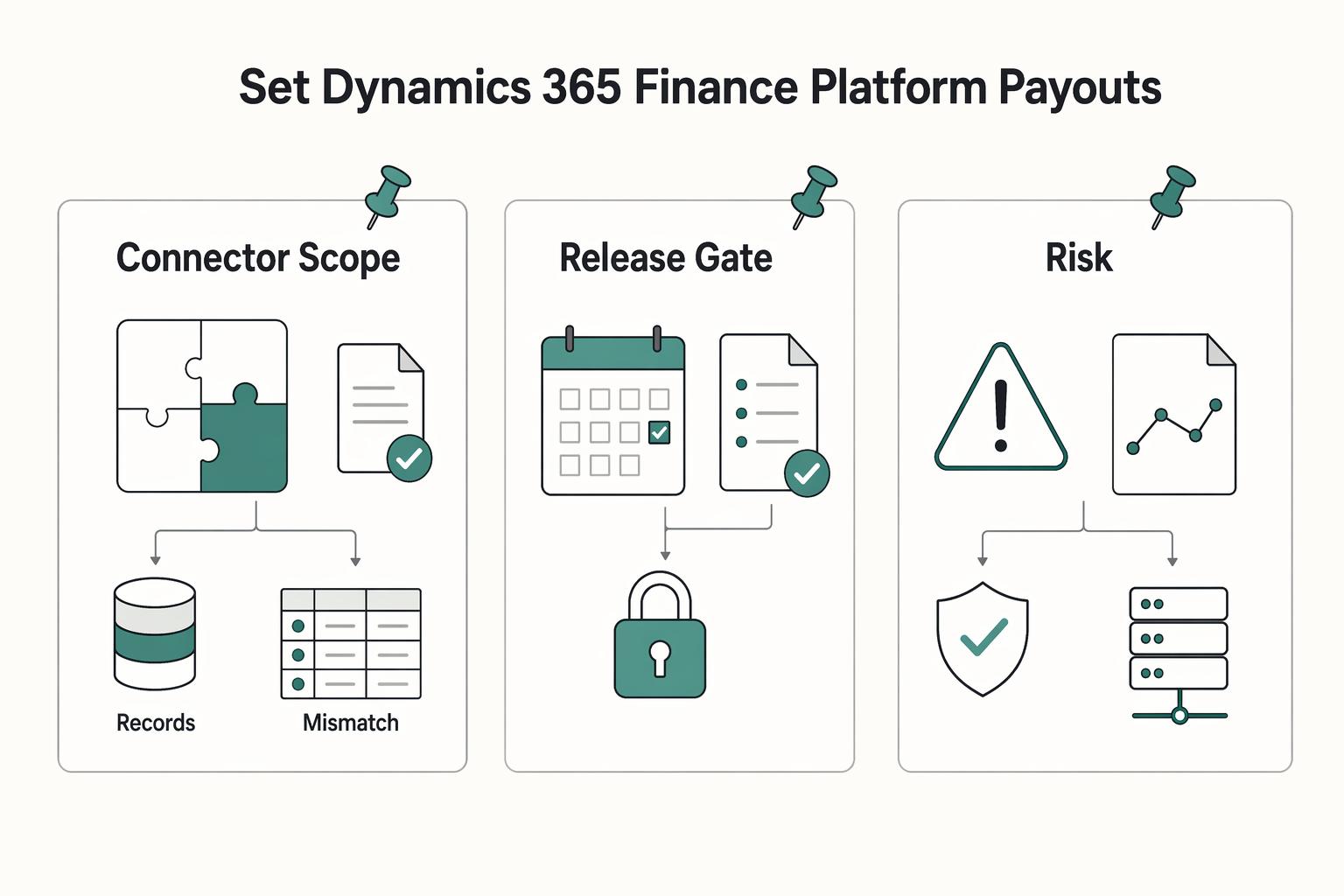
Microsoft Dynamics 365 for Payment Platforms: Finance Module Setup and Payout Integration Guide
Choosing a path for **Microsoft Dynamics 365** and platform payouts starts with one boundary call: separate Commerce checkout capabilities from Finance-side payout integration before you design anything.
Read more →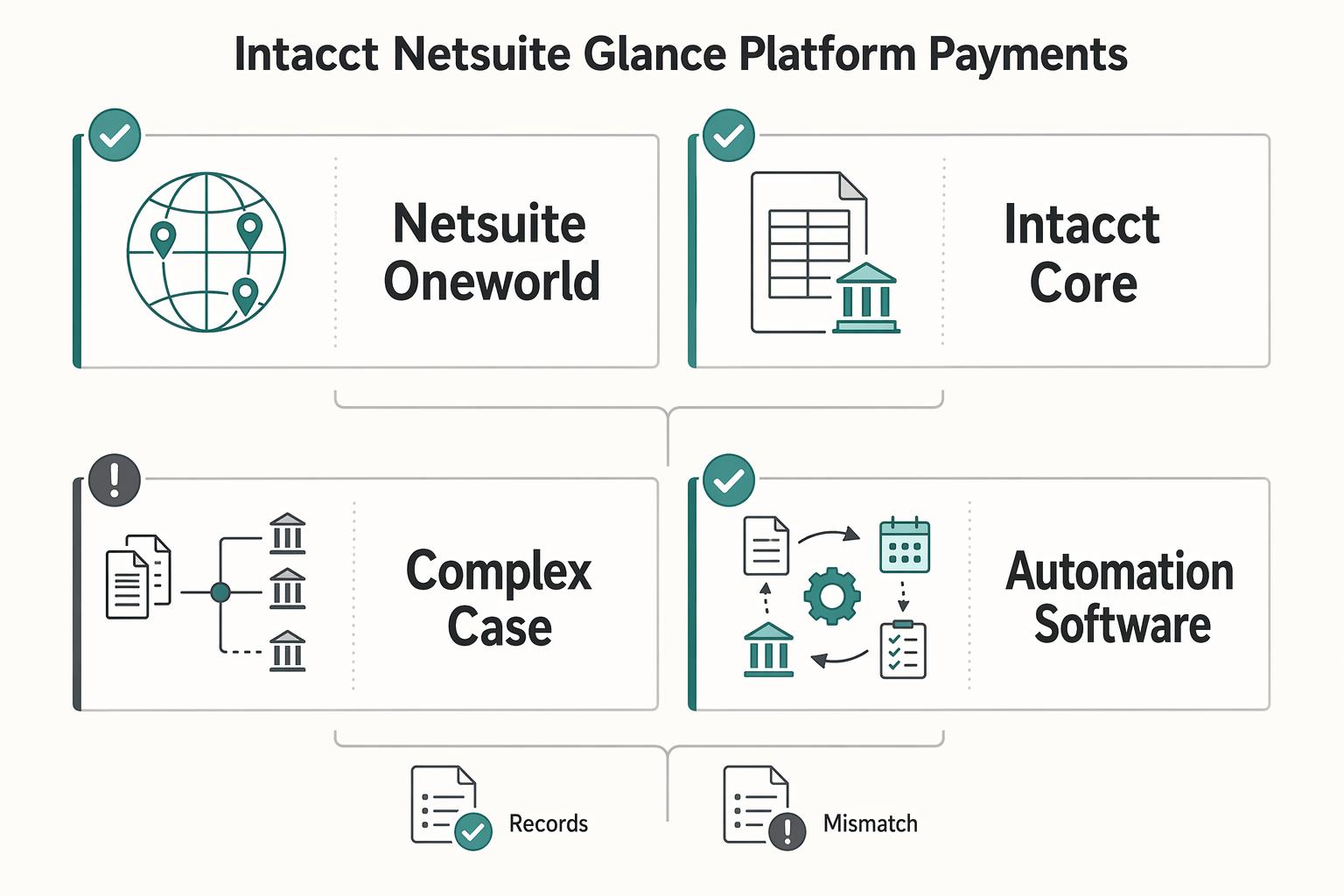
Intacct vs. NetSuite for Payment Platforms: Which ERP Handles Multi-Currency and High-Volume AP Better
Treat this as an integration-debt decision first, and an ERP comparison second. For payment platforms, multi-currency accounting and higher-volume AP risk usually shows up at the seams between product behavior, finance controls, and integrations, not in top-level feature lists.
Read more →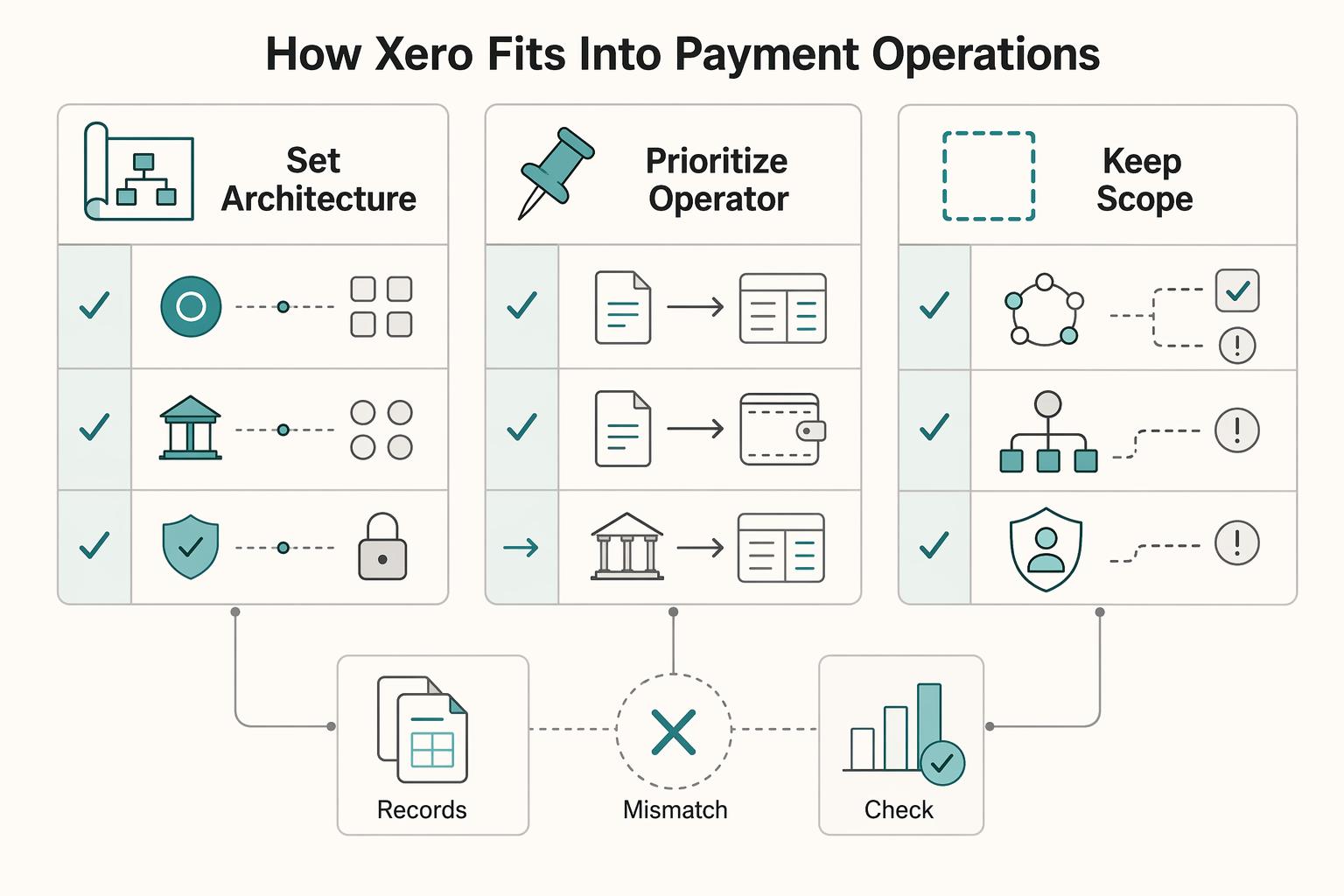
How to Maximize Your Xero Investment as a Payment Platform: Integrations and Automation Tips
Use Xero as your finance control layer, not as your full ERP. It is quick to adopt and has a broad add-on network, but it is not a full ERP. Your first decision is where its job starts and stops.
Read more →
What Is a Supplier Portal? How to Give Contractors Self-Service Access to Payment Status and Documents
A supplier portal can answer routine payment-status and document questions so fewer requests become support tickets. Oracle defines this as a secure self-service channel for buyer-supplier transactions, and SAP describes status portals as self-service access to invoice status and details. For contractor payout operations, this is a practical baseline: clear status visibility and usable document access.
Read more →
Vendor Contract Management for Platforms: How to Automate SOWs MSAs and Rate Cards
If you are evaluating how **vendor contract management platforms automate SOWs, MSAs, and rate cards**, start with the control chain, not a feature grid. You need a governing **Master Service Agreement (MSA)**, the right **Statement of Work (SOW)** for each engagement, a current **Contract Rate Card**, and checks before anyone is approved, activated, or paid.
Read more →
Procurement Data Management for Platforms: How to Centralize Vendor Contracts and Payment Terms
Treat every vendor contract and supplier agreement as a payment control, not a filing task. If a term can change approval, payout timing, or a payment hold, it needs to work inside your payment process, not sit in a PDF or get split across systems.
Read more →
How Fast Reliable Payouts Win and Retain Creator Partners
Fast payouts can help you win and keep creator partners, but speed is not the whole offer. Retention signals are strongest when faster access to funds comes with reliable delivery, clear status visibility, and finance controls that still work when volume grows.
Read more →
Maverick Spend in Platforms: How to Stop Off-Contract Contractor Payments Before They Drain Margin
Off-contract contractor payments become dangerous when they repeat. Small off-policy spend adds up, fragments data, and weakens compliance. Teams usually discover it later during invoice review, audit, or reconciliation.
Read more →
Adaptive Payments for Platforms: How to Split a Single Transaction Across Multiple Payees
The first decision is easy to state and easy to get wrong. Does one buyer checkout need to fund multiple recipients under explicit rules for platform fees, partner payouts, and failed or blocked money movement? If you cannot explain that money path on one page, pause before you code.
Read more →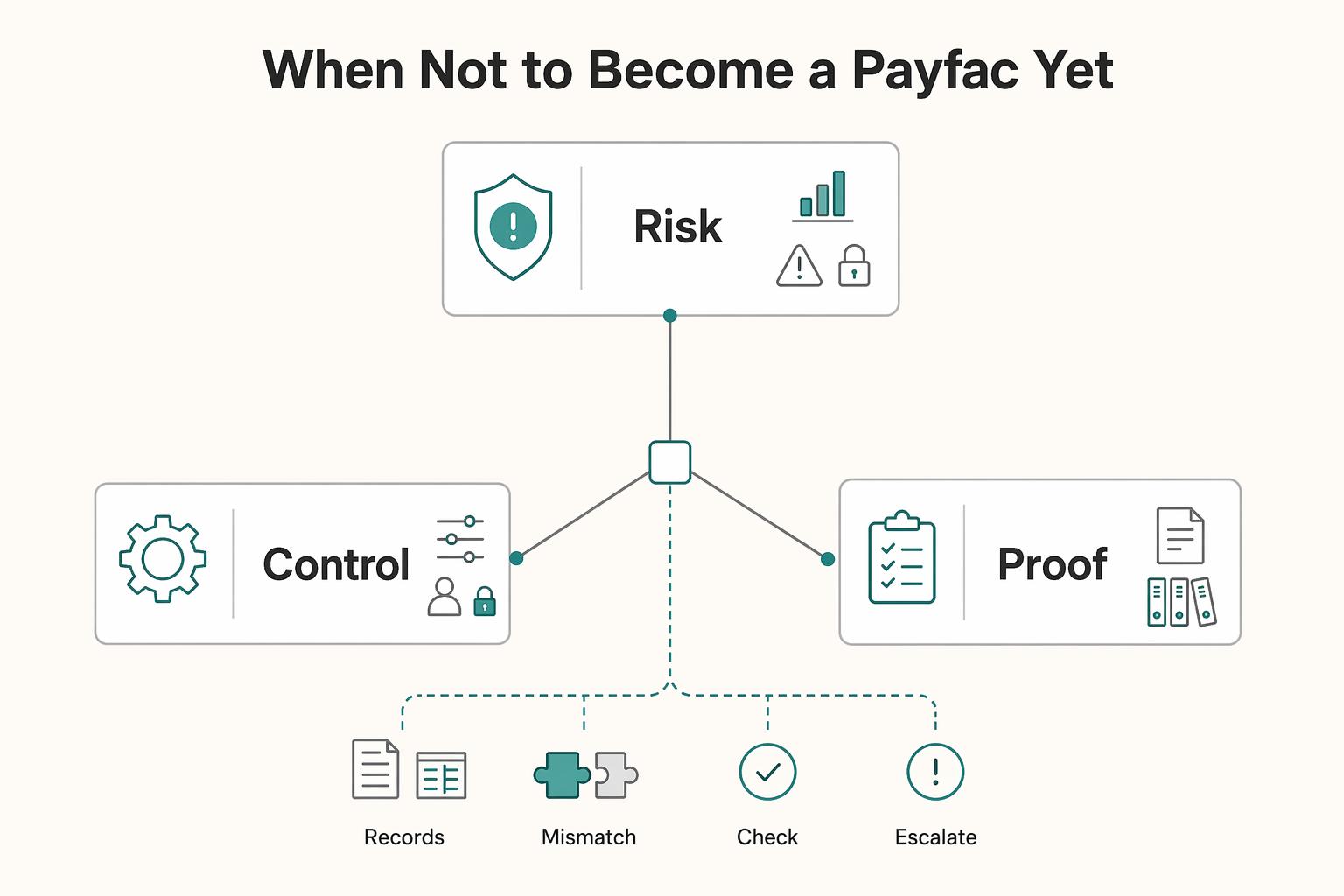
What Is a Payment Facilitator (PayFac)? And Should Your Platform Become One
The question is not just what a Payment Facilitator is. It is whether the PayFac model is worth the operational lift, compliance burden, and partner dependency for your platform, market, and product.
Read more →
Virtual IBANs for Platforms: How to Give Every Seller Their Own Dedicated Bank Account Number
If you want to give each seller their own receiving bank details without opening a separate traditional account per seller, start by treating this as an account-mapping and controls decision, not just a UI feature. In common setups, a virtual IBAN looks like a standard IBAN but points to an underlying master payment account rather than a standalone account.
Read more →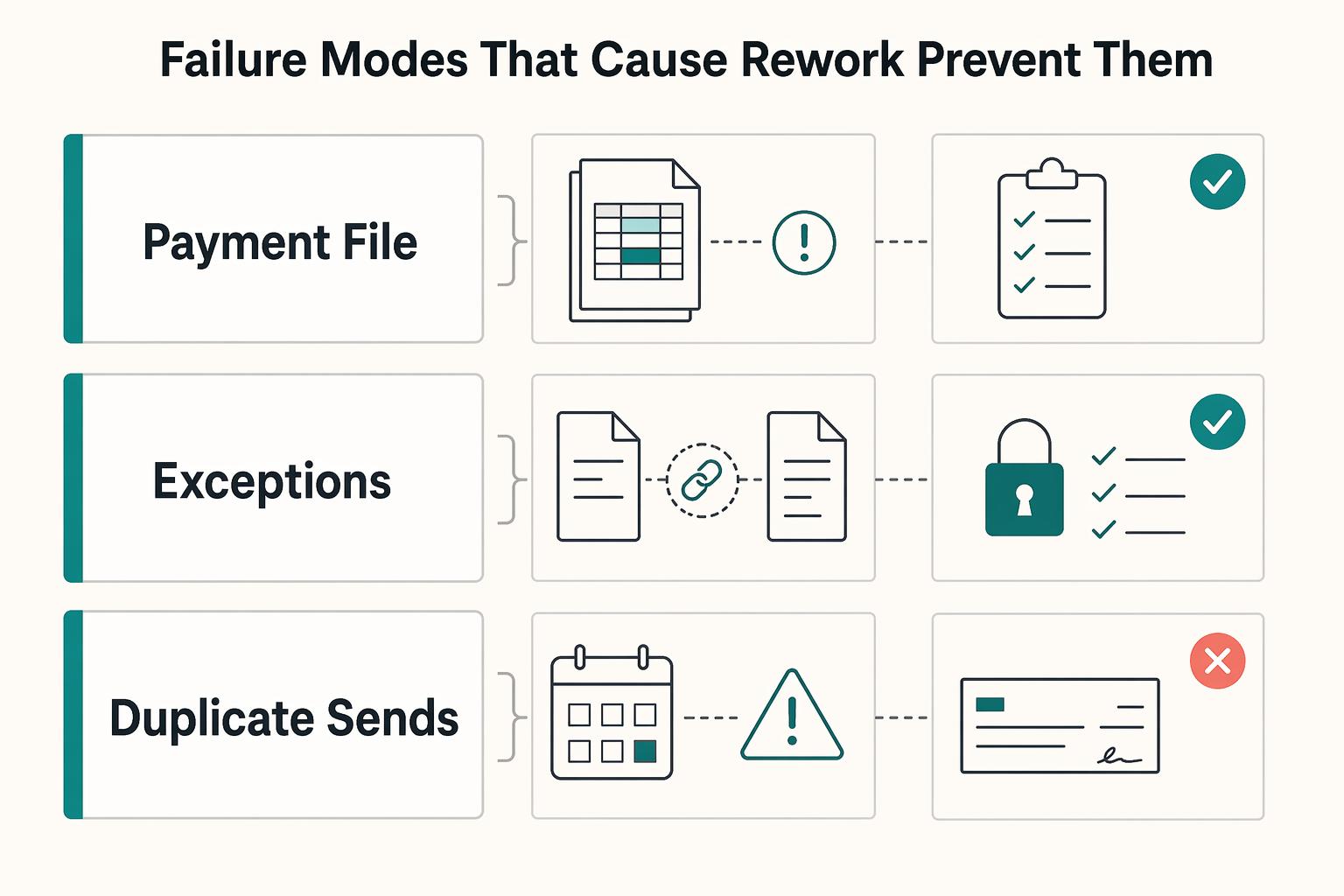
What Is an e-Payable? How Virtual Cards and Digital Payments Replace Paper Checks in B2B
Platform teams usually replace paper checks once payment speed, status visibility, and clean matching become operating requirements, not nice-to-haves. Checks still work in many workflows, but they can become a bottleneck as volume rises and control expectations tighten. If your team is still chasing check status by email, you are already paying the cost of that bottleneck.
Read more →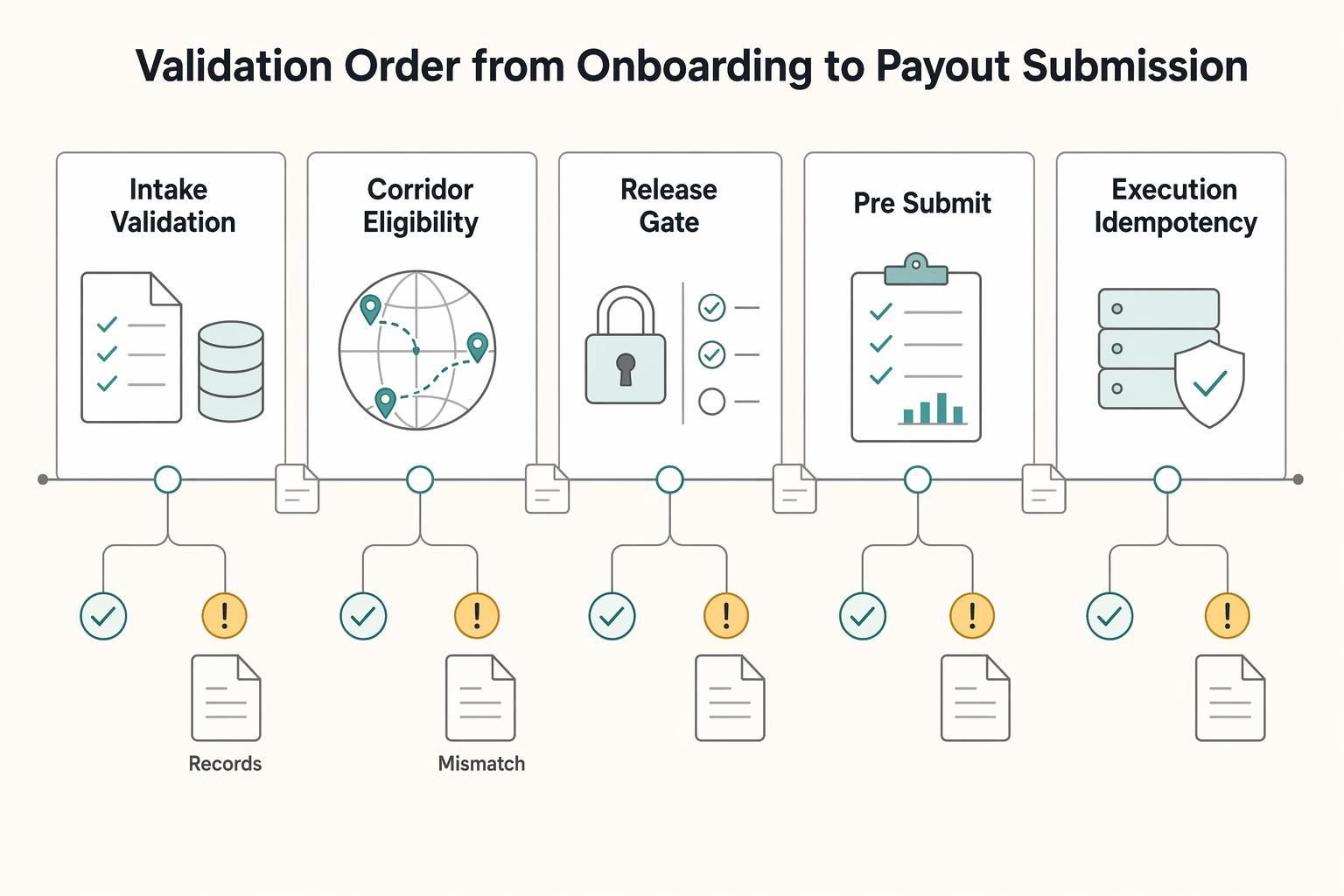
Bank Code vs. Routing Number vs. Sort Code: A Global Platform Payout Reference Guide
Treating `bank code`, `routing number`, and `sort code` as one generic field creates avoidable payout failures. Teams often discover the mismatch only after submission, when the provider cannot process the transfer.
Read more →
Open Banking for Platforms: How to Use Account-to-Account Payments to Bypass Card Fees
Account-to-account (A2A) payments can reduce card-fee exposure, but only in the right lanes and markets. The real decision is not whether to replace cards. It is which transactions should move off card rails first, and what that change adds in product, support, finance, and control work.
Read more →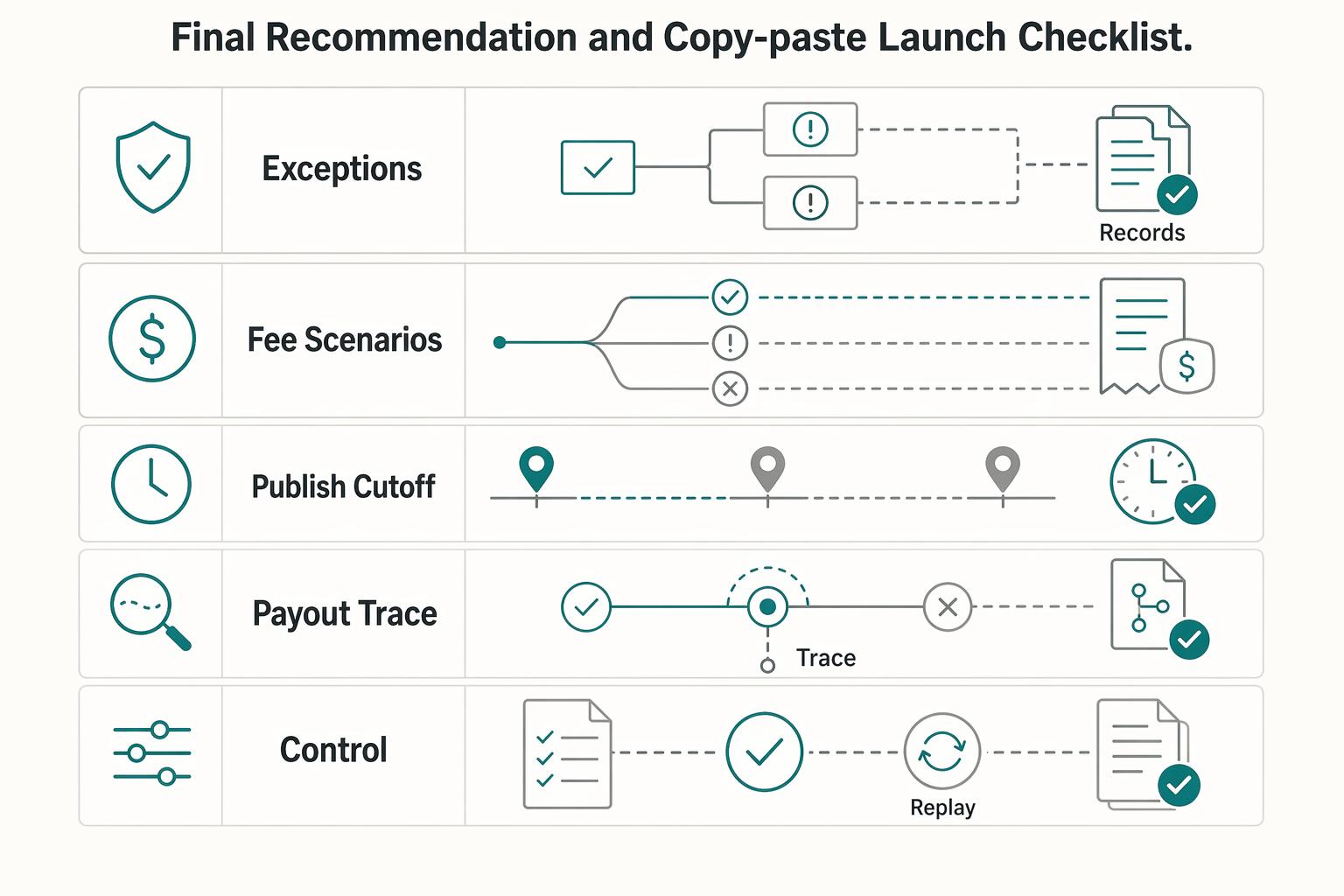
Same-Day ACH for Platforms: How to Speed Up Contractor Payments Without Wire Transfer Fees
The goal is simple: cut avoidable wire use without making contractor payouts less reliable. That is where Same-Day ACH earns its place. Nacha describes it as the faster payment method on the ACH Network. It also notes that it can support same-day pay for many gig and contract workers, with settlement that can occur within a few hours.
Read more →
Clinical Trial Participant Payments: How Research Organizations Can Pay Study Participants Globally
Global participant payouts can break when compliance and privacy are treated as late legal reviews after the payment flow is already built. If you need to scale, payout design should start as a product requirement, with clear ownership across product, finance, ops, and engineering.
Read more →
Wire Fraud Prevention for Platforms: How to Spot Spoofed Bank Details Before You Pay
Wire fraud prevention for platforms is a pre-payment control problem. Once a payout goes to spoofed bank details, you may be dealing with a loss event, especially on rails like Fedwire that are immediate, final, and irrevocable once processed.
Read more →