
Operator playbooks for cross-border payments, tax, and compliance execution.
Step-by-step guidance for finance, product, and ops teams to launch faster, reduce payout friction, and keep reconciliation clean across borders.

VAT and SEPA: How European Platforms Combine Tax Compliance with Automated Euro Payouts
The hard part is not VAT on one side and SEPA on the other. It is keeping tax treatment, beneficiary checks, and euro payout execution aligned when your platform pays across multiple European markets at speed.
Read more →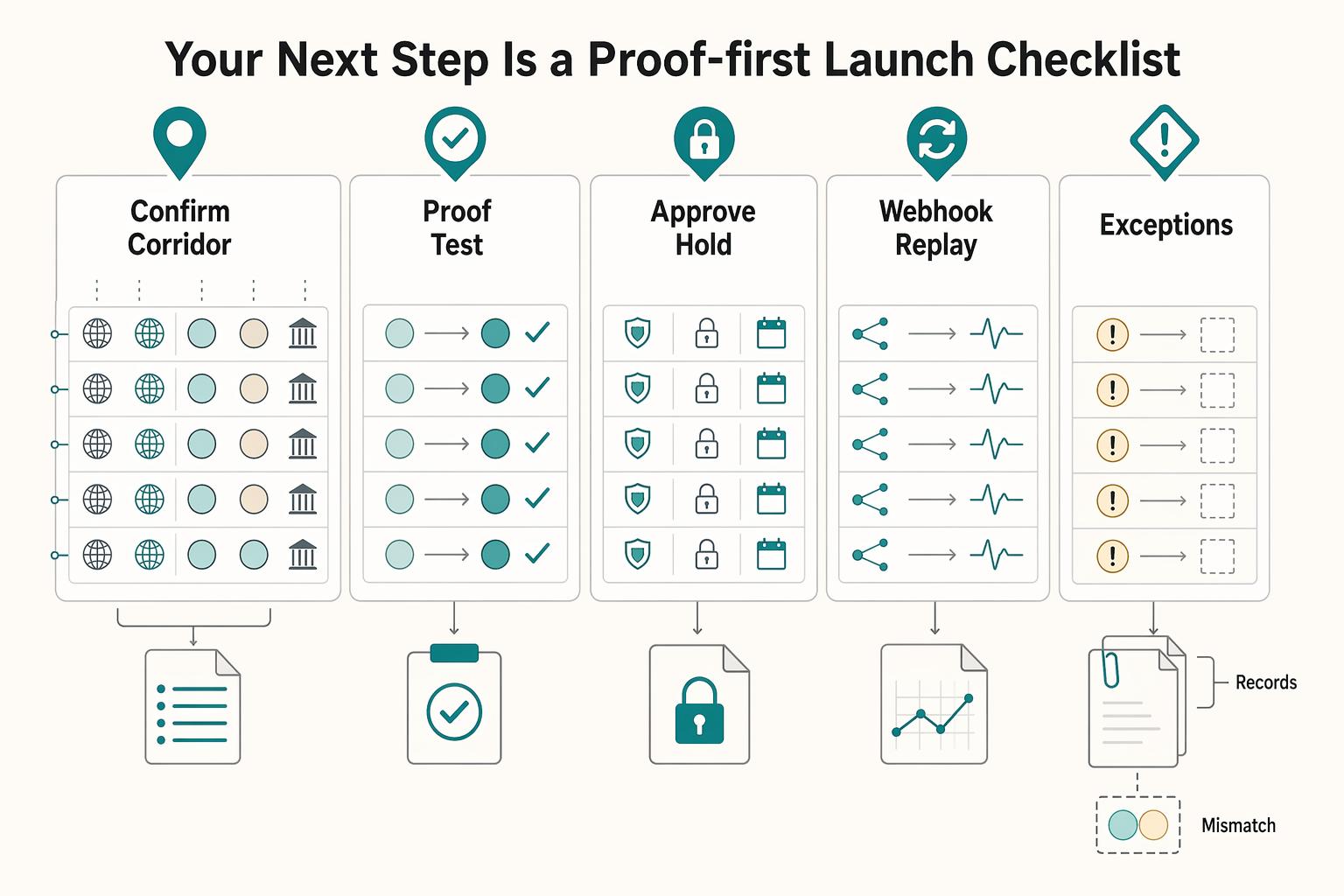
Multi-Currency Payment Processing for Platforms: How to Accept and Disburse in 50+ Currencies
Treat acceptance, FX, and payouts as separate promises until you verify each target corridor. This guide shows how to plan for platforms that need to **accept and disburse** across multiple currencies using checkpoints rather than vendor headline claims.
Read more →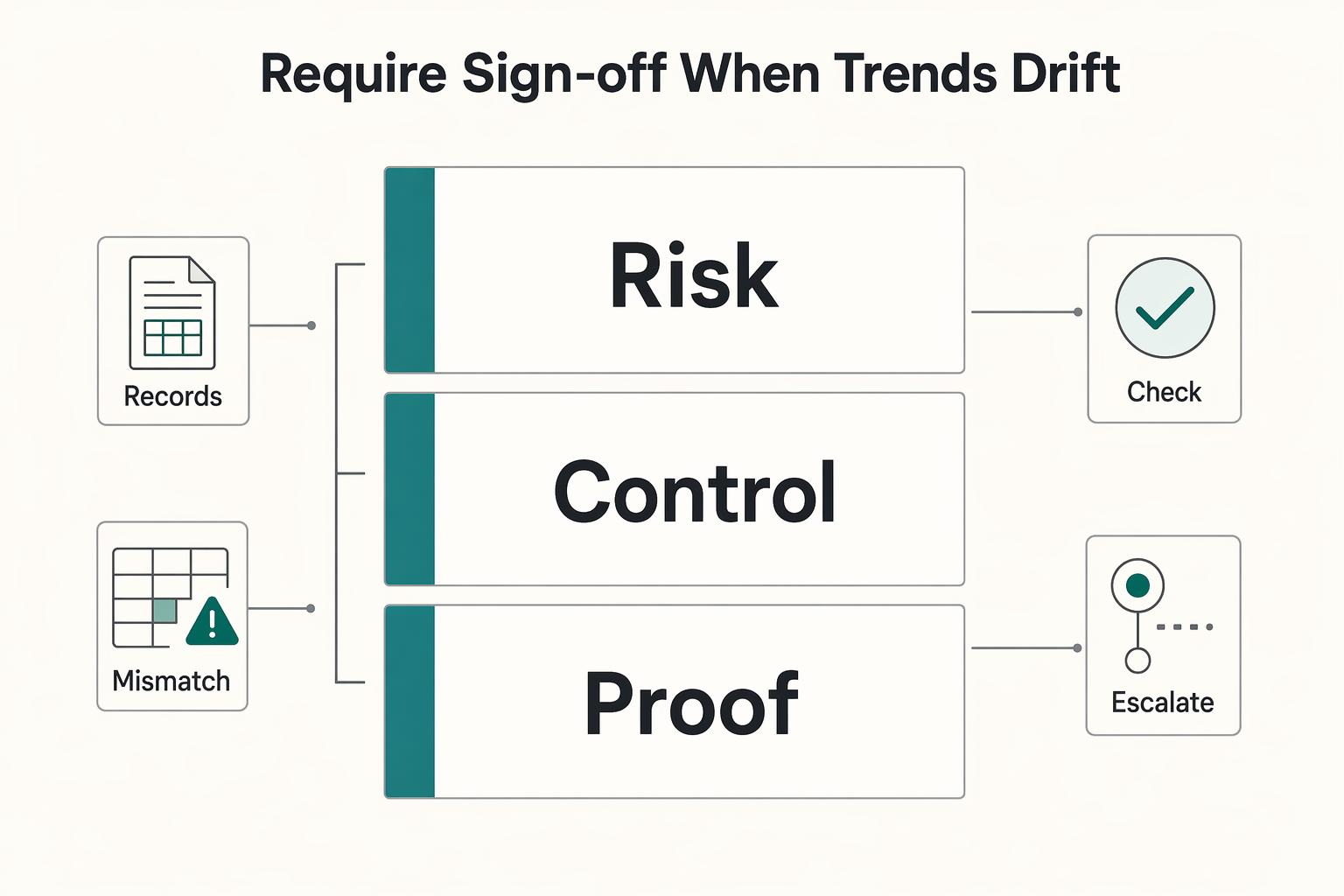
Working Capital Management for Payment Platforms: How to Optimize Cash Between Collection and Disbursement
Working capital in a payment platform is often an execution problem: cash may be collected before it is actually available for disbursement. You improve your cash position by tightening the path from collection to payout release and by keeping a clear evidence trail for key state changes.
Read more →
Xero Multi-Currency for Payment Platforms: How to Reconcile Foreign Currency Payouts
If you operate a platform, the goal is not just to post foreign-currency activity in Xero. The goal is a close that reconciles foreign-currency payouts the same way every time, with evidence finance, ops, and engineering can all trust.
Read more →
Accounts Receivable Cycle for Marketplaces: How to Track Buyer Payments Through to Seller Disbursement
Treat this as an operating problem, not a theory lesson. This guide covers the marketplace AR cycle from buyer payment collection through seller disbursement: money owed, collected, cleared, held when required, and released under your payout rules.
Read more →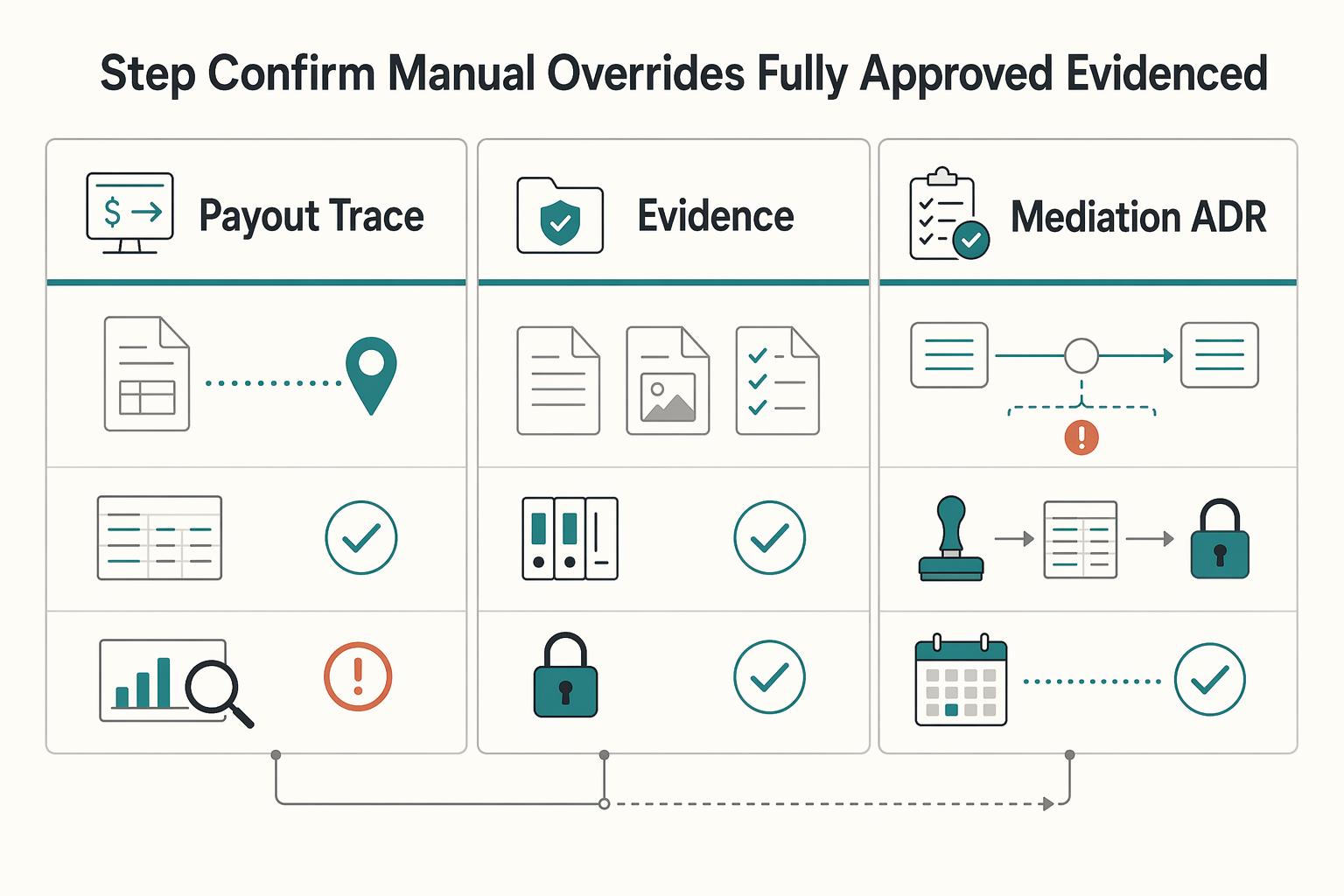
Account Reconciliation for Payment Platforms: How to Automate the Match Between Payouts and GL Entries
Reliable reconciliation automation is a cross-system control, not just a tooling setup. Reconciliation means matching recorded transactions to external statements, so your `Payout Instruction`, `Provider Settlement`, `Bank Statement`, and `GL Entry` should trace through one chain.
Read more →
Accrued Expenses vs. Accounts Payable: How Platform Finance Teams Classify Contractor Liabilities
For platform finance teams, this is a close-quality issue, not a naming issue. If your team lets "paid," "ready to pay," and "owed" collapse into one status, you can record the right economics in the wrong period.
Read more →
Virtual Credit Cards for Platforms: How to Issue Single-Use Cards for Contractor and Vendor Payments
Single-use virtual cards are often positioned as a fit for controlled vendor payments, but not for every contractor payout. This guide helps product, Payments Ops, and AP teams decide whether virtual cards fit their operating model, or whether cards belong alongside ACH, checks, or other payout rails.
Read more →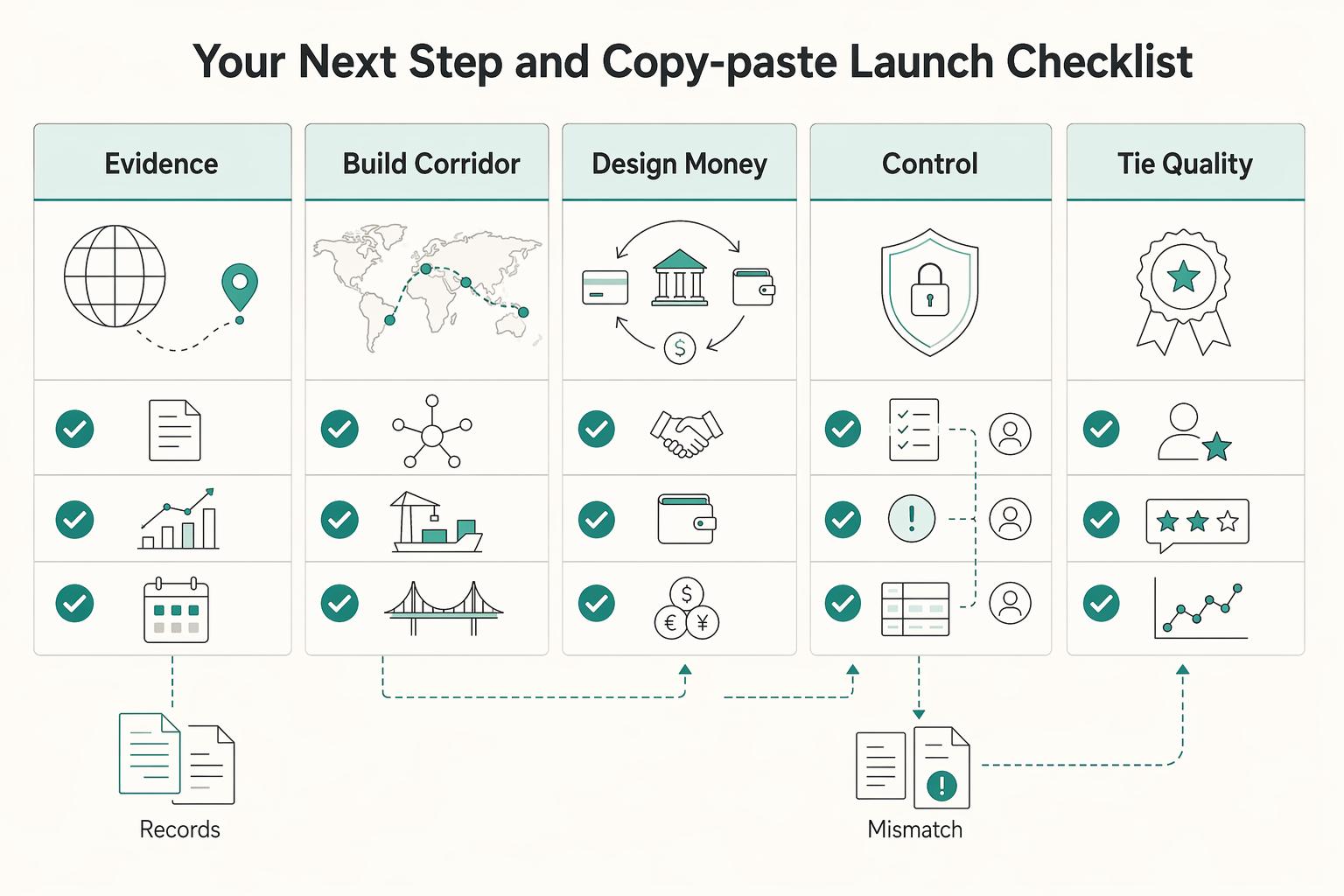
Translation and Localization Platform Payments: How to Pay Freelance Linguists in 100+ Countries
Paying freelance linguists across countries is first an operating decision, not a vendor shortlist exercise. It determines who holds funds, who carries compliance responsibility, which routes you can actually launch, and how payment costs and exceptions affect day-to-day operations.
Read more →
Gaming Platform Payments: How to Pay Game Developers Studios and Tournament Players at Scale
Payment operations can start breaking before growth does. If you collect from players, convert funds across borders, and pay studios, developers, or tournament winners, you are not running separate payment tasks. You are running one connected money movement model. Weakness in any leg can show up as margin pressure, cash delays, or trust damage.
Read more →
How to Make the Case for AP Automation to Your CFO: A Platform Finance Team Playbook
Manual AP can become a problem before it becomes a budget item. What stalls the work is often not the backlog itself, but the case you bring to the CFO and Controller. If the proposal reads like a feature list instead of a control and execution plan, approval often stops there.
Read more →
How to Scale Contractor Payouts from 100 to 100000 Without Adding Headcount
Scaling contractor payouts without matching headcount is often a controls problem, not just a throughput problem. When ownership is fuzzy for retries, asynchronous webhook handling, KYC and KYB gates, and month-end reconciliation, rising volume turns routine payment noise into manual cleanup.
Read more →
How to Build a Finance Tech Stack for a Payment Platform: Accounts Payable, Billing, Treasury, and Reporting
A reliable finance stack for a payment platform usually starts with ownership and reconciliation, not more tools. The core decisions are what **Accounts Payable (AP)** owns, what treasury owns, how billing hands off to accounting, and whether each money movement can be traced to the **General Ledger (GL)** without spreadsheet repair.
Read more →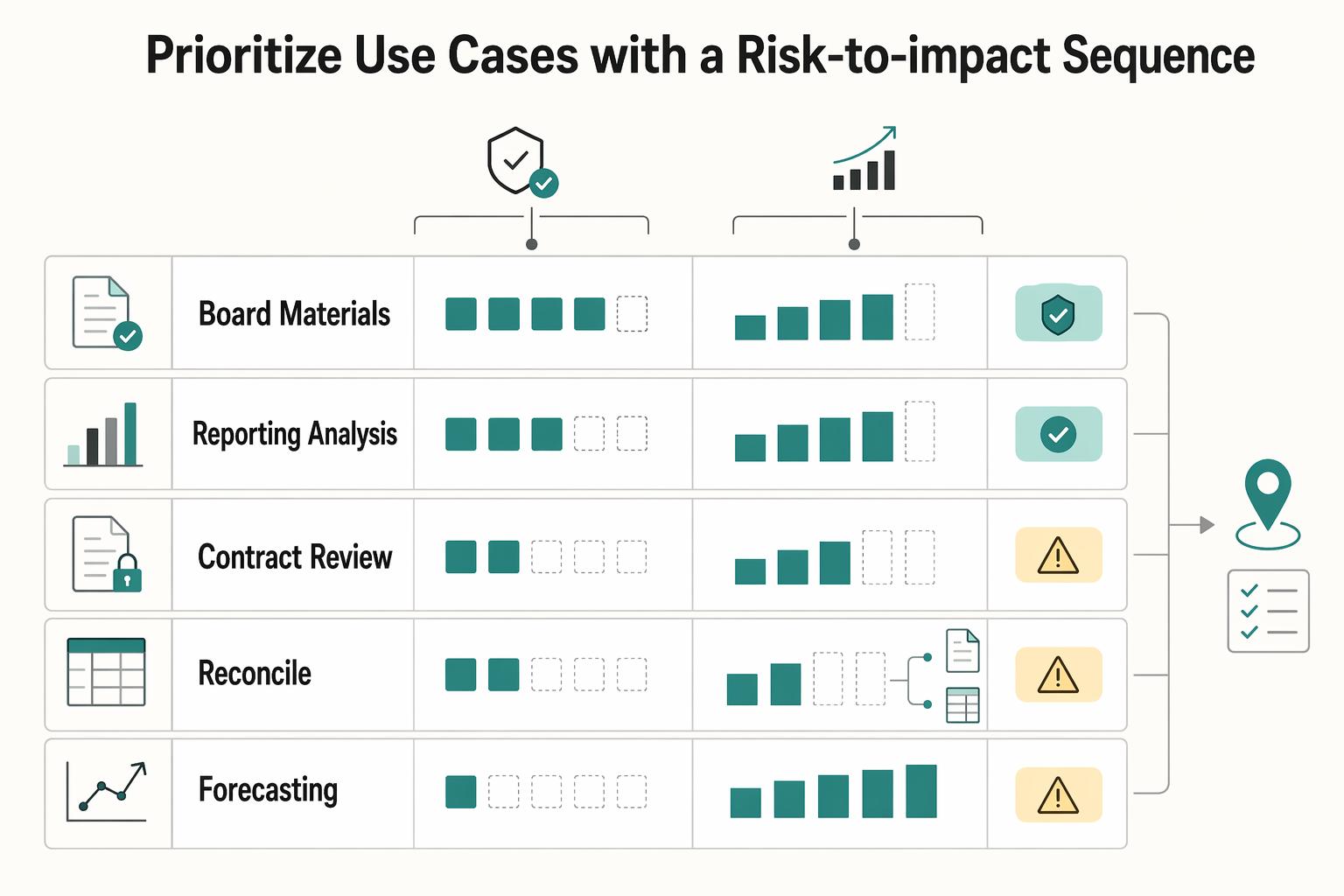
How Finance Leaders Are Using AI in 2026: A Platform CFO's Guide to Practical Applications
AI is a priority for finance in 2026, but most teams are still in early-stage adoption rather than finance-wide deployment. The gap is straightforward. Interest is high, pilots are common, and production discipline is often limited, especially in multi-country operations with sensitive data and money movement.
Read more →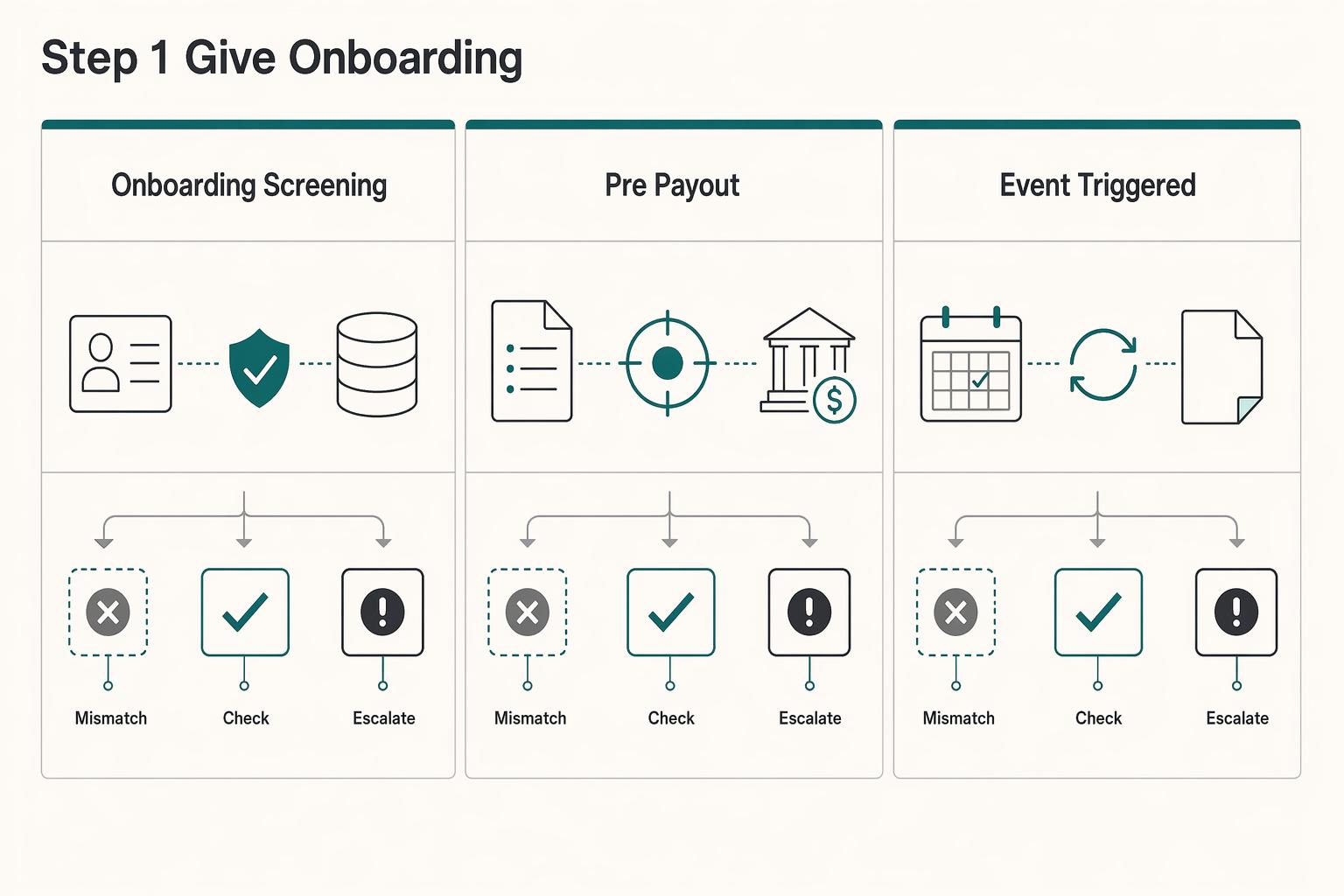
OFAC Compliance for Payment Platforms: How to Screen Every Payout Against the Sanctions List
Sanctions control in payouts is a release decision, not a search-box task. If your platform moves funds quickly, you need a defensible way to stop, review, and document risky payouts before money leaves your control.
Read more →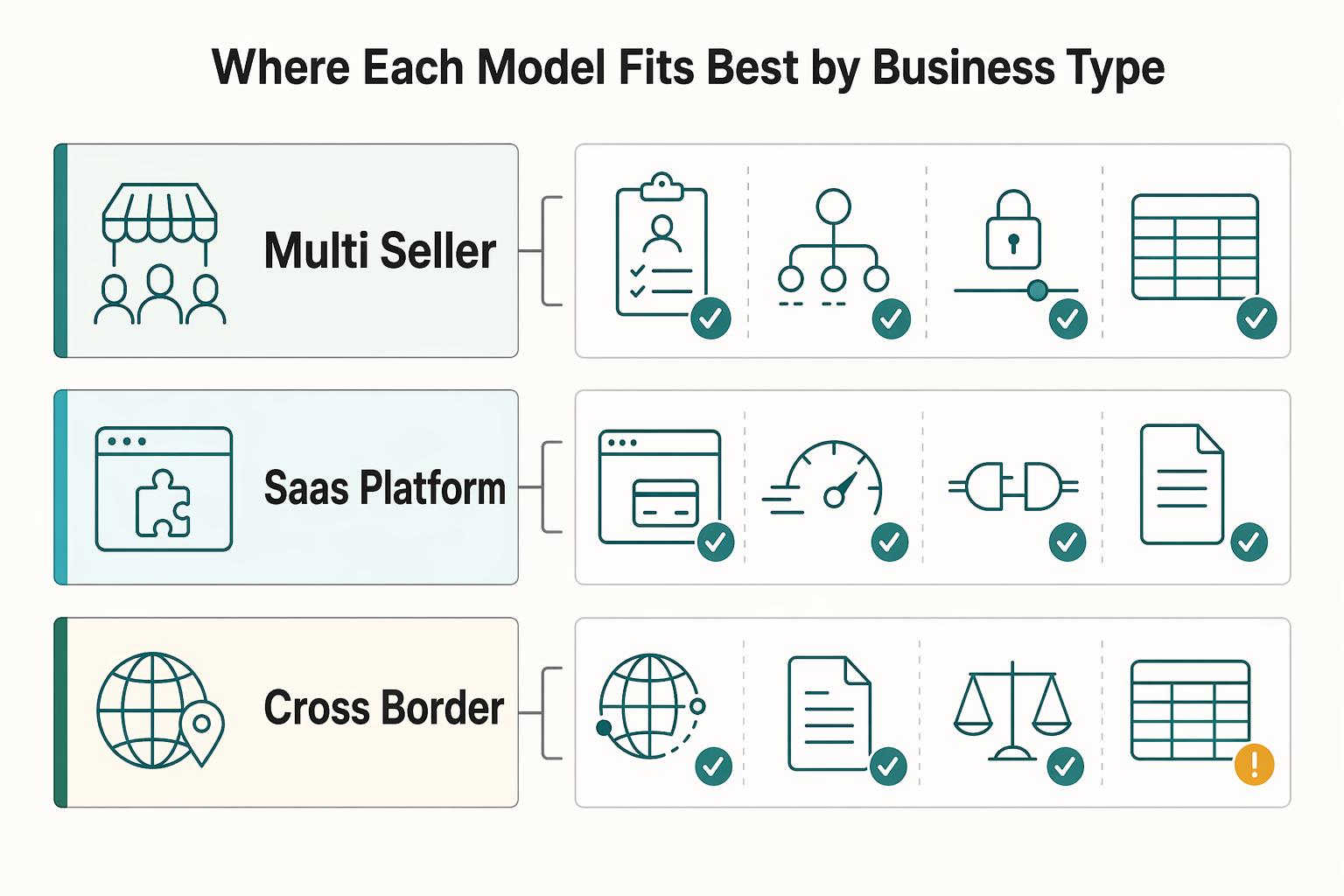
What Is a Payment Aggregator? And How Is It Different from a PayFac or MoR?
If you need to ship embedded payments on a deadline, do not choose based on labels alone. Choose based on ownership, legal responsibility, risk, and what your product, finance, and engineering teams can actually run.
Read more →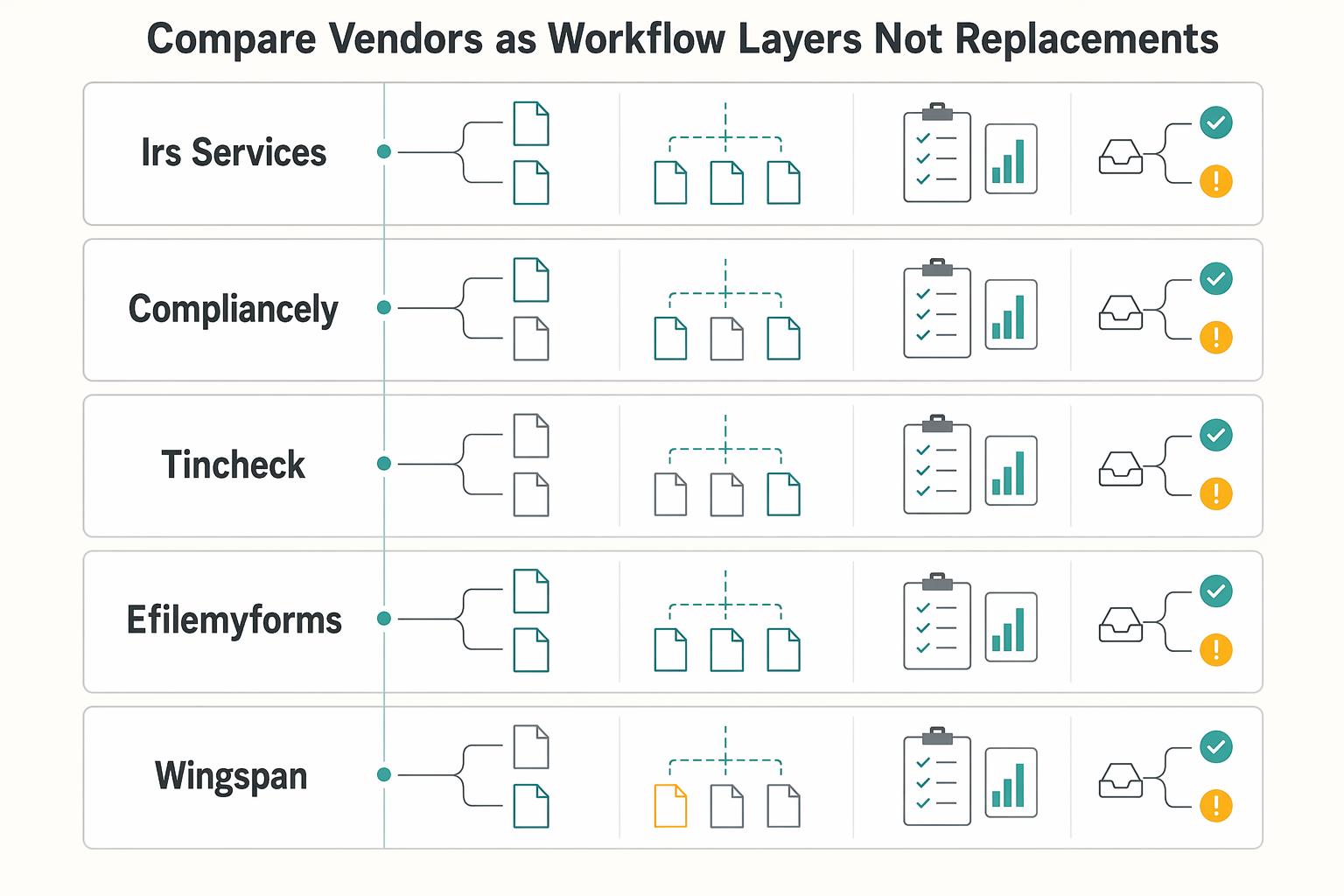
TIN Matching for Platforms: How to Validate Contractor Tax IDs Before Filing Season
For information return readiness, collecting a tax form is not enough. You also need to validate the payee name and Taxpayer Identification Number before filing. IRS TIN Matching is built for that pre-filing check, not post-filing correction. If your process treats "form received" as "report-ready," you miss the control that catches name/TIN mismatches before submission.
Read more →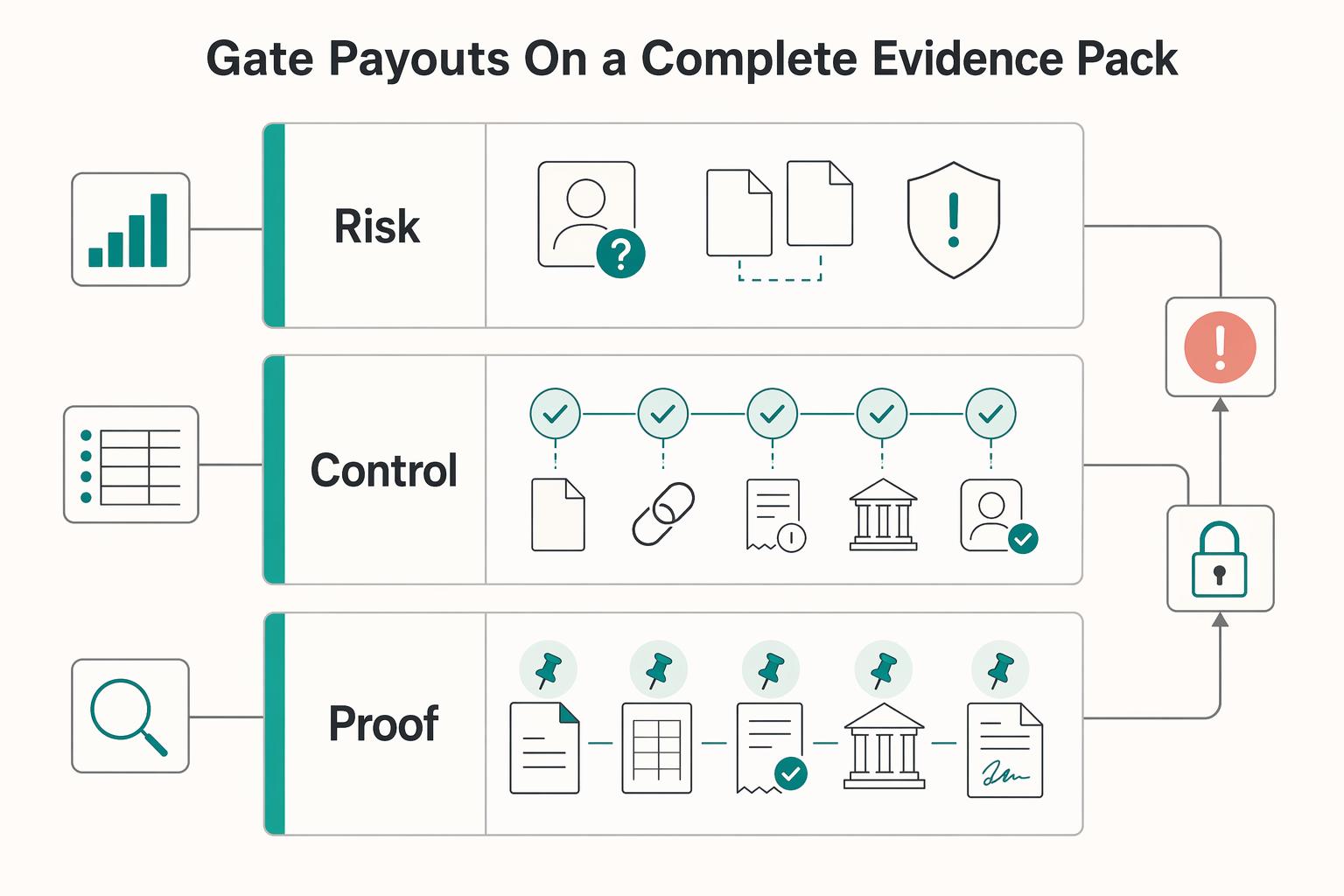
IRS Form 1042-S for Platforms: How to Report US-Source Income Paid to Foreign Contractors
The core question is simple: is your entity acting as a withholding agent for payments to a foreign person, and if so, does that create a **Form 1042-S** duty? This guide helps you answer that question, document the support behind it, and escalate early before a weak assumption becomes a filing problem.
Read more →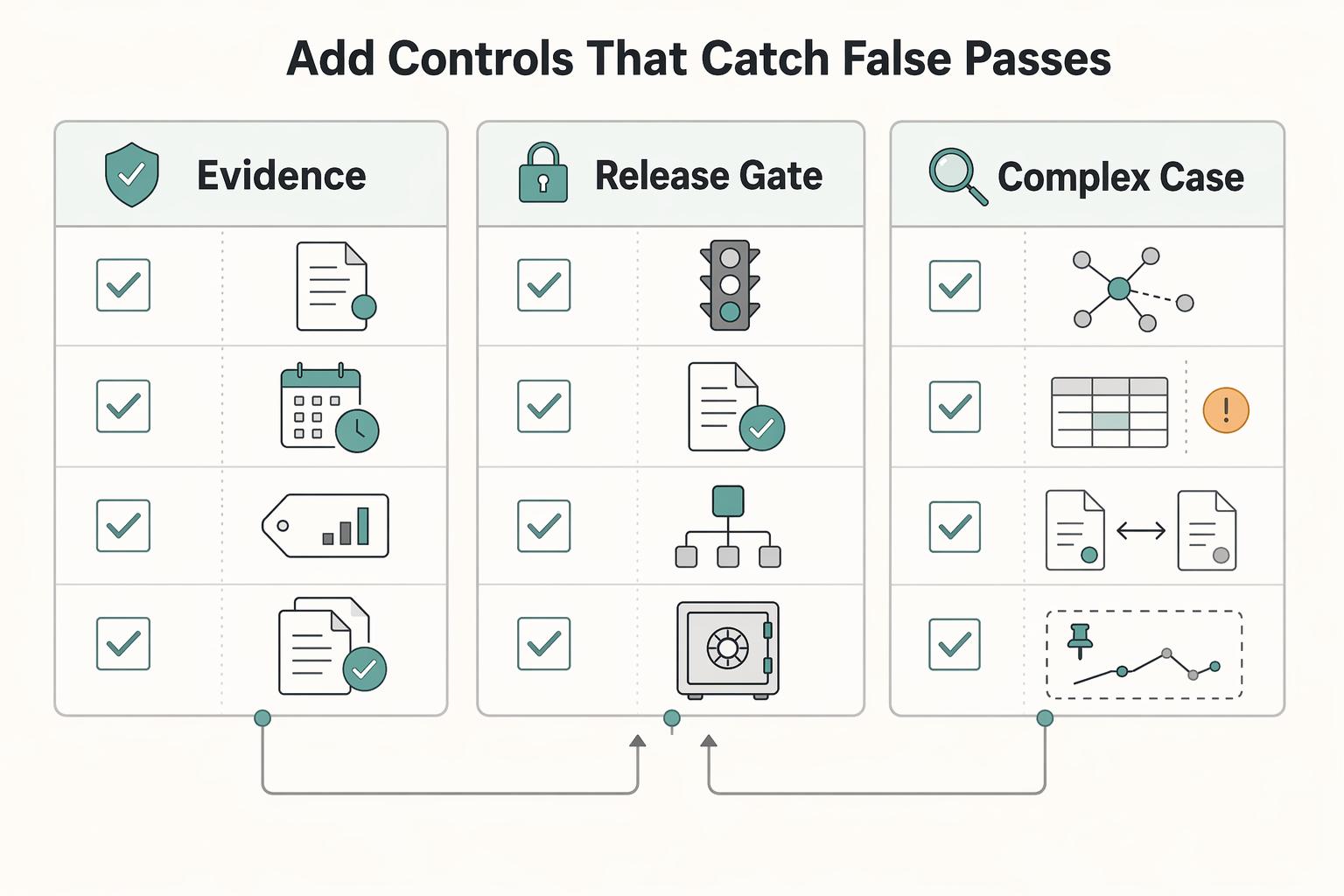
FATCA and W-8 Tax Compliance for Platforms: When to Release, Hold, or Withhold Foreign Payouts
The decision is not whether you collected a tax form. The question is whether you can **release, hold, or withhold** a foreign payout based on documentation you can rely on, the payee's status, and whether the payment is in scope for U.S. withholding.
Read more →
How Platforms Should Collect and Validate Form W-8BEN-E for Foreign Entities
Treat Form W-8BEN-E collection as a payout control, not a paperwork task. If you are the withholding agent, you generally must obtain valid documentation before payment. Without it, IRS guidance says you generally must withhold 30% from the gross amount paid to a foreign payee.
Read more →