
Operator playbooks for cross-border payments, tax, and compliance execution.
Step-by-step guidance for finance, product, and ops teams to launch faster, reduce payout friction, and keep reconciliation clean across borders.
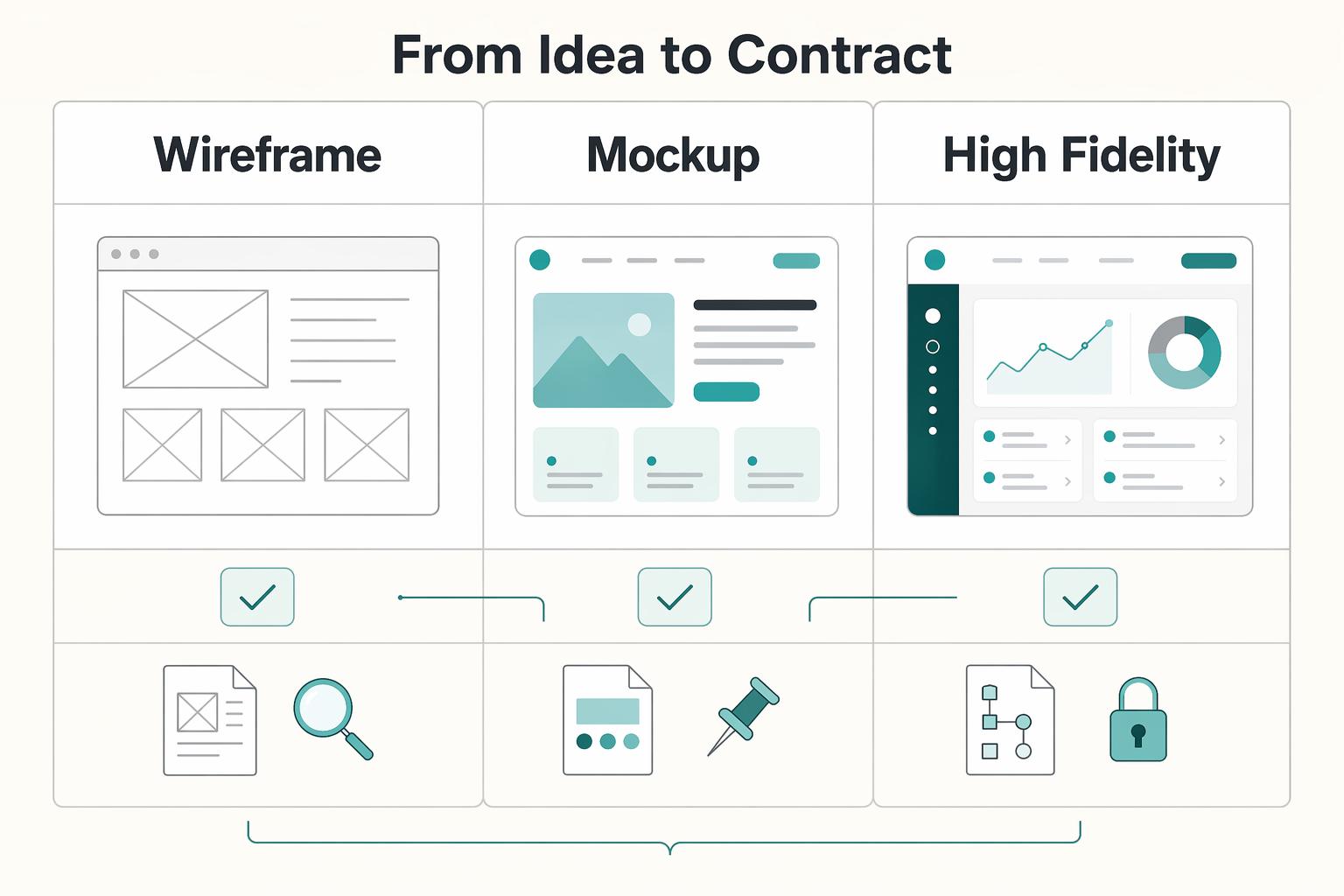
Using High-Fidelity Prototypes in Figma to Lock Scope Before Build
**Treat your high-fidelity prototype in Figma as the shared scope baseline before a single line of code is written.** In practice, that means one file holds the UI flows and interactive paths your team reviews together. The prototype becomes the reference for scope, feedback, and pre-build alignment instead of just a polished design artifact.
Read more →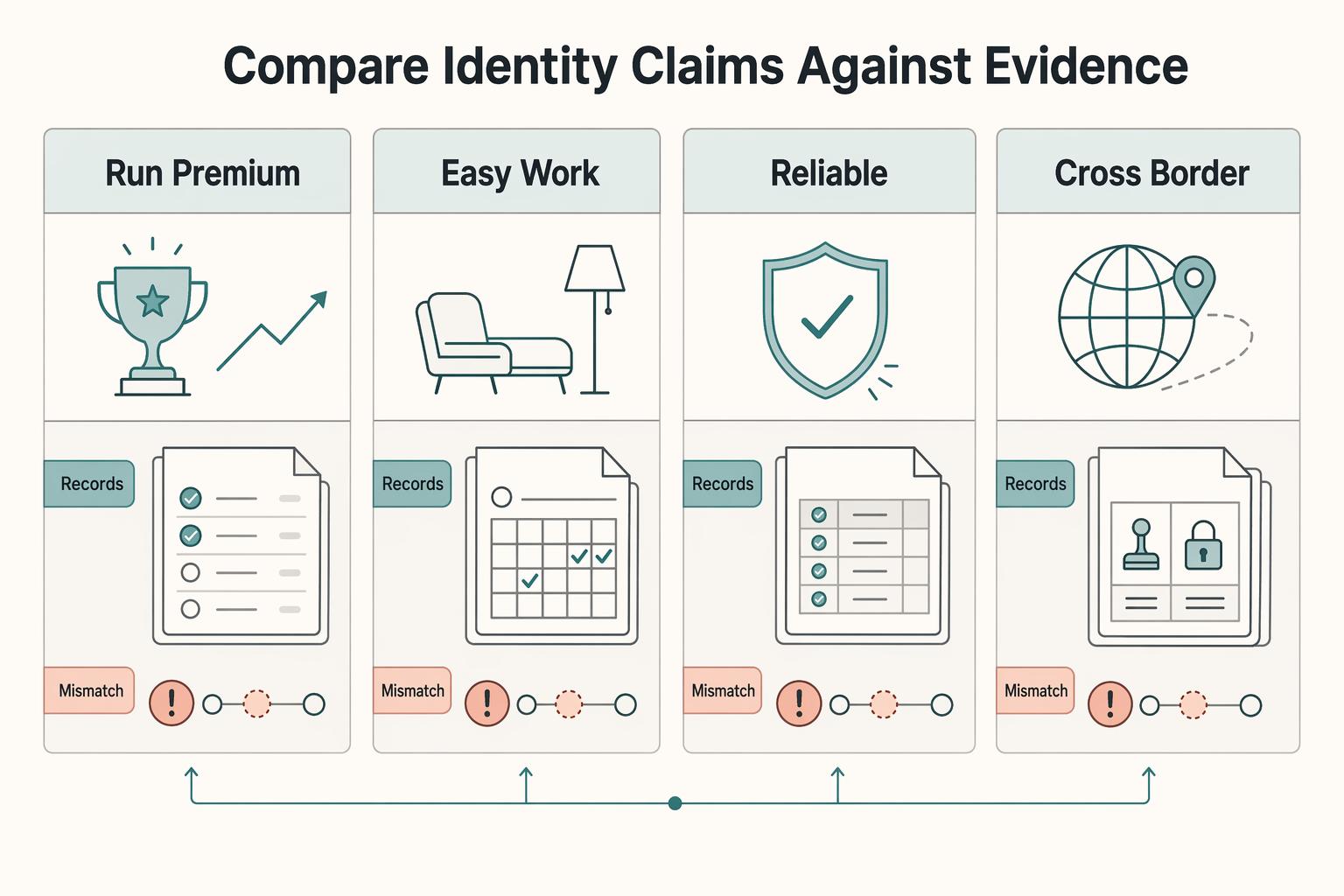
Cognitive Dissonance for Freelancers and the Identity-Operations Gap
If the same stress keeps returning, treat it as an operations signal first, not a personality flaw. The tension is usually simple: you see yourself as reliable and established, but your business still runs on memory, inbox search, and last-minute improvising.
Read more →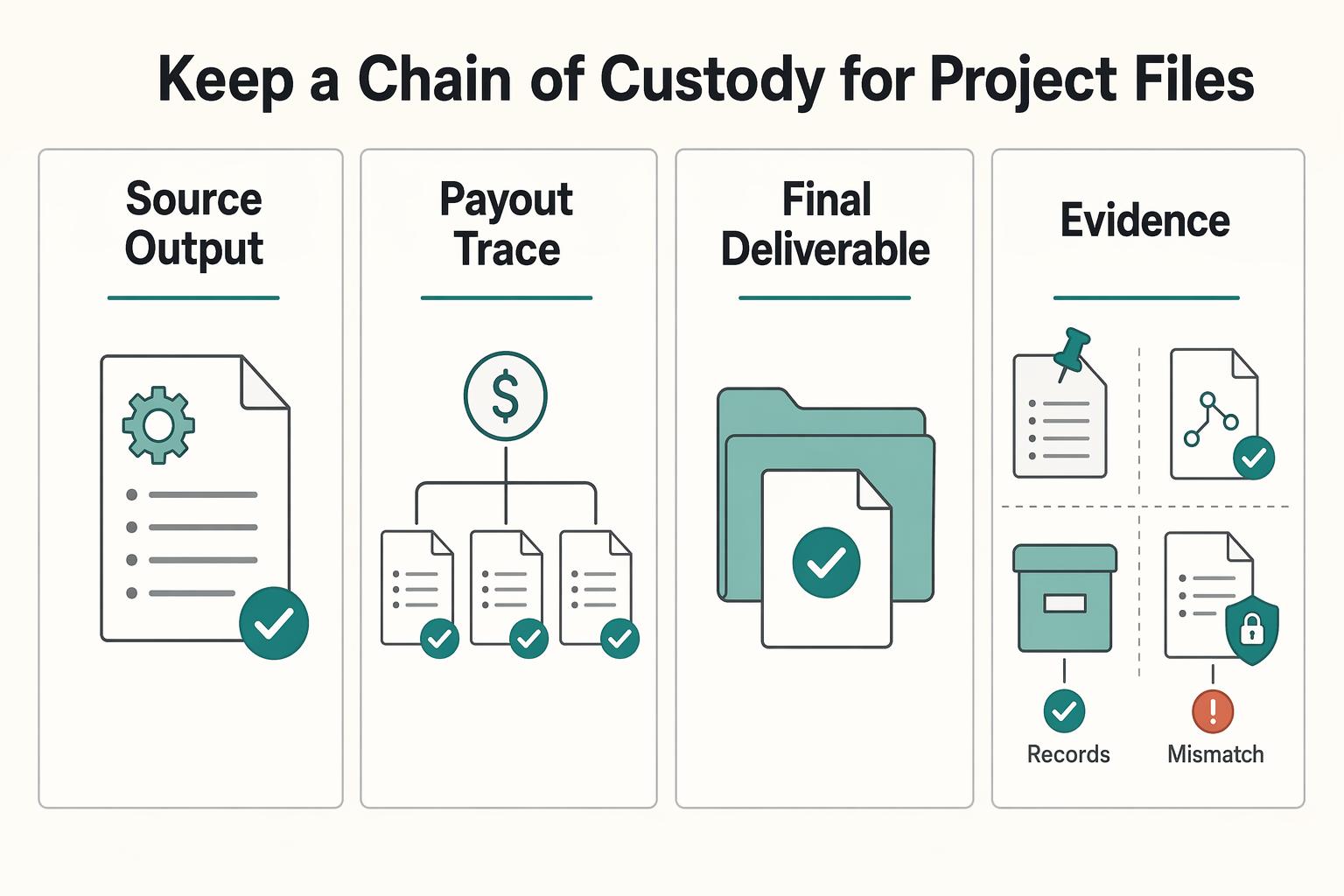
An AI Prompt Engineer's Guide to IP Rights and Ownership of Generated Content
Your real asset is rarely a one-off prompt. It is the reusable instruction system behind the work. From day one, split that system into two buckets: what you deliver to the client, and what you keep as your underlying method, including templates, chains, workflow logic, and process know-how.
Read more →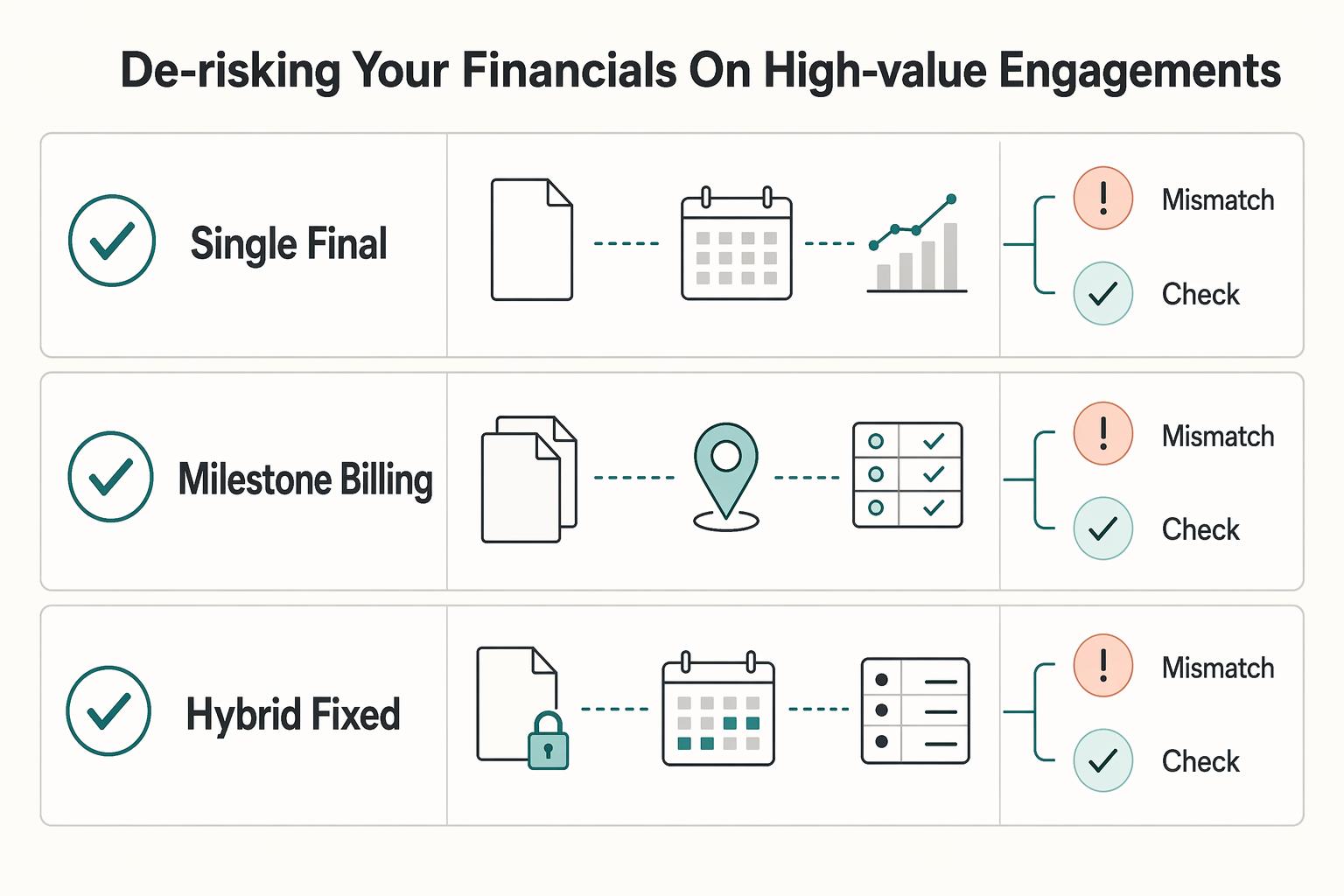
Day Rate or Project Rate for Consulting Engagements
You are not just choosing a pricing line item. You are deciding how cash flow behaves, how much control you keep over the work, and what the client expects to manage. In day rate versus project rate consulting, the pricing model is the business model.
Read more →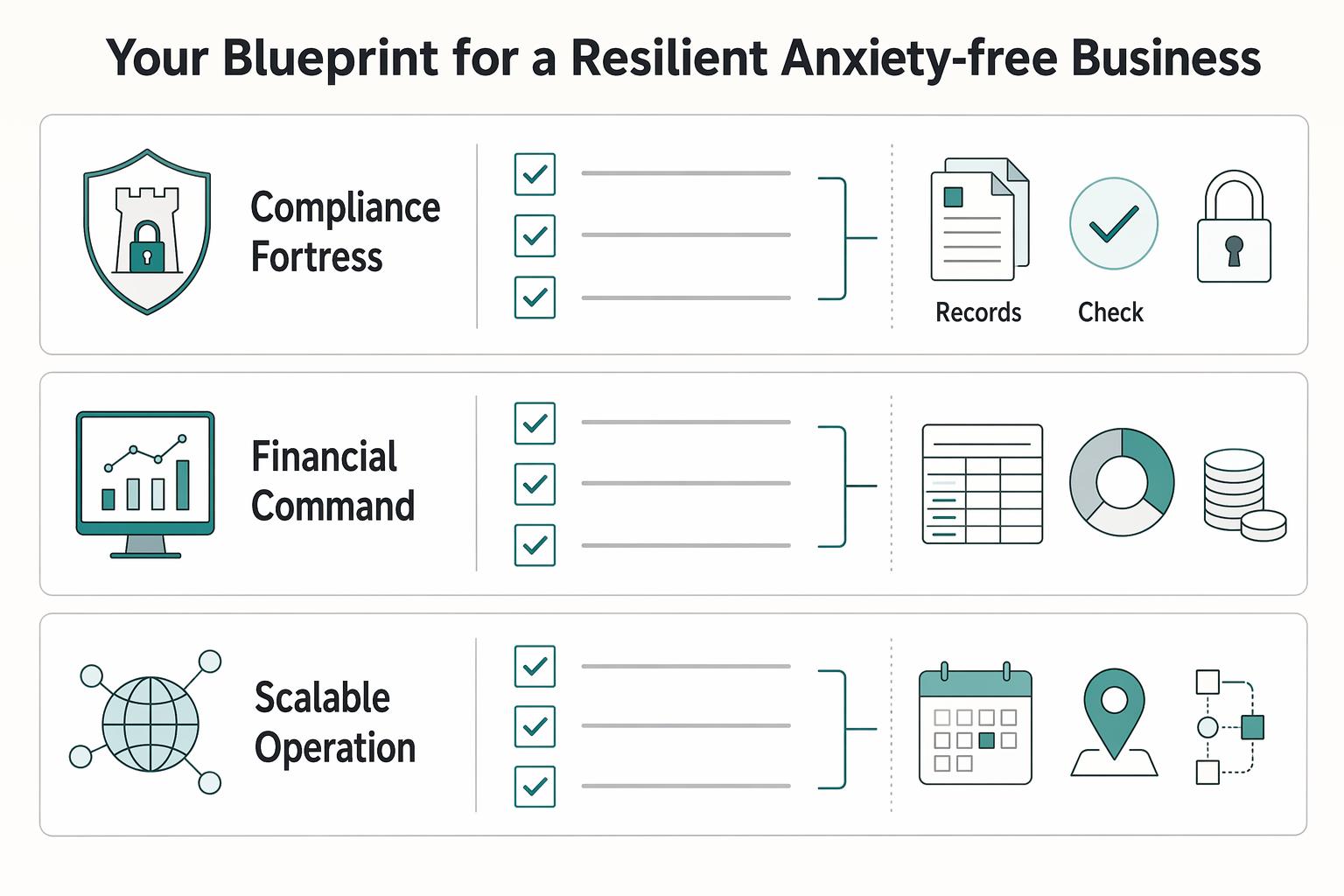
The European Content Creator Blueprint for Cross-Border Client Work
If you work with clients across borders, your setup needs to do three things at once. It should support clear compliance decisions, reduce invoicing and payment mistakes, and keep working as your client base grows.
Read more →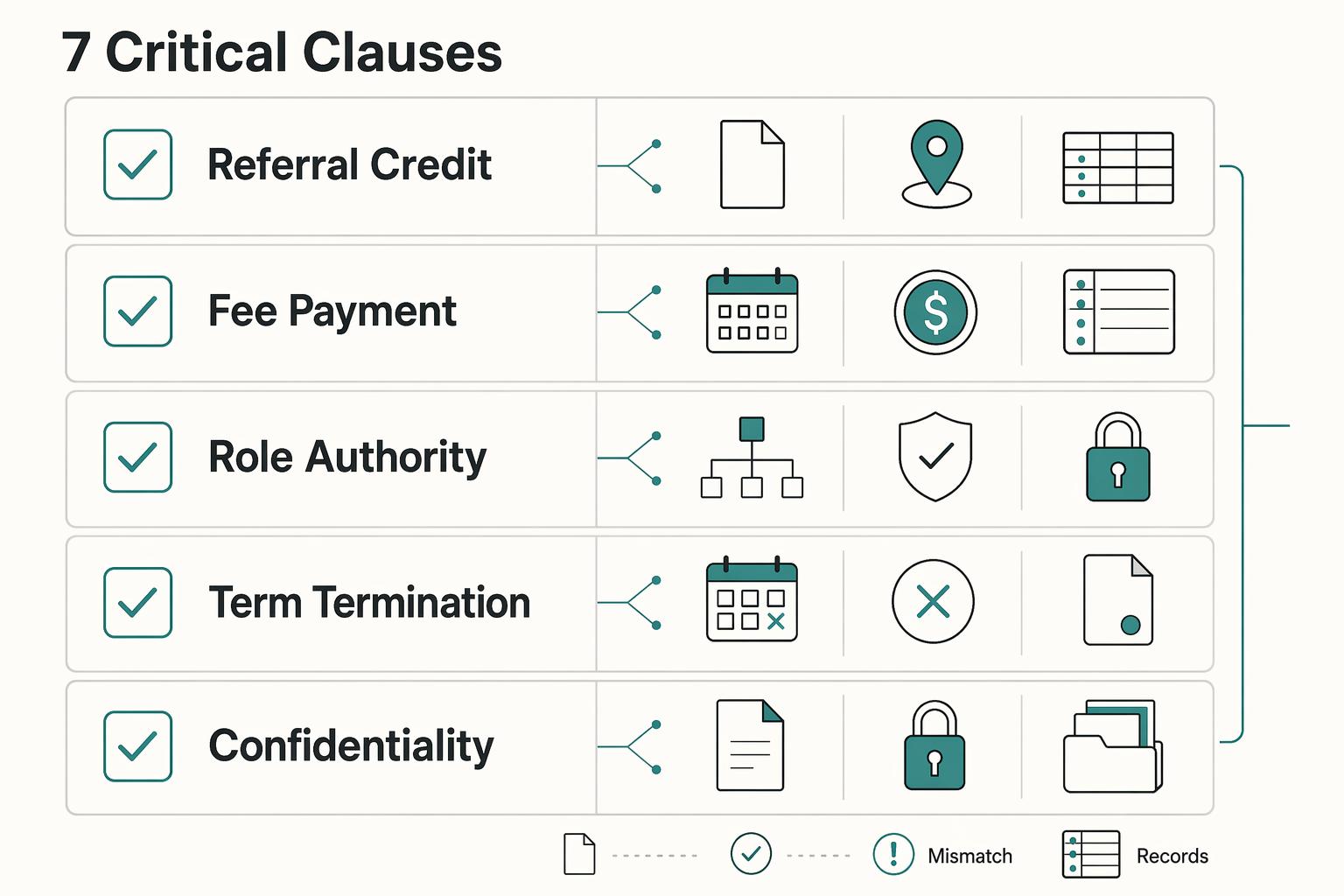
How to Structure a 'Referral Fee' Agreement with a Partner
Your referral fee agreement should run the deal, not just record it. It should clearly say who gets paid, what triggers payment, when payment is due, how long obligations last, and what happens if a deal is canceled or never closes. If those points are unclear, you are still carrying avoidable risk.
Read more →
Managing UBIT in a Self-Directed IRA With a 3-Step Control System
Treat UBIT as a sequence, not a single tax question. Diagnose exposure, choose structure, then build filing operations. If you're handling self-directed IRA investing, that order keeps decisions clean and helps you avoid preventable compliance mistakes.
Read more →
Permanent Home Test in a Tax Treaty: Meaning, Evidence, and Tie-Breaker Rules
For the elite global professional, "permanent home" is not a term of comfort; it is a high-stakes legal definition that can trigger crippling double taxation. While other guides offer academic theory, this is a strategic playbook. We will transform your compliance anxiety into agency with a clear, three-step framework to audit your footprint, build your evidence, and early control your tax residency.
Read more →
Incorporate in India as a Foreigner with a Private Limited Company
If you want to incorporate in India as a foreigner, your first job is not collecting forms. It is deciding how much control you need, how much compliance you can carry, how quickly you need to operate, and how easy it should be to unwind if India is still a market test. Most expensive mistakes come from sequence, not effort.
Read more →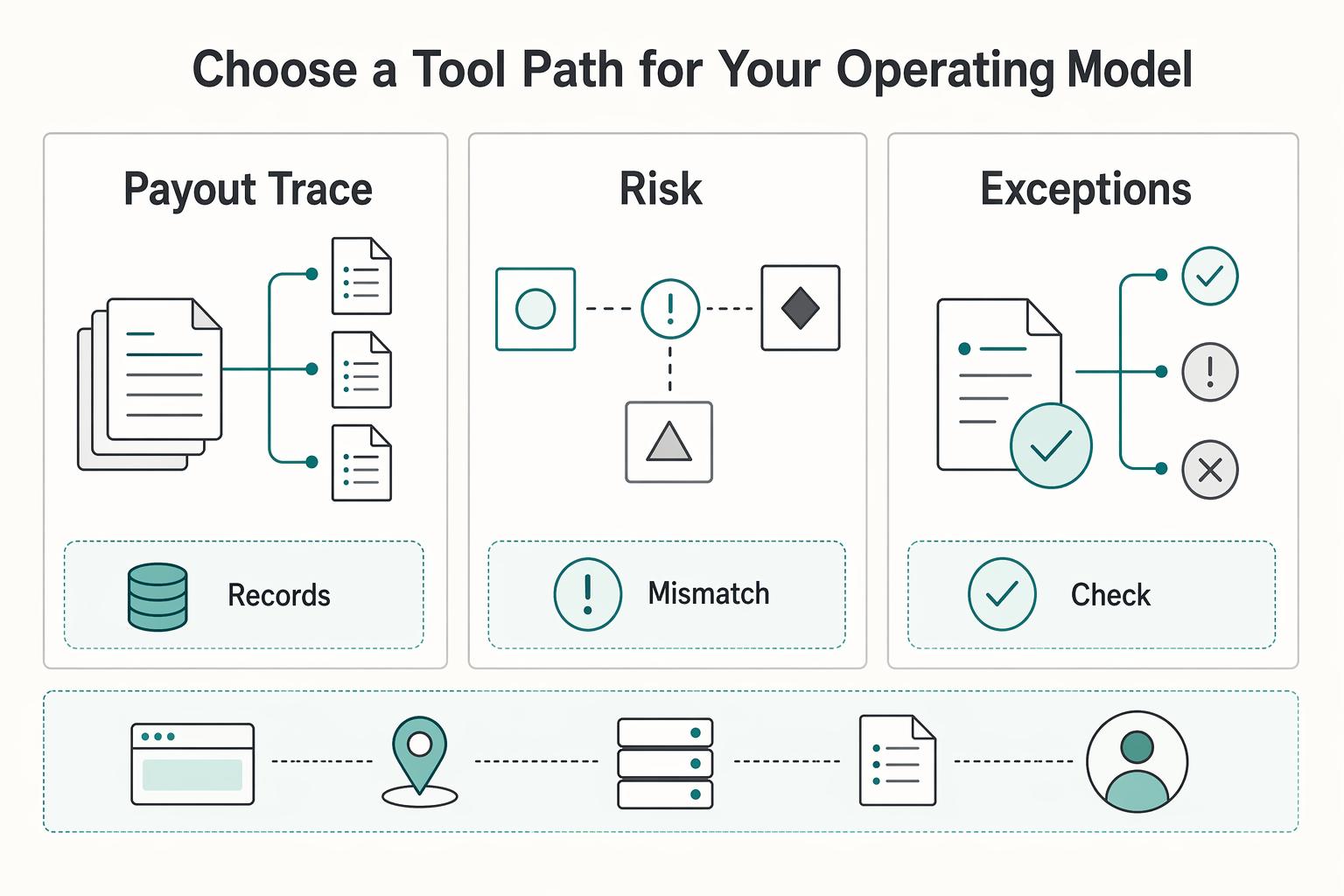
The Best Log Management Tools for SaaS Businesses
If you run a SaaS alone, most advice on the **best log management tools** starts from the wrong assumption: that you have spare ops capacity. Usually, you do not. The real question is not, "Which platform wins the longest feature checklist?" It is, "Which option gives you reliable visibility without quietly taking over your week?"
Read more →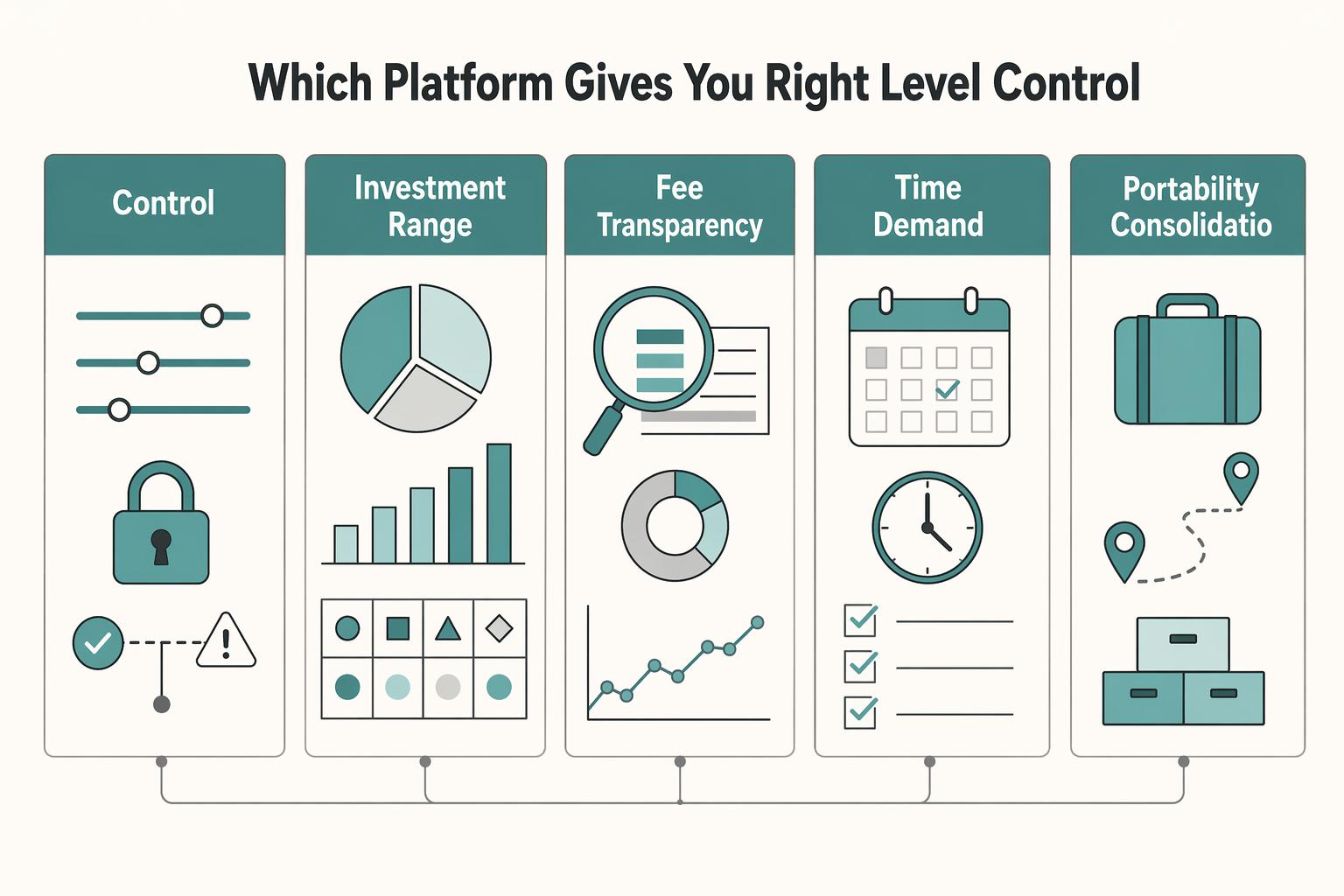
The Best Pension Providers for UK Freelancers
Your pension is not just a retirement pot. If you are comparing pension providers for UK freelancers, start with a simpler point. A pension can reduce tax drag now, compound over time, and keep part of your wealth away from the day-to-day cash risks of self-employment.
Read more →
Why Your International Wire Arrives Late and Costs More
When a client says they paid but your money arrives late, lands short, or is hard to trace, that is a cash-flow risk, not a minor inconvenience. If the amount and timing are uncertain, planning your next moves gets harder.
Read more →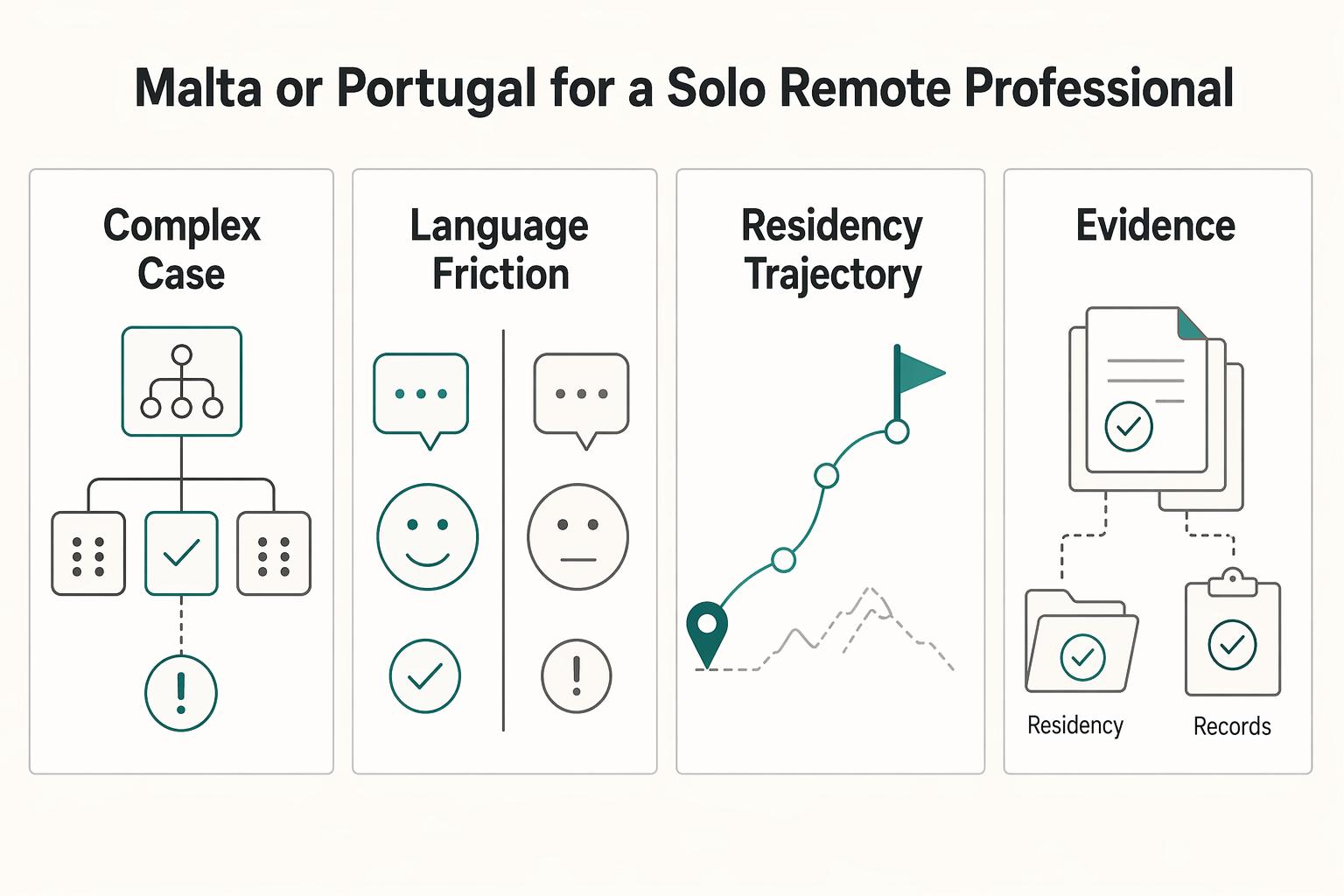
Should You Move on the Malta Nomad Residence Permit in 2026?
Use a strict go or no-go test. Move forward only if you can verify the current official eligibility rules, carry year-one costs with buffer, and confirm the permit fits how you actually earn. If any one of those is unclear, treat the answer as "not yet."
Read more →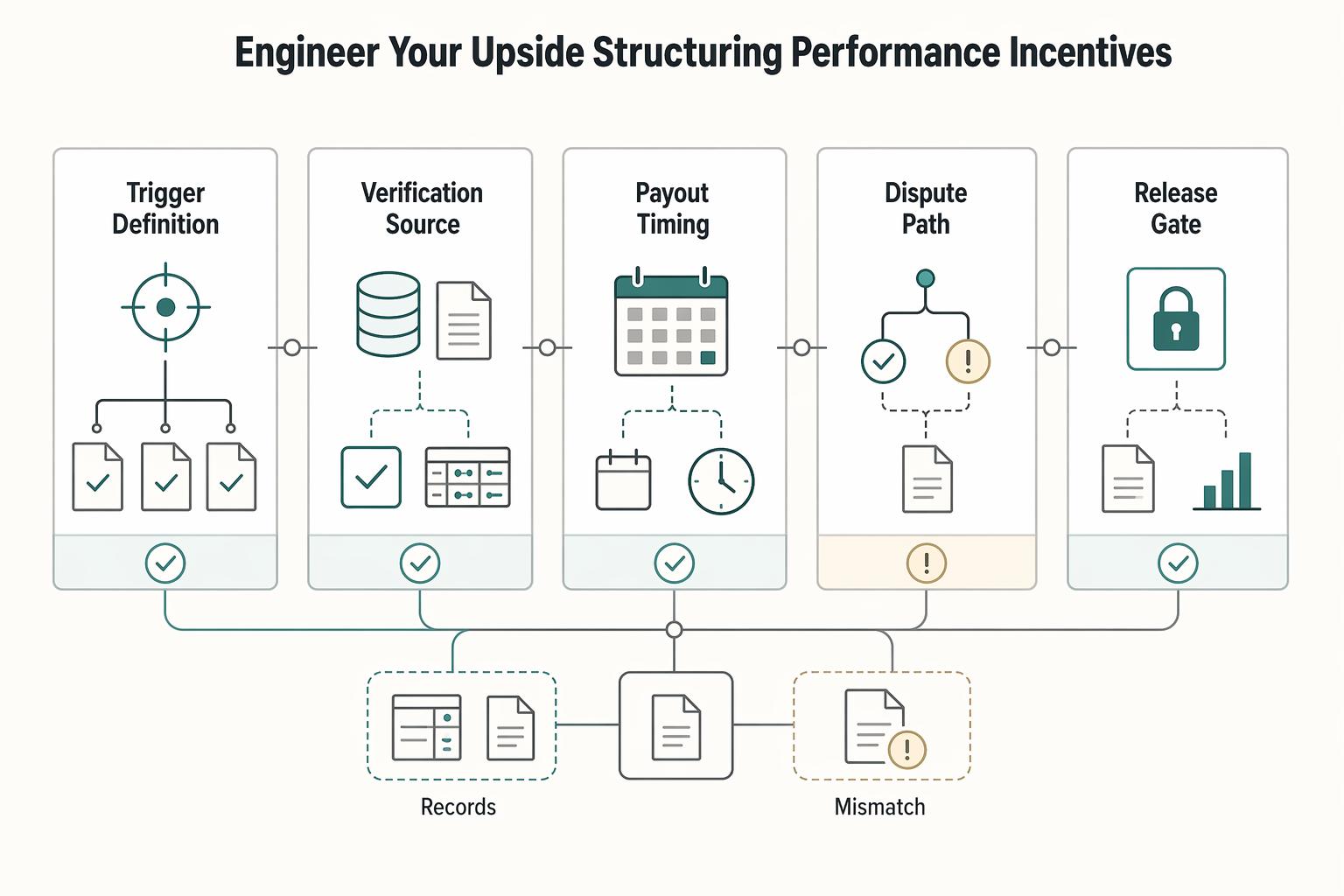
How to Set Compensation for a Cross-Border Remote Offer
If you work across borders, the offer in front of you is not just a salary discussion. It is a business deal. Review it that way.
Read more →
How to Incorporate a Company in the British Virgin Islands (BVI)
A BVI company can be useful for a solo operator, but only in a narrow set of circumstances. If your business is genuinely cross-border, your clients are comfortable contracting with an entity, and you are prepared for real compliance and documentation work, it can be a strong tool. If you are looking for a shortcut on tax, admin, or banking, it is usually the wrong one.
Read more →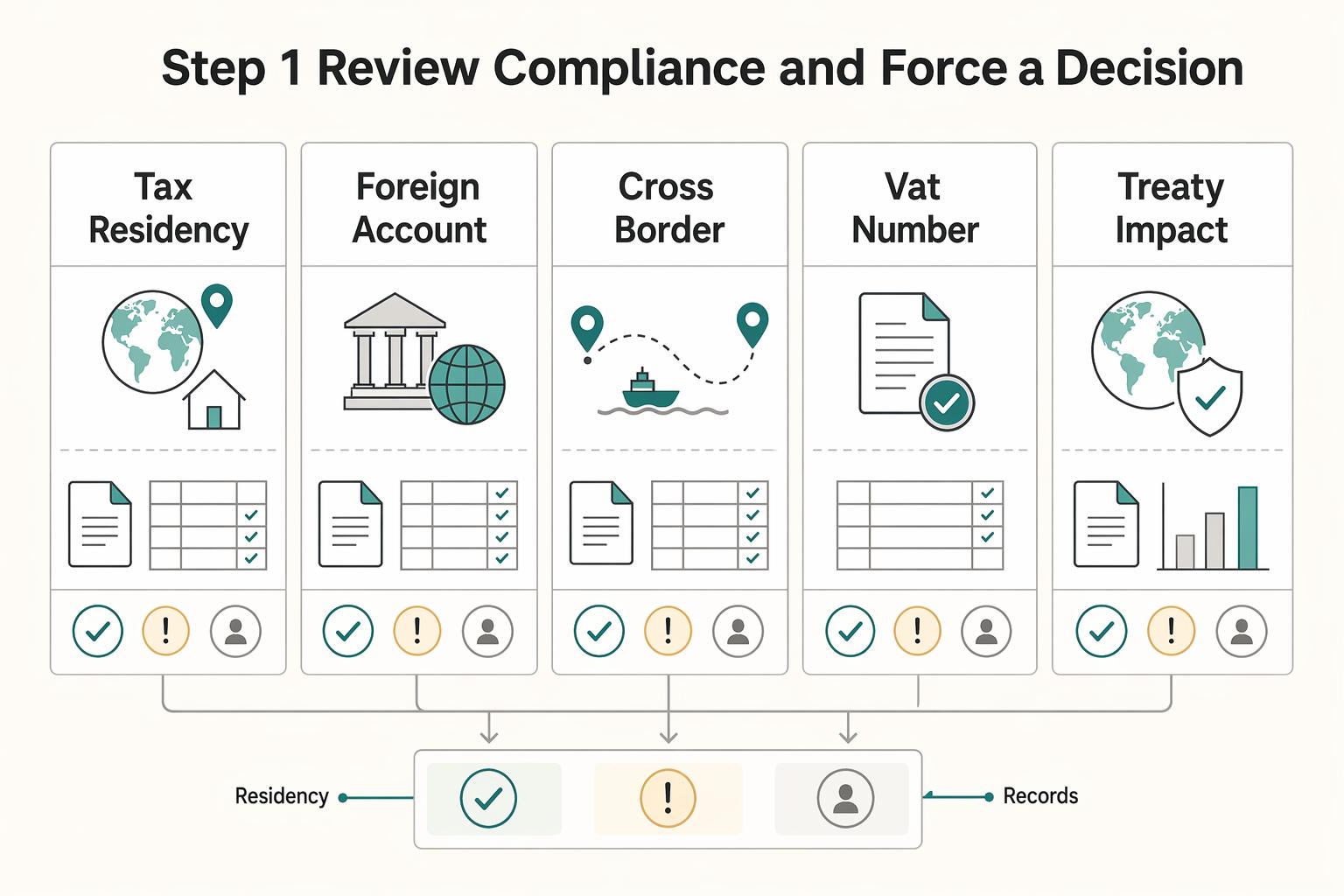
Create a Quarterly CEO Day for Your Freelance Business
A quarterly CEO Day gives you one protected block to review evidence, make the calls you have been avoiding, and leave with dated next actions. If most of your time goes to client delivery, the business can end up managed in scraps. A rushed pricing change, a half-read compliance note, and a vague plan to market more next month are all signs. A 2024 qualitative study of 10 freelancers found that participants often felt less structure in both work and life, then regained more control through goals, boundaries, and routines. This review can become that routine.
Read more →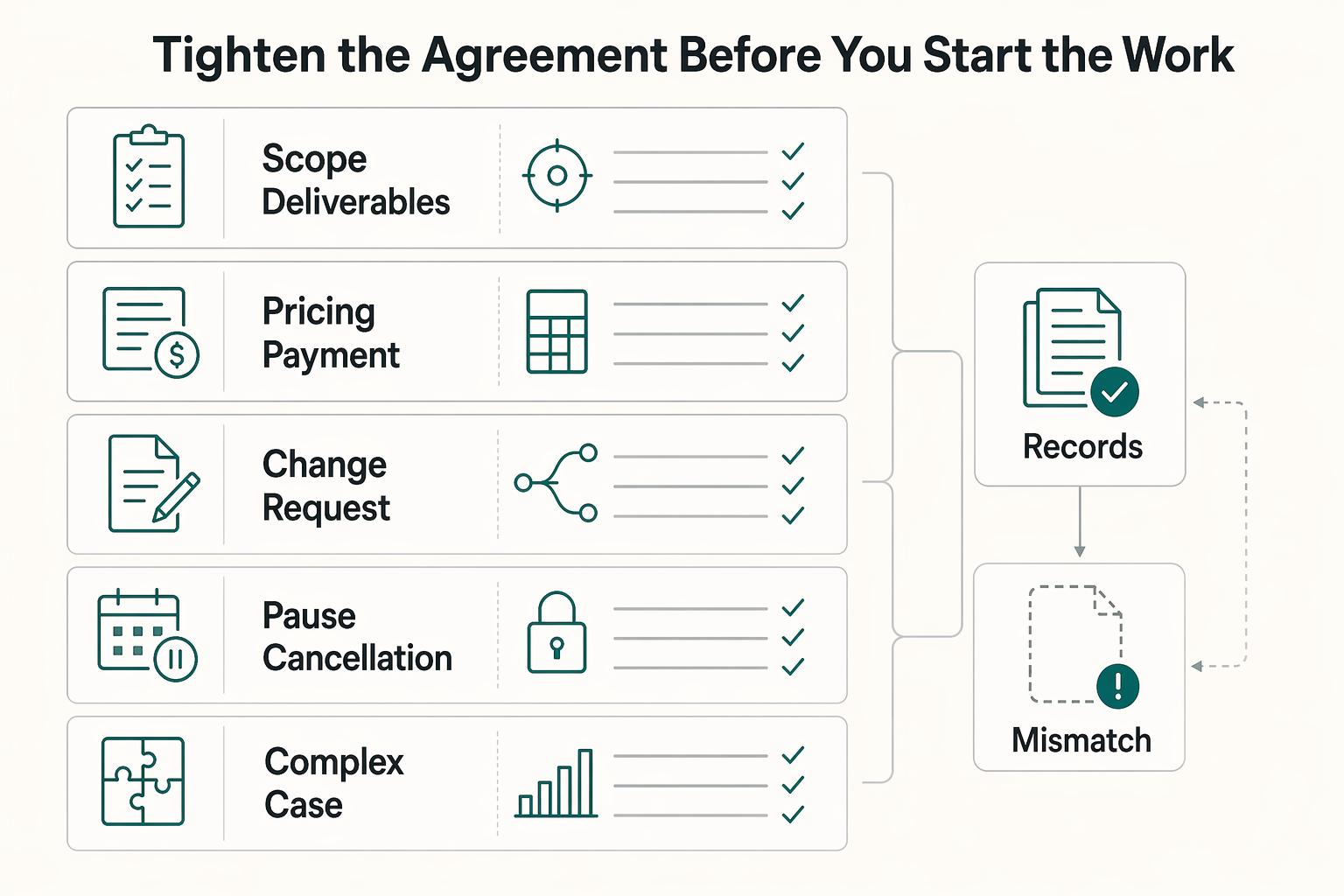
How Solo SaaS Operators Use RevOps to Stabilize Revenue
Corporate RevOps is often built to coordinate teams. If you work alone, that is usually not your main problem. The bigger constraint is balancing many responsibilities with one person's time and attention.
Read more →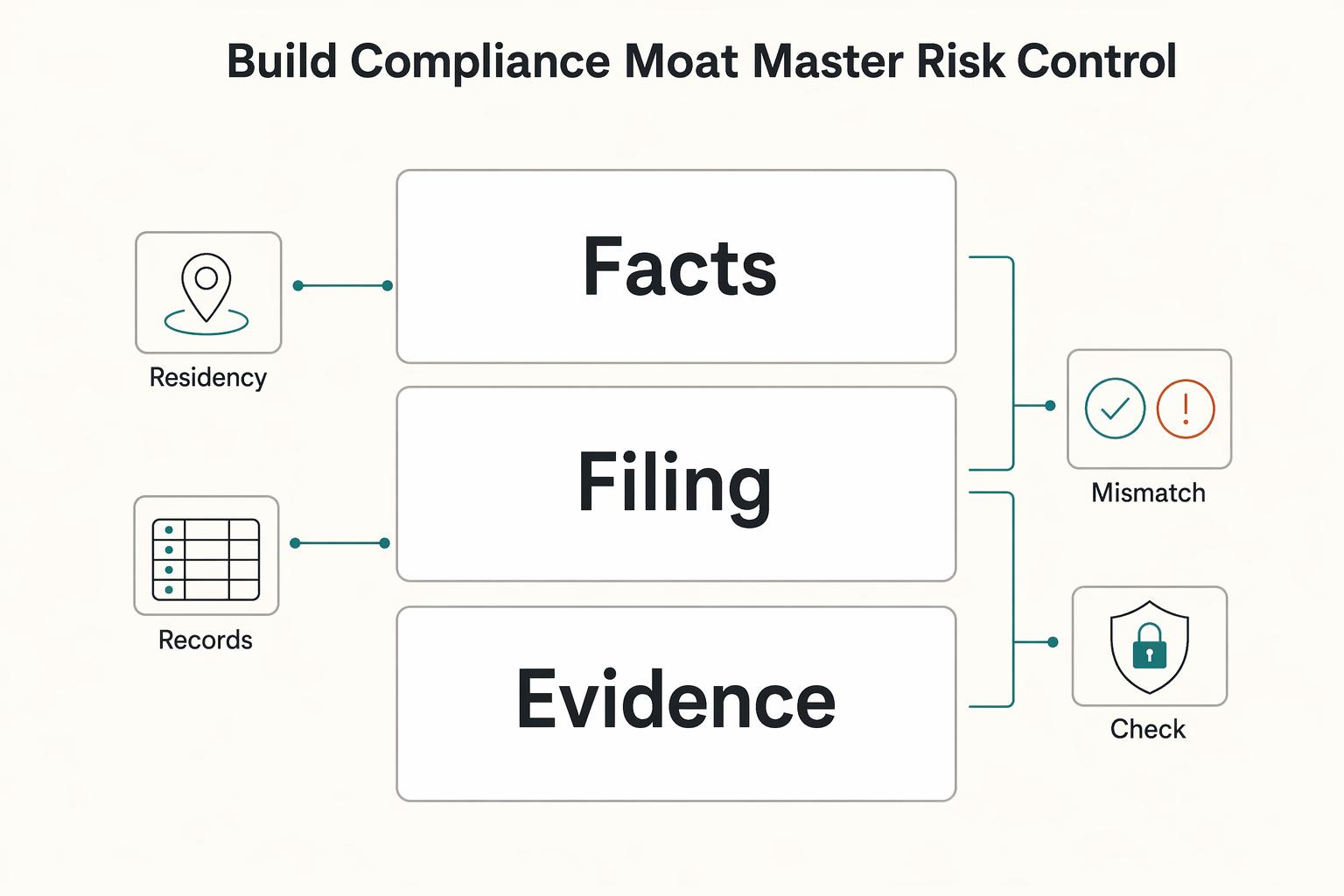
What Hypo-Tax Means After You Leave Corporate Payroll
If you're asking **what is hypo-tax**, the short answer is this: it is an employer estimate of the tax you likely would have paid if you had stayed in your home country. It sits inside a **tax equalization** policy meant to keep you broadly tax-neutral compared with staying home. It is **not** a separate government tax you directly pay. In common U.S. framing, it is usually treated as a reduction to compensation, and the calculation method comes from employer policy rather than one universal legal formula.
Read more →
Local Regulations for Short-Term Rentals Before You List
If you want risk under control before you list a property, use a three-stage approach. A bad assumption here is not just paperwork. It can leave you with a permit that does not fit your address, a use that fails **zoning**, taxes handled the wrong way, or platform blocking/removal in cities that restrict unregistered listings.
Read more →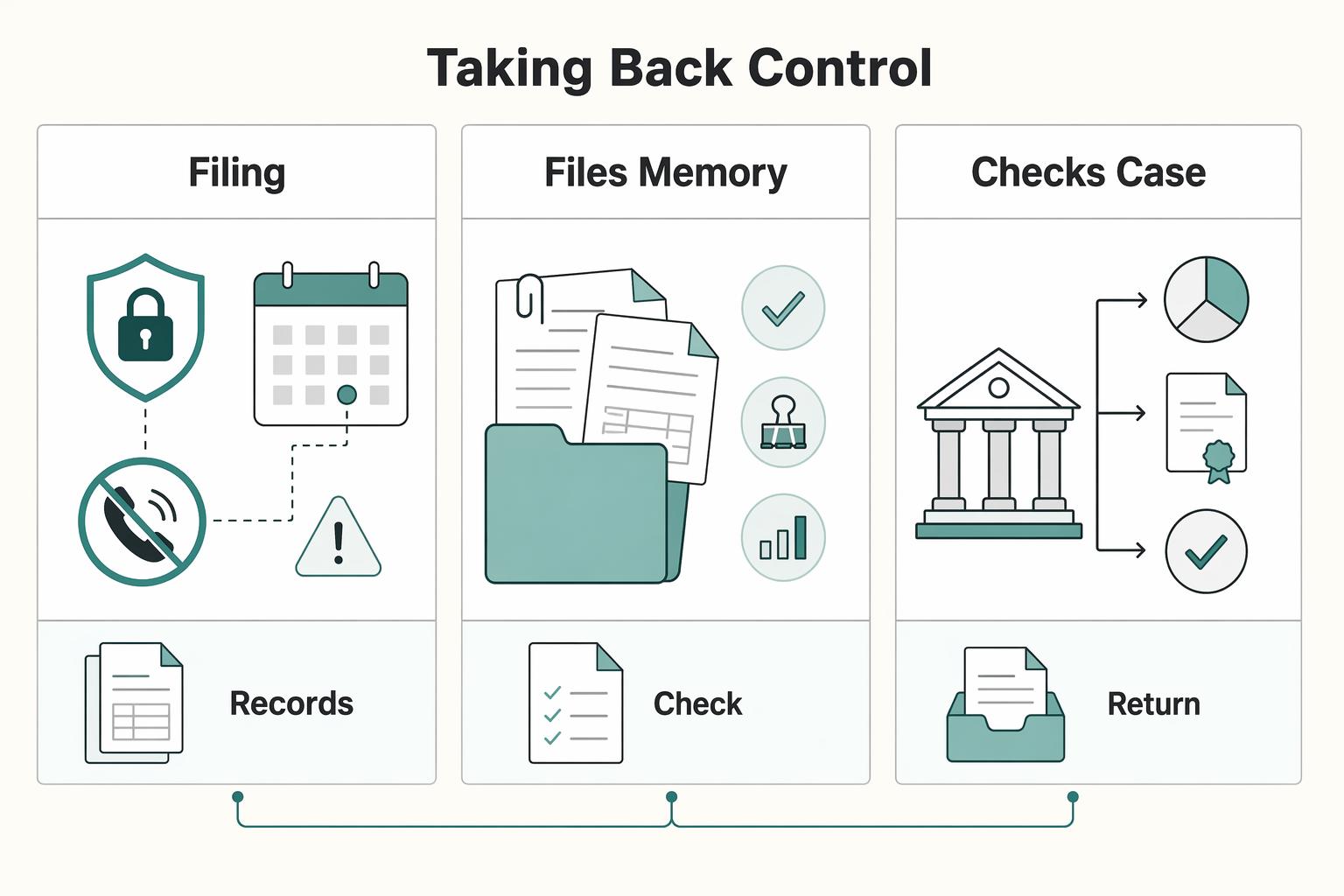
What is a 'Proof of Claim' in a Bankruptcy Case?
The email subject line can stop you cold: "Notice of Bankruptcy Filing." When a client files, the immediate danger is not just the unpaid bill. It is making the wrong move after notice. That is when normal collections stop and a court-driven process takes over.
Read more →