
Operator playbooks for cross-border payments, tax, and compliance execution.
Step-by-step guidance for finance, product, and ops teams to launch faster, reduce payout friction, and keep reconciliation clean across borders.
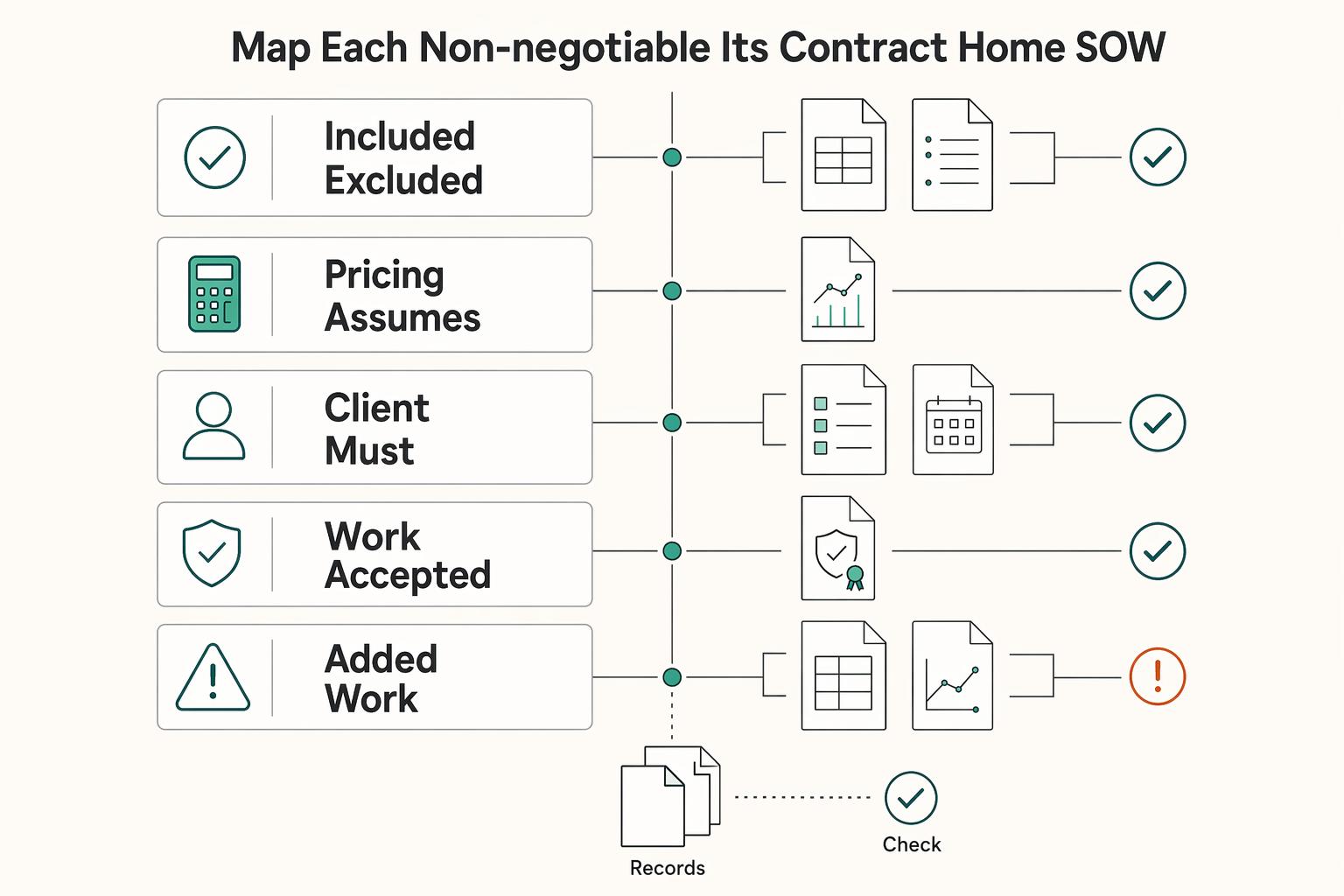
Run a Brand Workshop With a Client That Clarifies Scope Early
If you want to [run a brand workshop](https://trekk.com/insights/how-to-run-a-brand-workshop) well, treat brand as a decision model, not a debate about fonts. The real job is to help a client define how they explain value, where they draw boundaries, and how work gets approved before visuals lock anything in.
Read more →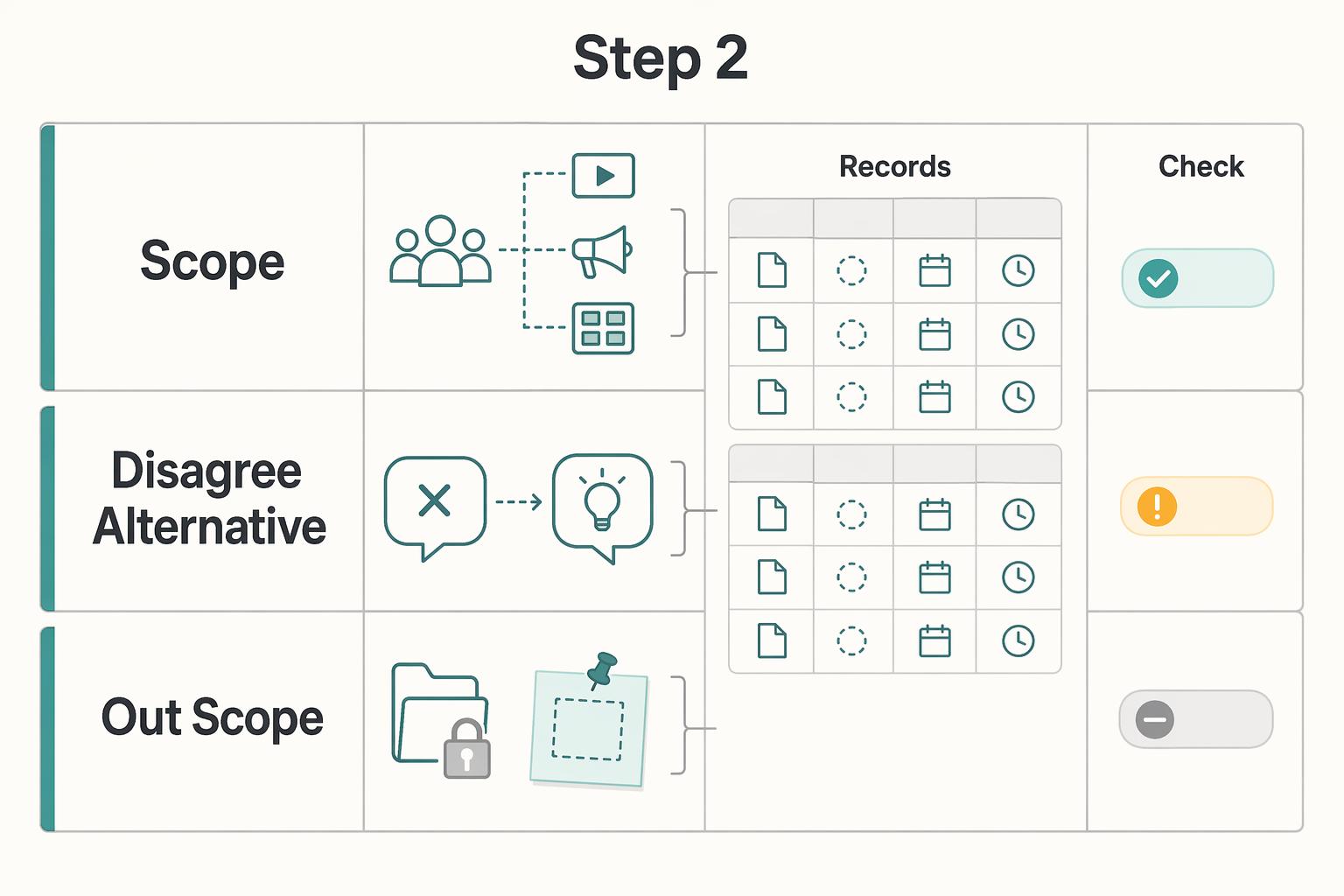
How to Handle Criticism of Your Creative Work
For a creative professional running a business-of-one, client feedback is not just an emotional event. It is a business control point. Even an email with the subject line "Thoughts on the latest draft" can trigger anxiety. The risk is real. One poorly handled comment can throw off timelines, expand scope, complicate payment, and damage your reputation.
Read more →
Use the Mere-Exposure Effect to Build a Personal Brand People Trust
For personal branding, the [mere-exposure effect](https://sk.sagepub.com/ency/edvol/socialpsychology/chpt/mere-exposure-effect) matters for one simple reason: repeated exposure can increase preference, often without a fully conscious reason. A *Journal of Psychology* article from April 2007 puts it plainly: preference increases as exposure increases. In business terms, that can shape early impressions before a buyer compares proposals line by line.
Read more →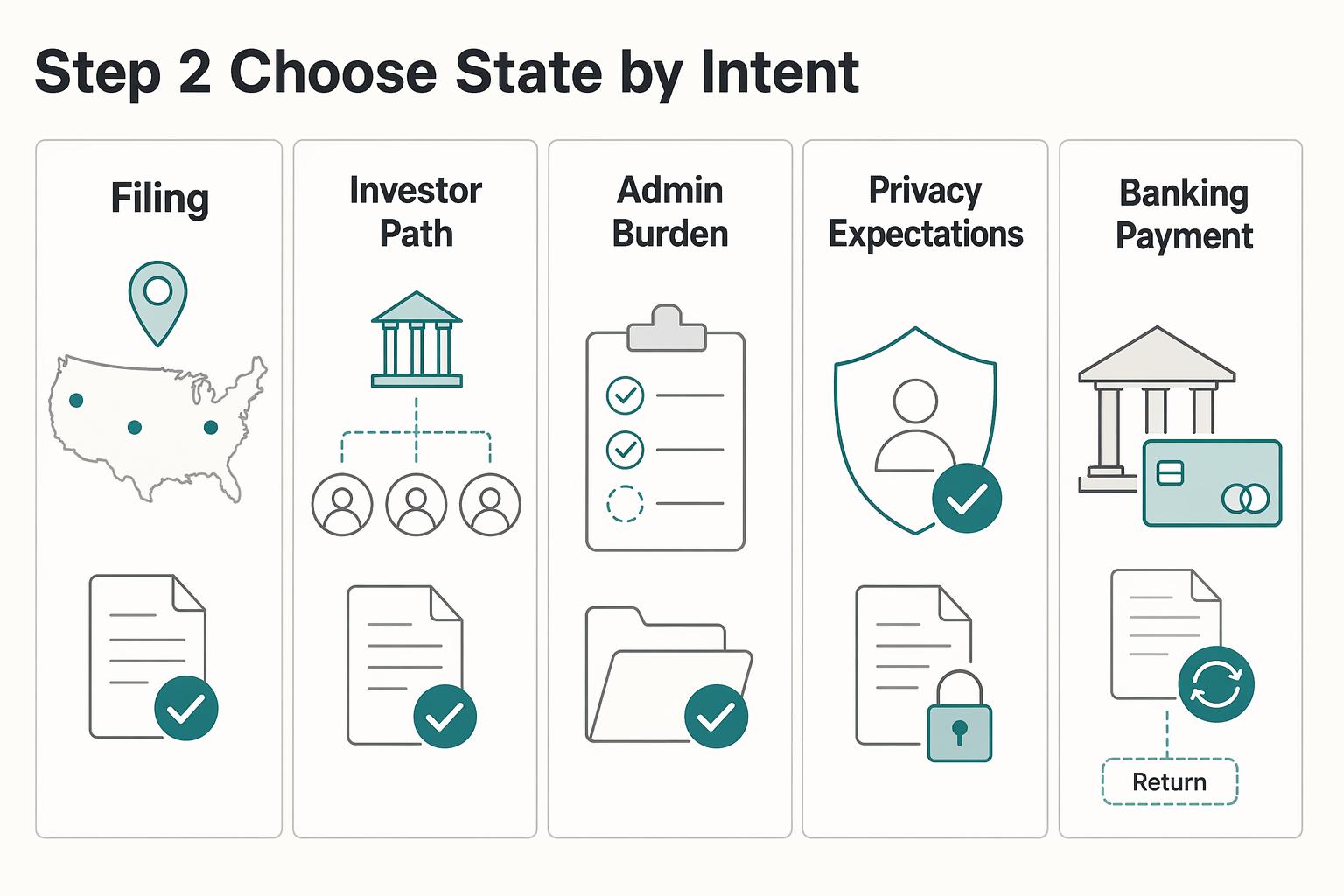
How to Set Up a US LLC for an Australian SaaS Founder
Start here: do not treat this as a final US entity decision until your Australian baseline is clear. This material helps you confirm sole trader status and ABN entitlement. It does not support a hard recommendation on whether an LLC or Delaware C-Corp is the better choice.
Read more →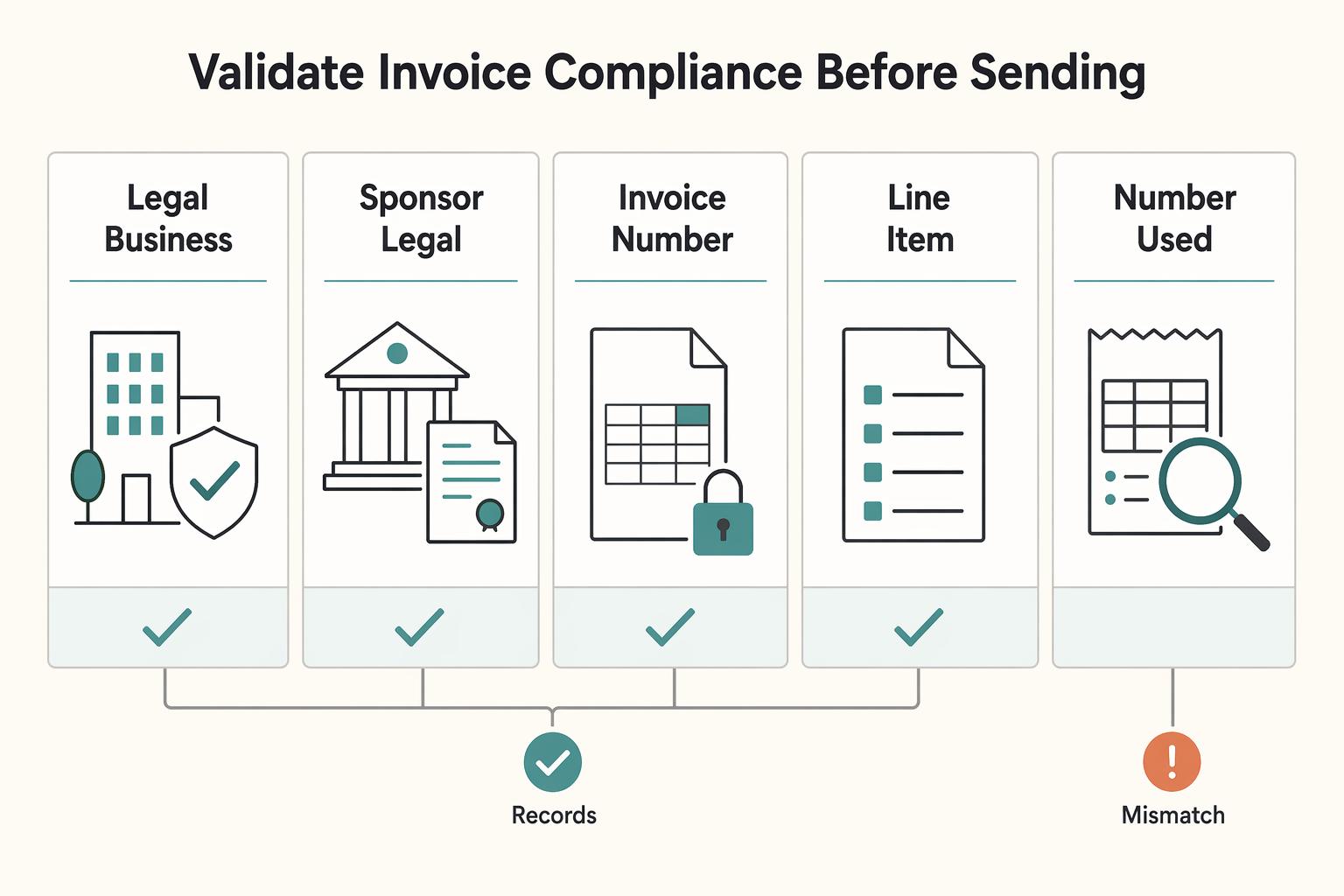
How to Write a Pitch Email to a Brand for a Sponsorship
The strongest sponsorship email is one a brand contact can review quickly and pass along internally. That means less "Would you like to sponsor me?" and more "Here is a collaboration that fits your audience, supports a current goal, and is easy to execute."
Read more →
FEIE for Yacht Crew Working Abroad
A lot of the stress U.S. yacht crew feel around taxes comes from not having a clear process. The rules can be technical, but the bigger problem is usually inconsistent records, assumptions, and last-minute filing. What you need is a practical way to make the claim, support it, and file it cleanly.
Read more →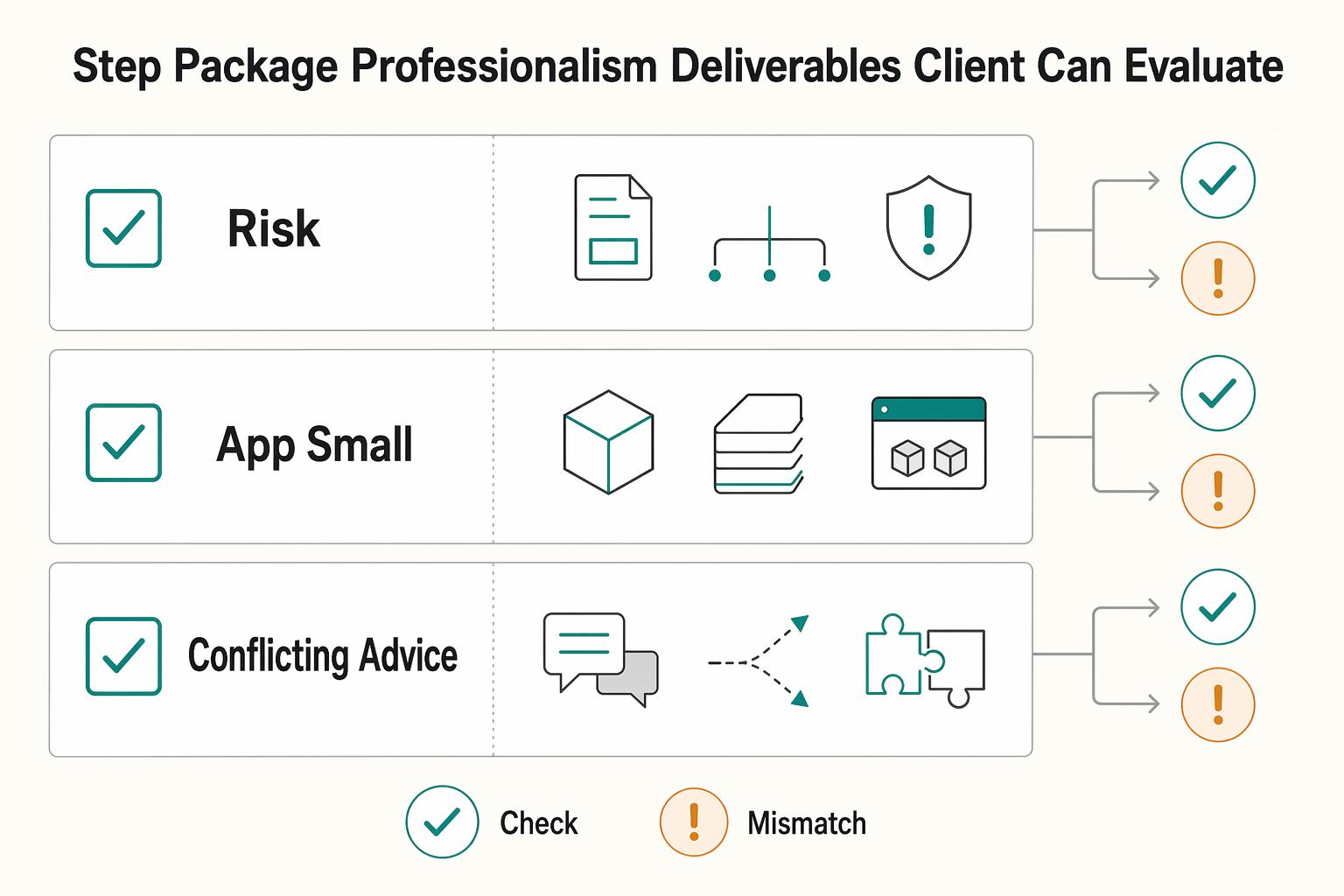
How to Use Docker for Local Development Environments
If you work solo, your local setup is a business control, not a personal preference. For local development with Docker, use containerization where it improves handoff clarity and repeatability, without assuming it is always the best fit.
Read more →
Short-Term Rental Industry in 2026: Compliance, Automation, and Niche Strategy
Regulation can be one of the fastest ways a short-term rental thesis breaks. In this market, the edge is not just revenue upside. It is whether you can prove the use is allowed, spot rule changes early, and show a clean paper trail when a regulator, insurer, lender, or buyer asks questions.
Read more →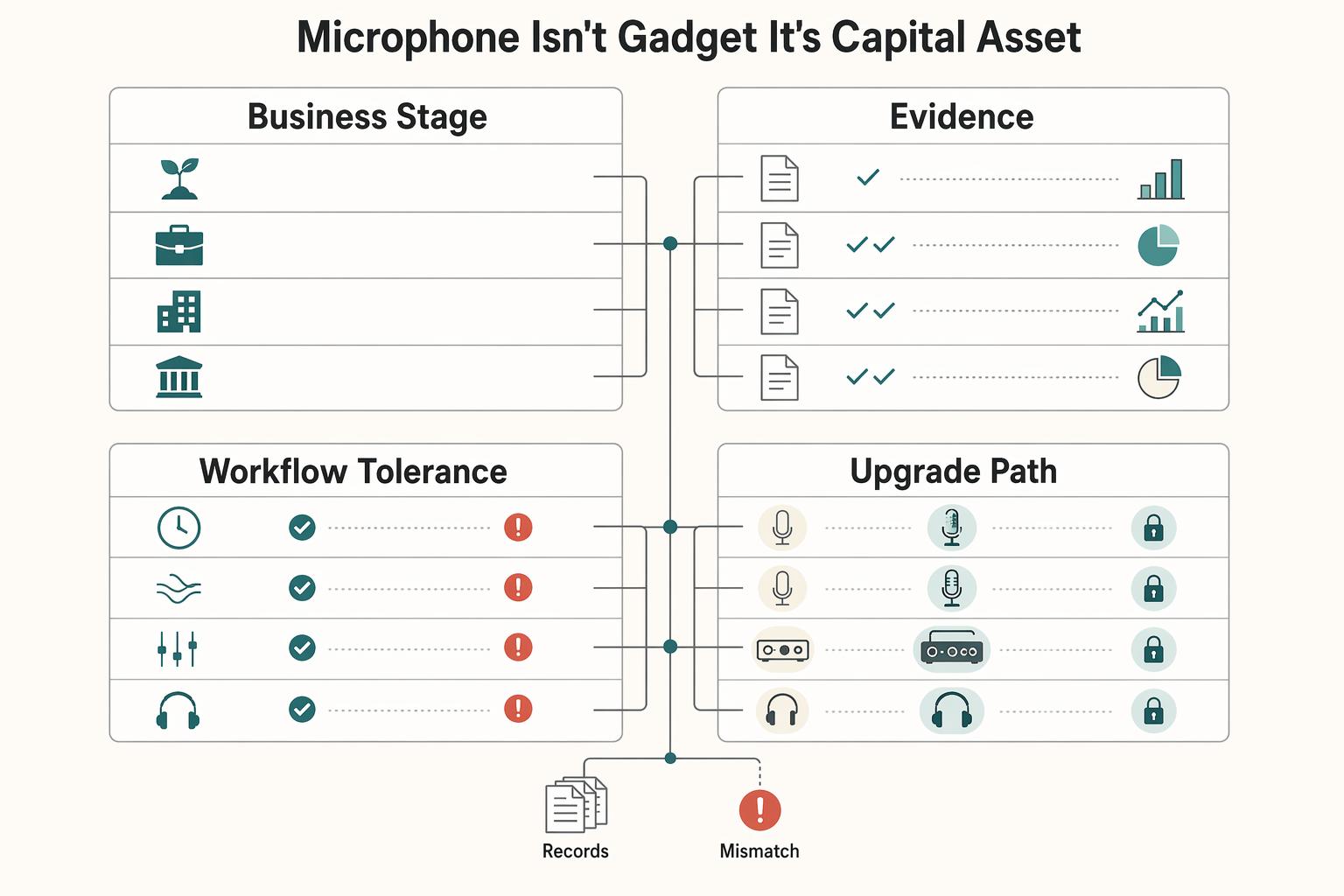
Best Microphones for Voiceovers and Podcasting by Room, Workflow, and Business Stage
You are not buying a desk accessory. You are buying an operating asset that shapes how clients hear your judgment, how cleanly you deliver paid work, and how often you have to do the same work twice.
Read more →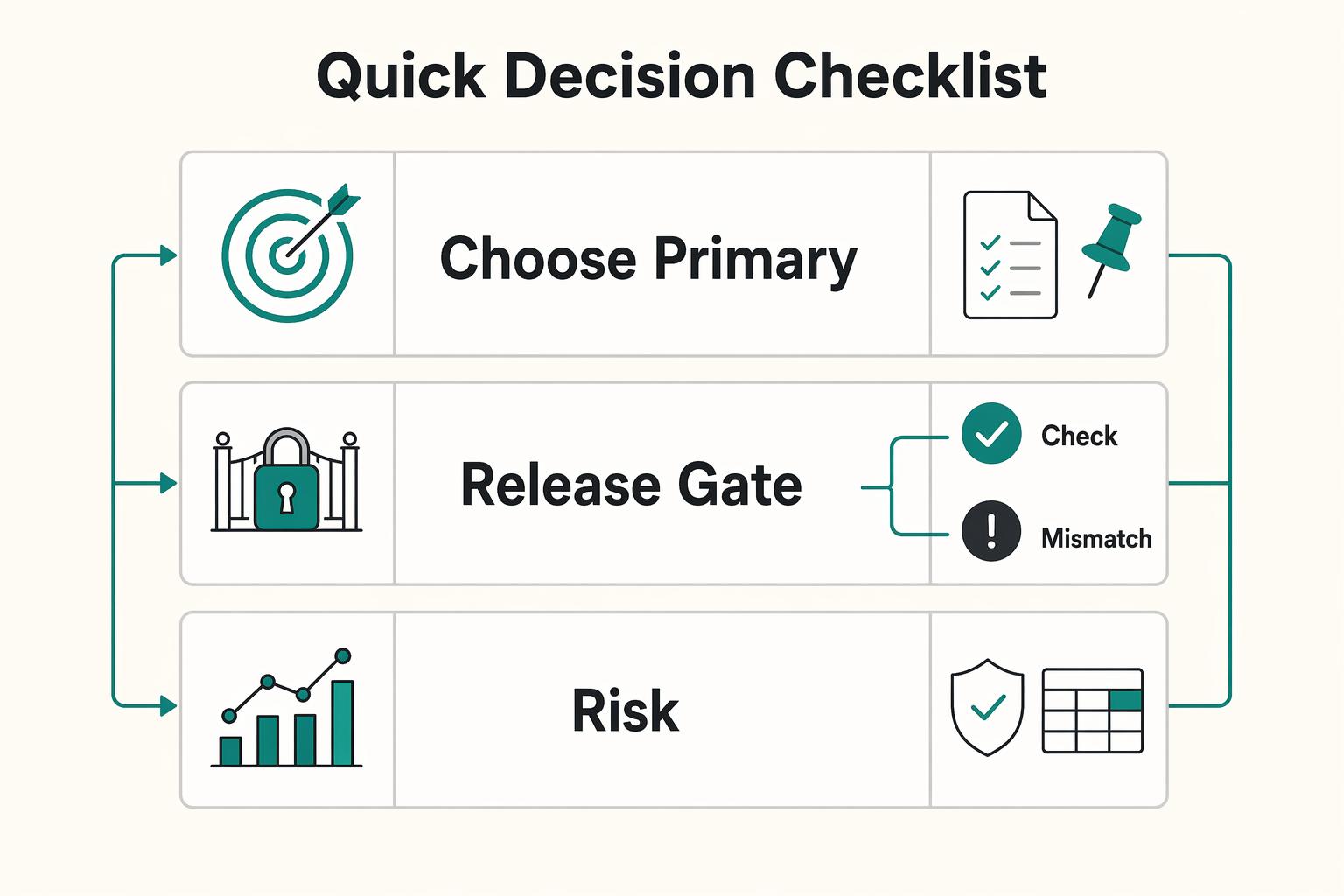
UK EIS for Investors Who Want Reliable Relief Claims
The UK Enterprise Investment Scheme (EIS) is a tax relief framework for investing in new shares of smaller, higher-risk trading companies. The practical way to think about it is downside management, not a return guarantee. For UK investors, EIS can reduce part of the downside, but it does not make an investment safe or automatically suitable.
Read more →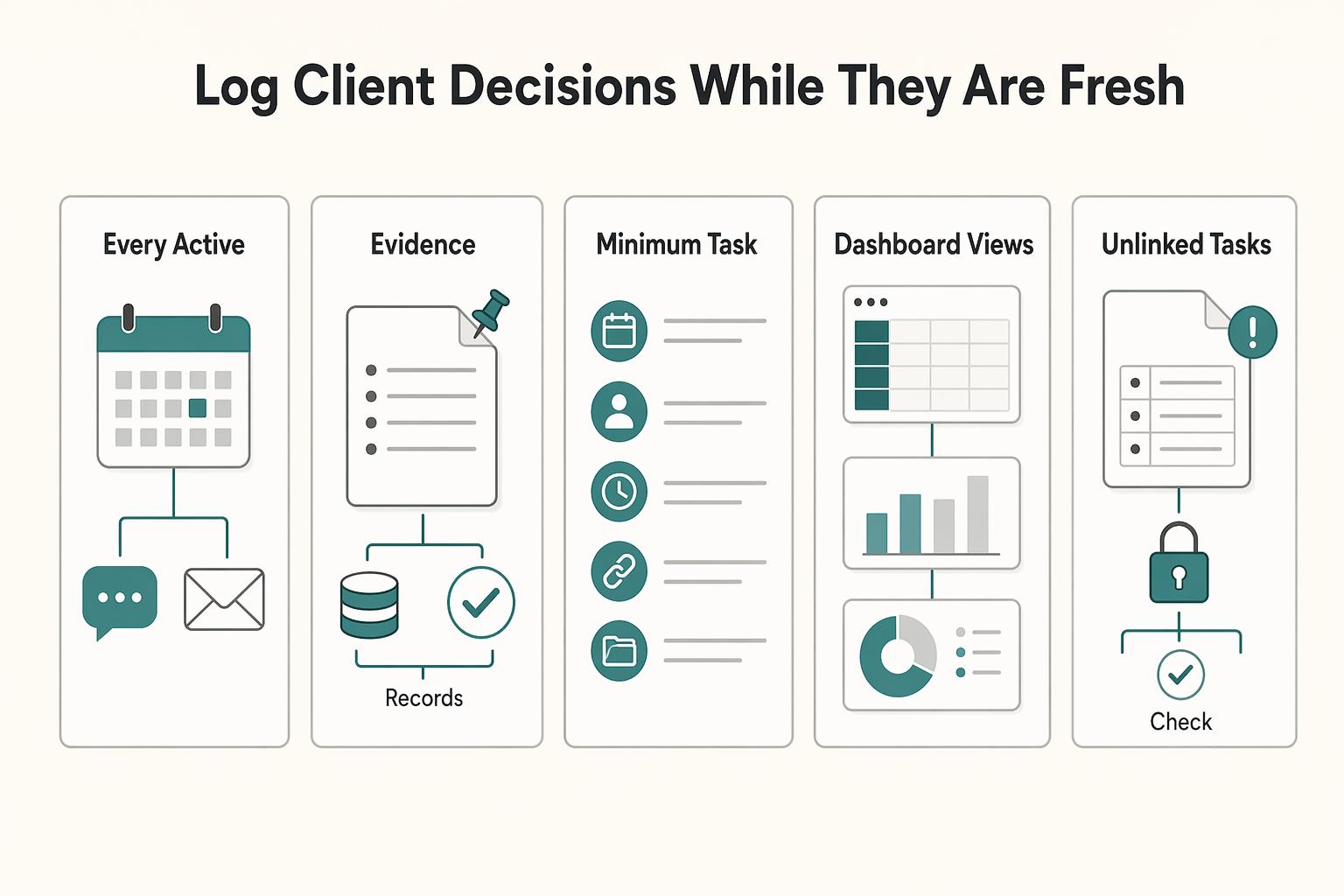
The 3-Stage Notion Setup for Freelance Project Management
If your client work is spread across docs, inbox threads, task lists, and billing notes, you are not really managing delivery. You are reconstructing context every time a question comes up. A linked Notion setup will not fix every delivery problem, but it can give you one place to verify scope, status, and key project details before a handoff gets messy or a client update gets vague.
Read more →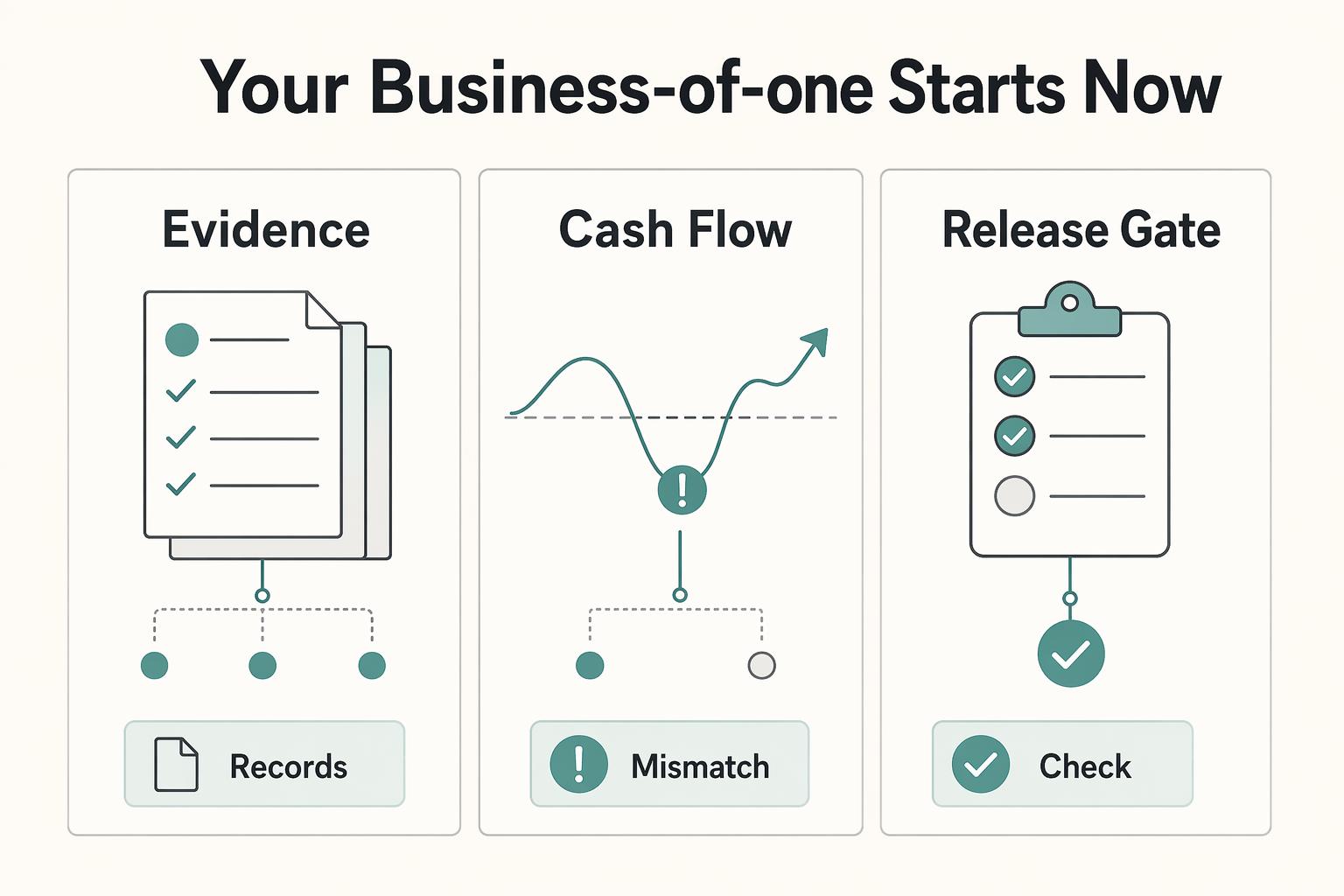
Freelancer Pain Points and Cross-Border Compliance Risk
You've seen the endless lists of familiar freelancer pain points: late payments, scope creep, inconsistent income, and the feast-or-famine cycle.
Read more →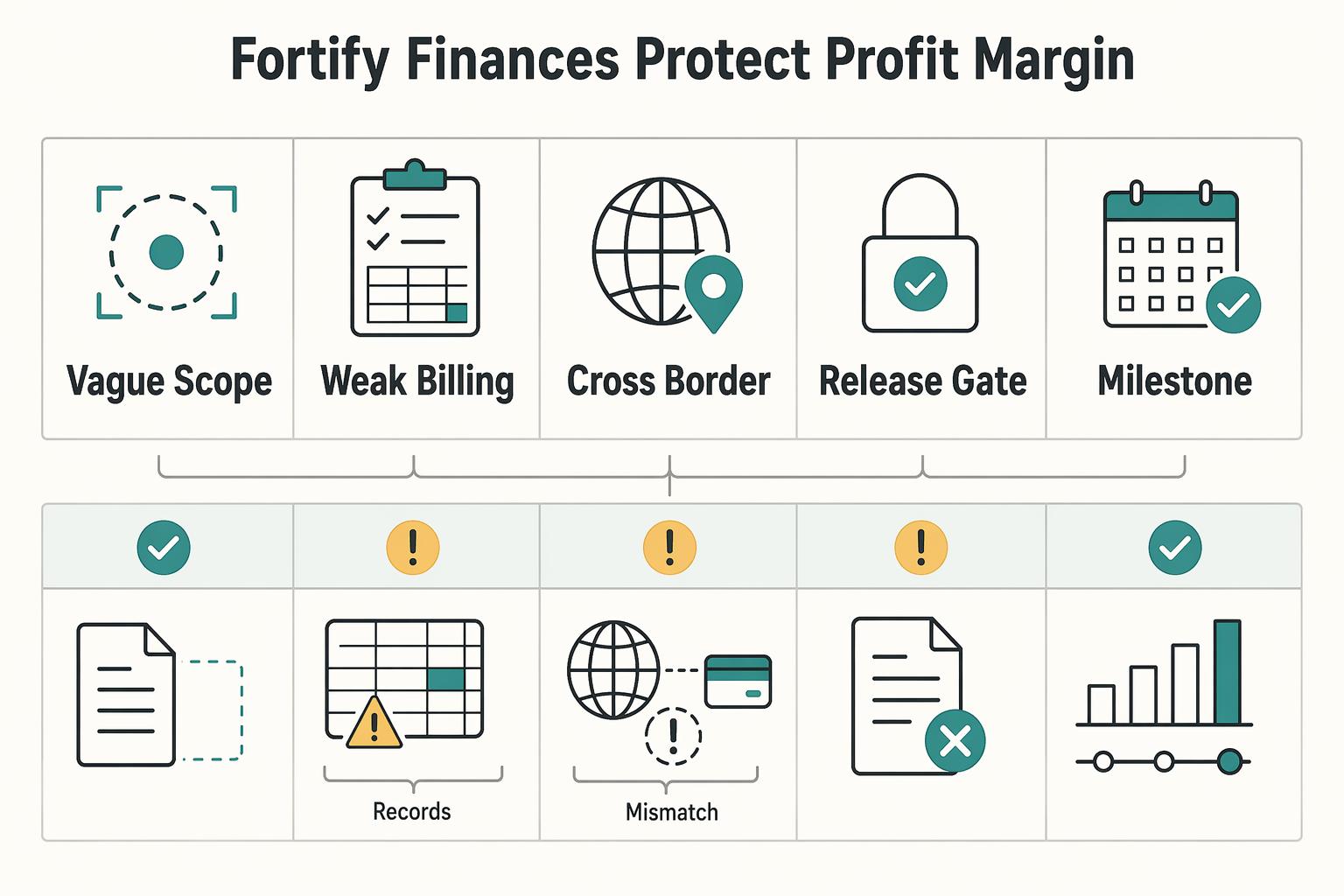
How to Write a Scope of Work for a Mobile App Development Project
A strong SOW for mobile app development protects your margin, reduces legal ambiguity, and shows the client you run a controlled project. For an experienced freelance developer, technical skill is table stakes. What usually separates a high-value consultant from a replaceable pair of hands is the structure of the engagement, and the Statement of Work sits at the center of it.
Read more →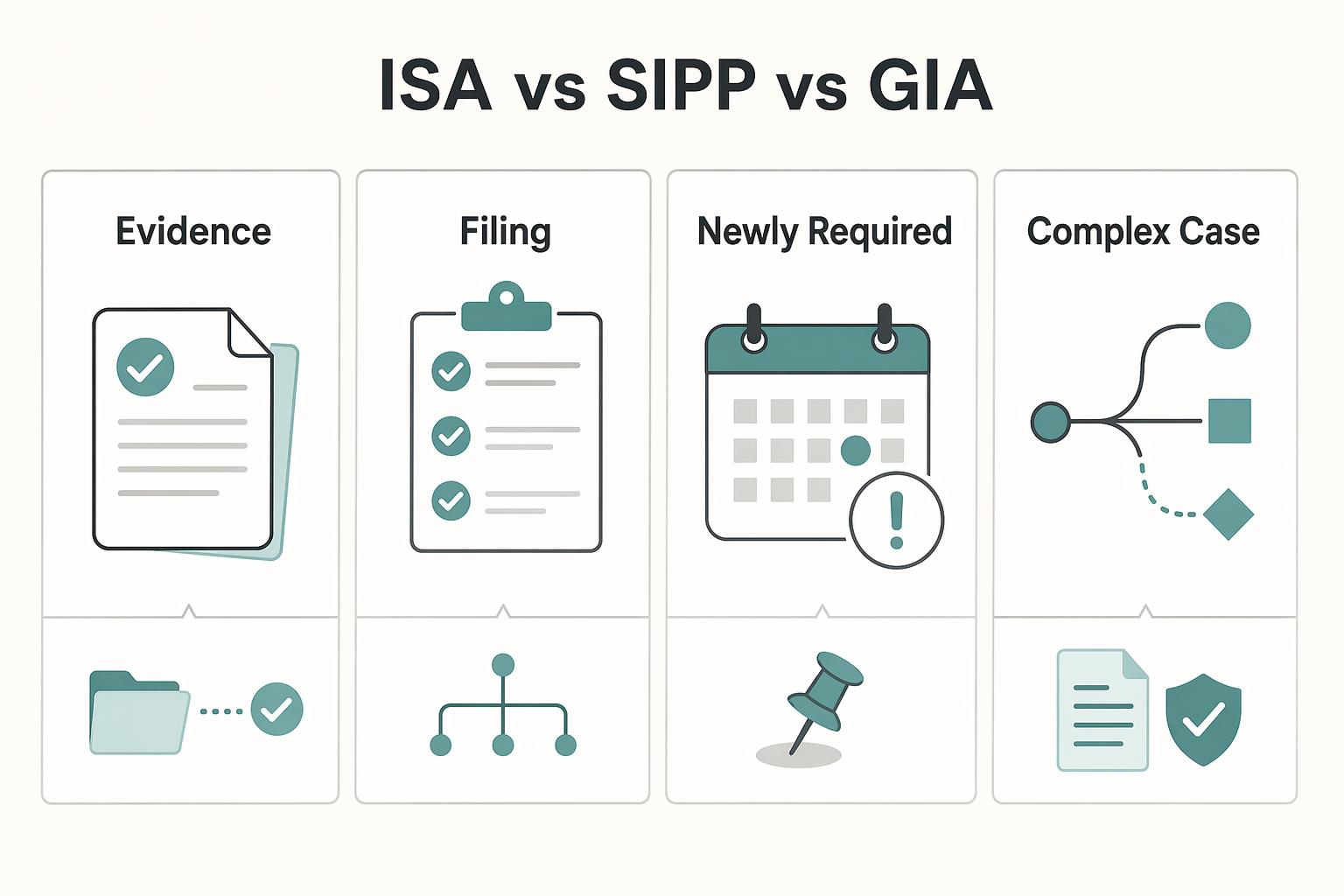
A Guide to Individual Savings Accounts (ISAs) in the UK
Use your ISA as the accessible UK tax-efficient layer between pension money, which you usually cannot touch until later, and taxable investing outside wrappers. In practice, that means using it for goals you may need before pension access age, while checking residency and cross-border tax exposure before you allocate.
Read more →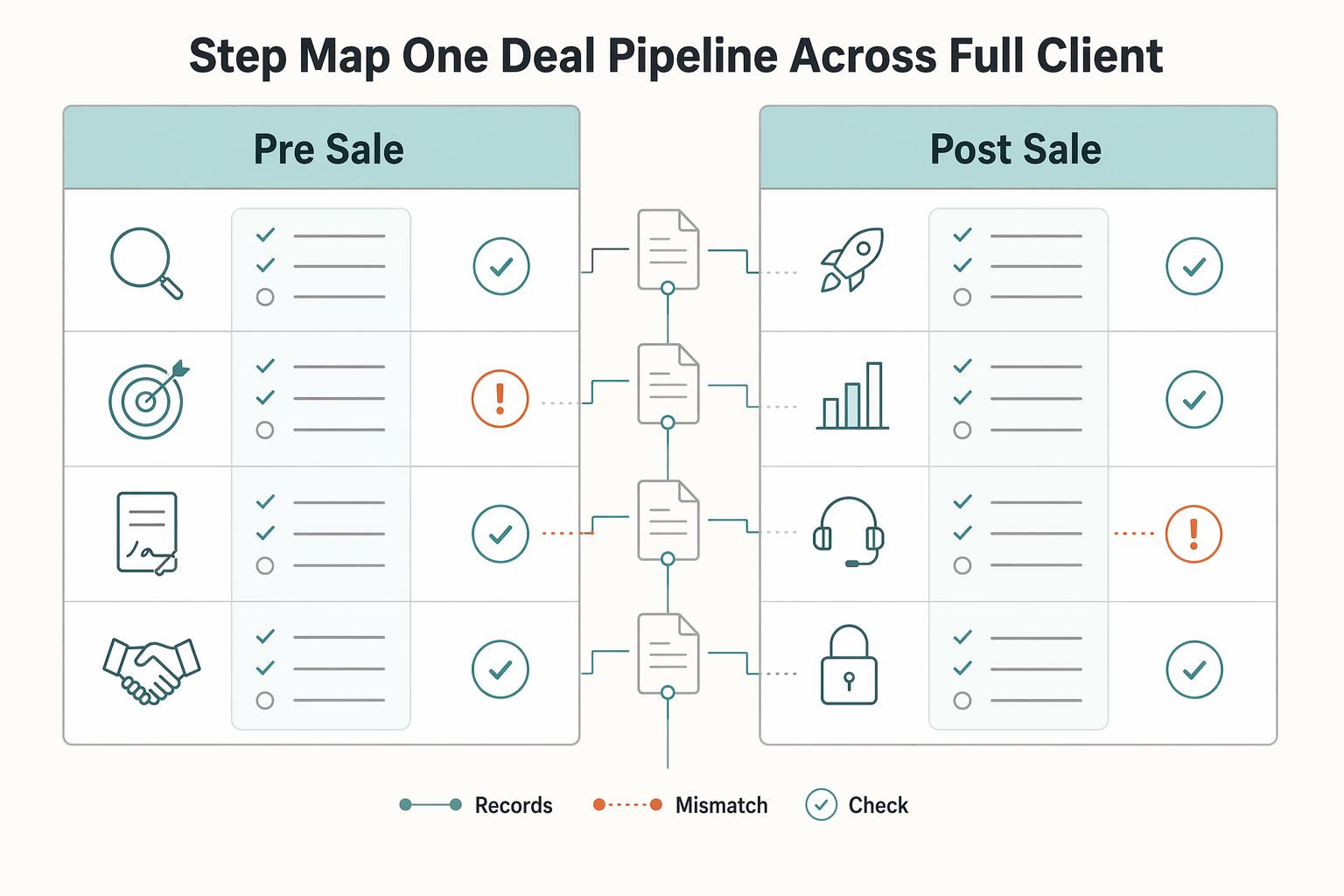
How to Use HubSpot for Sales Pipeline Management
HubSpot can feel like overkill if you set it up as though you are running a sales team. For a business of one, the real question is simpler: do you need tighter control over follow-up and client records, or will a bigger tool mostly add admin you will not maintain?
Read more →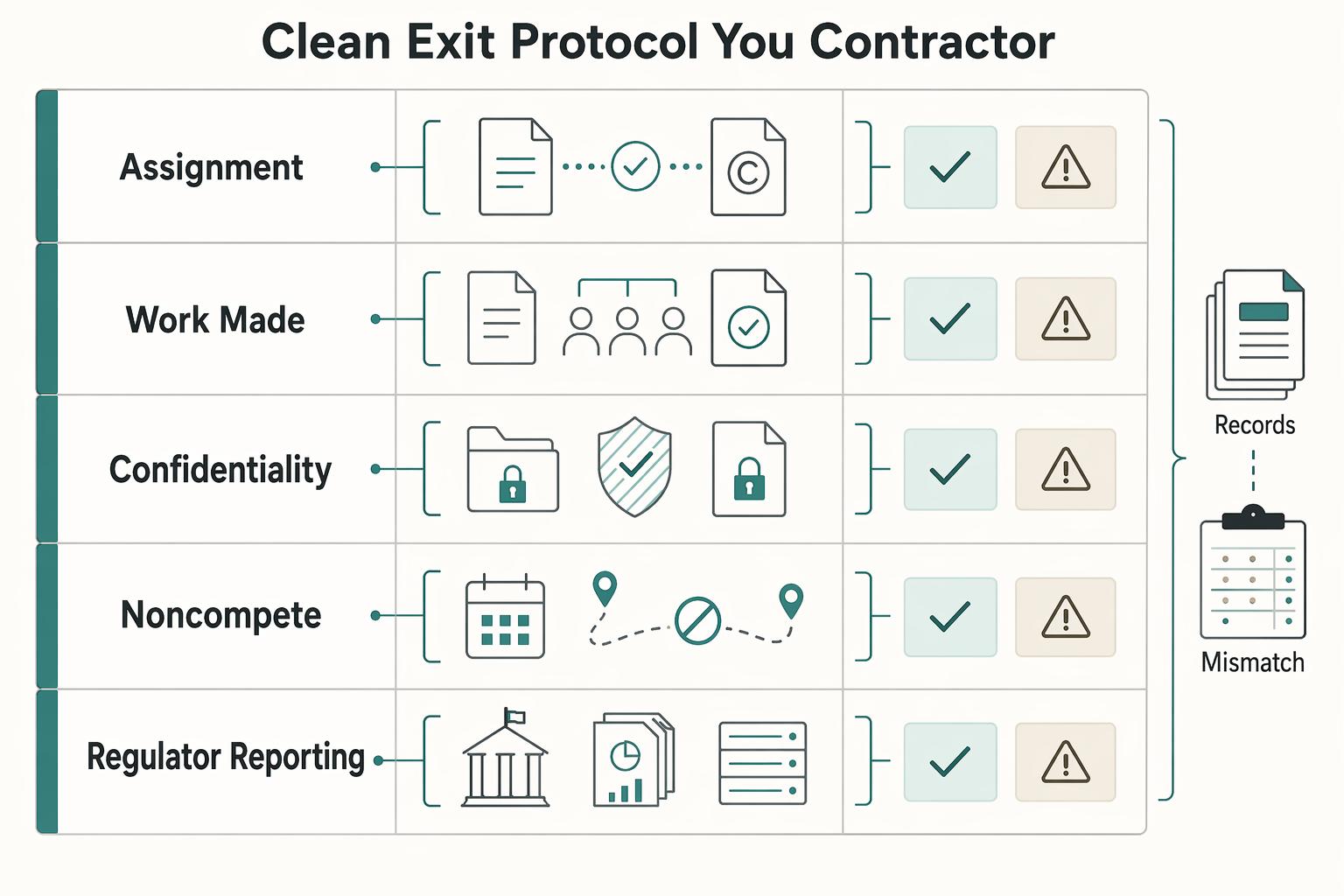
How to Protect Trade Secrets When an Employee Leaves
If you want to protect trade secrets when someone leaves, start with a blunt rule. Information is protected only if it is nonpublic, valuable because it stays secret, and something you actually kept under control. General skill, public information, and experience honestly gained doing the work are often portable, subject to any confidentiality duties.
Read more →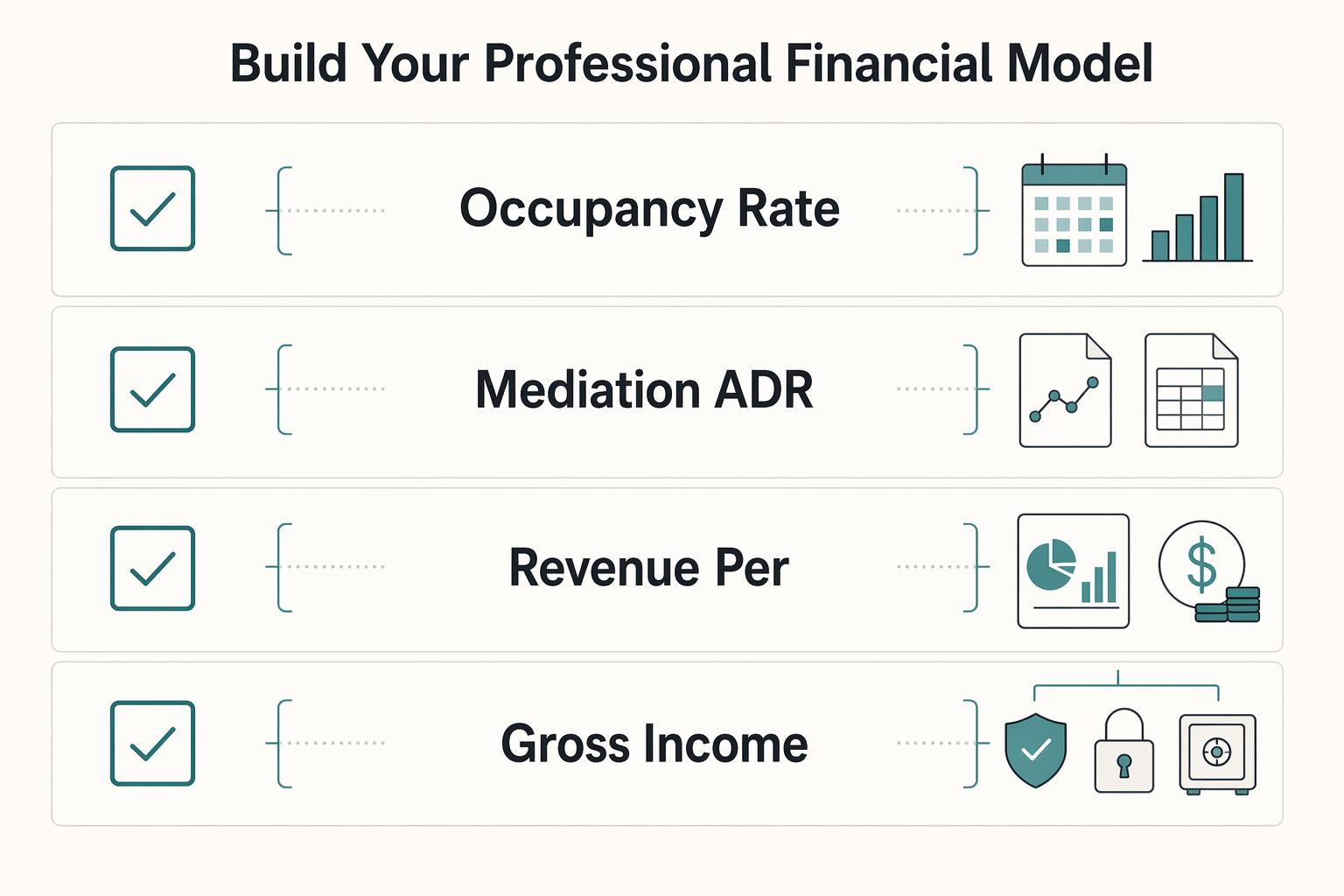
How to Price Your Airbnb From Abroad Without Losing Margin
To price your Airbnb well from abroad, start with a real floor based on actual costs, add compliance and asset-protection costs, then automate the routine parts without giving up judgment. Your property is not just a listing. It is part of a global portfolio, and pricing it from abroad is not mainly a hospitality problem. It is a compliance and control problem.
Read more →
Choosing a Small Business Lawyer for Cross-Border Freelance Work
If you run a business-of-one, reactive legal help often catches problems after key decisions are already made. A general-counsel-style partner helps before commitments lock in and gives you ongoing oversight of contracts, structure, compliance, payment terms, and ownership language.
Read more →
How to Structure Your Solo 401(k) for Real Estate and Crypto Investing
Before you place an alternative-asset trade in a one-participant 401(k), you need a decision process, not more generic retirement education. This guide helps you confirm plan fit, choose how control and diligence will work, document operating safeguards, and put filing checkpoints on the calendar before you execute anything. It is not legal or tax advice, and it does not assume one custody or checkbook-control setup works for everyone.
Read more →
How to Use the 'Getting Things Done' (GTD) Method with Todoist
If your Todoist mixes "send invoice," "file tax reminder," "reply to client," and "buy printer ink" in one flat list, the problem is usually not just volume. It is that everything competes in the same visual space, so it gets harder to decide what to do first.
Read more →