
Quick Answer
Use a three-step decision file before funding: Diagnostic, Proof of Competence, and Implementation Roadmap. In a solo 401(k), confirm owner-only plan fit, test for disqualified-person prohibited transactions, assign who controls assets, and tag each decision as validated, not validated, or escalate. Keep plan documents, transaction summary, and reviewer notes together, then execute only when open compliance items are cleared.
The Strategic Deep Dive: Your Framework for Eliminating Client Risk and Commanding Premium Rates#
Before you place an alternative-asset trade in a one-participant 401(k), you need a decision process, not more generic retirement education. This guide helps you confirm plan fit, choose how control and diligence will work, document operating safeguards, and put filing checkpoints on the calendar before you execute anything. It is not legal or tax advice, and it does not assume one custody or checkbook-control setup works for everyone.
| Decision lens | Generic retirement content | Decision-ready deep dive |
|---|---|---|
| Reader outcome | You learn alternative assets may be available in retirement accounts | You decide whether your one-participant 401(k) is operationally ready for a real transaction |
| Risk visibility | General warnings about complexity | Specific visibility into fiduciary control, prohibited-transaction risk, and filing checkpoints |
| Actionability | Broad ideas with unclear sequence | Clear order: validate fit, set control model, document safeguards, execute after verification |
Confirm plan fit first#
Start with eligibility. A one-participant 401(k) is an owner-only plan, or owner plus spouse, and it still follows regular 401(k) rules. If you have common-law employees, stop and re-check the plan design. The owner-only assumptions may no longer hold.
| Situation | Article guidance |
|---|---|
| Owner only | A one-participant 401(k) is an owner-only plan |
| Owner plus spouse | A one-participant 401(k) can cover an owner plus spouse |
| Common-law employees | Stop and re-check the plan design because the owner-only assumptions may no longer hold |
Choose the control model and diligence owner#
Decide who controls transactions and who owns diligence. In plan operations, controlling plan assets or using discretion in plan management can make you, or a hired entity, a fiduciary. In self-directed settings, custodians generally do not evaluate investment quality or legitimacy for you, so define your diligence process before you transact.
Set pre-trade guardrails#
Write down your red lines before you invest. A prohibited transaction is a transaction between the plan and a disqualified person, and it can trigger tax consequences if one occurs. For digital assets, the IRS says virtual currency is treated as property for federal income tax purposes. The FAQ page cited here also notes that its guidance generally applies to transactions completed before Jan. 1, 2025, so newer activity needs a current guidance check.
Put filing checkpoints on your calendar now#
Build compliance timing into your operating process from day one. IRS guidance references a year-end combined asset trigger above $250,000 for one-participant plans to file Form 5500-EZ. Form 5500-series returns are generally due by the last day of the seventh month after plan year-end. That is the operating sequence for the rest of this guide: evaluate fit, choose structure, document controls, and execute only after a verification checkpoint.
Why Hesitation Often Points to an Execution or Documentation Gap#
Hesitation around alternative assets in a solo 401(k) is often a risk signal, not a weakness. In practice, it often points to an execution or documentation gap you need to resolve before moving forward.
Most of the anxiety comes from execution pressure. You may feel good about the investment idea and still be unsure whether the workflow is complete, documented, and controlled. Use this quick check to see where the real risk sits:
| Common investor assumption | What a decision-ready solo 401(k) process requires |
|---|---|
| "If I can place the investment, my setup is probably fine." | Mapping transaction analysis, documentation steps, and reporting outputs before funds move |
| "I can sort out process details after I invest." | Defining control roles and documentation ownership up front |
| "Recordkeeping means saving a few statements." | Keeping working support that ties transaction analysis, working papers, and financial-statement preparation together |
| "If the numbers look right, the process is fine." | Setting internal controls and documentation checkpoints, not just calculations |
The due-diligence question is simple: can you show your process from decision to documentation to reporting, not just describe the investment thesis? The next sections turn that into a working sequence: map transaction flow, set documentation and internal controls, and prepare complete working support for reporting.
From Blog Post to Balance Sheet: Framing Your Deep Dive as a Strategic Asset#
Treat this as a pre-trade decision file, not education content. If it does not help you confirm plan status, screen prohibited transactions, assign filing responsibility, and lock recordkeeping before money moves into real estate or crypto, it is still just a blog post.
A one-participant 401(k) is still a 401(k), so execution has to follow 401(k) rules. The practical goal is to choose a workable structure, avoid preventable compliance mistakes, and keep documentation clean enough for review and IRS record requests.
| Asset type | Scope | Evidence required | Control points | Who needs to review | Ready to act looks like |
|---|---|---|---|---|---|
| Informational post | General explanation of solo 401(k) alternative investing | Educational material | None | You | You understand the idea, but you are not operationally ready |
| Investment thesis note | Why a property or digital asset is attractive | Deal facts, pricing notes, thesis summary | Usually asset-level only | You, sometimes an advisor | You like the deal, but plan-level risk is still unresolved |
| Decision asset | Plan fit, written plan status, prohibited-transaction screen, filing triggers, and recordkeeping process | Current formal written plan document, amendment status, transaction-party review, filing ownership, records location | No funds move until checks are complete | You, plan provider or administrator, and tax or legal reviewers where needed | Clear go, no-go, or escalate outcome with support in one file |
Define the decision in one line#
State the decision plainly: "Can my one-participant 401(k) complete this real estate or digital asset transaction with the current plan setup and controls?" That question keeps you from over-analyzing the investment while leaving plan compliance vague.
Start with the formal written plan document and amendment status. If those are not current and accessible, pause before you discuss closing timelines or wallet setup.
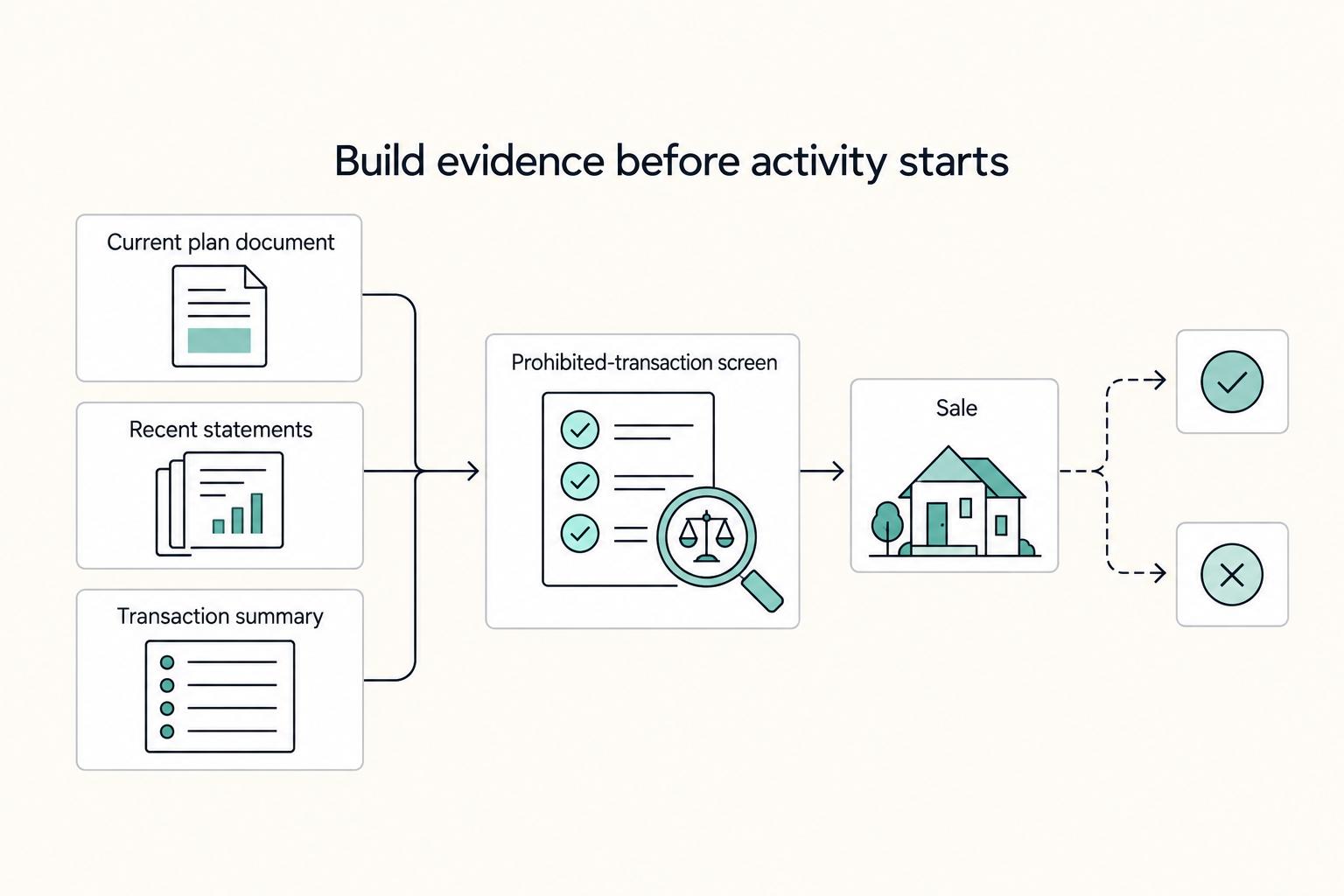
Build evidence before activity starts#
Build the file around evidence first: current plan document, recent statements, transaction summary, and a prohibited-transaction screen. At minimum, test for sale, exchange, or lease of property, lending or credit, and furnishing goods, services, or facilities involving disqualified persons.
| Pre-trade item | What to include or test |
|---|---|
| Current plan document | Build the file evidence-first with the current plan document |
| Recent statements | Include recent statements in the file |
| Transaction summary | Include a transaction summary before activity starts |
| Prohibited-transaction screen | Include a prohibited-transaction screen in the file |
| Sale, exchange, or lease of property | At minimum, test for this involving disqualified persons |
| Lending or credit | At minimum, test for this involving disqualified persons |
| Furnishing goods, services, or facilities | At minimum, test for this involving disqualified persons |
| Digital assets | Include that they are treated as property for U.S. tax purposes |
| Digital asset transactions | Note that they must be reported whether or not they create taxable gain or loss |
If digital assets are involved, include that they are treated as property for U.S. tax purposes. Also note that digital asset transactions must be reported whether or not they create taxable gain or loss. If you need more depth on this risk area, see A Deep Dive into Prohibited Transactions for a Solo 401(k).
Lock control points and owners#
Name the owner of each control point: who reviews the transaction, who maintains books and records, and who confirms filing duties. Do not assume someone else handled the filing.
Use Form 5500-EZ as a filing checkpoint for one-participant plans. Review the $250,000 end-of-year combined asset trigger, confirm whether final plan year treatment applies, and verify the electronic-filing condition tied to plan years beginning on or after January 1, 2024 and the 10-return threshold. Confirm each role in writing before you rely on it. If any item is still "to be confirmed," the file is not ready.
Pick the format that supports repeatable execution#
Choose a format you will actually reuse. A short decision memo, a checklist, and a standing records folder usually beat a long narrative. The value is operational: cleaner advisor handoffs and a better audit trail.
The final test is straightforward. Can you answer go, no-go, or escalate, and show the supporting documents in one place? If not, tighten the file until it works like an execution guide.
Confirm Fit and Risk, Prove Each Decision, Then Run the Sequence#
Use this framework as an execution file, not a pitch. For solo 401(k) alternative investing, the piece should do three things in order: confirm fit and risk, prove each decision with evidence, and turn that into a sequence you can run before funding.
| Part | Weak implementation | Strong implementation |
|---|---|---|
| Diagnostic | Starts with return potential and fills in plan details later | Starts with plan context, transaction-party conflict risk, custody/control model, and operational readiness |
| Proof of competence | Uses opinions, memory, or platform marketing copy | Maps each decision to required evidence, named reviewers, and a clear status |
| Implementation roadmap | Treats setup as complete once accounts are open | Covers setup, first transaction, record capture, and ongoing administration checkpoints |
Start with Diagnostic, fit and risk first#
Start with fit, not excitement. A simple structure works well here: define scope, apply criteria and method, and record findings. Use that as process guidance only, not legal authority. Before you evaluate the deal itself, answer these five questions in writing:
- What is your current plan context as documented today?
- What asset are you trying to buy, hold, or transfer?
- Where could transaction-party conflict exposure appear based on party relationships?
- Which custody or control model are you considering?
- Are your records, reviewers, and admin process ready to support this transaction?
If any answer is unclear, pause and mark the file escalate instead of moving money.
Show Proof of Competence with verifiable decision support#
A usable judgment is one you can support later. For each major decision, tie the conclusion to documents, a reviewer, and a status of validated, not validated, or escalate. Do not assume role responsibilities. Confirm each one in writing before you rely on it.
| Major decision | Validate before funding | Evidence to keep | Reviewer to name | Status |
|---|---|---|---|---|
| Plan fit | Whether current plan documentation appears to support the intended transaction path | Available plan documents, relevant updates, written assumptions | You, plus provider or administrator support as needed | validated / not validated / escalate |
| Transaction-party conflict exposure | Whether party relationships create unresolved conflict risk | Party map, transaction-party list, written risk screen | You, plus tax advisor or legal counsel as needed | validated / not validated / escalate |
| Custody/control model | Who holds assets, who authorizes movement, and how records are retained | Account or title setup records, platform or wallet documentation, approval notes | You, plus relevant operational reviewers | validated / not validated / escalate |
| Ongoing administration | Who owns recurring records and reporting checks | Responsibility memo, records location, review calendar | You, plus named support roles | validated / not validated / escalate |
Build the Implementation Roadmap from setup to ongoing administration#
This part should read like a practical sequence, not a theory section. Run it in order:
| Step | Action | Key detail |
|---|---|---|
| 1 | Collect current plan documents | Keep working assumptions in one folder |
| 2 | Write transaction scope | Include the asset, parties, amount, and intended holding model |
| 3 | Complete the risk screen | Mark each item validated, not validated, or escalate |
| 4 | Assign reviewers | Name admin, tax, and legal reviewers and log handoff dates |
| 5 | Build the funding packet | Include the scope note, risk screen, setup instructions, approval record, and storage location |
| 6 | Confirm law-dependent requirements | Keep threshold, filing deadline, and reporting details pending until verified |
| 7 | Execute the first transaction | Do this only after open items are resolved or formally escalated |
| 8 | Schedule recurring administration reviews | Update records after each relevant event |
Run the sequence in order. Keep the scope note, risk screen, reviewer assignments, approval record, and storage location together. Treat law-dependent thresholds, filing deadlines, and reporting details as pending until they are verified. Execute the first transaction only after open items are resolved or formally escalated, then schedule recurring administration reviews and record updates after each relevant event.
The quality test is simple: six months later, you should be able to show what was decided, what evidence supported it, and who reviewed each decision.
Your New Sales Engine: From Content Creator to Trusted Partner#
Use your deep dive as a qualification asset in sales, not as a broad awareness post. The aim is to move conversations toward fit, evidence, and next steps. Track the effect in your own process before you make performance claims.
| Decision factor | Generic thought-leadership post | Strategic deep dive |
|---|---|---|
| Buyer intent | Broad curiosity, early research, light engagement | More explicit problem recognition and fit signals |
| Trust signal | Shows topic familiarity | Shows how you assess risk, weigh tradeoffs, and handle implementation constraints |
| Qualification value | Limited on its own | Can be higher when readers self-screen on fit and depth |
| Sales conversation entry point | Basic education and context | Fit, evidence, constraints, and scoped next steps |
Use that difference on purpose. A general retirement post can attract broad interest, but a focused piece on solo 401(k) alternative investments can signal a narrower use case where implementation judgment and risk tradeoffs matter. Position it as practical, risk-aware guidance, not as a promise of premium fees.
If you want this asset to help in real conversations, start with a short execution sequence.
Define your ideal client profile#
Write one specific buyer profile you want more of. Include concerns, decision behavior, and where they go for information, not just firmographics.
If you cannot state how this buyer describes the risk in their own words, the draft often drifts into generic content and weaker fit.
Name one high-stakes problem#
Choose one problem that is costly to ignore and easy to misdiagnose. Keep it narrow enough for fast self-recognition, but important enough to change how the buyer evaluates options.
For the solo 401(k) alternative-investment example, the positioning is specialized decision support under execution and risk tradeoffs, not broad retirement commentary.
Draft Diagnostic prompts using client language and failure modes#
Use prompts that force specificity:
- What symptoms tell the buyer this problem is already creating friction?
- What do they usually try first, and where does that approach break?
- What risk grows when they follow generic advice or delay action?
Once the draft is done, route the asset through your sales process intentionally. Share it after an initial fit check, not automatically with every lead. If you publish it publicly, do not rely only on paid ads and branded landing pages for discovery. Support discoverability with simple basics like relevant hashtags, keyword-rich captions, and alt text.
Before wider distribution, set one measurable checkpoint: [benchmark: ___% of post-read calls should begin with fit, evidence, or next steps, not basic education]. If calls still start with "What exactly do you do?", tighten the Diagnostic section. When calls start with fit, evidence, or next steps, the asset is doing its job.
Frequently Asked Questions
How do you know if the three-part structure is doing its job?
It is likely working when conversations follow the same order as the document: fit first, evidence second, next steps last. If people still ask basic scope questions or jump to price before the problem is clear, the structure may not be carrying enough weight. Review recent sales conversations and tighten the section that should remove each repeated friction point.
How should you judge ROI if you cannot honestly claim hard outcome numbers yet?
Treat ROI as unproven until you have your own evidence. Use observable process signals instead of broad outcome claims: scope clarity, repeated-question volume, proposal rework, decision speed, and inbound conversation quality. Keep a per-prospect log with source, post-read questions, time to decision, and whether the asset reduced or added friction, and report results as directional.
How much should you reveal without turning the piece into unpaid consulting?
Share the what and why publicly, and control how much of the full how you disclose. Buyers need enough detail to trust your reasoning, while step-by-step methods, templates, and edge-case handling can stay inside a paid diagnostic or implementation stage. | Choice | What it does | Best when | Main risk | |---|---|---|---| | Ungated distribution | Lets anyone read immediately | You prioritize low-friction access | Harder to capture follow-up data | | Gated distribution | Adds a form step before access | You prioritize lead capture and direct follow-up | Added friction may lower readership | | What/why depth | Explains problem, judgment, and decision logic | You need trust without full execution detail | Can feel abstract if evidence is thin | | How depth | Explains exact execution steps and edge cases | Delivery is paid or controlled | Can become free implementation advice too early |
Should you gate the asset or leave it open?
Neither is automatically better based on this evidence alone. Ungated can make sharing easier, while gated can support lead capture and structured follow-up. Test one route at a time and compare completion, reply quality, meeting acceptance, and internal forwarding in your own pipeline.
How long should your deep dive be?
There is no fixed length target you can trust by itself. It is long enough when a qualified reader can judge fit, see proof, and understand the next step without a rescue call. If readers still ask who it is for, what evidence supports it, or what happens after yes, improve clarity before adding more volume.
What checks should you run before you send it to a prospect?
Run section checks first, then do one full-document alignment pass. Confirm that claims, evidence, and next-step instructions still line up across sections. Tag each major claim as validated, not validated, or escalate, and do not send it while decision-critical points remain unresolved.
What is the main failure mode when you build one too fast?
A common failure mode is false confidence. It sounds complete while key claims are weak, stale, or unverified. If you use question-and-answer AI tools during drafting or research, treat outputs as unverified until checked against original material. A compact evidence pack with source links, reviewer names, version date, and open verification items helps keep that under control.
What should you look for in a publishing setup right now?
Choose a setup you can update, verify, and measure without adding admin drag. Verify current features in your own stack before committing, especially [download tracking], [form routing], [version history], and [access controls]. Keep one source of truth, confirm the live version, then share.
Can you use Professional Deep Dives in early sales without sending them to everyone?
Yes. Selective distribution can be valid. Sending the piece only after clear fit may reduce noise and keep the discussion focused on qualified opportunities. Make send-or-no-send part of your Diagnostic decision, not an automatic step.
Try a related tool
Researched and edited by the Gruv editorial team. Gruv builds cross-border billing, payouts, and finance-operations software for global businesses.
Sources
Educational content only. Not legal, tax, or financial advice.
Related Posts
The Best Digital Nomad Cities for Food Lovers
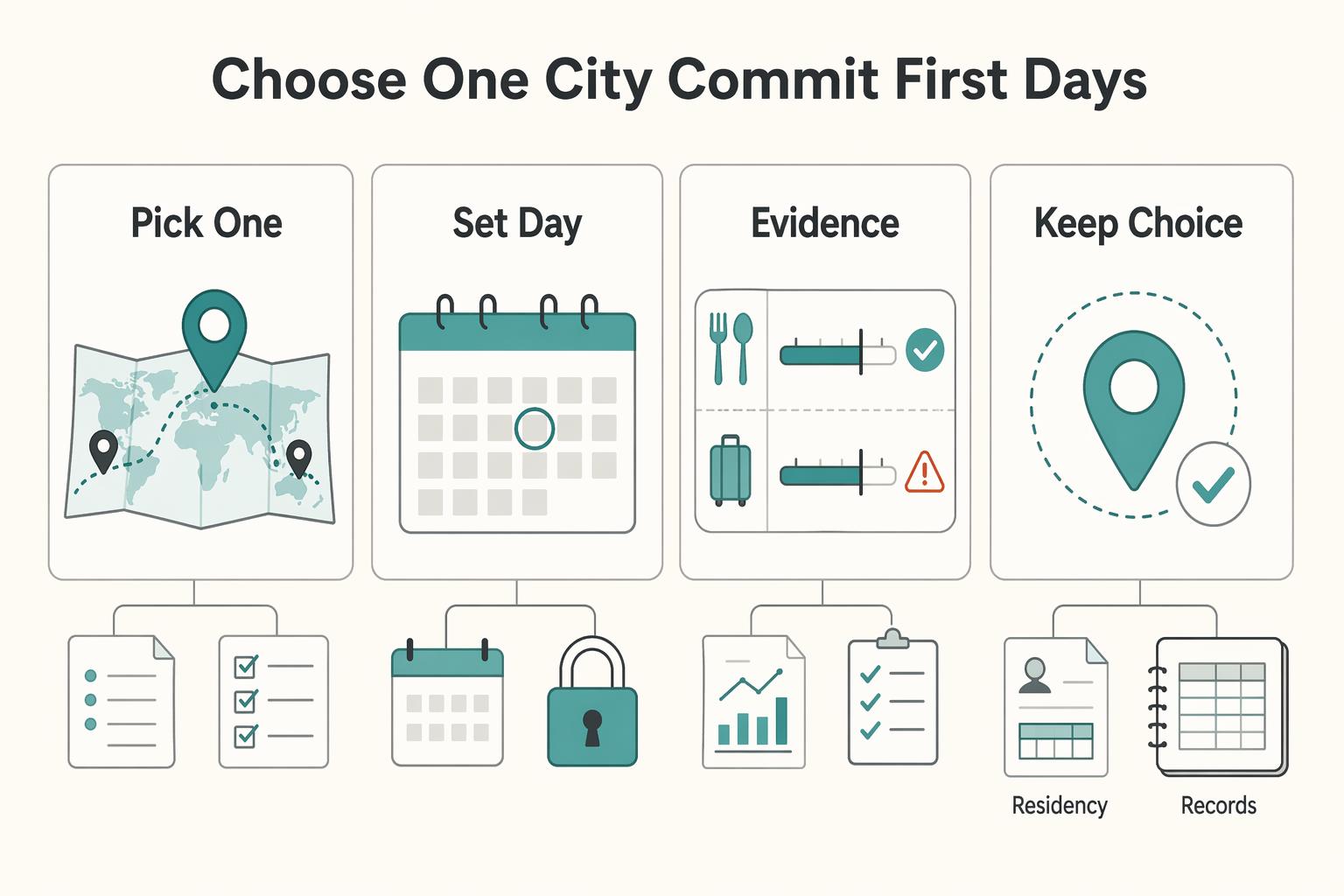
Pick one city in one sitting, then move to your own practical checklist before booking. If your default style is slower city immersion, compare your choice against [Best Digital Nomad Cities for Slow Travel](/blog/best-digital-nomad-cities-for-slow-travel). The goal here is food-focused city selection, not a definitive relocation plan.

The Freelance Payment Penalty: A Modeled Audit of Platform Fees, FX Spreads, and Payout Delays
The money rarely disappears through a single, easy-to-spot fee. The real loss is stacked. A marketplace takes its commission, a processor adds a charge for international cards, a bank or payment company converts the currency at a spread, a platform holds the funds before release, and a wire sheds a little to intermediaries on the way in. Each layer looks defensible on its own, but the worker feels the combined result as a smaller deposit and a later payday.
How to Respond to a Subpoena for Business Records
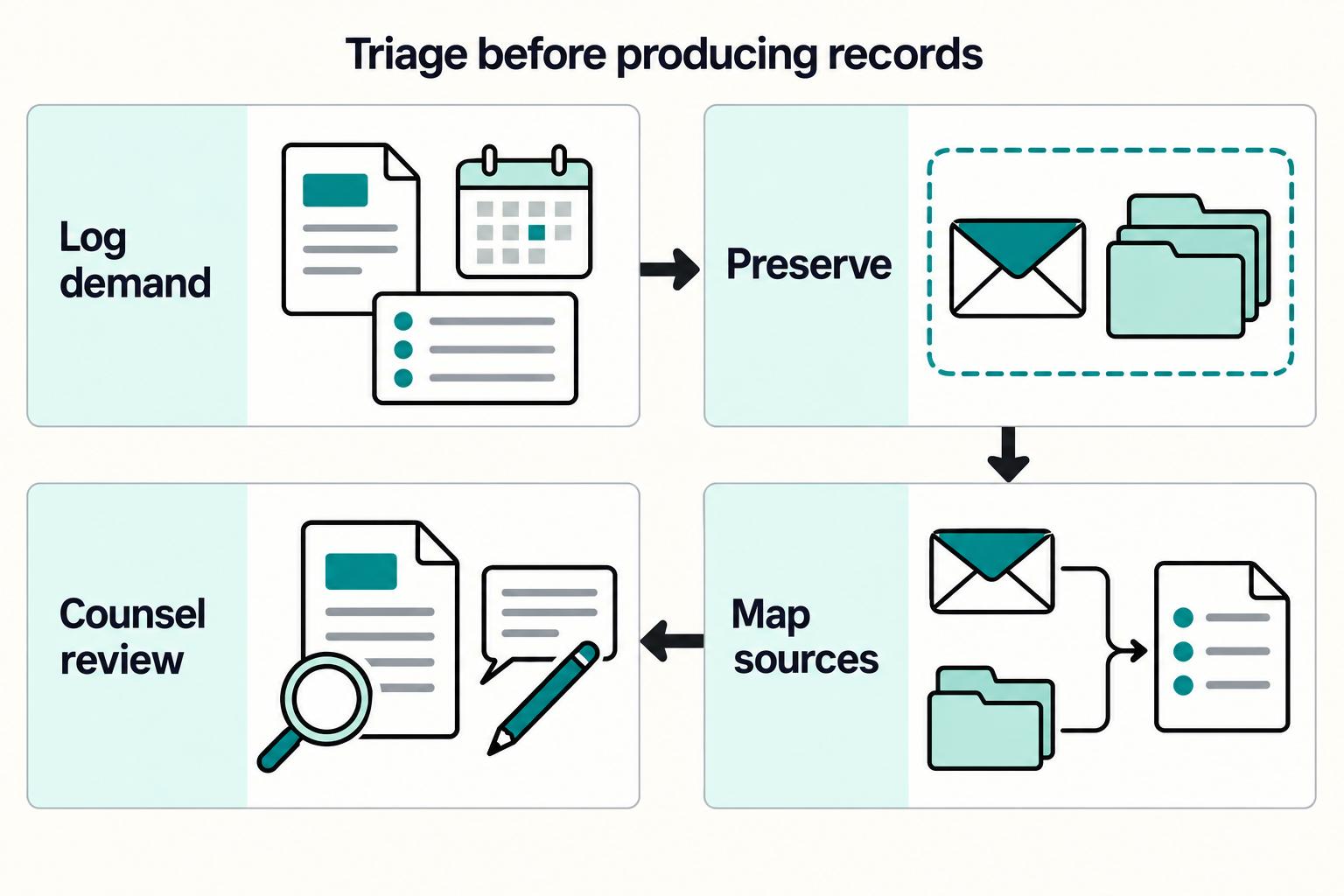
Move fast, but do not produce records on instinct. If you need to **respond to a subpoena for business records**, your immediate job is to control deadlines, preserve records, and make any later production defensible.