
Operator playbooks for cross-border payments, tax, and compliance execution.
Step-by-step guidance for finance, product, and ops teams to launch faster, reduce payout friction, and keep reconciliation clean across borders.

Custodial Accounts for U.S. Expats: UTMA/UGMA, FBAR, and 529 vs. Trust
Standard financial advice on custodial accounts is a compliance trap for the global professional. Guides written for a domestic audience - with a U.S. address and a financial life contained within 50 states - are not just incomplete for you; they are a direct threat to your financial autonomy. They fail to warn you that many U.S. brokerages may refuse to open an account for a client with a foreign address, or worse, freeze your assets if they discover you've moved abroad. They omit the most critical compliance tripwire of all: the Report of Foreign Bank and Financial Accounts (FBAR).
Read more →
How to Choose a Beneficiary for Your Life Insurance and Retirement Accounts
Treat beneficiary planning as risk control, not form-filling. If a designation is outdated, missing, or invalid, transfers can be delayed, handled under plan defaults, or, for some assets, routed through probate.
Read more →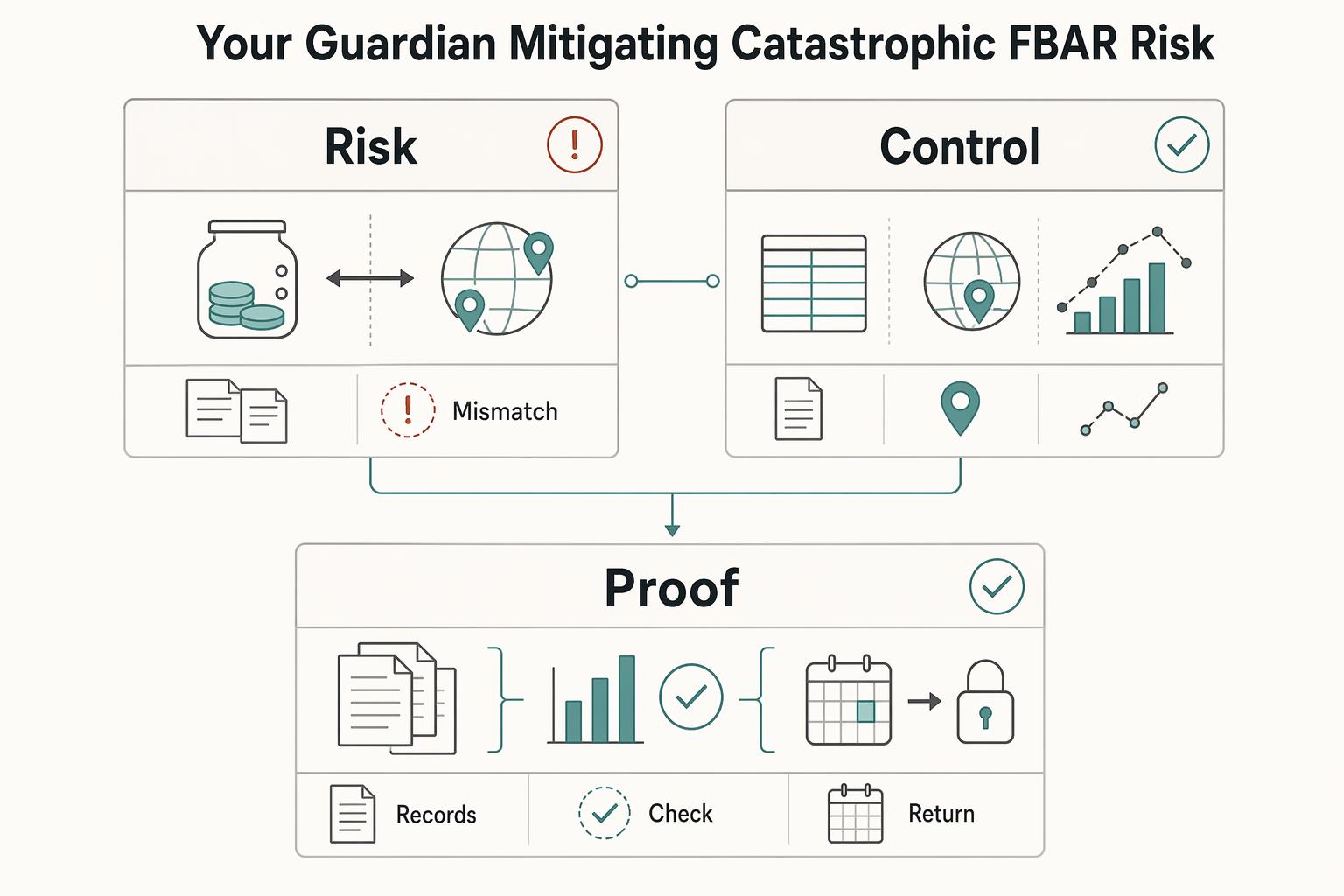
Using Wise 'Jars' to Automatically Set Aside Tax Money for Multiple Jurisdictions
If you work across borders, a fixed "set aside 30%" rule can be too blunt to manage tax risk well. Before you move money, define four variables: your taxable base, your timing, your settlement or reporting currency, and your jurisdiction mix.
Read more →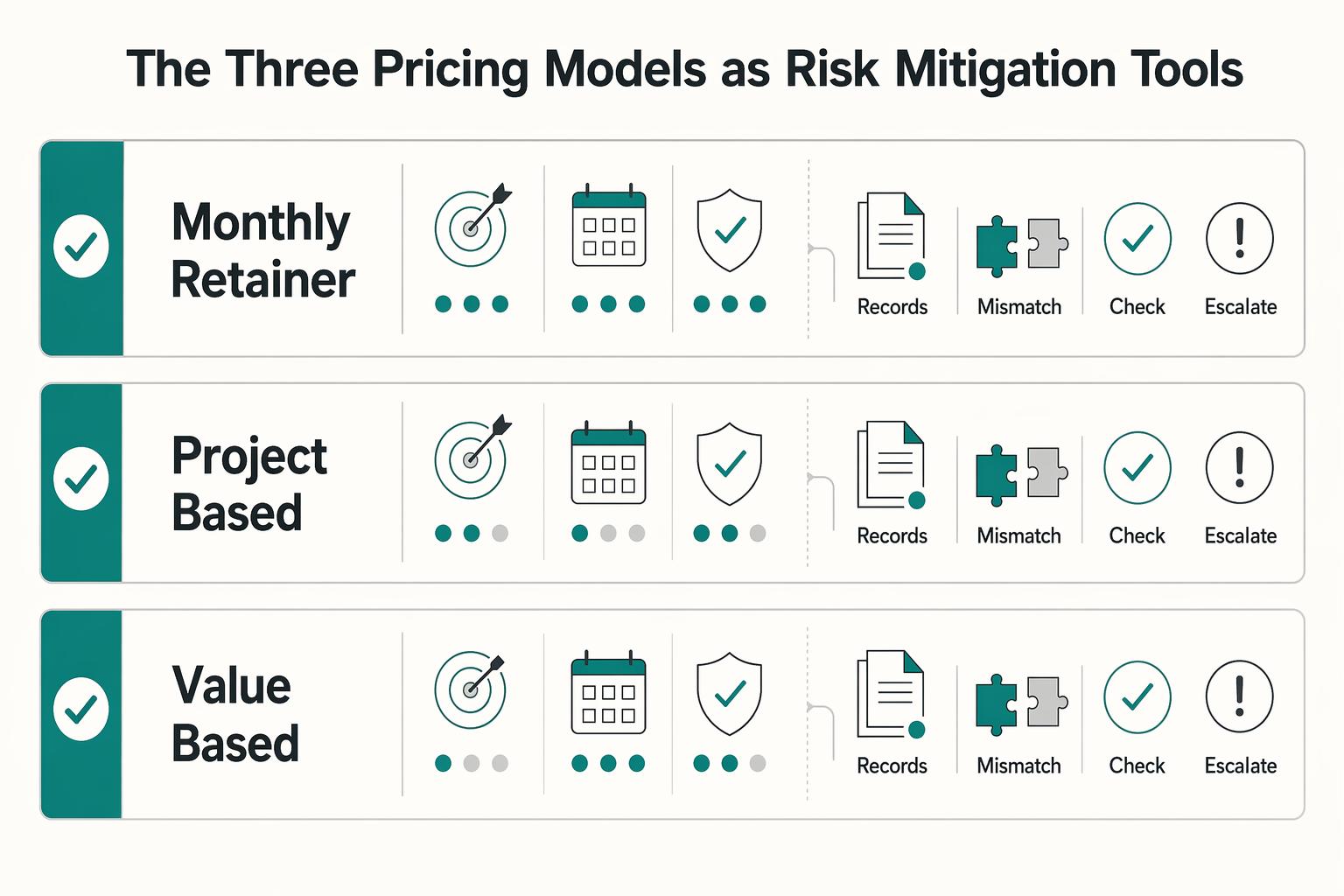
How to Price a White-Label Service for another Agency
Choosing a white-label partner is a control decision first and a buying decision second. If that partner works behind your brand, delivery reliability, client trust, and margin stability can matter more than the cheapest line item.
Read more →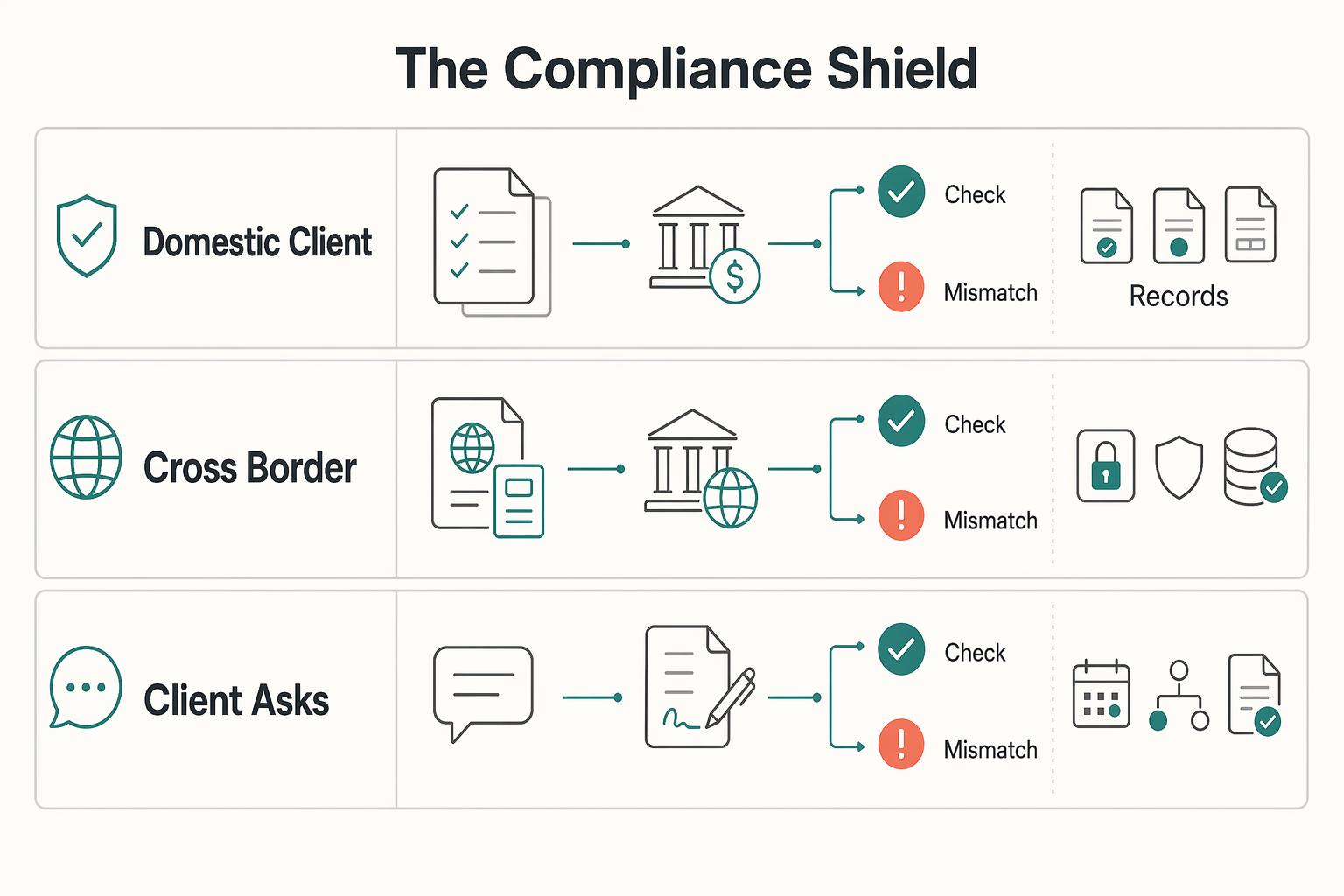
Build a Commission-Only Sales Structure Your Startup Can Run
Change your positioning before you discuss rates. If you walk into a startup conversation like a candidate for a job, you may make it easier for the client to control your day-to-day work, blur what you were hired to produce, and create more room for payment disputes when results take time. If you position yourself as a business delivering a defined sales service, you create clearer proof of value and a cleaner basis for getting paid.
Read more →
German Blue Card for Highly Skilled Workers: Eligibility, Net Pay, Tax, and Freelance Tradeoffs
Choose the Blue Card if your priority is stable, employment-based residence in Germany and you can accept an employer-linked first phase. If your priority is full client and work-model flexibility from day one, it is usually not the best first route.
Read more →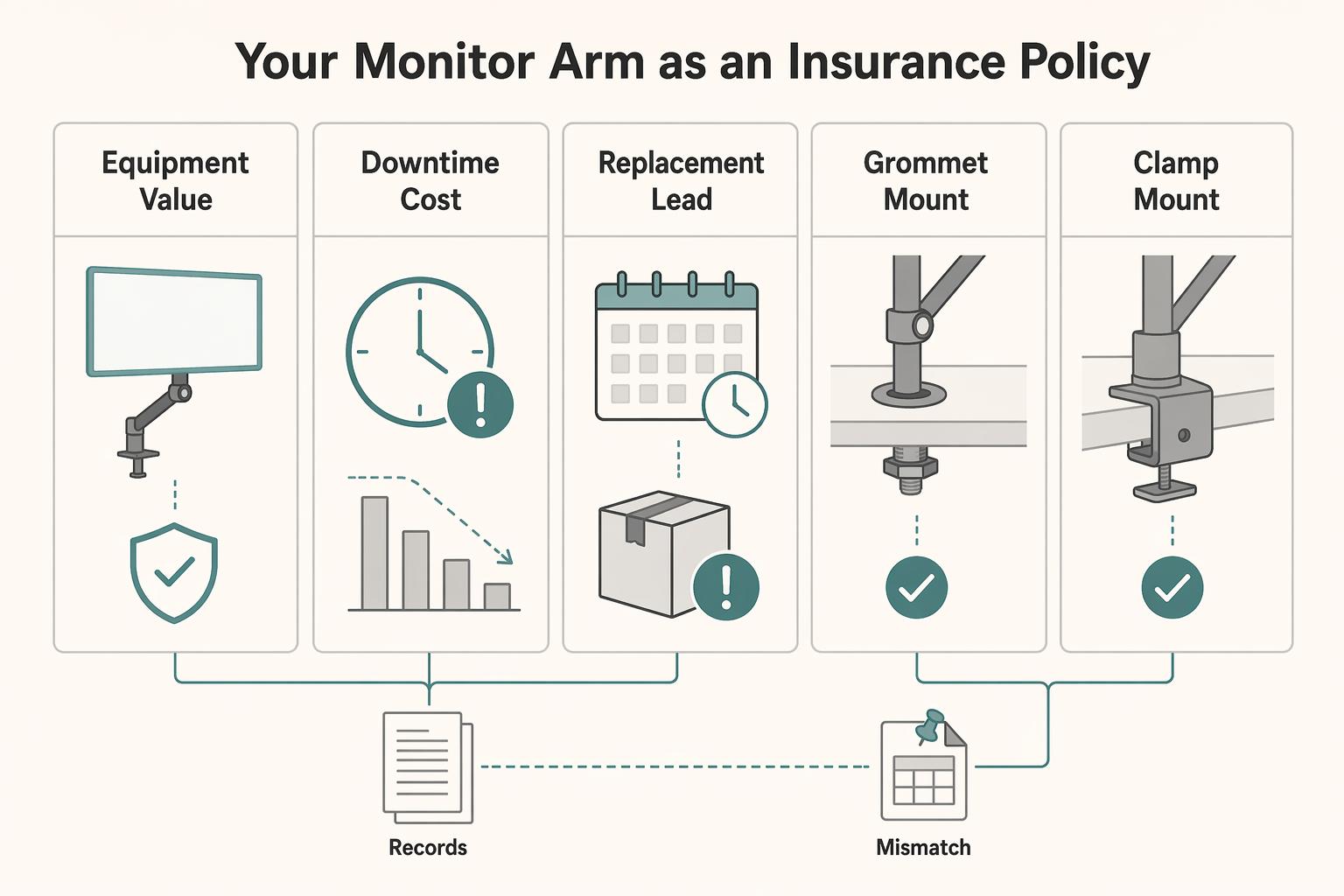
Best Monitor Arms for a Professional Home Office Setup
If you earn from your desk, treat it as business infrastructure, not decor. A monitor arm is worth judging on three things: will it protect expensive gear, help you stay focused, and keep your setup looking composed on client calls?
Read more →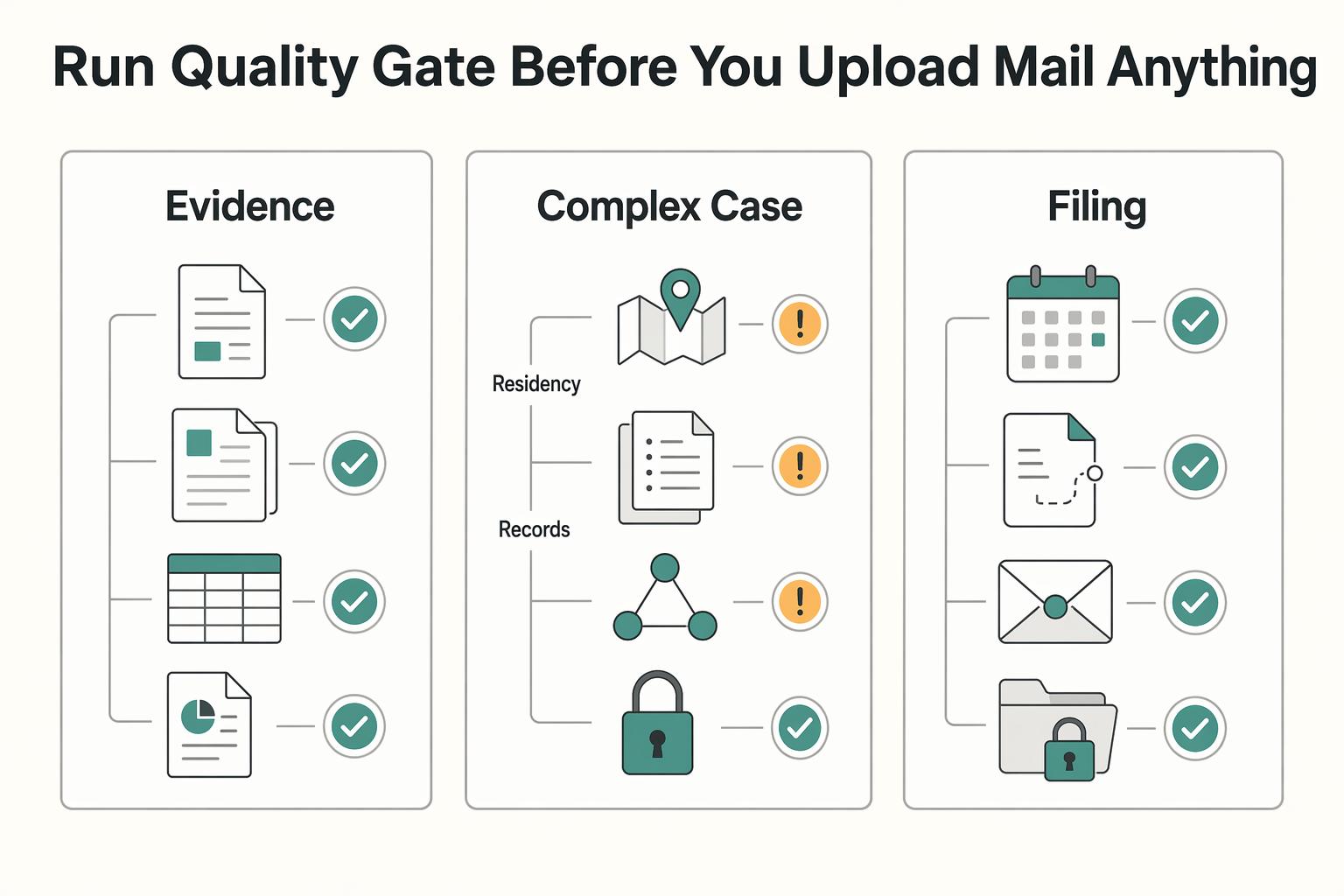
How to Obtain a Police Clearance Certificate for a Long-Stay Visa Application
A police clearance mismatch can slow your case, leave your file incomplete, or trigger rejection where document rules are strict. In U.S. workflows, police records are routine in immigrant civil-document packages but not routinely required in nonimmigrant cases. For visa use, treat the police certificate as a civil document from the exact government authority named in your destination program instructions. Do not treat it as just any criminal record printout.
Read more →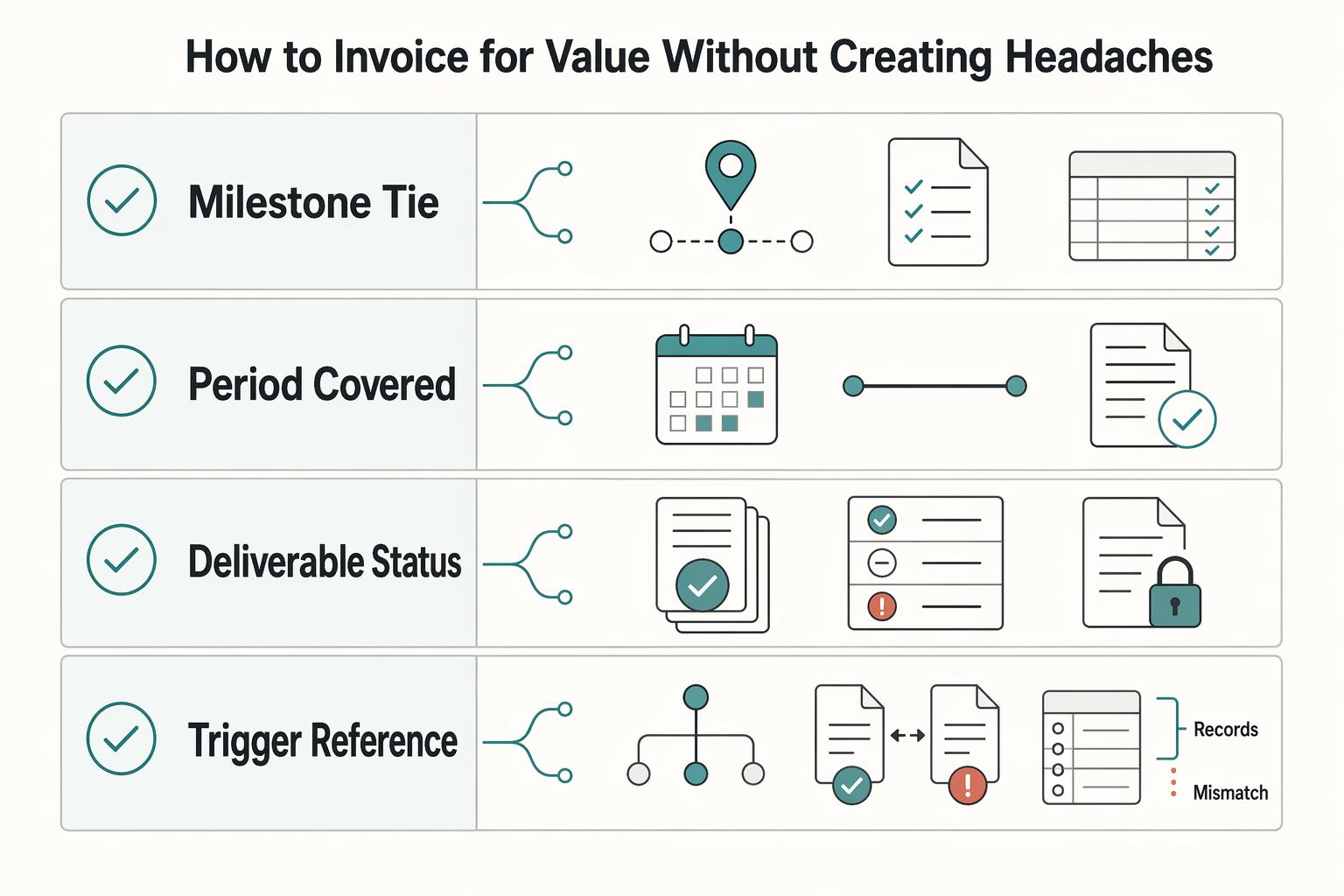
The 'Freelancer's Dilemma': Hourly vs. Value-Based Pricing
If you run a business of one, stop asking which pricing model is better in the abstract. Ask which [risk your business is taking on](https://njsba.com/wp-content/uploads/2023/07/WP-Time-vs-Value-Billing-Shifting-the-Risk2.pdf) for this project. The **hourly vs value-based pricing** debate becomes useful only when you frame it that way. Are you buying flexibility because the work is still uncertain, or trading that flexibility for a more predictable fee tied to a defined result?
Read more →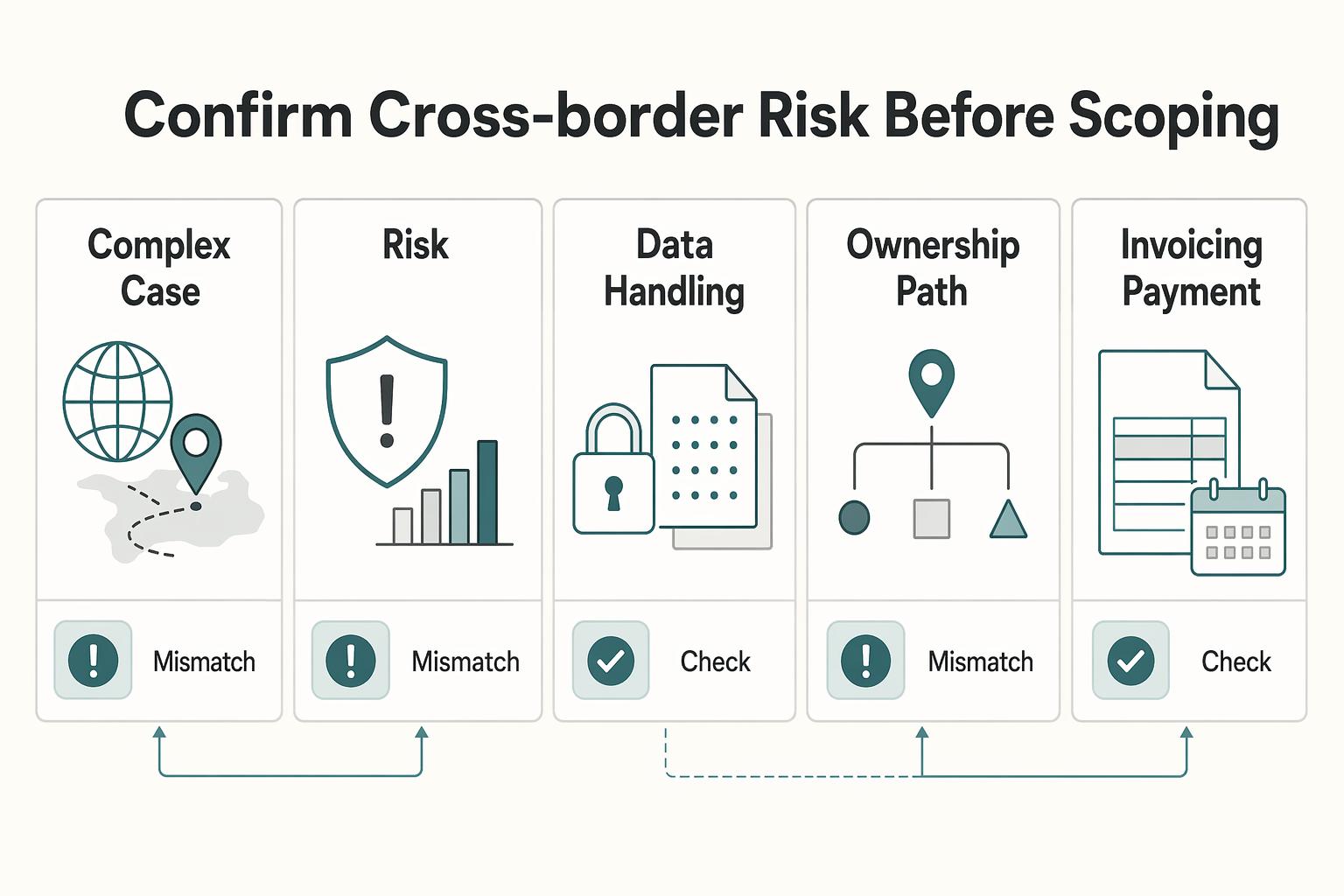
How to apply Never Split the Difference to your freelance negotiations
Most freelance negotiations go off track before anyone talks about price. The real work starts in the first conversation, when you figure out whether the client can actually buy, pay, classify, brief, and legally receive your work. Miss those basics, and the project can unravel later over approvals, payment, legal terms, or scope drift.
Read more →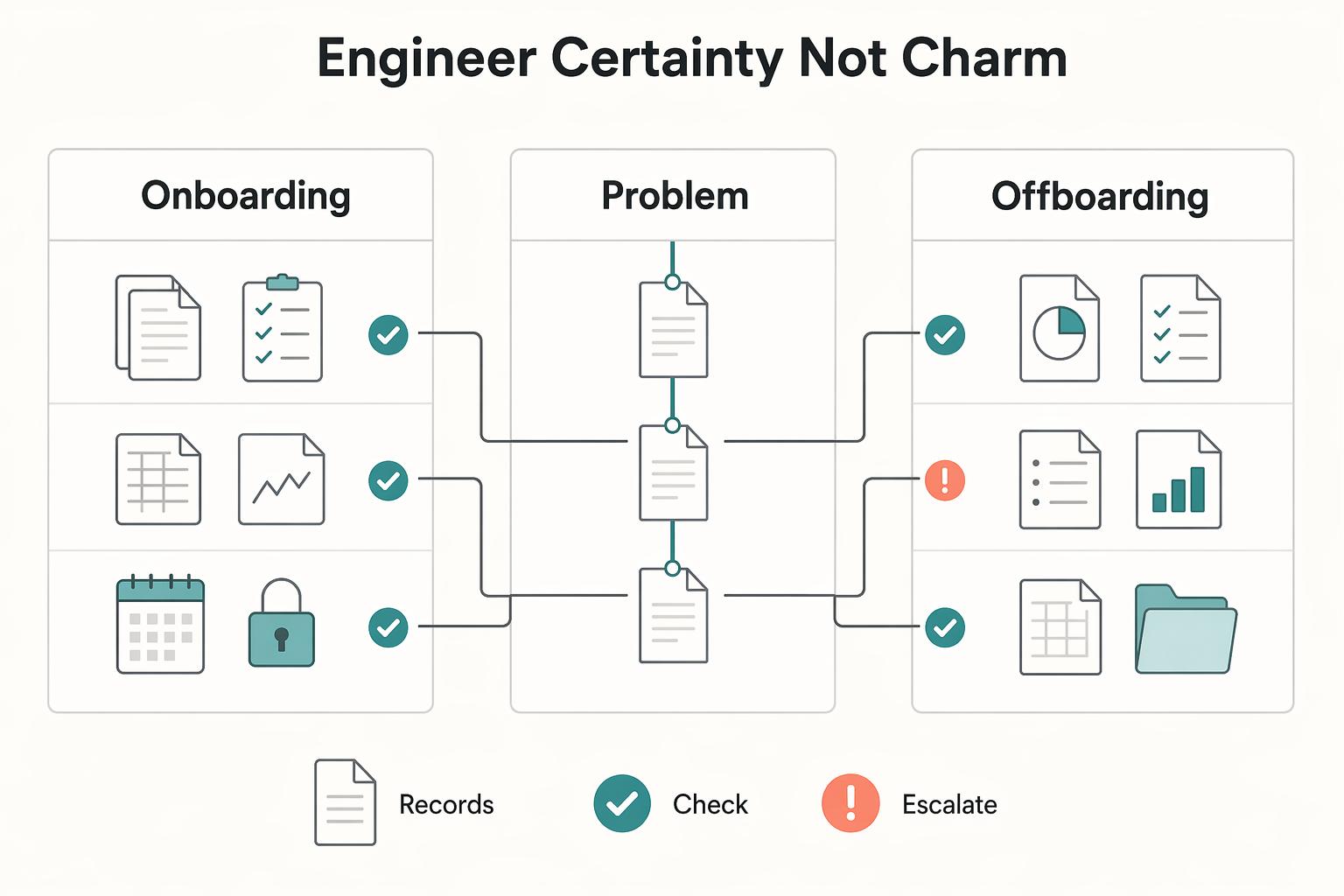
Using the Peak-End Rule to Create a Memorable Client Experience
If you do higher-stakes client work, delight is usually not the job. Clients are not mainly judging you on charm, surprise gifts, or a polished personality. They are judging whether you make the work feel clear, controllable, and low-drama when the stakes are real.
Read more →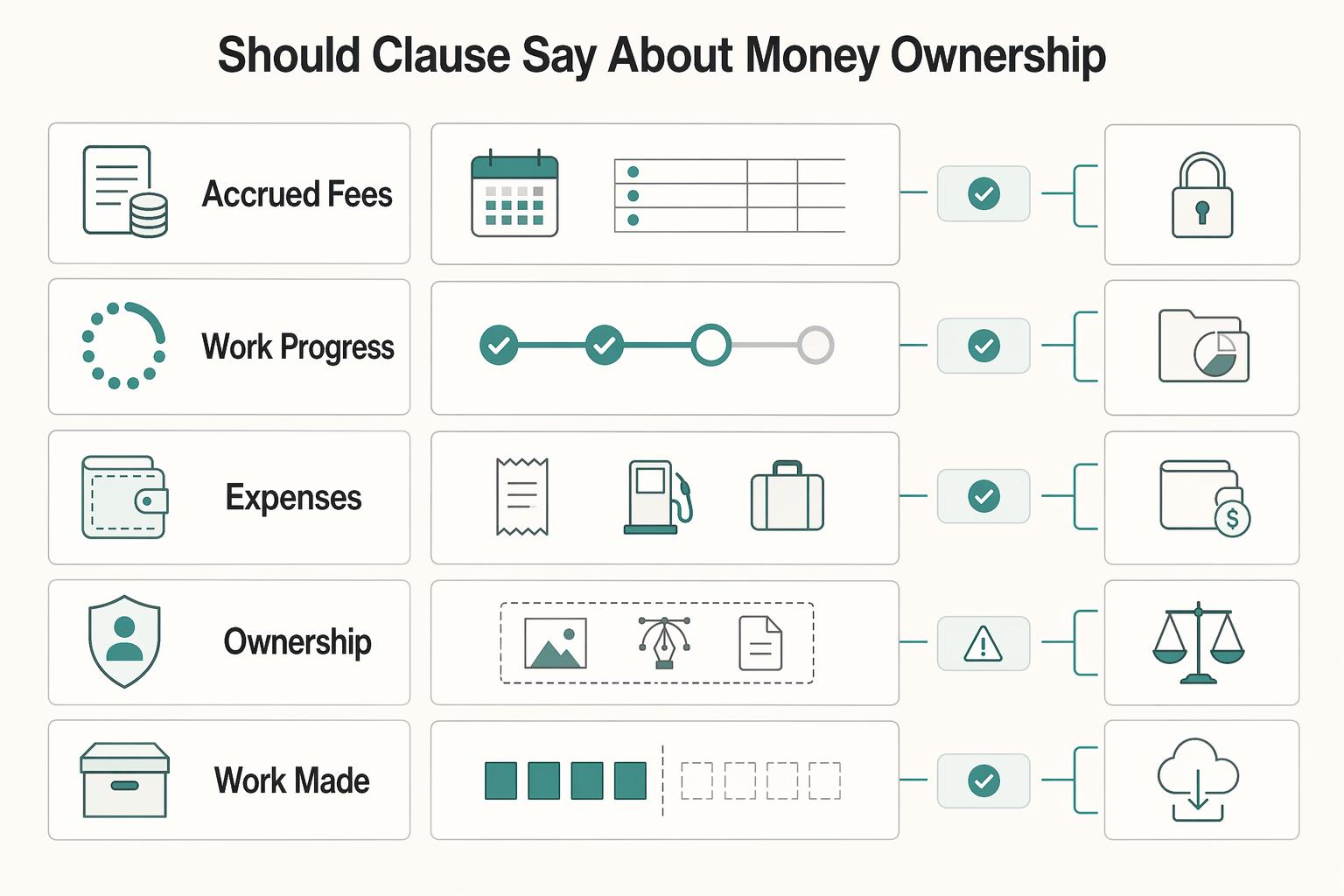
Do Freelancers Need a Force Majeure Clause in Client Contracts?
If you do cross-border client work, this clause is not filler. It is a risk-control tool for moments when an extraordinary event directly prevents performance. Whether it works depends on your wording and the governing law in the contract.
Read more →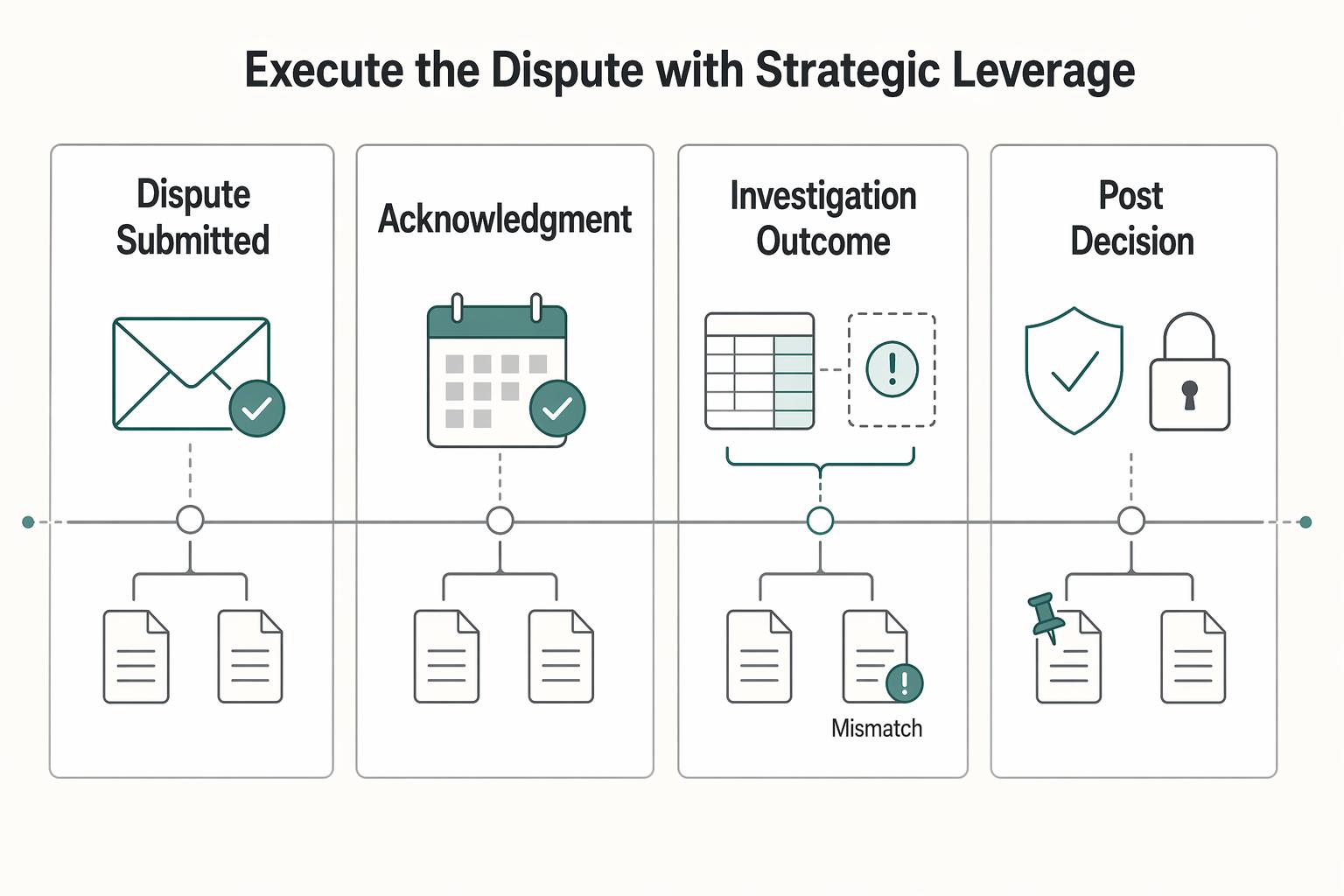
Fair Credit Billing Act: How to Dispute Billing Errors
If you run a solo service business, start with the right filter: use the **fair credit billing act** track for credit card account billing errors, not for every payment dispute that feels unfair. Pull the statement line first, match it to the invoice or subscription record, and decide whether you have a billing-error problem or a service complaint.
Read more →
The Best Smart Home Devices for an Airbnb
The **best smart home devices for airbnb** are the ones that give you reliable control. Novelty is not the point. Access, climate, alerts, and guest handoffs should work without constant manual fixes. If you are still bouncing between apps, texting door codes by hand, or hoping each handoff goes smoothly, you may not have an operating setup yet. You may have a pile of gadgets.
Read more →
How to Get a PAN Card as a Foreign National in India
Like any well-managed project, our framework begins not with paperwork, but with a strategic brief. The goal is to move from a reactive state of uncertainty to a proactive position of control by identifying precisely *when* obtaining a Permanent Account Number (PAN) shifts from a "nice-to-have" to a business necessity. Getting this right prevents future payment delays and compliance headaches, transforming the process from a bureaucratic task into a strategic action.
Read more →
How to Pay Estimated Taxes for an LLC
--- For a solo operator with global income, autonomy also means controlling your finances. U.S. estimated taxes are where that control often slips. When income is uneven, paid by multiple clients, and sometimes arrives in different currencies, tax compliance can feel reactive instead of managed.
Read more →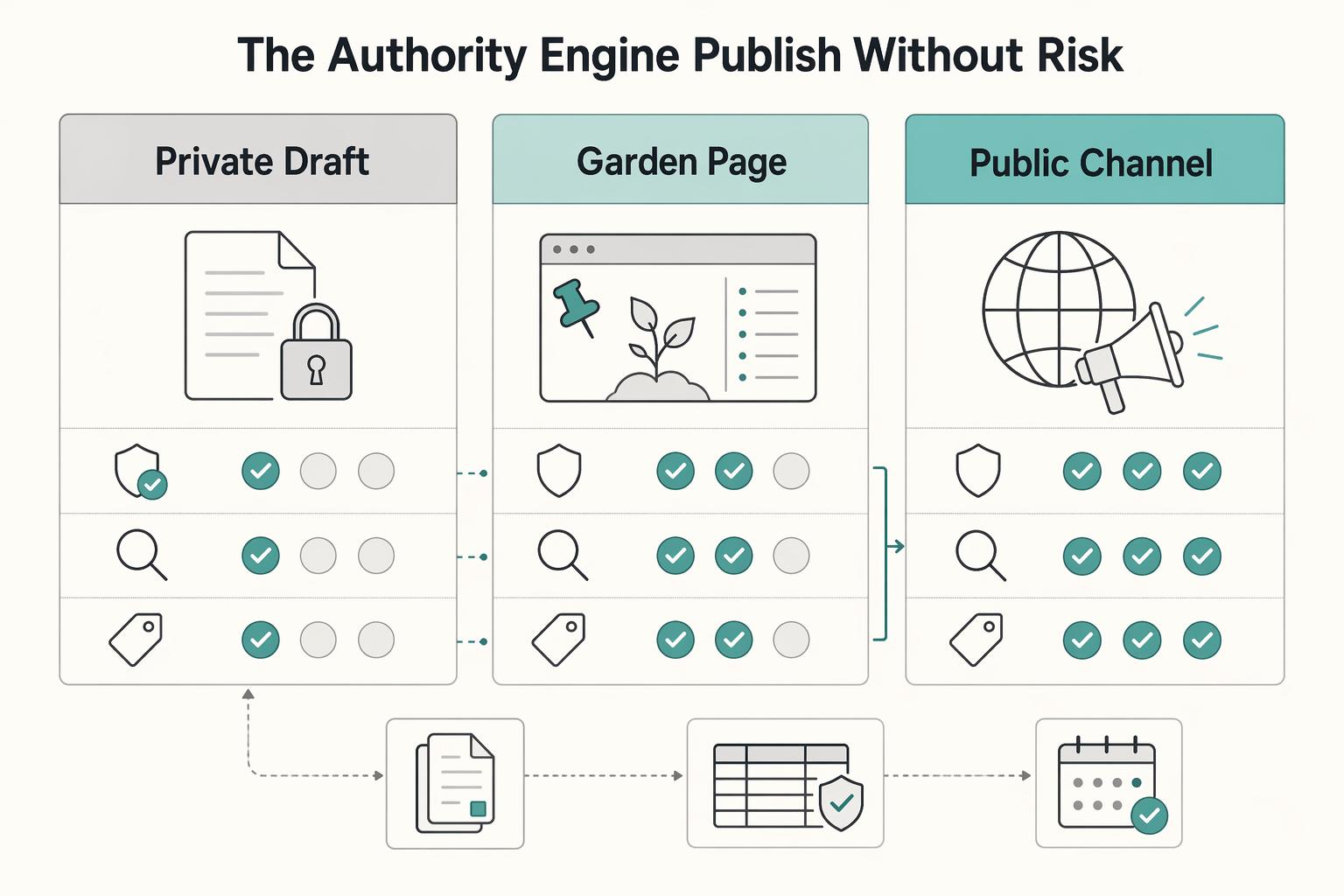
The Digital Garden Blueprint for Turning Notes Into Revenue
Your notes can become a business asset, but only if you treat them like one. The shift is not about buying new software. It is about deciding that the knowledge you already produce in client work, research, and day-to-day problem solving deserves structure, boundaries, and a path to reuse.
Read more →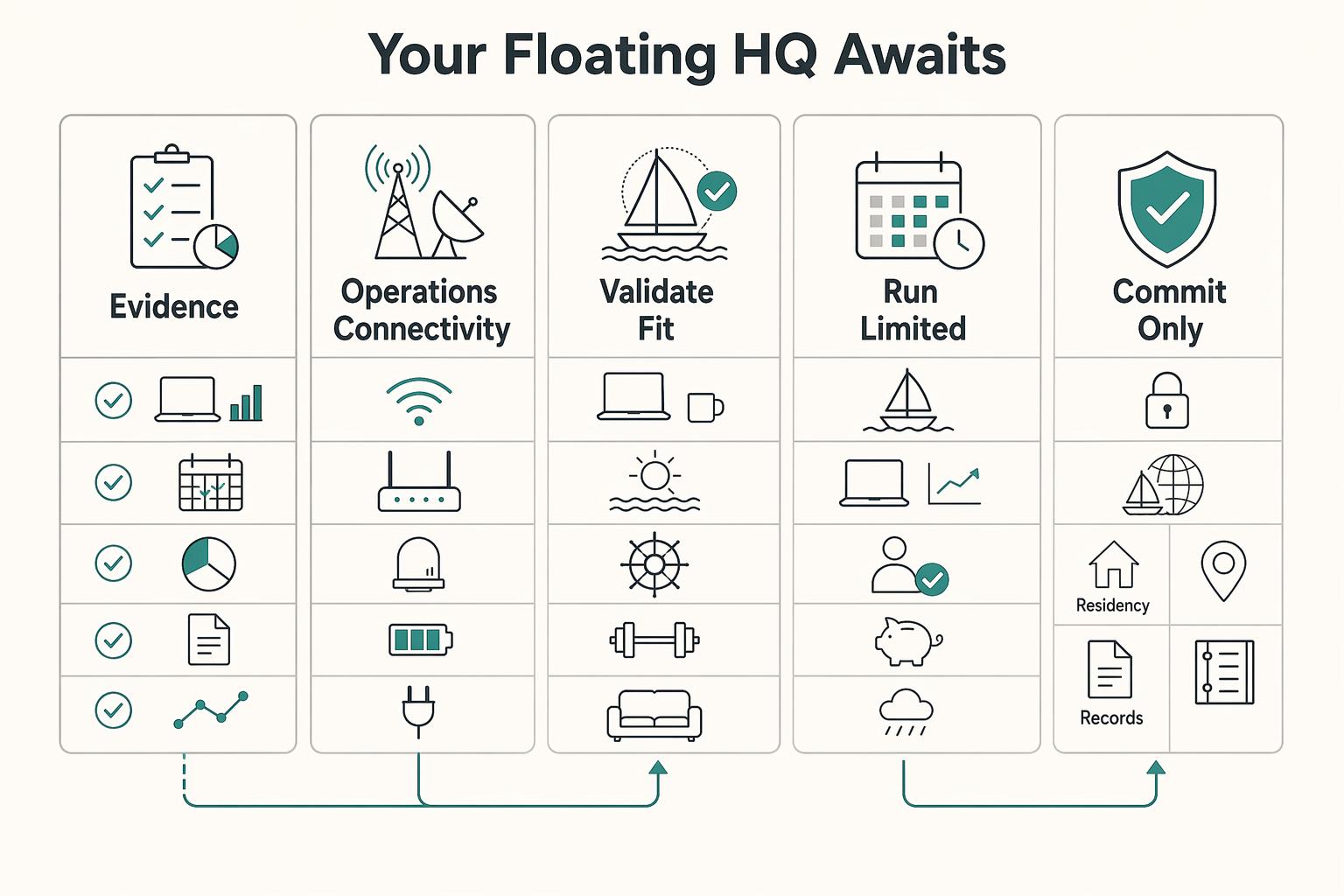
Sailing Around the World as a Digital Nomad Without Breaking Your Workflow
A floating HQ may make sense only if you treat it as an operating change, not a reward for wanting more freedom. You are not just changing where you work. You are taking on more of the continuity burden yourself, with more autonomy on one side and more logistics and disruption exposure on the other.
Read more →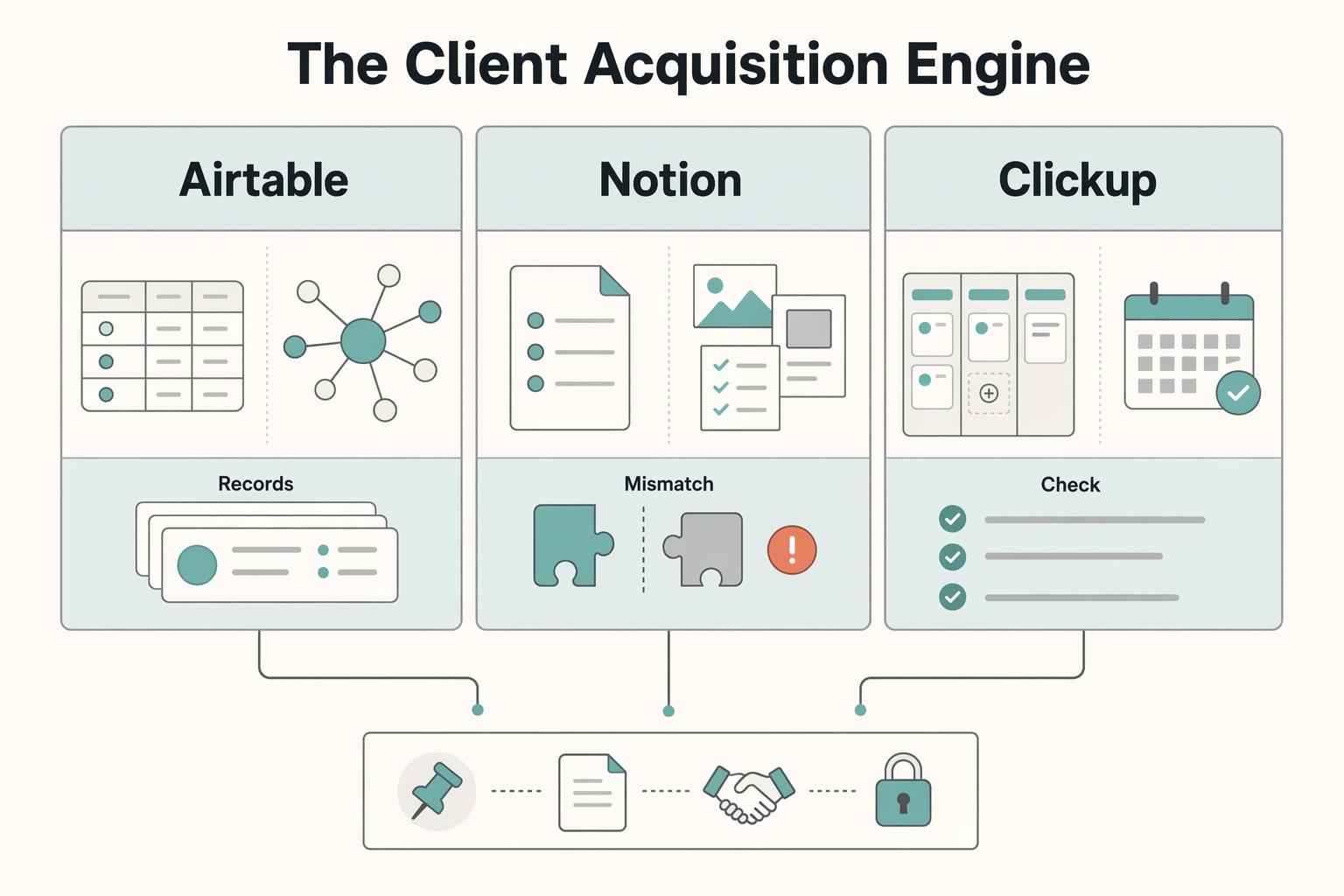
Airtable vs Notion vs ClickUp for Freelancers Building a Reliable Stack
Airtable, Notion, and ClickUp solve different operating problems. Airtable is strongest when clients, contacts, projects, and deliverables need to stay linked. Notion fits doc-led selling and delivery. ClickUp works best when assigned follow-up and visible stage control matter most.
Read more →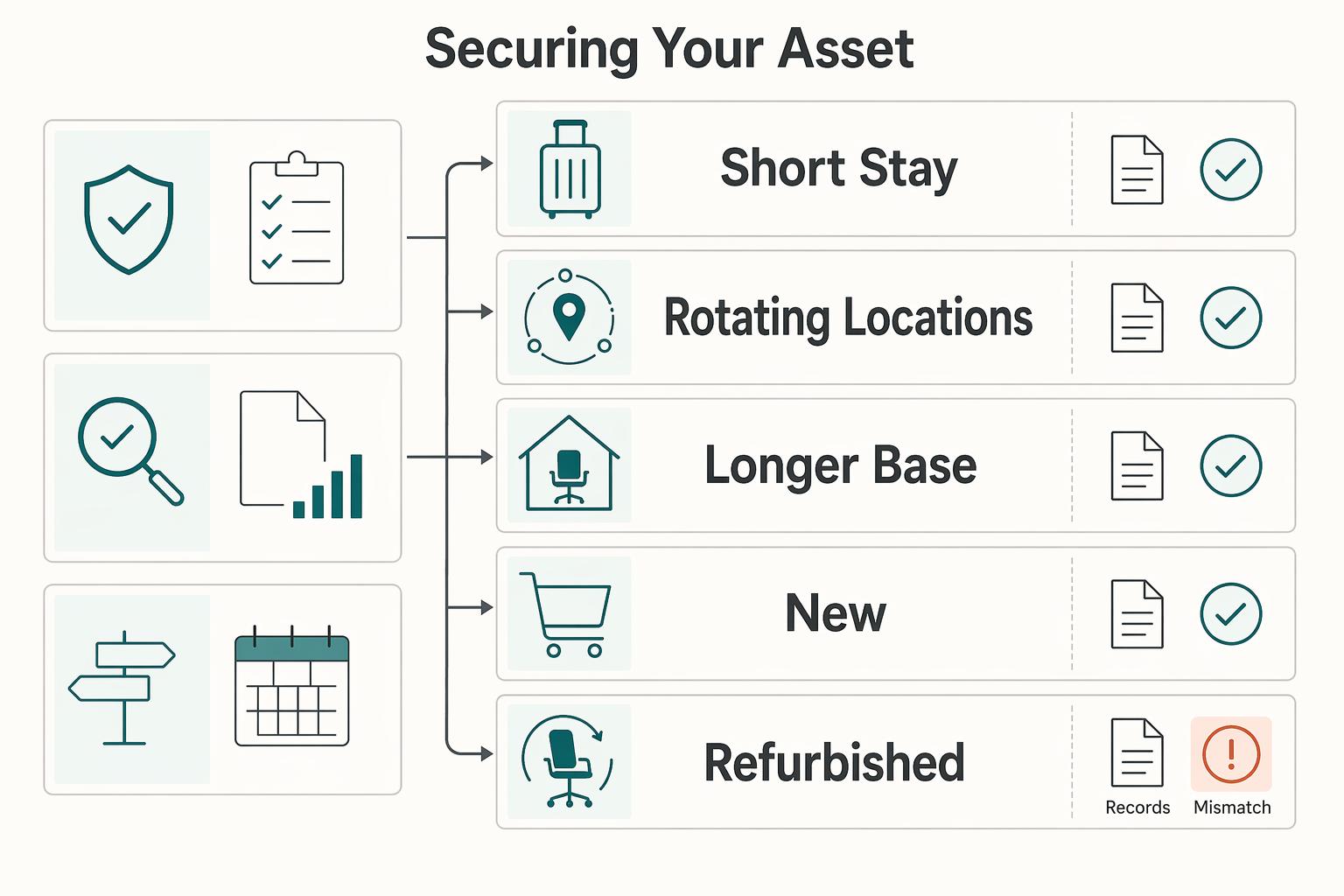
The Best Desk Chairs for Long Hours of Work
For a Business-of-One, your capacity for deep, focused work is a revenue asset. Every tool you buy should either protect that capacity or increase it. The chair you spend thousands of hours in each year usually gets treated as an afterthought, and that is a business mistake.
Read more →