
Operator playbooks for cross-border payments, tax, and compliance execution.
Step-by-step guidance for finance, product, and ops teams to launch faster, reduce payout friction, and keep reconciliation clean across borders.

How to Track Your Schengen Days: A Practical Guide
**Use a repeatable weekly system to track Schengen days, validate your math, and protect your plan under the 90/180 rule before each border move.**
Read more →
A Guide to the Schengen 90/180 Day Rule
**Treat Schengen short-stay limits as an operating constraint, then run every movement decision through one repeatable system.** If you treat Europe travel like a chain of bookings, you create avoidable risk. Run it like operations, and you protect flexibility, reduce stress, and keep your visa compliance posture clean across the Schengen Area.
Read more →
The Best Standing Desks for a Home Office
Treat this as a durable business purchase, not a roundup-driven impulse buy. To reduce the odds of replacing a desk next year, follow a simple sequence: shortlist by how you actually work, separate directional claims from facts you can verify, then run pass/fail checks before you pay.
Read more →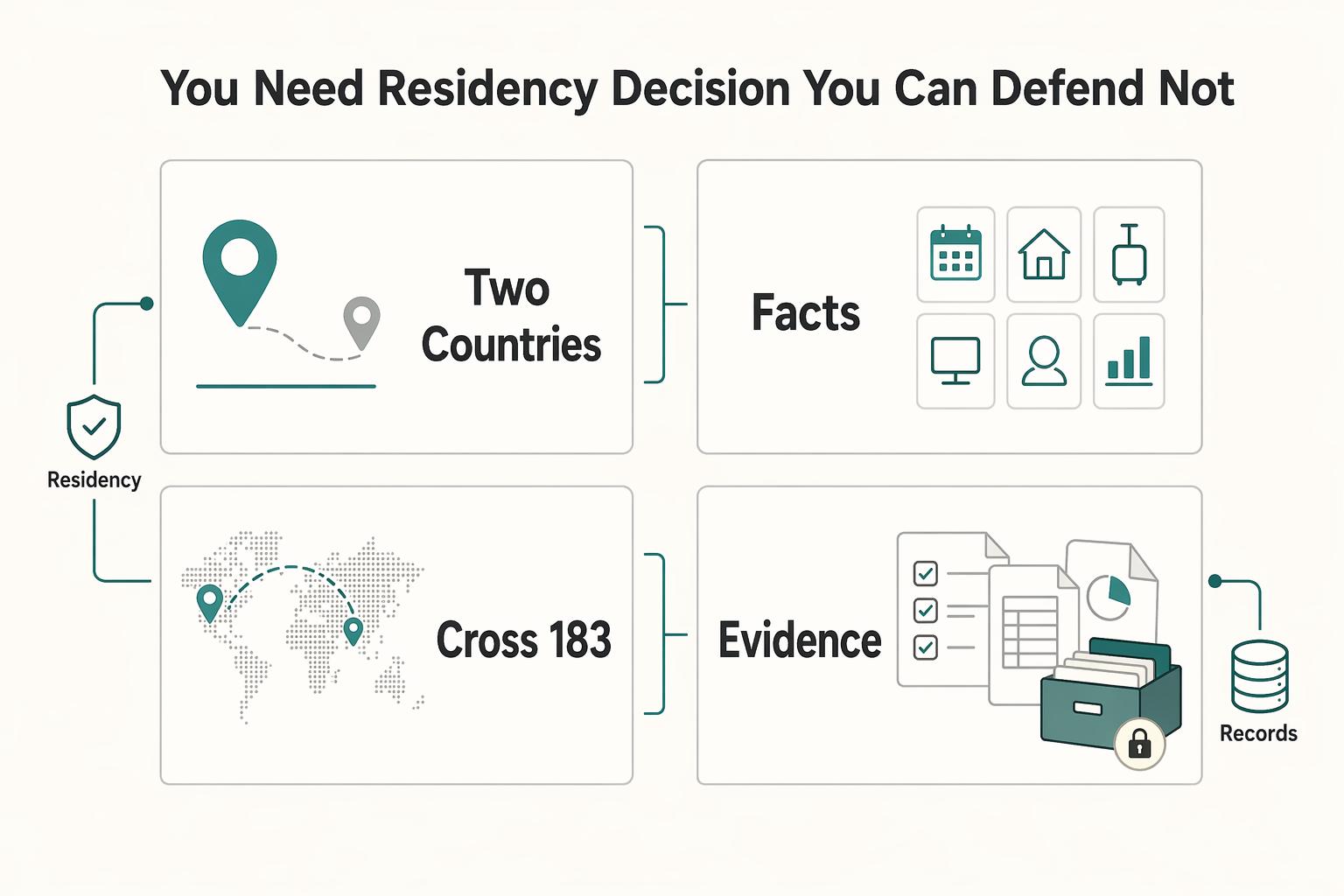
A Guide to Tax Residency in the Czech Republic for Nomads
**Use this guide to make a defensible Czech tax residency call, then back it with a simple documentation system.** If you are a freelancer in Prague or a digital nomad moving between countries, start with compliance and use safe defaults that keep your expat tax risk low. Optimize only after your residency position holds up on paper.
Read more →
How to Write an Arbitration Clause for a Freelance Contract
**Build a simple dispute playbook so both sides know what happens next. Use it when conflict starts.** When you run a solo business, you cannot absorb unpaid work, vague terms, or open-ended civil court uncertainty. You are the CEO of a business-of-one, which means your contracts need to function like systems, not wishful thinking.
Read more →
How to Overcome Financial Anxiety as a Freelancer
**This gets easier when you replace "hoping you get paid" with simple controls that make cash timing and next steps obvious.** Treat your money stress like an operations issue, not a personality flaw. You do not need more motivation. You need clearer terms, visibility, and escalation rules. As a business-of-one, your job is to make cash outcomes boringly predictable.
Read more →
A Guide to Using a Financial Planner vs. a Robo-Advisor
Make the decision that keeps your cashflow stable first, then choose the investing setup you can actually maintain. Do not start by debating portfolio optimization. Start by stress-testing the part of your finances most likely to break when you invoice clients: timing mismatches between incoming payments and outgoing obligations (rent, payroll, software, taxes).
Read more →
A Guide to Financial Therapy
**Treat money emotions as an operational risk, then install default rails that keep your invoicing and terms clean even when you feel pressure.** If invoicing feels heavier than it should, you might not be looking at an accounting problem. You might be looking at a pattern that shows up inside your ops.
Read more →
The Best Personal Finance Books Every Freelancer Should Read
If you run a business-of-one, you're not here for vibes; you're here for a repeatable system you can run.
Read more →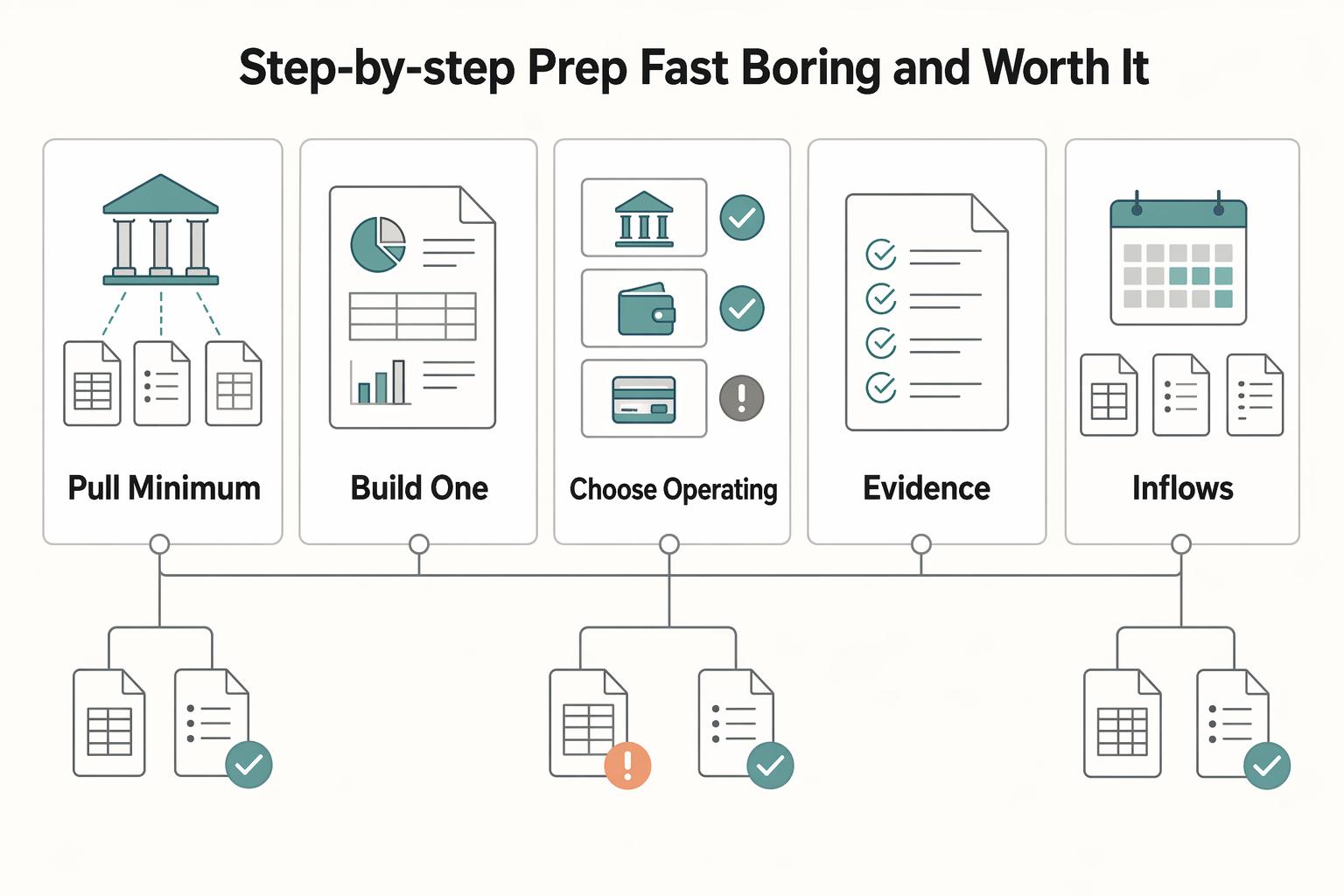
How to Automate Your Personal Finances
Build a risk-first financial system that handles timing uncertainty first, then automates the rest. If you want to automate personal finances, the real upgrade is moving from "try harder" habits to a system that keeps working when real life gets messy. If you run a business-of-one, you want rules, triggers, and checks that still hold up when money shows up later than expected.
Read more →
A Guide to Taking a Mini-Retirement
**Take your mini-retirement only after you install controls that keep cash collection and client expectations predictable while you go offline.** You do not need more "follow your dreams" energy. You need mechanics that still work when payments slip, processes slow down, or a client situation gets messy and you cannot jump on a call to smooth it over.
Read more →
How to Create a Financial Plan for a Sabbatical
**Treat your sabbatical like an operating decision you can fund and defend, not a mood you can manifest.** As the CEO of a business-of-one, you do not get to outsource coverage, timing, or follow-through. Start from zero assumptions (no "someone will cover me"). Build a plan that survives late payments, uneven income, and real-world friction so the rest stays mechanical, not emotional.
Read more →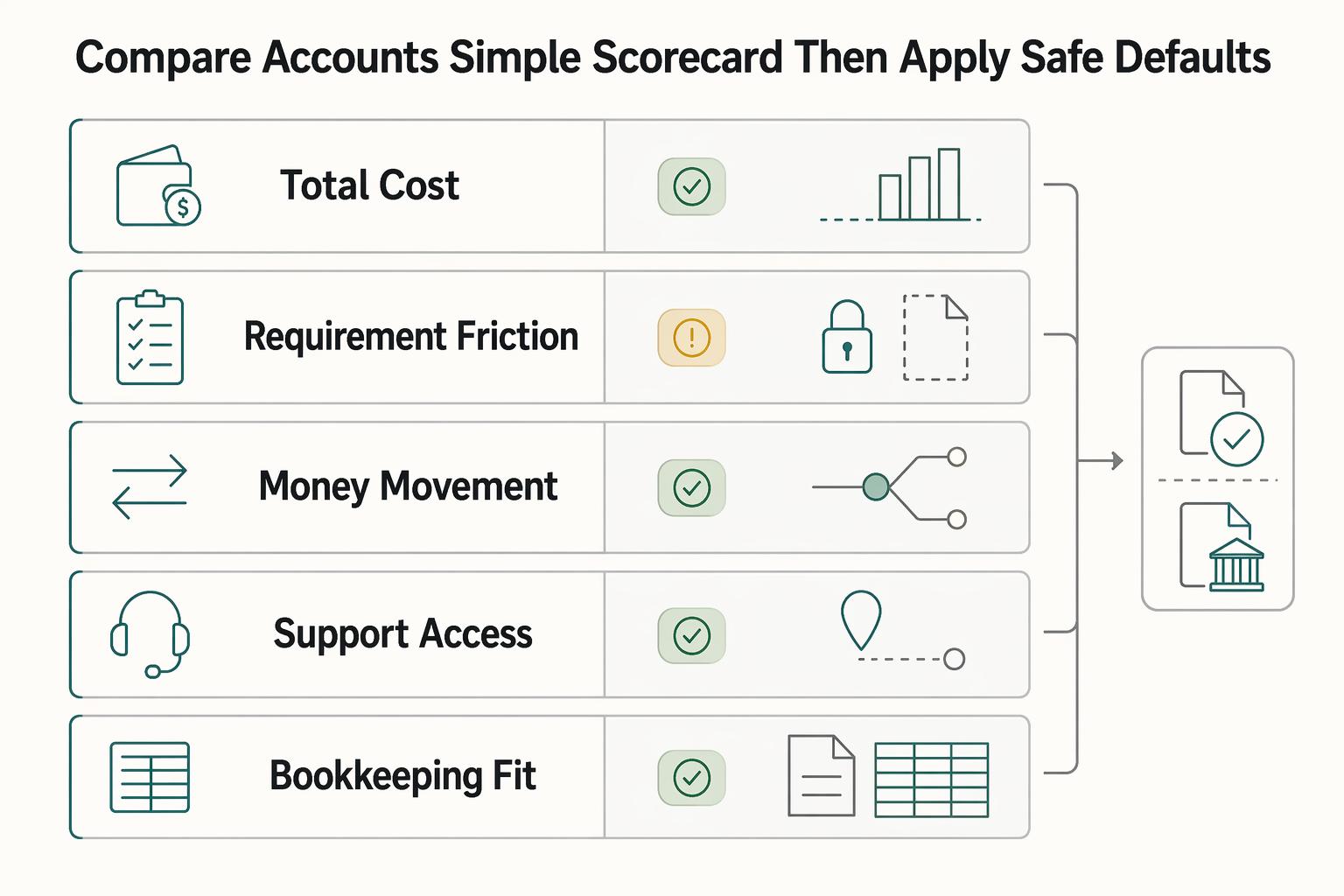
The Best High-Interest Checking Accounts for Freelancers
Stop optimizing for the highest advertised rate. Optimize for net yield plus predictable money movement, because that is what keeps your freelance cashflow stable. If you run a business-of-one, treat checking like your cashflow control panel, not an investment product. Once checking becomes a system, you can choose a setup that survives late invoices, odd payout timing, and vendor auto-bills. Then interest becomes a bonus instead of a trap.
Read more →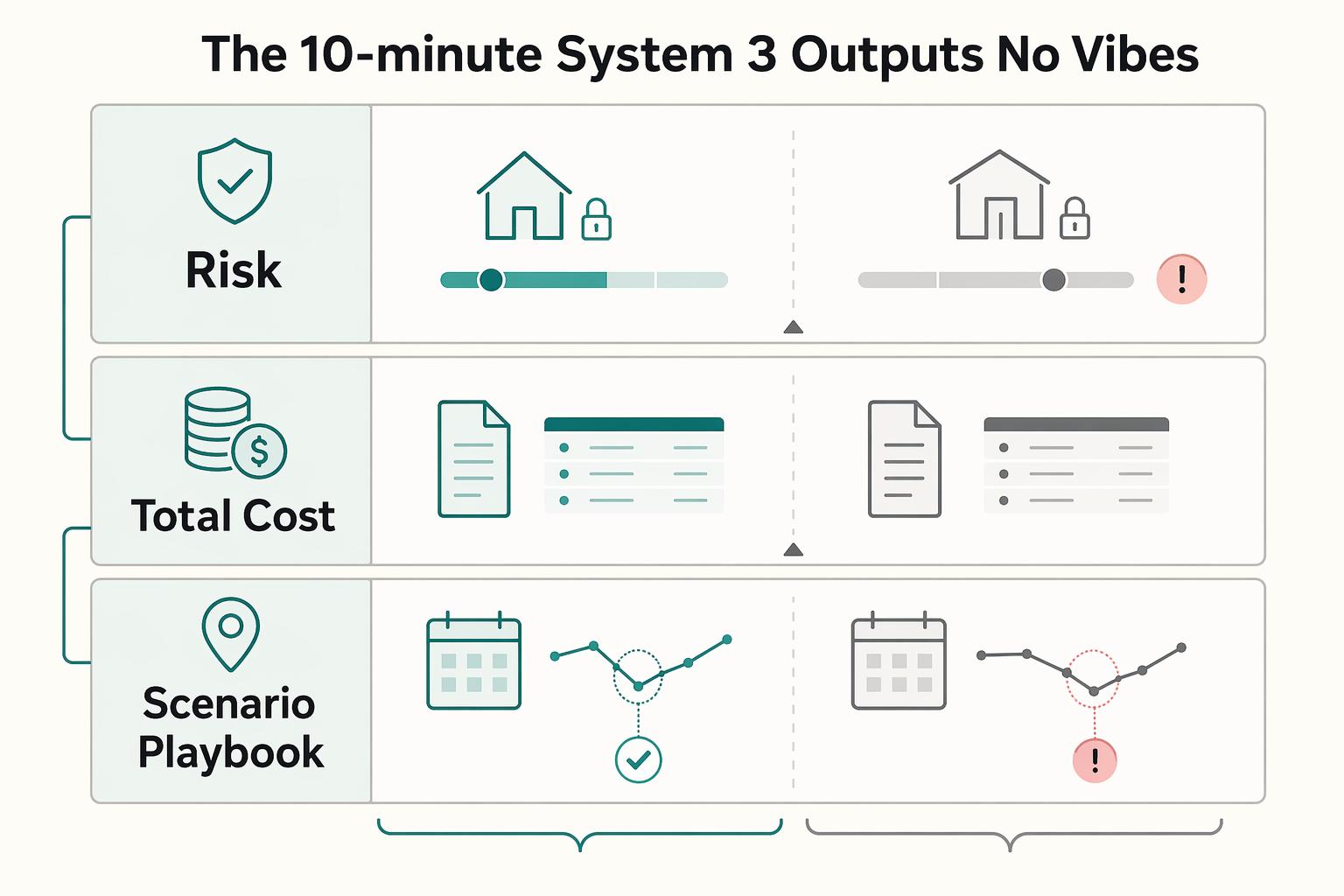
A Guide to Renting vs. Buying a Home for Nomads
Treat this as a cashflow-posture decision first and a lifestyle decision second. Do not start with neighborhoods, aesthetics, or "settling down." Start with the operator questions that keep your business-of-one alive: how much liquidity you lock up, how fast you can exit, and what happens when a client pays late.
Read more →
A Guide to 529 Plans for US Expats
**Run a risk-first workflow that protects liquidity, clarifies control, and prices in tax uncertainty before you fund a 529 account.** The goal is simple: choose a safe default you can defend later, and avoid "helpful" moves that create admin chaos when your situation changes.
Read more →
How to Build Credit as a Freelancer
To build credit as a freelancer, stop relying on motivation and start running a simple, repeatable system that still works when income is uneven. You run a business-of-one, and credit is part of your operating model, not a personality test. If you've ever blamed your "money habits," you probably just lacked a workflow that turns irregular cashflow into consistent credit behavior. Start thinking like an operator: controls first, then tools.
Read more →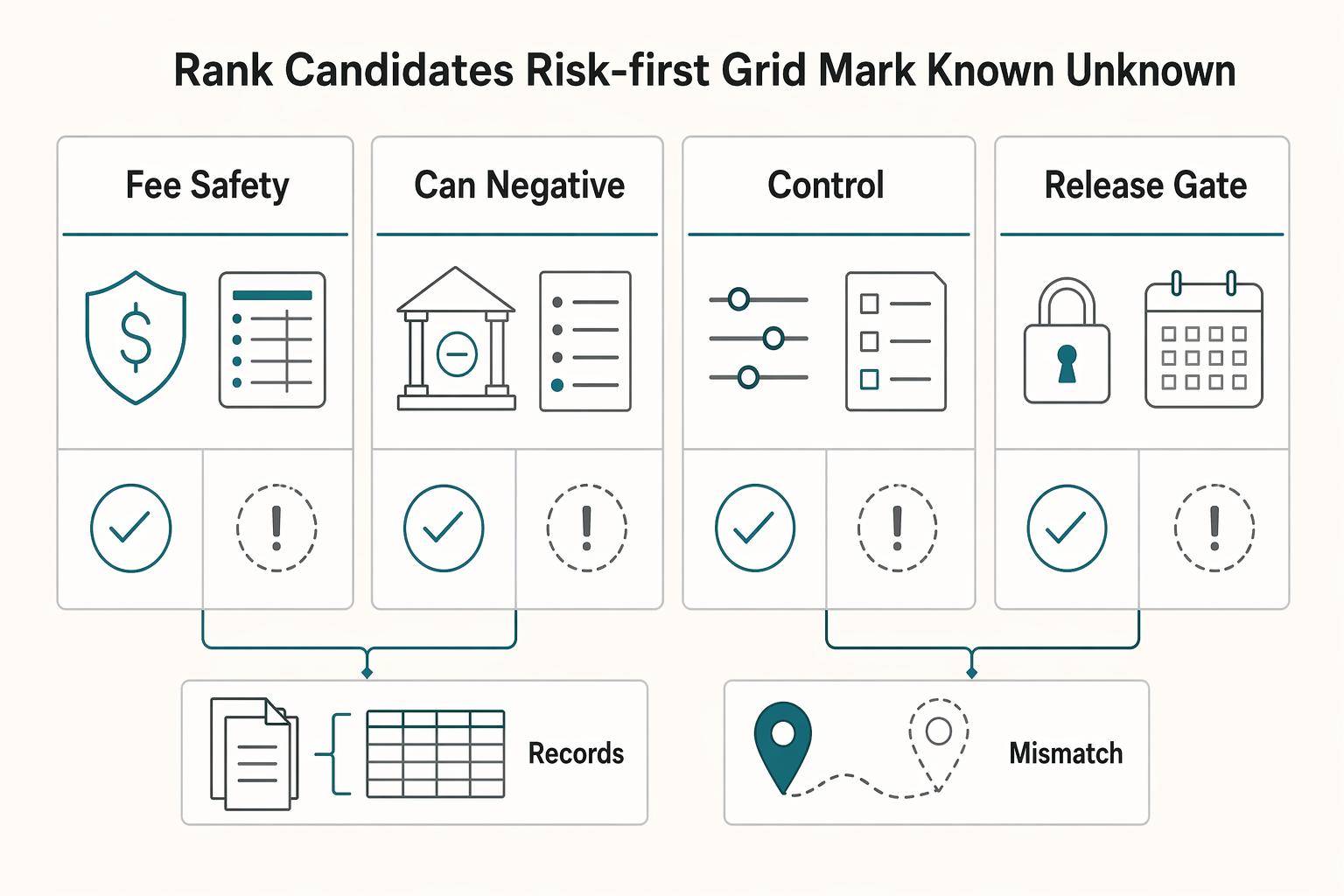
The Best Bank Accounts for Kids and Teens
**Design a controlled money workflow first, then pick the product whose official terms match it.** You are not shopping for a shiny "best kids account." You are building a predictable system where money flows in, spending stays bounded, savings stays protected, and you can review activity without turning it into a daily fight.
Read more →
A Guide to Worldschooling and Unschooling for Nomad Families
**Run your worldschooling move like an operations project so learning stays steady and your work stays reliable.** You already want the lifestyle. What you need now is execution that survives real life: deadlines, sick days, flaky WiFi, and rules that change faster than your optimism.
Read more →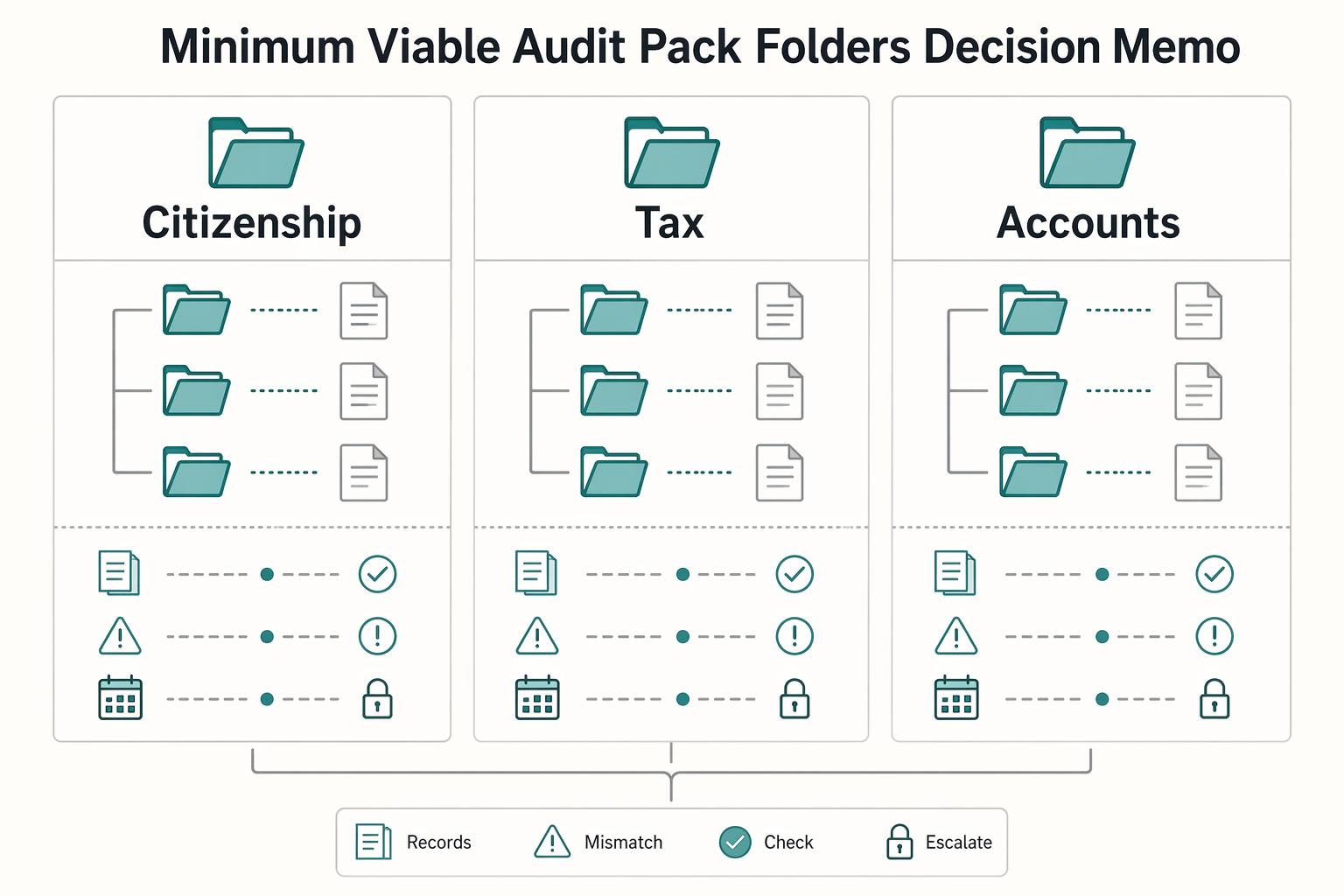
How to Handle Taxes for a US Citizen Child Born Abroad
Treat this as an operations problem. Confirm status, confirm obligations, document the trail, and escalate fast when facts get fuzzy. You are the CEO of a business-of-one, and this is a recurring compliance workflow you want to run on rails instead of rebuilding from scratch every year.
Read more →
The Best Cities for Digital Nomads with Families
**Don't pick cities on vibes alone. Compare them with a simple, verification-first framework, then confirm every "yes" with a primary source before you book anything nonrefundable.** When you're moving with kids, not just traveling, you need a process that still works when you're tired, busy, and on a deadline. The operator loop is simple: assess, verify, then execute.
Read more →