

Quick Answer
Specify covered claims, institution or ad hoc rules, seat, language, arbitrator appointment, notices, any bounded settlement step, fees and retained court roles. Align them with acceptance, payment and governing law. Confirm whether commercial, workplace or other protections apply, preserve filing deadlines, and obtain valid agreement to any amendment.
Diagnose the Dispute, Pick a Path, Then Write the Checklist#
A useful dispute clause tells both sides where to send notice, how long to try settlement, who can decide the dispute and what it may cost. Start with the acceptance and payment problem you want to resolve, then choose a process proportionate to the contract. Arbitration produces a binding decision, but it does not guarantee quick payment or remove the need for court enforcement.
The example below is a U.S. business-to-business drafting illustration, not a ready-made clause for every freelancer. Governing law, the arbitration seat, institutional rules, worker protections and enforcement location all affect the result. Confirm that the selected rules actually apply to your parties and claims before signing.
- Step 1: Diagnose the conflict before you edit your Freelance Contract.
Start by understanding where the client is coming from, because the right response depends on the kind of argument you are having. Example: a client pushes back on a milestone and says the deliverable missed the brief. Ask for the exact acceptance gap, map it to the SOW, then classify the issue as scope, quality, or payment timing. Outcome check: You can name the dispute type in one line.
- Step 2: Pick a safe default path for Dispute Resolution.
Do not force one process onto every dispute. Pick the path that preserves control and avoids avoidable escalation.
| Situation | Default move | Why this works |
|---|---|---|
| Relationship is still workable | Start with a clarifying conversation, then send a written recap | You reduce misunderstandings while creating a simple record. |
| Payment is contested after clear acceptance evidence | Move from debate to the written process you already agreed to, if any | You stop re-arguing the same points and focus on next steps. |
| Law or forum is unclear | Seek targeted advice while preserving live claim and filing deadlines | An uncertainty does not suspend an obligation or limitation clock. |
If you need a mediation-first workflow, use A Guide to Mediation for Resolving Freelance Disputes.
- Step 3: Convert the decision into an execution checklist.
Write your trigger for notice, what evidence you'll share, and the escalation order in plain language. Align those items with milestones, invoice approval, and acceptance records so your process supports a clean resolution. Avoid aggressive posturing or one-sided terms that derail trust. Outcome check: You can hand this checklist to a client and both sides understand what happens next.
What You Need Before You Draft Your Clause#
Before you draft arbitration language, gather your contract inputs, align related clauses, and map how your deals actually run. You already have a direction for dispute resolution. Now build a draft packet you can trust so your clause supports payment instead of fighting the rest of your freelance contract.
Before You Start#
Identify the parties’ legal status and the service being supplied. A freelancer label does not determine the applicable arbitration regime. AAA Employment/Workplace rules can apply to individual independent-contractor work disputes, with fee protections that differ from commercial arbitration. Consumer, employment, statutory and international cases need their own rule and enforceability check. Mandatory statutory exceptions also need checking: under U.S. federal law, a covered person may elect against enforcement of a predispute arbitration agreement for a qualifying sexual-assault or sexual-harassment case. Contract labels do not remove that election.
| Prep step | What to gather or note | Outcome check |
|---|---|---|
| Gather your core documents | Current freelance contract, latest SOW, invoice and payment terms, acceptance language, and any existing arbitration clause template | You can point to one folder with the exact files you will edit. |
| Extract the payment and scope facts | Copy the exact scope sentence, delivery method, acceptance trigger, and payment timing into a short prep note | You can answer, in one line each, what you deliver, when a client accepts work, and when payment becomes due. |
| Align related clauses before touching dispute language | Review termination, confidentiality, and liability terms for conflicts with your arbitration clause and any mediation flow you plan to use | You have a conflict list with plain-language edits for each mismatch. |
| Document deal reality and approvals | Note common dispute types, typical project size range, platform or direct contract, where the authoritative contract lives, who signs, and who approves dispute resolution edits | You have a pre-draft checklist you can run before every new contract. |
- Gather your core documents. Pull your current freelance contract, latest SOW, invoice and payment terms, acceptance language, and any existing arbitration clause template. A written agreement keeps both sides aligned on project basics and helps prevent misunderstandings, including with ongoing clients.
Outcome check: You can point to one folder with the exact files you will edit.
- Extract the payment and scope facts. Copy the exact scope sentence, delivery method, acceptance trigger, and payment timing into a short prep note. The scope of work is the backbone of the agreement, and vague payment wording often shows up in payment disputes. Capture the current text before you rewrite anything.
Outcome check: You can answer, in one line each, what you deliver, when a client accepts work, and when payment becomes due.
- Align related clauses before touching dispute language. Review the clauses that connect to disputes and remedies, for example termination, confidentiality, and liability terms, for conflicts with your arbitration clause and any mediation flow you plan to use. Keep the contract usable for the deal size. For small jobs, skip jargon-heavy bloat and keep legal protection clear.
Outcome check: You have a conflict list with plain-language edits for each mismatch.
- Document deal reality and approvals. Note your common dispute types, typical project size range, and whether each deal runs through a third-party platform or a direct contract. Then confirm where the authoritative contract lives, who signs, and who approves dispute-resolution edits. When scope gets challenged mid-project, this record helps you respond fast instead of arguing from memory.
Outcome check: You have a pre-draft checklist you can run before every new contract.
Should You Arbitrate, Mediate, or Go to Court for This Deal?#
Mediation helps the parties reach a voluntary settlement; arbitration gives an arbitrator authority to decide covered claims under an agreement. Court remains relevant for excluded claims, interim measures where allowed, challenges to an agreement and enforcement or limited review of an award. Follow the binding contract and applicable law rather than switching forums solely because one feels preferable.
Compare expected filing charges, neutral compensation, counsel time, document exchange, travel and enforcement with the amount at stake. For a small invoice, an available small-claims route or a negotiated settlement may be more proportionate than private arbitration. Preserve that option explicitly if both sides want it; do not assume it survives a broad arbitration clause.
Use this fast decision framework#
- Assess relationship value first. If both sides want to keep working together and can still talk constructively, start with mediation. A mediator facilitates discussion but does not impose an outcome.
- Test settlement likelihood. If you see no realistic path to compromise and you need closure, move to arbitration if your signed agreement points you there.
- Check urgency, scope and deadlines. Follow the valid agreed route; preserve protective filings and legally available interim relief. New dispute terms need valid agreement by both parties, not a unilateral edit after the conflict starts.
- Branch by contract channel. For direct deals, follow what your signed contract says. For marketplace or platform projects, follow the platform's dispute process where applicable. Then align those records with your broader legal protection workflow.
| Path | Best fit | Main risk if misused | Practical default move |
|---|---|---|---|
| Mediation | Both sides will negotiate and relationship value is high | You lose momentum if one side only stalls | Start with a structured mediation invite and evidence summary |
| Arbitration | A valid agreement covers the claim and process is proportionate | Costs, limited review and enforcement can outweigh a small claim | Verify rules, seat, eligibility and budget before commencing |
| Court | Excluded/eligible small claims, permitted interim relief, enforcement or an unavailable arbitration route under law | Merits proceedings can conflict with a binding arbitration agreement | Check the retained court role and applicable law rather than assuming a general fallback |
If you need a mediation script, review A Guide to Mediation for Resolving Freelance Disputes.
Run the 10 minute go or no go check#
Set a timer for ten minutes and answer three questions: Are both parties still willing to negotiate? Do you need a final decision now? Does your contract clearly support the chosen path?
If the relationship remains workable, invite a bounded negotiation or mediation step under the agreement. If it fails, use the agreed forum after checking scope, deadlines and cost. A client’s refusal to compromise does not create an arbitration agreement or allow you to disregard an existing one. Do not suspend a filing deadline while waiting for a conversation unless law or a valid agreement permits that.
Write the Arbitration Terms and Connect Them to the Contract#
Specify the institution or ad hoc rules, covered claims, seat, language, number and appointment of arbitrators, notice, any settlement step, costs and available court roles. Check those choices against the rest of the contract. A clause that only says disputes go to arbitration leaves important implementation questions unanswered.
For a domestic U.S. commercial illustration, AAA publishes model clause language and current Commercial Rules. For individual work-related disputes, check AAA’s Employment/Workplace policy and rules instead. For an ad hoc international clause, the UNCITRAL model identifies an appointing authority, arbitrator count, place and language; naming rules alone does not necessarily provide an administering institution.
Build the base stack in one pass#
- Define scope and the start point. State which disputes enter your dispute-resolution process and what kicks it off. Keep the start point concrete, like a written dispute notice after a failed payment or acceptance discussion.
Outcome check: You can answer, in one sentence, what enters the process and when it starts.
- Spell out the mechanics. Name the administrator or appointing authority and rules, one or more arbitrators, seat and language. Specify valid notice, a bounded settlement period, fee obligations and retained court functions. Decide how appointment proceeds if the parties cannot agree.
Outcome check: Both parties can run the first steps from the contract text alone.
- Keep the boilerplate aligned. Make sure your dispute language does not conflict with related terms like Governing Law, Jurisdiction, and any forum or decision-finality language you include. Your dispute section should read like one system, not separate legal fragments.
An illustrative negotiated clause for two incorporated U.S. businesses might read: “A party raising a dispute concerning this services agreement will send written notice under the agreement’s notices provision, describing the relevant work, amount and requested remedy. The parties will try to resolve it for 15 calendar days after receipt. If unresolved, either may request mediation administered by the American Arbitration Association. After 45 calendar days from receipt of the original notice, either may begin binding arbitration administered by the AAA under its Commercial Arbitration Rules, before one arbitrator appointed under those rules. The seat is New York, New York, and proceedings will be in English. New York substantive law governs the agreement, subject to applicable mandatory law. Remote hearings may be used as the parties agree or the arbitrator directs. Either party may instead bring an eligible individual claim in a small-claims court with jurisdiction; if that court cannot hear it, the arbitration agreement continues to apply. Applicable law and provider rules govern required fee payments and allocation, and the arbitrator may allocate recoverable costs as permitted by law and those rules. Judgment on an award may be sought in a court with jurisdiction. Either party may seek legally available interim relief from a competent court without abandoning arbitration of the merits. These settlement steps do not extend statutory filing or limitation deadlines, prevent timely protective filings, or restrict legally protected reporting or rights that cannot lawfully be waived. Undisputed amounts remain payable when due under the agreement.” The 15- and 45-day periods, New York seat and English language are illustrative choices. The separate notice provision still needs valid addresses and service mechanics; any other governing-law wording must be compatible. This is original draft language, not a quotation of AAA’s model or a promise of enforceability.
Link the stack to the rest of the contract#
-
Check interactions with the clauses that carry real risk. Review how your dispute terms interact with other high-impact clauses, like termination, limitation of liability, and indemnification, and fix contradictions now. Legal protection fails in practice when clauses pull against each other.
-
Match confidentiality and evidence expectations to your NDA and SOW. If your NDA protects confidential information, keep your dispute process consistent with it. Require each side to preserve core records tied to milestone acceptance and payment discussions so you have one clean evidence trail if things escalate.
-
Add optional complexity only when the deal needs it. If the project risk justifies extra detail, add it. If it does not, do not. Extra language should solve a real problem, not create new friction.
If a client team includes multiple decision makers, run this stack before signature so everyone accepts the same escalation path. Final outcome check: Your Dispute Resolution language, NDA, and SOW now operate as one practical workflow.
How Do Cross-Border Deals Change Governing Law and Jurisdiction Choices?#
Cross-border deals require Governing Law and Jurisdiction terms you can actually enforce, with payment terms that match reality and clean records. A clause stack that works in one market can create enforcement issues when another country's legal, data protection, payment, and compliance rules enter the deal.
Distinguish four choices. Substantive governing law interprets the contract; the arbitration seat supplies its legal home and supervisory courts; institutional rules govern administration and procedure; a hearing location is where participants meet, including remotely. The seat can remain New York even if a video hearing involves people elsewhere. Courts where assets are located may separately matter for enforcing an award.
Choose law and forum with a practical decision rule#
- Step 1: Map the enforcement path before you pick a forum. Identify where the client operates and where a decision would likely need enforcement. Use that map to narrow venue and forum choices.
Outcome check: You can explain where a dispute decision would need to work in practice.
- Step 2: Compare home-market and client-market defaults. Do not treat either option as universally better. Choose the one that balances negotiation momentum with legal protection.
| Default choice | Use it when | Main tradeoff | Safe guardrail |
|---|---|---|---|
| Home-market law or seat | Familiar substantive law or procedure fits the deal | Client may object; foreign asset enforcement may still be needed | Choose law and seat separately and map enforcement assets |
| Client-market law or seat | Practicality, assets or negotiations support the choice | Unfamiliar procedure and higher participation cost | Verify impartial appointment, fees, language and hearing access |
| Neutral seat | Both parties seek a neutral supervisory legal framework | Neither party may know local arbitration law | Specify country/city, rules, appointment and enforcement path |
Tie dispute terms to payment and counsel review#
- Step 3: Lock payment operations to your contract text. Specify invoice currency and exchange-rate considerations. Keep clear records for milestones, approvals, and payment notices so Dispute Resolution does not rely on memory. If a client accepts work in one channel but disputes payment later, your records should connect scope, acceptance, and invoice terms in one chain.
For an illustrative $4,000 milestone, the client challenges $1,000 for a specified acceptance defect. Preserve the delivered version, SOW criterion, authorized approval message, invoice and objection. Ask the client to identify the exact disputed item; record the $3,000 undisputed amount separately and apply the agreed payment terms. This does not itself establish a lawful right to withhold the other $1,000 or conclusively decide acceptance. Follow the agreed notice and remedy route without changing the approved record or treating silence as acceptance unless a valid term and applicable law support it.
- Get targeted review before signing when the regime or enforcement is uncertain. Worker/consumer claims, cross-border assets, distant forums, unaffordable fees and conflicting terms require specific assessment. During a live dispute, preserve deadlines and legally available urgent action while advice is obtained.
Outcome check: You have a yes or no rule for when legal review must happen before signature. Want a quick next step? Try the SOW generator.
Connect the Dispute Process to Acceptance and Payment#
Keep delivery, acceptance, invoicing and dispute notice consistent. Clear records help establish a claim and reduce reconstruction work; they do not guarantee a faster award or payment. A dispute clause should not turn every objection into an automatic pause of all payment or all performance.
A written Freelance Contract protects you by recording who does what, when payment is due, and how you resolve conflict. Your SOW needs the same precision. If those two documents drift, disputes become harder to prove.
Build one payment evidence loop#
- Define acceptance triggers in the SOW. Tie each milestone to a clear acceptance event, then map invoice timing to that event in plain language. Keep your Dispute Resolution clause consistent with that sequence.
Outcome check: You can point to one clause path from delivery to acceptance to invoice due date.
- Separate process tools from outcomes. In any platform, portal, or workflow you use, treat tool steps as process rails, not guaranteed payment outcomes. Use them to document the issue quickly when available. Then follow your contract's dispute-resolution path when needed.
| Contract element | Operating control | Evidence you keep |
|---|---|---|
| Milestone acceptance | Defined criteria, authorized reviewer and objection process | Delivered version, approval, objection and agreed changes |
| Payment | Due dates and treatment of genuinely undisputed amounts | Invoice, amount-level dispute and payment/reminder record |
| Dispute process | Notice, bounded settlement step and lawful forum | Served notice, receipt, deadline diary and outcome |
- Preserve the actual decision trail. A chat approval is evidence, not automatically conclusive acceptance. Verify the sender’s authority, milestone version and acceptance criteria, and retain objections or later agreed revisions alongside it.
Use a pre-signature payment risk checklist#
- Sync contract text to workflow before every signature.
- Confirm SOW acceptance terms match invoice terms.
- Confirm Dispute Resolution language matches your operating steps.
- Confirm evidence retention responsibilities for both parties.
- Confirm escalation path from informal process to your contract's dispute-resolution clause.
Outcome check: You can hand your checklist to a teammate and get the same result every time.
Can You Push Back on Forced Arbitration Without Losing the Client?#
You can propose changes before signing, although the client may decline. Focus on an affordable forum, correct rules, notice, any bounded settlement stage and preserved statutory remedies. A signed clause cannot be narrowed later by sending a unilateral addendum; both sides must validly agree to the change.
- Step 1: Spot forced arbitration red flags before you counter.
Look for distant hearing requirements, unclear appointment, indefinite mediation, broad waivers and cost terms that could make a claim unaffordable. Compare the current provider fee schedule with the claim size and include neutral compensation: an administrative fee calculator is not a complete case budget. Check whether employment, consumer or other mandatory fee protections supersede the proposed commercial split.
- Step 2: Lead with a speed-preserving script and one fallback.
A negotiation script could be: “I can consider arbitration if we identify the rules and seat, use a short settlement window, preserve eligible small-claims and protected remedies, and confirm the applicable fee protections before signature.” A fallback is: “If we omit mediation, can we keep the same affordable forum and correct fee rules?” If you narrow arbitration to payment and acceptance, specify where confidentiality, IP and other excluded claims go. An agreed addendum must identify the contract and terms it replaces; it does not take effect just because one side sends it.
- Step 3: Trade non-core points and hold firm on control points.
Use this rule set when you negotiate arbitration language:
| Contract term | Trade or hold | Practical rule |
|---|---|---|
| Notice method and response windows | Trade | Accept client formatting if the process stays clear and usable. |
| Mediation format | Trade | Choose the fastest realistic format for both parties. |
| Governing Law | Hold | Keep one explicit framework so enforcement does not drift. |
| Jurisdiction or seat | Hold | Require a defined forum before you sign. |
| Fees | Resolve before signing | Use the correct provider regime and mandatory protections; budget initial charges and possible allocation. |
When mediation fails, escalate through the written dispute-resolution path and keep your evidence trail clean.
Common Mistakes That Break Arbitration Clauses and How to Recover#
Check consistency and operational detail, including what happens if mediation is refused or an administrator will not accept the case. Arbitration does not mean courts disappear: a court may enforce an agreement or award, address an excluded claim or consider limited statutory grounds for review. Avoid a fallback that lets one party choose any forum after seeing the dispute.
| Check | What to do | Outcome check |
|---|---|---|
| Audit dispute terms for internal consistency across the full freelance contract | Read every dispute-related sentence together and look for contradictions, silent gaps, or terms that pull in different directions | You can describe one consistent path from disagreement to resolution in plain language. |
| Lock one governing framework for forum terms and keep it consistent | Pick a single, coherent framework and make sure every dispute reference points back to it | Every dispute resolution reference points to the same legal home. |
| Separate platform workflows from direct contract obligations | Keep your agreement's own triggers and a usable recovery path if the platform process does not apply or changes | Your contract works even when no platform workflow applies. |
| Write an operational dispute workflow you can actually execute | Spell out a simple sequence like trigger, document, notify, escalate, without burying it in legal jargon or relying on unwritten habits | A teammate can follow your steps without extra interpretation. |
| Re-run your mediate, arbitrate, or court decision before escalation | Reassess your next move when facts change and keep alternative options in view | You escalate by decision rule, not frustration. |
- Step 1: Audit dispute terms for internal consistency across the full freelance contract.
Standard arbitration language can drift out of sync with other parts of the agreement that describe remedies, costs, or what claims are covered. Read every dispute-related sentence together and look for contradictions, silent gaps, or terms that pull in different directions. Outcome check: You can describe one consistent path from disagreement to resolution in plain language.
- Step 2: Lock one governing framework for forum terms and keep it consistent.
Check substantive law, seat, rules and court references together without pretending they are the same thing. A court-jurisdiction term should identify its role, such as interim relief or award enforcement, and avoid requiring litigation of the same merits assigned to arbitration. Review any fallback if the named provider is unavailable rather than treating unavailability as permission for unilateral forum shopping.
- Step 3: Separate platform workflows from direct contract obligations.
Upwork’s agreement with users and its client–freelancer escrow procedures are different layers. The User Agreement’s arbitration section covers disputes with Upwork; the relevant escrow instructions govern covered client–freelancer funds disputes. Hourly, fixed-price, Direct Contracts and other programs have distinct terms. Work outside those covered services does not acquire escrow protection by referring to Upwork in a direct contract. Check the actual program, deadline and fee in its current terms.
- Step 4: Write an operational dispute workflow you can actually execute.
Even a good clause can break down if nobody knows what to do first. Spell out a simple sequence like trigger, document, notify, escalate, without burying it in legal jargon or relying on unwritten habits. Outcome check: A teammate can follow your steps without extra interpretation.
- Step 5: Re-run your mediate, arbitrate, or court decision before escalation.
Reassess scope, urgency and cost when the facts change, while respecting the binding route. Mediation can settle a dispute even after arbitration begins if both parties agree. Under the U.S. Federal Arbitration Act, judicial review of an award has limited statutory grounds; dissatisfaction with the result is not a general right to retry the merits in court. Deadlines for any permitted challenge need prompt checking.
Use This Copy and Paste Checklist Before You Send Any Contract#
Use this checklist to make sure your freelance contract is complete, internally consistent, and ready to send. If you use arbitration, align your dispute resolution language with how you actually plan to handle disputes before you hit send.
Complete the pre-send contract pass#
| Step | What to confirm | Outcome check |
|---|---|---|
| Match your dispute path to this specific deal | Confirm your dispute resolution language matches your actual process for this project, including when you start with mediation and when you escalate | You can explain the full path in one sentence from dispute notice to final decision. |
| Specify law, seat and court functions | Confirm substantive law, arbitration seat, rules and retained court roles | No contradictory merits forum or undefined appointment path |
| Run the seven clause baseline | Use a completeness scan for Scope of Work, Payment Terms, IP Ownership, Confidentiality, Independent Contractor Status, Deliverables, acceptance, and revisions, and Term and Termination; then cross-check termination, limitation of liability, indemnification, NDA, and SOW | No clause changes remedies or obligations by surprise. |
| Validate execution and eligibility | Confirm provider regime, seat/language/appointment, notice, bounded steps, fees and valid assent | Refusal to mediate or an urgent issue does not erase deadlines or protected remedies |
| Scan final red flags before signature | Flag one-sided forced arbitration terms, vague fee allocation, and bundled nondisparagement clause restrictions that chill legitimate dispute reporting | You sign with control, not pressure. |
- Step 1: Match your dispute path to this specific deal.
Confirm your dispute resolution language, including arbitration if you use it, matches your actual process for this project, including when you start with mediation and when you escalate. Outcome check: You can explain the full path in one sentence from dispute notice to final decision.
- Step 2: Lock your governing framework terms, if you include them.
Record substantive governing law, seat, rules and each permitted court role clearly. Check that jurisdiction language does not require the same merits to be litigated and arbitrated, and identify a lawful fallback if the selected institution is unavailable. A cross-border enforcement court need not be the court at the seat.
- Step 3: Run the seven clause baseline.
Use a simple completeness scan before you send:
- Scope of Work
- Payment Terms
- IP Ownership
- Confidentiality
- Independent Contractor Status
- Deliverables, acceptance, and revisions
- Term and Termination
Then cross-check termination, limitation of liability, indemnification, NDA, and SOW so none of them contradict your dispute resolution language. Outcome check: No clause changes remedies or obligations by surprise.
- Step 4: Validate execution mechanics.
Confirm valid notice/service, rule eligibility, appointment, seat, language, timing and fee obligations. Test refusal to mediate, a small eligible claim, an urgent relief request and a missed payment without automatically extending limitation periods. Record both parties’ valid assent and preserve the signed version; general contract-formation requirements vary by law.
- Step 5: Scan final red flags before signature.
Flag unaffordable or one-sided costs, distant forums, indefinite preconditions, unclear appointment and terms that suppress protected reporting. If changes are needed, negotiate a specific addendum and obtain valid agreement before treating it as effective. A same-day deadline is a reason to resolve the actual terms, not to assume a narrow amendment has been accepted.
Use this checklist for every contract, then get local legal review when risk or cross-border complexity rises.
Frequently Asked Questions
What should a freelance arbitration clause include?
Specify covered claims, an institution or ad hoc rules, seat, language, arbitrator number and appointment, notices, any time-limited settlement step, fees and the court roles you retain. Align the clause with governing law, acceptance, payment, confidentiality and remedies. Confirm the correct commercial, workplace or other regime for the parties and claims.
Is arbitration good for freelancers or only for larger contracts?
Compare total likely costs with the claim size and enforceability. Private arbitration can be useful for a suitable commercial dispute, but administrative fees, neutral compensation and enforcement costs can overwhelm a small invoice. An expressly retained eligible small-claims route or voluntary settlement may be more practical. An individual independent-contractor work dispute may fall under workplace rules rather than commercial rules.
Arbitration vs mediation for freelance disputes which should I choose first?
Use a bounded mediation step when both parties can negotiate, or follow one already agreed. A mediator does not decide the claim; a settlement needs the parties’ agreement. If mediation fails, use arbitration only where a valid agreement covers the dispute, and preserve filing deadlines and legally available urgent relief.
Can I refuse forced arbitration in a freelance contract?
You can negotiate before signing, propose a narrower scope, affordable forum or different route, or decline the deal. After signing, you cannot opt out merely by sending new terms. Enforceability and statutory exceptions depend on the agreement and claim; get specific review where protected rights, worker status or a compelled forum are at issue.
Who pays arbitration fees in freelancer disputes?
Check the applicable provider rules, fee schedule, contract and mandatory law. Commercial administrative filing fees do not include arbitrator compensation. Workplace rules can limit the individual’s costs and require the business to pay more; a generic fifty-fifty or loser-pays clause may not override those protections. Budget initial payments separately from any award of recoverable costs.
Does Upwork arbitration protect payment outside Upwork?
Only the applicable covered service and program terms provide the platform’s escrow or dispute route. Upwork’s User Agreement arbitration with users is different from a client–freelancer funds dispute. Do not assume outside work or a direct contract inherits protection; identify the actual escrow instructions, deadline and program before relying on them.
How do cross-border projects affect governing law and jurisdiction in arbitration clauses?
Choose substantive law, arbitration seat, procedural rules, language and hearing format separately, then identify where an award would be enforced against assets. The New York Convention can support recognition in contracting states, but reservations, local procedure, arbitrability and refusal grounds still matter. Remote hearings do not automatically change the seat.
Try a related tool
Researched and edited by the Gruv editorial team. Gruv builds cross-border billing, payouts, and finance-operations software for global businesses.
Sources
Includes 4 external sources outside the trusted-domain allowlist.
- law.cornell.edu/uscode/text/9/2trusted
- law.cornell.edu/uscode/text/9/10trusted
- uncitral.un.org/sites/uncitral.un.org/files/media-documents/...trusted
- uncitral.un.org/en/texts/arbitration/conventions/foreign_arb...trusted
- adr.org/industries/commercialexternal
- adr.org/rules-forms-and-fees/commercialexternal
- feecalculator.adr.orgexternal
- upwork.com/legalexternal
Educational content only. Not legal, tax, or financial advice.
Related Posts
Freelance Mediation for Client Disputes That Need a Clear Outcome
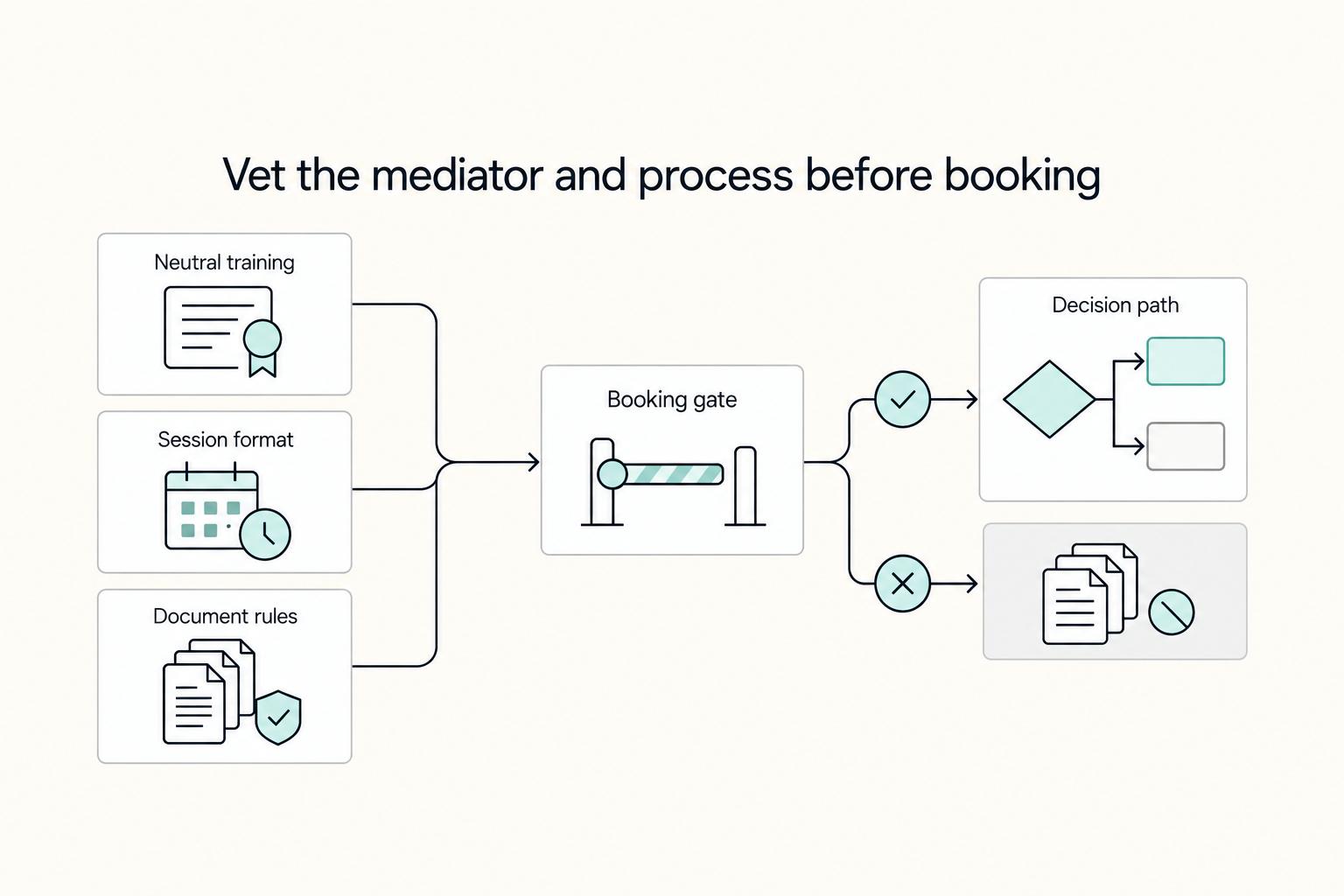
When direct negotiation stalls, consider mediation if both parties can participate safely and make informed choices. Set the issues, documents, cost limit and review date before booking. Track claim deadlines separately: an invitation, scheduled session or continuing conversation does not automatically stop a filing clock.

The Freelance Payment Penalty: A Modeled Audit of Platform Fees, FX Spreads, and Payout Delays
The money rarely disappears through a single, easy-to-spot fee. The real loss is stacked. A marketplace takes its commission, a processor adds a charge for international cards, a bank or payment company converts the currency at a spread, a platform holds the funds before release, and a wire sheds a little to intermediaries on the way in. Each layer looks defensible on its own, but the worker feels the combined result as a smaller deposit and a later payday.
How to Respond to a Subpoena for Business Records
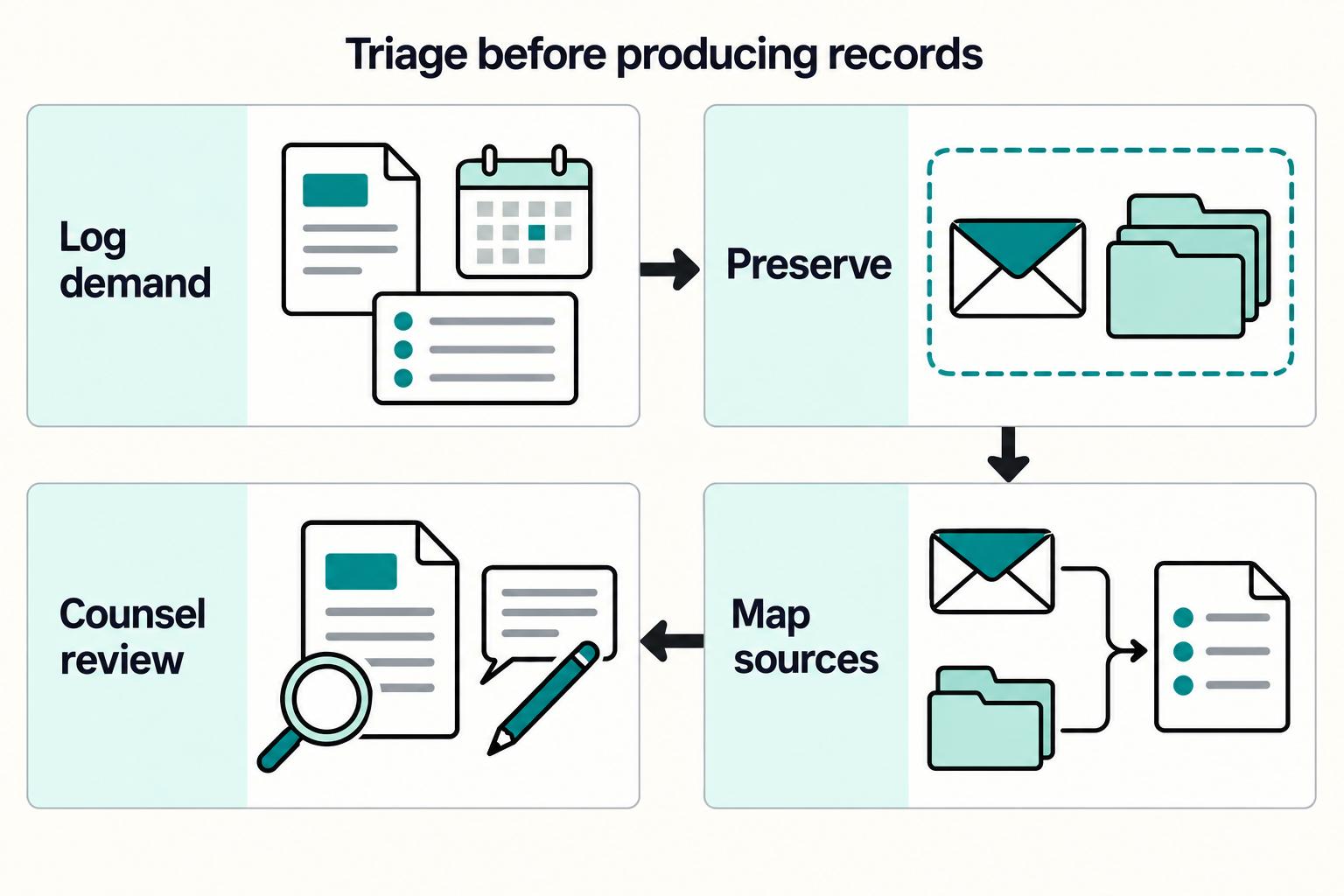
Move fast, but do not produce records on instinct. If you need to **respond to a subpoena for business records**, your immediate job is to control deadlines, preserve records, and make any later production defensible.