
Quick Answer
Keep agreed invoice terms and a current record of amounts due, client receipts, provider payouts and available cash. Review on a realistic cadence, investigate exceptions with the appropriate contact and follow contract notice requirements. Build feasible reserves around essential obligations. Persistent or worsening anxiety may need professional support beyond better records.
Make freelance cashflow easier to see and act on#
An invoice can look healthy while your available cash is low. Start by separating the amount earned, the amount due from clients, money received by a provider and money available in the bank. Then give each unpaid balance or delayed payout a dated next action. These controls can reduce uncertainty without promising to eliminate financial anxiety.
Unclear acceptance, irregular income and delayed payments create different practical problems. Identify which one is affecting the next bill you must pay before changing your prices or terms. A cashflow problem is not a personal failing, and persistent anxiety is not evidence that your bookkeeping is inadequate.
Use this guide for payment visibility and follow-through. If worry is worsening or disrupting sleep, concentration or daily tasks, seek support from a health-care professional; NIMH guidance explains when to get help. A clearer invoice system can support decisions, but it does not replace care.
A recurring payment review#
Use this sequence for each client, adapting follow-up and contract decisions to the actual engagement.
- Diagnose risk: What could break (scope clarity, timing, nonpayment)? What do you need to see before you start?
- Set terms: Put the controls in writing (scope, acceptance, payment timing, what happens if payment slips).
- Monitor status: Track invoices and expected payment dates somewhere you can trust.
- Escalate fast: Trigger follow-ups based on rules, not feelings.
- Review and tighten: After each project, update your defaults so you stop relearning the same lesson.
A scheduled review gives you a place to check unresolved payments and choose the next action. Keep the process small enough to maintain alongside client work.
Controls to agree and record before work starts#
Keep these controls in the client record and review them at the relevant handoff.
- Keep a restricted client folder with signed scope, invoices, delivery and acceptance evidence.
- If the agreement makes a deposit a start condition, verify the receipt before starting; record an authorized exception.
- Set a dated follow-up schedule and any notice/cure process for late payments; apply existing terms before a suspension.
- Separate business receipts from spendable personal money by reserving tax, operating obligations and a feasible savings contribution.
Hypothetical: after delivery, a client goes quiet. Check the delivery and acceptance records, send the appropriate factual follow-up and date the next action. Seek written approval for new additions; any suspension of existing work must follow the agreement and applicable notice requirements.
| Unresolved problem | Practical control | What it clarifies |
|---|---|---|
| Unclear payment timing | Written terms and current statuses | What is due, received or still pending |
| Past-due invoice | Dated follow-up and escalation | Who needs to respond and by when |
| Records spread across tools | One tracker linked to supporting evidence | How the client receipt reconciles to actual cash |
Prepare your cashflow records#
Gather the records that connect work, invoices, client receipts and bank payouts. Keep evidence per client and period so a missing amount becomes a question you can investigate rather than an unexplained difference.
Prerequisites (what to gather up front)#
| Prep task | What to gather/check | Article note |
|---|---|---|
| Pull cashflow evidence into one place | Bank activity, invoice records, payout confirmations | Build something you can reconcile without hopping between tools |
| Inventory active clients | Agreement or written scope plus payment method for each client | If you cannot locate the scope or agreement quickly, treat that as a risk flag |
| Review template agreements | What you are delivering, how and when you get paid, how changes get handled, and what happens if either side ends the work | Add a note to get a professional review if anything looks unfamiliar or one sided |
| Organize supporting materials | A consistent place to store whatever you may need to reference later | Avoid searching across inboxes, chat threads, and random downloads |
Keep one payment-status record#
Pick one consistent place to track each client's money reality and keep it updated, whether that's a spreadsheet, a notes doc, or whatever you will actually use.
| Client/invoice | Evidence link | Currency/balance | Current status | Next action/date | Owner |
|---|---|---|---|---|---|
| Client A / INV-101 | Signed scope and delivery folder | $1,000 original; $500 unpaid | Partial client receipt confirmed; provider paid $480 after $20 fee | Ask AP for the remaining $500 payment date on October 12, 2026 (illustrative review date) | Freelancer |
At each review, identify the next action, owner and due date. Keep sensitive account and client records access-limited; the tracker needs a secure document link rather than pasted credentials or full banking details.
Hypothetical: a client questions approval. Locate the actual written confirmation and send the relevant record with a factual clarification request. If no approval exists, use the agreed review process rather than labeling delivery as acceptance.
Step 1: Set a cash-review threshold and response plan#
Define a cash threshold that triggers a review of upcoming obligations and new commitments. Give it a named response, such as checking overdue balances, limiting discretionary spending and negotiating future deposits. A lower bank balance should not automatically make you reject all income-producing work.
Define a threshold using obligations and available funds#
Available cash for this review excludes money already reserved for taxes and near-term business obligations. Expected invoices and pending payouts belong in the forecast, not the current spendable balance. A review threshold is an operational planning choice, not a diagnosis or universal financial rule.
- Fixed obligations (housing, utilities, insurance, subscriptions you truly need)
- Minimum debt payments
- Your tax set-aside (whatever you already reserve for taxes, keep using your own policy)
Hypothetically, $6,400 bank cash minus $1,000 reserved for tax and $400 of committed business bills leaves $5,000 for the remaining plan. If the next essential obligations are $2,400, the residual is $2,600 before other commitments. A hoped-for $900 client payment does not increase that available balance until it arrives. Avoid subtracting the same reserved bill twice.
Label the payment problem so the next action addresses it:
| What it feels like | Call it | What people usually try (operationally) |
|---|---|---|
| "Some months look great, some look thin." | Income swing | Pipeline discipline, pricing floors, reducing client concentration |
| "I did the work, but the cash shows up late." | Late cash | Billing cadence, milestone invoices, tighter follow-up workflow |
| "I'm worried they won't pay, or they'll dispute it." | Payment dispute risk | Clear proof, tighter scope control, dispute-ready documentation |
Build a one-page client risk snapshot (per client)#
Keep a one-page client risk snapshot with the agreement, delivery duties and payment triggers. Read the actual clauses rather than treating another company’s contract as your own.
| Risk area | What to check | Article note |
|---|---|---|
| Contract clarity | Signed scope and actual fee/payment triggers | Read timeline, deliverables, acceptance and revision clauses together |
| Delivery risk | Notice duties if a milestone may slip | Save the notice and agreed revised plan |
| Breach/suspension stakes | Notice, cure, termination and handoff duties | Seek tailored review before stopping existing work or withholding access |
As a concrete contract-reading example, a RAD Technologies–Hasbro agreement filed with the SEC puts timeline, deliverables and fees in the SOW and requires prompt notice of a likely delivery delay. It also defines material breach. Those are that agreement’s terms, not standard rules for every freelancer. Check the corresponding clauses in your own signed documents.
For each milestone, identify the agreed payment event and its supporting records. A sent delivery link may prove delivery without proving client acceptance or payment.
Record the responses to recurring payment and scope risks:
- If one client dominates forecast receipts, review concentration and propose future deposits or smaller milestones.
- Obtain a written scope/fee change before accepting new additions; preserve existing contract duties.
Step 2: Agree invoice terms before work starts#
Propose terms that make delivery and payment timing explicit, then confirm them with the client. A preferred default becomes binding only through the actual agreement; do not impose new terms retroactively through an invoice.
Propose terms that fit the cashflow plan#
Your goal is simple: make payment events predictable enough that you can plan. Budgeting works better when you decide in advance what your money should do instead of waiting to see what's left.
Use these defaults as starting positions, then adjust based on client risk:
- Collect money before you spend effort: Ask for a meaningful deposit or a first milestone payment before you start work.
- Milestone invoices: Tie each milestone to the agreed deliverable, acceptance process and payment trigger in the SOW.
- Choose payment timing you can actually budget around: If a client needs more time, treat that as a timing-risk exception and add a compensating control (deposit, more milestones, smaller deliverables).
- Plan for irregular months: Keep your invoice schedule flexible enough to account for seasonal costs, holidays, or quarterly expenses.
| Term decision | Proposed control | Exposure to assess |
|---|---|---|
| When payment is triggered | Negotiate a deposit or first milestone where feasible | Starting before the agreed payment condition is confirmed |
| How invoices are staged | Use milestones that fit the actual scope and approval process | Final-only billing without checking cash runway, approval steps and payment timing |
| How cash is monitored | Track expected receipts and actual available funds | Unreconciled fees, pending payouts or unknown payment dates |
Make delivery and feedback clear so payment doesn't get stuck in "scope fog"#
Define review, revisions and payment triggers in ordinary language.
Lock these into your SOW and invoice workflow:
- Review process: Define how the client reviews deliverables, how they give feedback, and what "approved" looks like, for example, written confirmation in email or the project tool.
- Revisions and changes: State what you include, what counts as a revision vs. a change in scope, and how changes get approved and documented.
Hypothetical: a client says, “We are not happy, so we are not paying.” Ask which agreed criterion is disputed and compare it with delivery and approval records. Use the revision/change process to resolve that item and track any undisputed amount separately.
Step 3: Keep records at each payment handoff#
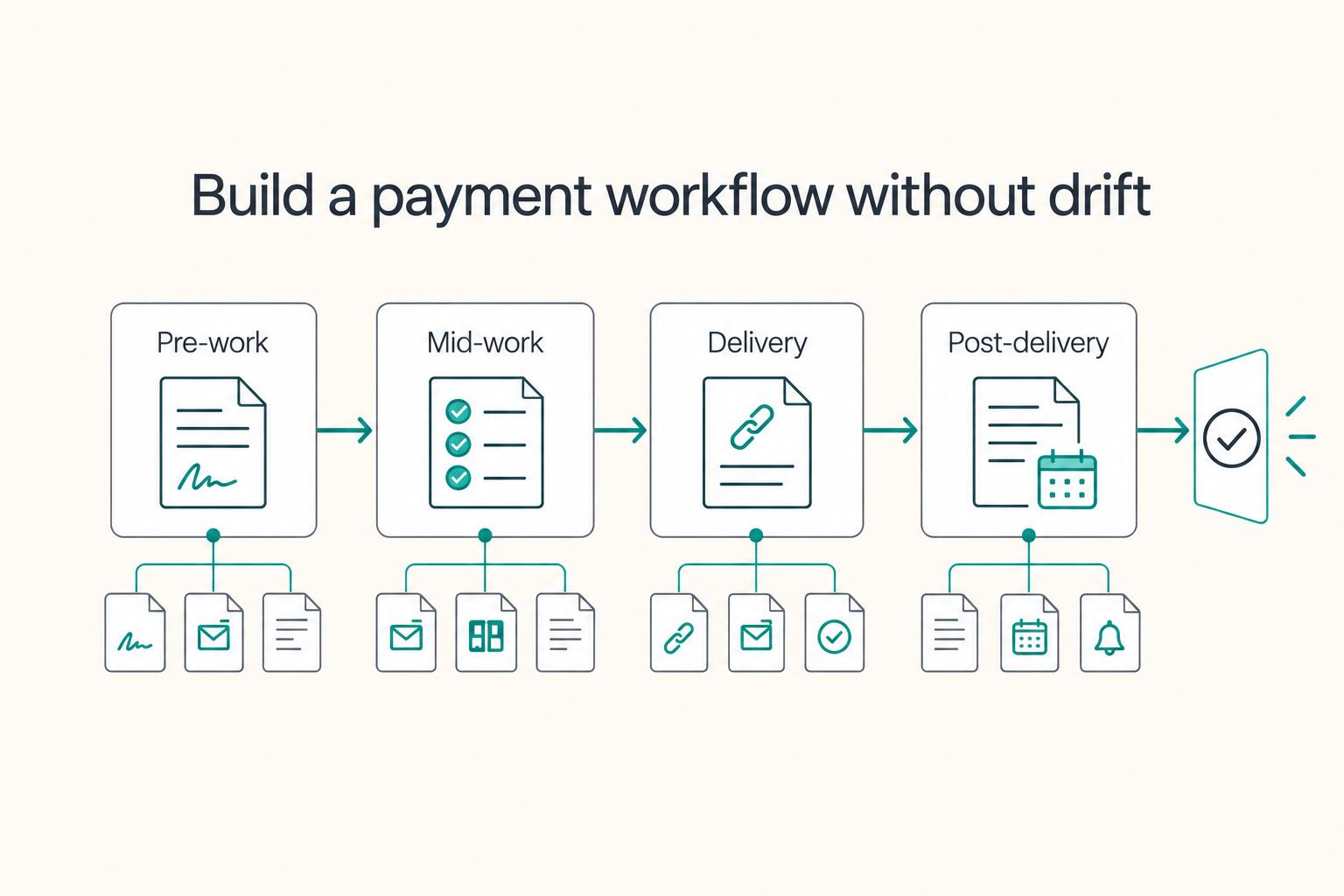
At each handoff, keep a dated record of the agreed action and its status. Use a gate to approve new work or changes where appropriate, while honoring existing delivery, notice and payment obligations.
Implement gates that stop work from outrunning payment#
A gate means checking the agreed condition before authorizing the next action. It is an internal control, not an automatic right to suspend a contract or retain someone else’s files.
Use this simple template, then adjust it to fit the client:
| Gate | What "pass" looks like | What you store (proof) |
|---|---|---|
| Pre-work | Start is authorized in writing and your agreed start condition is met | Signed agreement or approval email/thread, kickoff email/thread, payment/PO confirmation if applicable |
| Mid-work | Milestone approval logged in writing | Approval email, PM-tool screenshot, any change note |
| Delivery | Delivery sent with a timestamp and clear acceptance request | Delivery link, sent email, acceptance confirmation |
| Post-delivery | Invoice sent; balance and any client receipt/payout tracked separately | Invoice, due date, receipt/reference, fee/FX detail, actual bank payout and follow-up record |
If a record is missing, label the status unconfirmed and assign follow-up. A document taking more than a minute to find does not mean the event never happened.
Make every exception auditable and plan for timing friction#
Invisible drift often starts with "just this once." Fix that with a decision log. When you grant Net 30 once, waive an upfront condition once, or accept scope creep once, write a one-line note in the client folder. Next time you negotiate, you negotiate from history, not hope.
Use the particular provider’s supported route, estimated timing and transaction status for cross-border forecasts. Weekends, verification, reviews and intermediary steps can change arrival. Plan for delays without asserting that every transfer completes within a week; a quoted arrival date remains an estimate until funds are available.
If a client asks for extra paperwork like an NDA or DPA, route it through the same workflow. Capture the signed docs and treat them as timeline inputs, not admin you will handle later.
Hypothetical: a client adds a deliverable and changes an NDA requirement mid-project. Log the proposed change, review the new obligation and obtain approval before doing the added work. Continue the existing agreement’s duties unless a valid agreed change or suspension process applies. Keep the NDA version and approval with the project record.
If you need a lightweight place to run this, a CRM-style pipeline helps. Use one that matches gates and reminders (The Best CRM for Independent Consultants).
Step 4: Compare expected receipts with actual money#
Check commitments and reality on a scheduled cadence. Keep invoice balance, client receipt, provider payout and available cash as separate statuses so a client’s payment is not confused with the final bank deposit.
Consider a two-layer dashboard (commitments vs. reality)#
If it helps, treat your receivables like an ops pipeline. Track two layers side by side so you can spot drift early.
| Layer | What you track | What you check for | Where it lives |
|---|---|---|---|
| Commitments | Issued invoices, due dates, any expected payout dates you agreed to | "What should happen next?" | Invoice list or spreadsheet |
| Reality | Cleared funds, pending transfers, any "hold" event or "review" status | "What actually happened?" | Bank feed plus platform status view |
An unexplained difference enters the exception queue with its amount, currency, owner and next check date. Naming the difference helps choose the right inquiry; it does not itself resolve the money shortage.
Put the next review on the calendar and use time-sensitive provider or bank alerts where appropriate. A scheduled routine need not suppress an urgent fraud, failed-payment or security notice.
Reconcile on a fixed cadence and keep an exceptions queue#
Choose a realistic review cadence and put it on the calendar. Check urgent exceptions sooner; the routine is a planning aid rather than a rigid rule for every account.
| Queue item | When it enters | Article note |
|---|---|---|
| Past-due invoice | After a trigger you choose | Adjust based on how your clients' AP actually behaves |
| Hold or review event | Any hold or review status | Enter a ready to respond state |
| Partial payment | When matching invoices to payment confirmations and ledger entries | Flag it as a common mismatch |
| Unexpected fee deductions | When fee deductions were not expected | Flag it as a common mismatch |
| FX differences | If you bill cross-border | Flag it as a common mismatch |
| Missing references | When payment arrived but you cannot map it cleanly | Flag it as a common mismatch |
Match invoice ID and currency to the client receipt, then match provider fees, conversion and payout to the bank/ledger record. Preserve both dates where client receipt and payout differ. Investigate a missing reference before allocating the receipt to an invoice.
- Store scope boundaries, delivery links, and acceptance right next to the invoice and SOW.
- Make sure the billing descriptor and project name are recognizable to the client, so nobody wastes time chasing "mystery charges."
Hypothetical: AP emails “paid,” but no receipt appears. Ask for the actual payment reference, date, currency and recipient, then check with the provider. If the client receipt is confirmed and the payout is pending, follow up with the provider; do not ask the client to pay again. A refund or chargeback needs its own dated record and balance update.
For a hypothetical $1,000 invoice, a confirmed $500 part-payment leaves $500 due. If the provider takes an illustrative $20 fee and pays $480 to the bank, $480 cash plus $20 fee reconciles to the $500 receipt. The fee does not increase client debt unless the agreed terms require that charge. A pending converted payout needs original currency, actual exchange rate and fee details; do not subtract amounts in different currencies or count an own-funds test as client revenue.
Step 5: Follow a dated late-payment plan#
Give each past-due invoice a factual follow-up and next action. Keep the current balance and actual dispute/payment status visible rather than sending the same demand to every exception.
Distinguish unpaid client debt, a disputed amount and a provider payout delay before escalating. The appropriate contact and contract process differ.
Use a simple escalation ladder (example you can adapt)#
Use the sample dates below as a starting point and adapt them to the agreement’s notice periods, business days and the actual exception. Keep the last message, response and next action in the client record.
| Stage | Timestamp (suggested) | What you send | What you include | Your next operational step |
|---|---|---|---|---|
| 1 | Day 1 past due | Friendly nudge + resend invoice | Invoice number, due date, payment link | None. Assume drift, not malice. |
| 2 | Day 3 | AP process check | "Where does this sit in your AP flow?" + request a payment date | Re-forecast cash. Log a new expected date. |
| 3 | Day 7 | Formal notice | Reference whatever milestone/acceptance you documented | Check the contract notice/cure process and disputed versus undisputed amount before any suspension. |
| 4 | Day 14+ (adapt to agreed notice periods) | Contract-based next step | Relevant terms, unpaid balance, prior notices and next action | Use authorized suspension, dispute or collection steps; preserve required access, existing handoff duties and security. |
Message rule: state facts, then state the next action. Example structure you can copy:
- “Invoice INV-101 has a remaining $500 balance due on [date].”
- “Our records show [actual delivery/acceptance/receipt status]. Please confirm any disputed item or missing billing requirement.”
- “Please confirm the payment date by [date]. The next action will follow our agreed notice and resolution process.”
Hypothetical: the client disputes approval. Send the relevant signed acceptance terms and delivery/approval evidence, and ask which item is disputed. A delivery timestamp alone may not establish acceptance. Request payment of any undisputed balance under the agreement and record the resolution route rather than assuming a scheduled notice settles the dispute.
Handle disputes or payment interruptions without spiraling#
If a client raises a dispute or a payment gets interrupted, shift into documentation mode. Pull the agreement, invoices, delivery/acceptance proof you already have, and the relevant communication thread. If confidentiality limits what you can share, share only what you're allowed to share.
If you missed a follow-up, check the current balance and latest reply before resuming from the last documented stage. Complete the existing scope and handoff duties as required, and improve future terms with appropriate review.
Step 6: Build a reserve policy around actual expenses#
Set a reserve goal that reflects essential costs, irregular income and foreseeable interruptions. A buffer can help with timing gaps, but savings may take time to build. Start with an achievable amount without treating a particular number of months as a requirement for doing freelance work.
The CFPB emergency-fund guide says the amount depends on your circumstances and that even small savings can help. Keep reserves accessible and define when to use them. An emergency fund is distinct from money already committed to taxes or normal business bills.
Choose a reserve target and stress-test delays#
For illustration, if essential monthly costs total $2,400, three months is $7,200 and six months is $14,400. These are scenarios to compare, not a universal recommendation. Client concentration, ordinary expenses, dependants and how long funds could be delayed may justify a different target; begin with a feasible first step.
| Risk scenario | What changes the forecast | Reserve review | Terms to discuss |
|---|---|---|---|
| Lower concentration | Several clients and confirmed deposits | Test whether the proposed reserve covers essential outflows before receipts | Clear approval and invoice triggers |
| Some concentration | Longer terms or occasional scope changes | Model a delay and achievable replenishment contributions | Deposits, smaller milestones and timely follow-up |
| Higher concentration | One large payer or unresolved acceptance | Model the loss/delay of that receipt; compare a larger reserve scenario | Review scope, acceptance, permitted suspension/termination and diversification |
Longer payment terms such as Net 30 or Net 45 belong in the cash forecast. Check whether available reserves cover essential obligations before expected receipts, and negotiate future deposits or smaller milestones where feasible. Stronger terms alone do not prove that a smaller reserve is adequate.
Hypothetical: a client delays acceptance while another client’s confirmed payment is held at the provider. Forecast both separately: one is an unresolved client obligation, the other a payout exception. Use the reserve according to your policy, and record what will replenish it when funds arrive.
Separate the money (so you stop "borrowing from yourself")#
Keep the emergency reserve identifiable and accessible, separately recorded from routine operating money. Define eligible setbacks and a replenishment plan. If you automate savings, leave sufficient cash for scheduled bills; a transfer that causes an overdraft defeats the purpose.
If it helps you enforce the separation, one practical approach is to label a few buckets and set rules for each:
- Operating cash: routine business costs such as software and contractors; distinguish personal essential costs in the budget.
- Tax/committed funds: amounts already reserved for tax and known obligations, counted once.
- Emergency reserve: identifiable savings for qualifying setbacks with a replenishment plan.
If an essential setback requires using the reserve, that is its purpose. Record the draw and rebuild when feasible. Repeated use for ordinary costs signals a budget or income gap to review, rather than a reason for self-blame.
Use the next review to resolve a specific cashflow question#
Choose one client balance or payout exception and make the next action concrete. Confirm the amount/currency, supporting record, contact and follow-up date. Improving visibility gives you a better basis for decisions without promising to cure anxiety.
Convert uncertainty into traceable proof#
Keep the signed scope, approval record, invoice and follow-up together. Preserve both the agreed and actual dates so you can identify where delay began and adjust future terms or preparation.
Hypothetical: after delivery, you confirm the approval record, send the scheduled AP status check and date the next follow-up. If approval is disputed, route the disagreement for resolution. If the client has paid and the provider has not released funds, change the contact and action accordingly.
Build the system into your tools (optional, but powerful)#
A spreadsheet or existing invoicing tool can hold these statuses; a CRM is optional. Keep client receipt, payout and any requested verification documents separate. Share only the necessary documents through the provider’s authenticated process, with access limited to the appropriate people.
If you evaluate infrastructure for collections and payout visibility, ask for a walkthrough focused on audit trails, payout statuses, and compliance gates (coverage varies by market and program). Keep it simple: you want fewer surprises, not more tools.
- Client has a signed SOW with scope, milestones, and acceptance criteria.
- Consider whether your contract should specify Governing Law + Jurisdiction, based on your situation.
- Agreed deposit or milestone start condition met, or an authorized exception documented.
- Invoice has amount/currency, balance, due date and follow-up schedule adapted to contract notice periods.
- Proof folder created: agreement, invoices, delivery proof, acceptance proof, change requests.
- Receipts and bank payouts separately reconciled with fees, FX and exceptions; no duplicate collection request.
- Any rights-transfer, work-made-for-hire or assignment provisions receive appropriate legal review; these concepts are not interchangeable and a payment condition is not automatic.
- If dispute risk appears, assemble an evidence packet early so you're not scrambling later.
- Reserve and cash-review threshold checked against actual obligations and forecast timing before accepting new commitments.
Frequently Asked Questions
What causes financial anxiety for freelancers (even when they're "doing well")?
Variable income, unclear approvals, late client payments and provider holds can each create uncertainty. They call for different operational actions. Anxiety can also have causes beyond payment records; feeling worried despite an organized system does not mean you failed.
How do I stop panicking about freelance income between invoices?
Keep one record of amounts due, client receipts, pending payouts and dated next actions. Review it on a planned cadence and respond sooner to urgent exceptions. If worry persists or disrupts daily life, seek support rather than assuming more tracking will solve it.
What invoice terms reduce freelancer money stress the fastest?
Agree scope, acceptance/revision rules, fee and currency, invoice recipient, deposit or milestone conditions, due dates and a permitted escalation process before work starts. Clear terms improve the record; they do not guarantee immediate emotional relief or payment.
How can freelancers cope with late payments?
Check the unpaid balance and whether the problem is a dispute, client delay or provider payout. Follow the agreed notice process and keep the invoice, delivery, acceptance and payment evidence together. Any suspension or collection action needs the applicable contract and local rules.
How much emergency fund does a freelancer need with variable income?
There is no universal target. Estimate essential costs and likely interruption periods; the three- and six-month examples here are planning scenarios. Start with achievable savings, keep tax/committed operating funds distinct, and review the target as your circumstances change.
What should I do if a client goes silent after delivery?
Confirm delivery, the actual acceptance process and the outstanding invoice balance. Ask for a specific status and next payment date through the proper billing contact, then follow the documented escalation route. Seek approval for new additions; suspend existing duties only through an applicable agreed process.
Try a related tool
Researched and edited by the Gruv editorial team. Gruv builds cross-border billing, payouts, and finance-operations software for global businesses.
Sources
Educational content only. Not legal, tax, or financial advice.
Related Posts
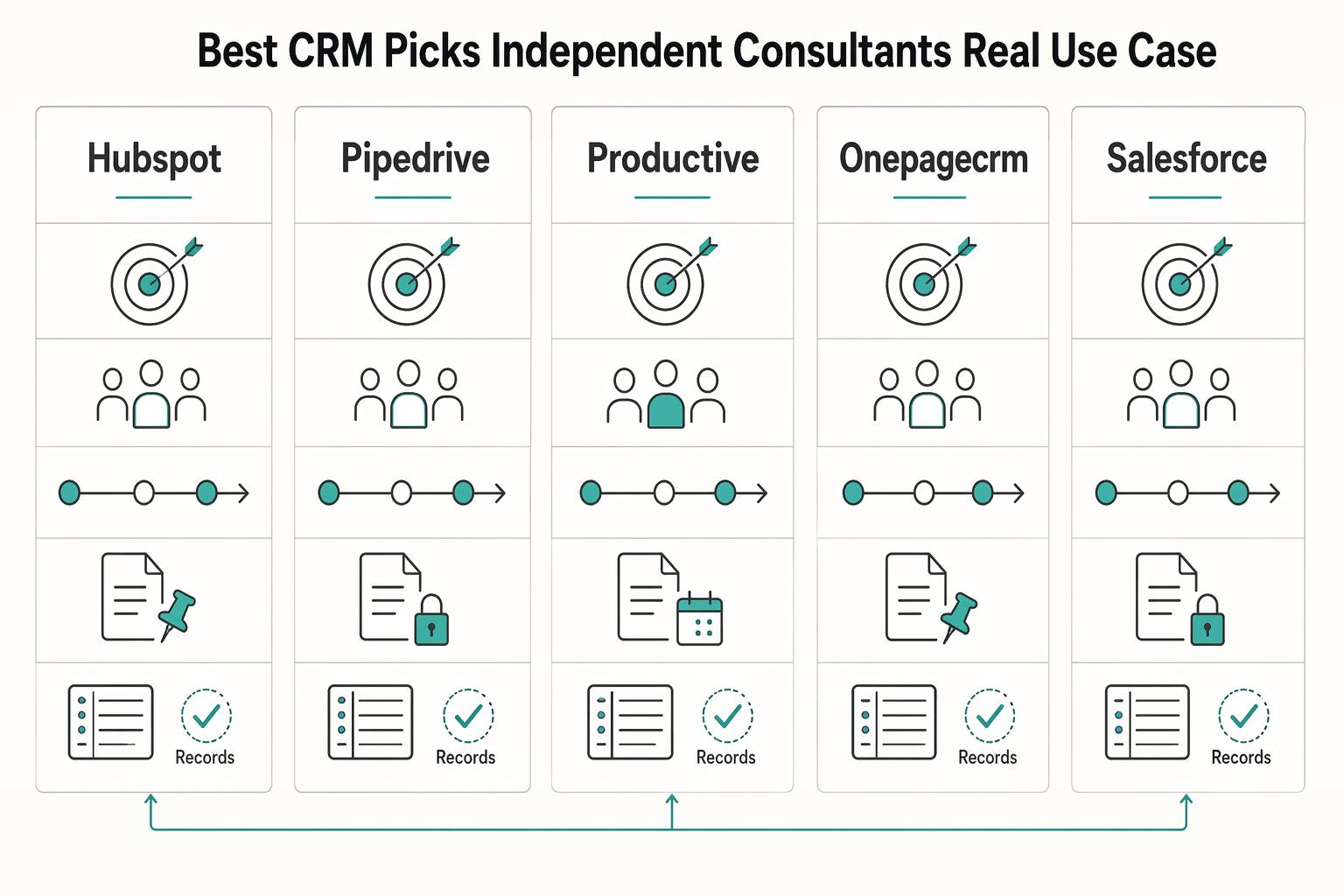
The Best CRM for Independent Consultants
Judge a CRM by one standard first: does it help you execute the next client move when you are busy? Feature count matters far less than whether the tool can become your daily system of record for pipeline stage, next action, and client context. If it cannot do that, it adds admin without giving you control.

The Freelance Payment Penalty: A Modeled Audit of Platform Fees, FX Spreads, and Payout Delays
The money rarely disappears through a single, easy-to-spot fee. The real loss is stacked. A marketplace takes its commission, a processor adds a charge for international cards, a bank or payment company converts the currency at a spread, a platform holds the funds before release, and a wire sheds a little to intermediaries on the way in. Each layer looks defensible on its own, but the worker feels the combined result as a smaller deposit and a later payday.
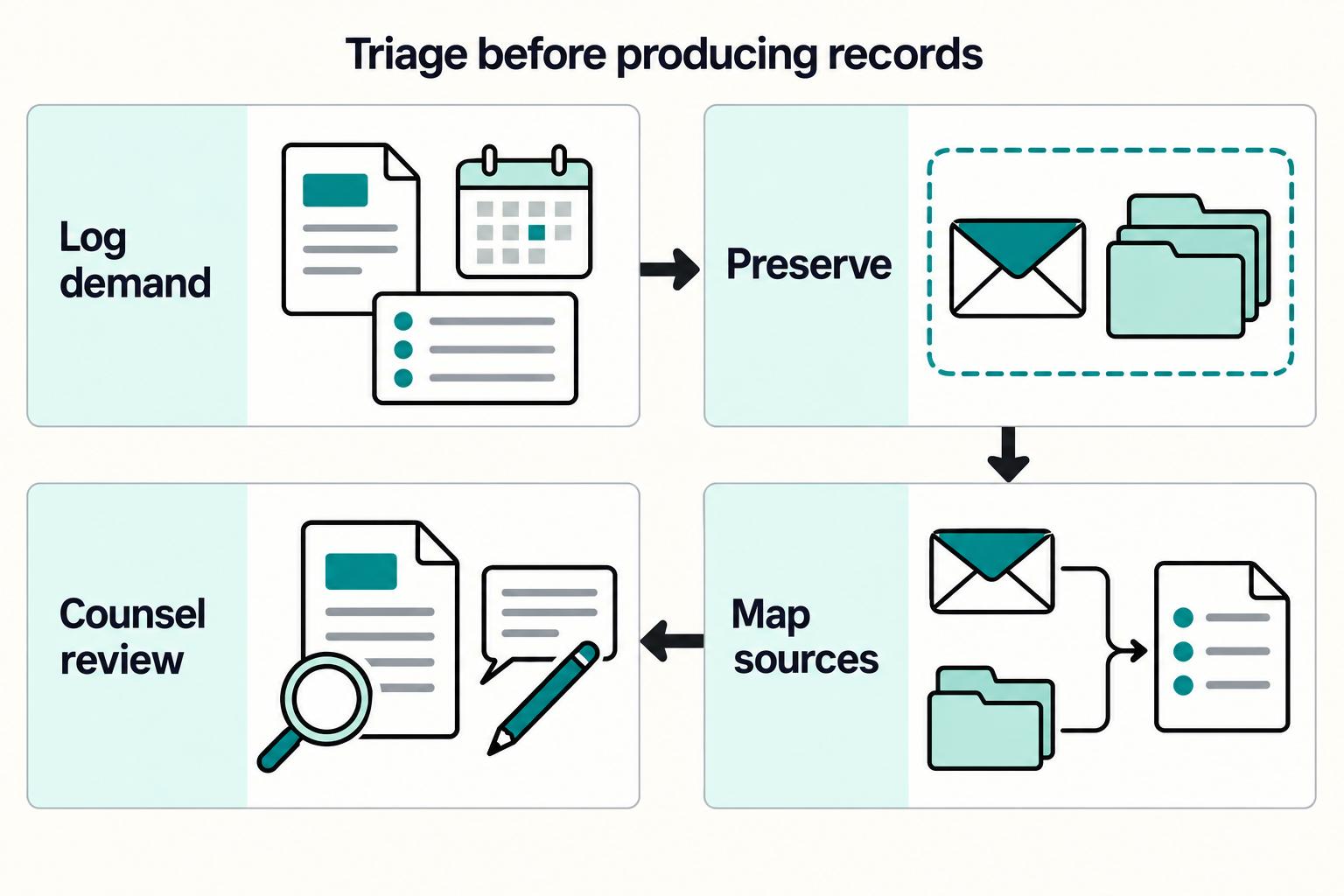
How to Respond to a Subpoena for Business Records
Move fast, but do not produce records on instinct. If you need to **respond to a subpoena for business records**, your immediate job is to control deadlines, preserve records, and make any later production defensible.