
Operator playbooks for cross-border payments, tax, and compliance execution.
Step-by-step guidance for finance, product, and ops teams to launch faster, reduce payout friction, and keep reconciliation clean across borders.

How to Structure a US SaaS Consulting Contract for a German Enterprise Client
Treat pre-contract intake as a go/no-go check. If the client cannot explain how work will be scoped, approved, reviewed, and paid, drafting now will create negotiation noise rather than a workable agreement.
Read more →
How to Structure a Teaming Agreement for a Government Contract Bid
--- Before you draft a single word of a teaming agreement, the most important work starts. In government contracting, a weak partner is often a bigger risk than a weak contract. You are not just pursuing a subcontract role. You are deciding whether to invest your expertise, pricing logic, and reputation in a partner and a pursuit. This playbook gives you a disciplined three-stage process so partnership risk becomes something you can evaluate and control.
Read more →
Structuring a Service Warranty Clause in a Development Contract
A vague warranty clause weakens your payment position because it blurs one critical handoff: when delivery is complete and when limited defect support begins. When that line is unclear, clients can delay acceptance, reopen scope after delivery, or dispute the final invoice.
Read more →
How to Create an Accountable Plan for a Single-Member LLC
Start with one question. **Are you taxed as a default single-member LLC, or did you elect S corporation treatment?** If you are still in default single-member LLC tax status, this employee reimbursement structure usually is not the right path. If you elected S corp treatment, typically via **[Form 2553](https://www.irs.gov/forms-pubs/about-form-2553)**, set up reimbursement handling before you treat owner-paid expenses as accountable-plan reimbursements.
Read more →
How to handle quarterly VAT prepayments ('Vorauszahlungen') in Germany
>
Read more →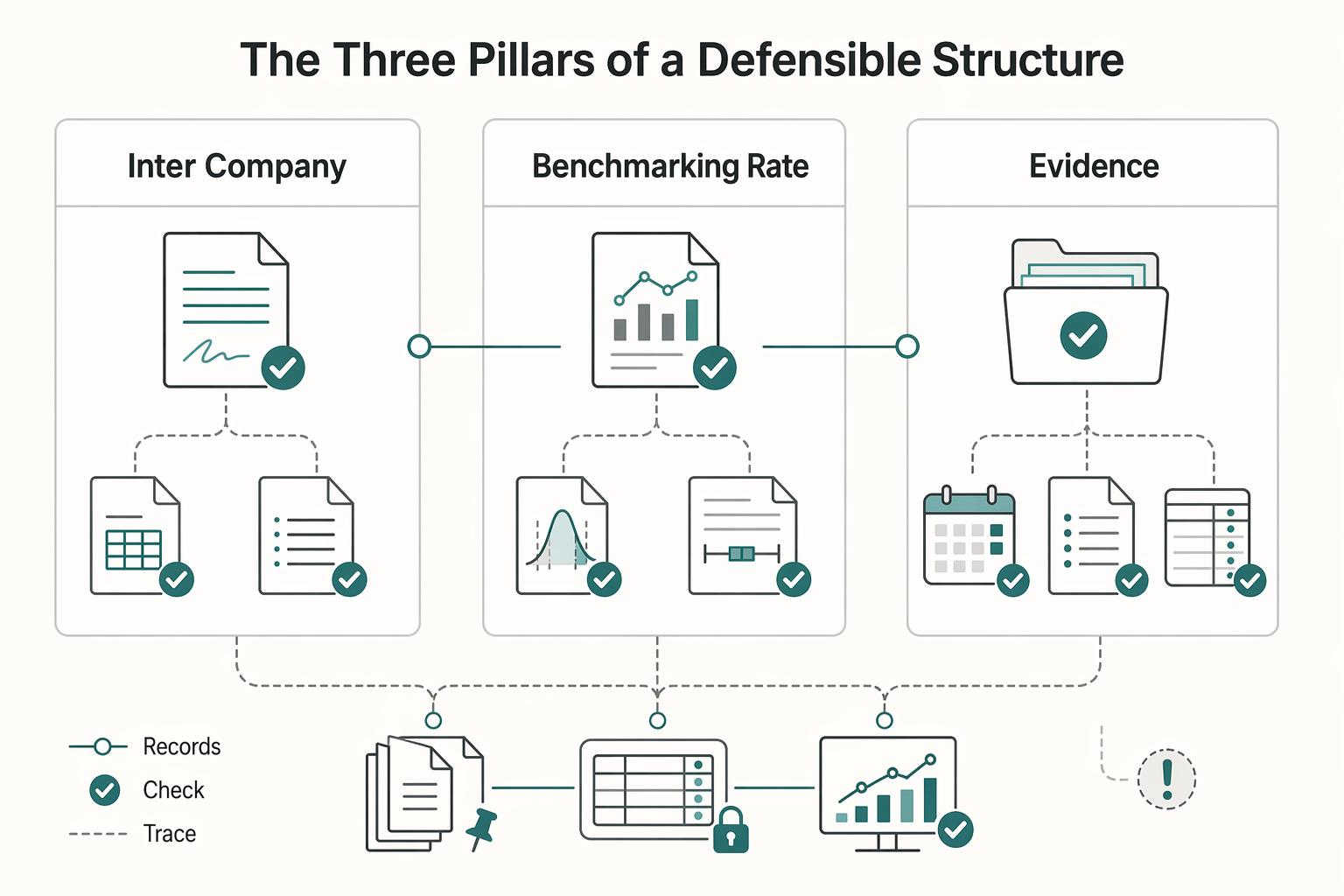
How Solo Consultants Handle Associated Enterprises Treaty Risk
Usually, yes. If you are tax resident in one country and directly or indirectly control an enterprise in another, assume associated-enterprises exposure is in scope until you test it.
Read more →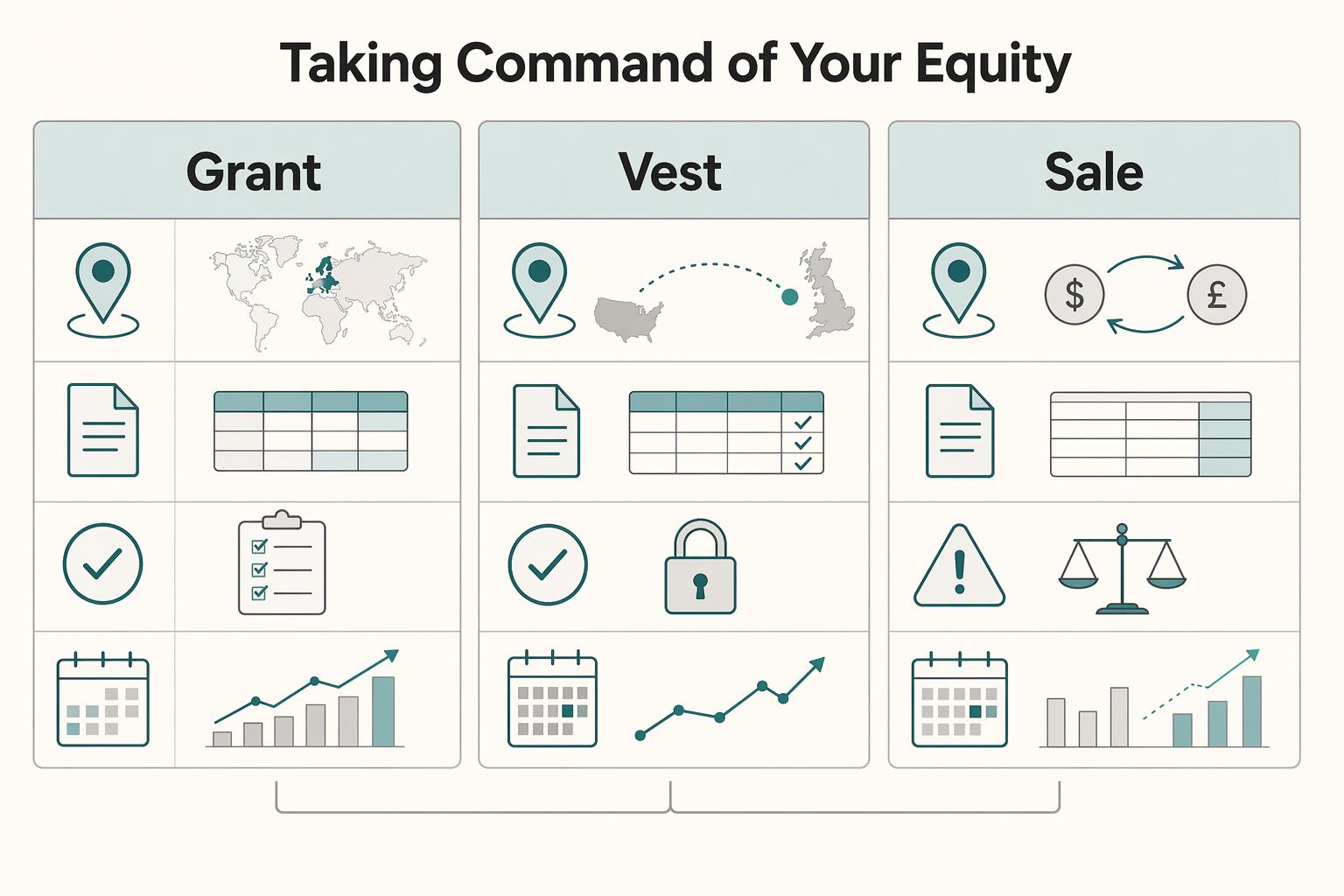
How UK Tax Residents Should Handle RSUs From a US Company
For global professionals in the UK, a grant of US company equity like Restricted Stock Units (RSUs) should feel like a career milestone. Instead, it often creates a knot of anxiety: US broker forms, UK tax obligations, and market risk all landing at once. The usual mistake is treating each event as a separate tax fire drill.
Read more →
Structuring the Intellectual Property Clause in an SOW for a Freelance AI/ML Engineer
--- **How to use your Statement of Work to protect your assets, control your deliverables, and secure your future.** For a freelance AI engineer, the Statement of Work is more than a project plan. It is one of the core legal documents in your business. Too many smart operators treat it like a formality and, in the process, give away long-term value in their most important asset: intellectual property.
Read more →
How to Amend a 941 Payroll Tax Return
**Treat Form 941-X as a quarter-close correction, not a form-filling task.** That framing matters because a clean amendment usually comes from process discipline, not from moving quickly through the lines. The practical sequence is straightforward. Diagnose the error, choose the Part 1 process, build the support file, submit a package that matches itself from top to bottom, and then fix the control gap that caused the error in the first place.
Read more →
Credit Insurance for B2B Sales to Manage Unpaid Invoices
If you want fewer unpaid invoices, fix the way you sell and bill before you shop for protection. Start with your system: tighten the contract, control delivery and billing, then choose a financial backstop. That order matters because trade credit insurance is a supplement to prudent credit management, not a replacement for it.
Read more →
What to Expect in Small Business Litigation as a Freelancer
If you want to reduce avoidable disputes, separate the relationship terms from the project terms. Use an MSA for the standing legal framework and an SOW for the specific work.
Read more →
The Best International Bank Accounts for Global Citizens
Fees are rarely the first problem. The real risk is that each account type sends different compliance signals. The wrong mix can cut off access to cash right when you need to pay people or deliver for clients.
Read more →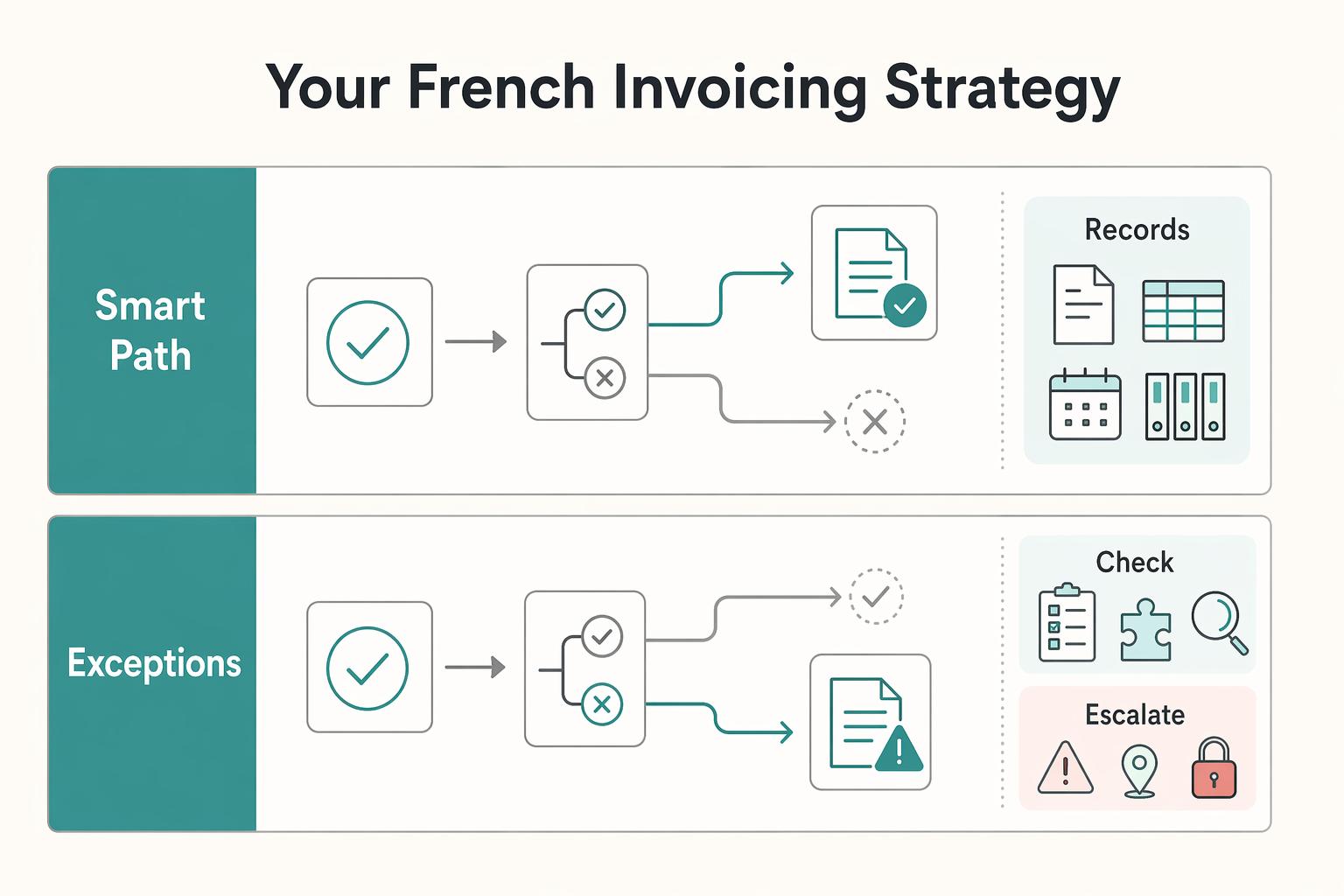
How Non-Resident Freelancers Should Handle TVA in France
If you are non-resident and provide qualifying B2B services to a client that is VAT-identified in France, start with autoliquidation, not [French VAT registration](https://www.impots.gouv.fr/do-foreign-companies-have-register-vat). In that default case, you generally do not charge French VAT on the invoice. The client reverse-charges it.
Read more →
Can I Use a US-Based P.O. Box for My Foreign-Owned LLC?
--- For a non-resident founder, a US business address is not a minor admin choice. It becomes the base for mail, compliance, banking, and the first round of trust checks others run on your company. Get that choice wrong, often by trying to use a standard P.O. Box for everything, and the friction shows up quickly. Get it right, and the rest of your setup gets easier to run.
Read more →
Best Way for a German Agency to Pay a US-Based Freelancer
Use this order as a default: lock independence into the contract, send compliance documents in the sequence finance will actually use, then give AP payment instructions they can process without follow-up.
Read more →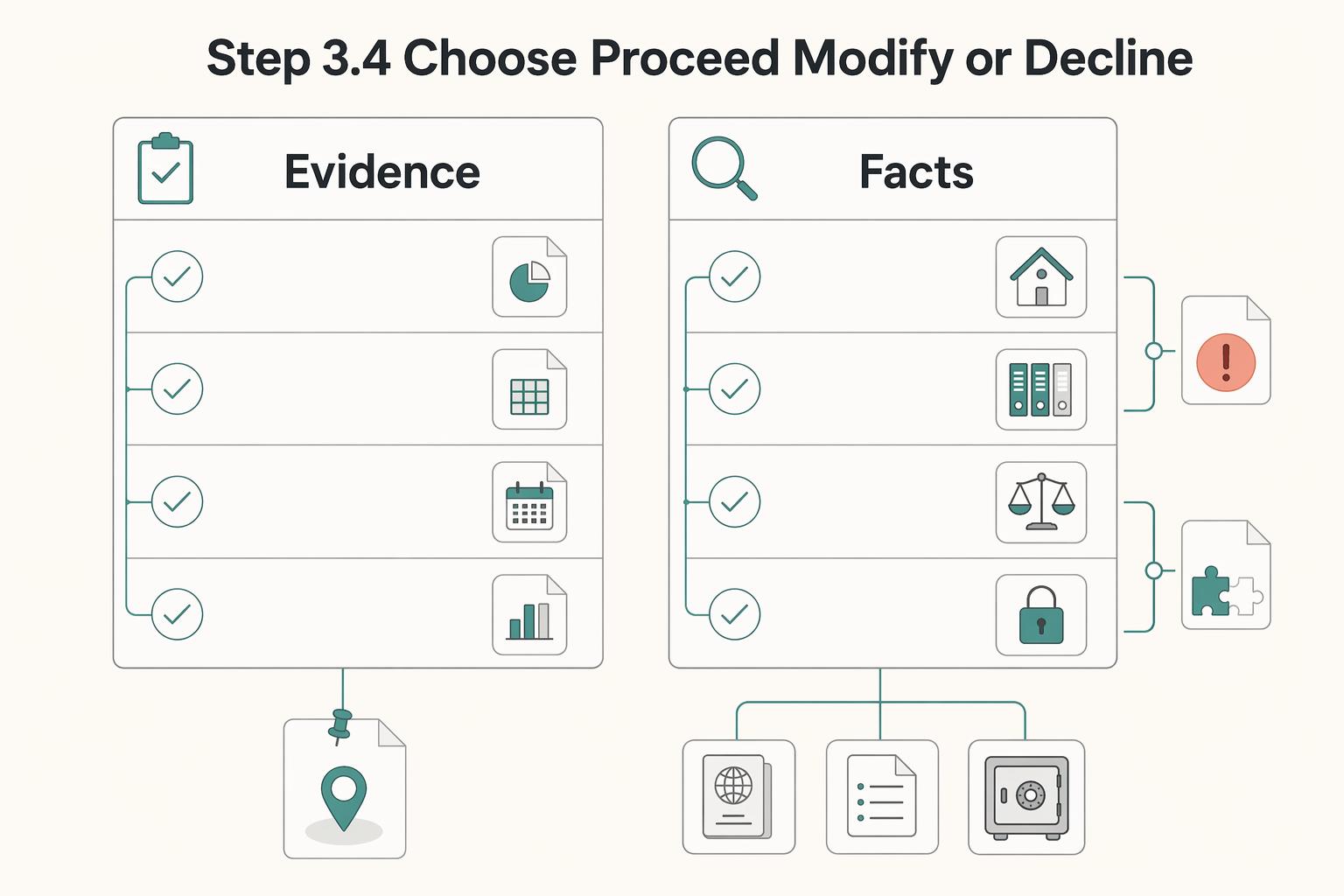
How to Manage 'Días de Ausencia' for Spanish Tax Residency
If you want a lower-stress way to handle **dias de ausencia spain tax** decisions, use this cockpit. It gives you a practical way to decide what to do before a trip, what to document while you are away, and when to escalate facts that are not clear.
Read more →How Independent Experts Use France’s CIR Tax Credit Without Overclaiming
Your client claims CIR, not you. Your job is to make sure your work can be treated as qualifying R&D. Your invoice should map cleanly to that scope, and the approval requirement should be met when subcontracted research is involved.
Read more →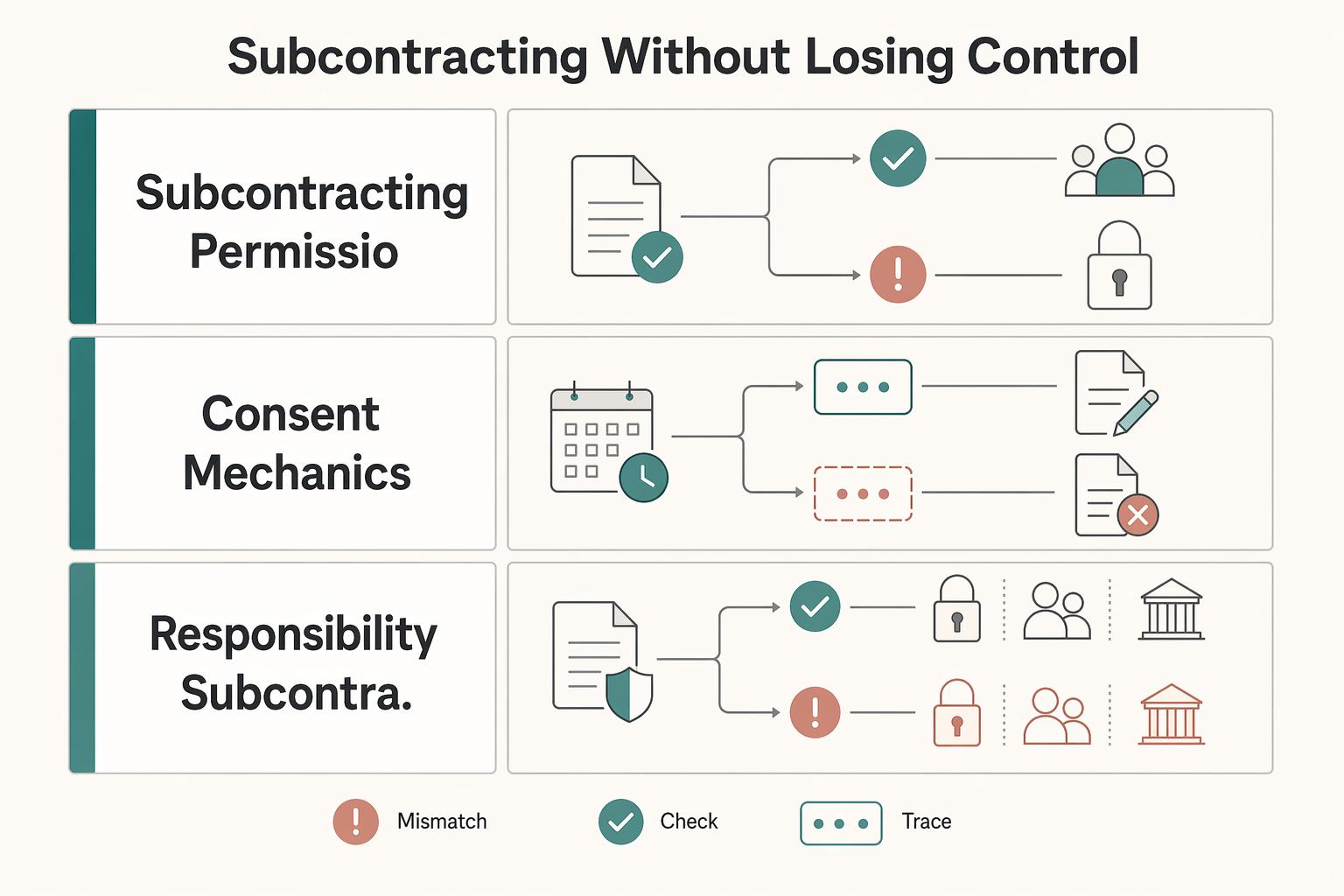
The Assignment Clause in a Freelance Contract
The assignment clause is often treated like a block of legalese to skim and accept. That is a mistake. For most independent professionals, it is one of the clearest control points in the contract.
Read more →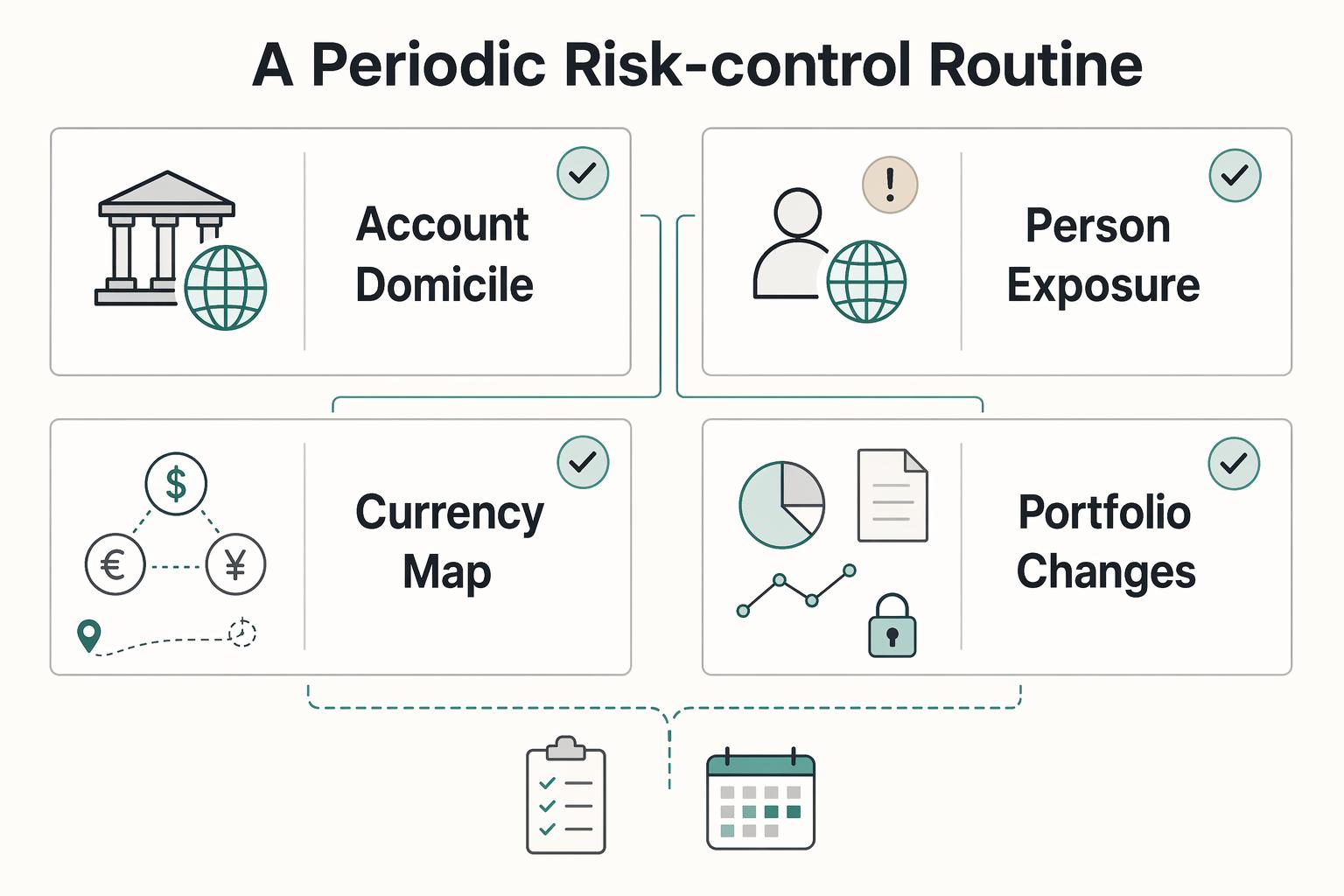
All-in-One ETF Portfolio: Pros, Cons, and Tax Checks for Global Professionals
If your priority is broad diversification with less day-to-day portfolio admin, an **all-in-one ETF portfolio** can be a practical default. It is a weaker fit when you need custom asset weights, detailed tax positioning, or a specific fund domicile for your filing situation.
Read more →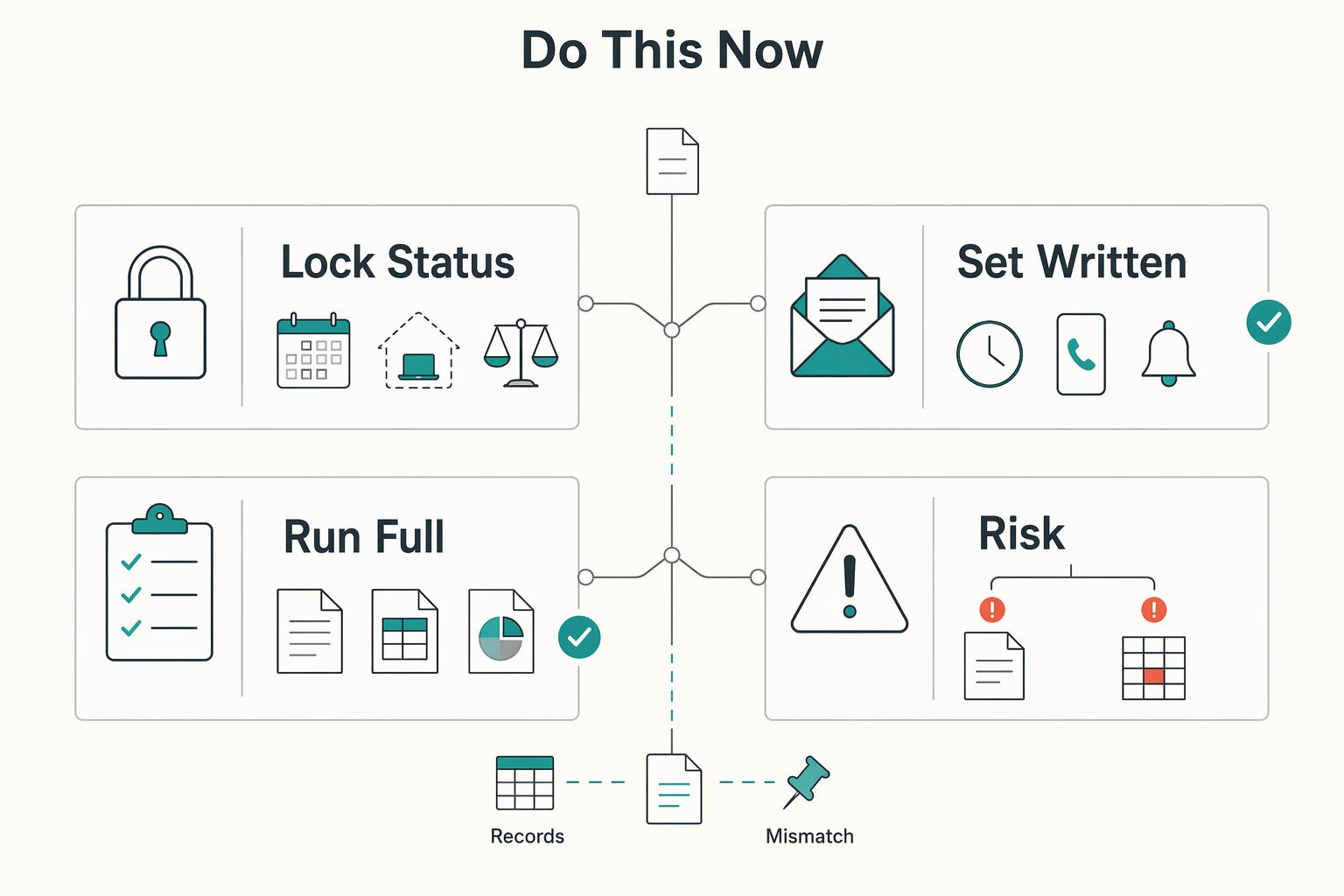
What Is a Garden Leave Clause?
A **garden leave clause** keeps you employed through notice, usually with pay and contractual benefits, while your employer can tell you not to work. If you are moving from employment into freelance or consulting work, first confirm what still applies, what is restricted, and when your employment legally ends.
Read more →