
Operator playbooks for cross-border payments, tax, and compliance execution.
Step-by-step guidance for finance, product, and ops teams to launch faster, reduce payout friction, and keep reconciliation clean across borders.
Book Advances and Royalties for Authors Who Need Steady Cashflow
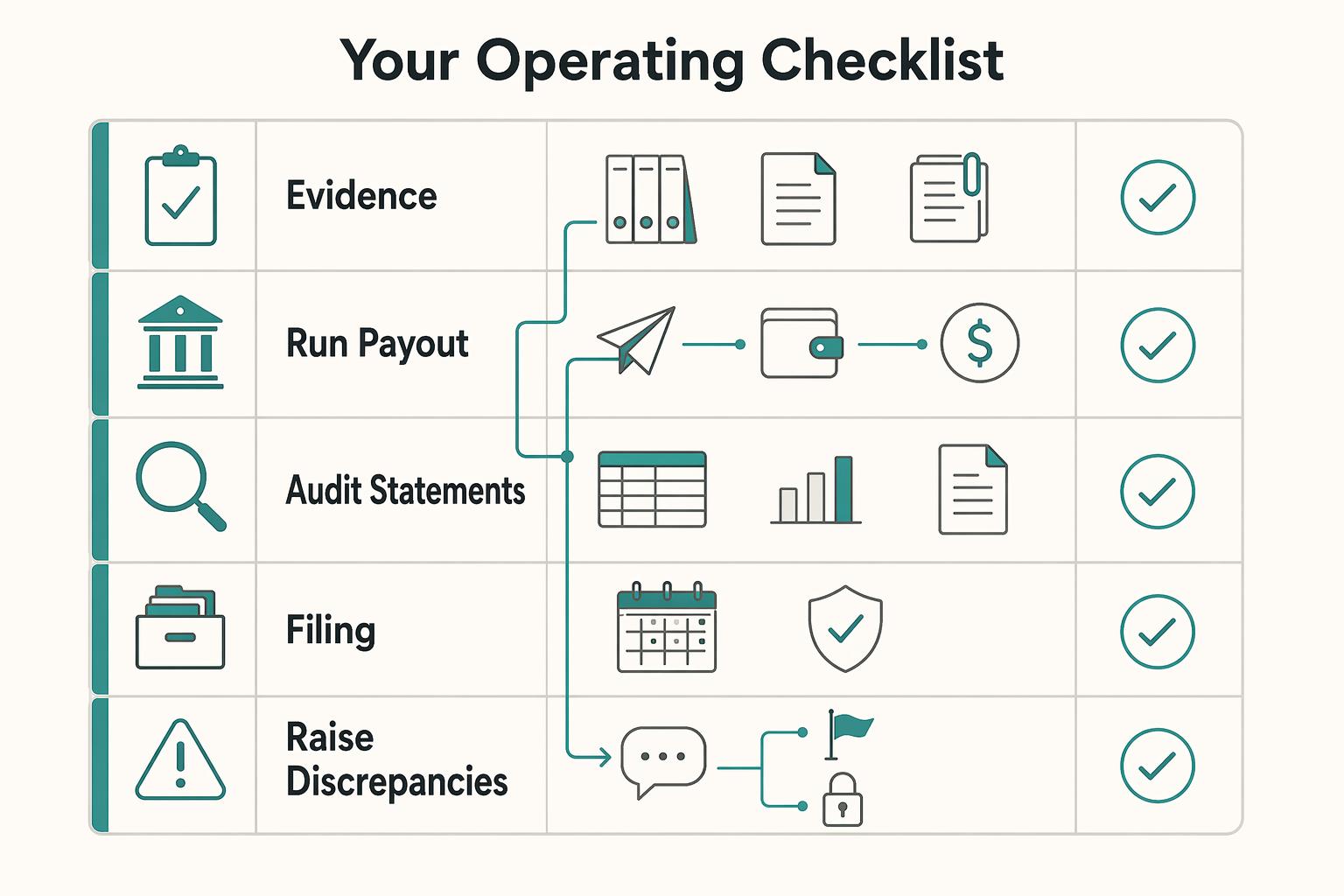
Treat your **book advance** as business capital before you spend any of it. The first risks show up immediately: **publishing contract** terms, tax exposure, and cashflow control.
Read more →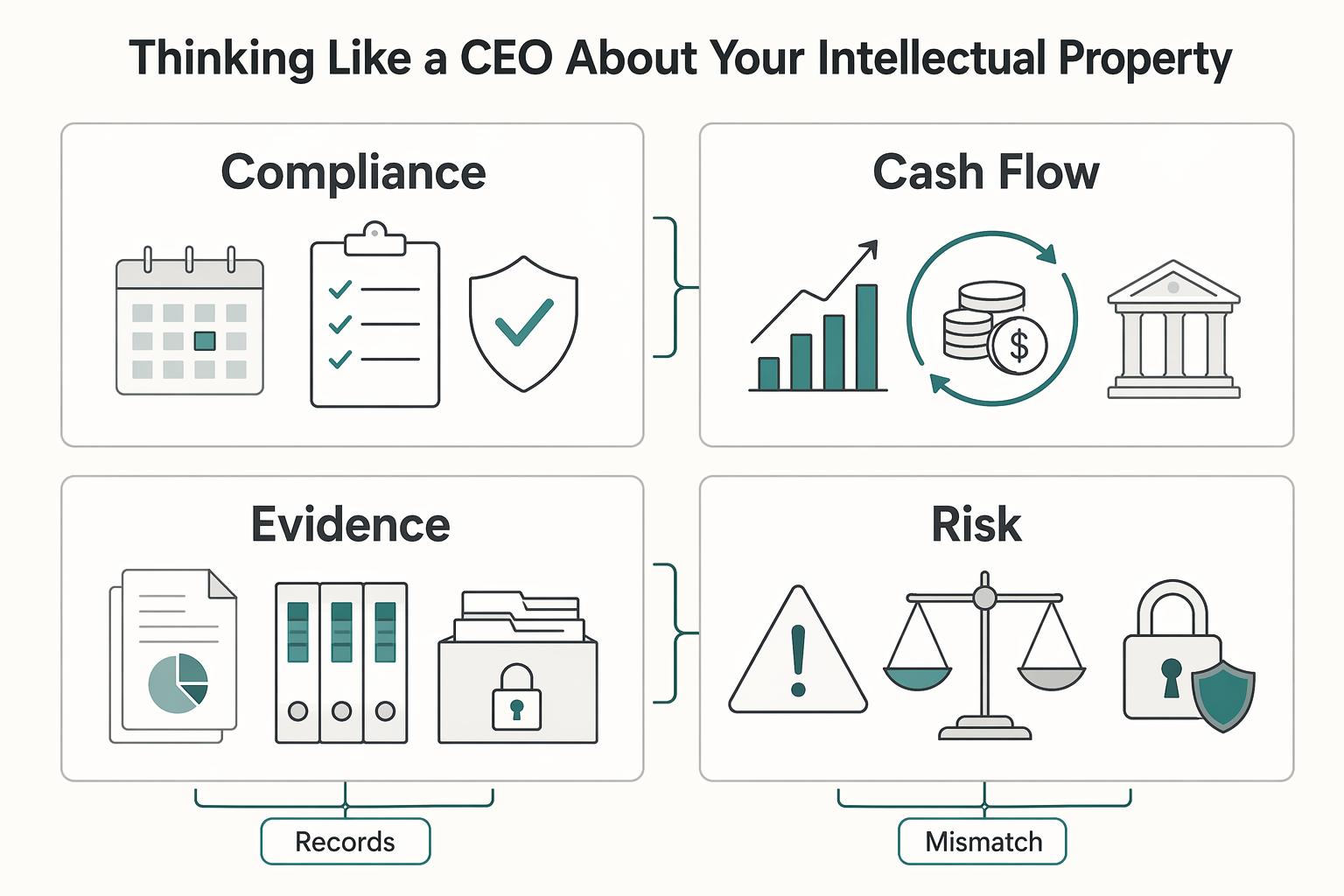
How to Handle Royalty Income on Your US Tax Return
Start here: classify your royalties based on what you actually did, not the label on the payment. The IRS default is to report royalties on **Schedule E**, but if you are in business as a self-employed creator, such as a writer, inventor, or artist, the IRS directs you to **Schedule C** instead. That choice affects self-employment tax, expense treatment, and whether net self-employment earnings can support self-employed retirement contributions.
Read more →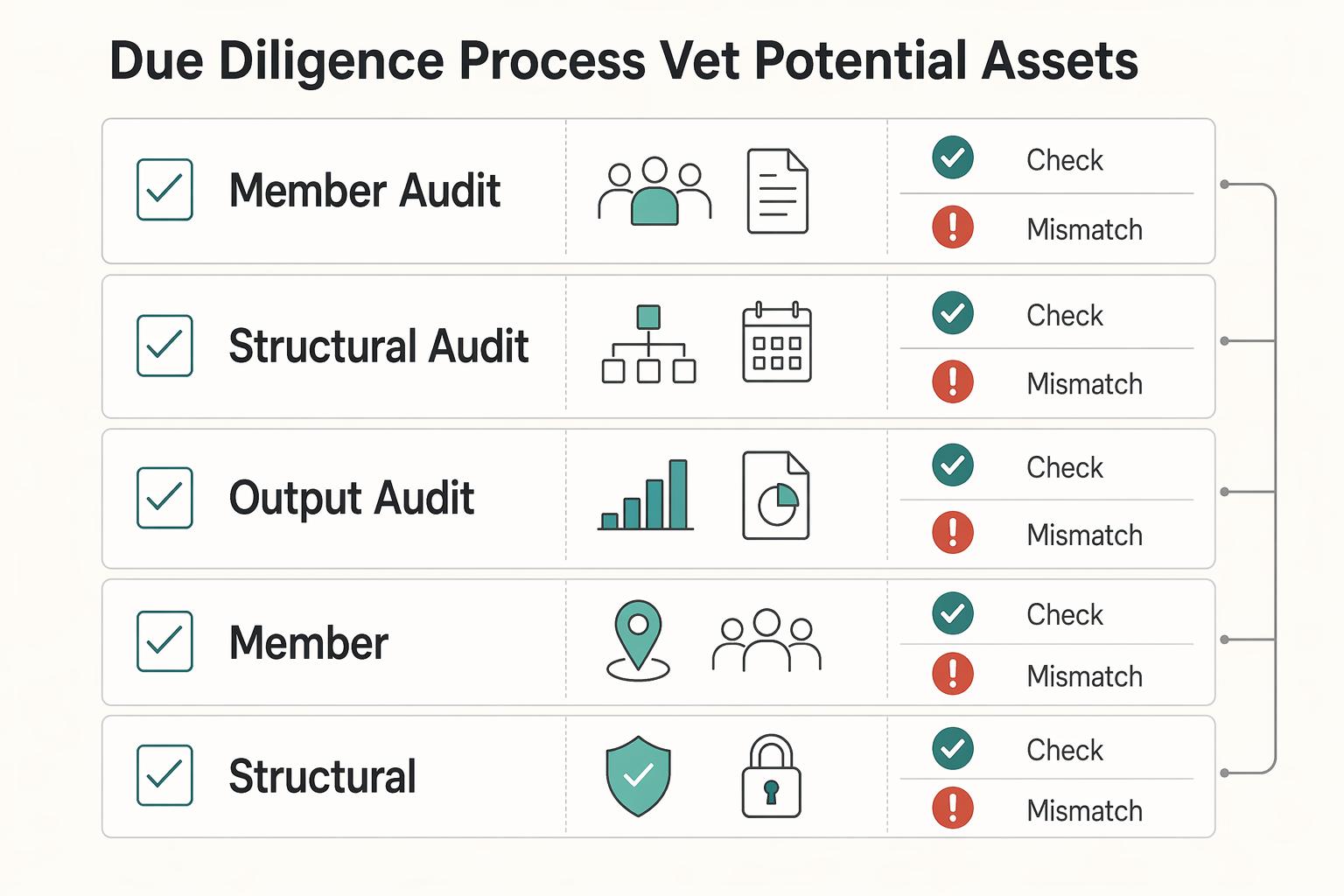
How to Find and Join a Writers Group That Actually Helps
If you work as a business of one, isolation can quietly erode momentum and quality. The usual advice is to "find a writers' group," but that frame is weak. It casts you as a passive applicant hoping to be let into a social circle.
Read more →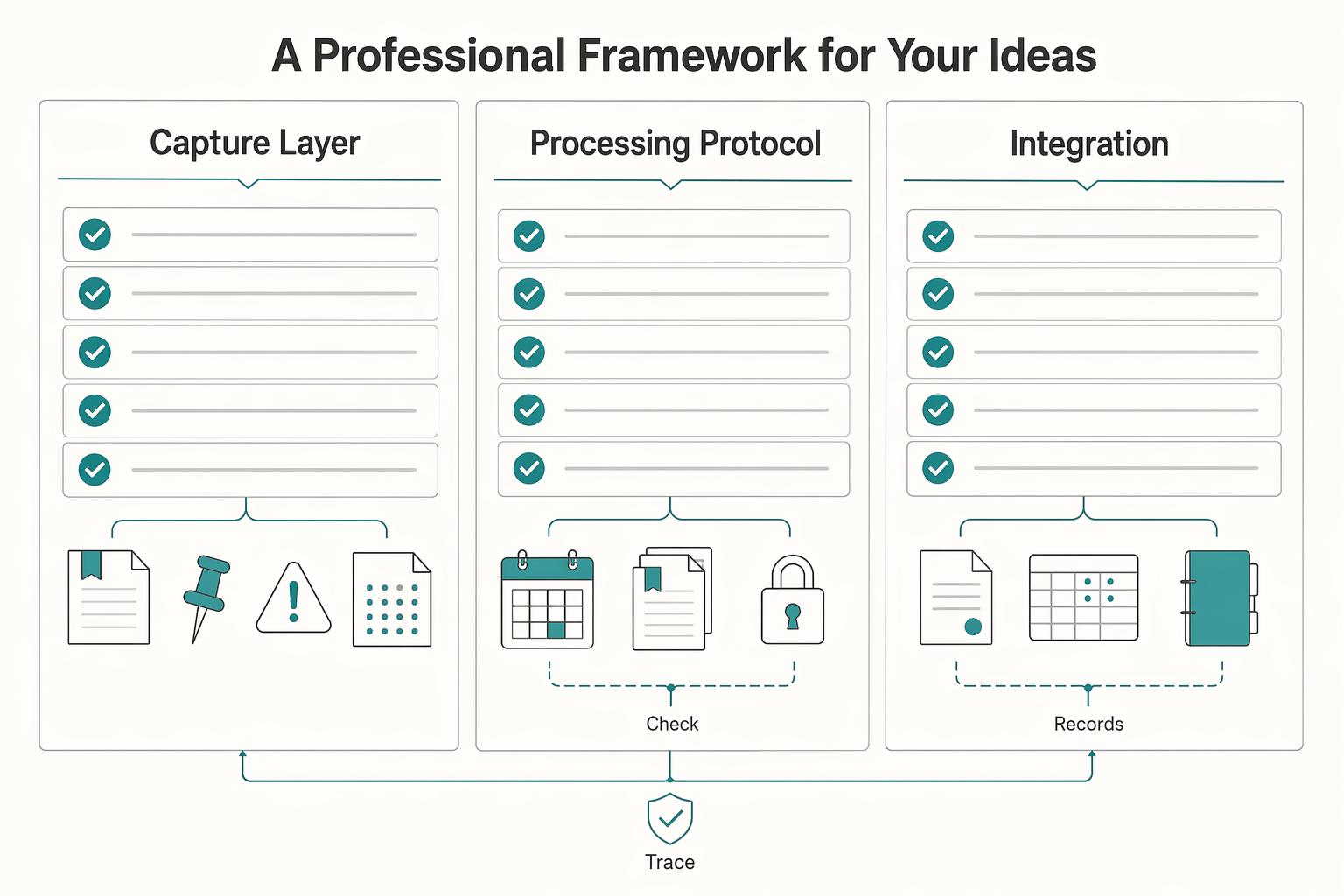
Best Notebooks and Pens for Writers Who Need Reliable Notes
If your notes live across sticky pads, phone drafts, random notebooks, and email screenshots, you may not have a reliable record. You may have a weak point in your day-to-day operations.
Read more →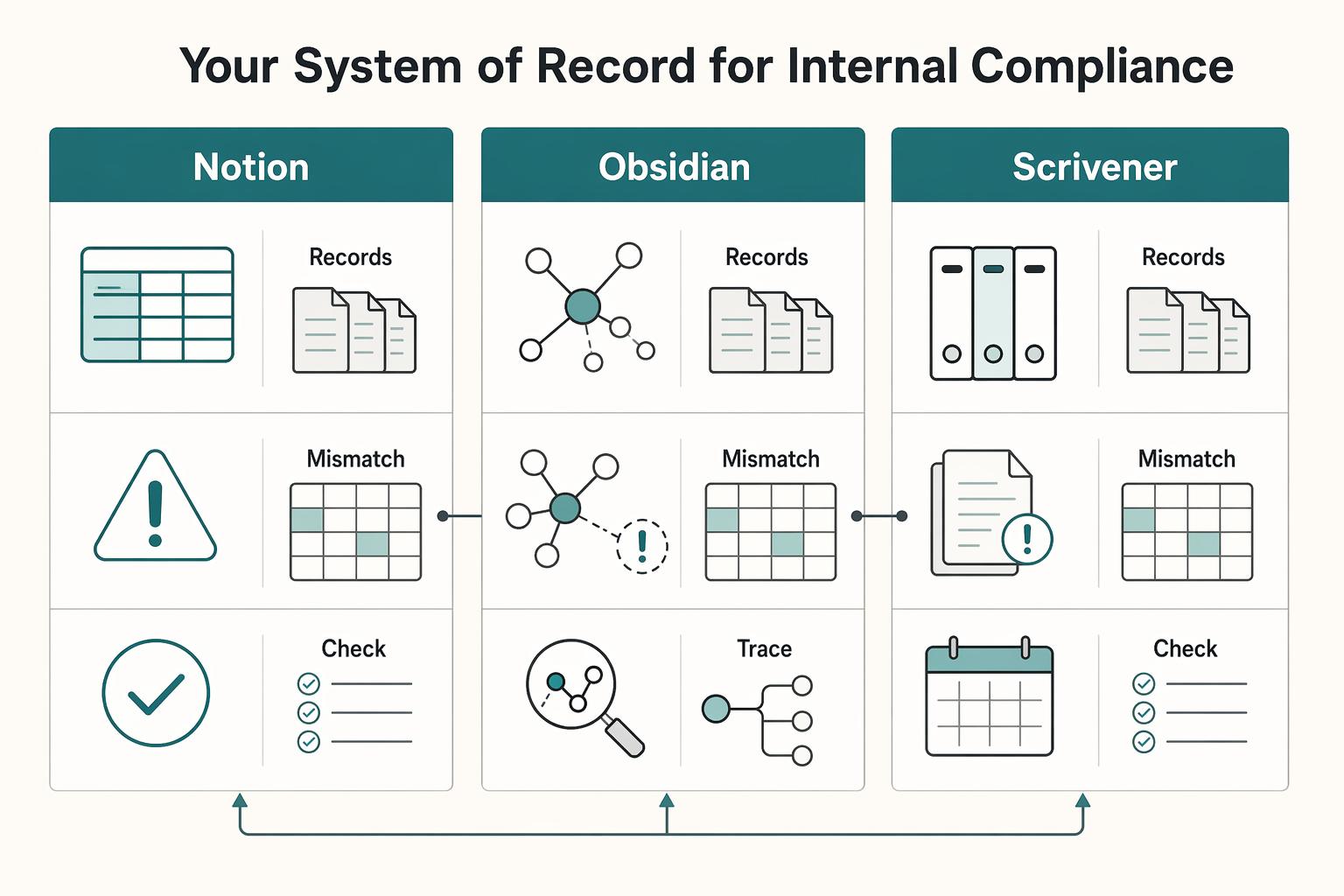
World-Building for Fiction Writers as a Repeatable Practice
A checklist becomes a project risk when it keeps demanding more lore than your story can actually use. Checklists are not the problem on their own. A [writer's checklist](https://www.publicationcoach.com/why-writers-need-checklists) can catch avoidable mistakes before submission. An open-ended lore checklist does something else: it quietly turns drafting time into background research with no clear stop point.
Read more →
Use the Three-Act Structure to Improve Proposals and Pitches
If your proposals, pitches, or client updates keep stalling with risk-aware buyers, the problem is often not charisma. It can be sequencing. The **[three-act structure](https://www.duarte.com/blog/business-communication-demands-3-act-story-structure)** helps because it gives one message three clear jobs: set up the problem, work through the tension, and land on a resolution or decision, instead of cramming facts, claims, and asks into one block.
Read more →
How to Find Beta Readers for Your Book and Use Their Feedback Well
If your feedback plan is "I'll send it to people I know," treat that as an informal signal, not a launch-readiness check on its own. It can help with morale or basic clarity, but major decisions are stronger when you add structured checkpoints instead of relying on intuition alone. When friends and family are your only quality control, risk rises across revision quality, schedule control, and manuscript handling.
Read more →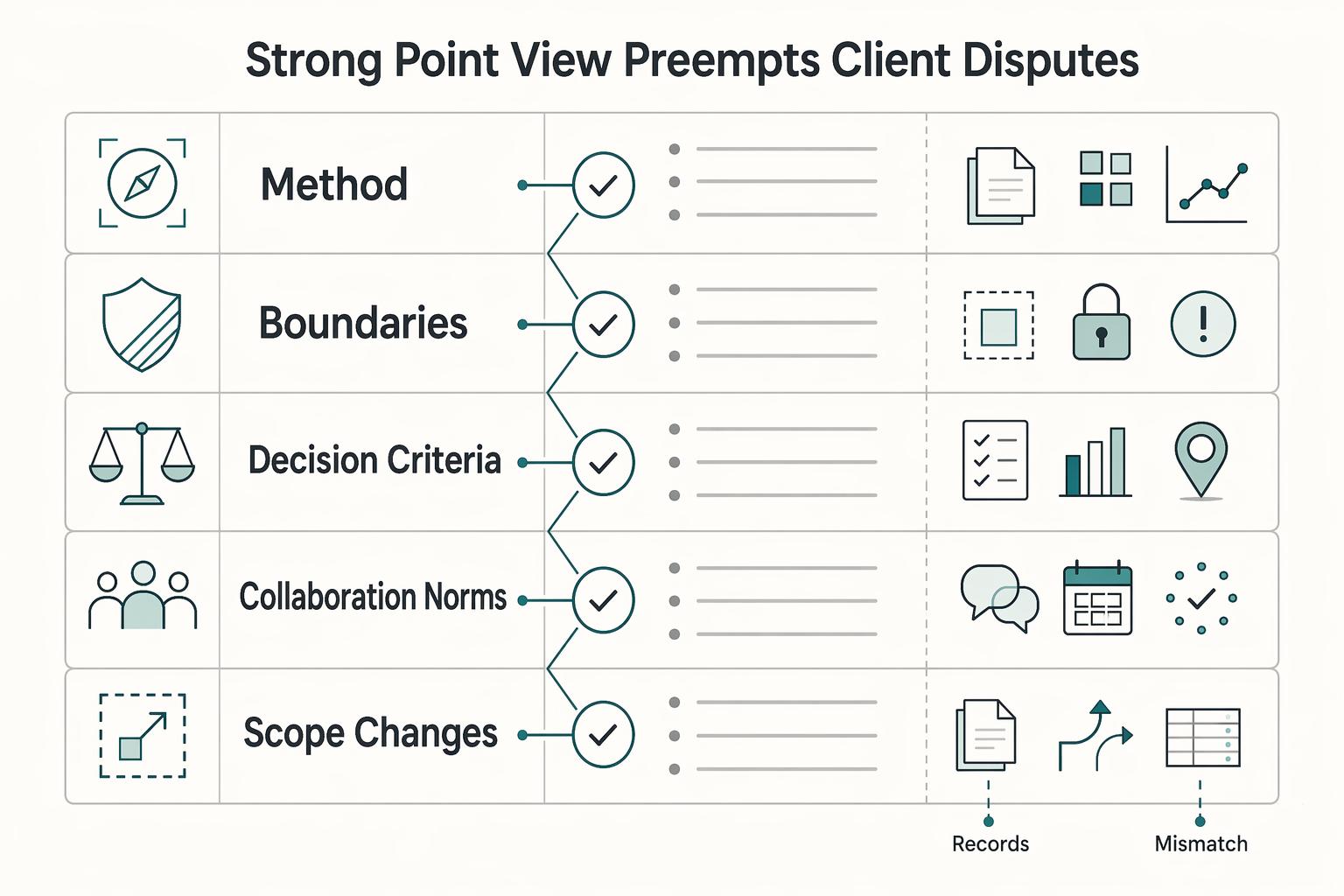
Thinking, Fast and Slow for Freelancers Who Want Better Clients
Treat thought leadership as risk control for your business, not just a visibility tactic. The real shift is from fast, reactive client chasing to slower, deliberate asset building. You publish to reduce risk before the next dry month, pricing call, or bad-fit project shows up.
Read more →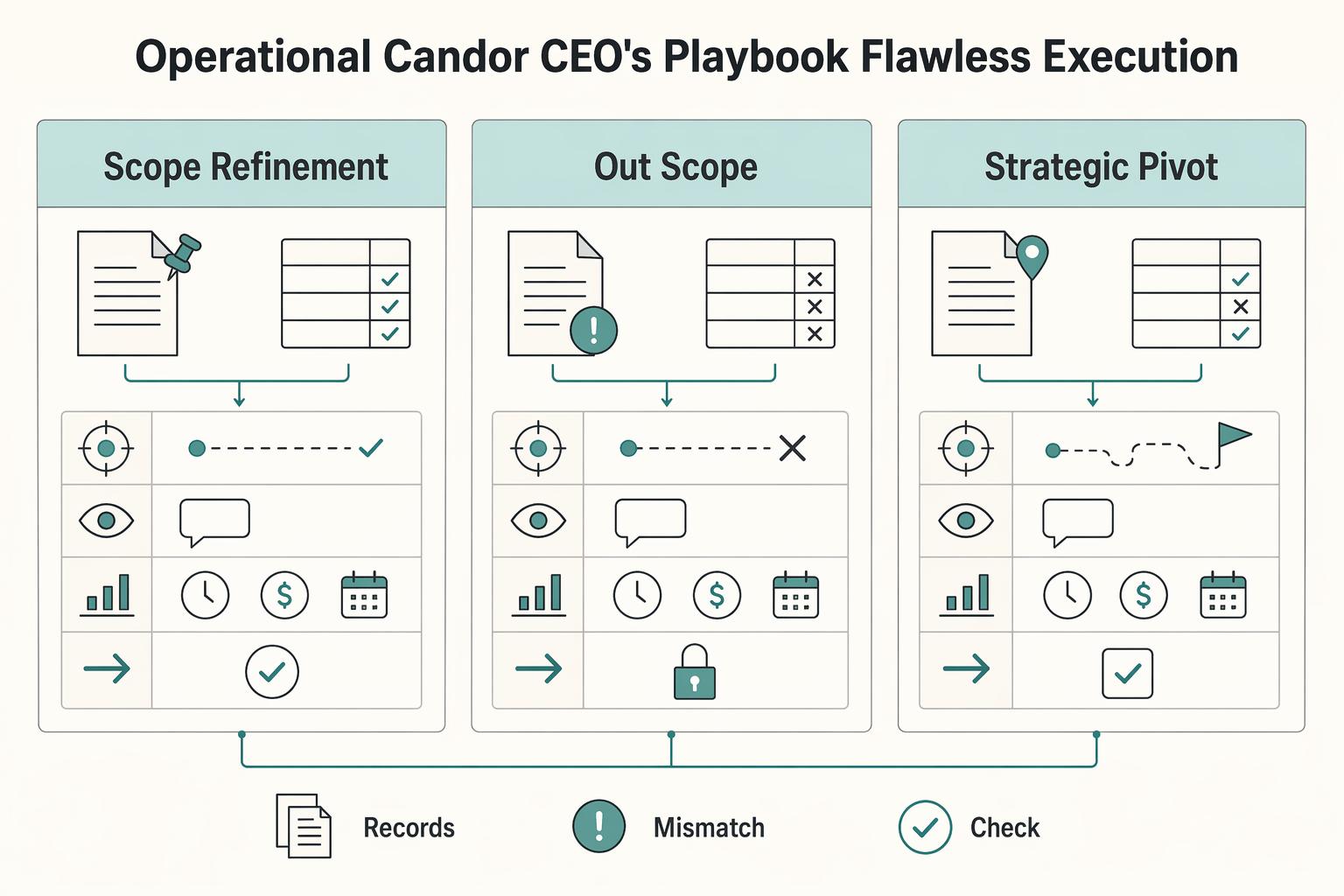
Radical Candor for Freelancers: Scope, Feedback, and Payment Conversations
If you treat [Radical Candor](https://www.radicalcandor.com/our-approach) as a personality label, you will use it inconsistently. Treat it as an operating choice instead, and you give yourself a clearer way to handle scope, payment conversations, trust, and the record of what was actually said. In practice, that means doing two things at once in client communication: **Care Personally** and **Challenge Directly**.
Read more →
How to Use the Pyramid Principle for Client Communication
Treat the **pyramid principle for client communication** as a practical rule: state the decision first, then support it with organized proof. When a client message buries the point, misunderstandings grow and create extra back-and-forth.
Read more →
How to Build an Antifragile Freelance Business: Financial Core, Compliance Firewall, and Shock Absorbers
If you want an antifragile freelance business, design your operations to benefit from disruption, not just survive it. Resilience means you absorb a shock and recover. Antifragility, in Taleb's framing, means you improve because of volatility rather than merely endure it.
Read more →
How to Create a Lindy-Proof Freelance Career
The usual freelance playbook is more fragile than it looks. It leans on trend chasing, rented platforms, and systems you do not control. For a seasoned professional, longevity comes from a different approach: building a practice that gets more resilient as markets, tools, and jurisdictions change. That is the point of a "Lindy-proof" career. Durability becomes a real competitive advantage.
Read more →
How to Find Your Blue Ocean as a Freelancer Through Operational Clarity
For a practical **blue ocean strategy for freelancers**, start inside your own business. Your first uncontested market space is not a clever tagline. It is a client experience with fewer errors, fewer delays, and clearer proof that you did what you said you would do.
Read more →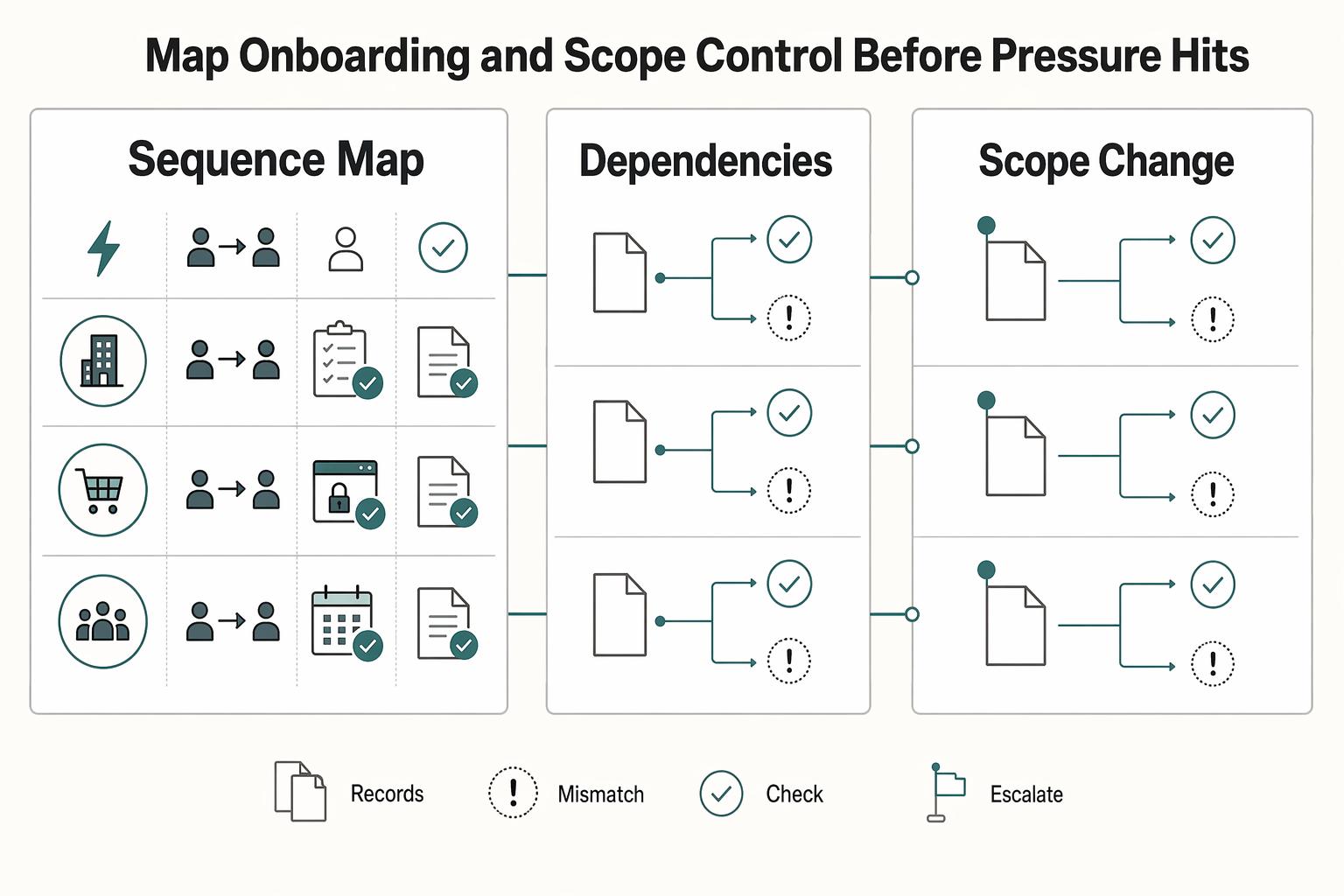
Crossing the Chasm for Freelancers Without Operational Chaos
If clients already want your work, demand is not the main problem anymore. The bottleneck is whether your business can stay dependable as volume, stakes, and scrutiny rise. For many freelancers, this stage is really the shift from being impressive to being consistently low risk.
Read more →
What is the 'Innovator's Dilemma' for a solo consultant?
The disruption convulsing the consulting industry isn't just another challenge; it's a structural shift that reveals the core vulnerability of large, established firms. Understanding this vulnerability is the key to unlocking your most significant opportunity as an independent professional.
Read more →
A freelancer's guide to 'Measure What Matters' (OKRs)
The promise of freelance life is autonomy. The reality, for many, is a steady, low-grade anxiety caused by uncertainty. We celebrate top-line revenue, then worry about cash flow. We chase new projects, but rarely stop to ask whether they are actually profitable. That reactive feast-or-famine loop is what most often undermines the freedom you set out to build.
Read more →
The Circle of Competence for Freelance Consultants
Treat your **circle of competence for freelancers** as a decision boundary, not a branding slogan. Whatever market you target, your circle is the work you can reliably perform well because you know where your competence begins and ends.
Read more →
A freelancer's guide to 'Deliberate Practice'
Let's be direct: as a six-figure freelancer, you have already achieved mastery in your craft. Your technical skills are sharp, your portfolio is impressive, and you deliver exceptional work. That expertise got you here. But it is not what will get you to the next level of security and control. The real ceiling on your income, the true source of that low-grade anxiety humming beneath the surface of a successful business, isn't your talent. It's your business acumen.
Read more →
The Protégé Effect for Freelancers: Teach Your Method to Build a Defensible Business
If your business only works when you personally show up, it can look stable day to day but still be hard to hand off. A sick week, an overloaded month, or a client asking for a clean record of what was agreed can surface the same issue: too much of your method lives in your head. Treat that as an operational warning, not a measured benchmark.
Read more →
Ultralearning for Busy Professionals Who Need Clear ROI
Professional stagnation is a quiet form of bankruptcy. The ground keeps shifting, and the half-life of professional skills is now estimated at less than five years. For experienced professionals, continuous learning is not personal enrichment. It is a core business function, the research and development arm of your career.
Read more →