
Operator playbooks for cross-border payments, tax, and compliance execution.
Step-by-step guidance for finance, product, and ops teams to launch faster, reduce payout friction, and keep reconciliation clean across borders.
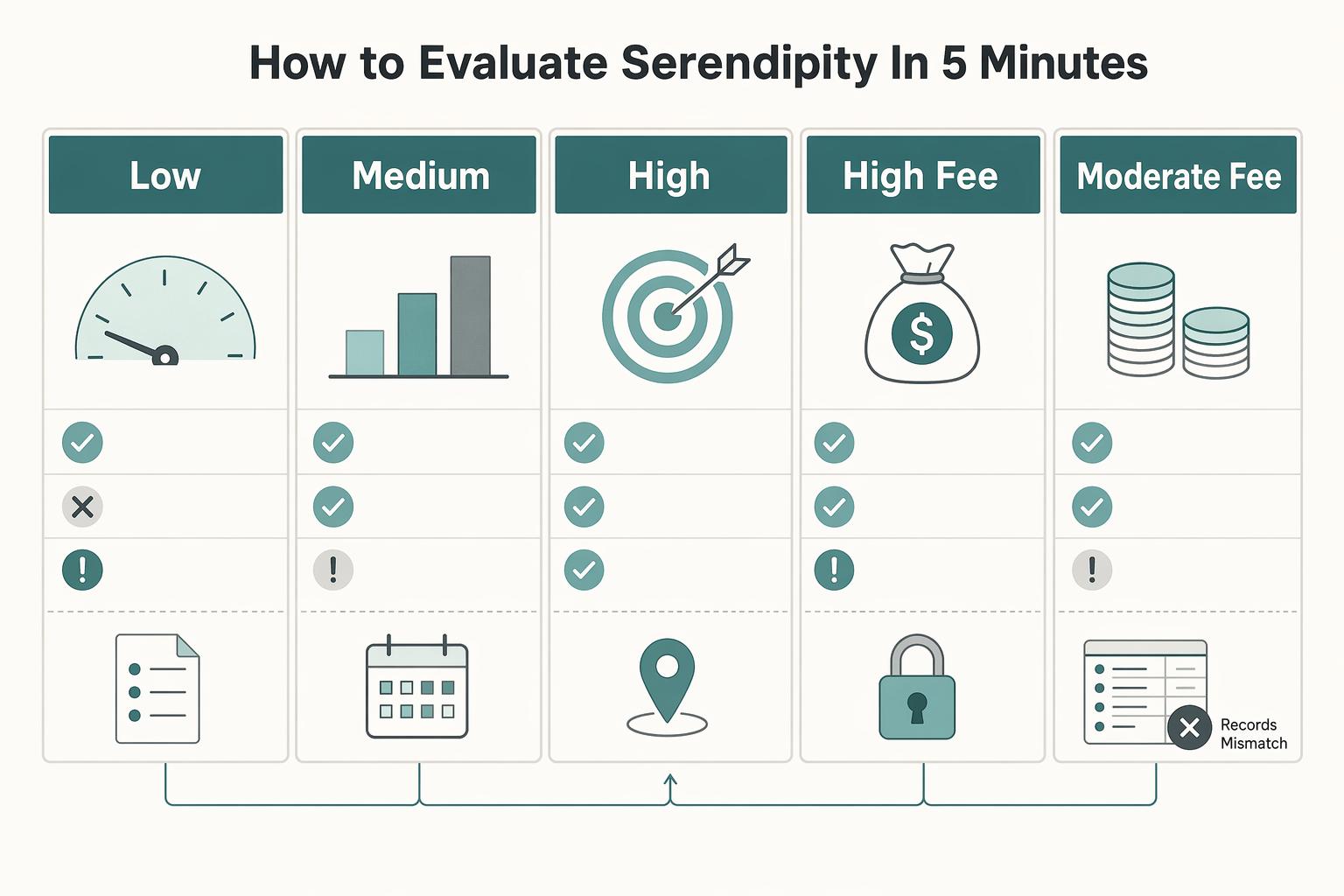
How Freelancers Create Serendipity With a Go/No-Go System
You can only say yes to unexpected work if your records are solid enough to survive billing, tax, and travel questions. Treat contract intake, tax-status checks, invoice prep, and evidence storage as one control chain. That will not guarantee a clean outcome in every jurisdiction, but it can cut avoidable errors, rework, and payment friction.
Read more →
The 'Great Man Theory' vs. 'Zeitgeist' in creative work
For the founder of a business of one, the practical answer is simple: your progress comes from both your own skill and choices and the market around you.
Read more →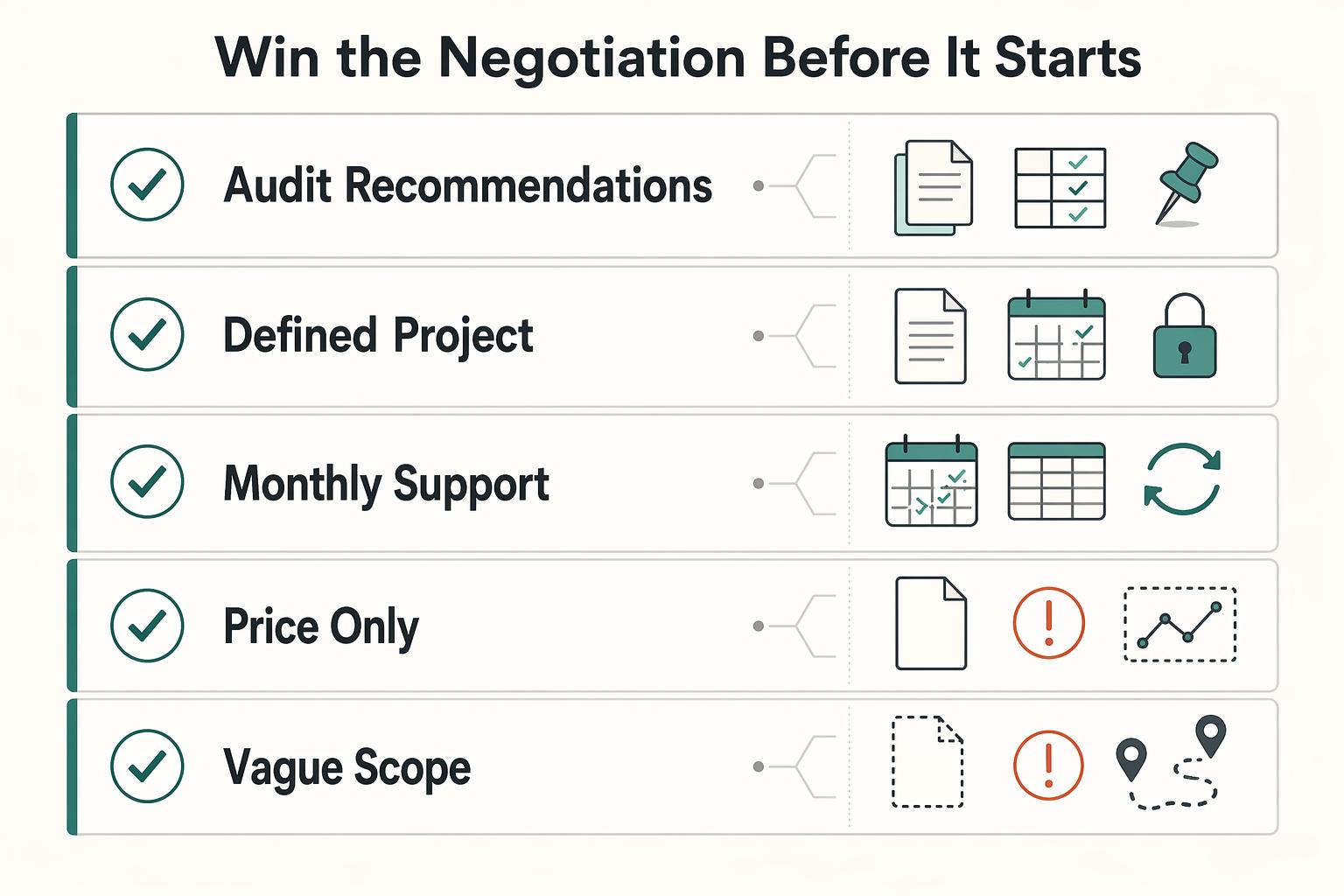
Use Game Theory for Freelance Pricing Without Scope Drift
Price alone is a weak win. A strong fee does not help much if scope, process, and payment expectations stay loose. You can still end up doing more work, waiting longer, and arguing harder to get paid. The practical use of **game theory for freelance pricing** is simple: shape the deal so the easiest move for the client is also the move that protects both sides.
Read more →
How to use 'Hanlon's Razor' in client communication
Use **[hanlon's razor in client communication](https://watersbusinessconsulting.com/2024/12/12/can-hanlons-razor-help-your-business-cut-to-the-core-or-nick-the-quick)** as a triage tool, not an excuse. Much client friction is not pure malice, but it can still disrupt delivery if you handle it loosely. The useful move is not to judge character first. It is to diagnose what actually happened.
Read more →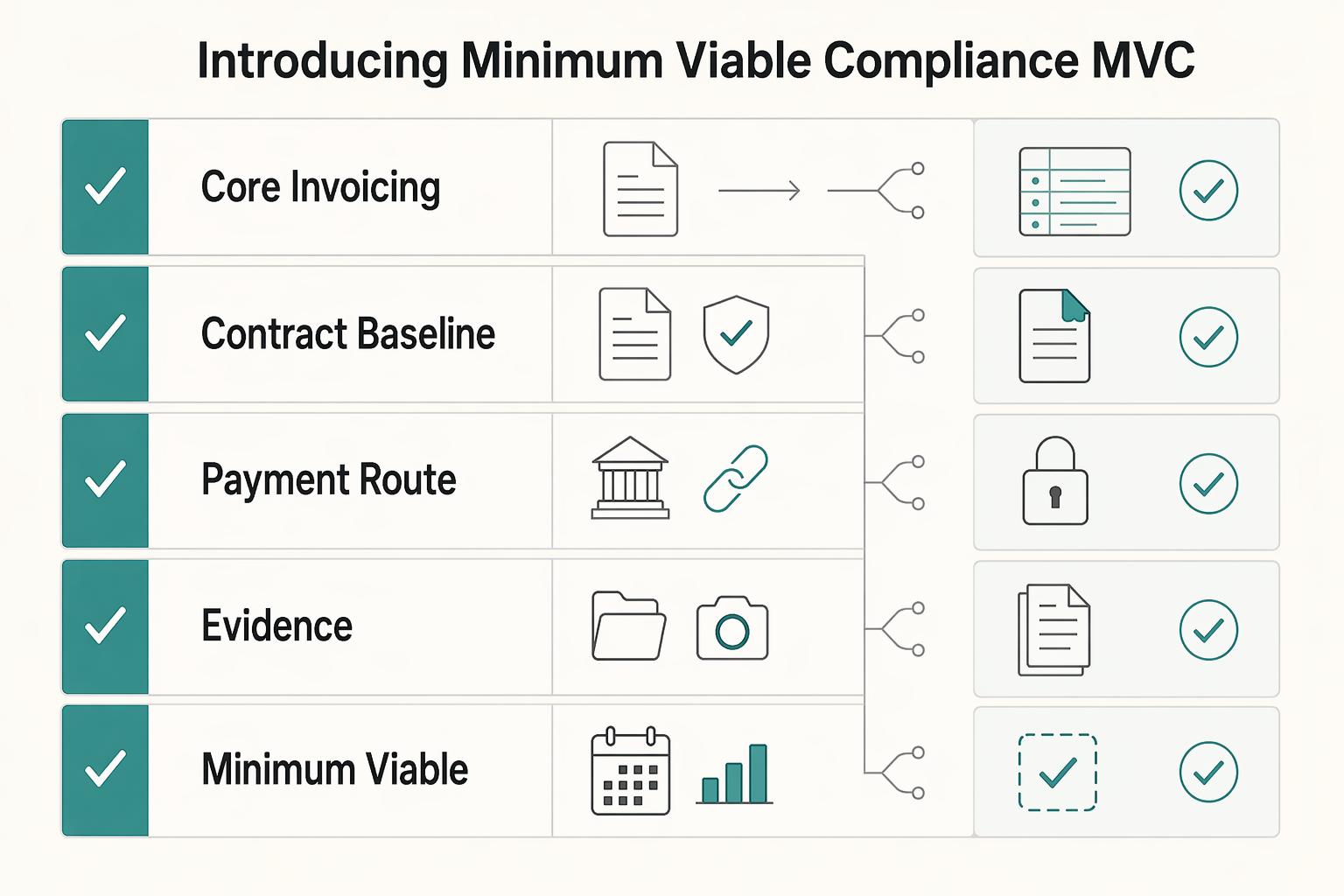
How Gall’s Law Helps Independent Professionals Build Systems That Last
Build in stages, not all at once. **[Gall's Law](https://fasterthannormal.co/mental-models/galls-law)** is not abstract theory here. It is a practical rule for designing processes and systems without ending up with a brittle mess you have to untangle later.
Read more →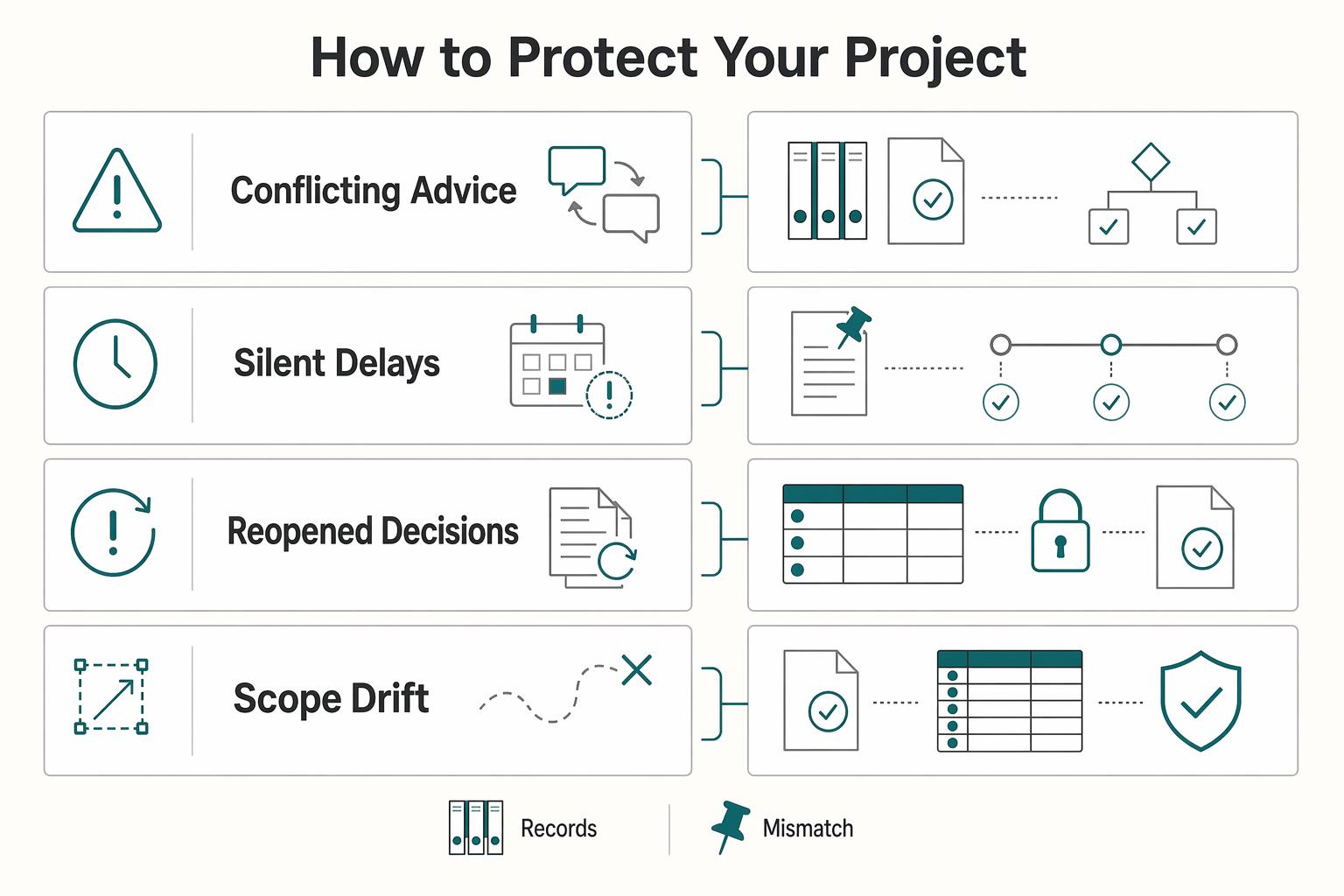
Peter Principle in Agency Growth: How Consultants Protect Client Delivery
Treat this as a delivery-risk diagnosis, not a character verdict. When your main client contact creates delay, rework, or approval churn, first work out what you're actually seeing.
Read more →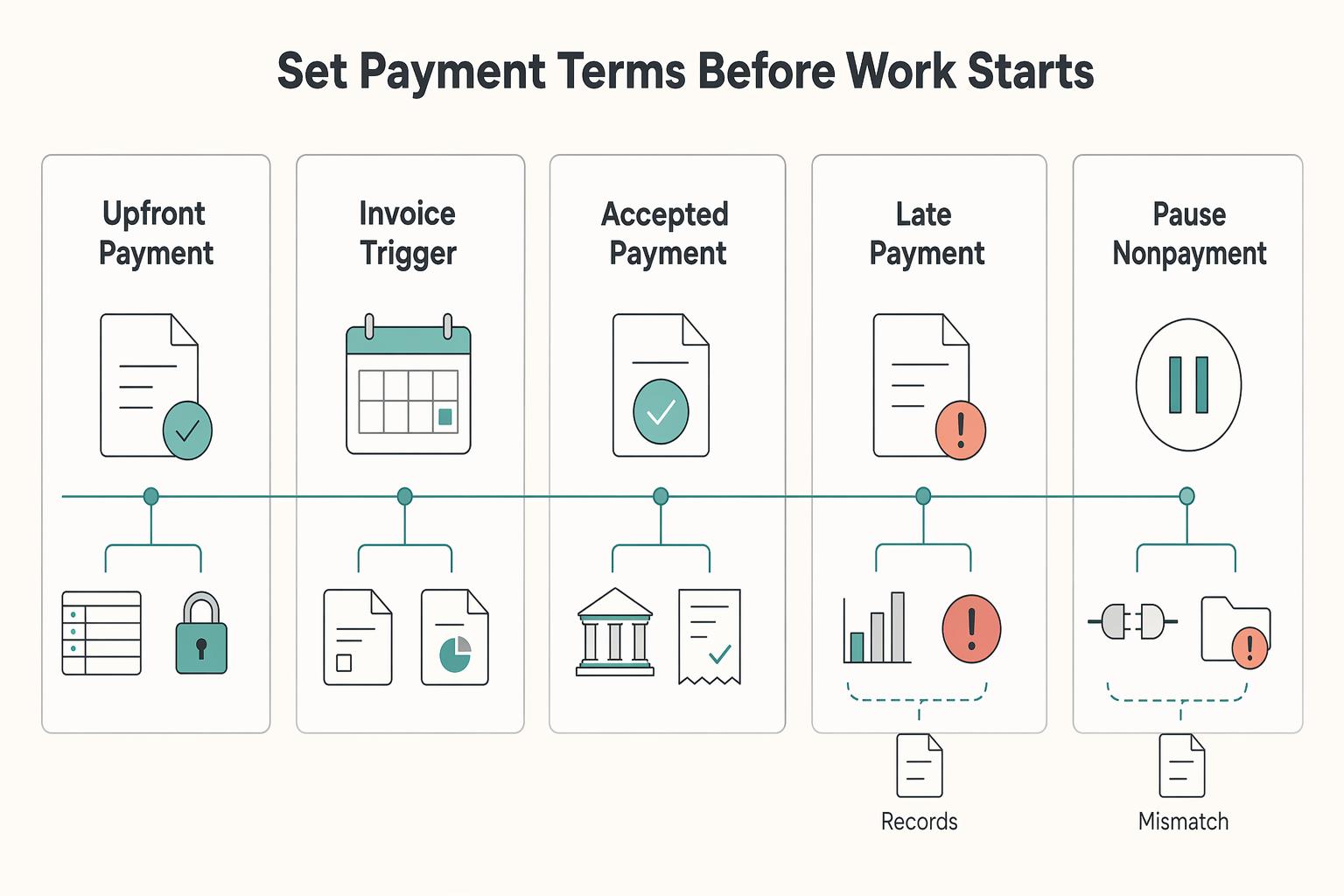
The Anchoring Effect in Freelance Negotiations
Before you send a proposal, do not anchor only the fee. Opening terms shape where agreements tend to land, so use the proposal to set expectations across three areas: price, scope, and terms. Think of it as a pre-send check against fuzzy deliverables, payment friction, and avoidable disputes about how the work runs.
Read more →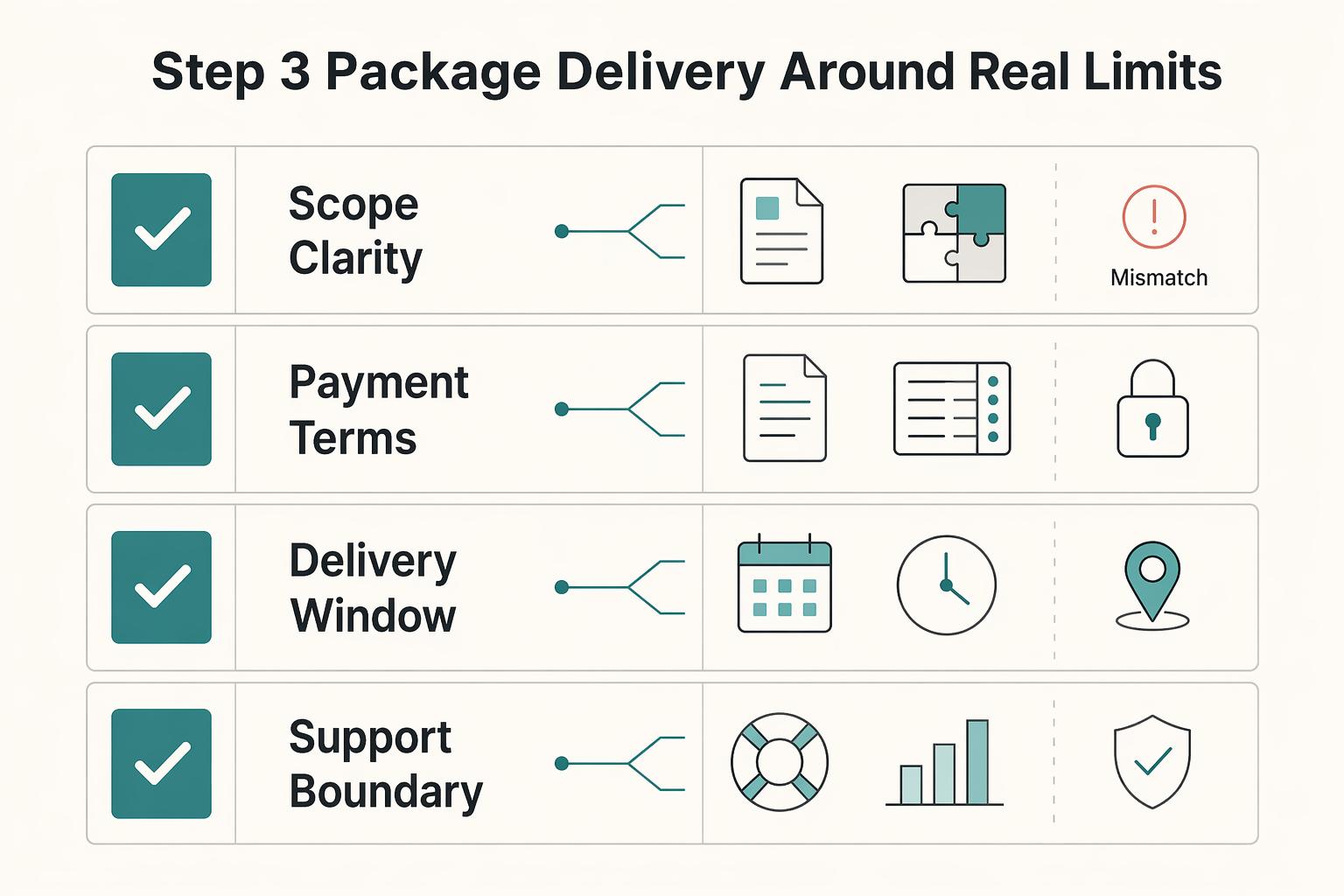
The Scarcity Principle for Selling Digital Products
Used carelessly, the **scarcity principle for digital products** can do more harm than good. In an expertise-led business, manufactured urgency can push buyers to decide before they have fully evaluated fit, budget, scope, and terms.
Read more →
How Creative Professionals Protect Flow State With a Compliance, Operations, and Client Firewall
It's a frustrating paradox for any professional: you've engineered the perfect work environment, silenced every notification, and blocked out your calendar for deep work, yet the state of deep focus you need - the flow state - remains elusive. The reason isn't a lack of discipline. your brain is neurologically incapable of reaching that state of immersive creativity when it's simultaneously functioning as your company's full-time risk-assessment officer.
Read more →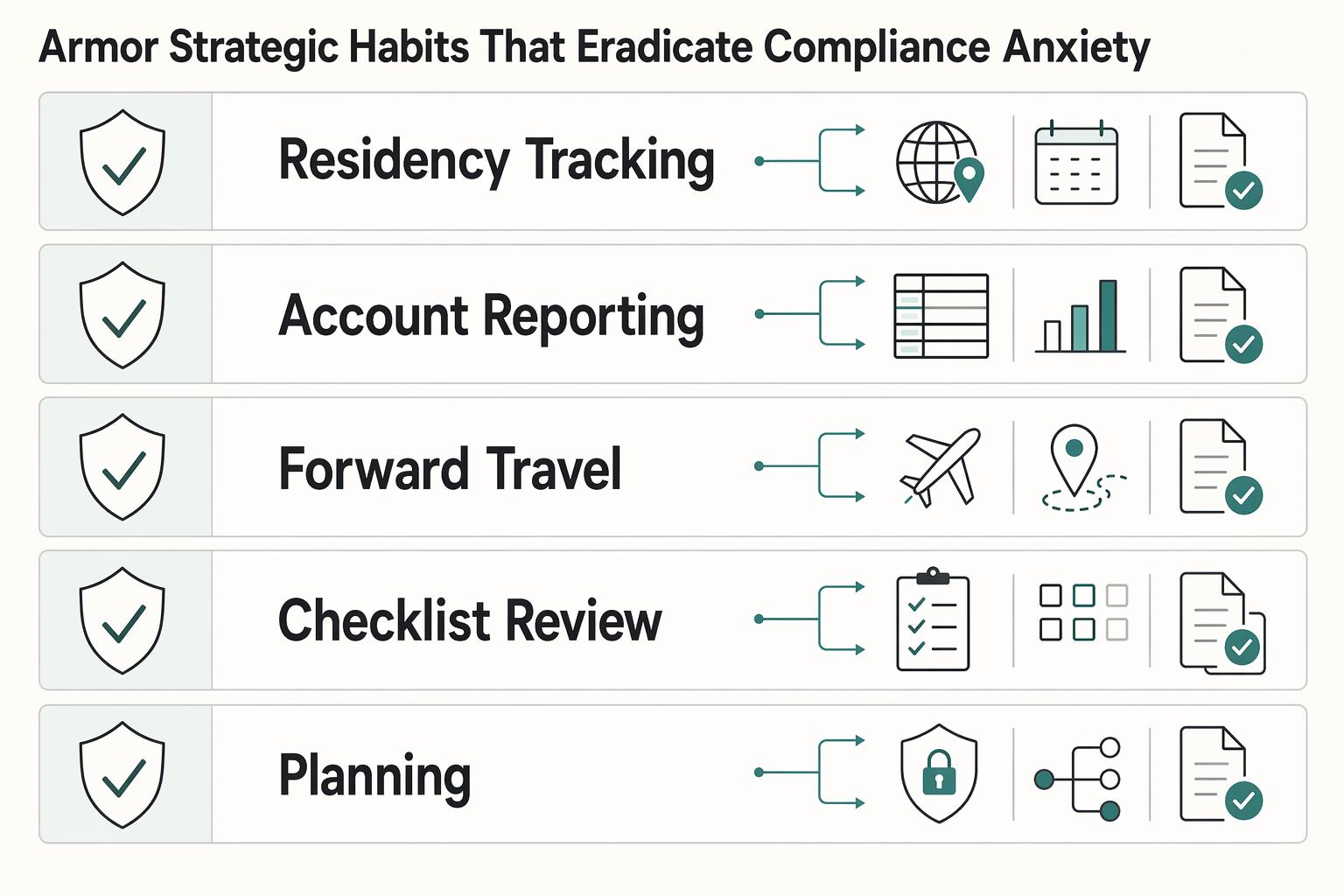
How to Apply Atomic Habits to Your Freelance Business
Atomic habits for freelancers are small, repeatable business actions that keep key tasks from slipping when the week gets noisy. For many freelancers, the real risk is not lack of effort. It is inconsistent handling of routine business tasks, which can lead to avoidable last-minute decisions.
Read more →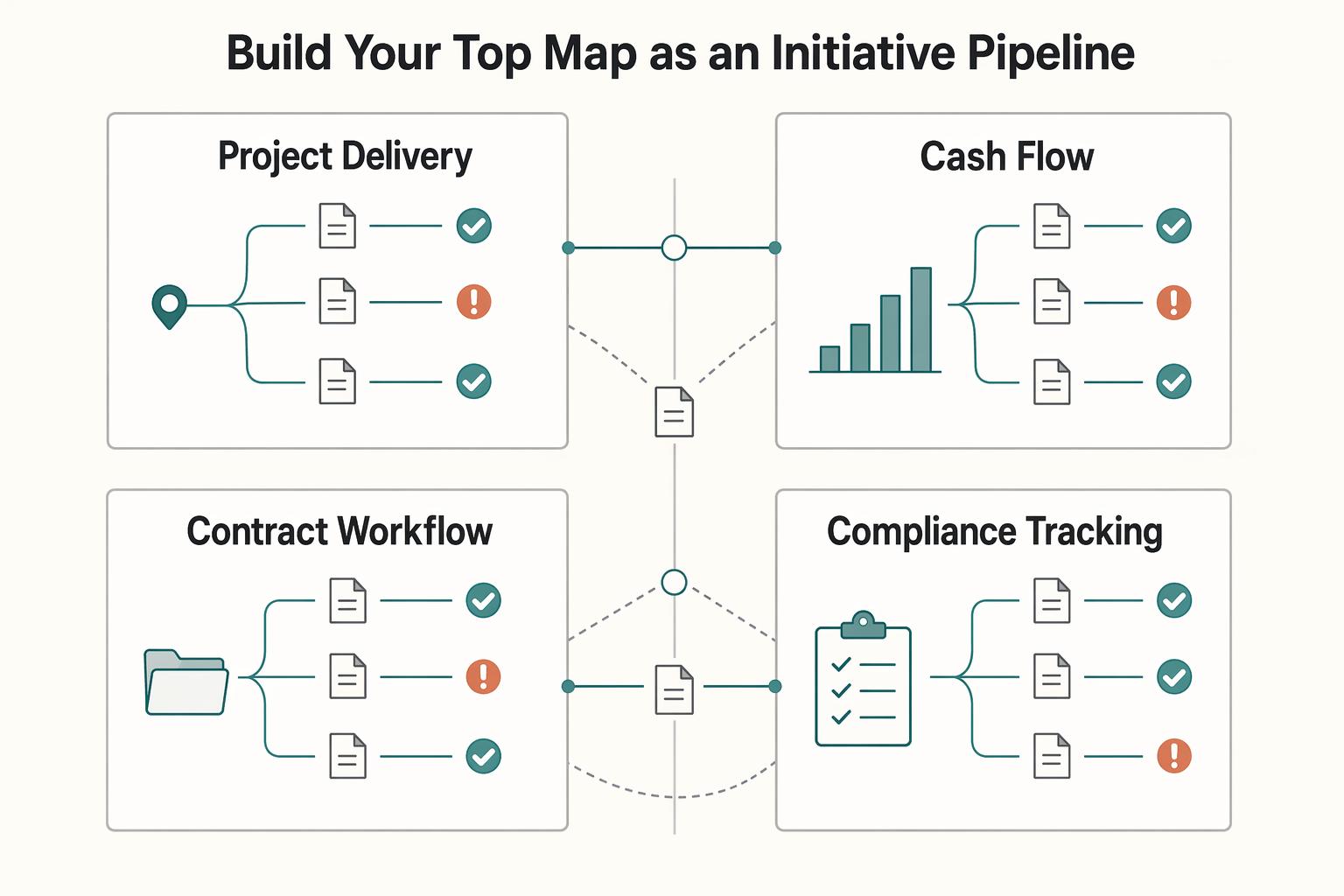
Mind Mapping for Freelancers Who Need a Real Operating System
You do not need a bigger idea board. You need one view that shows what is moving, what is stuck, what is waiting on a document or signature, and what needs a decision next. That is the real job of mind mapping when your ambition outruns your time and attention.
Read more →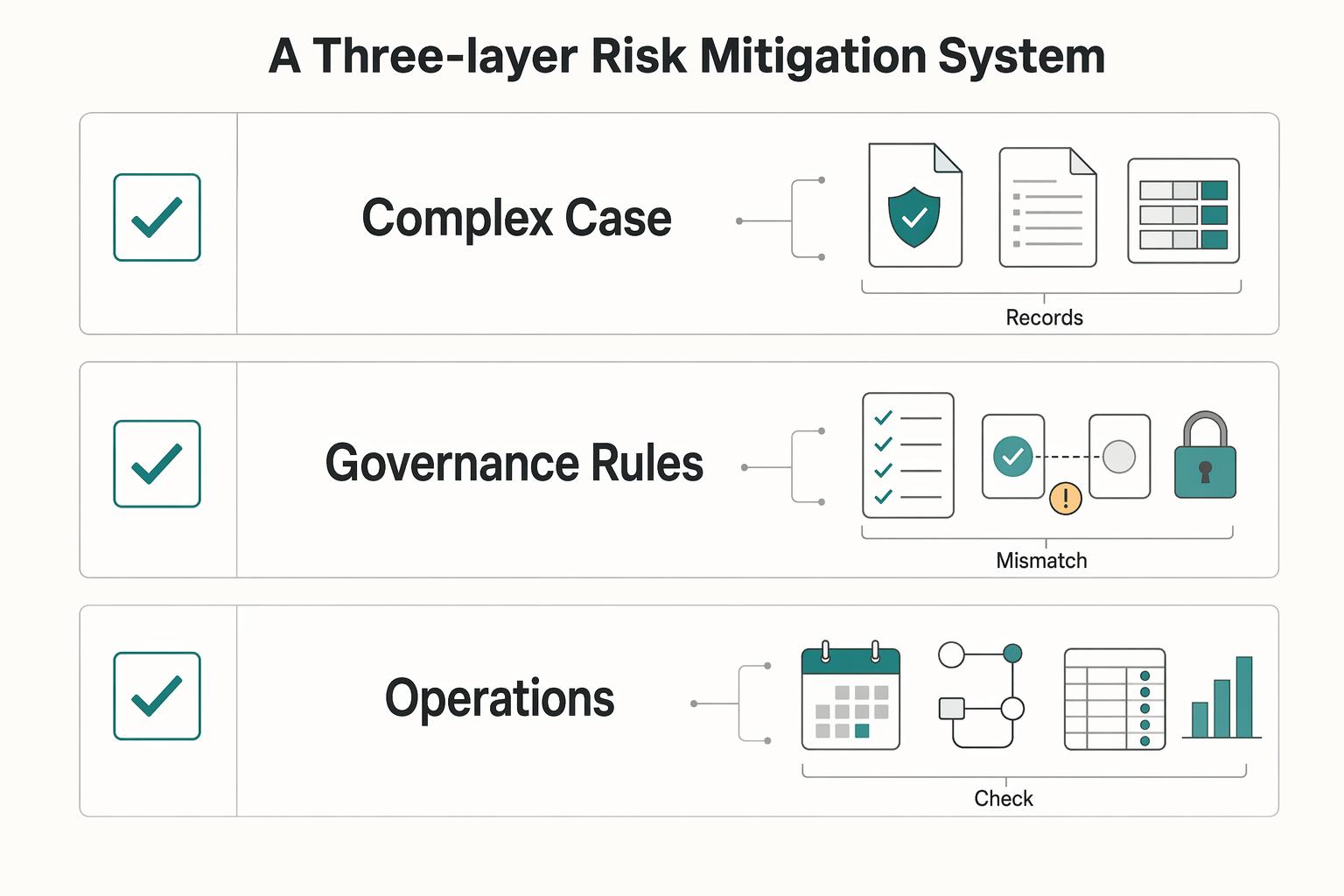
Freelance Finance Automation With Zapier and Stripe Controls
An LLC is a baseline, not a complete safety system. It may help limit collection to business assets for some debts. It does not remove personal exposure when you personally co-sign or when you are named personally alongside the entity. In practice, the real risk often comes down to what you sign and whether claims are directed at you personally.
Read more →
How to Find the Best Deals on Flights
If you are planning a move or a long stay, the right way to find cheap flights is to choose the fare that supports the trip you are actually taking, not just the one with the lowest headline price. A cheap fare can still be the smart choice, but only if it gets you there on a schedule you can use, leaves you functional when you land, and gives you booking records you can work with later.
Read more →
How to Join a Mastermind Group for Your Freelance Business
A **freelance peer group** can do more than make you feel less alone. At its best, it works like a personal board of directors: a small group that meets regularly to discuss issues, test decisions, and hold each other accountable, not just a general support circle.
Read more →
How to Price a Digital Product
If you are figuring out **how to price a digital product**, do not start with a random number. Start with where your pricing method and implementation are most likely to break.
Read more →
Setting Up a UK Limited Company for Freelance Work
You are not just deciding how to file paperwork. You are deciding whether to run your work through a company that is legally separate from you. That choice affects your liability exposure, how credible your business looks, and how ready your operations are as you grow. The real question is whether this structure fits your business now and whether you can run it properly after formation.
Read more →
How to Write a Contract for a UK-Based Client
Use this as your pre-signature risk screen. Lock down scope, exit, liability, and confidentiality before you sign. If any of those are vague, they can become dispute points later.
Read more →