
Operator playbooks for cross-border payments, tax, and compliance execution.
Step-by-step guidance for finance, product, and ops teams to launch faster, reduce payout friction, and keep reconciliation clean across borders.
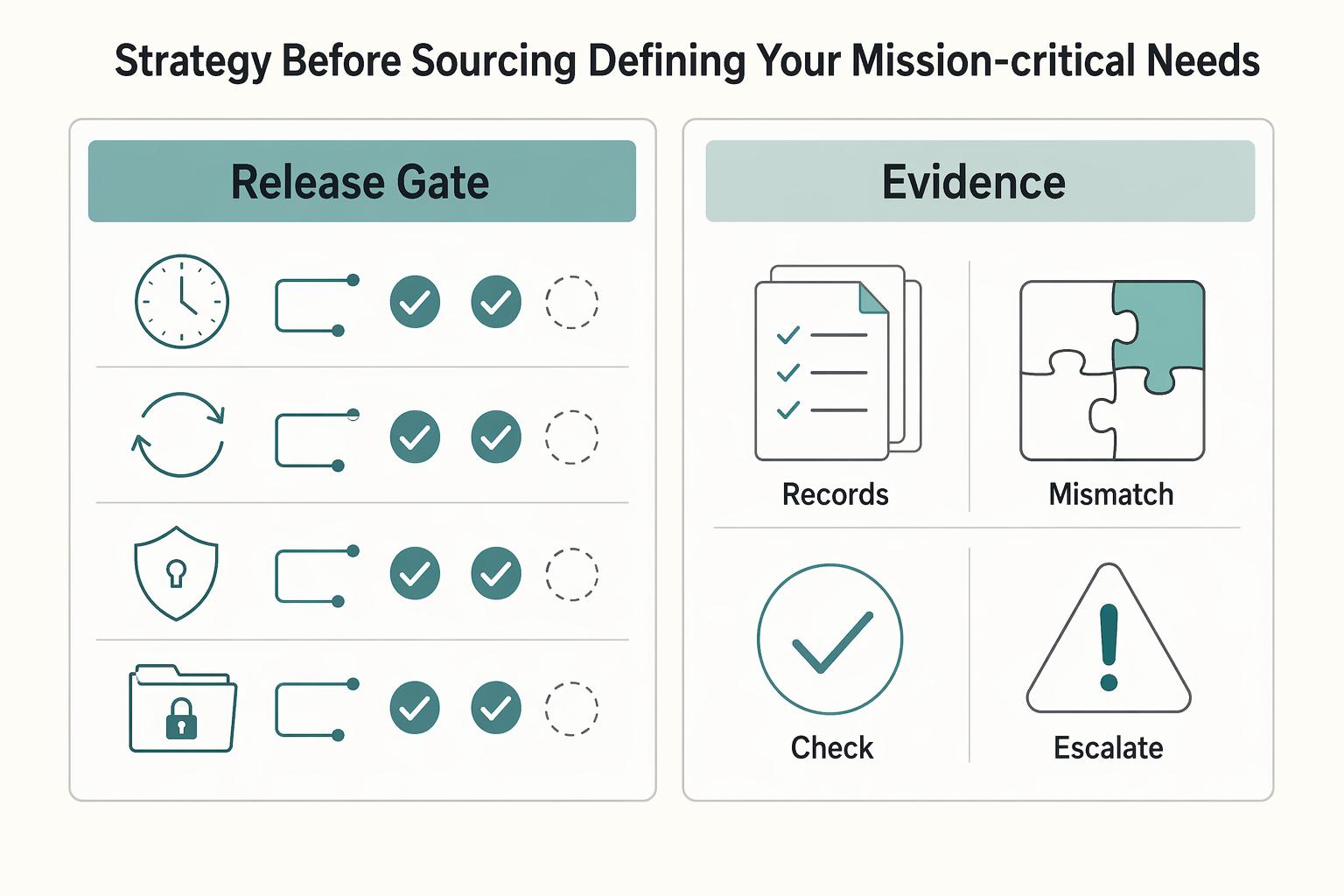
Where to Hire a Virtual Assistant Without Creating Compliance Risk
If you're looking for virtual assistant support, start with risk, not rates, badges, or platform feature lists. The best place to hire a virtual assistant is the one that matches your exposure on classification and oversight, then your internal requirements around data access, confidentiality, and service continuity.
Read more →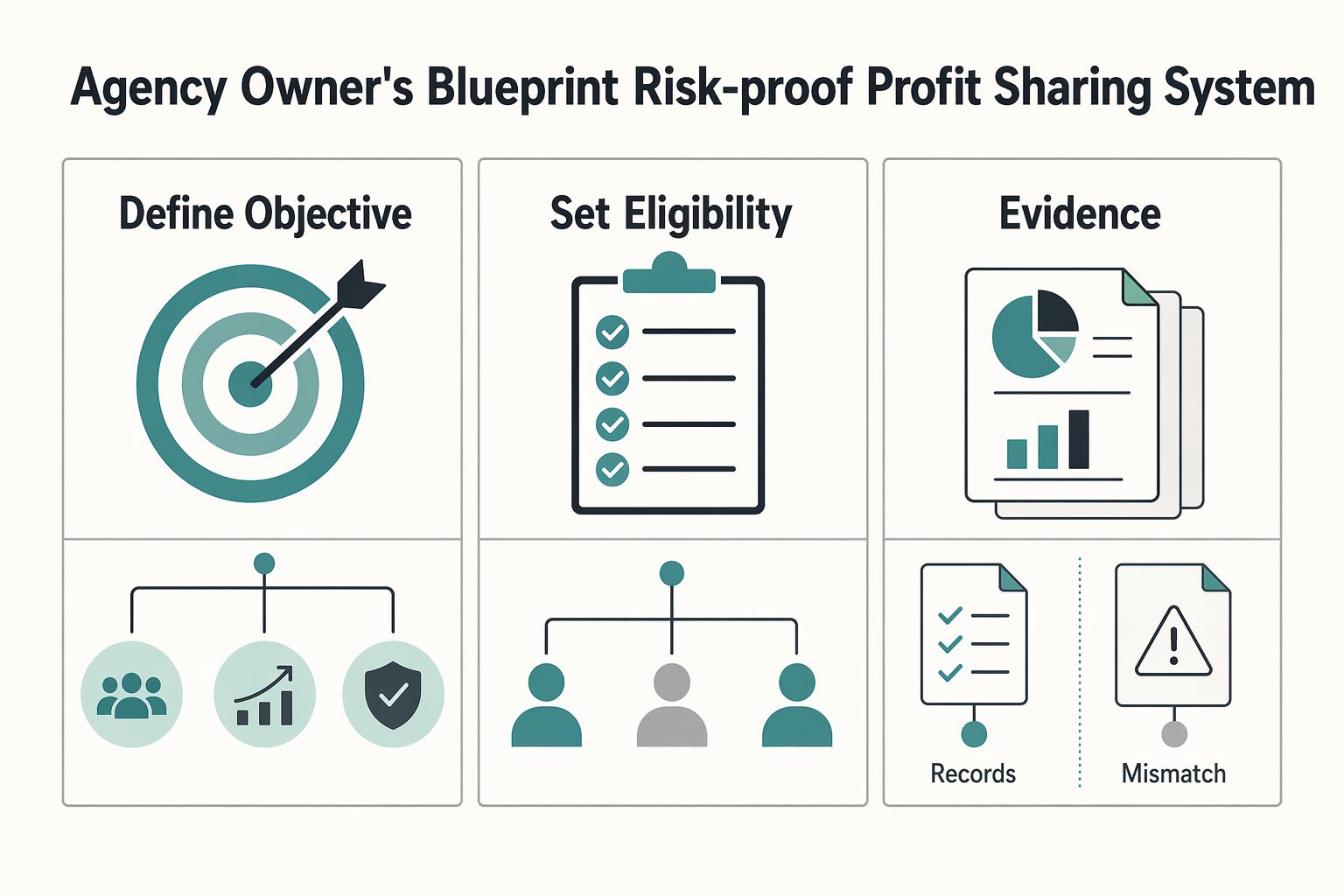
Profit Sharing for Small Agencies Without Compliance Surprises
Run this as a system, not a morale perk. If you want profit sharing to support retention, alignment, and financial health, set it up with a written plan, clear ownership, and rules you can apply the same way every time.
Read more →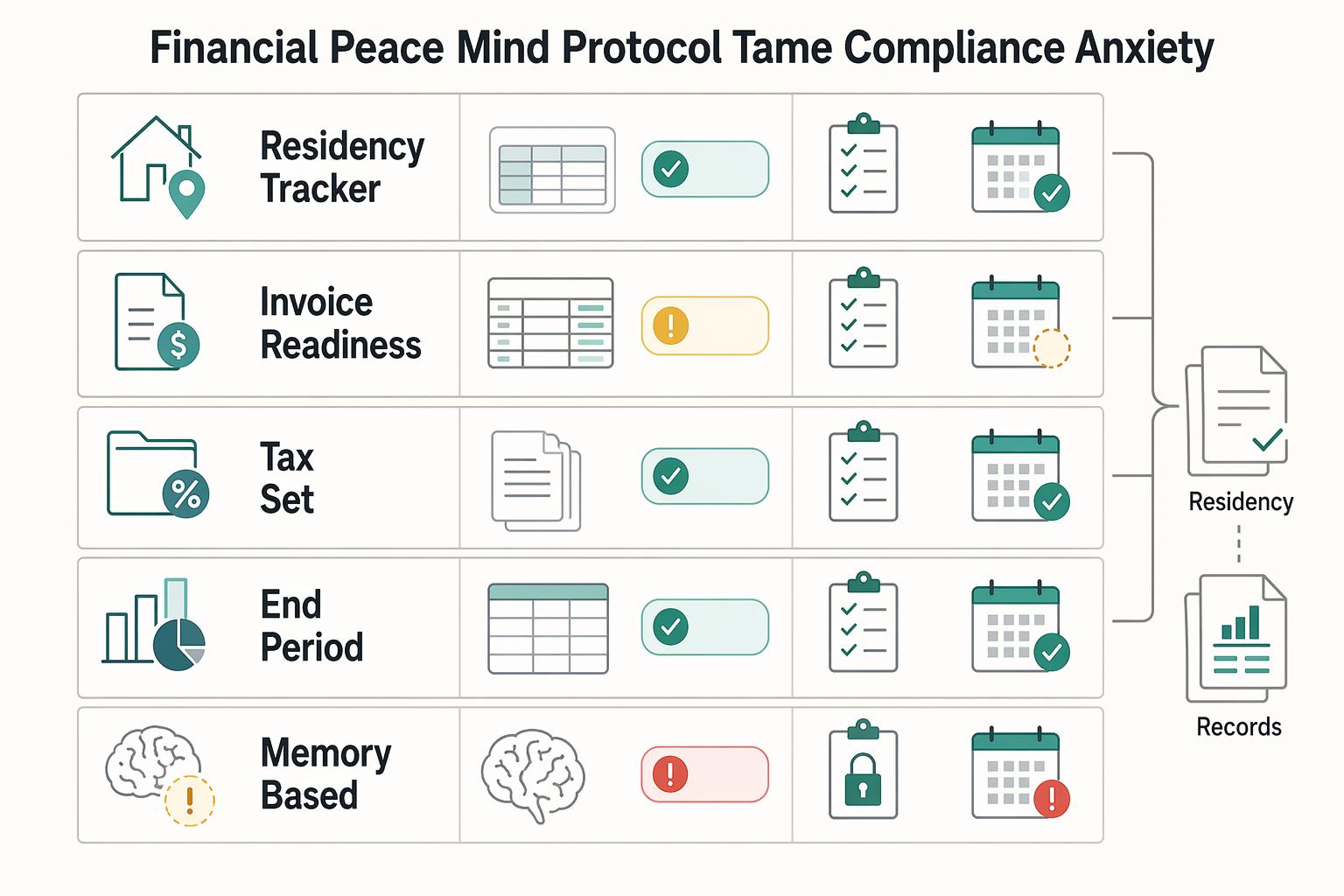
Build an Anti-Burnout System With Notion and Google Calendar
If you run a solo business, burnout can be a work-design signal, not a character flaw. WHO classifies burn-out in ICD-11 as an occupational phenomenon resulting from chronic workplace stress that has not been successfully managed, and not as a medical condition.
Read more →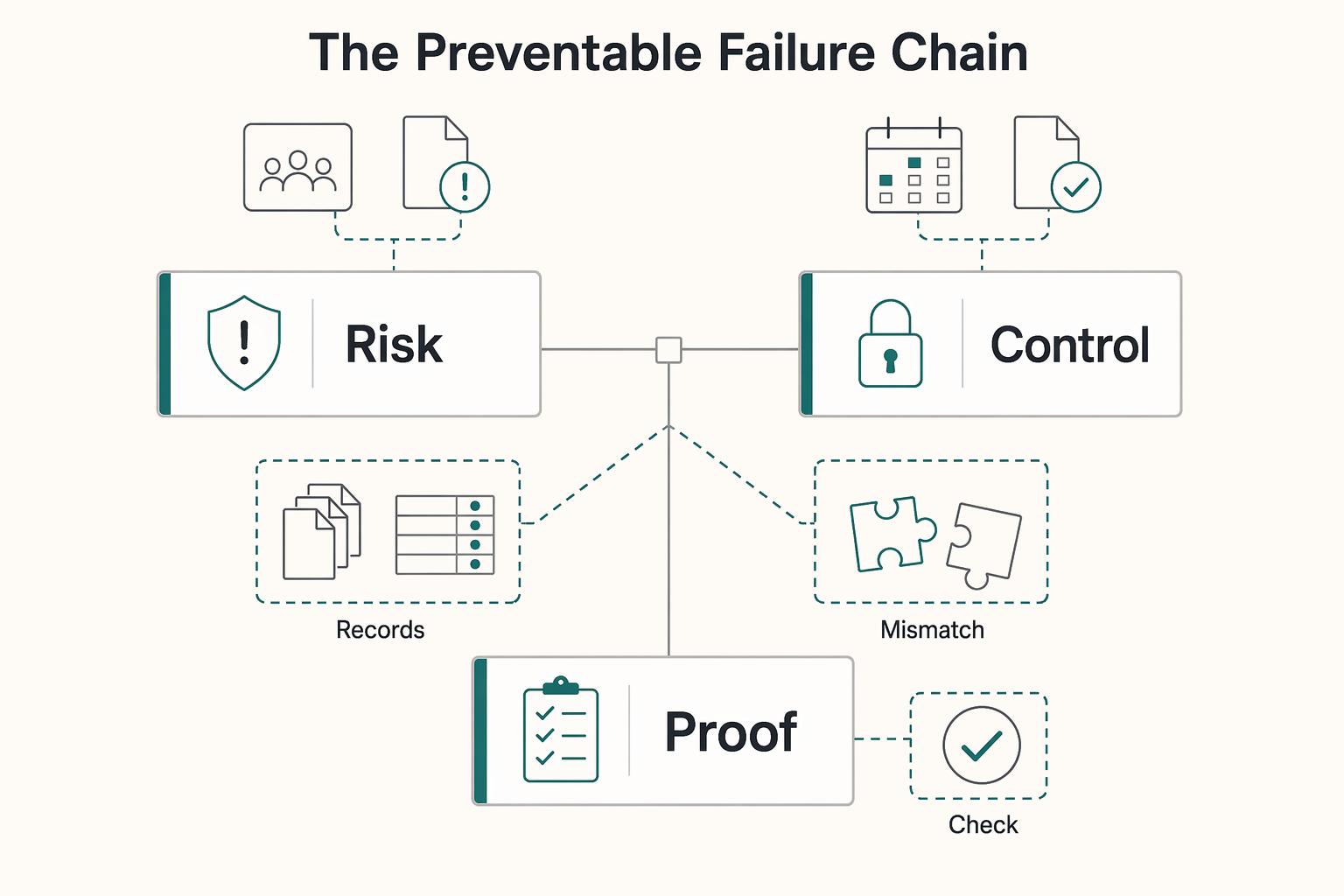
Music Licensing for Video Projects Without Scope Mistakes
On a client project, you are not just choosing background music. You are managing delivery risk and legal risk. For **music licensing for video**, start with three checks: what your Statement of Work (SOW) says, who the license holder of record is, and whether the license actually covers this project's use.
Read more →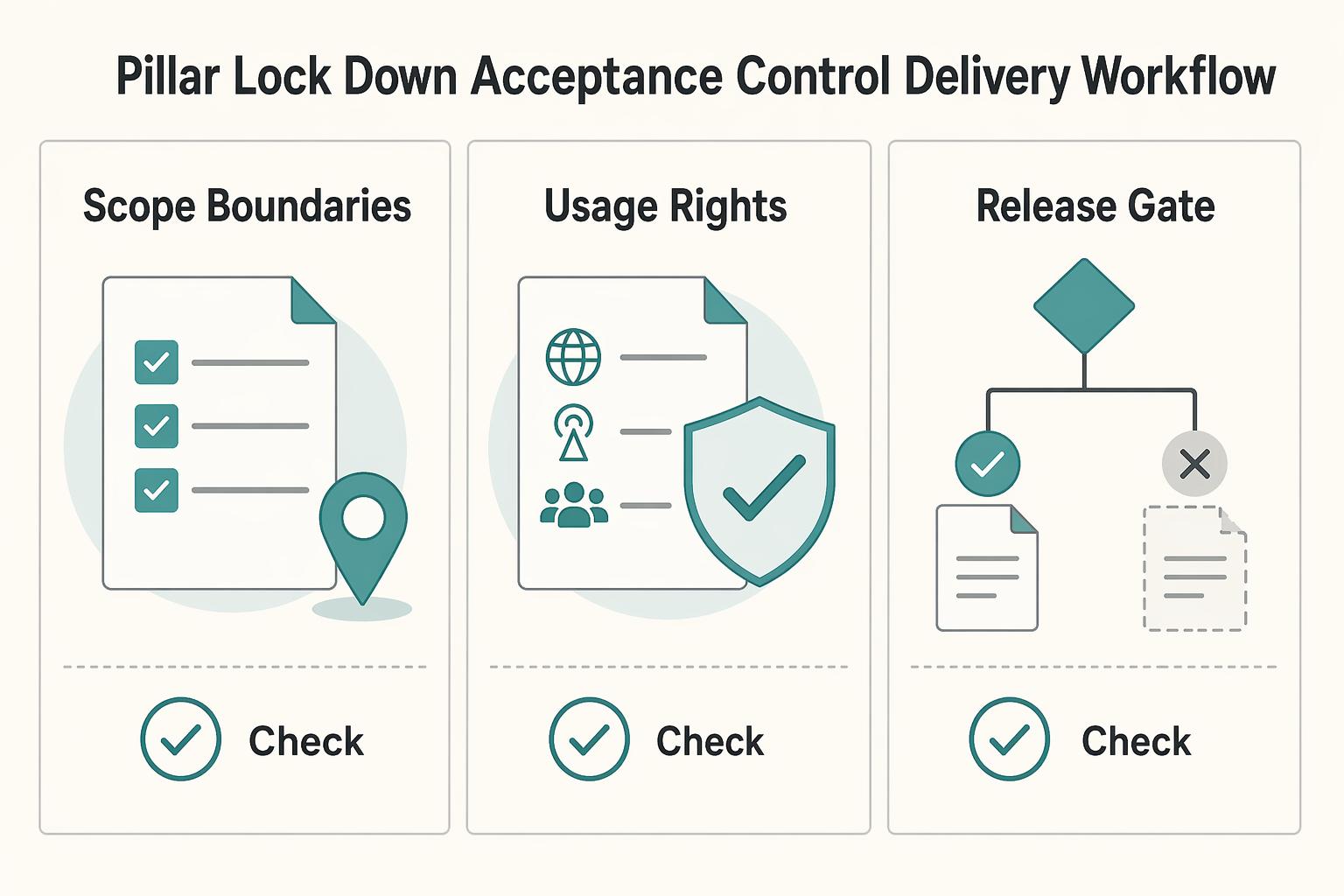
How to Write a Scope of Work for a Podcast Production Series
In a **sow for podcast production**, your financial protection usually comes from four places: scope and exclusions, payment terms, change orders, and termination. If any of those are loose, you usually end up arguing about extras, timing, or what gets handed over at the end.
Read more →
Place of Supply GST Rules in India for Freelance Service Invoices
Use this sequence before you draft an invoice. Classify the transaction under Section 12 or Section 13, identify the legal recipient, confirm your address-on-record evidence, then finalize GST treatment. That order reduces classification mistakes and gives you a position you can defend if the facts are later questioned.
Read more →
The Best Co-Working Spaces in Bangalore for Tech Freelancers
For a Business-of-One in Bangalore, the right coworking space has to do three jobs at once. It is your office, your client venue, and part of your operating backbone.
Read more →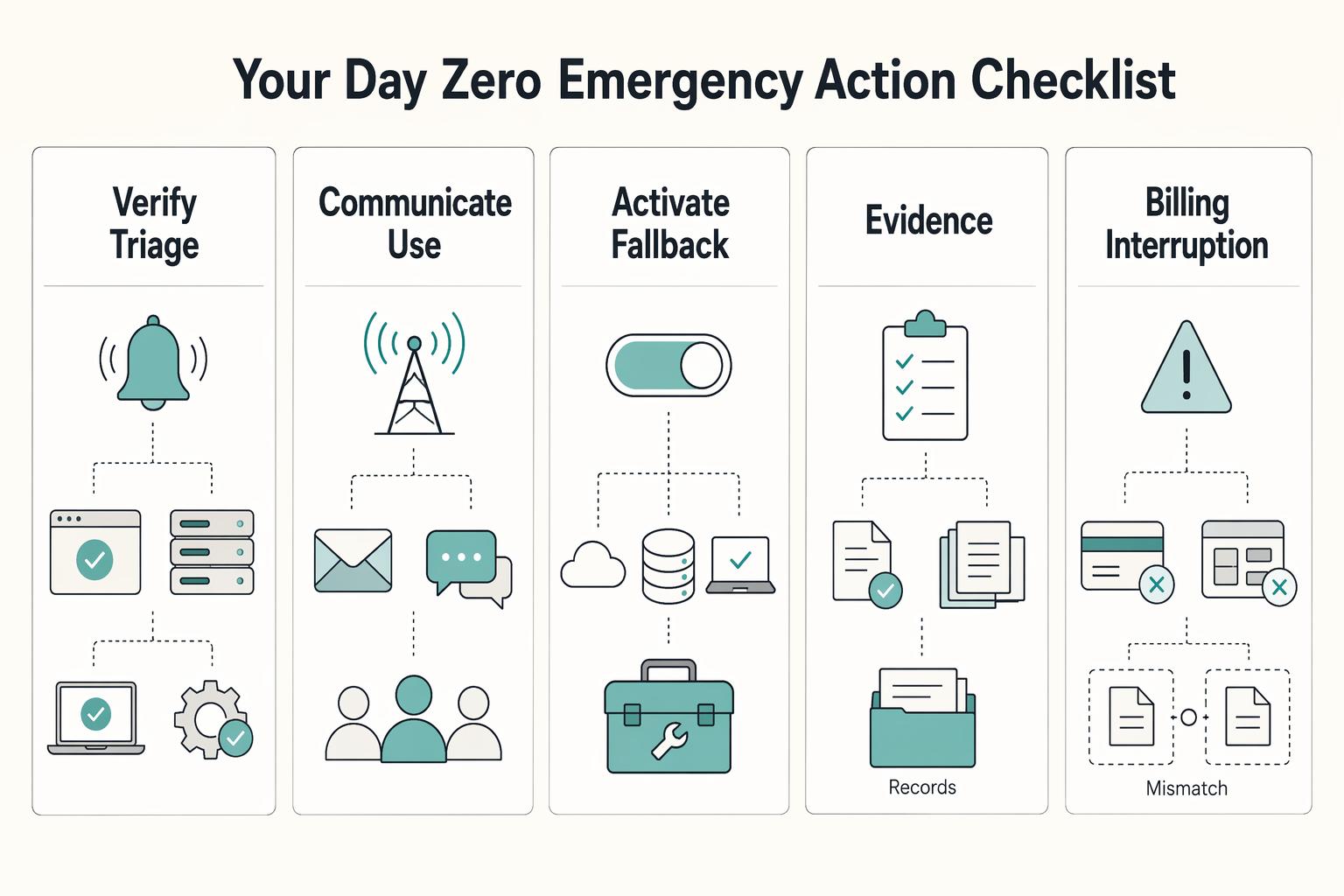
How to Create a Disaster Recovery Plan for a SaaS Business
A usable **disaster recovery plan for saas** starts with one plain fact: your provider is responsible for restoring its service, and you are responsible for keeping your business running when that service is unavailable. For a business of one, that is not abstract. If a key app is down for hours or days, you need to know what stops, what can wait, and what you can do by hand.
Read more →
Best Code Editors for Freelance Web Developers in 2026
For a freelance professional, the code editor is not a minor preference. It is the factory floor of your business of one, a core asset that shapes profitability, client trust, and your ability to keep operating well under pressure. Every minute spent fighting your tools, hunting for context, or repeating work that could be automated is time you cannot bill.
Read more →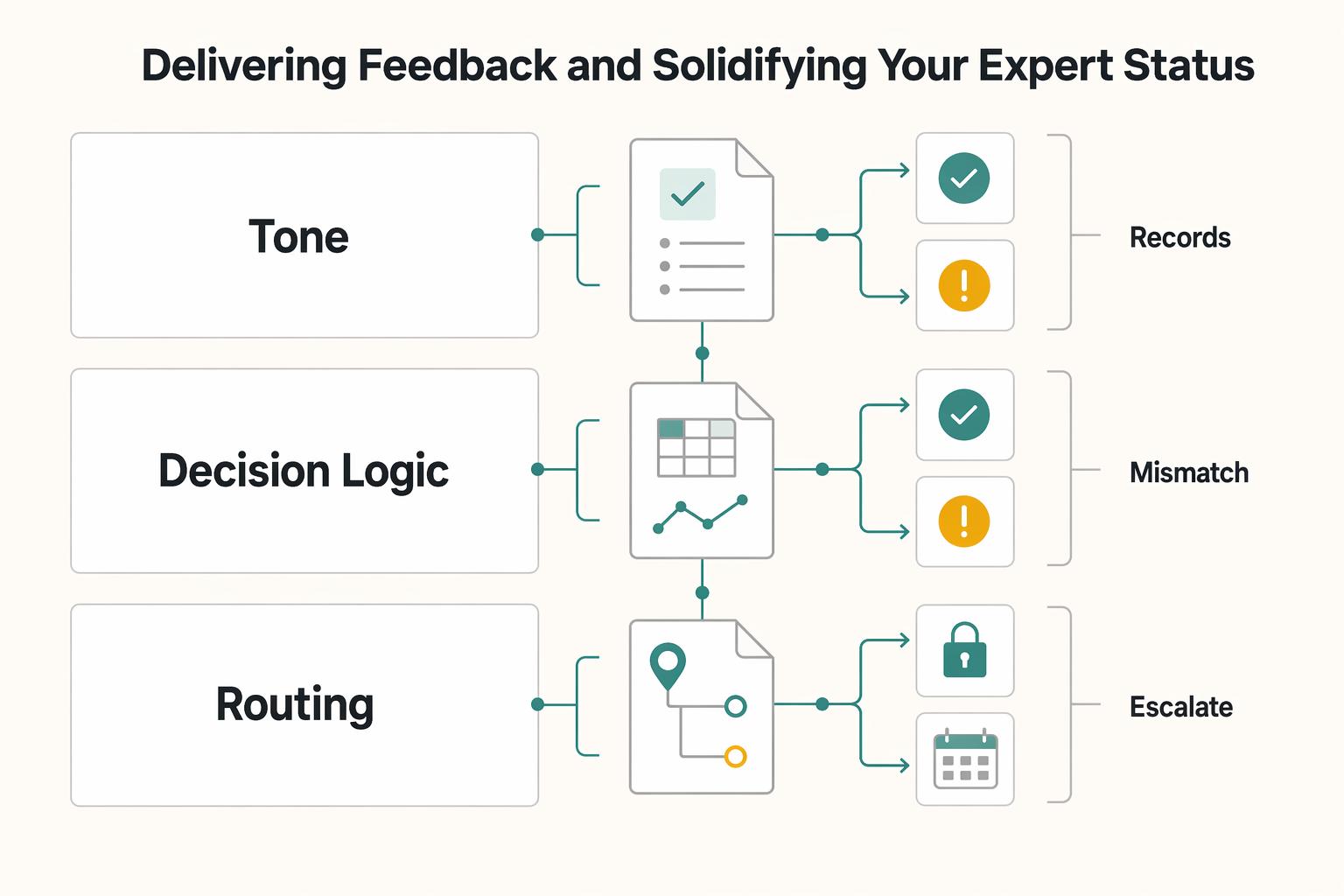
How to Run a Client Code Review That Controls Scope and Approval
The review is not a debate about whether the code feels right. It is a structured delivery checkpoint in your process. In practice, that means reviewing against defined requirements, acceptance criteria, and a clear approval path, not shifting opinions. Ad hoc risk handling is unreliable. Review works best when it is part of the software development lifecycle, not a last-minute conversation.
Read more →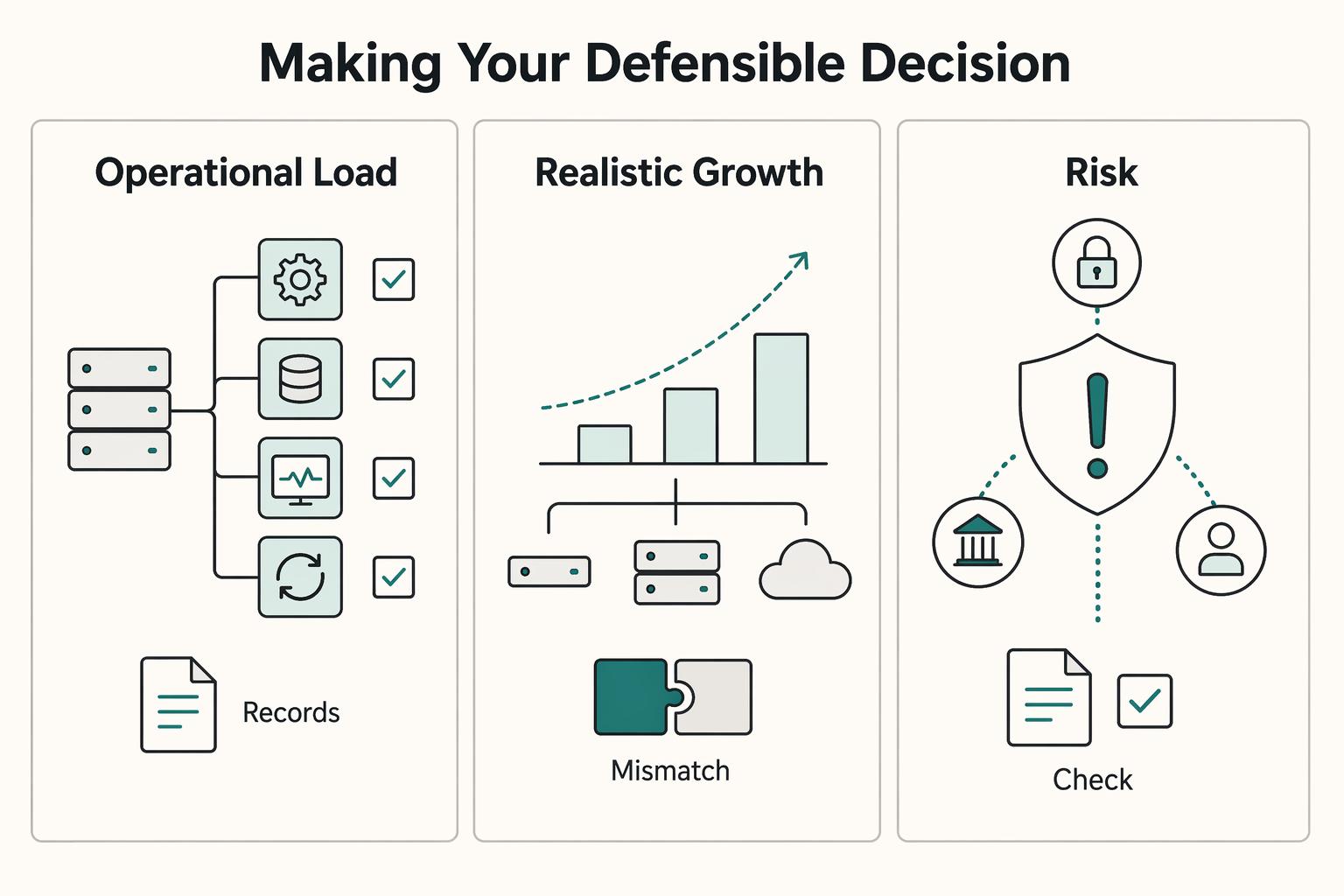
Choosing a Headless CMS for Your Business in 2026: Strapi vs Contentful vs Sanity
You are not choosing a content editor. You are choosing a business dependency. It affects how fast you can move, how well your content travels across channels, and how much friction you absorb when requirements change. If you are choosing a headless CMS for your business, start with fit and risk, not feature count.
Read more →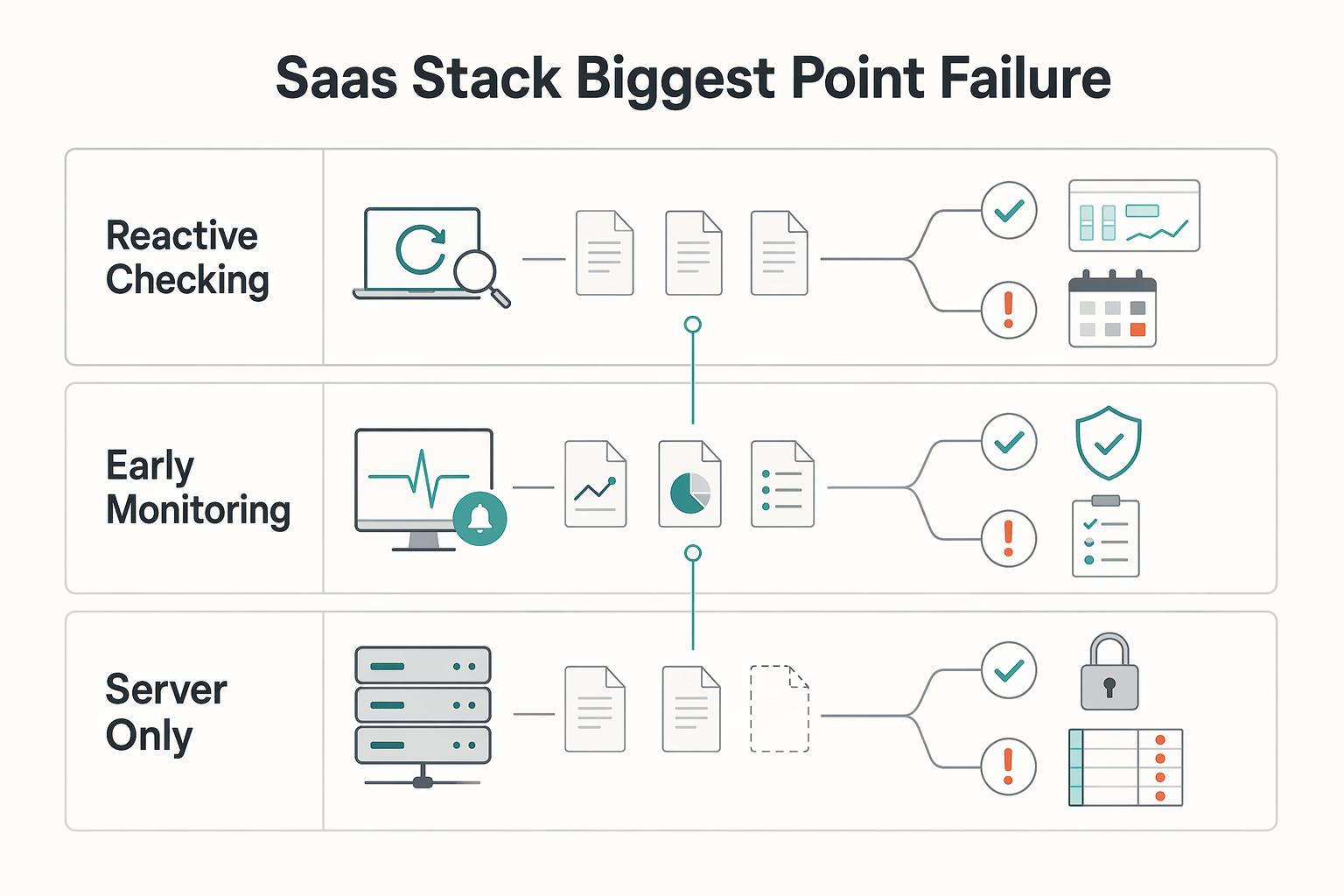
Use SaaS Status Pages to Protect Client Delivery and Cash Flow
To keep SaaS outages from derailing your business, audit the tools that can stop work, monitor their status signals in one place, and use a short response routine when something fails.
Read more →
How to Use a SWIFT MT103 to Trace a Delayed Wire Transfer
Start with `Field 20`, then verify the core details before you contact support. That gives your bank a usable trace anchor and helps you avoid delays caused by mismatched payment data.
Read more →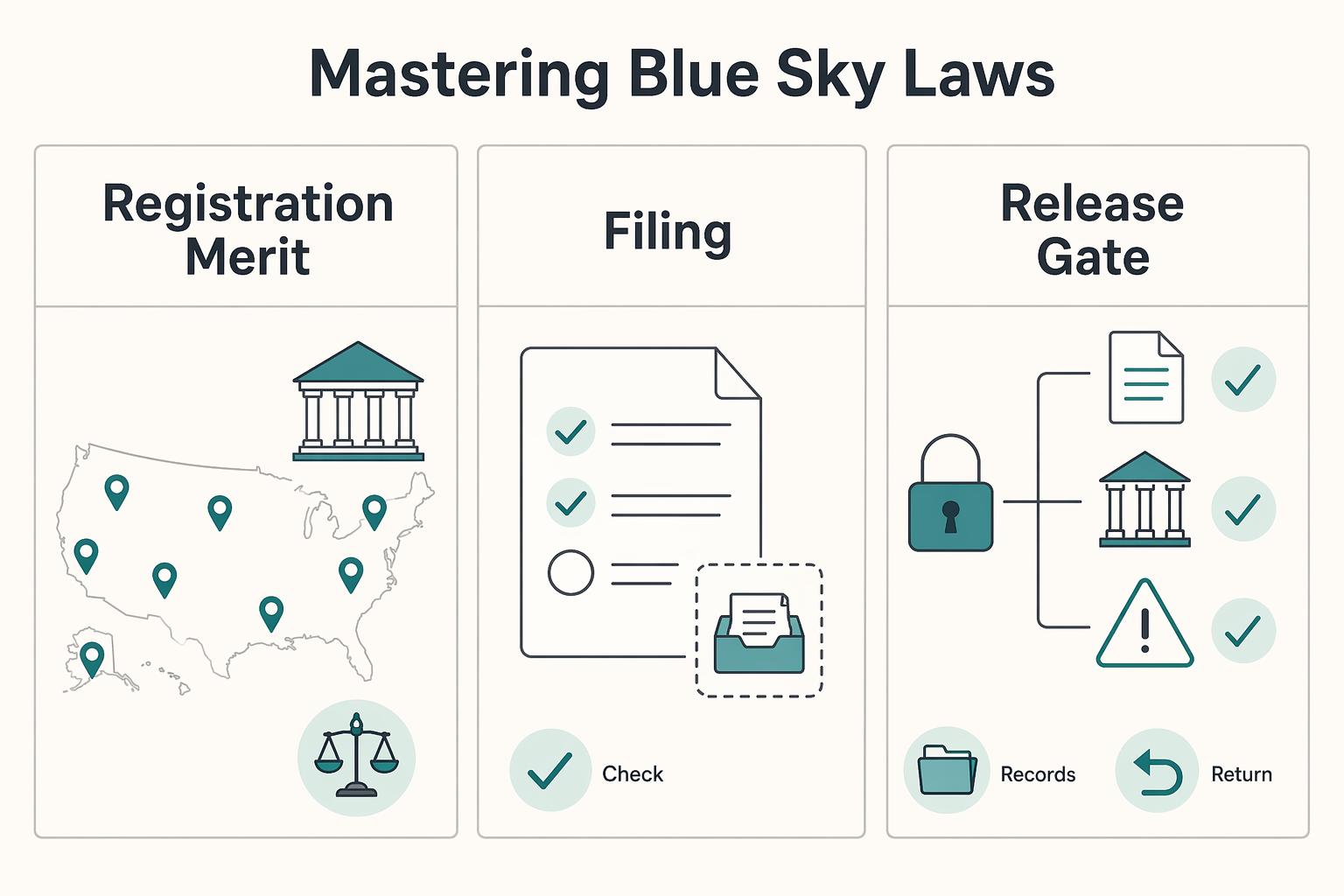
How Blue Sky Laws Affect Startups Raising Capital
If you are raising money, state securities law matters from the start. For most startups, **the [blue sky laws](https://www.investor.gov/introduction-investing/investing-basics/glossary/blue-sky-laws) that matter are the state securities rules that sit alongside federal securities law**. Even if your round fits a federal exemption, states may still require notice filings, fees, and compliance with anti-fraud rules as money comes in.
Read more →
How to Structure a Success Fee in a Consulting Agreement
Before you propose a consulting success fee, use a three-part screen: your cash position can absorb delay, the client is reliable enough to measure and pay, and the outcome is materially within your control. If any one of those fails, the upside may stay theoretical while most of the downside sits with you.
Read more →
How to Incorporate a Company in the Cayman Islands
**Start with fit, not forms.** If you're considering a Cayman company, first test whether it solves a real cross-border problem in your business. Do not start with whether it sounds sophisticated. A Cayman structure may be useful in some cases, but this is not enough on its own to confirm legal or tax specifics.
Read more →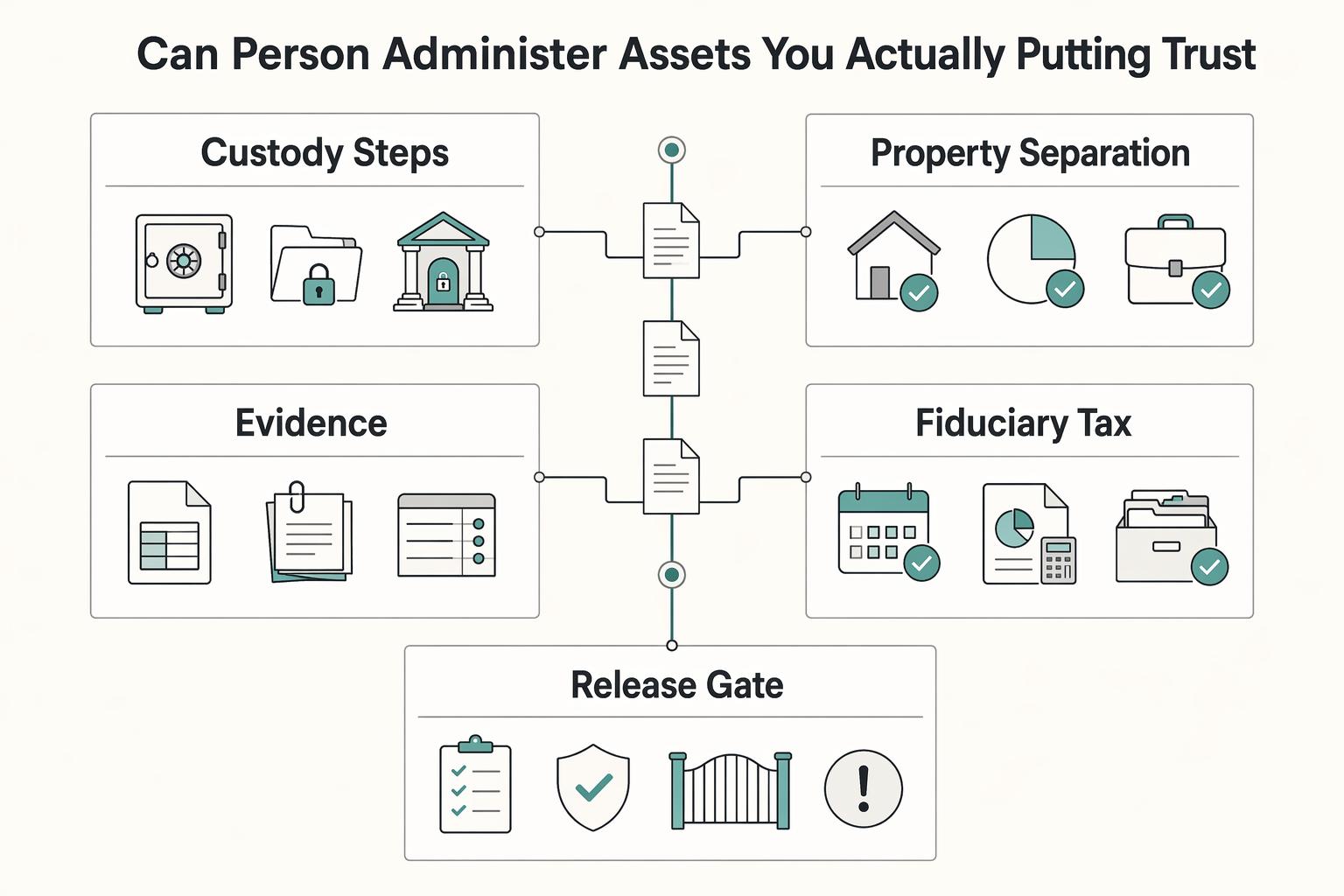
Settlor vs Trustee in a Trust
A trust works best when you treat it as an operating structure, not just a stack of legal documents. The first decision is role design: who writes the rules, who carries them out, who benefits, and who steps in if the first trustee cannot serve? Once you frame it that way, the settlor-trustee split becomes much easier to evaluate.
Read more →
Summer Jobs for High School Students That Build Career Capital
If you are choosing among **summer jobs for high school students**, pay should be one filter, not the whole decision. The better lens is career capital: the proof, people, and skills you can carry forward after the summer ends.
Read more →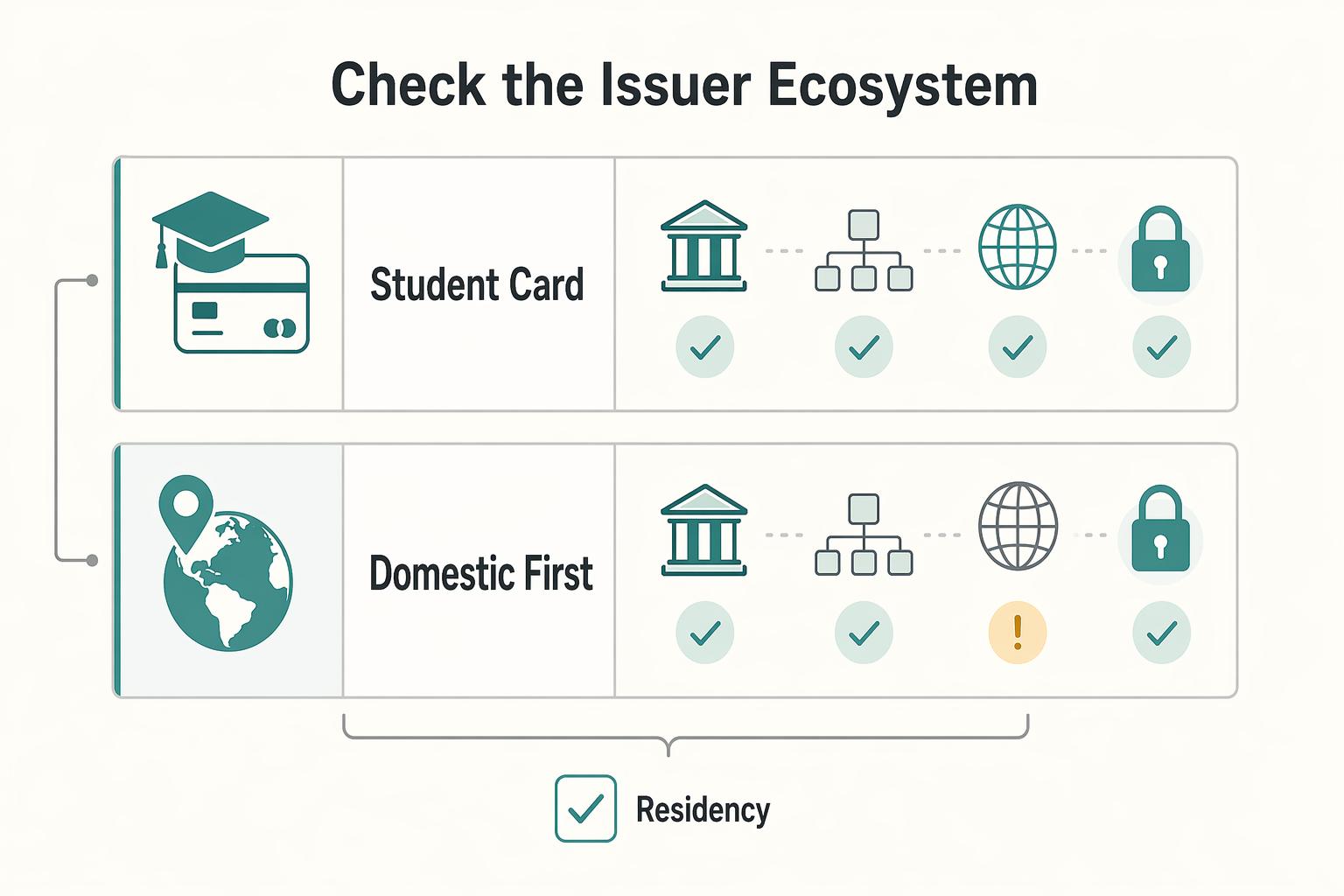
The Best Credit Cards for College Students
If you're comparing **student credit card recommendations**, do not chase the flashiest perk. Judge reliability, fee risk, and what happens after the student label stops mattering.
Read more →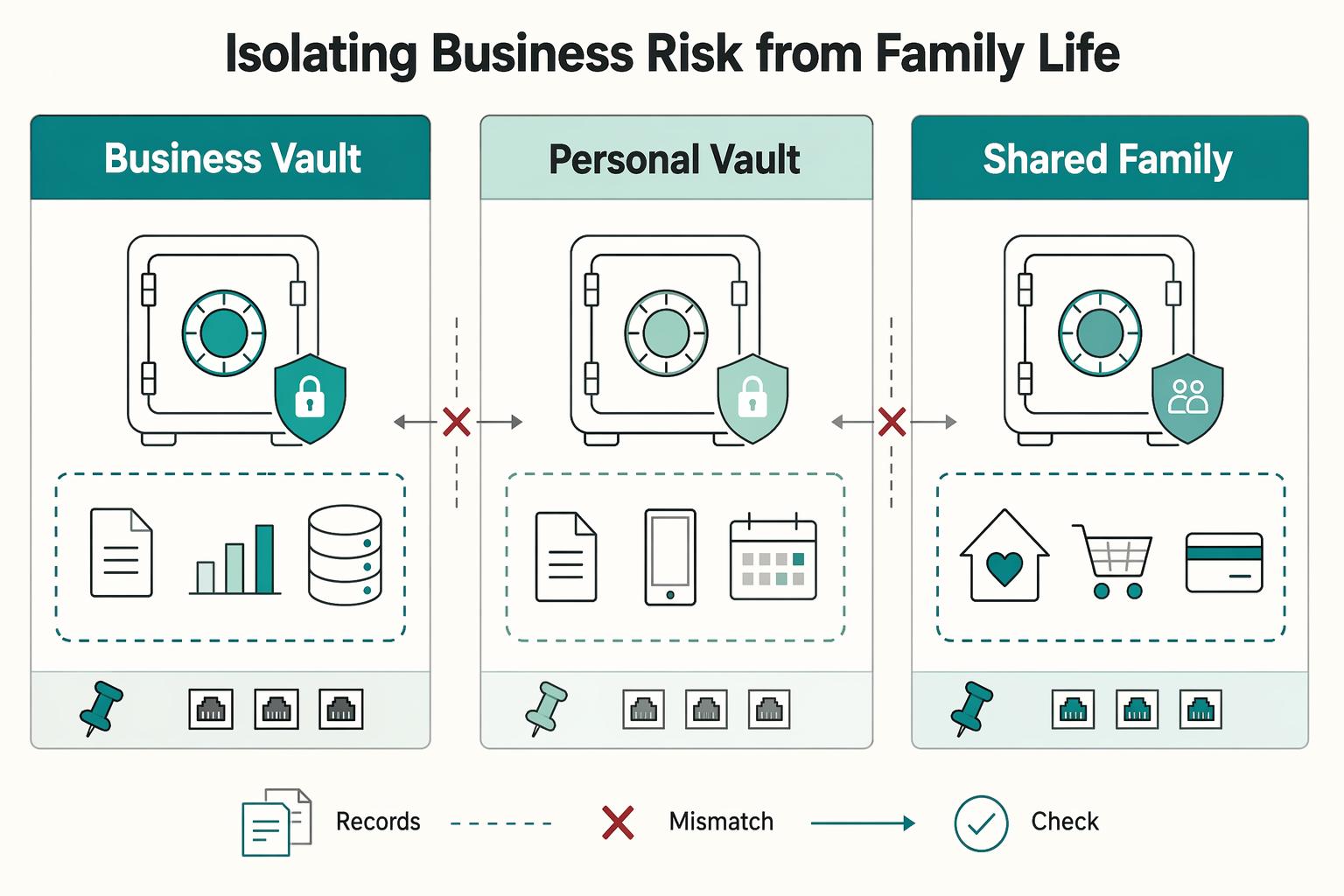
The Best Password Managers for Families
If you run a business by yourself, your family setup is part of your security posture whether you meant it to be or not. The real decision is not which app has the longest feature list. It is which tool lets you separate risk, onboard real people, and recover cleanly when something goes wrong.
Read more →