
Operator playbooks for cross-border payments, tax, and compliance execution.
Step-by-step guidance for finance, product, and ops teams to launch faster, reduce payout friction, and keep reconciliation clean across borders.
How to Conduct Effective User Interviews
If you want a practical answer to **how to conduct user interviews** for client work, split the job in two. Use the first call to test fit and reduce scope risk. Then, once the work is signed, use deeper interviews to understand the problem well enough to recommend action without guessing.
Read more →
Best Figma Plugins for Reliable Client Design Work
If you run client work in Figma, it can become more than a design tool. It is where you check accessibility, run QA hygiene checks, share flows, gather feedback, and iterate quickly. In practice, it can become part of your operating layer.
Read more →
Scrivener vs Ulysses for Authors Who Need a Resilient Stack
You are not just choosing a writing app. You are deciding how your solo business will handle draft control, file recovery, and the risk of getting stuck mid-project. That is why reviews of author tools should start with operational risk checks, not feature excitement.
Read more →
How to Overcome Writer's Block: Diagnose Strategy, Process, Resource, or Confidence Problems
Treat a stall as a delivery risk, not a personality verdict. Your first job is to find the point of failure in the work, because the fix only helps if you route the problem to the right SOP.
Read more →
Survivorship Bias in Business Advice for Independent Professionals
The most dangerous part of a success story is rarely the tactic you can see. It is the operating condition you cannot see. That is survivorship bias in business advice at work. You draw conclusions from the businesses that made it back, while missing the ones that failed first.
Read more →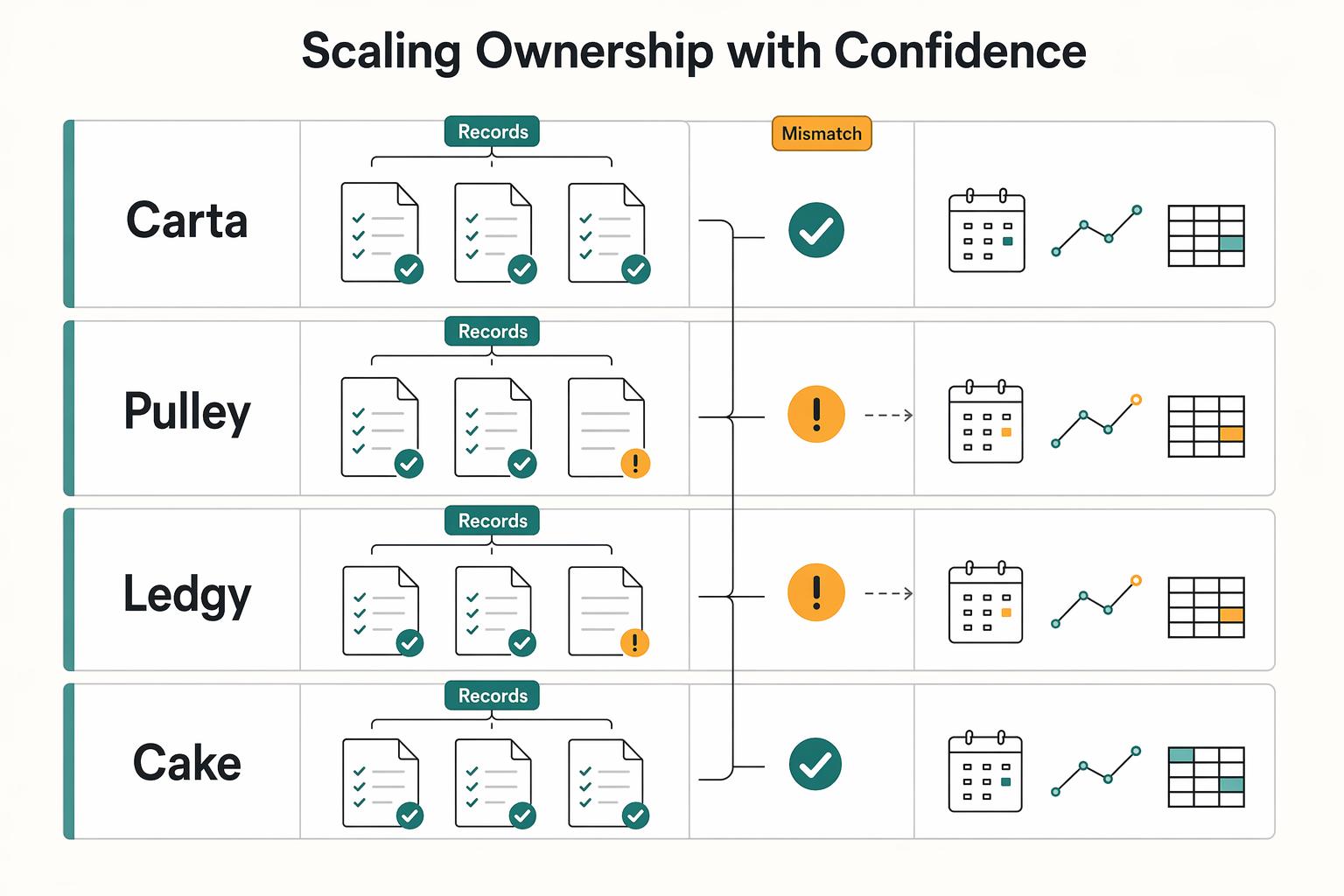
The Best Software for Cap Table Management
Choose your equity tool based on execution risk, not startup image. If ownership is still simple and changes are rare, a spreadsheet may be enough for a period. Once grants, approvals, permissions, or investor scenarios enter the picture, software becomes important because it formalizes ownership data, rights, and change history so the record is auditable.
Read more →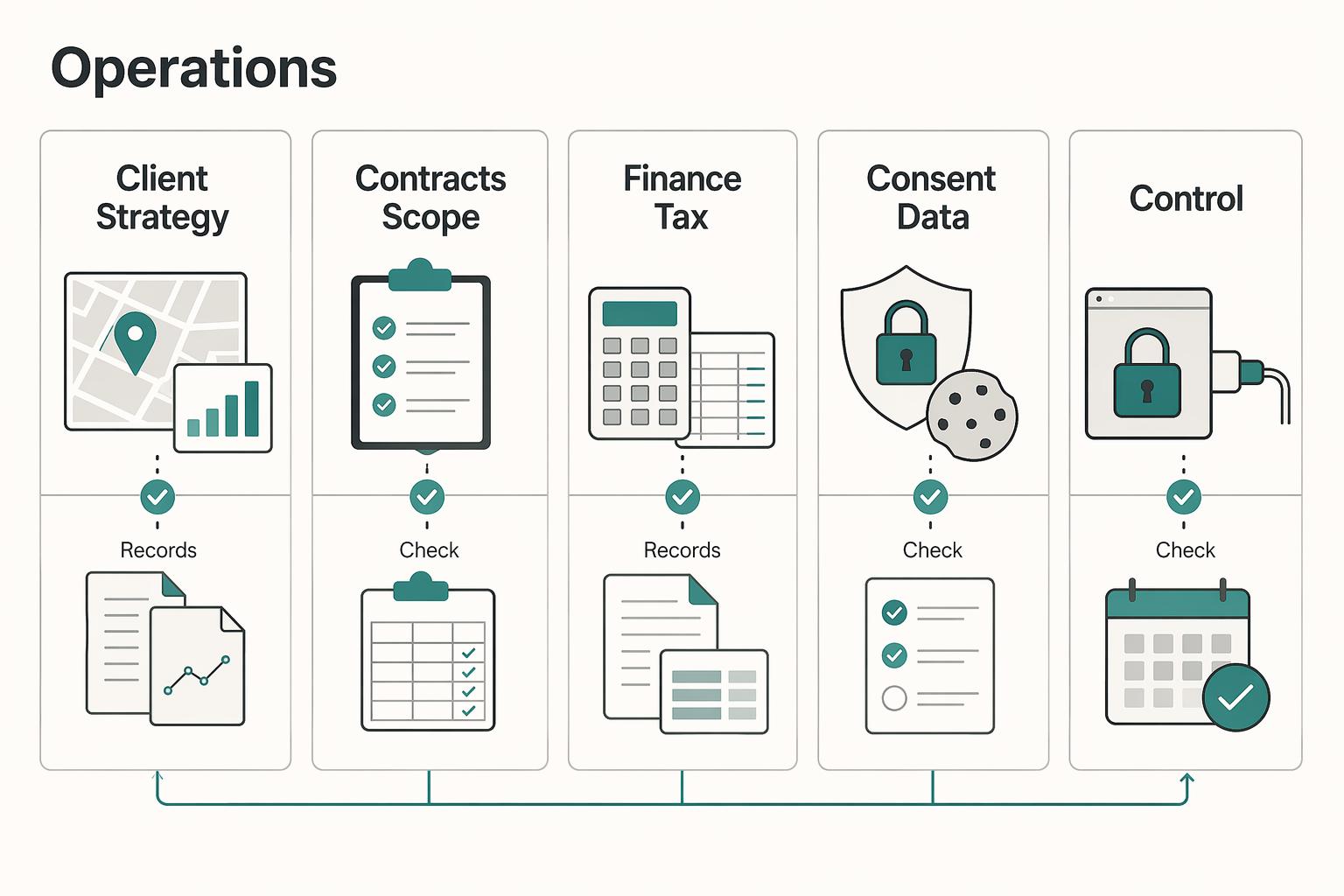
The Dunning-Kruger Effect and Imposter Syndrome for Freelancers
Misreading your own ability is not an abstract mindset issue. For a freelancer, it can show up in pricing, scope decisions, delivery promises, and confident calls made outside your current expertise.
Read more →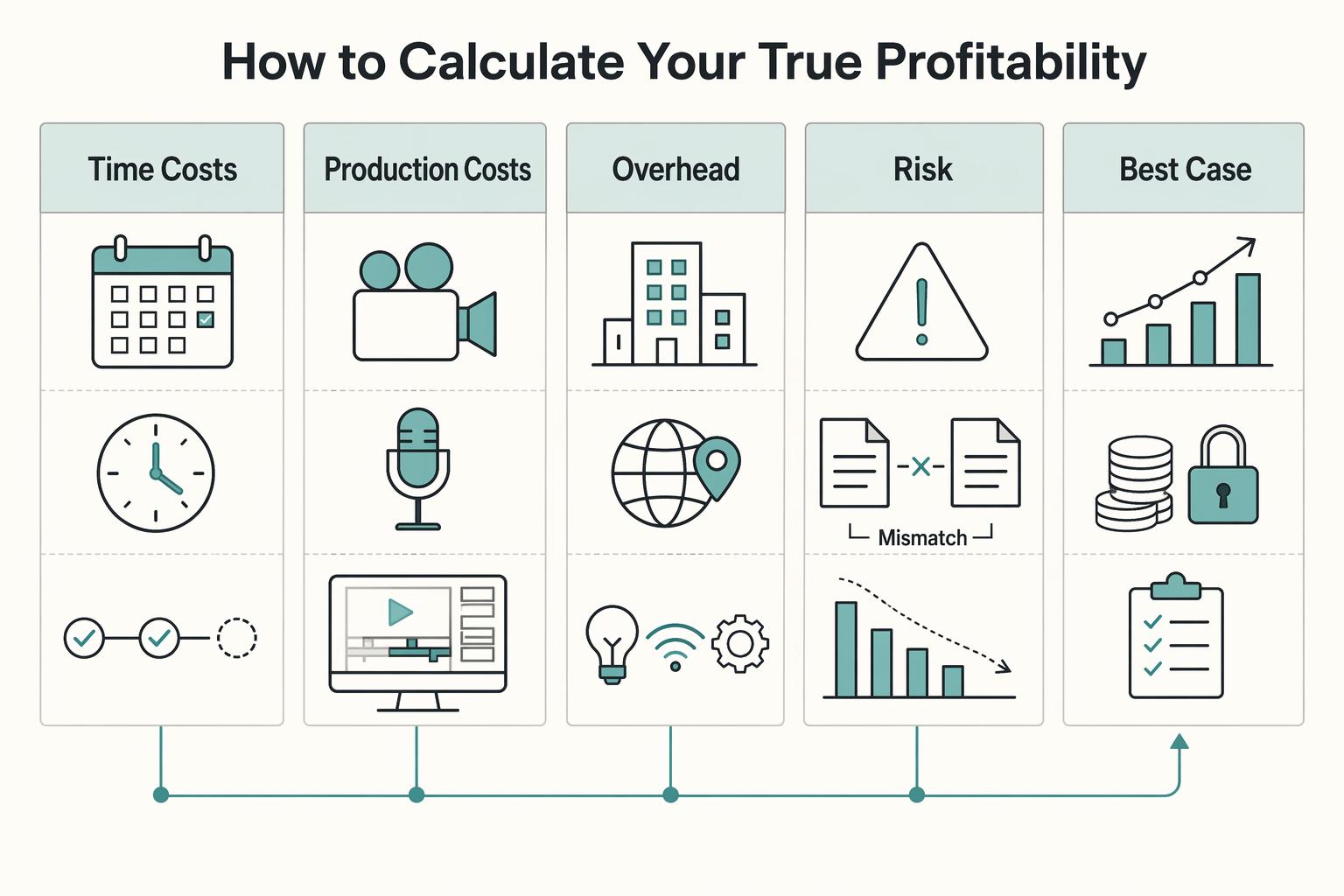
How to Price a YouTube Sponsorship Deal
Your goal is not to win one deal. It is to set a repeatable floor price that pays you properly, covers delivery costs, and protects cash flow when a sponsor asks for more than that first email implied.
Read more →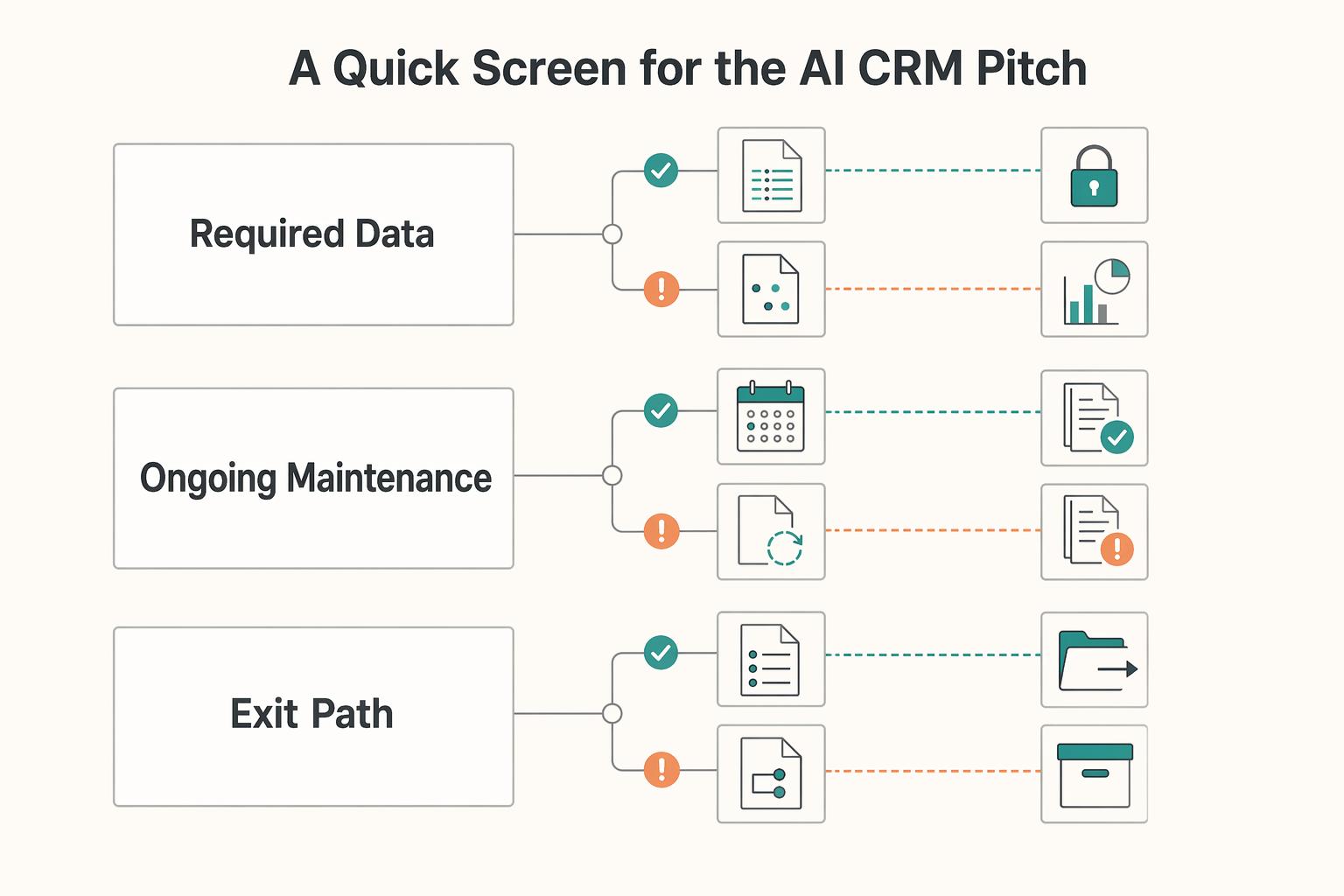
How Amara's Law Applies to New Technology Decisions
Most solo operators do not have a tool shortage. They have a decision problem. After the 2025 AI surge, that pressure is hard to ignore. New products launch constantly, almost every app now ships with some AI-assisted feature, and the pitch is usually the same: faster work, less admin, better output.
Read more →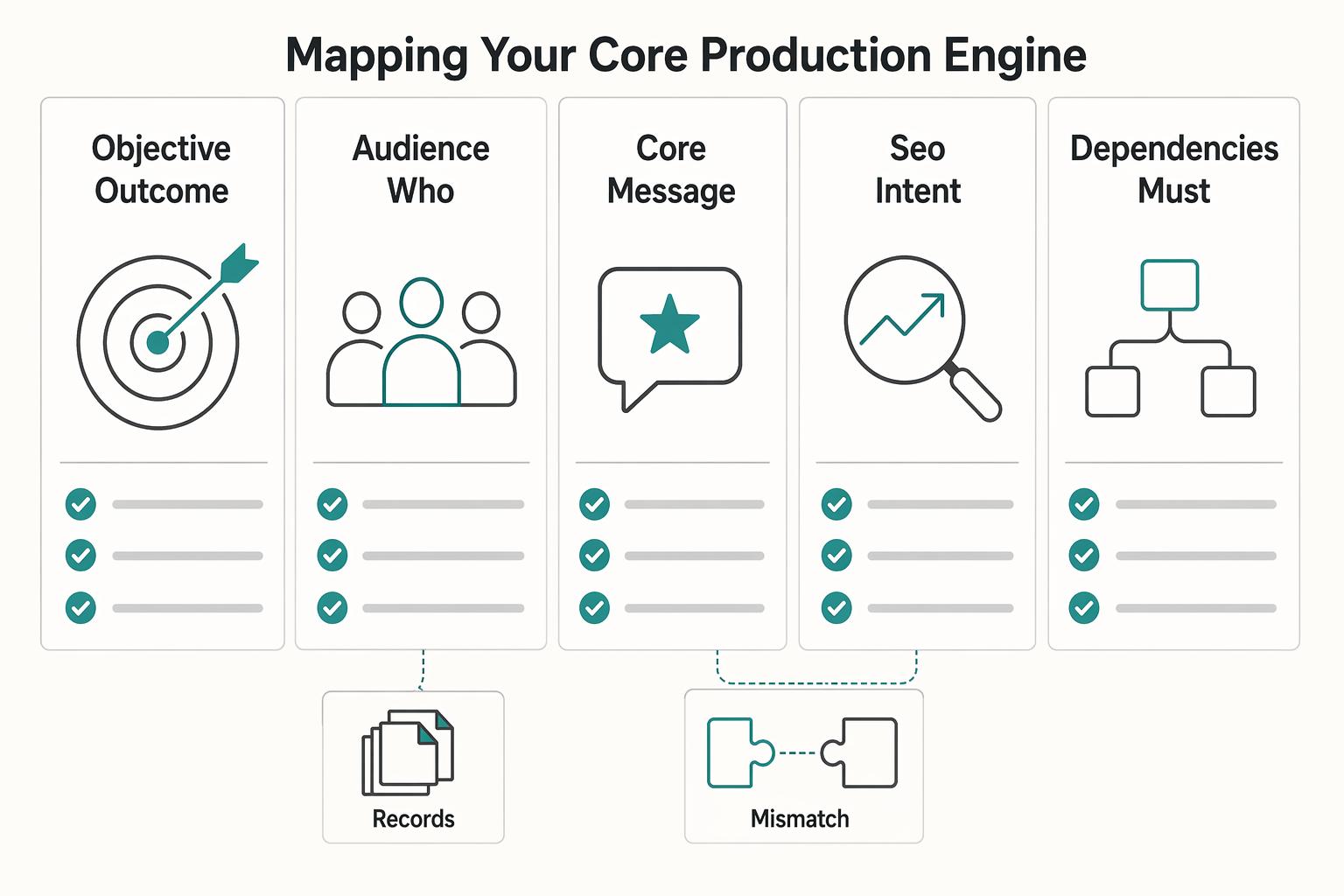
How to Create a Content Workflow in Notion for a Marketing Team
If your team is chasing updates across chat, docs, email, and a separate invoice sheet, the issue may be less about effort and more about having no single operating record. Ownership can get fuzzy, approvals can disappear into comments, and it becomes hard to see a clean line from brief to publish to billing.
Read more →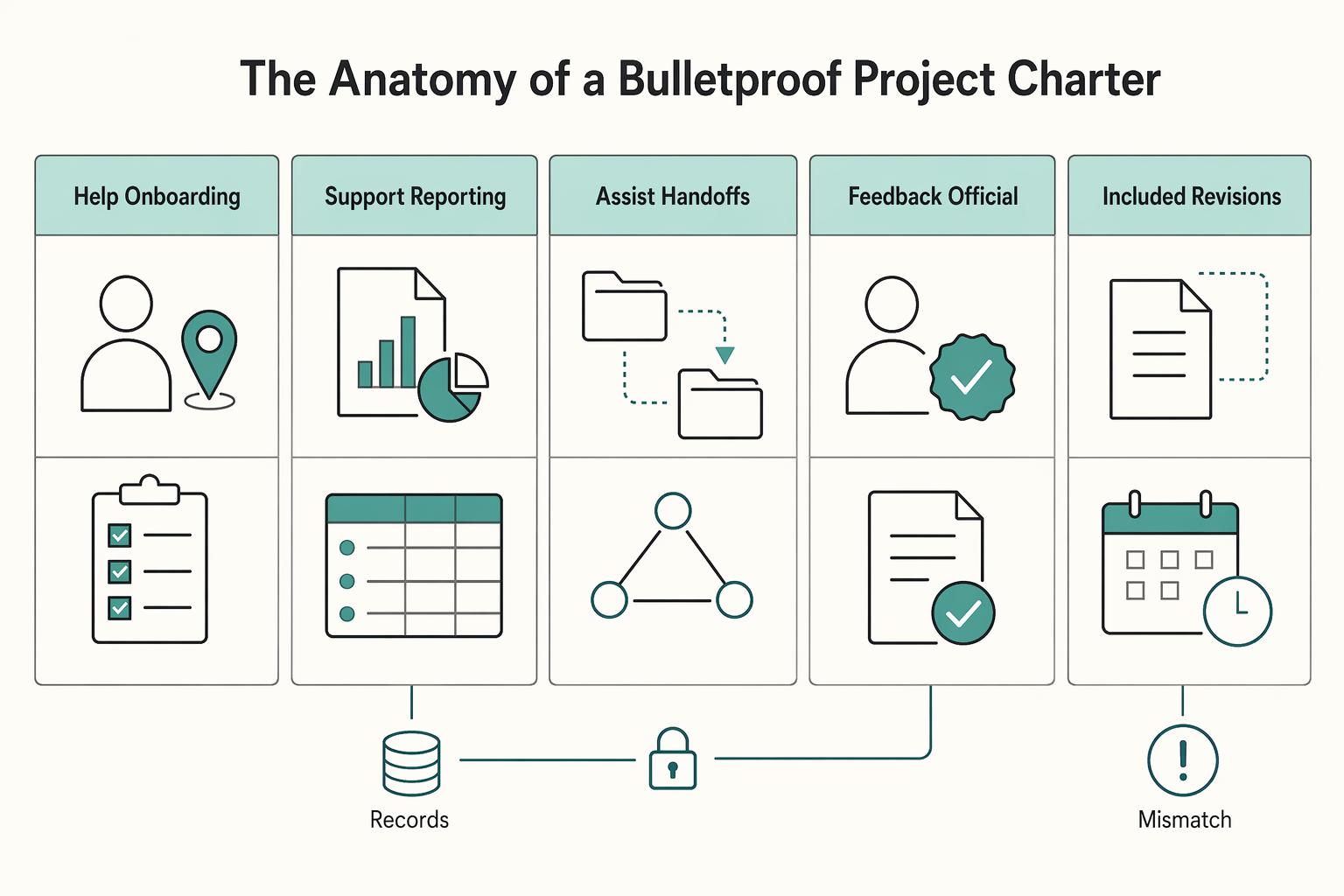
How to Write a Job Description That Attracts Top Talent
If you are buying a defined result from an outside professional, start with a project charter, not a hiring document. A charter can make the outcome, boundaries, approval path, and proof of completion clearer before work starts. That clarity is often what keeps projects cleaner than role-based paperwork.
Read more →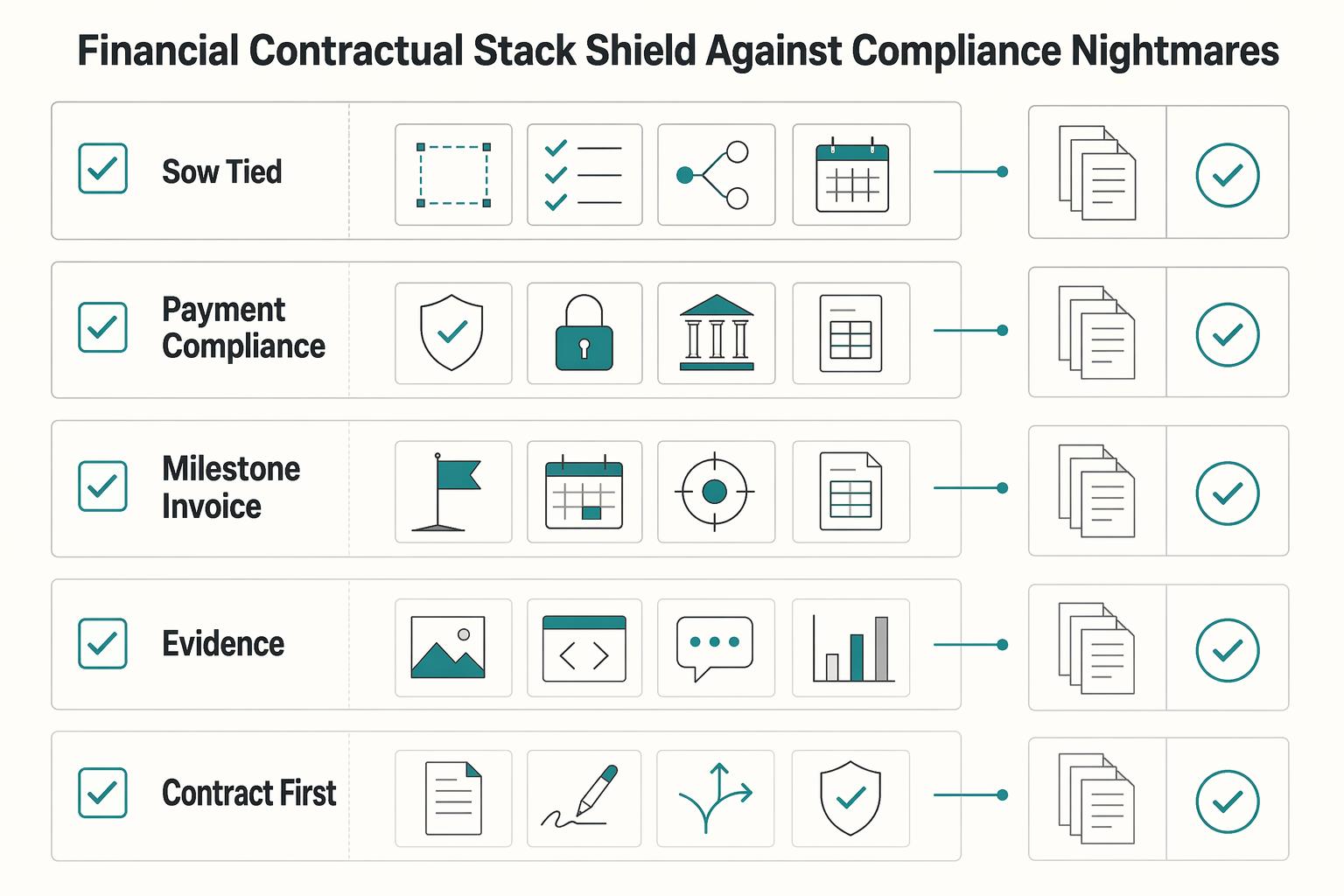
The Best Tools for Managing a Remote Development Team's Workflow
--- Most remote team problems are not tool problems. They are handoff problems. Work gets scoped in one place, built in another, approved somewhere else, and billed from memory. That is when deadlines slip, scope expands, and client confidence drops.
Read more →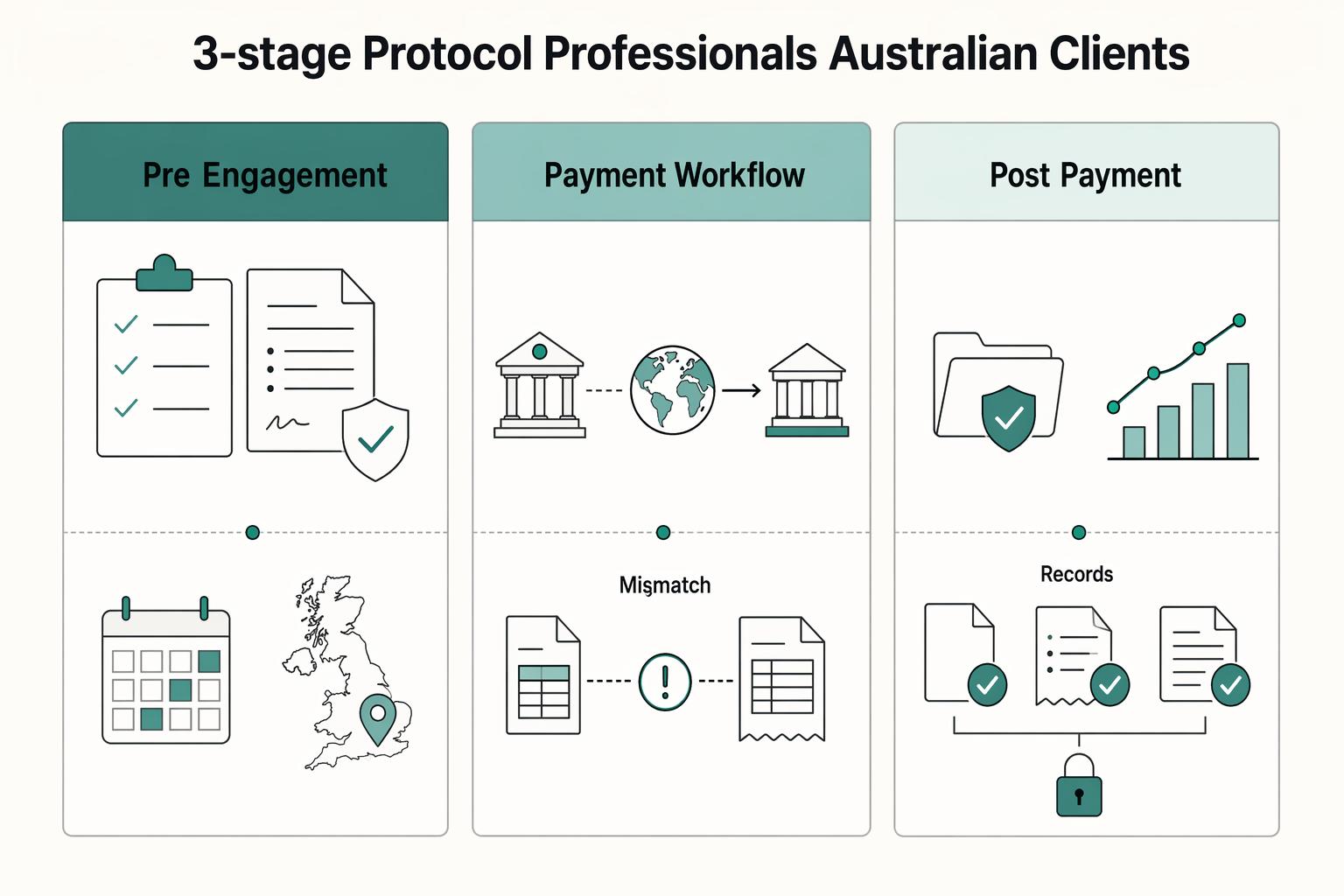
The Best Way for a UK Freelancer to Get Paid by an Australian Client
If you want predictable outcomes with an Australian client, manage three risks in order: contract scope, payment execution, and post-payment compliance. That sequence is what turns uncertainty into control.
Read more →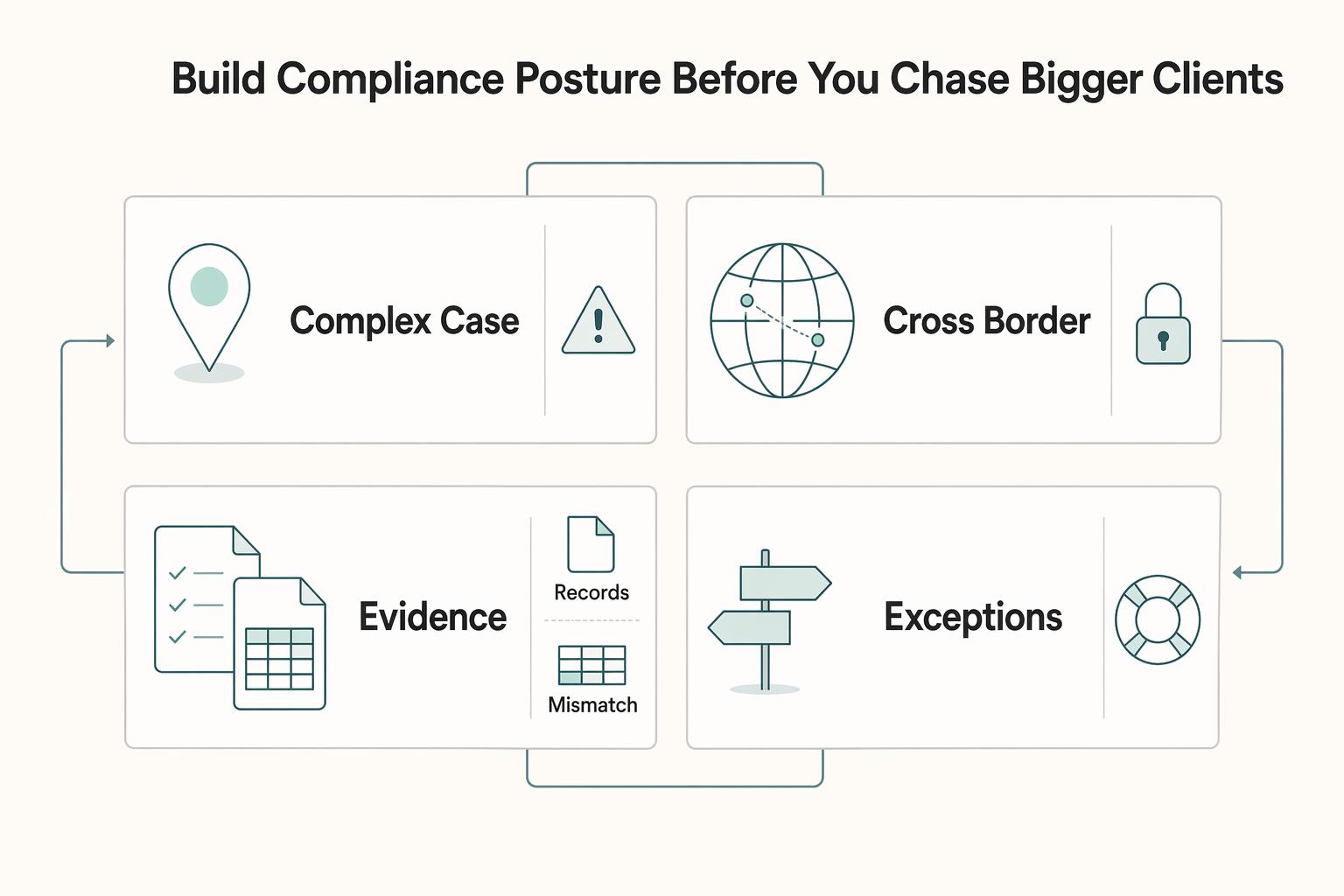
How to Build Authority as a Freelancer Without Competing on Price
Many talented freelancers stay trapped in a feast-or-famine cycle because they compete on price for work that looks interchangeable. The problem usually is not talent. It is strategy. A stronger portfolio or a bigger social following can help at the edges, but neither fixes the core issue on its own.
Read more →
How to Create a Standard Operating Procedure (SOP) for Your Freelance Tasks
If the same workflow issues keep showing up, a bigger to-do list usually will not fix them. What helps is a simple operating structure: what starts a task, what gets checked, and what must be true before work moves forward. This guide shows you how to document recurring freelance tasks so the work is easier to repeat and maintain.
Read more →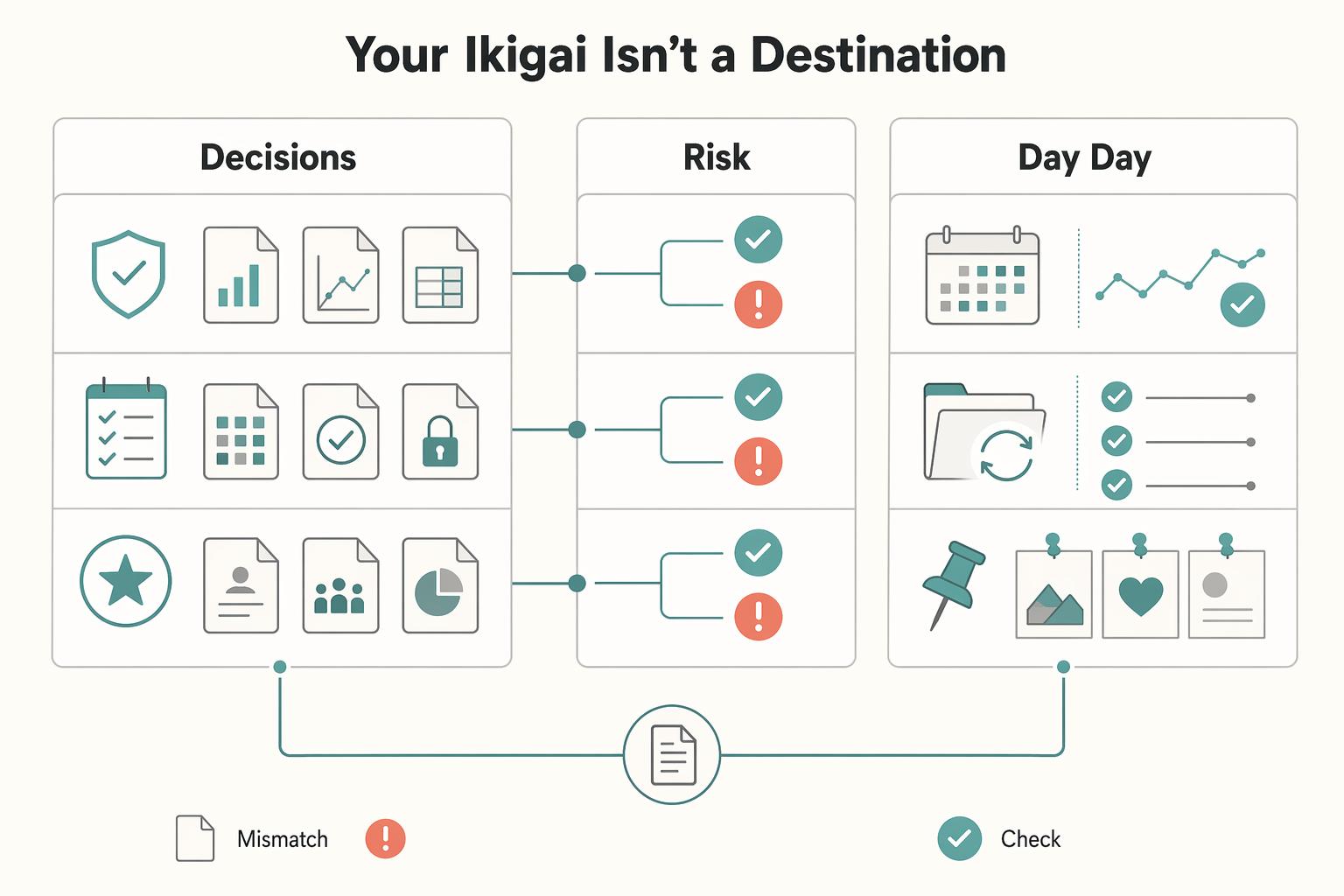
Ikigai for Freelancers Who Want Purpose Without Business Chaos
If you treat ikigai as a one-time insight about purpose, you miss the part that determines whether freelancing is actually sustainable. A more useful approach is to treat it as your system: the choices, habits, and protections that keep good work moving when clients pay late, admin piles up, and your pipeline turns uneven.
Read more →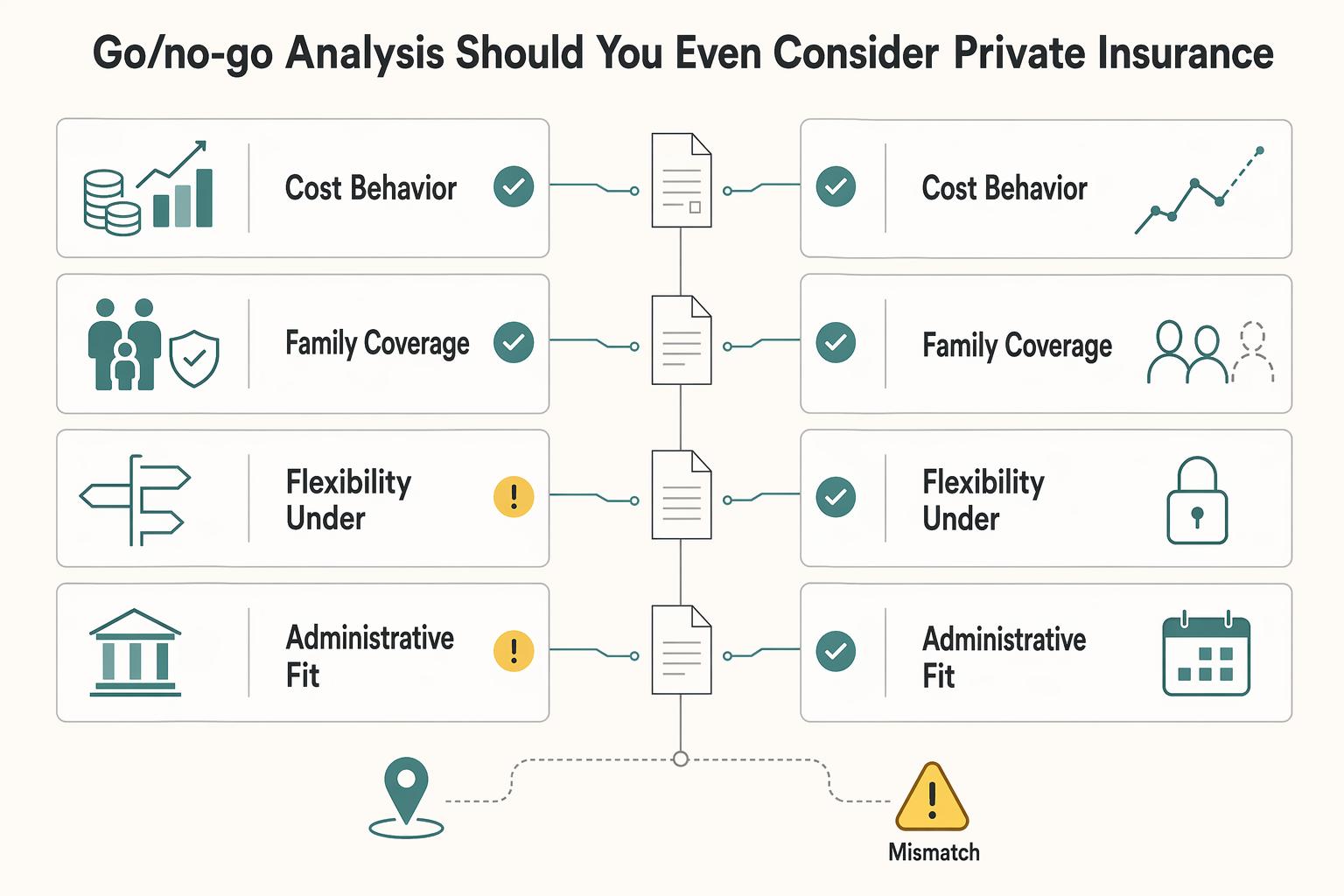
Private Health Insurance for Expats in Germany: Eligibility, Cost, and Provider Checklist
A low monthly premium from a private insurer can look like a simple buying decision. It is not. It starts a long financial commitment, and quick comparison sites often skip the part that matters most: whether private health insurance is a smart move for you at all. Before you compare providers, make a go or no-go call for your business of one. The real issue is not which insurer looks cheapest today. It is how hard this choice may be to unwind later, and whether the upside is worth the long-term business risk.
Read more →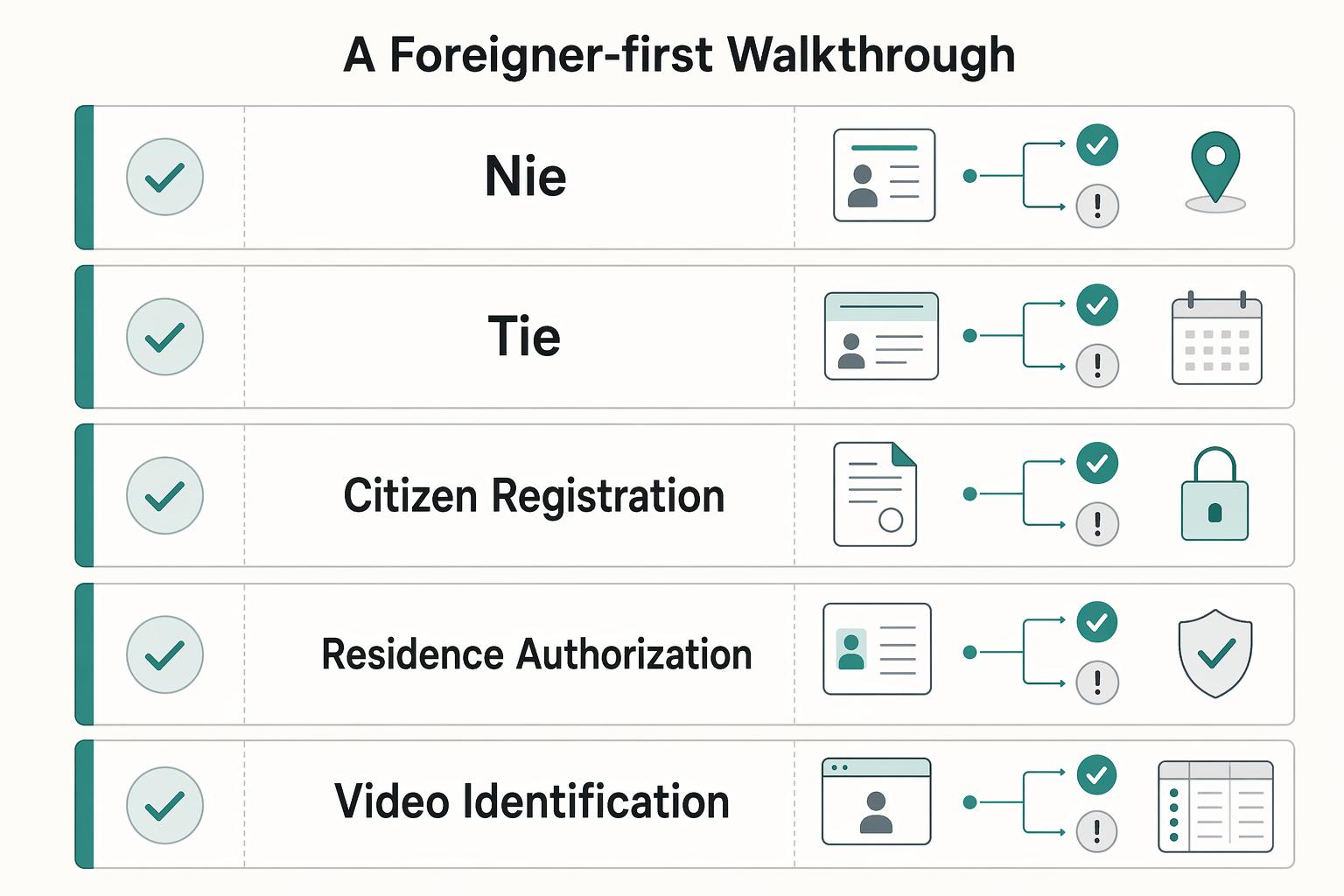
How to Get Your Certificado Digital in Spain Without Process Mistakes
The certificado digital is not a minor admin task. This section does not verify the exact official steps or provider-specific rules. The safer approach is simple: treat the process as an ownership and evidence job before you touch an application screen.
Read more →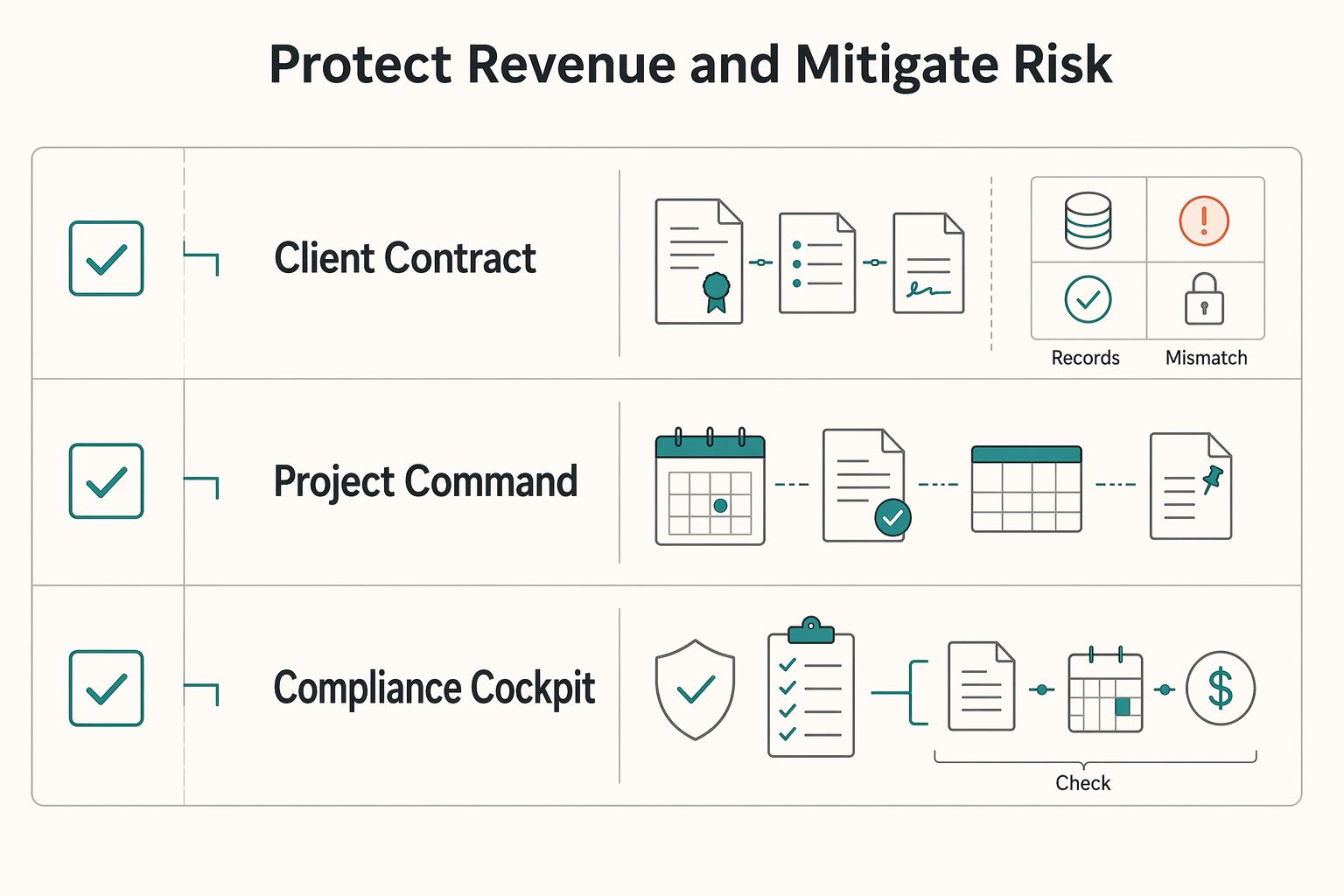
The Forgetting Curve and How to Combat It With a Second Brain
If you work independently, memory lapses are not just annoying. They can show up as missed requirements, duplicate work, scope disputes, and uneven delivery that may reduce client trust over time.
Read more →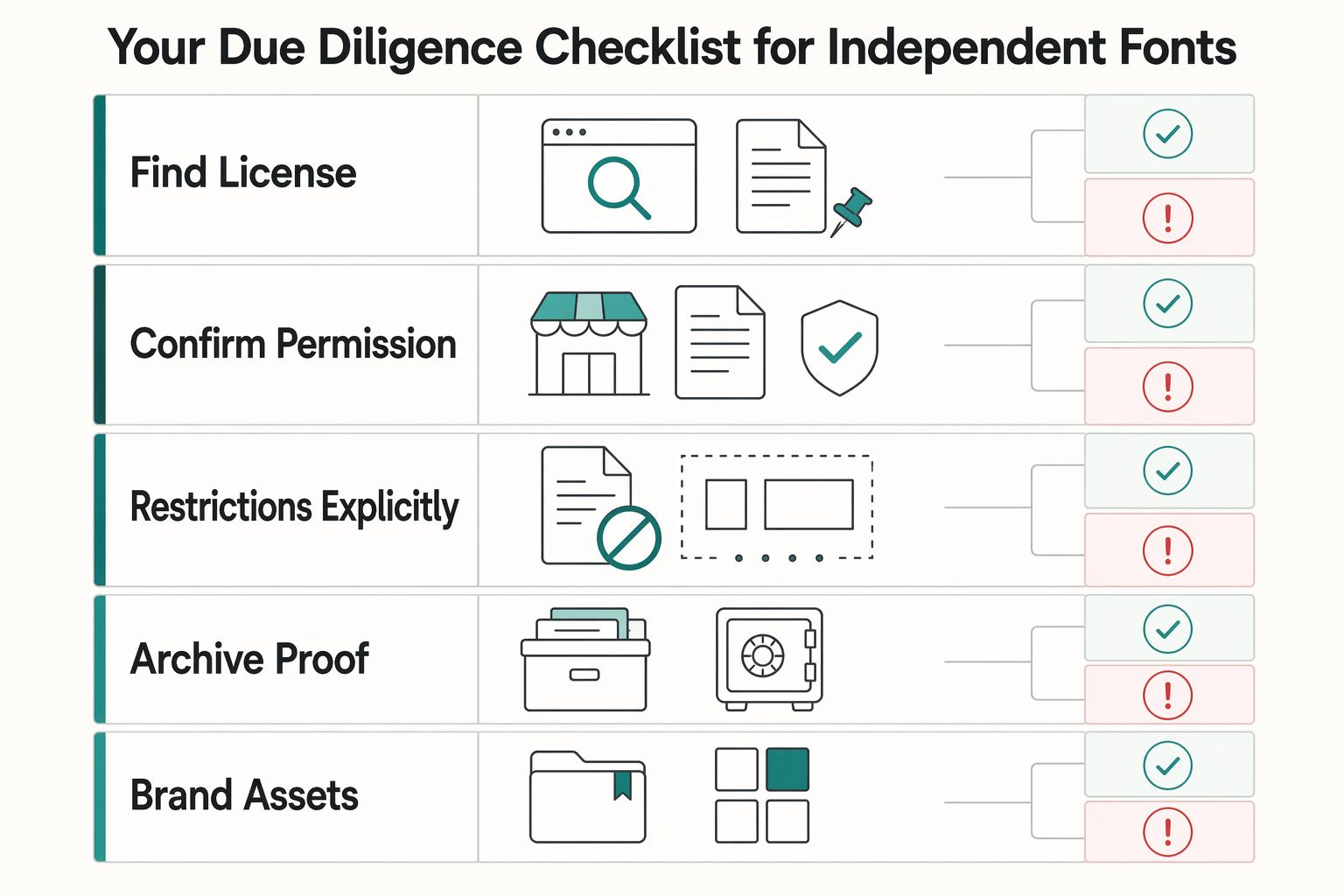
Commercial Fonts for Client Work: Verify Sources in 3 Tiers
Use commercial fonts from sources you can prove. If you cannot prove the source, the license, and the handoff terms, do not use the font in production.
Read more →