
Operator playbooks for cross-border payments, tax, and compliance execution.
Step-by-step guidance for finance, product, and ops teams to launch faster, reduce payout friction, and keep reconciliation clean across borders.
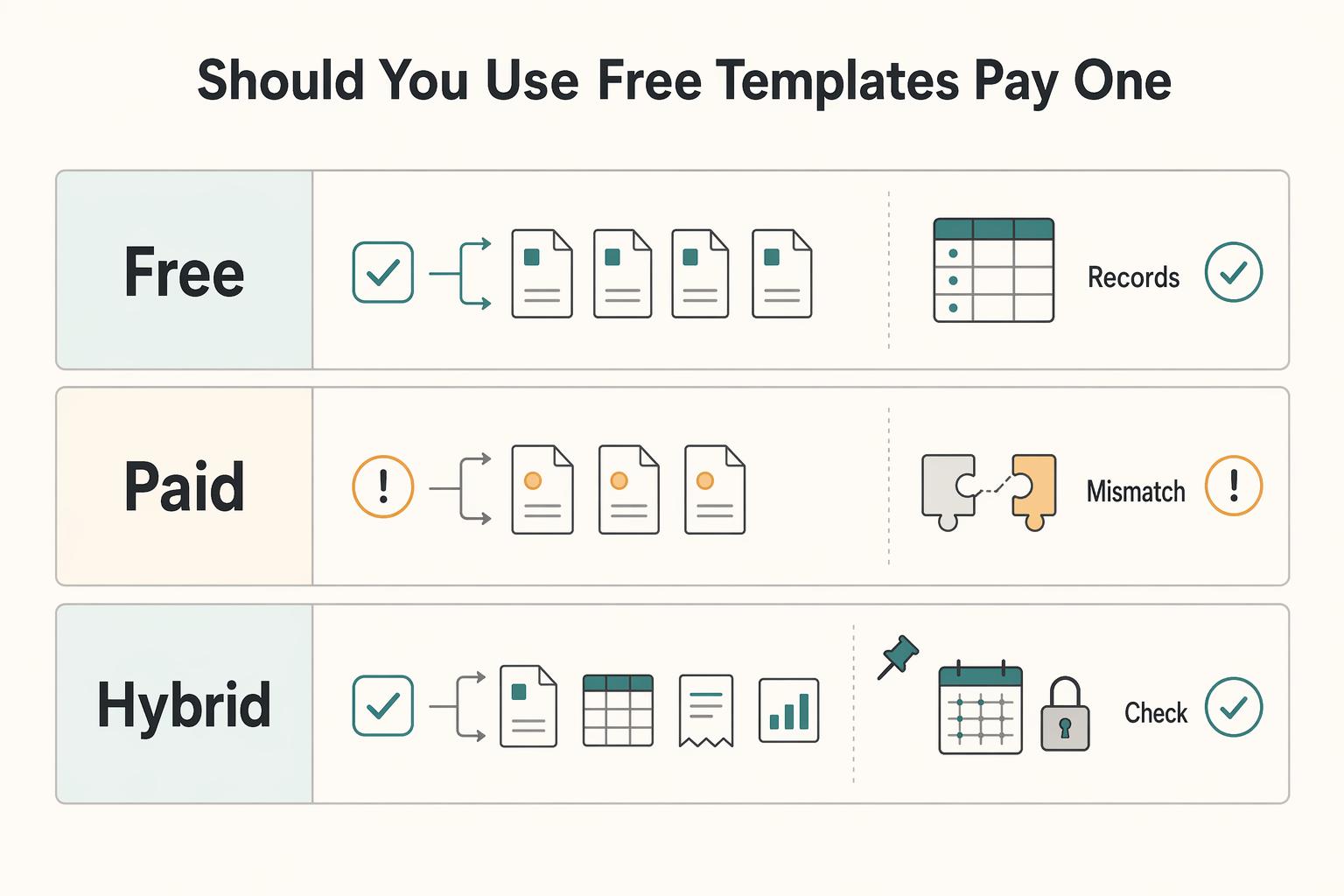
The Best Notion Templates for Freelancers
The **best Notion templates for freelancers** are not the prettiest ones. They are the ones you can verify, update, and trust when a client needs an answer now.
Read more →
A Strategic Consultant's Guide to Structuring a Retainer Agreement
**Build your consulting retainer agreement to control scope, stabilize cash flow, and set expectations early.** Scope creep is what happens when work quietly expands beyond what the client approved. The drift can hit your calendar, your margin, and delivery quality. As the CEO of a business-of-one, your agreement is not paperwork. It is the system that protects your time and decisions.
Read more →
How to Structure a Maintenance and Support Agreement for Software
**Run every client through a clear software maintenance agreement (SMA) before support starts. Define scope, SLA commitments, payment rules, and proof requirements up front.** This is an operator workflow, not legal theater. Use it to protect delivery quality, keep maintenance profitable, and cut the argument loops that drain recurring revenue. If you work solo, this is the contract system that protects your capacity.
Read more →
A Guide to Notion for Freelance Business Management
If your workspace feels busy but fragile, you do not need more pages. You need one connected system. Treat your freelance business like a business-of-one and use Notion as the control layer that connects client decisions, delivery, and billing in one place.
Read more →
Pricing a SaaS MVP Project as a Freelance Developer
If you want to protect margin, treat your quote as a risk decision, not a market-average guess. The headline number matters less than the assumptions and scope boundary underneath it.
Read more →
A Guide to the Statement of Work (SOW) for a SaaS Development Project
**Treat your SaaS SOW as a cash flow control system before you treat it as legal paperwork.** If you run a business-of-one, it is one of your core operating controls.
Read more →
How to Reconcile Bank Statements in Xero
**To reconcile in Xero safely, run a weekly or daily system on the Reconcile tab that clears statement lines, isolates exceptions quickly, and closes each period with documented completion.**
Read more →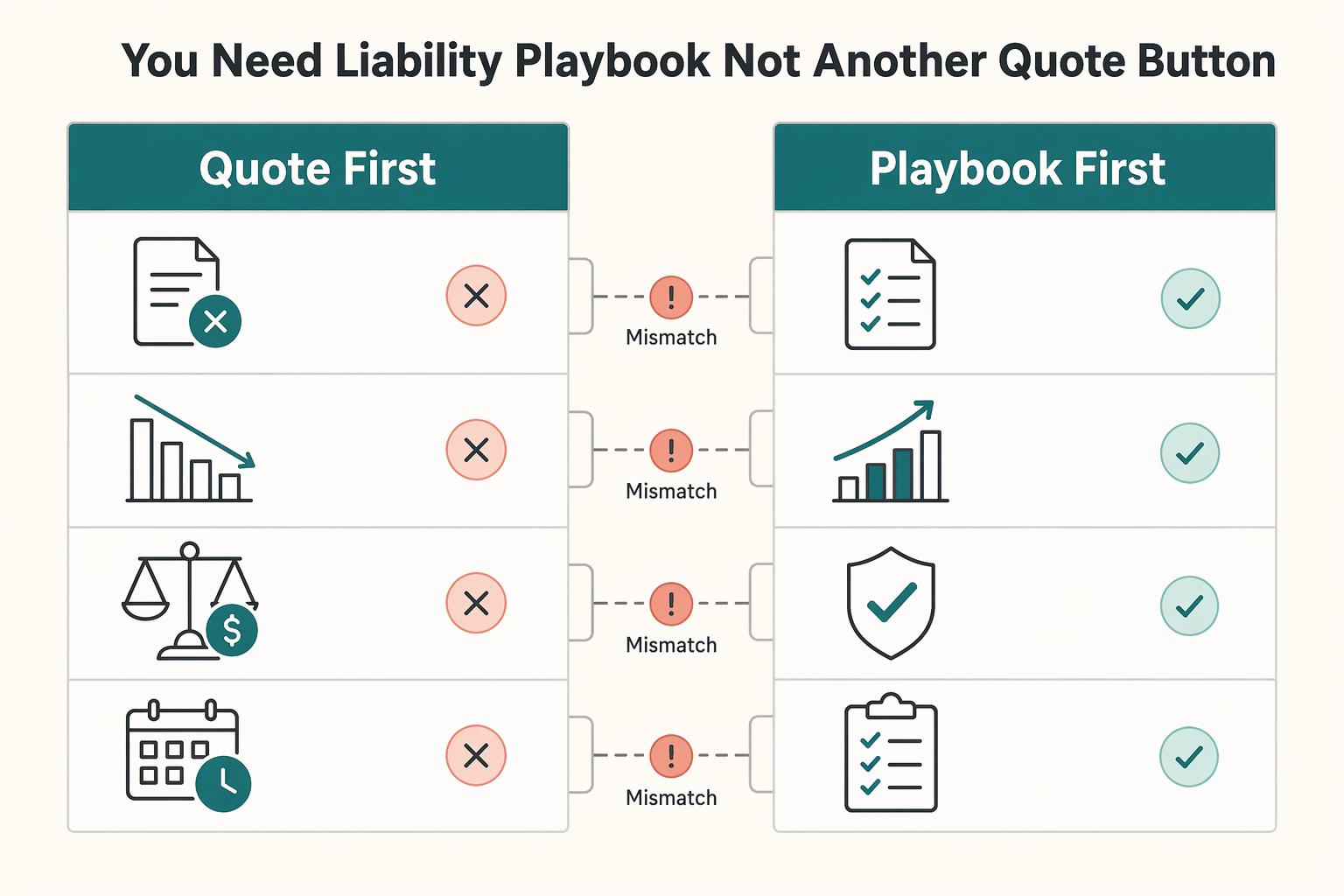
Liability Insurance for Freelance IT Consultants: Do You Need It?
**Treat your insurance decision like risk management, not online shopping.** As an independent IT consultant, you can face a negligence allegation, a client financial-loss claim, and legal defense costs even when you delivered in good faith. One bad dispute can drain time, focus, and cash before anyone proves fault. If you run solo, you are the CEO of a business-of-one, and risk decisions are part of the job.
Read more →
A Guide to Xero for Freelancers and Small Businesses
**Treat Xero for freelancers as a get-paid system, not a feature checklist.** Most freelancers do not struggle because their accounting software lacks features. They struggle when payments arrive late or when the process for delays, disputes, or partial payments is unclear. In a business of one, your job is to make cash collection a repeatable system, not a personality trait.
Read more →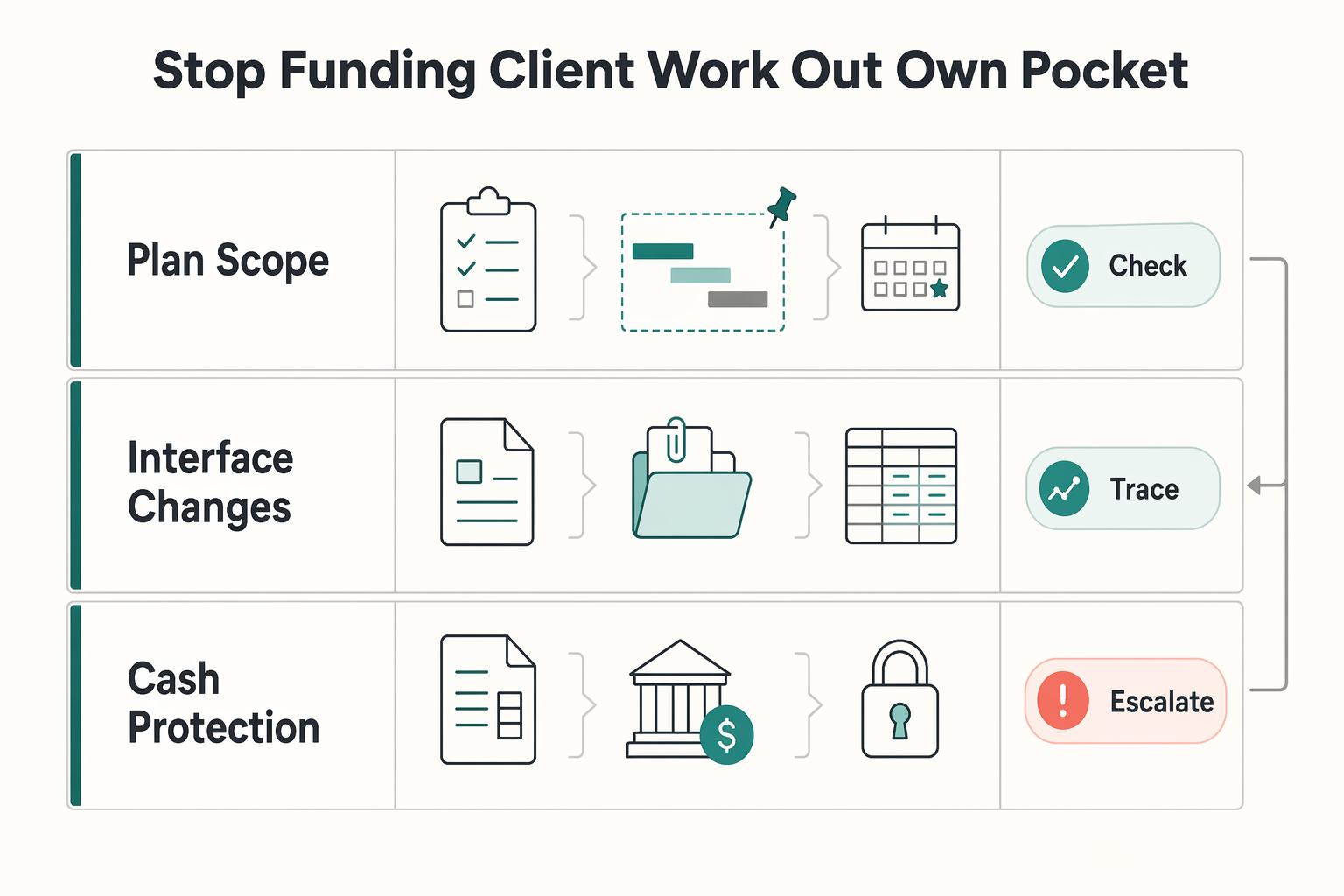
How to Handle Billable Expenses in QuickBooks
**Treat QuickBooks billable expenses as a reimbursement system, not just a bookkeeping feature, so you recover client project costs through invoices instead of absorbing them.**
Read more →
How to Run a Profit & Loss Report in QuickBooks
**Use your QuickBooks profit and loss report as a risk control system, not a bookkeeping chore.** If you invoice clients, this report helps you spot margin pressure and make earlier operating decisions.
Read more →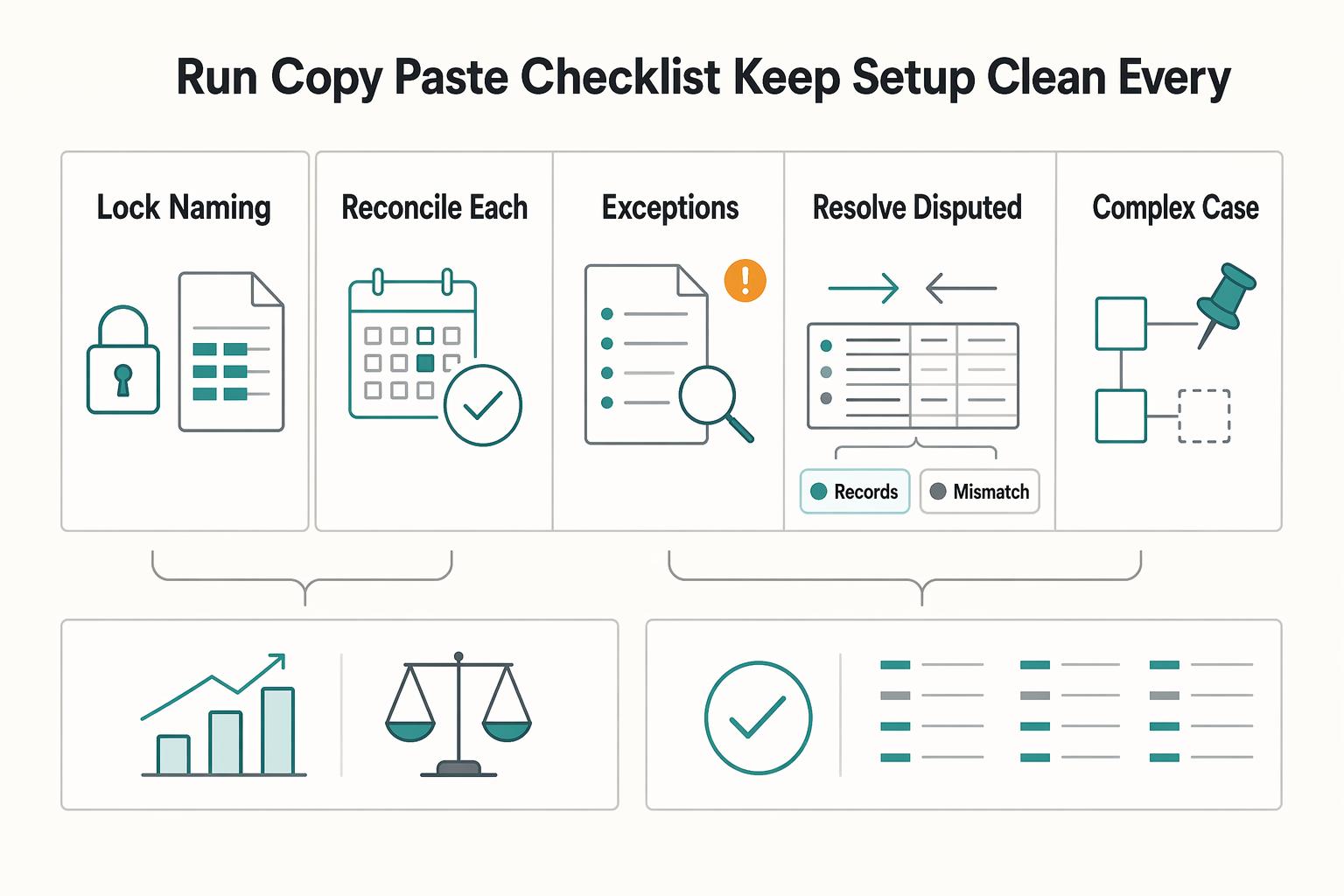
How to Set Up Chart of Accounts in QuickBooks for a Freelancer
**Use your Chart of Accounts to expose cash timing, fees, and follow-up actions, not just expense totals.** If you're a business-of-one, your books are your cash system, not a scrapbook of expenses.
Read more →
QuickBooks Self-Employed vs. Wave: Which is Better?
**Choose the platform that keeps invoices moving, gives you reachable support, and lets your accountant step in fast when problems hit.**
Read more →
A Guide to QuickBooks Self-Employed for Freelancers
**QuickBooks Self-Employed can support basic bookkeeping, but predictable cashflow comes from your payment controls, not invoicing alone.**
Read more →
A Guide to Using Wise for Payroll for International Contractors
**Use Wise as the execution layer for payroll, then wrap it in your own controls so every cycle runs the same way with clearer fees and fewer avoidable delays.**
Read more →
How to Connect Wise to QuickBooks for Automatic Reconciliation
**Use a risk-first Wise to QuickBooks setup to tighten transaction visibility and make reconciliation more predictable.**
Read more →
A Deep Dive into Wise's API for Automated Payments
**If your payment process depends on manual follow-ups, your cashflow will drift, and small misses will compound into real risk.** Manual runs force you to chase approvals, confirm receipts, and update statuses by hand, usually across inbox threads, checks, and spreadsheets. Every extra handoff adds delay. Sooner or later someone asks, "Was this paid yet?" and nobody can answer with confidence.
Read more →
How to Use Stripe Payment Links for Easy Invoicing
**Build a risk-first get paid system with Stripe Payment Links for fast collection and Stripe Invoicing for controlled follow-through.**
Read more →
A Guide to Stripe Radar for Fraud Protection
**Treat Stripe Radar for fraud as a cashflow protection system, not a vanity fraud score.** Stripe Radar gives you real-time screening with AI and no extra development setup, but outcomes still depend on your rules and operations. Your job is simple: decide when to `Block`, `Review`, or `Allow`, then tie those decisions to fulfillment timing and client communication so fraud protection supports more predictable revenue.
Read more →
How to Reduce Stripe Processing Fees
**You can protect margin by treating fees, payout timing, and dispute exposure as one risk system.** It is easy to fixate on headline Stripe fees. In practice, margin usually leaks from three places at once:
Read more →