
Quick Answer
Stripe Radar for fraud works best when you run it as an operating rhythm with clear Block, Review, and Allow paths. Connect those decisions to fulfillment timing and set method-specific gates. Keep the ruleset lean, review outcomes weekly, and log every rule change and override so you reduce chargeback risk without slowing legitimate payments.
Stop letting one bad payment break your month#
Treat Stripe Radar for fraud as a cashflow protection system, not a vanity fraud score. Stripe Radar gives you real-time screening with AI and no extra development setup, but outcomes still depend on your rules and operations. Your job is simple: decide when to Block, Review, or Allow, then tie those decisions to fulfillment timing and client communication so fraud protection supports more predictable revenue.
Protect margin while keeping good clients moving#
You're not trying to block everything. You're protecting margin while keeping good clients moving. If you run solo or with a small team, you need defaults that still hold up when bandwidth gets tight.
| Decision path | Use it when | Operational move |
|---|---|---|
Block | A payment matches clear high-risk patterns you do not want to service | Decline and stop fulfillment immediately |
Review | Signals look mixed and manual judgment can prevent a costly mistake | Pause delivery, request verification, decide quickly |
Allow | Risk signals look normal and customer context checks out | Continue fulfillment and monitor |
You can do a practical first pass in a focused setup session if you keep scope tight. Start with a small ruleset, define who reviews flagged payments, and set a clear response standard. Then tune your rules on a regular cadence based on account results to cut false positives and protect good revenue.
Example: a new client requests urgent delivery and pays in a way that feels unusual. Instead of guessing, you route the payment to Review, send a clear verification message, and hold delivery until the payment clears your policy.
What is known and what you should verify#
Known: Stripe Radar supports rules that route payments to Block, Review, or Allow, and rule order affects outcomes.
What you should verify in your own account: the exact setup time for your workflow, what improvements you can actually expect, and any market-specific limits that affect how you manage risk.
Keep an audit-friendly log of every rule change, who approved it, and what happened after the change. If chargeback pressure already affects client work, pair this setup with How to Protect Yourself from Chargebacks as a Freelancer.
Build the mental model before touching settings#
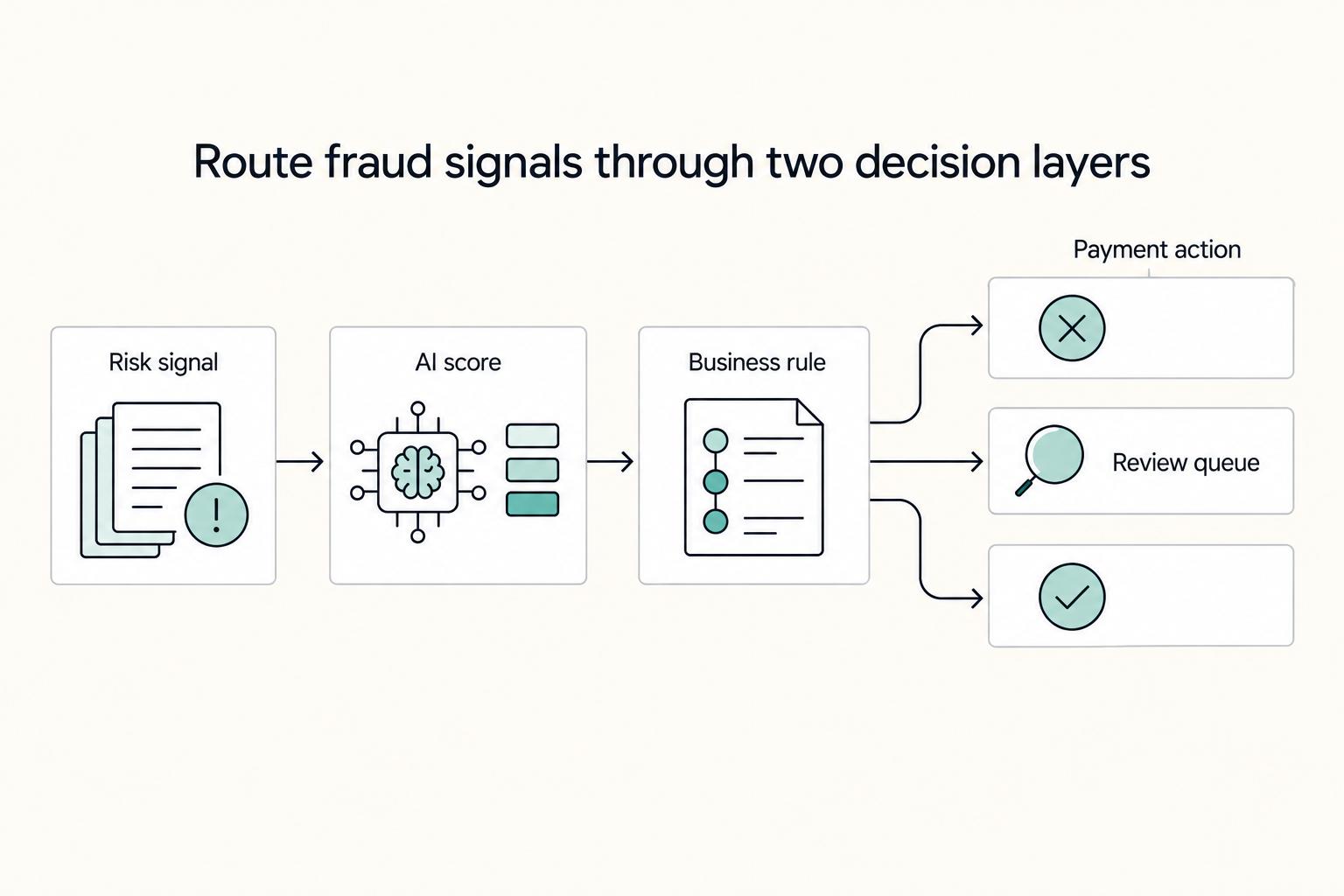
Use Stripe Radar as a two-layer operating model: AI evaluates risk first, then your rules enforce business decisions. You've already defined when to Block, Review, or Allow. Now connect those actions to the right signals so your workflow stays consistent when workload spikes.
Stripe Radar handles risk evaluation with AI. Radar Rules let you route payments based on your business context. In Radar for Fraud Teams, each payment includes a risk score from 0-99, with default cutoffs of 65+ for elevated risk and 75+ for high risk. Think in terms of score plus governance, not score alone.
Separate scoring from policy#
Keep these roles clear before you touch settings:
| Layer | What it does | What you decide |
|---|---|---|
| Stripe Radar scoring | Estimates fraud likelihood | How much weight you give the score |
| Radar Rules | Routes payments to Block, Review, or Allow | Which business conditions trigger each path |
| Radar for Fraud Teams | Adds custom rule writing | When baseline behavior no longer fits your risk management needs |
Treat Radar for Fraud Teams as the upgrade path when standard behavior cannot express your policy. Because baseline behavior can vary by account context, confirm what your Stripe dashboard exposes before you lock in a workflow.
Use network and issuer signals as inputs#
Adaptive 3D Secure applies extra authentication on higher-risk card flows and can reduce fraud exposure. Use it intentionally, not everywhere.
| Signal | Stated use | What not to assume |
|---|---|---|
| Early fraud warnings | Indicate that an issuer flagged a charge as potentially fraudulent | Does not promise dispute prevention |
| TC40 | Adds extra context for prioritizing review | Does not promise dispute prevention |
| SAFE reports | Adds extra context for prioritizing review | Does not promise dispute prevention |
| Early dispute notifications | Adds extra context for prioritizing review | Does not promise dispute prevention |
Treat these as inputs, not guarantees. Early fraud warnings indicate that an issuer flagged a charge as potentially fraudulent. TC40, SAFE reports, and early dispute notifications give you more context for prioritizing review. None of these signals promise dispute prevention, but they do sharpen decisions and can help you intervene earlier.
Example: a payment lands with elevated risk and an early warning. You route it to Review, pause fulfillment, request confirmation, and decide fast. You protect cashflow without forcing every good client through extra friction.
When should you block review or allow a payment#
Block known attack patterns, review ambiguous payments fast, and allow repeat low-risk behavior only after your controls stay stable. Now you turn the scoring model into day-to-day decisions so fraud protection protects cashflow instead of slowing good clients.
Stripe Radar includes built-in rules for card, ACH, and SEPA Direct Debit flows, and Radar Rules let you choose Block, Review, or Allow based on your criteria. In many setups, Stripe blocks clearly high-risk payments by default, while Radar for Fraud Teams can place elevated-risk payments into review. Use that baseline as a starting point, then add business-specific logic for your own risk reality.
Choose the action by downside risk and decision speed#
| Action | Best fit | Why it works | Operator move |
|---|---|---|---|
Block | Clear attack signals like card testing or other repeat abuse patterns | Manual review adds little value when loss risk stays high | Decline, log pattern, and move on |
Review | Higher-value payment with unclear identity or delivery risk | You keep optionality while protecting margin | Pause fulfillment, verify quickly, then approve or refund |
Allow | Repeat customer behavior that stays clean over time, where your controls support it | You preserve conversion and reduce friction | Process normally and monitor for drift |
A practical review rule can start simple. For example, Stripe documentation shows a rule pattern that reviews prepaid-card payments above a set amount such as 1,000 USD. Use that style of rule as a template, then tune it to your own chargebacks and business context.
Set rule order and exception policy before you scale#
Rule order matters in Radar for Fraud Teams. When one rule triggers, Radar takes that action and stops evaluating the rest, so priority drives outcomes.
| Policy element | What to define |
|---|---|
| Owner | One person approves overrides |
| Allowed override cases | List narrow edge cases you accept |
| Evidence required | Note payment context and customer verification |
| Post-action log | Record reason, action, and result for audit and weekly tuning |
Before you scale, define a lightweight exception policy: one person approves overrides, allowed override cases stay narrow, required evidence includes payment context and customer verification, and every action gets logged for audit and weekly tuning.
Example: a client with a clean history triggers a broad review rule on an urgent payment. You apply the exception policy, verify identity, allow fulfillment, and document the override. That is controlled acceptance, not guesswork. If you want deeper prevention tactics, use How to Protect Yourself from Chargebacks as a Freelancer.
How should your risk strategy change for cards vs ACH and SEPA#
Set faster fulfillment gates for many card payments and stricter release gates for ACH and SEPA, then tune each path with method-specific Radar Rules. You've already chosen when to Block, Review, or Allow. Now apply that logic by payment method, because Stripe Radar covers cards, ACH, and SEPA Direct Debit, but those rails do not behave the same way operationally.
Stripe Radar uses card-network and bank information to assess fraud risk, including signals tied to Visa, Mastercard, and American Express ecosystems. For many card transactions, that can support faster fulfillment decisions.
ACH and SEPA need a different playbook. Bank debits can settle more slowly. Stripe's own ACH and SEPA guidance notes windows that can run up to four days.
Set method-specific gates#
Fulfillment gate is the point where you release irreversible work, goods, or access.
| Payment method | Risk behavior | Settlement behavior | Safe default gate |
|---|---|---|---|
| Cards | Rich card-network signals often support quicker risk calls | Often faster confirmation than bank debits | Allow low-risk repeat behavior, review ambiguous first-time or high-impact orders |
| ACH and SEPA | Stripe models fraud for these methods too, with default blocking of high-risk ACH and SEPA direct debit payments | Can settle later, sometimes up to four days | Separate authorization from delivery for first-time clients and larger invoices |
This is practical risk management, not overblocking. You can use Radar for Fraud Teams to create custom rules by business logic so ACH and SEPA do not inherit card assumptions.
Communicate timing before friction starts#
Set expectations before the client pays. Tell clients that payment method affects fulfillment timing and that review checks protect both sides from avoidable fraud and failed-payment risk.
Use a simple operator script:
- Confirm payment method in your intake or invoice notes.
- State the fulfillment gate for that method before work starts.
- Route exceptions to
Reviewand log the decision.
Example: a new client chooses SEPA for an urgent kickoff. You confirm the timeline, hold irreversible delivery until your gate clears, and keep the client updated at each step. That protects cashflow and keeps your workflow defensible under pressure. If chargeback pressure is high, pair this with How to Protect Yourself from Chargebacks as a Freelancer.
Want a quick next step while you put these gates in place? Try the free invoice generator to tighten up your billing workflow.
Launch your first safe default in day 1 and harden it by day 30#
Start with Stripe Radar defaults, add a minimal rule set, and only tighten controls after your own review and backtesting confirm the tradeoff. If you've already separated fulfillment gates, use a practical 30-day loop to improve fraud protection, protect margin, and keep good revenue moving.
Stripe Radar gives you real-time screening without extra development work, so keep day 1 simple. Leave default protections on, then add a small set of Radar Rules for obvious abuse patterns and clear manual review triggers.
In Radar for Fraud Teams, default behavior can route elevated risk into review. That gives you a controlled starting point and helps you avoid broad custom logic on day 1.
Use a 30-day hardening loop#
| Phase | Focus | What to do | Decision rule |
|---|---|---|---|
| Day 1 | Safe baseline | Keep native Stripe Radar protections enabled. Add a few targeted rules for card testing bursts and other clear abuse patterns. Define a conservative handling step for suspicious high-risk payments before irreversible delivery. | If a rule does not protect a known risk, do not ship it yet. |
| Day 7 | Signal quality | Review false positives, disputes, and early fraud warning outcomes from recent payments. Tighten noisy allow paths and loosen overblocking rules that hurt legitimate approvals. | Change one logic cluster at a time so you can attribute impact. |
| Day 30 | Structured promotion | Backtest candidate rules against historical live-mode matches before launch. Retire rules that create noise, then promote high-performing review logic into automated Block or Allow paths. | Promote only when results stay stable across recent traffic patterns. |
Internally, keep your runbook short and strict:
- Owner: one person approves urgent rule changes.
- SLA: set a response target for payment reviews.
- Escalation path: define who handles edge cases when volume spikes.
- Change log: record what changed, why, and the observed impact.
Example: card testing volume jumps and a new client submits a large first payment. Your runbook tightens controls on the attack, holds irreversible fulfillment until your gate clears, and keeps the process consistent under pressure. That is mature risk management, not reactive firefighting.
What should you measure every week to reduce fraud without choking growth#
Track a small set of outcome and operations metrics each week, then tune rules only when those metrics show clear drift. You now have a day 1 to day 30 hardening plan. Next, run Stripe Radar like a system, not a one-time setup, so controls keep pace with real payment behavior. A weekly fraud scorecard is the minimum dashboard to review before you change Radar rules.
| Metric | Why it matters | Segment it by | What to do when it worsens |
|---|---|---|---|
| Approved payments that later become fraud disputes | Shows where risk slips through your allow path | ACH, SEPA, and card rails such as Visa and Mastercard | Tighten allow logic for that method and add targeted review criteria |
| Blocked payment attempts | Confirms whether your controls intercept suspicious traffic | Payment method and high-risk customer cohorts | Check for attack bursts and add focused block conditions |
| Payments sent to review | Measures manual workload and queue pressure | Method, amount band, first-time vs repeat | Reduce noisy triggers and keep only high-value ambiguity in review |
| Estimated false positive rate on block rules | Protects growth by showing good payments you reject | Method and key rule families | Loosen or narrow rules that block legitimate traffic |
| Early fraud warning and pre-dispute volume | Gives early risk signals before formal disputes | Card network patterns including TC40 and SAFE linked flows | Investigate quickly, because unresolved warnings often escalate |
Run a weekly audit that ties risk to cashflow#
Review trends over time in Stripe Radar analytics, then compare fraud metrics with business outcomes. Track delayed fulfillment, refund or recovery outcomes, and support load so risk decisions stay tied to cashflow reality.
Use this short audit checklist:
- Remove stale rules that no longer map to current attack patterns.
- Re-check policy logic so your highest-priority protections stay in front.
- Compare ACH and SEPA drift separately from card behavior.
- Log every rule change with reason and expected impact.
Example: card metrics stay stable, but SEPA dispute volume rises while review volume spikes. You tighten SEPA review criteria, keep card rules unchanged, and update client timeline language for that method because bank debits can settle more slowly than cards. This can reduce avoidable chargebacks without choking legitimate revenue. If you want a tighter dispute workflow, use How to Protect Yourself from Chargebacks as a Freelancer.
What is known and unknown before you commit to Radar for Fraud Teams#
Commit to Radar for Fraud Teams when you need custom control over fraud rules, and when you can document every override before it affects fulfillment. This is the checkpoint. You are deciding whether Radar should run as a full risk management system for your business, not just a background filter.
What you can treat as known right now#
| Area | What is known | Why it matters |
|---|---|---|
| Custom controls | Custom Radar Rules require Radar for Fraud Teams or Radar for Platforms. | You need the right plan before you design rule logic. |
| AI baseline | Stripe Radar applies AI judgments by default, including high-risk block and elevated-risk review paths. | You start with a working baseline before adding manual logic. |
| Payment methods | Built-in coverage includes card, ACH, and SEPA Direct Debit risk handling. | You can design method-specific controls without treating every rail the same way. |
| Rule execution | Rule hierarchy matters because action type affects evaluation order. | Bad ordering can block good payments or let risky ones pass. |
| Commercial model | Pricing tiers charge per transaction evaluated. | You must model cost against volume before rollout. |
What you still need to verify before commitment#
| Area | What to confirm |
|---|---|
| Pricing | Exact pricing for your account country and entity |
| Tier boundaries | Detailed tier boundaries and any account-level limits |
| Eligibility | Eligibility and payment-method support for your market and program |
| Performance claims | Measurement windows behind performance claims |
| Compliance | If you sell across borders, validate compliance constraints, including EU geo-blocking limits where relevant |
Before you commit, confirm exact pricing for your account country and entity, detailed tier boundaries and any account-level limits, eligibility and payment-method support for your market and program, the measurement windows behind performance claims, and any compliance constraints that apply if you sell across borders, including EU geo-blocking limits where relevant.
Example: a trusted client pays via a bank debit method from another region, a broad rule blocks it, and delivery stalls while support chases context. You avoid that failure when you predefine who can override, what evidence they must log, and when they must escalate.
Use this go-live checklist for chargebacks control:
- Log each rule decision with action path, reason, approver, and fulfillment outcome.
- Require a written reason for every manual override.
- Keep method-specific playbooks for card, ACH, and SEPA so operators act consistently.
- Approve rollout only after your Stripe dashboard and account docs resolve every unknown above.
Run Stripe Radar as a repeatable operating rhythm#
Your best result comes from controlled acceptance, disciplined review gates, and consistent fulfillment rules, not maximum blocking. Run Stripe Radar as a repeatable operating rhythm. Keep revenue moving, keep decisions consistent, and keep every risk call traceable.
Start with built-in Stripe Radar protections, then layer focused Radar Rules only where your business logic needs more control. If you upgrade to Radar for Fraud Teams, use customization to narrow risk logic, not to build a giant rule stack you cannot maintain. Keep the rule set lean and review dashboard trends before you scale changes.
| Payment method | First control pattern | Operator note |
|---|---|---|
| Card payments | Use Block, Review, and Allow with clear criteria | Use the review queue for unusual card payments instead of reviewing everything |
| ACH and SEPA Direct Debit | Use method-specific Allow/Block rules, then test before rollout | Review rules are card-only, so validate ACH/SEPA logic with drafted allow/block rules |
Run this recurring checklist to manage fraud risk without choking conversions:
- Keep
Allowrules narrow, because allow logic can bypass later block and review checks. - Track successful, blocked, and flagged-for-review outcomes by method inside Stripe Radar analytics.
- Log every override with reason, owner, and expected outcome.
- Capture complete payment context in your integration so Stripe Radar can score risk with better signal quality.
- Flag unknowns early, including market constraints and account-level eligibility, before you expand coverage.
Example: a repeat card client pays as expected while a first-time bank debit payment looks unusual. You allow the trusted card flow, route the ambiguous payment through your tested bank debit logic, and protect cashflow without slowing every order.
Run this checklist now, schedule regular backtesting on your calendar, and refine from real payment behavior. If disputes still create friction in your workflow, pair this playbook with How to Protect Yourself from Chargebacks as a Freelancer.
Frequently Asked Questions
What is Stripe Radar and how does it prevent fraud?
Stripe Radar uses machine learning to evaluate payment risk and help reduce fraud and chargebacks before fulfillment. It combines ML protection with fraud prevention rules so you can take action when a payment matches criteria. It works when each action is tied to cashflow and fulfillment gates you actually enforce.
Do I need Radar for Fraud Teams to create custom Radar Rules?
Yes. You need Radar for Fraud Teams or Radar for Platforms to create custom Radar Rules. Baseline Stripe Radar still provides default ML fraud protection, but custom rule control is tied to those tiers. Upgrade when your workflow needs method-specific or client-specific logic and you can maintain a change log.
How does Stripe Radar treat ACH and SEPA differently from card payments?
Stripe states Radar protection covers ACH and SEPA in addition to cards, and existing Radar users automatically benefit from that ACH and SEPA coverage. The operational difference is settlement timing, because bank debits can take up to four days compared with cards. Build around that by separating payment authorization from irreversible delivery on ACH and SEPA.
When should a freelancer choose Block vs Review vs Allow?
Use Block for clear abuse patterns where manual review adds little value. Use Review when the downside is real but the payment could be legitimate, and you can make a fast call with verification. Use Allow for stable repeat behavior that keeps passing checks, then audit outcomes weekly to keep chargebacks under control.
Can Adaptive 3D Secure reduce chargeback risk without hurting approvals?
Adaptive 3D Secure can reduce fraud by applying extra authentication when risk signals justify it. Do not apply it to every payment, because extra authentication can reduce conversion. Start targeted, then tune based on real approval and dispute trends.
What should I do first to stop card testing attacks?
Start by blocking obvious card testing traffic with immediate logic and strict velocity-focused checks. Next, route suspicious but uncertain attempts into Review so you can protect good revenue while you investigate. If you see a sudden burst of small attempts from new identities, block the burst pattern and keep normal repeat buyers on an allow path.
What important details are still unknown before implementation?
You still need to verify country-level pricing, tier boundaries, and account eligibility directly in your Stripe account. You also need to confirm methodology windows behind published performance claims before you model ROI. Keep those unknowns in your launch checklist so your plan stays audit-ready.
Watch
How to Use Stripe Radar to Protect Cashflow
Try a related tool
Researched and edited by the Gruv editorial team. Gruv builds cross-border billing, payouts, and finance-operations software for global businesses.
Sources
Educational content only. Not legal, tax, or financial advice.
Related Posts
Value-Based Pricing for Freelancers Under Real Payment Risk
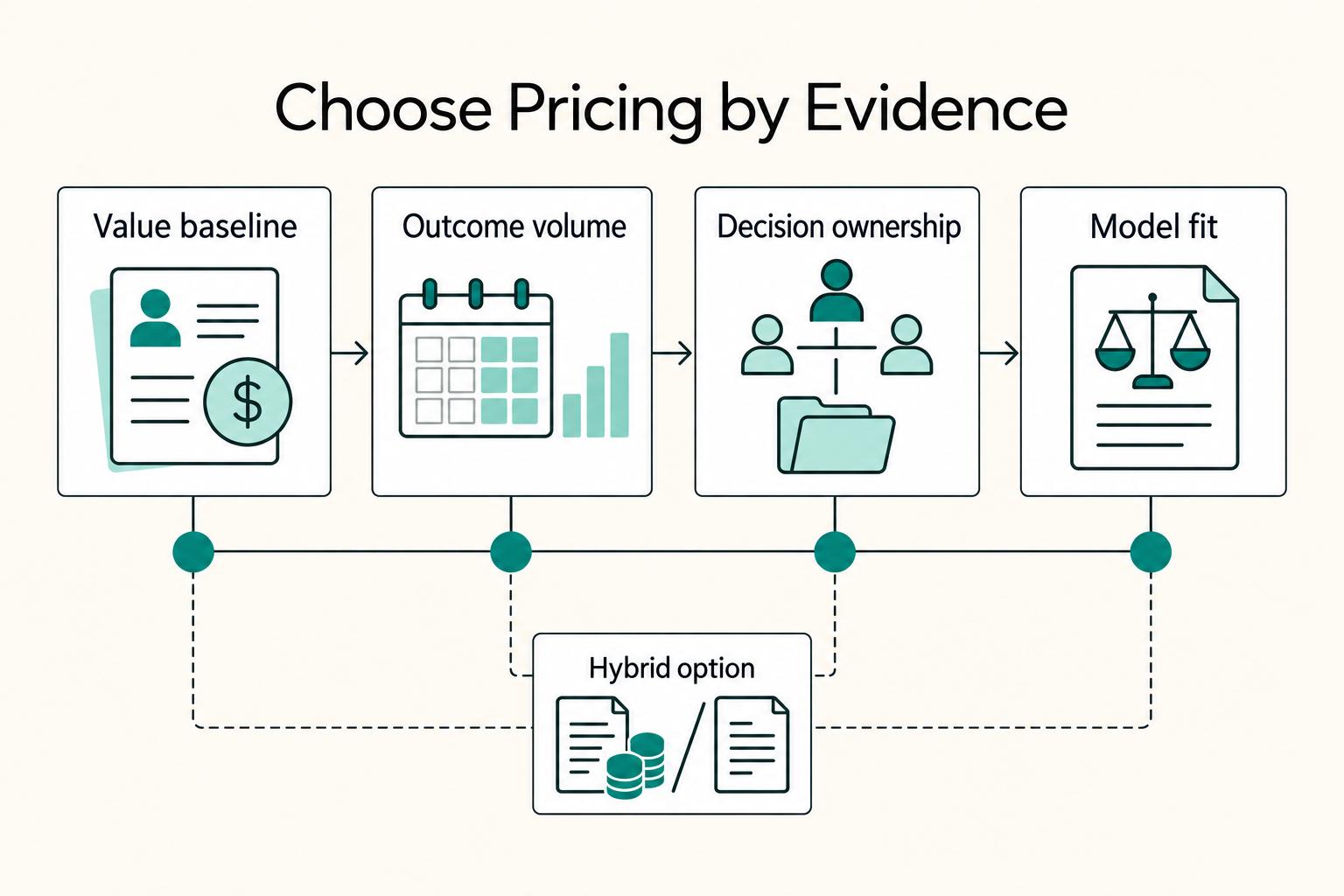
Value-based pricing works when you and the client can name the business result before kickoff and agree on how progress will be judged. If that link is weak, use a tighter model first. This is not about defending one pricing philosophy over another. It is about avoiding surprises by keeping pricing, scope, delivery, and payment aligned from day one.

Opening a Bank Account in Spain as a Foreigner for Reliable Cashflow
If you searched open bank account spain foreigner, the goal is not approval on paper. You need an account setup that keeps invoices moving, limits avoidable fees, and stays usable when checks, document questions, or channel changes appear.

How to Protect Yourself from Chargebacks as a Freelancer
**Chargeback prep can reduce avoidable losses, but it cannot guarantee a win.** The real goal is narrower and more useful: build a repeatable sequence you can follow before, during, and after a dispute so cash flow is less fragile and decisions are less reactive.