

Quick Answer
Existing QuickBooks Self-Employed users can keep it if the workflow fits; new buyers should compare current Intuit products with Wave. Wave serves U.S. and Canadian businesses and has a free Starter plan plus paid Pro features. Choose by demonstrated accounting, invoice, bank, accountant-access, and total-cost fit rather than a universal winner.
You need a bookkeeping tool that protects cashflow not just one that tracks expenses#
For U.S. buyers, first distinguish an existing QuickBooks Self-Employed subscription from a new purchase. Intuit directs new customers to products including Solopreneur; QuickBooks Online is a separate accounting option. Wave serves businesses in the U.S. and Canada, with country-specific pricing and payment eligibility.
If you are weighing QuickBooks vs Wave, do not start with brand preference. Start with cashflow risk. As a business of one, your job is to pick tools that keep money moving when something breaks.
Freelancers, creators, and small teams usually absorb payment friction directly. Support gaps and messy handoffs can hurt faster than a small monthly price gap in your financial tools stack.
Use this as a quick first pass. We will separate what you already know from what you still need to verify before you commit.
Use a known vs unknown filter before you choose#
| Decision area | Known now | Unknown you should confirm |
|---|---|---|
| Product eligibility | Existing QuickBooks Self-Employed subscribers can continue; new customers choose current products. Wave serves U.S. and Canadian businesses. | Country, entity, bank, and payment eligibility |
| Support | Wave offers automated help and eligible weekday live chat/email. Intuit support depends on the product. | Account-specific availability and fallback; no assumed SLA |
| Handoff | Reports and collaboration vary by product and plan. | Separate accountant invitation and a representative month review |
| Cost | Starter is free; Pro and Intuit products have paid plans and optional services. | Actual renewal quote, payment mix, and required users |
Make the decision in operator order#
| Order | Focus | Guidance |
|---|---|---|
| First | Protect invoicing flow | Pick the option that gives you the cleanest path to resolution when a payment issue blocks cash. |
| Second | Protect freelance bookkeeping handoff | Confirm accountant collaboration before you optimize for sticker price. |
| Third | Protect future switches | Free accounting software can work early, but only if you can migrate cleanly when workload complexity grows. |
In practice, the order is simple: protect invoicing first, then the bookkeeping handoff, then the ease of switching later.
Use a simple test. If one disputed invoice would force you into slow support loops or messy cleanup, the tool is not protecting cashflow. If a platform leaves critical support or handoff questions unanswered, treat that as a fail for now.
Which option wins at a glance for your workflow right now?#
Keep QuickBooks Self-Employed if you already subscribe and its records still fit. New buyers can evaluate Solopreneur for a one-person tax workflow, Wave for basic accounting and invoicing, and QuickBooks Online for broader accounting and team needs. Match the product to the work rather than assuming a brand is safer.
Use the table below to make a fast, risk-aware call. This is not about winning a feature comparison. It is about keeping invoicing and your freelance bookkeeping setup stable under pressure.
| Question | QuickBooks Self-Employed | Solopreneur / QuickBooks Online | Wave |
|---|---|---|---|
| Can I buy it new? | Existing subscribers can continue | New buyers can choose Solopreneur or Online | Available for supported U.S. and Canadian businesses |
| What work does it fit? | Legacy solo income and expense tracking | Solopreneur: one-person Schedule C workflow; Online: broader accounting and team needs | Core accounting and invoicing; Pro adds automation and collaboration |
| What should I test? | Categories, exports, existing accountant workflow | Actual product reports, roles, bank connections, and migration | Bank imports, required roles, exports, and payment eligibility |
| What does it cost? | Check your existing subscription renewal | Current country-specific quote; separate promotion from renewal | Starter free; Pro paid; processing and optional services extra |
- Compare the actual product and country, not mixed U.S. and Canadian plan snapshots.
- Keep subscription, processing, optional services, and migration effort separate in the decision.
Choose from demonstrated fit: reconcile a representative month, send a sample invoice, test accountant access, and export the records you need before migrating.
If you stay on the solo path, use A Guide to QuickBooks Self-Employed for Freelancers to pressure-test your setup before client volume climbs.
Is Wave actually free once real payment operations begin?#
Wave Starter has a free core accounting and invoicing plan. Paid Pro features, payment processing, and optional services can add cost; estimate them from the workflows you actually use.
Cost is not just subscription price. It is what you pay to invoice, collect, follow up, reconcile, and hand clean books to your accountant without a monthly scramble.
| Cost driver | Wave Starter baseline | Wave Pro baseline | QuickBooks and QuickBooks Self-Employed assumptions |
|---|---|---|---|
| Subscription | Free core plan | Paid plan | Check the actual product, country, and renewal quote |
| Automation | Test required manual work | Test required paid automation | Test functions in the quoted plan |
| Payments | Fees and eligibility apply | Fees and eligibility apply | Compare payment methods and transaction mix |
| Collaboration | Check available access | Test required roles and permissions | Test accountant and operational access separately |
Compare total operating cost with the same invoice volume, payment mix, required users, and accountant workflow. Subscription price alone does not capture those differences.
Hidden costs that change the decision#
| Factor | Grounded effect |
|---|---|
| Add-ons | Receipts, payroll, and advisory services can move cost far above the base plan. |
| Payment uncertainty | Online payment use requires eligibility checks, including identity verification and credit review. |
| Support friction | If an invoicing issue takes time to resolve, operational delays can reduce the savings from lower software spend. |
| Migration friction | If your workflow outgrows Starter, switching plans or platforms adds operational overhead. |
Known unknowns before you commit#
Keep Starter if its available functions cover your actual work. Evaluate Pro when required automation, roles, or support justify it; do not assume payment collection alone requires Pro.
Which platform gives you better support when cashflow is at risk?#
When cashflow is at risk, pick the platform that gives you the fastest path to a real human and a clean accountant handoff.
Pricing is easy to compare. Escalation is what protects you when something goes sideways. In this comparison, support outcomes usually come down to how quickly you can move from blocked to resolved.
| Support checkpoint | QuickBooks posture | Wave posture | Cashflow risk impact |
|---|---|---|---|
| Live access | Official support for the actual product | Eligible accounts can access chat/email | No assumed resolution SLA |
| First step | Product-specific help/contact flow | Signed-in help/contact flow | Keep case ID and transaction references |
| Window | Verify current product hours | Monday–Friday, 9 AM–4:45 PM Eastern on the pricing page | Plan a collection fallback outside the window |
| Accounting help | Separate accountant access from support | Separate collaborators from paid Advisors | An accountant can review books but cannot resolve processor holds |
Customer reviews can suggest questions to test, but they do not establish a response-time guarantee or prove one platform is safer. Use current official channels and a realistic workflow test.
Record the support channel available to your account, the published window, and a fallback for urgent collection work.
Route the issue fast and involve your CPA early#
- Define failure mode first: blocked invoice follow-up, unresolved payment issue, or delayed month-end cleanup.
- Trigger the official channel immediately: QuickBooks callback or chat, or Wave chatbot then live chat or email.
- Escalate to your CPA when reconciliation or categorization starts slipping into the next close cycle.
- Consider switching from Wave to QuickBooks if support channel limits repeatedly delay payment resolution or accountant collaboration.
When a client payment gets stuck late in the week, you need a playbook you can run in minutes, not a research project. Route fast, document each step, involve the CPA early, and switch if the same friction keeps showing up.
Will your bookkeeper or CPA thank you for this choice?#
Your bookkeeper or CPA will thank you when you choose the setup that supports shared access, clean exports, and review-ready books before tax pressure hits.
Support keeps cash moving this week. Collaboration keeps your books clean every month. A lot of the pain shows up during month-end cleanup, not onboarding.
QuickBooks documentation separates sharing access with multiple users from sharing access with accountants. Match that access model to how your CPA or bookkeeper actually works with you.
| Plan or tier | Collaboration and handoff posture | Practical implication for freelance bookkeeping |
|---|---|---|
| QuickBooks Self-Employed | Built for self-employed single-entry tracking, with transaction categories mapped to Schedule C lines. | Works for a solo operator, but handoff can tighten when workflows need broader bookkeeping structure. |
| QuickBooks Online Simple Start | Supports double-entry accounting and chart-of-accounts customization. | Gives your CPA a stronger base when books get more complex. |
| Wave Starter / Pro | Pro offers collaborator roles; accounting exports are available for handoff. | Test permissions and exports with your accountant using representative records. |
Run this recurring handoff checklist#
- Export your core reports, lists, and supporting data for external review.
- Clean up categorization before review, then flag unclear transactions for your CPA.
- Hold a recurring handoff review and capture every correction pattern.
- Update your chart-of-accounts and workflow rules when the same cleanup issue repeats.
When you add another operator and your CPA starts requesting structural fixes in recurring reviews, QuickBooks Self-Employed may no longer be enough. Consider moving to QuickBooks Online when you need multi-user collaboration, stronger bookkeeping structure, or cleaner recurring handoffs.
If you are in this scenario what should you choose?#
Choose the plan that matches your current workflow complexity, then upgrade when collaboration or control gaps start creating invoicing risk.
This is where you turn analysis into an operating decision. Match the tool to your current load, then set an explicit trigger to upgrade before cracks show in invoicing or close.
Best choice now and upgrade trigger by scenario#
| Scenario | Best choice now | Why this choice lowers risk | Upgrade trigger |
|---|---|---|---|
| Existing Self-Employed subscriber | Retain if workflow fits | Avoid unnecessary migration | Required reports, roles, or structure missing |
| Budget-first U.S./Canadian solo business | Test Wave Starter | Core accounting and invoicing without subscription | Required automation, roles, or support missing |
| New one-person Schedule C workflow | Test Solopreneur against Wave | Different tax and accounting workflows | Confirm accountant handoff before buying |
| Shared operations or broader accounting | Compare Wave Pro with the relevant Online plan | Required roles, reports, and integrations decide | Test a representative month and export before migration |
Guardrails for QuickBooks vs Wave decisions#
- Keep one owner for categorization rules, then run a scheduled review before each quarter close.
- Document who can edit books versus who can only review, then enforce that access model.
- Track how often invoicing or reconciliation slips because of plan limits, not user error.
- Treat support window limits as planning inputs, especially for time-sensitive payment follow-up.
If you start on Wave Starter and then add a part-time ops collaborator plus a CPA review cycle, stop optimizing only for plan price. Move to the tier that better supports access control and reconciliation speed before the monthly mess becomes normal.
What is your 10-minute decision checklist before you commit?#
Run a pass-fail scorecard on cost clarity, escalation readiness, collaboration fit, and switching friction before you commit.
At this point you should have a front-runner. Now pressure-test it. The goal is to make QuickBooks vs Wave a controlled operating decision, not a hopeful guess that you can figure it out later.
| Check | Pass when true | Fail trigger |
|---|---|---|
| Cost clarity | You have a current quote separating renewal cost, processing fees, optional services, and required integrations. | You still plan to figure fees out later. |
| Support escalation | Your team accepts Wave escalation through email and live chat, and you can work inside weekday ET support windows without inbound phone support assumptions. | You need phone escalation or after-hours recovery but have no fallback process. |
| Collaboration needs | Your required users, accountant access, and reports work in the actual quoted product and plan. | You need shared ownership now but choose a one-user setup anyway. |
| Switching friction | You define a low-risk exit path with an export test, category mapping, and a handoff owner before migration. | You have no rollback plan if reporting or workflow fit breaks. |
Known unknown worksheet#
Before checkout, write one clear answer for each item. If you cannot answer it, mark it as a blocker.
| Area | Question to answer |
|---|---|
| Non-base fees | Which non-base fees could affect your monthly cost in real use? |
| Mandatory integrations | Which integrations are mandatory in your workflow, and what fails if one breaks? |
| Reports | Which reports does your CPA need every month, and can you produce them cleanly? |
| Mobile actions | Which mobile actions must work fast for invoicing and follow-up? |
Client cashflow protection checklist#
- Set invoice terms you can enforce, then use one reminder cadence for every client.
- Define exception handling for disputes, late payments, and partial payments before they happen.
- Assign one owner for reconciliation and one backup for escalation.
- For client nonpayment, follow your collection process. Contact platform support for a technical invoice or payment problem with the transaction reference; involve your accountant for recording or reconciliation questions.
Decision rule: if any row fails, do not commit yet. Close the gaps first, then choose the platform. Want a quick next step for this decision? Try the free invoice generator.
Choose the system that lowers risk every month not just the plan that looks cheapest today#
Choose the system that gives you dependable support access, clean CPA handoffs, and sustainable monthly cost at your current complexity.
Close this out with one operator rule: buy for risk control first, then optimize price. A cheaper plan only wins when it still protects invoicing, your freelance bookkeeping rhythm, and decision speed when issues hit.
Use this final filter before you commit. It catches most bad fits early.
- Confirm official support channels and account eligibility; do not assume a response-time guarantee.
- Test separate accountant access and required reports in the actual product and plan.
- Use a current country-specific quote with promotions, renewal cost, processing, and add-ons separated.
- Existing QuickBooks Self-Employed subscribers can continue; new customers should evaluate current products.
If a CPA review cycle or collaborator adds friction, test the required access and reports in both the relevant Wave tier and QuickBooks product. Switch only when the new setup demonstrably improves the workflow enough to justify migration.
Final decision rule: if support access is unclear, handoff ownership is fuzzy, or ongoing cost stays uncertain, pause and resolve the gap before choosing. If those three checks pass, commit, run your workflow, and revisit at your next growth milestone.
For implementation depth, continue with A Guide to QuickBooks Self-Employed for Freelancers. If you want a deeper dive, read Value-Based Pricing: A Freelancer's Guide.
Frequently Asked Questions
Is Wave actually free for freelancers or only free at the Starter tier?
Wave Starter includes free core accounting and invoicing. Eligible businesses can add online payment processing and pay transaction fees without subscribing to Pro. Pro charges a subscription for features such as bank imports and collaborator access; payroll and other optional services have separate pricing. Compare the services you actually need.
QuickBooks Self-Employed vs Wave which is better for a solo freelancer in 2026?
Existing QuickBooks Self-Employed subscribers can continue; new Intuit customers choose other products, including Solopreneur. Wave can suit basic accounting and invoicing for supported U.S. or Canadian businesses. Choose using your tax workflow, reports, collaborator access, bank support, and total cost.
Which is better if I already work with a CPA?
Choose the product and plan your accountant can use effectively. Test a separate invitation, permissions, reports, and corrections. QuickBooks Online and Wave Pro offer collaboration options; a familiar accountant workflow is more useful than a blanket brand recommendation.
What do I lose if I choose the cheaper option first?
You often lose operating margin in time, not just money. Free accounting software can push key automation and collaboration behind paid tiers, which can add manual steps to follow-up and month-end cleanup as your book grows. If a lower-cost choice adds manual steps, it can raise risk before it lowers spend.
Which platform is safer when support response time matters?
Compare support availability for the exact account and plan. Wave offers automated help and eligible live chat/email access; Intuit offers product-specific support. Published channels are not guaranteed response or resolution times.
When should I switch from Wave to QuickBooks Online?
Consider switching when your required accounting structure, reports, integrations, or roles are not supported effectively in your current Wave plan. First test a representative month and data export, then compare the relevant QuickBooks Online plan with the cost and effort of remaining on Wave Pro.
What key details are still unknown from current public comparisons?
Log unknowns before you buy: your true all-in monthly cost, integration fit for your workflow, reporting depth your CPA expects, and practical mobile workflow coverage. Public pricing snapshots are time-bound and may change with offers. Keep a one-page decision record so you can update assumptions before renewal.
Watch
QuickBooks vs Wave for Freelancers: Pick by Risk
Try a related tool
Researched and edited by the Gruv editorial team. Gruv builds cross-border billing, payouts, and finance-operations software for global businesses.
Sources
Includes 4 external sources outside the trusted-domain allowlist.
Educational content only. Not legal, tax, or financial advice.
Related Posts
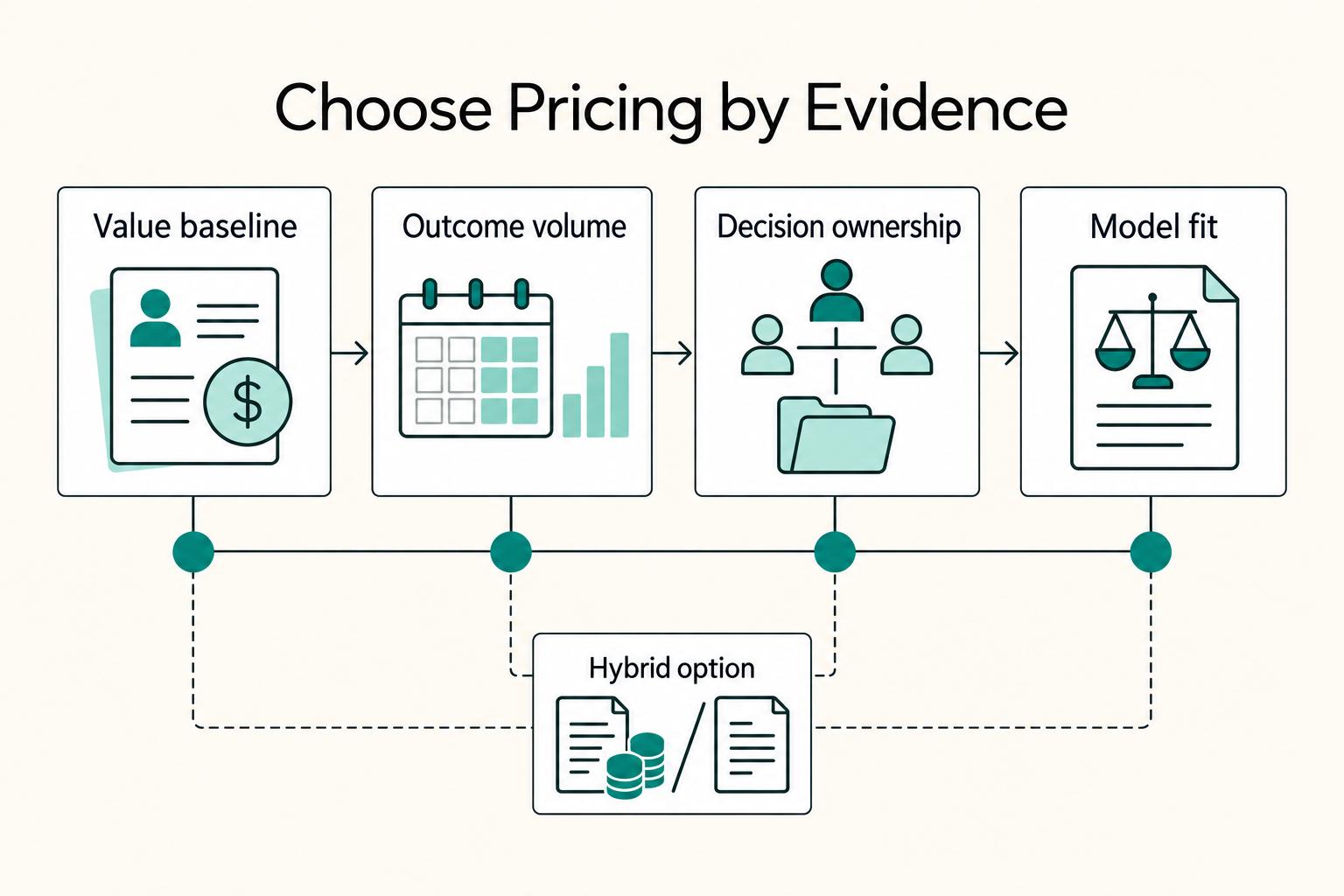
Value-Based Pricing for Freelancers Under Real Payment Risk
Value-based pricing starts with the client’s expected benefit and willingness to pay. It still needs a deliverable, scope and payment agreement you can perform. Use a discovery phase when the benefit or effort is too uncertain to support a defensible quote.

A Guide to QuickBooks Self-Employed for Freelancers
**QuickBooks Self-Employed is a legacy bookkeeping option for existing subscribers. New buyers should compare current products such as Solopreneur, then test their actual billing and tax workflow.**

The Freelance Payment Penalty: A Modeled Audit of Platform Fees, FX Spreads, and Payout Delays
The money rarely disappears through a single, easy-to-spot fee. The real loss is stacked. A marketplace takes its commission, a processor adds a charge for international cards, a bank or payment company converts the currency at a spread, a platform holds the funds before release, and a wire sheds a little to intermediaries on the way in. Each layer looks defensible on its own, but the worker feels the combined result as a smaller deposit and a later payday.