

Quick Answer
Set financial settings, contacts, bank feeds and agreed invoice terms in the appropriate Xero edition. Create invoices at the agreed trigger, review before sending, configure reminders and supported payment services, then reconcile receipts and fees without duplicating payments. Track unresolved balances weekly. Check plan limits, market-specific features and filing duties separately.
Set up Xero for quotes, invoices and reconciled receipts#
Use Xero to connect your accepted scope, invoices, reminders and accounting records. Decide billing triggers and due dates first, then configure the workflow so you can see what is owed, what arrived and which items need follow-up.
A late receipt can affect your own bills even when billed revenue looks healthy. Keep a cash forecast alongside receivables and follow up before a shortfall creates pressure to accept weaker terms.
| If you chase features | If you run a get-paid system |
|---|---|
| You compare tools by screens and add-ons | You define terms, reminders, escalation, and records before sending invoices |
| You treat invoicing as a one-time task | You run invoicing, controls, and reconciliation as one recurring loop |
| You react to late payers case by case | You follow clear escalation paths and protect cashflow consistently |
Use this guide to build the quote-to-invoice workflow and a weekly collection/reconciliation routine. The setup details matter because an invoice marked paid, a payment notification and a reconciled bank receipt are different records.
Use these safe defaults:
- Invoicing discipline: set clear terms, payment options, and reminder timing.
- Control points: assign ownership for approvals, follow-up, and escalation.
- Reconciliation habits: close exceptions fast so records match cleared funds.
- Cross-border caveats: spot where market or program rules change your next step.
If a new client asks for open-ended payment timing, you do not improvise. You run the same checklist, lock terms before work starts, and know when to pause delivery.
Where rules vary by country or program, this article flags uncertainty and shows you how to confirm the final requirement with official guidance before you act.
Build the Mental Model Before You Touch Settings#
Map the billing and collection steps, then configure Xero to support them. Software can store terms and automate reminders, but it cannot enforce every contractual obligation or guarantee payment.
| Model part | What it means in practice | What you decide before changing settings |
|---|---|---|
| Get paid system | One flow from quote to cleared funds to reconciled records | Who owns each step and what proof closes each step |
| Cashflow protection | Prevent delayed payment and reconciliation blind spots in Xero Dashboard | Your reminder path, dispute response, and exception review cadence |
| Operational control | Repeatable weekly cadence with owner, due date, and escalation rule | What triggers follow up, pause, or escalation |
| Compliance safe workflow | Collect only required data, keep audit-ready records, and separate bookkeeping from filing duties | What you store, how long you keep it, and when to verify with IRS or FinCEN guidance |
Use a simple flow: quote accepted, invoice sent, funds cleared, transactions reconciled. Xero supports this directly by letting you turn a quote into an invoice quickly. It also reinforces control through dashboard visibility and frequent reconciliation. In any Xero review, score the tool on this end-to-end flow, not on feature count.
Run this weekly checklist:
- Confirm each open invoice has a clear owner and next action.
- Review Xero Dashboard deadlines before you start new delivery work.
- Reconcile often so your financial management view reflects cleared reality, not assumptions.
- Record client replies and payment proof in the same workflow so invoicing and reconciliation stay connected.
Imagine a client approves your quote, then asks for open-ended payment timing after work starts. Your model should force a clean decision. Hold scope, restate agreed terms, and escalate using your preset rule instead of improvising under pressure.
Keep the compliance boundary clear. Use Xero to keep clean records, maintain them as long as needed to support what you report on returns, and treat filing obligations as a separate check based on your facts. FBAR (FinCEN Form 114) and Form 8938 are separate requirements when their thresholds apply. If you want a deeper dive, read Value-Based Pricing: A Freelancer's Guide.
Configure the first client and invoice#
- Set the organisation’s financial settings, invoice branding and permitted user access. Confirm the base currency and whether the plan supports required additional currencies.
- Create the contact with the correct payer email and billing details. Set agreed due dates; contact defaults can override organisation defaults, so review the date on each invoice.
- Connect supported bank feeds or arrange statement import without duplicating the same transactions. Record opening balances using an appropriate conversion date.
- Prepare and send the quote where used. Convert or create the invoice when the agreed billing trigger occurs, checking line items, account/tax coding, currency and any deposit already billed.
- Approve and send after review. Add a supported payment service if suitable, check its fees and availability, and configure reminders. Retain evidence of scope approval separately from Xero invoice approval.
Reconcile a partial receipt and a fee#
Hypothetical: a $1,000 invoice receives a $400 partial payment, leaving $600 open. The client later pays the $600 and the collection service deducts an agreed $18 fee, so $582 reaches the bank. Record $600 against the invoice and $18 as the appropriate fee expense, supported by the settlement detail; the bank movement is $582. If the missing $18 is actually an unauthorized underpayment, leave it outstanding while investigating rather than automatically writing it off as a fee.
Use the bank reconciliation matching tools with the receipt/settlement detail. If a payment was already recorded on the invoice, match that existing transaction rather than creating a second receipt. Check partial allocations, combined payouts and credit notes before closing the exception. Xero’s payment guidance separates recording the invoice payment from reconciling the statement line.
What Is the Minimum Weekly Workflow in Xero to Protect Cashflow?#
Run one fixed weekly Xero cycle: check the dashboard, run reminders and payment options, then update overdue dates for your short-term cash flow projection. You already built the model. Now run it the same way each week so Xero becomes a control system, not just a ledger.
Use this as your operating baseline before you take new client work:
| Weekly step | What to check | Required output |
|---|---|---|
| Review receivables and payables | Dashboard snapshot of bank position, invoices owed, and bills due | One action owner per open item |
| Align invoice terms | Due terms and payment request language in invoices | Matching terms from agreement to invoice |
| Run reminders and payment options check | Reminder rules for due and overdue invoices, plus invoice payment methods | Active reminder ladder and valid pay-now path |
| Update overdue assumptions and open issues | Expected payment dates for overdue invoices and planned payment dates for overdue bills | Clear next action and owner for each open item |
Configure invoice reminders in the invoice settings using the available timing and message options. Check the recipient email and due date, and review reminders already sent. Use Xero’s payment guide rather than assuming reminders run indefinitely.
For payment flow, verify that each invoice shows the right way to pay. When you connect payment services, Xero can add a Pay Now button to online invoices, and you can attach multiple payment services. This helps remove friction in how clients pay and supports a cleaner weekly review.
Build one manual exception queue and close every item with evidence:
- Payment confirmation recorded.
- Client reply logged when timing changes.
- Adjusted invoice issued when scope or amount changes.
- Next action and owner updated when status changes.
If a client pays part of an invoice and questions the rest, do not improvise. Put it into the same queue, assign an owner, set the next action, and close it only when records, communication, and balance all agree.
Update expected receipt and planned payment dates in the forecast, while preserving the actual invoice and bill due dates. Forecast changes do not amend the contract or postpone legal obligations.
How Do You Add Risk Controls So Xero Is Not Just a Ledger After the Fact?#
Add controls before you send an invoice, then use dispute evidence and app checks so Xero helps earlier, not just after the fact. Your weekly cycle keeps you honest. Controls keep bad inputs from entering the system and give you a playbook when a client pushes back.
| Control point | What to do | Applies to |
|---|---|---|
| Legal client entity name | Identify the contracting buyer and payer; document legitimate third-party payment arrangements | Acceptance controls |
| Payment terms | Set agreed payment terms in the quote, then record accepted status before invoicing | Acceptance controls |
| Scope | Tie scope to concrete deliverables so billing lines and work proof match | Acceptance controls |
| Invoice approval | Review before approval; correct issued invoices using the permitted edit/credit-note process and retain the audit trail | Acceptance controls |
| Projects | Link billing to the agreed project/quote where useful; quote acceptance alone is not every invoice trigger | If you use Projects |
| Milestones | Break work into smaller milestones | High-risk clients |
| Due windows | Use shorter due windows that match your cash needs | High-risk clients |
| Pause rule | Agree any pause right and conditions in the contract, then record the rule in invoice notes | High-risk clients |
| Escalation owner | Assign one owner for escalation so follow-up does not drift | High-risk clients |
Start with acceptance controls in Xero quote templates and Xero Invoicing:
- Identify the contracting buyer and expected payer, including any authorized third-party arrangement.
- Set agreed payment terms in the quote, then record accepted status before invoicing.
- Tie scope to concrete deliverables so billing lines and work proof match.
- Review before approval. Correct issued invoices through the permitted process and communicate material changes; do not assume approval permanently locks every financial field.
- For Projects, link quotes and project billing where applicable; confirm the actual invoice trigger before creating and sending it.
For high-risk clients, add a payment risk checkpoint before work continues:
- Break work into smaller milestones.
- Use shorter due windows that match your cash needs.
- Agree any work-pause rule in the contract; an internal invoice note alone does not create a right to pause.
- Assign one owner for escalation so follow-up does not drift.
Build a dispute SOP so you can produce an evidence packet fast. Pull the accepted quote, invoice history, communication notes, and signed delivery proof into one bundle.
Keep relevant notes and attachments with the transaction. Check online visibility and recipient permissions before sharing; not every internal file belongs on the customer’s invoice.
Imagine a client challenges one line item after delivery. You do not debate from memory. Open the packet, confirm what they accepted, show the documented scope, and present the next step in writing.
Treat the Xero App Store as a risk-control decision, not a feature hunt. Xero reviews listed apps, but listing does not guarantee fit or performance for your workflow. In your review process, require each app to reduce one specific failure mode in invoicing or financial management before you adopt it.
When comparing Xero with another tool, test the same invoice, reminder, partial-payment and reconciliation cases. Check current feature availability in the relevant market rather than relying on an unverified reminder-window claim.
Want a quick next step? Try the free invoice generator.
When Do Cross-Border and Tax Rules Change the Setup?#
Cross-border work can change your setup fast, even if your day-to-day invoicing inside Xero looks the same. Keep bookkeeping execution inside Xero, and run filing and reporting checks outside the tool based on your facts.
Use the Xero edition and plan that fits the organisation’s country, tax settings and currencies. US reporting checks below apply only where the taxpayer/account facts bring them into scope.
| Decision point | Bookkeeping action in Xero | Filing check outside Xero |
|---|---|---|
| Foreign client payment lands | Record invoice, payment status, and reconcile the transaction | A foreign payer alone does not establish a foreign account; check the receiving account’s actual location and ownership/authority |
| Foreign financial accounts grow | Keep account records audit-ready | Check FBAR trigger and filing requirements |
| Foreign financial assets exist | Maintain clear support records | Check FATCA Form 8938 rules and filer-specific thresholds |
For FBAR, a US person generally reports a financial interest or signature/other authority over foreign financial accounts when their aggregate value exceeds $10,000 at any time in the calendar year, subject to exceptions. A foreign client paying into a US account does not alone create a foreign account. Form 8938 is separate: specified filers, assets and filing/residence-based thresholds apply, and no required income-tax return generally means no Form 8938 for that year. Check IRS Form 8938 guidance rather than using $50,000 as a universal threshold.
Use one consistent records package for every global client so your bookkeeping supports faster review:
- Final invoice and current payment status.
- Reconciliation evidence that ties cleared funds to the invoice.
- Client entity details and payment account context.
- Notes on cross-border facts you still need to confirm with a qualified tax advisor.
Imagine you onboard a client who pays into an overseas account. Keep the same invoicing and reconciliation rhythm inside Xero, then run the IRS and FinCEN check before deadlines instead of cleaning it up under pressure later. If you need payment rail setup details, see How to Connect Wise to Xero.
Is Xero Alone Enough or Should You Pair It With Payment Infrastructure?#
Start with Xero invoicing, add selected apps when control gaps appear, and move to modular payment infrastructure only when risk outgrows both. You already separated bookkeeping from filing obligations. Apply the same discipline here so your setup stays simple until your risk proves you need more.
| Tier | Stack | When it is enough | Trigger to upgrade |
|---|---|---|---|
| Tier 1 | Xero-only baseline | You can run invoicing, reminders, and payment options with a simple operating setup | Repeated late payments, visibility gaps, or manual rework keep growing |
| Tier 2 | Xero plus selected apps from Xero App Store | An app removes one clear failure mode in collections, reconciliation, or reporting | App overlap grows, audit trail breaks, or payout complexity exceeds app fit |
| Tier 3 | Xero plus modular payment infrastructure | You need tighter payout control, better routing, or stronger dispute handling | Continue only if controls improve without adding blind spots |
For Tier 1, Xero gives you a practical baseline: customizable invoices, more ways for clients to pay, and automatic reminders. For Tier 2, treat apps as risk controls, not feature clutter. Xero reviews App Store listings, but it does not guarantee suitability, so test each app against one defined risk.
Use objective upgrade triggers:
- Delays repeat even with reminders and clear terms.
- Payout paths across tools create reconciliation friction.
- Dispute volume rises and evidence prep slows delivery.
- Your current reporting view no longer gives a reliable operating picture.
Keep vendor narratives in perspective when you evaluate Xero. Feature breadth in Xero or QuickBooks does not replace compliance gates, audit trails, or payout-risk controls.
If you consider switching accounting software, treat migration as a high-impact project. Conversion guidance warns that some data types may not transfer, and timelines can vary.
Before you commit, run an unknowns checklist:
- Promo price versus post-promo price.
- Monthly feature caps by plan tier (for example, lower-tier invoice and bill limits).
- Add-on, usage, and payment fees outside base plan pricing.
- Plan fit against your current size, projected growth, and day-to-day needs.
- Migration data gaps and remediation work if you ever move platforms.
If multiple payment tools create repeated unmatched receipts or duplicated entries, document those failures before adding another integration. Test a defined case and compare the result with your current workflow.
Run a Repeatable Four-Week Operating Cadence You Can Reuse#
Run a repeatable four-week operating cadence in Xero to move clients from approved quotes toward cleared cash and reconciled records with less guesswork. At this point you have a stack rule and a control model. Turn it into a rollout cadence you can reuse.
| Week | Focus | Actions | Exit criteria |
|---|---|---|---|
| 1 | Implementation baseline | Configure contacts, agreed due dates, branding/tax settings and supported bank feeds. Prepare the quote or scope reference, create the invoice at the agreed trigger, and configure reminders. Review before approval and sending. | Every new client follows one quote and invoicing path, with one named owner per step. |
| 2 | Controls and exceptions | Build one exception board and feed it from Xero dashboard signals, especially overdue balances from the invoices owed widget. Track disputed and partially paid invoices in the same queue, with next action and due date on each item. | No open exception lacks an owner, next action, or target date. |
| 3 | Reconciliation hardening | Close open reconciliation exceptions in Xero. Treat bank reconciliation as a control step where you confirm each bank transaction appears correctly in your accounting records. Log recurring failure patterns and attach one corrective action for each pattern. | Reconciliation stays current and you can explain repeat failures and fixes quickly. |
| 4 | Fit and extension review | Review whether your current setup still protects cash flow or whether new constraints justify extensions beyond Xero App Store integrations. When you evaluate extensions, require evidence that an app improves control, because you still must assess app quality and suitability yourself. If payment friction keeps growing, plan the next layer deliberately, for example How to Connect Wise to Xero. | You keep, adjust, or extend the stack based on risk, not feature pressure. |
Imagine a client accepts your scope, pays part of the invoice, then goes quiet. Your board should trigger reminders, flag escalation ownership, and force reconciliation follow-through so your records and your cash view stay aligned.
Use this weekly Xero checklist on every active client:
- Send: create and issue invoices at agreed billing triggers, linking the accepted quote or other scope record.
- Remind: run the reminder sequence for due and overdue invoices.
- Escalate: move unresolved overdue, disputed, or partial payments to owner-led action.
- Reconcile: clear reconciliation exceptions and record root causes.
- Archive evidence: store payment confirmations, client replies, and adjustment notes.
Run the System With Discipline and Upgrade Only When Risk Justifies It#
Treat Xero as your system for collections and control, then add complexity only when a clear risk gap persists. The point here is not to rank features. It is to build a get-paid system that holds up when clients delay, dispute, or go quiet.
Keep it simple. Protect cashflow through repeatable invoicing, clean bookkeeping, and reliable cash visibility.
Keep your safe default tight#
Run the core loop before you touch new tools:
| Core step | Article guidance |
|---|---|
| Check Xero Dashboard | Review outstanding and overdue invoices and payments so you see what is ahead |
| Act on exceptions fast | So small issues do not become overdue surprises |
| Use invoice reminders in Xero Invoicing | Follow up outstanding invoices and support on-time payment |
| Reconcile bank transactions regularly | Keep dashboard and snapshot views current |
- Start at Xero Dashboard so you can see outstanding and overdue invoices and payments before they surprise you.
- Clear exceptions while they are still small.
- Use invoice reminders in Xero Invoicing to keep follow-up moving.
- Reconcile bank transactions regularly so dashboard and snapshot views stay current.
If a client starts paying slower and you see overdue items grow while your reconciliation queue slips, do not jump platforms first. Tighten your reminder sequence, clean up exception handling, and verify that your controls are actually running on schedule.
Add complexity only when evidence demands it#
Use integrations when they close a specific control gap, not because they look efficient in a demo. Xero App Store listings can help you expand workflows, but you still must assess fit and risk yourself. Hold every add-on to the same bar: clearer control, less manual leakage, better visibility.
| Decision step | Article guidance |
|---|---|
| Review your current process | Review it end to end |
| Identify weak controls | Check send, remind, escalate, reconcile, or evidence capture |
| Re-run your playbook | Run it against those weak points |
| Upgrade only if risk still outgrows your current Xero setup | Do this only after re-running the playbook |
If you evaluate QuickBooks or any other accounting software, keep the same comparison lens. Judge operational control depth, not feature volume. Also keep commercial assumptions current, because pricing and promotions can change over time.
Before you change platforms, run one last operator checklist in order:
- Review your current process end to end.
- Identify weak controls in send, remind, escalate, reconcile, or evidence capture.
- Re-run your playbook against those weak points.
- Upgrade only if risk still outgrows your current Xero setup.
Frequently Asked Questions
Is Xero enough to help freelancers get paid on time or does it mostly track bookkeeping after payment events?
Xero can support collections if you run it like an operating loop, not a receipt drawer. Xero Invoicing supports reminders and connected payment services that let clients pay directly from emailed invoices. The leverage comes from your workflow: clear terms, consistent reminders, and fast exception closeout.
What is the minimum weekly workflow in Xero that protects cashflow without creating admin overload?
Review overdue invoices and upcoming bills, reconcile receipts, check reminder history and handle disputes or partial balances. Assign the next action and date for unresolved items. Complete time-sensitive tasks when due rather than waiting for the weekly meeting.
How should freelancers configure reminders, payment options, and bill scheduling in Xero to reduce late payments?
Turn on invoice reminders so Xero sends nudges when due dates approach and after clients miss due dates. Connect an online payment service so invoices include a Pay Now action when you email them. Use repeating bill templates for predictable costs so payables stay on schedule while you focus on collections.
When should a freelancer use Xero alone versus pairing it with additional payment infrastructure for cross-border work?
Use Xero alone when your reminder flow, payment collection, and reconciliation stay stable. Add payment infrastructure when cross-border routes create repeated delays, exceptions, or weak visibility that your current setup cannot control. If you test additional apps, run your own suitability check before rollout.
What key details are still unknown before choosing Xero, including pricing tiers and feature limits?
As checked on 5 October 2026, Xero US pricing lists regular monthly prices of $27 Early, $59 Growing and $97 Established, excluding tax and additional fees. Early lists 20 invoices and five bills; its invoice cap counts approval and sending, including relevant app activity. Established includes multiple currencies and project tracking. Confirm the market, current offer and payment/add-on fees before choosing.
How should freelancers compare Xero and QuickBooks when payment risk control is the priority?
Test both products against your actual client cases: agreed due dates, reminders, partial receipts, settlement fees, invoice corrections and bank reconciliation. Compare current local plan costs and permissions as well as the workflow result.
What tax and reporting areas should US freelancers verify with IRS or FinCEN before assuming their setup is complete?
US gig workers generally need to file when net self-employment earnings are $400 or more, and other filing rules can apply below that figure. Xero records support the calculation but do not establish eligibility or submit every return. Check any FBAR and Form 8938 obligations separately using the actual person, account location, authority and assets.
Try a related tool
Researched and edited by the Gruv editorial team. Gruv builds cross-border billing, payouts, and finance-operations software for global businesses.
Sources
Includes 4 external sources outside the trusted-domain allowlist.
- irs.gov/businesses/small-businesses-self-employed/re...trusted
- irs.gov/businesses/small-businesses-self-employed/ma...trusted
- central.xero.com/0/guide/a5B3m000000UU3vEAG/get-your-invoices...external
- central.xero.com/s/article/Record-payment-of-a-sales-invoiceexternal
- xero.com/us/pricing-plansexternal
- xero.com/uk/accounting-software/send-quotesexternal
Educational content only. Not legal, tax, or financial advice.
Related Posts
Value-Based Pricing for Freelancers Under Real Payment Risk
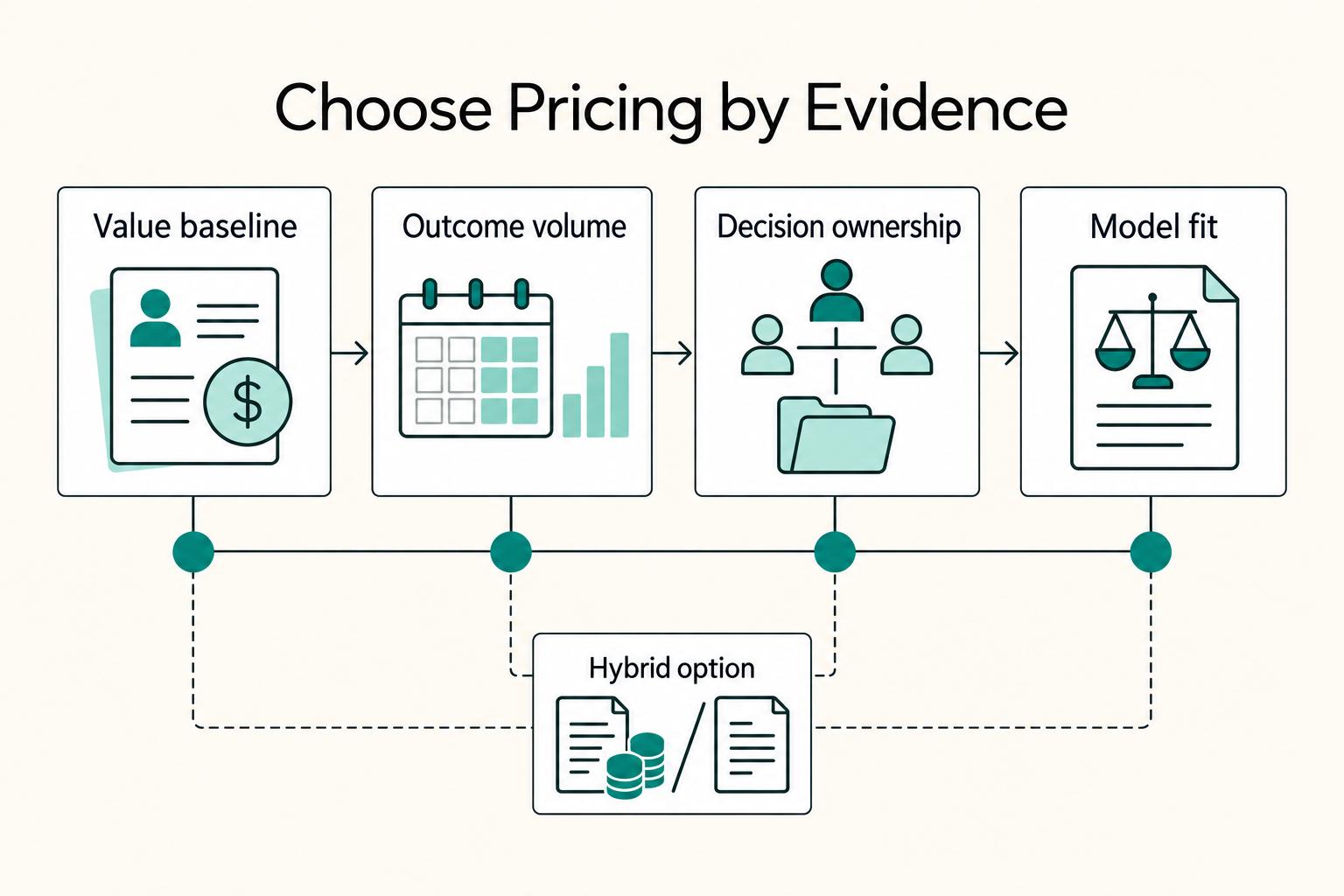
Value-based pricing starts with the client’s expected benefit and willingness to pay. It still needs a deliverable, scope and payment agreement you can perform. Use a discovery phase when the benefit or effort is too uncertain to support a defensible quote.

Connect Wise to Xero Without Reconciliation Surprises
**Short answer:** To connect Wise to Xero without reconciliation surprises, first confirm you mean **Wise** rather than **ConnectWise**, connect the correct **Wise Business** profile to the correct **Xero** organisation, document where each active currency should appear in Xero, and test one real transaction before you turn on more features.

The Freelance Payment Penalty: A Modeled Audit of Platform Fees, FX Spreads, and Payout Delays
The money rarely disappears through a single, easy-to-spot fee. The real loss is stacked. A marketplace takes its commission, a processor adds a charge for international cards, a bank or payment company converts the currency at a spread, a platform holds the funds before release, and a wire sheds a little to intermediaries on the way in. Each layer looks defensible on its own, but the worker feels the combined result as a smaller deposit and a later payday.