

Quick Answer
Choose Stripe or PayPal only after verifying your business can receive and withdraw the payment. Compare the client’s available method, actual product fees, conversion and bank timing. Either provider can hold funds or face disputes; keep delivery evidence and a buffer, and resolve an existing payment before trying another route.
Choose a payment route your clients can use and you can withdraw from#
For an international Stripe or PayPal choice, pick the payment gateway that cuts your cashflow exposure first, then optimize fees.
A domestic processing rate does not tell you what an international project will net. Your business country, client payment method, charge currency, bank currency and account terms determine the comparison. Check all five before pricing a new route. This guide uses a clearly scoped U.S. fee example, then shows how to replace those assumptions for your own account.
The real failure point is often cashflow reliability.
You finish a project. You invoice on time. The client pays. Then a dispute reverses the funds while your payout schedule still runs, or a reserve reduces what you can withdraw. You did the work, but your operating cash shrinks at exactly the wrong moment.
Use this risk-first filter before you choose Stripe or PayPal:
- Map your client corridors first, then confirm platform availability in those exact countries.
- Classify each payment as domestic or international by platform rules, not by client intent.
- Break total cost into line items: transaction fees, international market-grouping effects, and payout or withdrawal friction.
- Check downside controls: dispute flow, reserve behavior, and reserve review timing.
Neither provider offers identical merchant access, fees or withdrawal rights everywhere. Start with Stripe business-country availability and the PayPal receiving and withdrawal options for your market. An account restriction can interrupt access even when checkout succeeds. Read your account notice for the amount affected, required documents and next review date; a general reserve-review interval is not a release guarantee.
| Risk area | What breaks if you guess | What to verify before each client engagement |
|---|---|---|
| Coverage | You cannot process or settle as planned | Country support, settlement path, account setup fit |
| Cost stack | Margin erodes after missed line items | International fee logic by market grouping, plus payout and withdrawal steps |
| Timing | Payroll and vendor timing slips | Expected payout schedule and withdrawal steps |
| Disputes and reserves | Available balance drops without warning | Evidence process, reserve triggers, and reserve review timing |
Which Platform Wins at a Glance for International Freelancers?#
For an international Stripe or PayPal decision, pick the payment gateway that fits your client mix and lowers operational risk, not the one with the loudest brand signal.
Here is the comparison that matters in real workflows: what happens after an invoice becomes a cross-border payment and you need the money to land predictably.
Both Stripe and PayPal can route major card payments. Day-to-day operations can diverge once country, currency, and dispute workflows enter the picture.
| Requirement | Stripe | PayPal | Decision check |
|---|---|---|---|
| Collect without building a website | Payment Links provides hosted no-code collection; Invoicing is a separate product. | Invoices and PayPal checkout support collection; available buyer methods vary. | Test the exact client-facing flow and its product fees. |
| Client payment preference | Cards and supported local methods through an eligible Stripe merchant account. | PayPal wallet and available card/guest options. | Ask the client which available method they can actually use. |
| Currency handling | Check supported charge and bank-settlement currency combinations. | Check accepted balance currencies and conversion on receipt or withdrawal. | Record who converts, when and the displayed net amount. |
| Bank access | Pending funds, payout schedule and bank arrival are separate stages. | Available balance and withdrawal eligibility precede bank arrival. | Confirm account-specific estimated dates. |
| Dispute response | Dashboard evidence submission; follow the case deadline. | Resolution Center response; seller protection has eligibility conditions. | Check whether your service and claim type qualify; retain delivery evidence. |
One point people miss: Stripe and PayPal can both support major card payment paths. Differences often show up in risk tooling, response operations, and country or currency method availability.
If a new international client asks to pay this week, use the option you can verify end to end today. Then run one clean test invoice before wider rollout.
Safe default recommendation: choose the option with lower operational risk for your current international payments mix, then re-evaluate as your corridors, client behavior, and volume change.
If you want a deeper dive, read The Future of Work is Freelance: Trends to Watch in 2026.
What Does International Cost Really Look Like After Headline Fees?#
True international cost includes processing fees, FX effects, payout friction, and dispute leakage, so compare Stripe and PayPal line by line before you set price.
| U.S. example only | Published assumption | Apply it correctly |
|---|---|---|
| Stripe standard online card payment | 2.9% + $0.30 domestic; +1.5% international card; +1% if conversion is required | Check your country pricing and any Invoicing or other product fees. |
| PayPal invoice paid through PayPal Checkout | 3.49% + $0.49 for USD; +1.5% international invoicing uplift | Other invoice payment methods have different rates. |
| Currency conversion and withdrawal | Account, currency and transfer method determine the additional cost | Use the actual conversion quote and bank-transfer terms. |
| Refunds and disputes | Original fees, dispute charges and lost revenue can affect net receipts | Check the applicable product agreement; do not assume a refund restores all fees. |
To make a decision you can defend, do route-level math. Treat every quote as an operations decision, not a branding choice.
These assumptions come from Stripe U.S. pricing and PayPal U.S. merchant fees, checked October 5, 2026. They compare selected collection methods, not every Stripe or PayPal product. Ordinary withdrawal of your own sales receipts is different from a platform paying third parties through Stripe Connect; do not import Connect payout pricing into this worksheet.
| Cost line | What to record | What can change |
|---|---|---|
| Collection | Product, account country, buyer method, percentage and fixed charge | Invoice, wallet, card and bank methods can have different prices. |
| International treatment | Sender/receiver markets or card classification under the applicable fee terms | Geographic labels alone do not establish the fee. |
| Conversion | Charge currency, balance currency, bank currency, rate and conversion charge | Conversion can occur at receipt or withdrawal. |
| Bank transfer | Standard or faster transfer, destination bank and quoted net | Eligibility, fees and timing vary. |
| Refund/dispute exposure | Retained fees, dispute cost, evidence deadline and cash reserve | An accepted payment may later be reversed. |
Build a simple worksheet with two tabs and update it for every international payment engagement:
- Corridor tab: client country, your entity country, invoice currency, settlement currency, payment method, known fee inputs, unknown checks.
- Client margin tab: project revenue, full fee stack, expected leakage buffer, net margin after payment costs.
If a client asks to pay in one currency while your costs sit in another, run the worksheet before you approve terms. That single step helps protect margin and cash flow.
Worked example: assume a U.S. freelancer collects a $1,000 USD invoice, the payment qualifies for each stated international uplift, and no conversion occurs. Stripe processing is $44.30, leaving $955.70; the selected PayPal Checkout invoice method costs $50.39, leaving $949.61. The difference is $6.09 before any extra product or withdrawal fees. This is arithmetic for the stated assumptions, not a universal winner. If a hypothetical bank conversion yields 0.90 EUR per net USD and a €5 transfer fee, the Stripe path lands €855.13. Replace both hypothetical inputs with the actual quote. Separate payment costs from delivery costs when calculating project profit.
Which Option Protects Cashflow Better When Holds or Chargebacks Hit?#
Choose the option that lets you respond fastest when money gets stuck, not the one with the lowest headline transaction fees.
This is the part most people skip. Cost matters, but cashflow failure is what breaks a business-of-one. International payments amplify that risk because a single blocked payout can choke your working cash for days.
| Failure mode | Cash effect | Response |
|---|---|---|
| Payment hold or reserve | Collected revenue may be unavailable for withdrawal. | Read the account-specific release conditions; keep an operating buffer. |
| Dispute or chargeback | A contested amount and charges can reduce available funds. | Log the case deadline and submit relevant evidence promptly. |
| Pending settlement | A successful charge is not yet available for payout. | Check funds-availability date separately from payout frequency. |
| Bank-transfer delay | A sent payout may not yet be credited by the bank. | Trace the existing transfer using its reference before arranging another payment. |
Stripe dispute guidance describes a usual 7–21-day response window, but use the deadline shown on your case. PayPal U.S. Seller Protection can cover eligible intangible services with the required evidence; it does not cover every dispute, including significantly-not-as-described claims. Do not treat an invoice or proof of delivery as a guarantee of winning.
Run this escalation playbook the same day a contested invoice appears:
- Open a case file immediately and log the response deadline.
- Build an evidence packet: signed scope, invoice, delivery proof, approval messages, and change requests.
- Assign one owner for merchant responses, even if you are a team of one.
- Send a client note that states facts, delivery status, and next checkpoint date.
Use this short client message template:
- "We flagged a payment dispute and submitted delivery evidence today. We will share the next update by [date] and keep work status transparent while the case moves through review."
Preventive controls reduce risk before disputes start:
- Write clear invoice terms, acceptance criteria, and refund boundaries.
- Bill by agreed milestone to limit unpaid delivery exposure. A provider-wide hold or reserve can still affect multiple payments.
- Keep payment method policy consistent per client so evidence and dispute history stay clean.
- Tighten pricing and scope together using Value-Based Pricing: A Freelancer's Guide.
Stop-loss rule for a business of one: pause new high-risk client work when active holds or disputes threaten core operating cash. Resume only after payout reliability stabilizes for the next billing cycle.
Do Stripe and PayPal Support the Same Countries and Currencies?#
Stripe and PayPal have different merchant-onboarding, payment-method, currency and bank-withdrawal coverage. Verify each separately before offering a new collection method.
This choice can fail before fees even matter. Coverage is not one box to tick. Country access, presentment currency, settlement currency, and payout capability describe different parts of the flow.
| Coverage layer | Stripe check | PayPal check | Evidence |
|---|---|---|---|
| Your business location | Can your legal business onboard in its actual country? | Can your account receive commercial payments in its actual market? | Current country documentation and account approval. |
| Client checkout | Which methods work for the client and invoice currency? | Which wallet, card or guest methods appear for the client? | Preview and a permitted genuine low-value payment. |
| Charge and balance currencies | 135+ charging currencies does not mean 135+ merchant countries. | The worldwide page states 200+ markets and 25 currencies; receiving rights differ. | Exact supported currency and market rules. |
| Your bank | Supported settlement currency, bank details and payout eligibility. | Supported withdrawal destination and conversion rules. | Verified bank and first reconciled transfer. |
| Account verification | Required identity, business and bank documents. | Required identity, business and account-review documents. | Completed required checks before live collection. |
Run this verification checklist on every payment setup:
- Map client country, your entity country, invoice currency, settlement currency, and payout destination.
- Mark each line as verified or unverified and add a date stamp.
- Flag a hard warning when coverage varies by market or program.
- Confirm KYC and AML requirements for your exact account profile.
- For team or agency structures, collect KYB-ready files, including core entity records and business licenses where required.
If a client wants to pay in their local currency while your team needs settlement in another currency, run this checklist before you approve terms. That one step protects margin, payout timing, and client trust.
What Should You Check Before Sending the First International Invoice?#
Before offering a new payment route, establish account eligibility, client checkout, full cost, bank access and delivery evidence. Keep tax treatment as a separate fact-specific decision.
| Collection step | What to confirm | What to retain |
|---|---|---|
| Business onboarding | Your entity and activity are eligible; required verification is complete | Account approval and document references. |
| Client payment | Actual checkout method and currency are supported | Invoice terms and payment-method agreement. |
| Bank withdrawal | Destination account belongs to the proper business and is supported | Verified bank details and transfer references. |
| Invoice tax | Applicable VAT/sales-tax treatment based on service, location and customer status | Tax determination and required invoice fields. |
| Monthly reconciliation | Gross payment, fees, conversion, refunds and final bank credit | Provider export matched to invoice and bank statement. |
Platform choice only matters if your execution is tight. Before your first invoice in a new corridor, verify the cost path and document what you will need in a dispute. Get your paperwork logic straight so payment operations stay predictable.
| Pre-invoice checkpoint | What to verify | What to save for audit readiness |
|---|---|---|
| Fee stack | Base transaction fees, international uplifts, and any payout or withdrawal charges in your exact route | Pricing screenshots, account fee settings, and the quote you used |
| FX path | Invoice currency, settlement currency, and conversion method; include the fact that some conversions include a provider spread | Conversion screen captures, rate timestamp, and confirmation emails |
| Payout timeline | Expected payout timing for your account profile; confirm that schedule settings do not change pending funds availability | Payout settings capture, support confirmation, and first test payout reference |
| Dispute workflow | Response owner, required evidence packet, and internal response deadline buffer against card network timelines | Dispute checklist, template responses, and delivery proof standards |
Use this reusable checklist before every new client corridor:
- Confirm required account verification and actual receiving/withdrawal rights.
- Agree scope, milestones, acceptance criteria, refund terms and payment method with the client.
- Save the current fee schedule and actual FX quote; use an account-specific estimate for bank arrival.
- Decide applicable invoice tax treatment and collect payer-requested status forms when required.
- Match each gross receipt to fees, refunds and bank credit; keep tax-reporting records separately.
For example, a client approves a USD invoice while you pay expenses in EUR. Record whether USD is converted by the provider or your bank, the quoted net EUR, and when the funds become available. Preserve both the payment ID and bank-transfer reference. If the bank credit is missing, trace that transfer rather than asking a client who has already paid to pay again.
Complete the necessary eligibility and legal checks before accepting payment. A quote can remain conditional while you verify a new route; do not promise a checkout method or bank-arrival date that your account cannot support. Routine year-end reconciliation is an ongoing duty, not a requirement to finish the entire tax year before issuing an invoice.
Which setup fits your client and workflow?#
Choose PayPal when the client needs its wallet and the route works for you. Choose Stripe when its available collection methods and integrations meet your requirements. Team size alone does not decide the answer.
Use the diagram to check coverage, margin, bank access and downside exposure. The platform recommendation depends on the verified workflow, rather than a mandatory progression from PayPal to Stripe.
Scenario-based setup comparison#
| Scenario | Possible setup | Why it fits | Control |
|---|---|---|---|
| Client requires PayPal wallet | PayPal after receiving and withdrawal checks | Matches a specific client payment preference | Confirm service protection eligibility and retain delivery evidence. |
| Client accepts cards; you need hosted collection or integration | Stripe Payment Links or a supported integration | Can support the required checkout without a custom website | Include product fees and verify account payout dates. |
| Agency has separate customer collection and contractor payments | Evaluate collection and downstream payout as separate contracts | May reduce manual reconciliation if the additional system solves a real need | Complete recipient/custody/legal requirements; downstream rails cannot bypass a collection hold. |
- Use the provider whose available method the client can complete and whose bank route you have verified.
- For repeat billing or integrations, compare supported features, additional product cost and the work you would save.
- Keep an approved alternative for future invoices. Do not reroute or rebill money already held or unresolved.
Move when triggers appear#
Use this migration trigger list when a single tool starts creating operational drag:
| Trigger | Operational effect |
|---|---|
| Dispute or hold events show up often enough | They disrupt weekly cash planning |
| Payout delays | They force delays to contractor or supplier payments |
| Reconciliation overhead | It keeps climbing across fees and payout records |
| More entities | The team starts missing compliance checks |
Investigate these signals before migrating. Determine whether the cause is a correctable document issue, a client dispute, bank details, currency choice or a workflow limitation. Compare the cost of fixing it with the cost and risk of a second system; adding tools does not release an existing hold.
Suppose a studio spends four hours a month matching fees to invoices. At an internal time value of $50 an hour, that is $200 of monthly effort, not $200 of cash automatically saved. Test improved exports and reconciliation first. Adopt another tool only if its verified benefit exceeds its fees and operating work; keep historical invoices, IDs and dispute access through the transition.
Related: How to Write a Privacy Policy for Your Freelance Website. Want a quick next step? Try the free invoice generator.
Choose by coverage, FX, payout, and dispute risk on every project#
Choose the platform that reduces combined coverage, FX, payout, and dispute risk for your real client corridors, not the one with the strongest brand signal.
Keep one reusable record of the chosen route, its costs and the evidence needed when delivery or payment is contested.
| Control layer | Stripe check | PayPal check | Decision rule |
|---|---|---|---|
| Coverage fit | Confirm your business country support, then verify charge currency and settlement currency for each corridor. | Treat country and currency headlines as starting signals, then confirm receive and withdraw capability for that route. | Confirm the route before promising a payment method. |
| FX and margin | Map where conversion happens when charge and settlement currencies differ. | Include conversion spread impact, and factor transfer method into expected bank-arrival timing. | If the FX path is opaque, choose the route with clearer net outcomes. |
| Payout predictability | Validate payout schedule for your country and industry, including initial payout timing. | Validate transfer method and expected bank arrival behavior for that market. | If cash timing is critical, run a low-risk test transaction first. |
| Downside protection | Plan for disputes that can immediately reverse payment and add fees. | Plan for holds, reserves, and dispute-fee exposure on eligible disputes. | Keep a buffer, resolve current cases and test alternatives for future invoices. |
Run the same reusable system on every new project:
- Use your at-a-glance matrix to pick a default payment gateway by corridor.
- Keep a full cost worksheet that captures transaction fees, FX effects, payout timing, and dispute leakage.
- Complete your pre-invoice checklist before delivery starts.
- Choose by client and workflow requirements; investigate a concrete limitation before adding or migrating tools.
When a new client requests a different currency, compare expected bank net and availability before finalizing the payment method. Once payment is collected, keep the original transaction traceable. If its outcome is unclear, investigate before creating another collection attempt.
Next steps are simple. Read the docs for your top two corridors, request access where controls are limited, and talk to sales when coverage details stay ambiguous. Then tighten your pricing rules with Value-Based Pricing: A Freelancer's Guide.
Frequently Asked Questions
Is Stripe or PayPal cheaper for international freelancers in real-world use?
There is no universal cheapest option. Compare the actual product, account country, buyer method, international treatment, conversion and bank-transfer cost. The worked example uses U.S. Stripe card pricing and a specific PayPal Checkout invoice method; change the inputs for your own account rather than treating those rates as global.
Which platform is safer for cashflow when account holds happen?
Either provider can restrict access to funds. Keep a buffer and follow the actual account notice. PayPal describes earlier release for certain completed service orders, but that is conditional; mark a service Completed only after real delivery. Milestones reduce delivery exposure but do not prevent account-wide holds. An alternative method can serve future invoices, not duplicate a payment already collected.
When should I use PayPal for trust and when should I use Stripe for control?
Use PayPal when a supported wallet method is important to your client. Use Stripe when its supported hosted checkout or integrations fit your workflow. Verify price and bank access for either option. Familiarity and configuration options do not guarantee lower fees, faster release or fewer disputes.
Do Stripe and PayPal support the same countries and currencies?
No. Charging currencies, merchant-onboarding countries and receiving/withdrawal markets are different measures. Stripe advertises 135+ charging currencies; PayPal’s worldwide page lists 200+ markets and 25 currencies. None of those counts proves your business can receive and withdraw a particular payment. Check your exact account, method, charge currency and bank destination.
What should I verify before accepting an international client payment?
Check account eligibility, client payment method, full fees and FX, bank access and expected timing, and required contract/tax records. Presentment is what the client pays; settlement is what your bank receives. Save the invoice, payment ID, conversion record and transfer reference so each step can be reconciled.
How do FX and withdrawal steps change my true margin on a project?
Conversion can change the amount left after processing; a transfer charge can reduce it again. Compare actual bank-arrival amounts for the same invoice and timestamp, using the supported transfer method. Faster withdrawal may cost more and remain subject to account eligibility; a quoted arrival date is not proof the bank has credited the money.
What records should I keep for VAT, W-8 or W-9, and year-end reporting?
Keep invoices, applicable VAT/sales-tax records, delivery acceptance, gross receipts, fees, refunds and bank credits. Provide W-9 when required for U.S. taxpayer details; a foreign individual may use W-8BEN, while entities may need a different form such as W-8BEN-E. These depend on payer and payee facts. Reconcile any applicable year-end provider forms to your records; absence of a 1099-K does not make income untaxable.
Try a related tool
Researched and edited by the Gruv editorial team. Gruv builds cross-border billing, payouts, and finance-operations software for global businesses.
Sources
- docs.stripe.com/payoutstrusted
- docs.stripe.com/disputes/respondingtrusted
- irs.gov/forms-pubs/about-form-w-9trusted
- irs.gov/forms-pubs/about-form-w-8-bentrusted
- paypal.com/us/business/paypal-business-feestrusted
- paypal.com/vc/webapps/mpp/country-worldwidetrusted
- stripe.com/pricingtrusted
- stripe.com/globaltrusted
Educational content only. Not legal, tax, or financial advice.
Related Posts
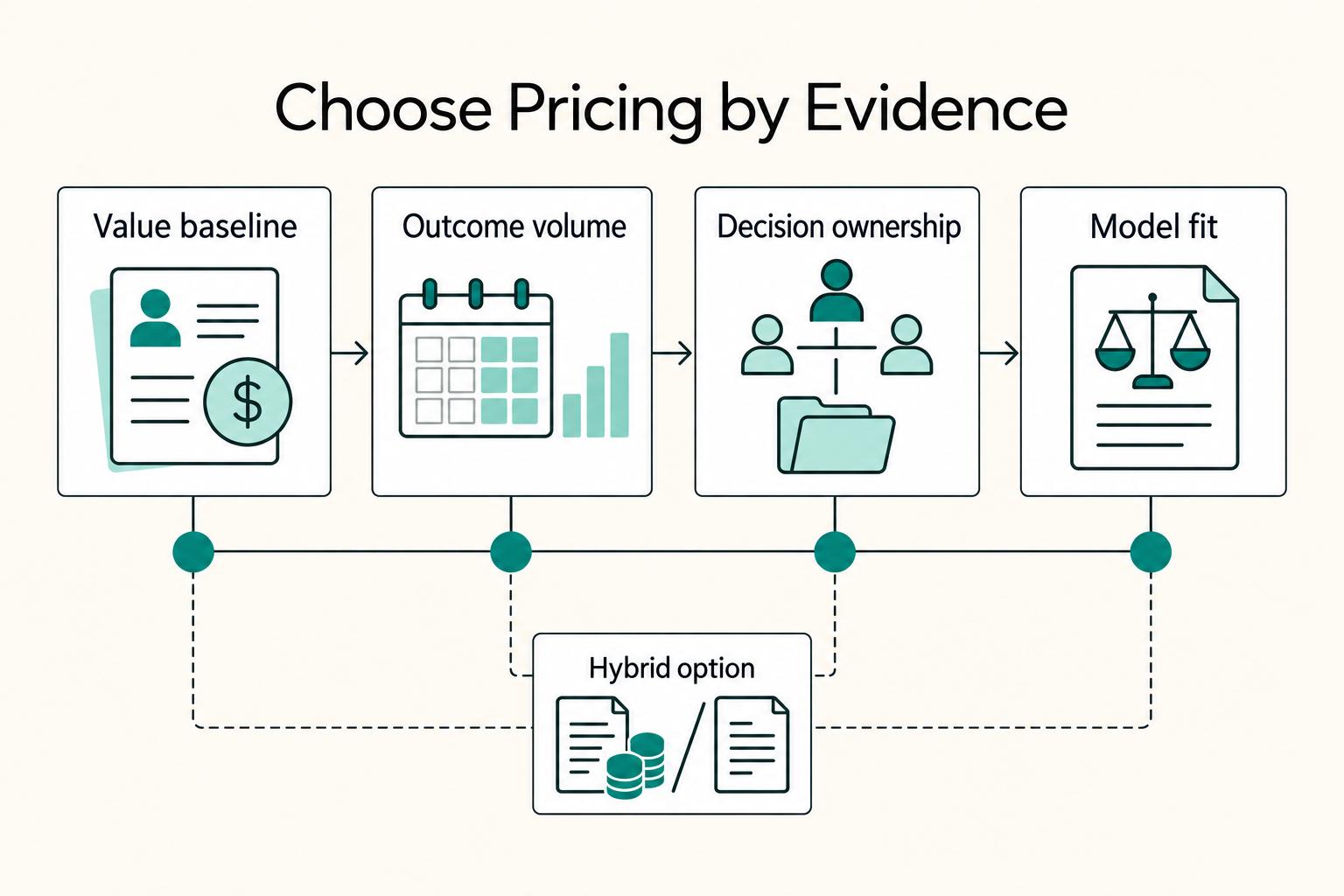
Value-Based Pricing for Freelancers Under Real Payment Risk
Value-based pricing starts with the client’s expected benefit and willingness to pay. It still needs a deliverable, scope and payment agreement you can perform. Use a discovery phase when the benefit or effort is too uncertain to support a defensible quote.

The Future of Freelance Work in 2026: AI, Skills, and Hiring Choices
As of October 2026, freelance work is being reshaped by AI-assisted production, competition, and the kinds of tasks clients purchase. A hiring team can use those changes to design better work and evaluation. It cannot safely turn one platform’s findings into a forecast for every profession or country.
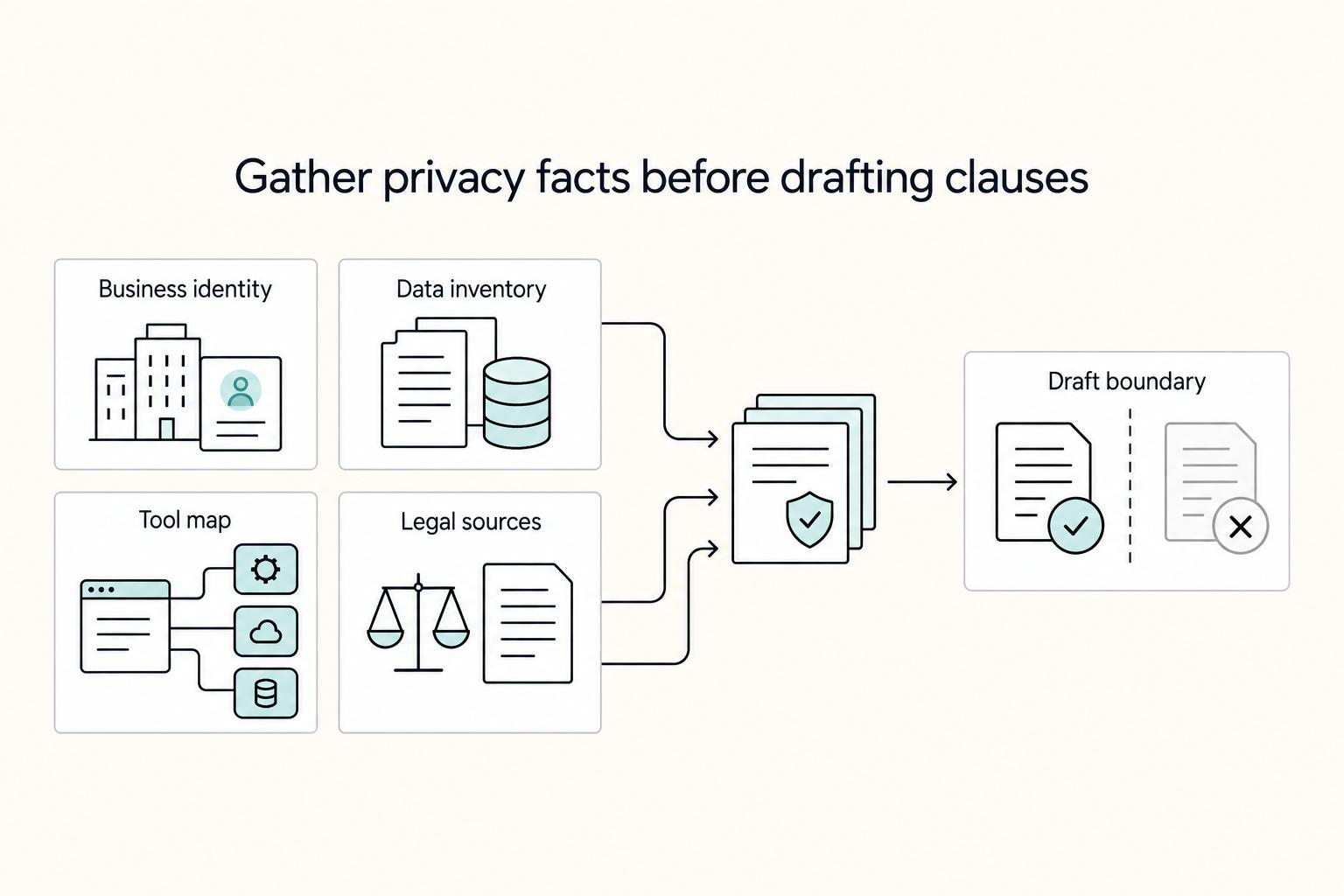
How to Write a Privacy Policy for Your Freelance Website
A [privacy policy](https://freelancersunion.org/privacy-policy) is easier to defend in client due diligence when each statement traces to real behavior. Treat it as a working record, not footer filler: what personal data you collect, how you use and manage it, and how someone can raise a concern.