
Operator playbooks for cross-border payments, tax, and compliance execution.
Step-by-step guidance for finance, product, and ops teams to launch faster, reduce payout friction, and keep reconciliation clean across borders.
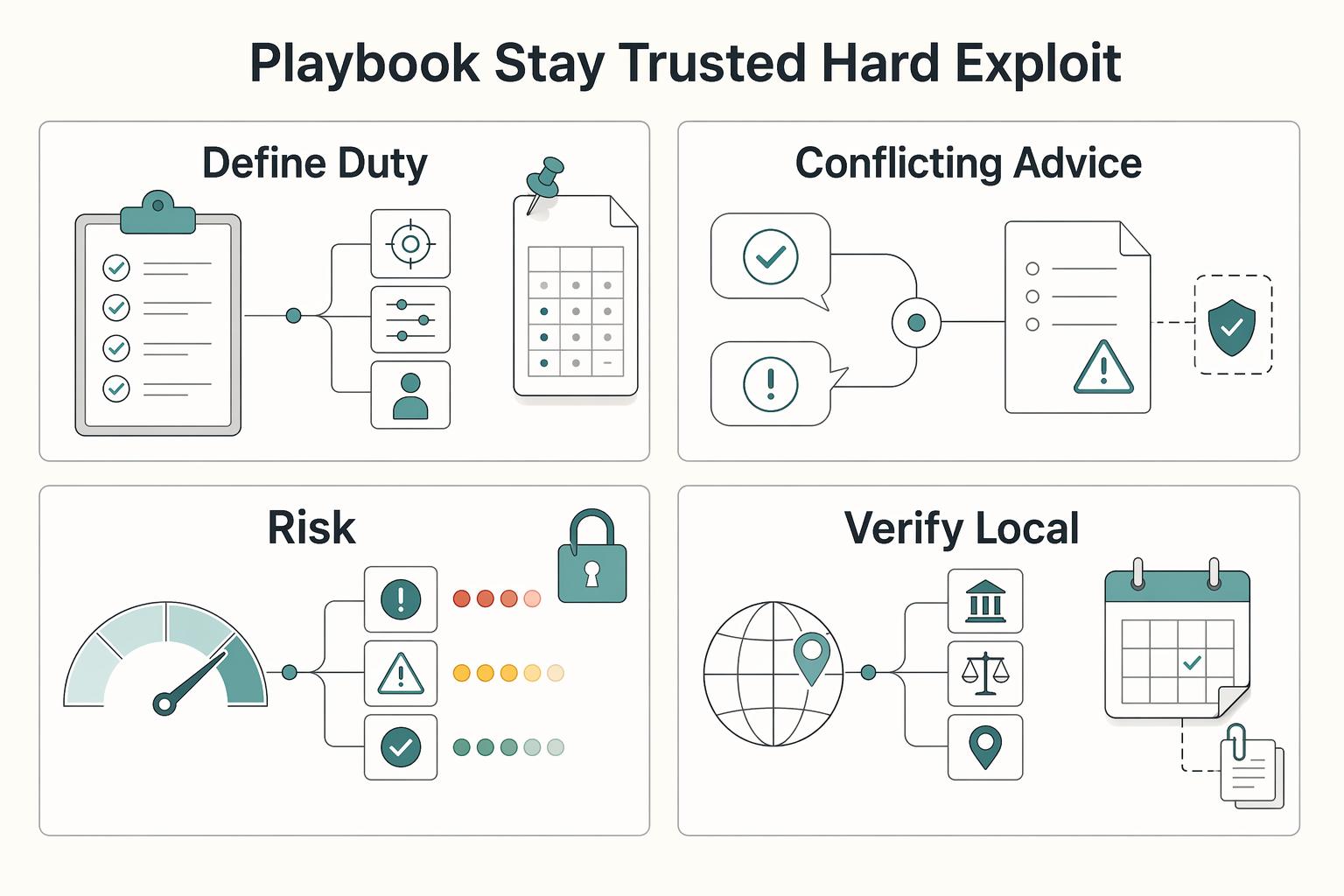
What is a Fiduciary Duty? A Guide for Freelancers
**Treat potential fiduciary-duty risk as a risk-control problem first: protect client trust with clear boundaries, documented decisions, and contract defaults that can stay defensible across jurisdictions.** If you work solo, you are the CEO of a business-of-one. That means you need a safety system that scales with you.
Read more →
How to Integrate Calendly with Your Website
Start with a simple three-step launch sequence: choose the embed path that fits the page, lock in your real availability, then validate the booking flow before you publish. That turns a Calendly embed into a client-facing booking process, not just a design element on the page.
Read more →
A Freelancer's Guide to the Statute of Limitations on Tax Audits
**Treat the statute of limitations question as an operations issue, not a loophole hunt.** If you run a freelance business across borders, you do not need tax folklore. You need a repeatable process that keeps compliance clean when facts get messy across tax years.
Read more →
The Best Calendly Alternatives for Freelancers
If you're shopping for Calendly alternatives, the real risk isn't just picking the wrong interface. It's choosing a tool that books time cleanly but still leaves you chasing missed meetings, sending manual follow-ups, and stitching the next step together by hand.
Read more →
How to Choose a Tax Preparer for Your Freelance Business
**Choose a tax preparer for freelancers by ranking compliance controls ahead of speed and price, then shortlist only candidates who can show strong documentation habits.**
Read more →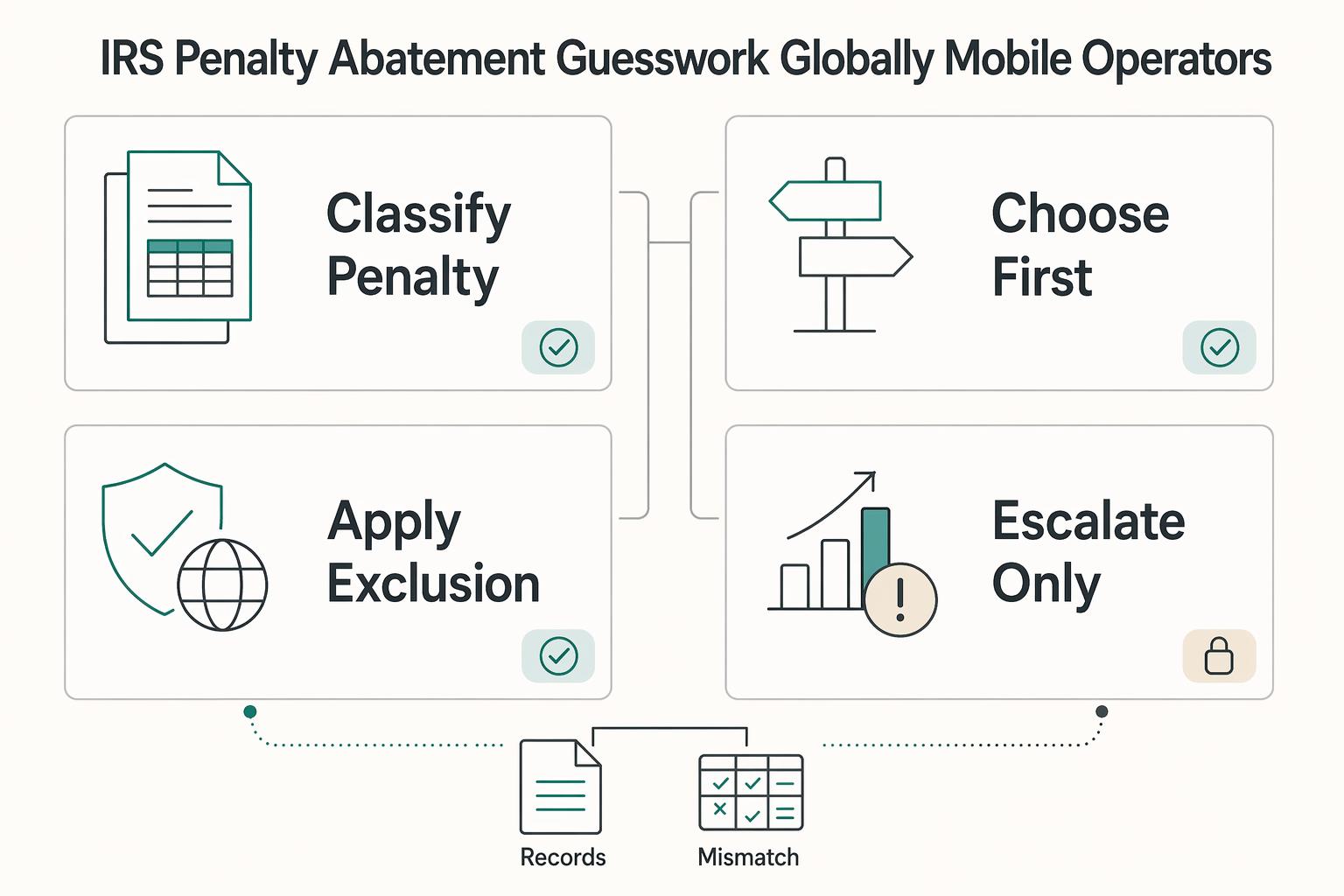
What is IRS Penalty Abatement and How to Request It
If you run a business of one, you want to reduce a tax penalty without creating a second problem. That second problem usually shows up when claims are weak, penalty types get mixed, or the submission path is wrong. This guide gives you safe defaults within the Internal Revenue Service framework so you can move in order instead of improvising.
Read more →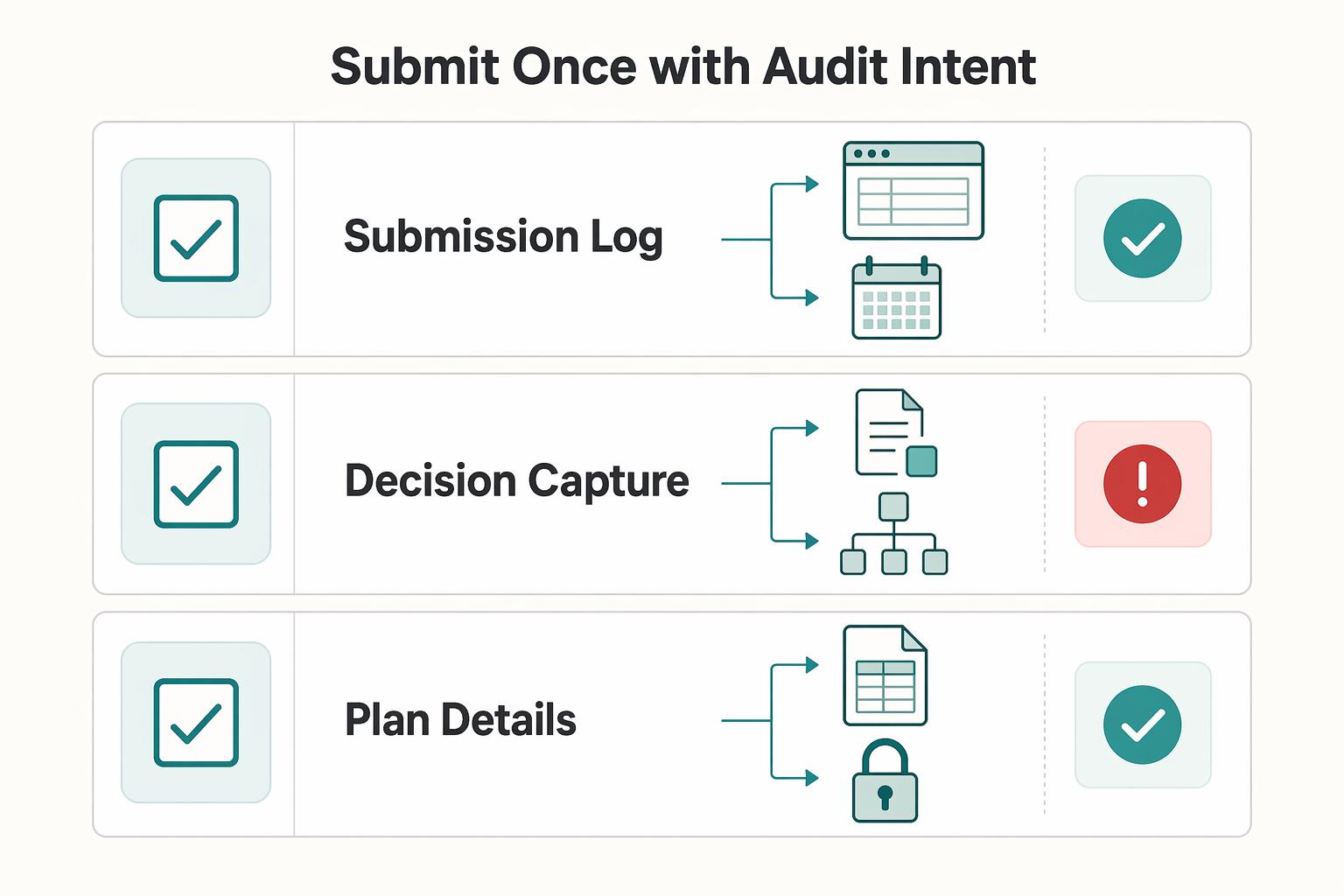
How to Set Up an IRS Payment Plan for Back Taxes
**Use this IRS payment plan playbook to pick one path, submit through OPA, and run a repeatable checklist that keeps a tax balance from turning into ongoing tax debt.** You run a business of one, so the goal is clean execution. This workflow is for sole proprietors and independent contractors who want a low-drama default. Decide once, document once, then pay it down on schedule.
Read more →
A Guide to the IRS Offer in Compromise (OIC) Program
**Use a compliance-first checklist to make a clear go-or-no-go decision on an Offer in Compromise based on your facts.**
Read more →
How to Handle an IRS CP2000 Notice (Underreported Income)
**Treat a [CP2000 notice](https://www.irs.gov/individuals/understanding-your-cp2000-series-notice) as a proposed change you must verify and answer on time, not as a final bill or final determination.** If you searched for **irs cp2000 notice freelancer**, you are not "in trouble" by default. You are looking at a records mismatch under time pressure, and you can manage it. You are the CEO of a business-of-one, and this notice is an operations problem to resolve, not a personal crisis.
Read more →
Calendly for Freelancers Who Want Reliable Booking-to-Payment Handoffs
Treat **calendly for freelancers** as your scheduling layer, not as full business control. The practical win is simple. You stop trading emails about times, protect your week with [real-time availability](https://calendly.com/blog/online-booking-system), and give clients one booking page that reflects the calendars you actually use. The limit matters just as much. Booking is only the front end of operations.
Read more →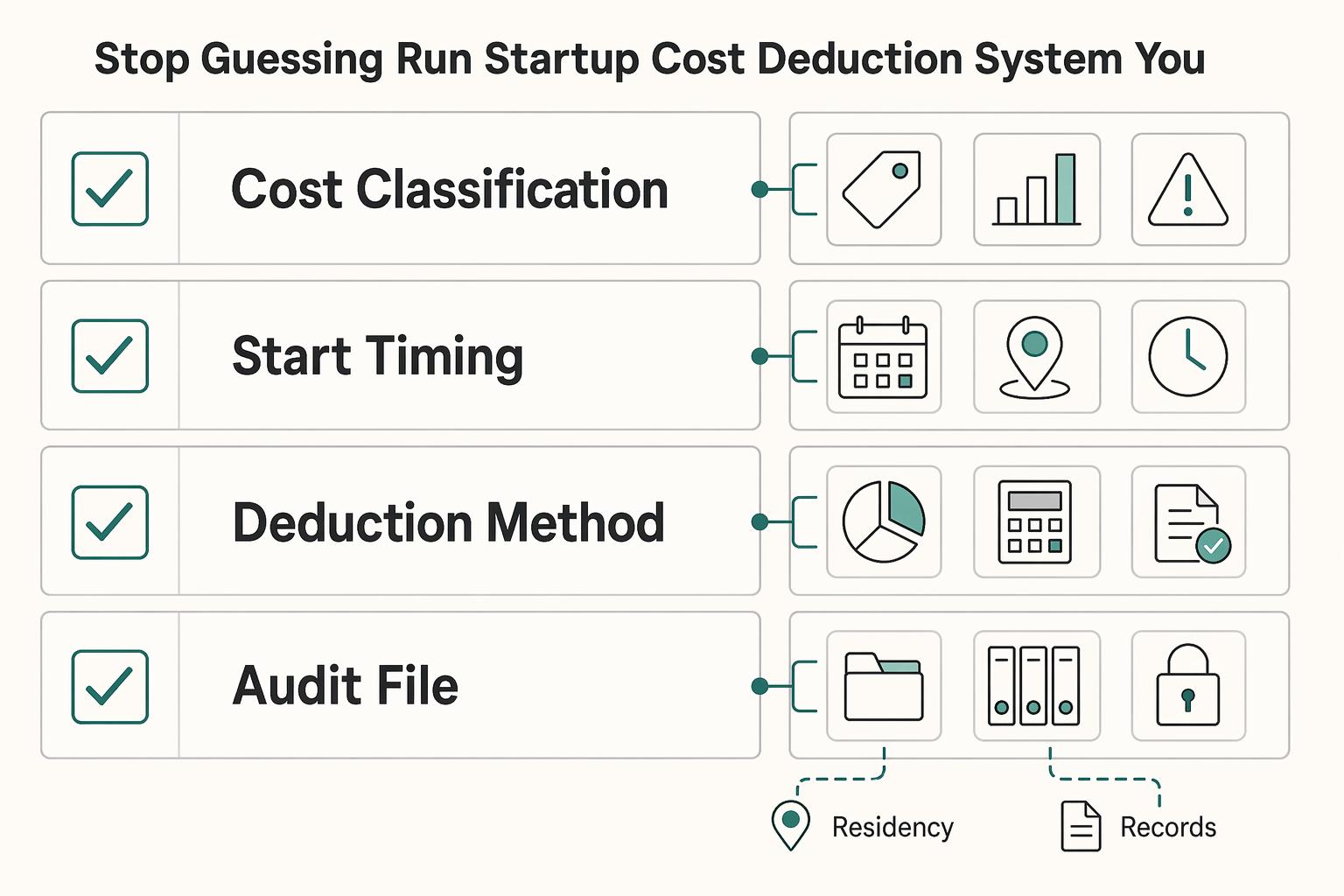
How to Deduct Startup Costs for Your Freelance Business
**If you want to claim startup costs safely, run a system that classifies each expense, confirms business start timing, applies startup deduction and amortization rules, and saves proof for every decision.**
Read more →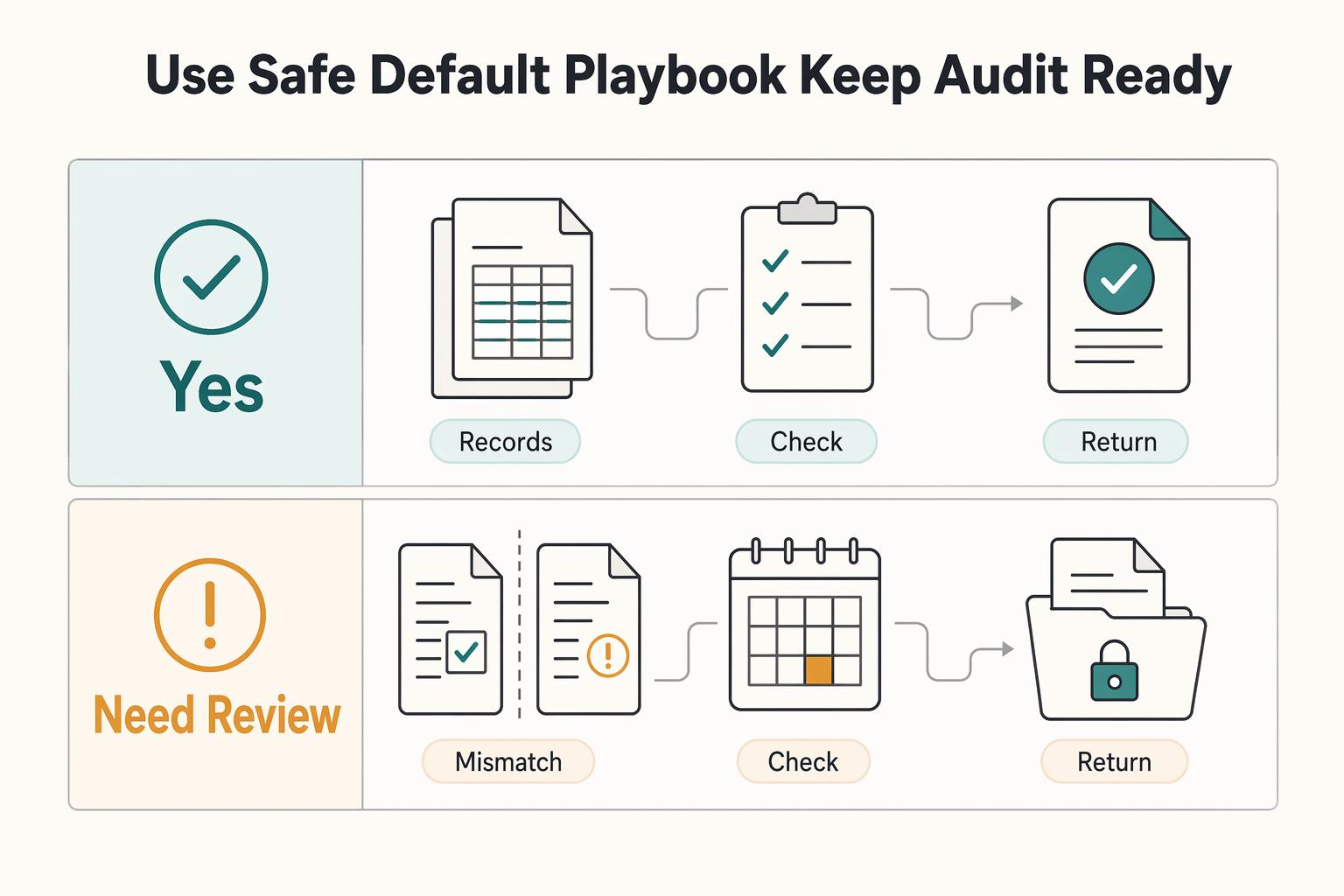
A Guide to the Qualified Business Income (QBI) Deduction for Freelancers
**You can classify your Section 199A path in one focused session, then move with confidence instead of guessing.** Treat this as an operating manual for the QBI deduction if you freelance. Classify first, optimize second. That order matters even more when you work across borders, where documentation and residency rules can vary by jurisdiction.
Read more →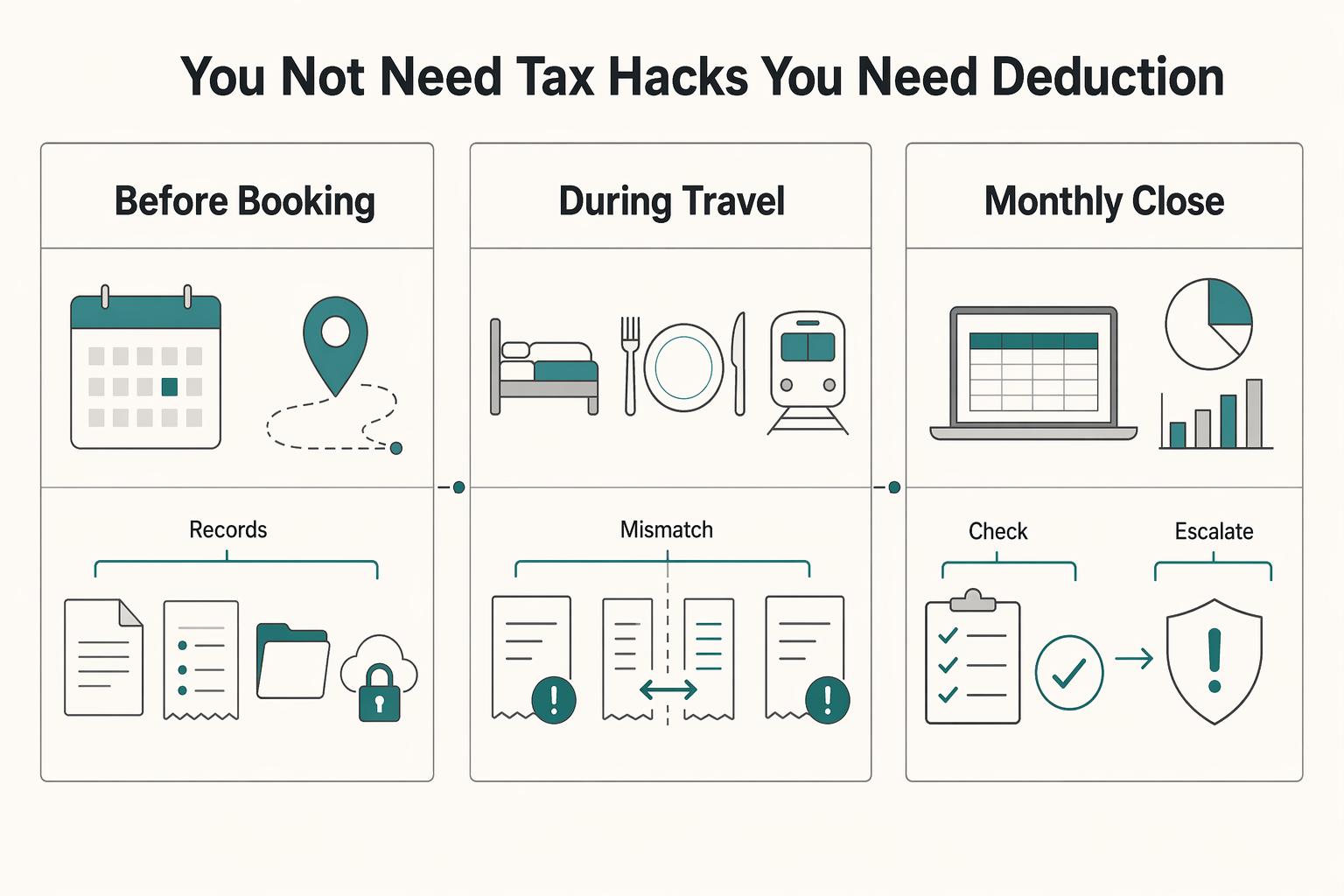
A Guide to Deducting Business Travel Expenses
**For deducting business travel expenses, use a repeatable compliance system so you only claim costs you can prove.**
Read more →
A Guide to Client-First Development in Webflow
**Treat Client-First in Webflow like a system for delivery decisions, not a styling trend, so you can move faster today without creating surprises tomorrow.**
Read more →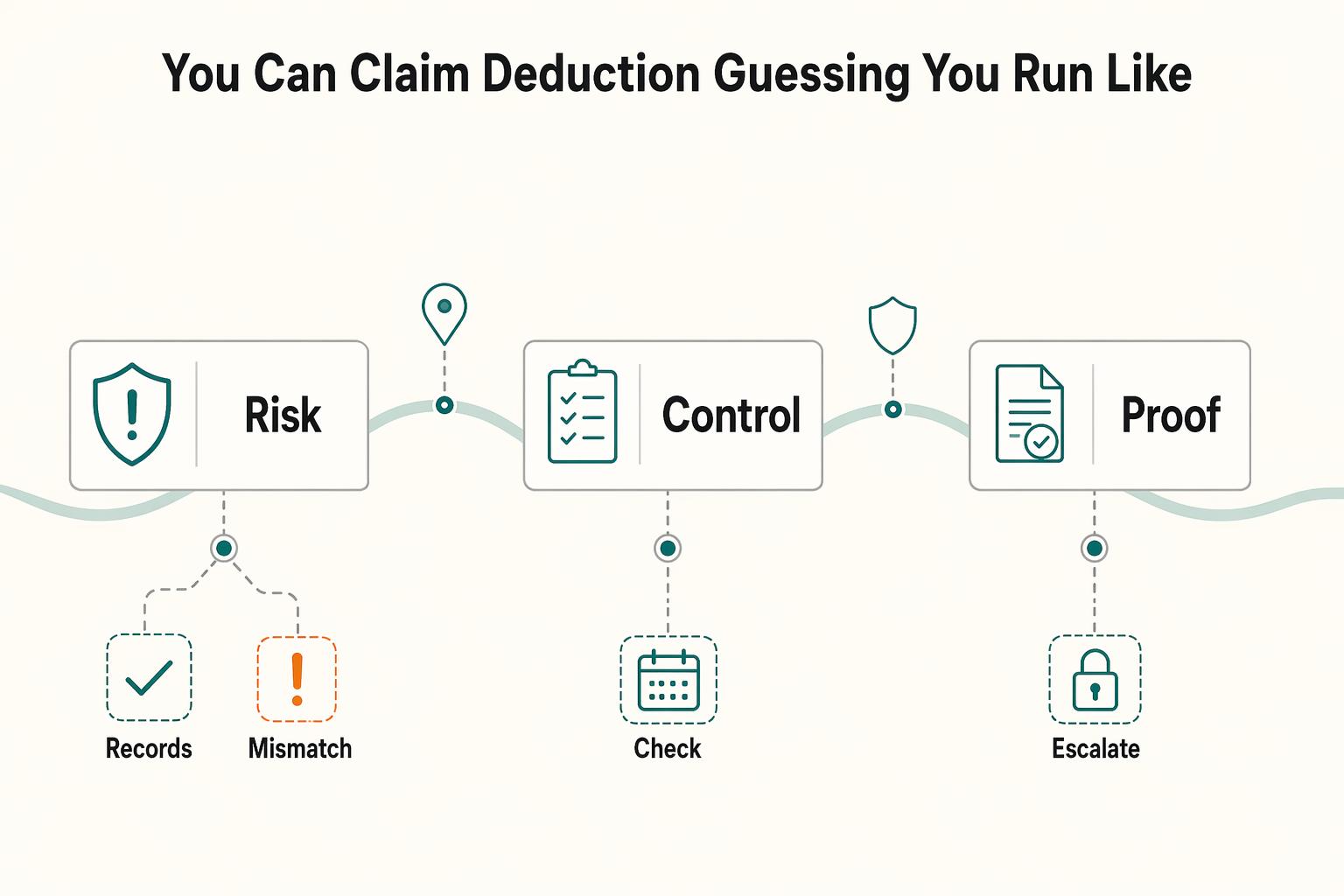
Can You Deduct Health Insurance Premiums as a Freelancer?
Most guides on how to deduct health insurance premiums as a freelancer fixate on headline savings and skip the real risk controls. That creates filing mistakes, not because freelancers ignore the rules, but because they never run a clear yes or no gate before claiming the deduction.
Read more →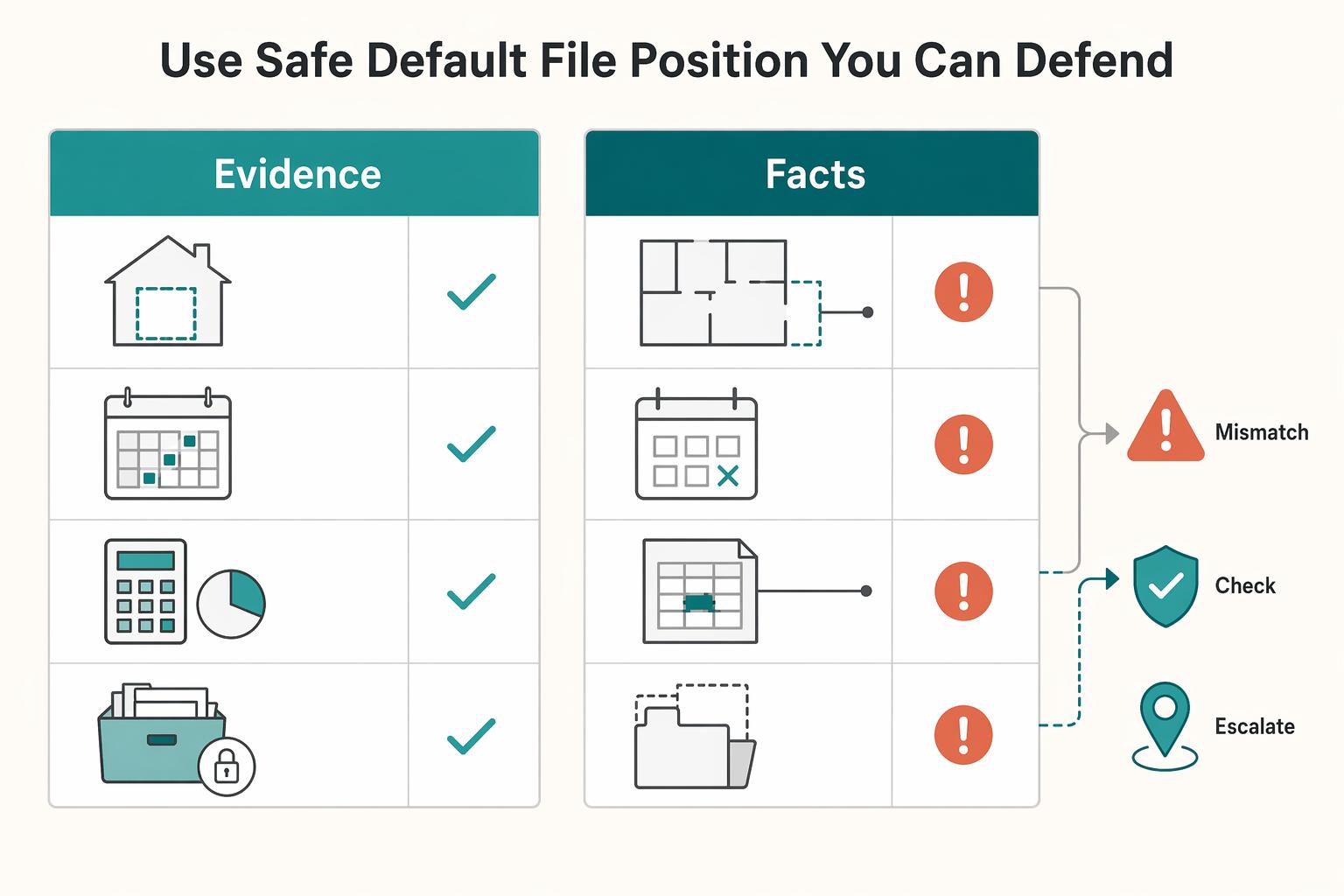
How to Write Off a Home Office as a Renter
A renter can claim the home office deduction when IRS eligibility tests are met and the business use of the home is clear to document. You are the CEO of a business-of-one, so run this like an operating decision: qualify first, document second, then calculate. If you want a low-friction approach, start with compliance, not aggressive tax savings.
Read more →
How to Price Webflow Development Services
If you want to price Webflow development without leaking margin, treat pricing as an operating model, not a number you pull from memory. Separate platform costs from service work so the client can see what they are buying.
Read more →
Freelancer Vehicle Expense Deductions: Standard Mileage vs. Actual Expenses
**Handle your vehicle deduction like an operator. Choose one IRS method, document business driving as you go, and escalate before ambiguity turns into risk.**
Read more →
Webflow for Freelance Designers Who Want Predictable Client Work
If you want **webflow for freelance designers** to pay like a business rather than a string of one-off builds, you need three things working together: a way to accept only the right projects, a repeatable delivery path, and controls for the moments when scope and risk start drifting. By the end of this guide, you should have a practical way to qualify leads faster, run one clear approval path, and reduce the chance of mid-project expansion quietly hurting your margin.
Read more →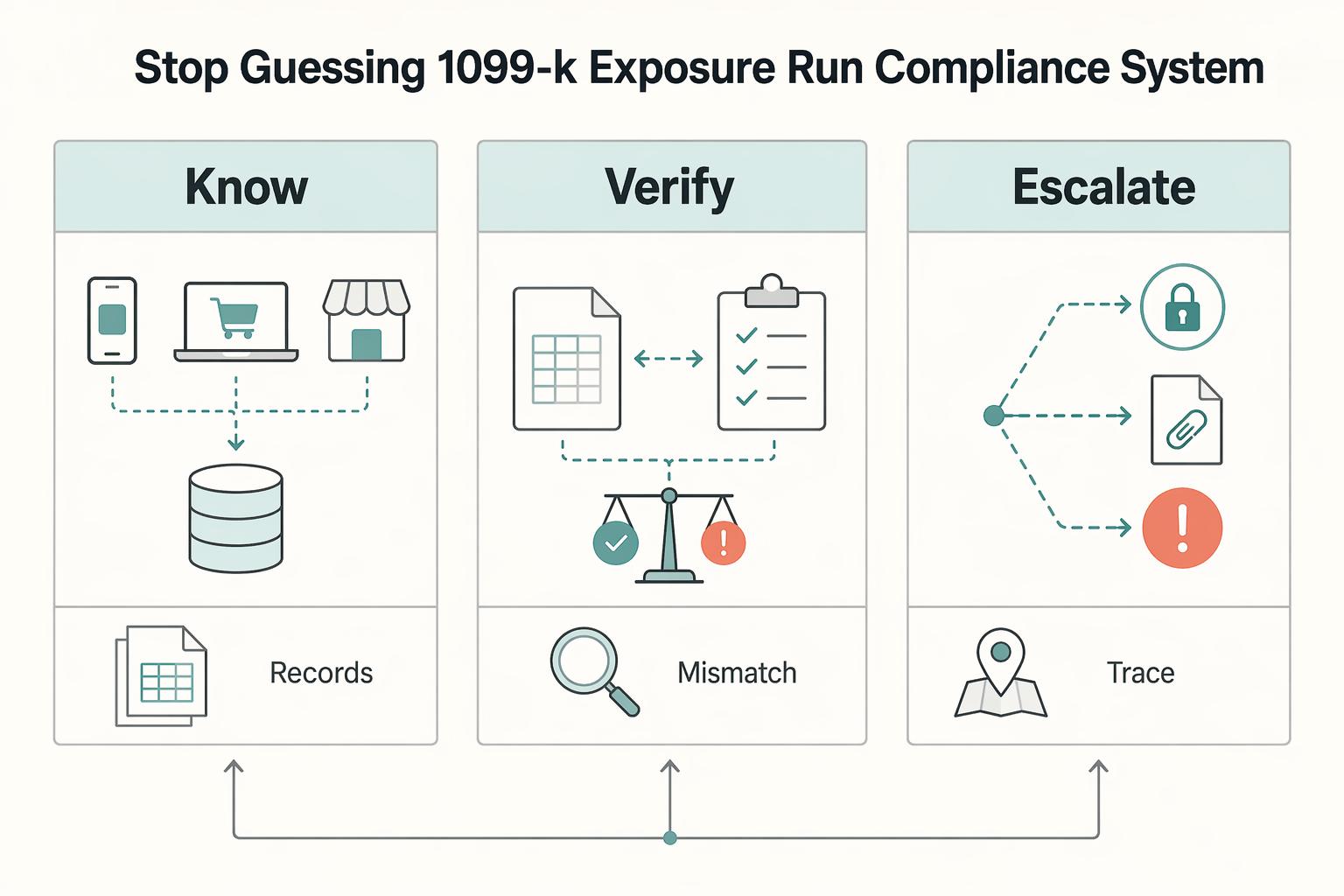
A Guide to Form 1099-K for Freelancers Using Payment Apps
Run a monthly Know/Verify/Escalate loop for Form 1099-K instead of guessing thresholds. That routine cuts avoidable tax risk and keeps your reporting process stable when guidance shifts. Payment apps and marketplaces can split your records across platforms, payout types, and reporting rules, which is where the stress starts. If you run a business of one, replace guesswork with a repeatable close process.
Read more →