

Quick Answer
Use Calendly as intake, then move every meeting through a fixed chain: booked, scoped, invoiced or payment confirmed, delivered, closed. Keep discovery short and free, but route advice and document review to a paid consult, ideally with Stripe collection at booking when your plan supports it. Require intake fields before confirmation, run reminder/follow-up messages, and treat KYC, KYB, AML, and tax checks as separate approval gates before kickoff.
You are not booking meetings you are designing an operating system#
Treat calendly for freelancers as your scheduling layer, not as full business control. The practical win is simple. You stop trading emails about times, protect your week with real-time availability, and give clients one booking page that reflects the calendars you actually use. The limit matters just as much. Booking is only the front end of operations.
If you blur that boundary, small mistakes spread fast. An unconnected personal calendar can create a double booking. A clean booking flow can still break after the call if nobody owns the handoff to delivery, invoicing, or compliance checks. That is why it helps to label each part of the process instead of treating "someone booked" as "operations handled."
| Layer | You own here | Primary risk if skipped | Handoff destination |
|---|---|---|---|
| Scheduling layer | Booking page, event rules, calendar sync, meeting details | Back-and-forth email, double bookings, vague meeting purpose | Delivery layer |
| Delivery layer | Meeting agenda, notes, next step, project kickoff, follow-up | Good call, bad execution, lost context, stalled work | Finance/compliance layer when work is approved or billable |
| Finance/compliance layer | Invoice, payment status, contract records, tax and policy checks | Unpaid work, missing records, false sense that booking covered admin | Your accounting, contract, and compliance process |
Before you share any link, use one checkpoint. Connect every calendar that can block your time, including work and personal calendars if you use both. Then run a test booking. Confirm the slot appears correctly and the meeting details land where the next owner will actually see them.
What you should do first#
- Lock booking rules before publishing links
- Standardize booking confirmations so every event gets the same baseline treatment
- Define the handoff owner after booking, after the meeting, and before invoicing
The rest of this guide turns that boundary into a clear setup path. First the rules, then meeting design, then no-show controls, then the handoffs that keep booked time tied to paid work.
What is a risk aware scheduling operating system for freelancers#
A risk-aware scheduling system means you treat booking as controlled intake, not open access. You decide who can book, what they must share first, and how each confirmed meeting moves into delivery. Calendly can run that front door well, but it does not take over your legal, tax, contract, or payment responsibilities after the call.
Use these terms consistently:
- Scheduling OS: your repeatable booking layer where clients self-book from live availability into your calendar.
- Policy gate: the required intake control that screens or routes a request before booking is confirmed.
- Handoff: the transfer from a booked meeting into proposal, contract, project, or payment work in Gruv or another downstream system.
| Layer | Owner | Trigger condition | Failure mode |
|---|---|---|---|
| Scheduling layer in Calendly | You | A prospect reaches your booking page and tries to book a slot | Wrong-fit bookings, missing context, or calendar conflicts when availability rules and buffers are weak |
| Policy gate in booking flow | You | Required intake must be completed before confirmation | Unqualified calls, scope confusion, and wasted advisory time |
| Handoff to downstream tool such as Gruv | You + connected system | Booking is confirmed and must move into proposal, contract, task, or payment flow | Manual copy-paste, dropped follow-up, and poor visibility on whether work became billable |
Run this triage before automating any step#
| Check | When it applies | What to do |
|---|---|---|
| Risk check | The next step can create scope, payment, or legal exposure | Add a policy gate before confirmation |
| Status-sync check | Someone downstream must act | Define how status moves and who owns it; if there is no integration path, document the manual transfer |
| Jurisdiction check | The meeting could affect tax, contract, or cross-border obligations | Review those rules outside your scheduling tool before automation |
Example flow: a prospect requests a paid strategy call, completes required intake (company, problem, budget), then books from your live availability. After confirmation, hand off to Gruv so the right follow-up starts; if no direct connection is available, assign a same-day manual transfer owner. If you plan to use webhook-based handoffs, confirm your active Calendly plan supports the feature path first. For a related workflow example, see Using Airtable for Freelance Project Management That Stays Reliable.
How do you complete the 30 minute Calendly setup with safe defaults#
You can get a safe first pass live in one sitting if you focus on launch controls first, then optimization later. Before you share any booking page, set the defaults that protect your hours, reduce bad bookings, and make post-call handoff predictable.
Use three event templates to start: discovery call, paid consult, and project kickoff. That gives you clear structure without overbuilding.
Launch now: profile/timezone, one working calendar, availability guardrails, event templates, one publishing path, basic reminders/follow-up where supported.Optimize later: edge-case routing, extra event types, deeper automation, and broader calendar coverage after you see real booking patterns.
| Setup area | Safe default | Failure if skipped |
|---|---|---|
| Account identity | Confirm your public profile details and timezone, then connect the calendar you actually work from before sharing links. | Invitees see inconsistent details, bookings land at the wrong local time, or you present a half-finished client-facing page. |
| Calendar connection and availability | Start with one primary connected calendar, set working hours, add buffers, require minimum notice, and cap daily meetings. If you need broader calendar coverage, verify current plan capability before relying on that setting. | Back-to-back calls stack up, deep work disappears, or personal and delivery commitments are not reflected in availability. |
| Event templates | Keep separate templates for discovery, paid consult, and kickoff so each meeting has the right duration, intake questions, and location. | Every meeting is treated the same, leading to weak intake and scope confusion before the call. |
| Reminders and follow-up | Turn on reminders and follow-up where your plan supports them. Calendly shows examples like 24 hours before event starts and 2 hours after event ends. Verify current plan capability before relying on this setup. | Invitees miss meetings, arrive unprepared, or receive no clear next-step message. |
| Publishing path | Choose one public path first: direct link sharing or one embed in your site/email channel. | People hit different booking pages with different rules, and you lose control of the live intake flow. |
Protect personal boundaries in your availability settings before you optimize for convenience. If you need evening slots for time zones, open them intentionally rather than letting your whole week drift later; community usage shows that pattern can work when boundaries stay explicit.
Release gate before you go live#
Run one full test booking on desktop and mobile, and mark each item pass/fail:
| Test area | Pass check | If not |
|---|---|---|
| Booking flow | Correct event appears, required questions are enforced, confirmation details are clear | Do not publish yet |
| Notifications | Invitee receives the reminder or follow-up you enabled (email or SMS, where supported) | Do not publish yet |
| Rescheduling behavior | Reschedule or cancel works cleanly, and invitee-facing language matches your policy | Do not publish yet |
| Calendar sync integrity | Event lands on the correct calendar at the correct time, with no missing or duplicate entry | Do not publish yet |
- Booking flow: Correct event appears, required questions are enforced, confirmation details are clear.
- Notifications: Invitee receives the reminder/follow-up you enabled (email or SMS, where supported).
- Rescheduling behavior: Reschedule/cancel works cleanly, and invitee-facing language matches your policy.
- Calendar sync integrity: Event lands on the correct calendar at the correct time, with no missing or duplicate entry.
If any item fails, do not publish yet. A clean first release is better than a feature-heavy messy one. If availability is already getting fragmented, read A Guide to 'Deep Work' for Freelancers. For a broader tool walkthrough, see The Best Calendar Apps for Freelancers Who Juggle Multiple Projects. If relevant to your handoff stack, Browse Gruv tools. After launch, move to the weekly reliability checklist in the next section.
Which meeting types should freelancers run and when should each be paid#
Run a simple rule hierarchy: keep one free fit-check path, make advisory time paid by default, and treat urgency as paid priority access. This keeps booking friction low for qualified prospects while protecting your calendar from unpaid diagnosis work.
Define each event type by audience, purpose, and time, then attach one payment rule. Use discovery to decide fit, not to solve the problem. If someone needs recommendations, document review, or strategy input, route them to a paid consult.
| Meeting type | Who it is for and decision | Qualification gate | Payment timing | Downstream handoff |
|---|---|---|---|---|
| Discovery | New prospects; decide whether to proceed or decline. | Require a short brief (problem, timeline, budget/range). Reroute vague "pick your brain" asks. | Usually free, short, and limited. | Send a no-fit note, proposal path, or paid consult link. |
| Paid consult | Prospects who need advice or review before hiring. | Require context first (files, links, or specific questions). | Collect payment at booking when your paid plan and Stripe setup support it. | Send notes, action items, and next-step options. |
| Kickoff | Signed clients starting active work. | Open only after agreement and payment conditions are met. | Usually covered by project payment terms. | Create project record and first milestones. |
| Delivery check-in | Current clients in active delivery. | Limit to active engagements. | Usually included in engagement terms unless extra meetings are billed separately. | Log decisions and update the delivery plan. |
| Urgent request | New or current clients with time-sensitive issues. | Require urgency reason and deadline; reroute non-urgent requests. | Paid upfront as priority access. | Confirm urgent scope and follow-on work. |
Use a consistent redirect for low-fit "quick call" requests. If someone asks for "just a quick 5-minute call," ask for context before accepting. If they only need a fit check, send discovery; if they need expert input, send the paid consult link.
Calendly supports separate event types, and paid bookings can be collected in-flow through Stripe on paid plans. Confirm current integration and plan support before publishing, especially if you use routing options or multiple booking paths.
Before publishing, test one booking per event type and confirm: your intake gates low-fit requests, payment appears only where intended, and the confirmation message clearly states next steps. Then continue to your no-show and scope-control setup so the right meetings stay productive.
How do you prevent no shows and scope creep before they start#
Prevent both by running three controls together before the meeting: intake gates, reminder/follow-up automation, and scope guardrails. Scope creep can happen even in well-managed projects, so treat these as always-on operating rules, not cleanup after a bad call.
Use intake questions as real gates#
Make required fields match the event's intent.
| Event type | Required fields |
|---|---|
| Discovery | Problem, timeline, budget or range, and expected outcome |
| Paid consult | Specific questions, links or files to review, and the main constraint |
| Kickoff | Decision owner, attendees, and what must be confirmed to start |
Surface decision owner early. Multiple decision-makers can increase scope risk, so you want that clear before the call. Screen for red flags at intake: low-balling, no clear deadline, and inability to define what they want. If required answers are missing, vague, or contradictory, send one clarification request; if the reply is still thin, decline or reroute to a better-fit event type.
Automate reminders, but verify capability first#
Use scheduling automation for status tracking and notifications, and use reminders/follow-ups as your baseline no-show control. Vendors claim reminders reduce no-shows, but you should verify your current plan support before depending on any specific reminder, no-show, or rebooking workflow.
At minimum, send:
- A pre-meeting reminder that restates purpose, agenda, and prep.
- A post-meeting follow-up that confirms next steps.
If reminders only say "see you tomorrow," expect unprepared calls.
Set boundaries before the call starts#
State boundaries in the meeting itself, tied to event type.
- Discovery: fit, timeline, and whether to proceed; advisory recommendations move to paid consult.
- Paid consult: cover submitted questions and agreed review scope; added materials or new asks move to separate paid time.
- Kickoff: confirm scope, owners, and timeline; new work requests are documented and reviewed separately.
| Situation | Trigger signal | Owner | Immediate action | Escalation path |
|---|---|---|---|---|
| Late cancellation | Last-minute cancellation or repeated late changes | You | Send policy reminder and one rebooking path | Move future bookings to stricter approval or paid-only booking |
| No-show | Attendee does not join and gives no notice | You | Record no-show and send one follow-up with rebooking instructions | If repeated, stop offering free discovery |
| Repeat reschedule | Ongoing slot changes or repeated reschedules | You | Require written confirmation of goal and deadline before rebooking | Shift to paid consult or disengage if boundary issues continue |
If you use Zoom or Slack, keep one non-negotiable post-meeting record in a durable system: decisions made, owner for each decision, and next action. You can share it in Slack, but do not let the source of record live only in chat. We covered this in detail in The Best Note-Taking and Knowledge Management Apps for Freelancers.
How does the workflow move from booked call to paid work without blind spots#
Run one status chain from booking to close, and make every stage end with a named next action. Your booking is the starting signal, not proof that work is ready to deliver.
| Stage | Owner | Required record | Failure signal | Next action |
|---|---|---|---|---|
| Booked | You or scheduling tool | Booking record, event type, invitee details, meeting time | Meeting is on the calendar but missing from your working record | Create or update the client record the same day |
| Scoped | You | Written scope decision, exclusions, decision owner, call notes | Call happened but scope is still verbal or unclear | Send scope summary and get approval, or route to a paid consult |
| Invoiced or pay confirmed | Finance stack | Invoice record or payment confirmation linked to the same client interaction | Delivery starts while billing status is missing or unclear | Pause delivery and resolve billing status first |
| Delivered and closed | You plus ops | Delivery confirmation, completion note, close status | Payment exists but delivery proof or close record is missing | Log completion and close the item before archiving |
Keep system boundaries clear. Calendly handles scheduling-side operations such as booking flow, availability, reminders, and integrations; your finance and operations tools handle invoicing, payment status, delivery tracking, and close.
When you wire API/webhook handoffs, use a blind-spot checklist:
- Keep one consistent event reference from booking through downstream records.
- Make writes idempotent in your system so repeated events do not create duplicate records.
- Put failed syncs into a retry queue and review it on a schedule.
- Treat cancellations as status changes that must propagate to downstream records.
- Add duplicate-event checks before creating new scope, billing, or delivery entries.
For scope changes, enforce one internal gate order and pause work if any gate is incomplete: update scope, update billing, confirm payment, then release the next delivery step.
Use a quick weekly audit loop with pass/fail outcomes: each completed meeting should map to one scope decision, one billing record, and one delivery outcome. If any link is missing, fail the item, freeze new work on it, and escalate to record repair before continuing. This pairs well with our guide on The Best PDF Editors for Freelancers.
How do compliance and cross border rules change your scheduling setup#
Treat your scheduler as intake and routing, not clearance. A booked slot confirms time on the calendar, but it does not confirm tax, compliance, or cross-border readiness to start work.
That boundary matters more when clients self-book from your site using real-time availability. Automatic time zone detection helps prevent cross-location timing mistakes, but it does not decide KYC, KYB, AML, tax form routing, or cross-border VAT treatment. Collect routing signals at booking, verify before kickoff, and release work only after required checks are documented.
What to collect, verify, and approve#
Use one policy flow:
- Collect at booking: country, client type, payer details, and other routing signals.
- Verify before kickoff: decide whether identity, business, payment, or tax review is required and record the result.
- Approve before work is confirmed: release kickoff, invoicing, or delivery only after the required artifact is attached and logged.
| Signal from booking or intake | Owner | Required artifact | Decision gate |
|---|---|---|---|
| New client country or unhandled country mix | You or ops | Decision log entry with review status | Hold auto-confirmation for kickoff until reviewed |
| Business payer, agency buyer, or unclear buying entity | You or finance | Buyer record with legal name and billing details | Do not scope paid work until payer is clear |
| KYC or KYB review required | You or designated compliance owner | Stored verification result in client record | No work starts until marked complete |
| AML concern or mismatch between booker and payer | You, with advisor input if needed | Escalation note with approval or rejection outcome | Pause invoicing and delivery until resolved |
| Tax form routing or cross-border VAT context triggered | Finance or tax owner | Requested tax document, tax note, or advisor decision | Keep invoice and kickoff pending until treatment is decided. Current threshold pending policy or source-record verification. |
Before kickoff, check one thing: the client record must include both the decision and the supporting artifact. If either is missing, keep the work in review.
Where setup choices create risk#
If you connect scheduling to CRM or billing, privacy requirements can change how you implement auth. A grounded example is GDPR pressure toward secure OAuth approaches instead of storing credentials locally. Check that design before booking data spreads across tools.
Depth of integration also changes risk and effort. A direct widget embed is fast, but you trade off branding control, customization, and dependency on external uptime. A custom API build can improve data capture and internal CRM or billing links, but it adds cost, timeline, and ongoing maintenance. If your compliance rules are still changing, use simple intake plus a manual hold first.
Confirm safely when a new country mix appears#
Use this operating checklist when a new country mix or buyer structure appears:
- Pause auto-confirmation for kickoff or paid delivery.
- Log the issue, owner, and date in one decision record.
- Validate the rule with your advisor before reopening.
- Update the same rule in scheduling, finance, and operations.
Example: a prospect books from a country you have not handled before. Keep the discovery call if useful, but hold paid kickoff, invoicing, and delivery. Reopen the next step only after review is complete, treatment is documented, and routing rules are updated. If you want a deeper dive, read The Best Calendar and Scheduling Apps for Freelancers.
Your weekly checklist to keep your freelance scheduling system reliable#
Run one short review each week to keep your scheduling system reliable: verify booking quality, reminder health, handoff completeness, and integration delivery, then act on failures immediately. You are maintaining a live control loop, not just filling a calendar.
| Cadence | Review point | Pass or fail rule | Immediate owner action |
|---|---|---|---|
| Weekly | Event-type performance (what each event type actually produced this week) | Pass: each event type led to one clear next action. Fail: an event type created ambiguity, duplicate paths, or wrong-fit bookings. | Update event description, duration, intake questions, or routing; unpublish the confusing link until fixed. |
| Weekly | No-show and reminder health | Pass: all upcoming meetings have invites/reminders, and missed calls are reviewed in the same cycle. Fail: reminders are missing or misses cluster around one event type/time slot. | Adjust reminder timing/copy, confirm rescheduling links are present, and follow up with affected clients. |
| Weekly | Booking-to-payment and follow-up handoff visibility | Pass: every completed meeting has a visible next status and owner. Fail: calendar shows complete, but payment/follow-up/decision records are missing. | Backfill status, assign owner, and pause the next paid step until records are complete. |
| Weekly | API/webhook delivery integrity for scheduled/canceled/rescheduled events | Pass: critical events reached downstream tools and record state matches the calendar. Fail: missing, duplicated, or stale event states. | Replay failed automation, verify post-replay state, and log the root cause. |
| Monthly | Compliance/tax record hygiene for flagged files | Pass: each flagged file has the required artifact attached, or is marked not needed per current policy. Fail: required policy-triggered fields are blank or outdated. | Request missing artifact and hold billing for that lane until the file matches policy. Current threshold pending policy or source-record verification. |
Use a quick spot check to keep this practical: open recent bookings and confirm the basics line up across booking confirmation, reminder flow, and downstream records.
When volume grows, triage in this exact order: fix routing first, replay automation second, and hold billing third until records match policy. Example: if a new segment starts booking and one webhook lane drifts, correct the intake/event path that allowed bad routing, replay and verify failed handoffs, then keep billing on hold until policy fields are complete. If you skip that order, manual back-and-forth usually returns.
Need the full breakdown? Read How to Conduct a 'Weekly Review' for Your Freelance Business.
Build once then run it like a business#
Treat Calendly as your scheduling front end, and keep delivery, billing, and compliance decisions in downstream operations. Your booking page should make it easy to schedule, while your operations workflow decides what can move forward.
| Layer | What you configure | What you do not delegate to this layer | Reliability benefit |
|---|---|---|---|
| Calendly front end | Booking link or embed, event types, intake questions, reminders, follow-ups | Scope approval, invoicing, tax/compliance signoff | Faster booking with cleaner intake and less back-and-forth |
| Calendar authority | Connected calendars and available hours | Qualification, billing, or payment decisions | Accurate availability and double-booking prevention |
| Downstream operations | Client record, proposal, invoice queue, document checks, delivery status | Public scheduling experience | Clear ownership from booked meeting to completed work |
Start simple, then add automation only when a clear gap appears. Begin with one public link, one connected calendar, and basic intake. If you see no-shows or missing prep, add reminders and follow-ups (for example, 24 hours before and 2 hours after). If booked calls are not reliably showing up in your ops flow, add webhook-driven handoffs for that specific break point.
Run a weekly pass/fail check with immediate action:
- Intake complete? If required fields are missing, fail the check, tighten the form, and hold work until details are complete.
- Booking visible downstream? If a booking is not in your client record or invoice queue, fail the check and reconcile it the same day.
- Blocked booking path clear? If payer details are missing, move the booking to hold, request the missing info, and only release it to scoping or billing after the record is complete.
Example escalation path: booking received -> payer details missing -> status set to hold -> request sent -> details verified -> released to scoping -> then billing.
That boundary keeps your system trustworthy: Calendly runs scheduling, and your operations layer runs approvals, billing, and compliance. Related reading: How to use a 'Decision Journal' for your freelance business.
Frequently Asked Questions
How should freelancers set up Calendly professionally from day one?
There is no single universal setup script, so treat your first version as a simple starting point and refine it based on real inbound requests. A practical baseline is one clear booking path plus explicit boundaries on what a "quick chat" does and does not include.
Should freelancers charge for discovery calls or keep them free?
Use different paths instead of one rule for every request. Ask follow-up questions first, then choose between a brief qualification chat, a paid session for advisory work, or a no-meeting response (like a link, referral, or short written reply). If you need help deciding what counts as advisory value, see Value-Based Pricing: A Freelancer's Guide.
What event types should freelancers create in Calendly?
There is no single required set for everyone. Keep a small set that maps to your real decision points, including a qualification route and a paid-advice route, and route people only after clarifying what they need.
How can I reduce no-shows without adding admin burden?
There is no guaranteed no-show fix. A safer first step is better triage before the meeting: ask for enough context up front, and resolve low-fit requests with a link, referral, or short written response instead of booking time.
Can Calendly handle compliance and audit requirements by itself?
Do not assume a scheduling tool by itself covers compliance or audit obligations. Keep those checks in your own workflow and treat scheduling as one input, not the final control.
How should I run cross-border freelance operations when rules vary by country?
Collect context before committing to next steps, then verify what applies in the relevant jurisdiction. Use intake questions to gather facts, but make compliance decisions through your own verified process.
What is the cleanest process from booked meeting to invoice and payout?
Use a clear handoff checklist from booking through completion, with an owner for each step. Do not treat a calendar booking as proof that downstream billing steps are complete without verification.
Try a related tool
Researched and edited by the Gruv editorial team. Gruv builds cross-border billing, payouts, and finance-operations software for global businesses.
Sources
Includes 7 external sources outside the trusted-domain allowlist.
- cityofsolanabeach.ca.gov/sites/default/files/Solana%20Beach/Meetings/...trusted
- acuityscheduling.com/learn/calendly-alternativesexternal
- alibaba.com/supplier/guide/effortless-scheduling-a-step-...external
- amysuto.com/desk-of-amy-suto/2020/10/my-freelance-writin...external
- breakintoweb.com/blog/18-how-to-tame-the-scope-creep-monster-...external
- cal.com/blog/cal-com-vs-calendly-the-ultimate-guideexternal
- calendly.com/blog/online-booking-systemexternal
- calendly.comexternal
Educational content only. Not legal, tax, or financial advice.
Related Posts
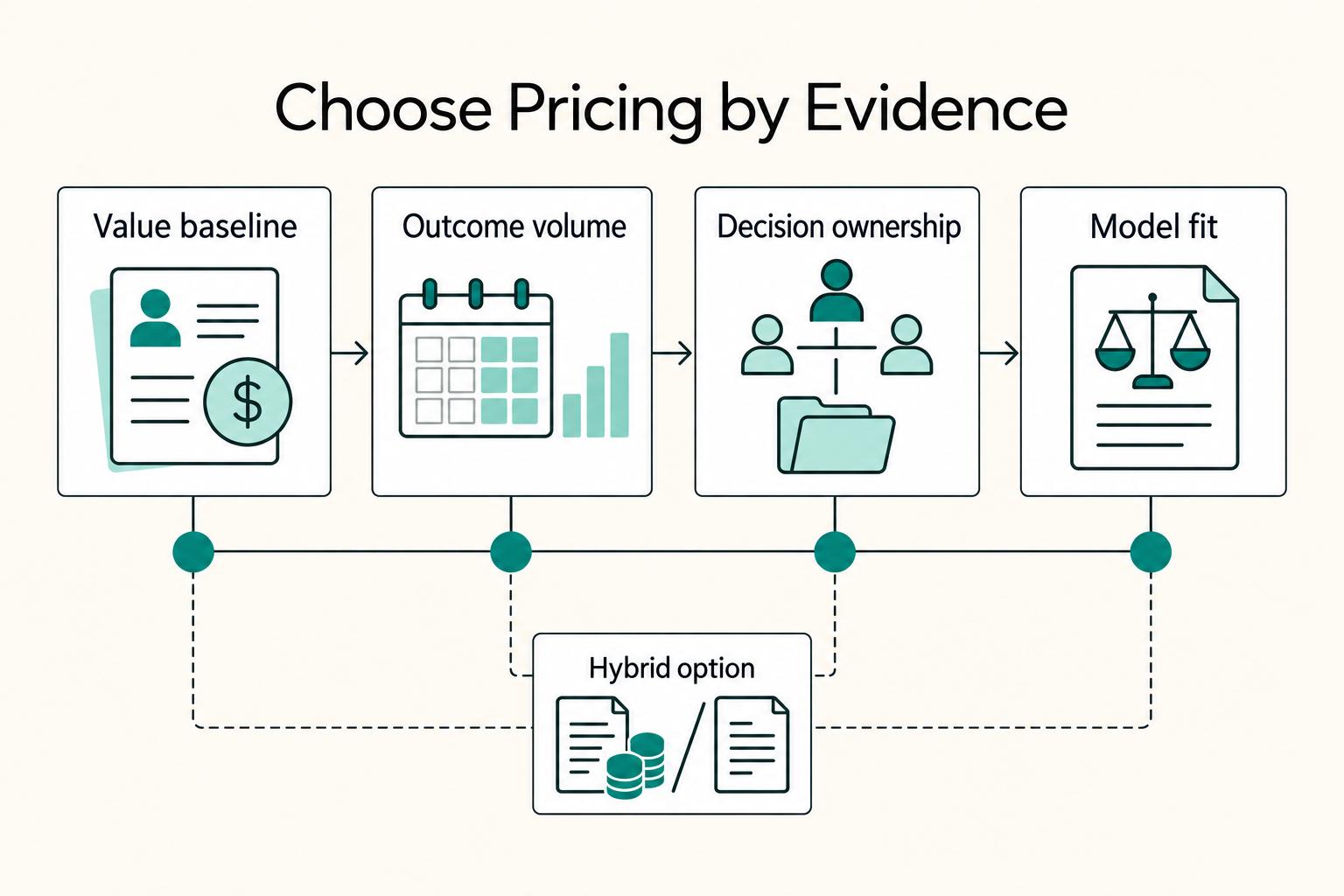
Value-Based Pricing for Freelancers Under Real Payment Risk
Value-based pricing works when you and the client can name the business result before kickoff and agree on how progress will be judged. If that link is weak, use a tighter model first. This is not about defending one pricing philosophy over another. It is about avoiding surprises by keeping pricing, scope, delivery, and payment aligned from day one.
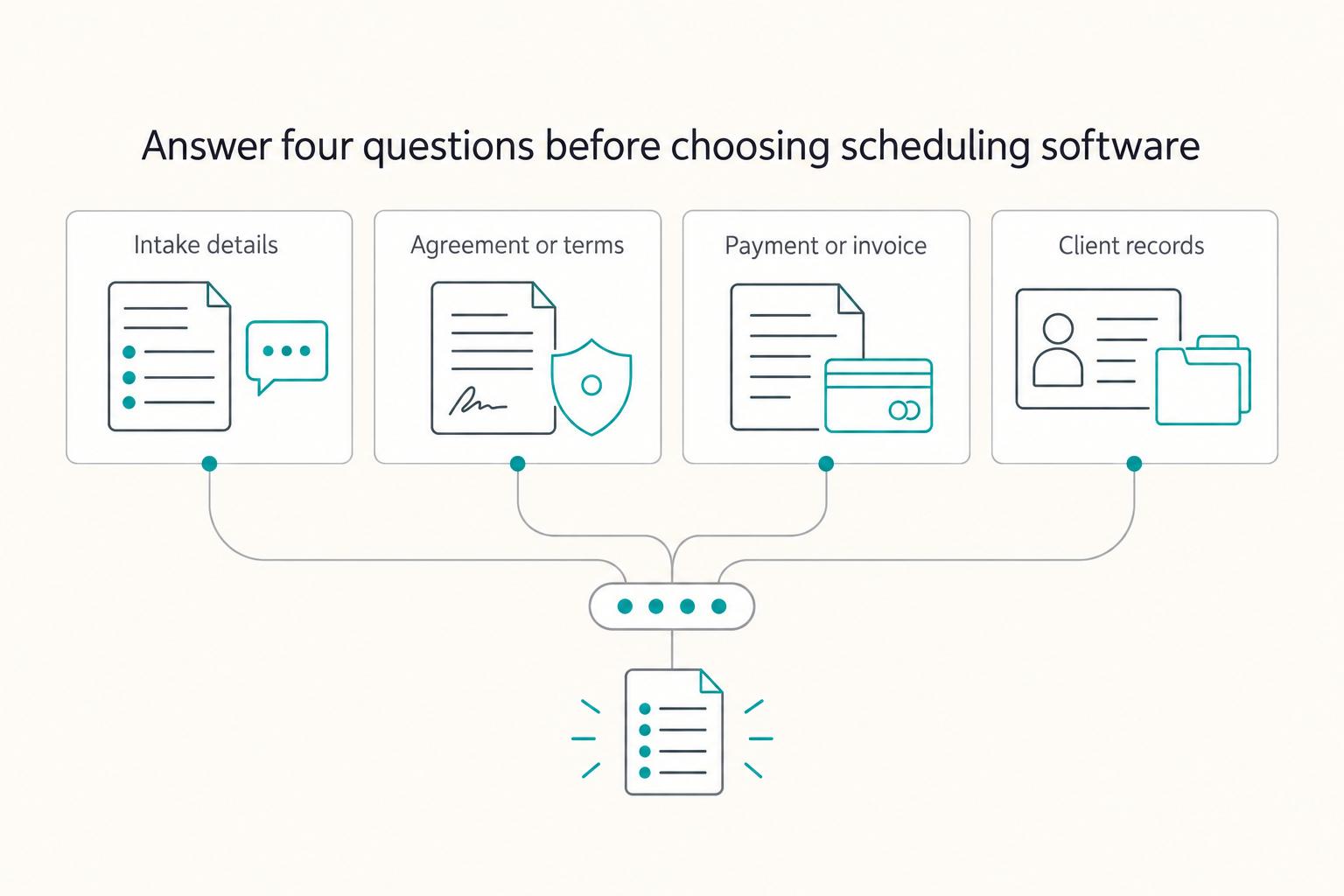
The Best Calendar and Scheduling Apps for Freelancers
Your scheduler is an operations layer, not just a booking link. It determines whether clients can self-book, whether buffers actually protect your day, and whether confirmed meetings land cleanly in Google Calendar or Outlook instead of creating cleanup work later.

The Freelance Payment Penalty: A Modeled Audit of Platform Fees, FX Spreads, and Payout Delays
The money rarely disappears through a single, easy-to-spot fee. The real loss is stacked. A marketplace takes its commission, a processor adds a charge for international cards, a bank or payment company converts the currency at a spread, a platform holds the funds before release, and a wire sheds a little to intermediaries on the way in. Each layer looks defensible on its own, but the worker feels the combined result as a smaller deposit and a later payday.