
Operator playbooks for cross-border payments, tax, and compliance execution.
Step-by-step guidance for finance, product, and ops teams to launch faster, reduce payout friction, and keep reconciliation clean across borders.
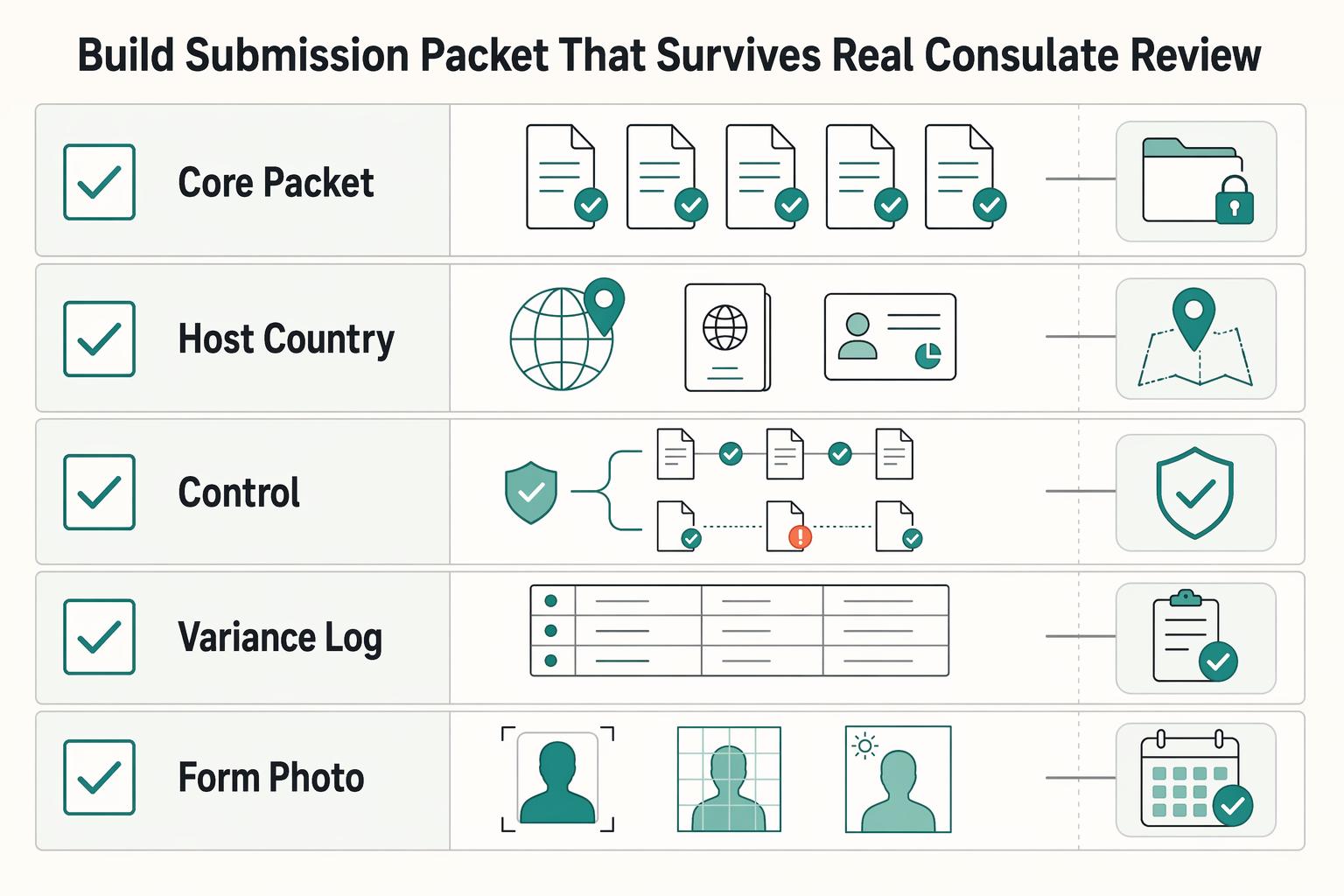
A Deep Dive into Mexico's 'Residencia Temporal' Visa for Remote Workers
**Treat your move like an operations project: lock your visa route early, validate local consulate rules, and only then commit to travel dates.**
Read more →
How to Write a Compelling Case Study
A case study should help a buyer make a decision, not just feel good about your work. Treat it as decision evidence: a detailed account of a business problem, the solution you delivered, and the results that followed. The strongest versions use client-centered proof, documented facts, and a clear [challenge-solution-results structure](https://libguides.usc.edu/writingguide/assignments/casestudy). They do not lead with praise, drift into product-centered copy, or make vague claims that sound like promotion.
Read more →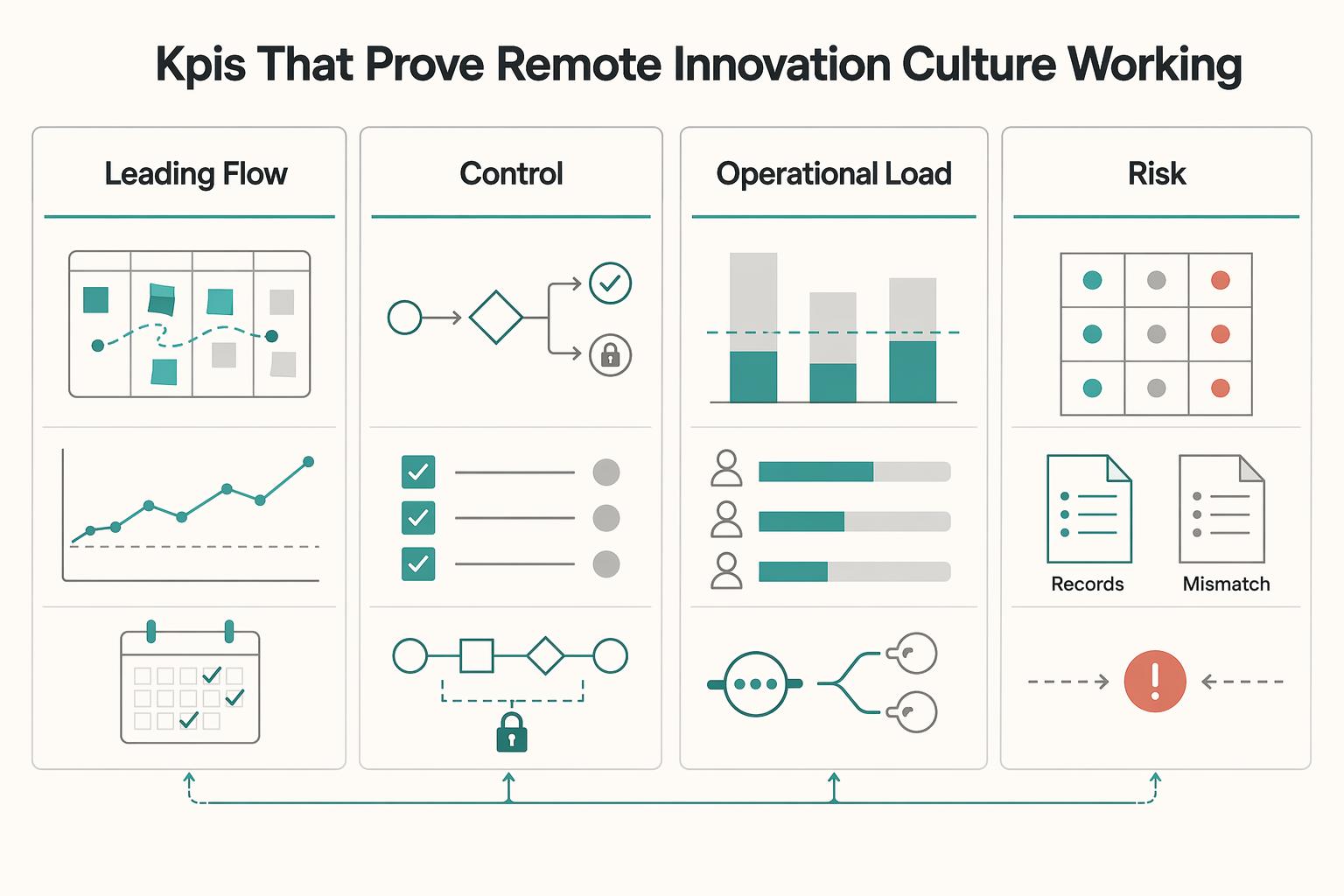
How to Build a Culture of Innovation in a Remote Agency
**Run your remote agency innovation culture through a one-week system with named owners, fixed Innovation Hours and Innovation Sprints, and simple controls that protect delivery quality and client trust.** Start here before you tune metrics or tooling. Execution discipline comes first, because remote culture alone does not create better ideas.
Read more →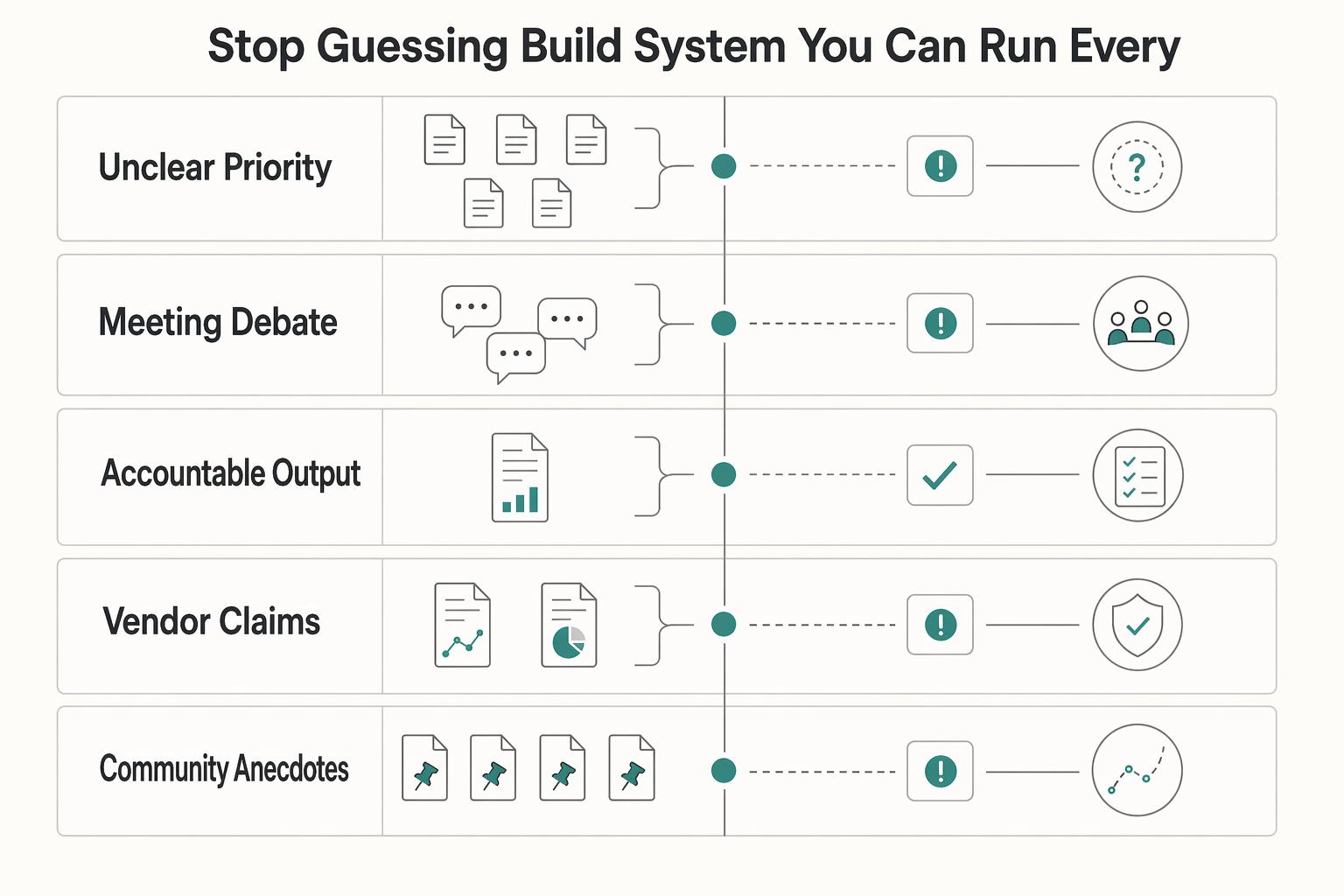
Competitive Intelligence Tools for Agencies That Improve Weekly Decisions
You do not have a tooling problem first. You have an ownership problem. When signals live across five tabs, three free trials, and nobody owns the next move, you get the same result: more data, more debate, and no usable output.
Read more →
Responding to an RFP With a Repeatable Operating System
If you treat every bid like a fresh writing sprint, you create avoidable risk. The better model is a repeatable flow that protects your time, surfaces compliance issues early, and leaves a useful record after submission.
Read more →
Use Case Studies to Win Better-Fit Freelance Clients
The point of case studies is not to sound impressive. It is to help a buyer approve you faster by lowering the risk they feel when hiring an outside specialist. When your proof is vague, scattered, or hard to verify, clients often default to someone whose work feels easier to trust.
Read more →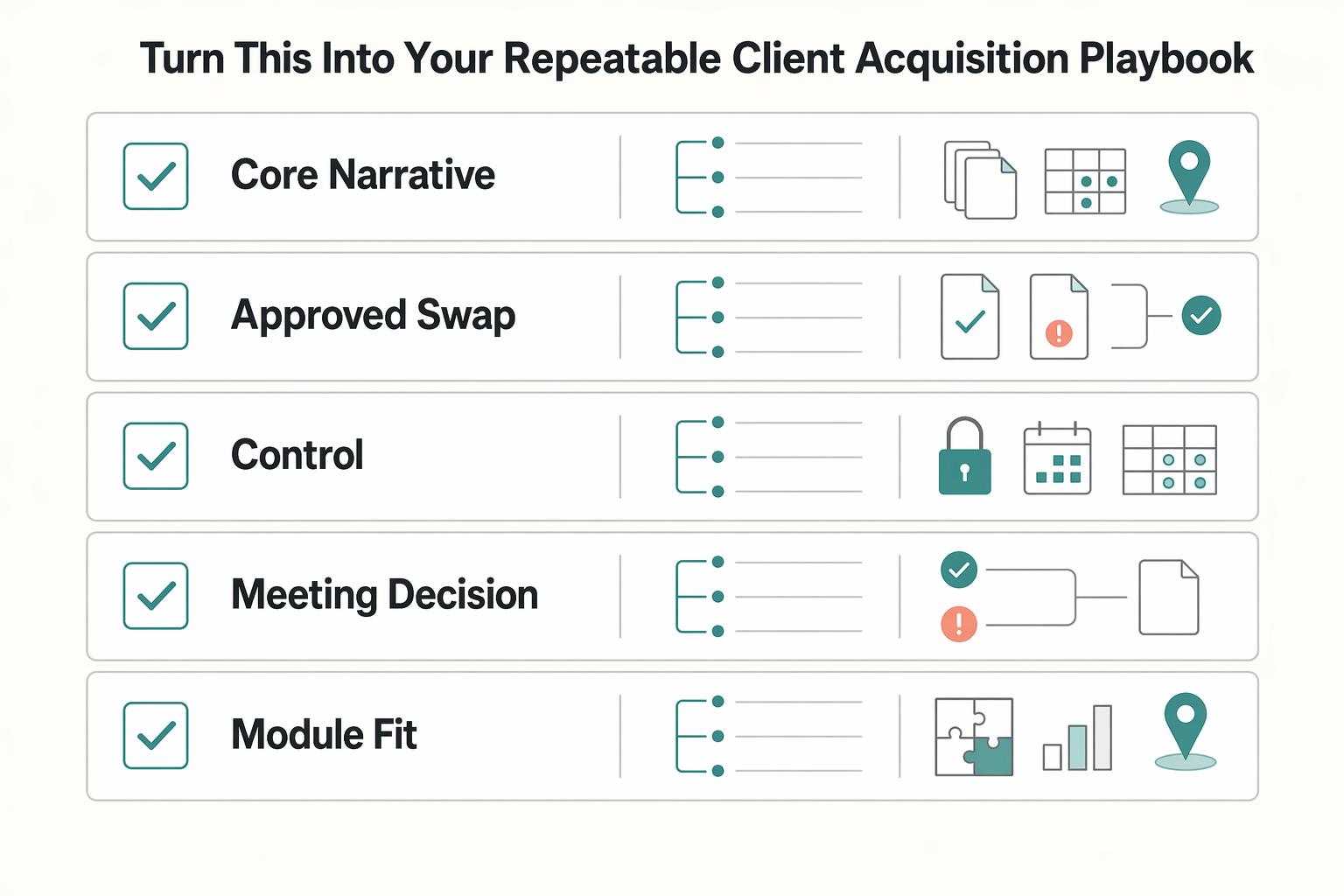
How to Create an Agency Pitch Deck That Wins Decisions
Your **agency pitch deck** should help one buyer make one decision. If the meeting ends with compliments about the slides but no movement on scope, next steps, or stakeholder review, the deck missed its job.
Read more →
A Guide to Using an Escrow Service for High-Value Projects
**Treat escrow as your payment system, not a last-minute fix for overdue invoices.** On high-value projects, money risk usually shows up at handoff points like scope approval, milestone acceptance, and payout release. If you run a business of one, you need a get-paid system that works the same way on every deal, even when a client is in a hurry. This guide treats escrow as that repeatable system, so payment protection supports delivery, trust, and disciplined risk management from day one.
Read more →
The Best Marketplaces for Buying and Selling Small Businesses
Choose downside control before reach. In **marketplaces for selling businesses**, buyers and sellers usually start with no relationship, so trust risk is the default, not the exception. Your first question is not "where will I get the most eyeballs?" but "where can I reduce exposure to fraud, weak screening, and unclear trust-and-safety processes?"
Read more →
Build a Freelance FAQ Page That Pre-Qualifies Clients
Your freelance FAQ page should be where you and your clients go to make decisions, not a polished filler page. You want one place for answers; otherwise you end up digging through folders, emails, and calendars every time a lead asks a familiar question.
Read more →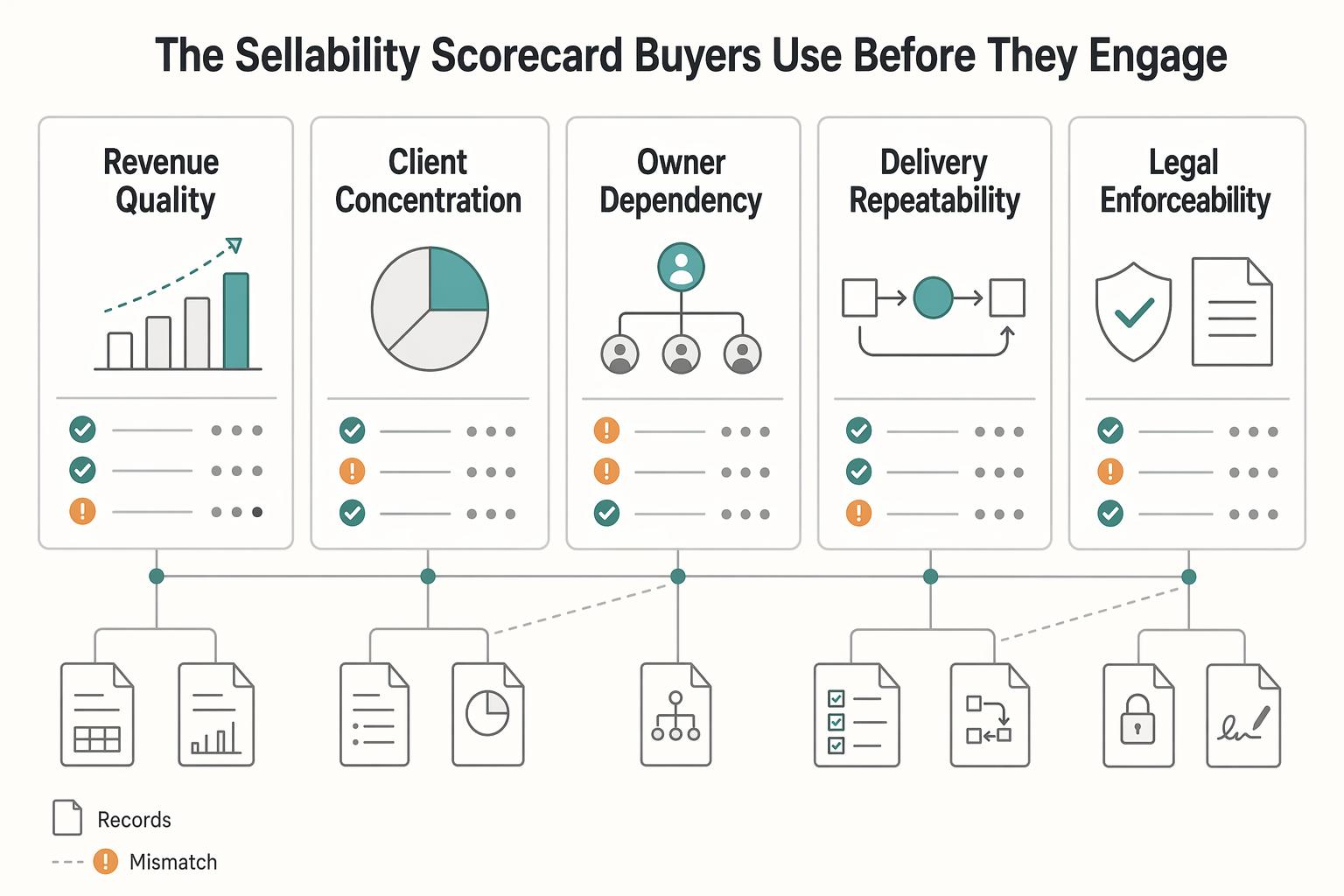
A Guide to Selling Your Freelance Business or Agency
**When you sell your freelance business, buyers are paying for a reliable asset they can verify, transfer, and run, not for your personal hustle.** A common mistake is mixing advice about winning clients with advice about closing an acquisition. Those are different jobs. This guide is a sellability-to-close playbook designed to reduce surprises before buyer conversations begin.
Read more →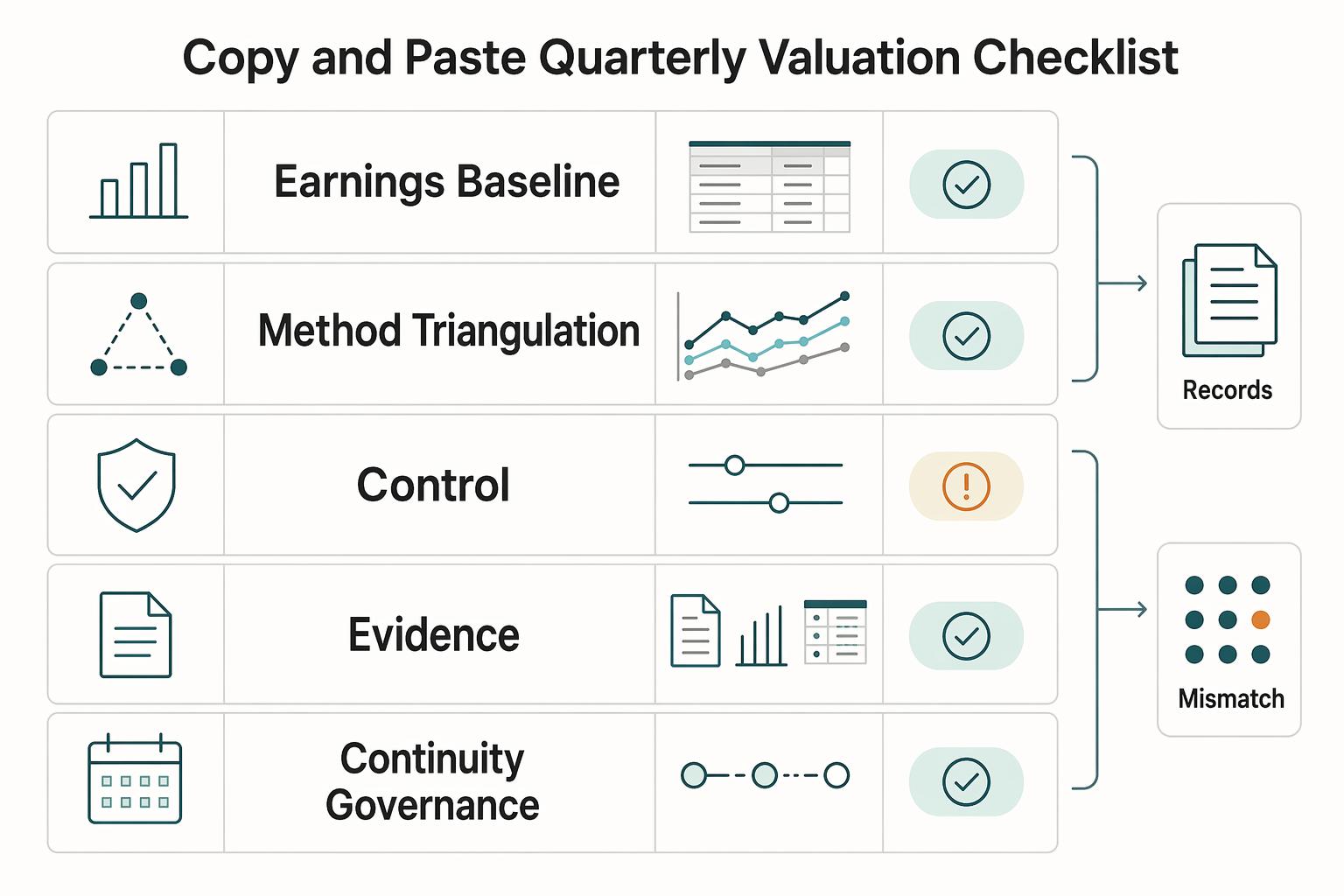
How to Perform a Business Valuation for a Small Agency
**Treat valuation for a small agency as a risk control system, not a headline multiple, and you are more likely to protect agency value before you ever start selling a business.**
Read more →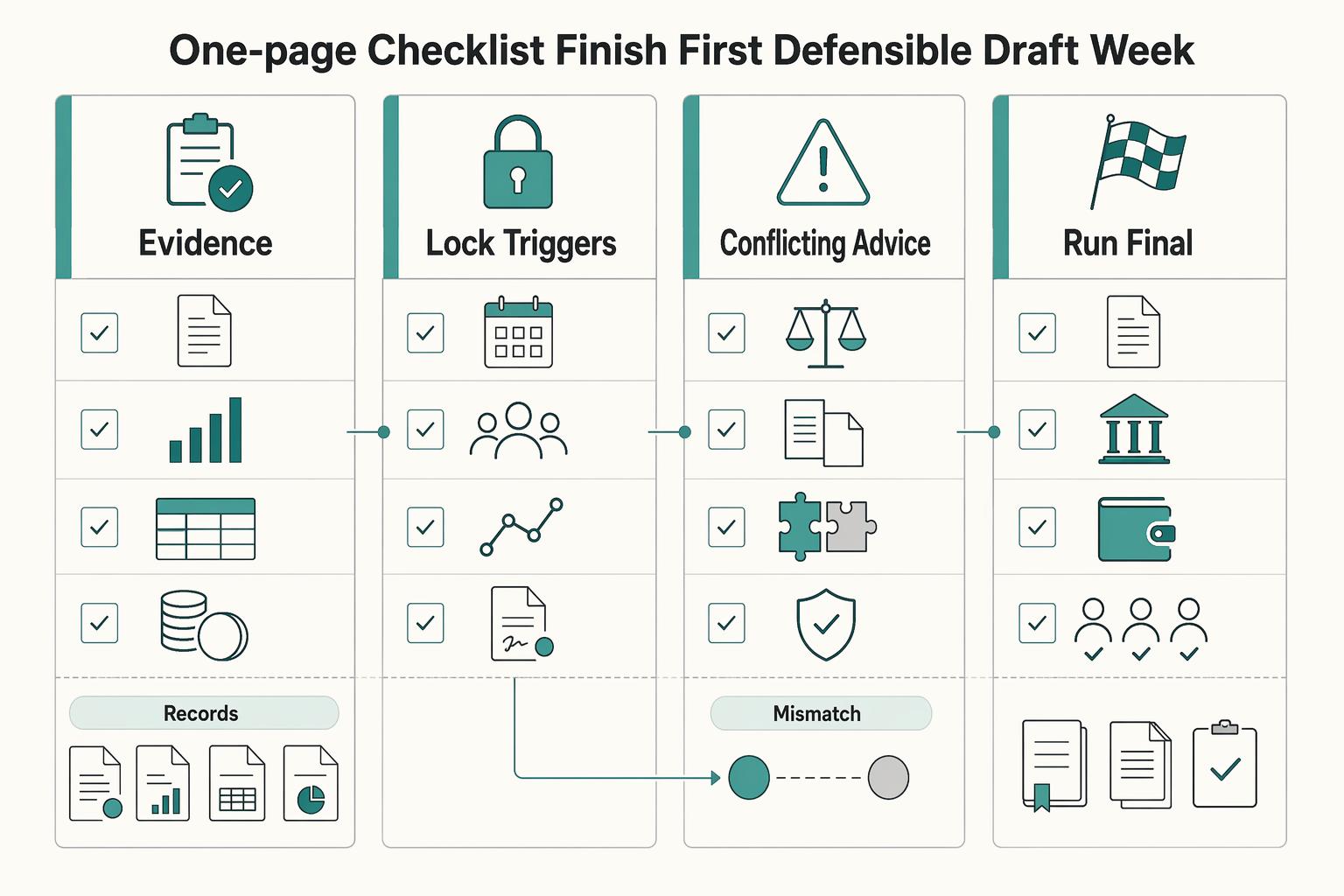
How to Create a Buy-Sell Agreement for a Partnership
**Treat your buy-sell agreement for partnership as core operating infrastructure, not paperwork for later.** Freelancers and consultants move fast on client delivery, but shared ownership risk keeps running in the background until one partner leaves, becomes disabled, goes bankrupt, or goes through a divorce.
Read more →
How to Create a High-Converting Freelance Services Page
If you want fewer renegotiation loops, treat your page as a qualification tool, not a polished brochure. The goal is not more inquiries for their own sake. It is fewer vague inquiries that turn into messy delivery.
Read more →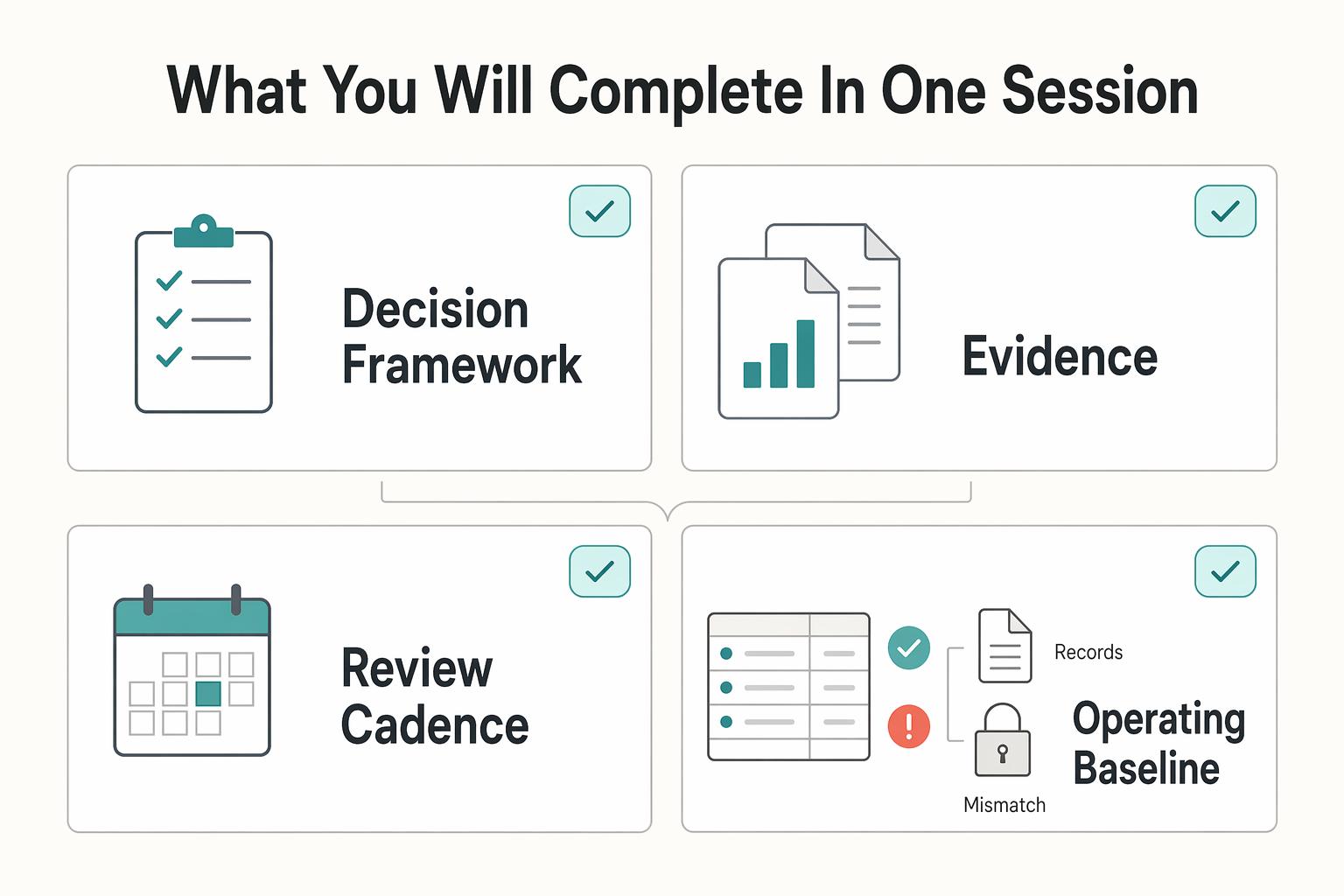
A Guide to Key Person Insurance for Small Agencies
If one founder, rainmaker, or delivery operator drops out, your agency can lose revenue, delivery capacity, and client confidence fast. That risk is common, not an edge case. In small-business research, 71% of surveyed firms reported they were very dependent on one or two people. That makes continuity planning a core operating decision, not optional paperwork.
Read more →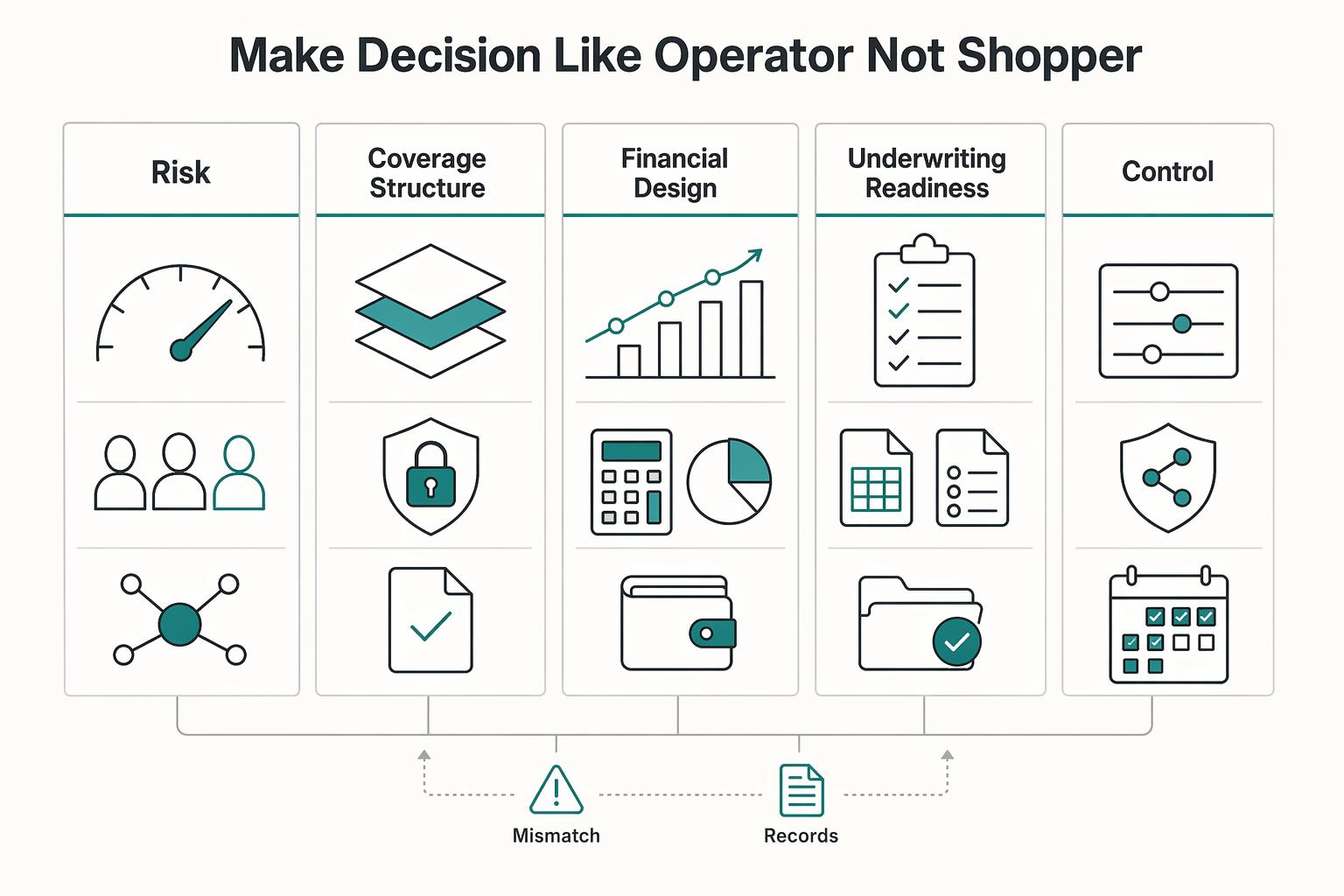
What is Cyber Liability Insurance and Do Freelancers Need It?
**Treat cyber coverage as part of your system, not a checkout decision.**
Read more →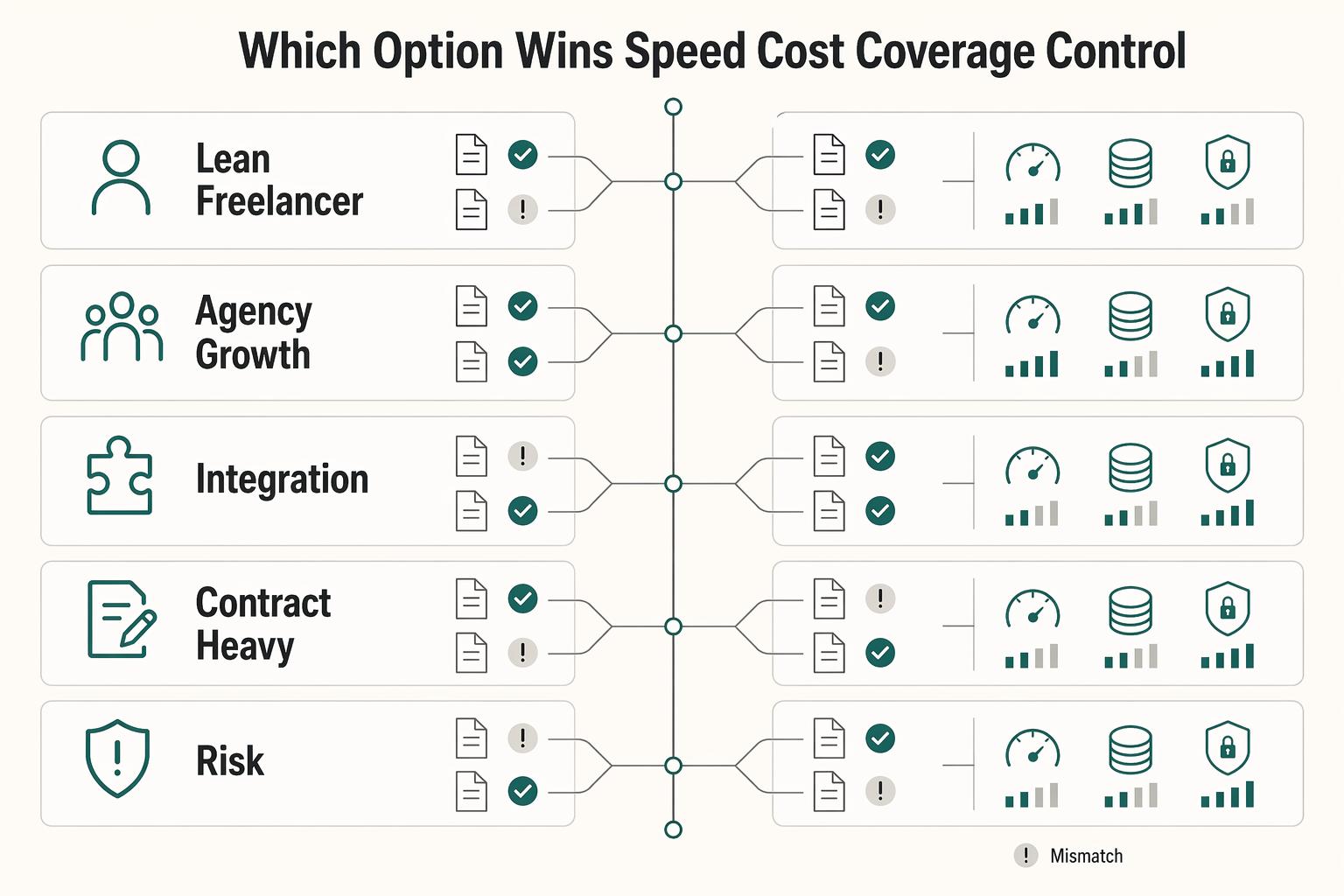
A Guide to Errors and Omissions (E&O) Insurance for Software Developers
**Use a software-specific e&o insurance for developers checklist to shortlist policies fast, pressure test the terms that decide claims, and confirm bind details before you buy.**
Read more →
How Freelancers Use Loom to Get Clearer Client Decisions
If you use Loom as a one-off recording app, you can keep re-explaining the same decisions. Treat it as a simple four-step client communication setup instead: capture, route, confirm, and track.
Read more →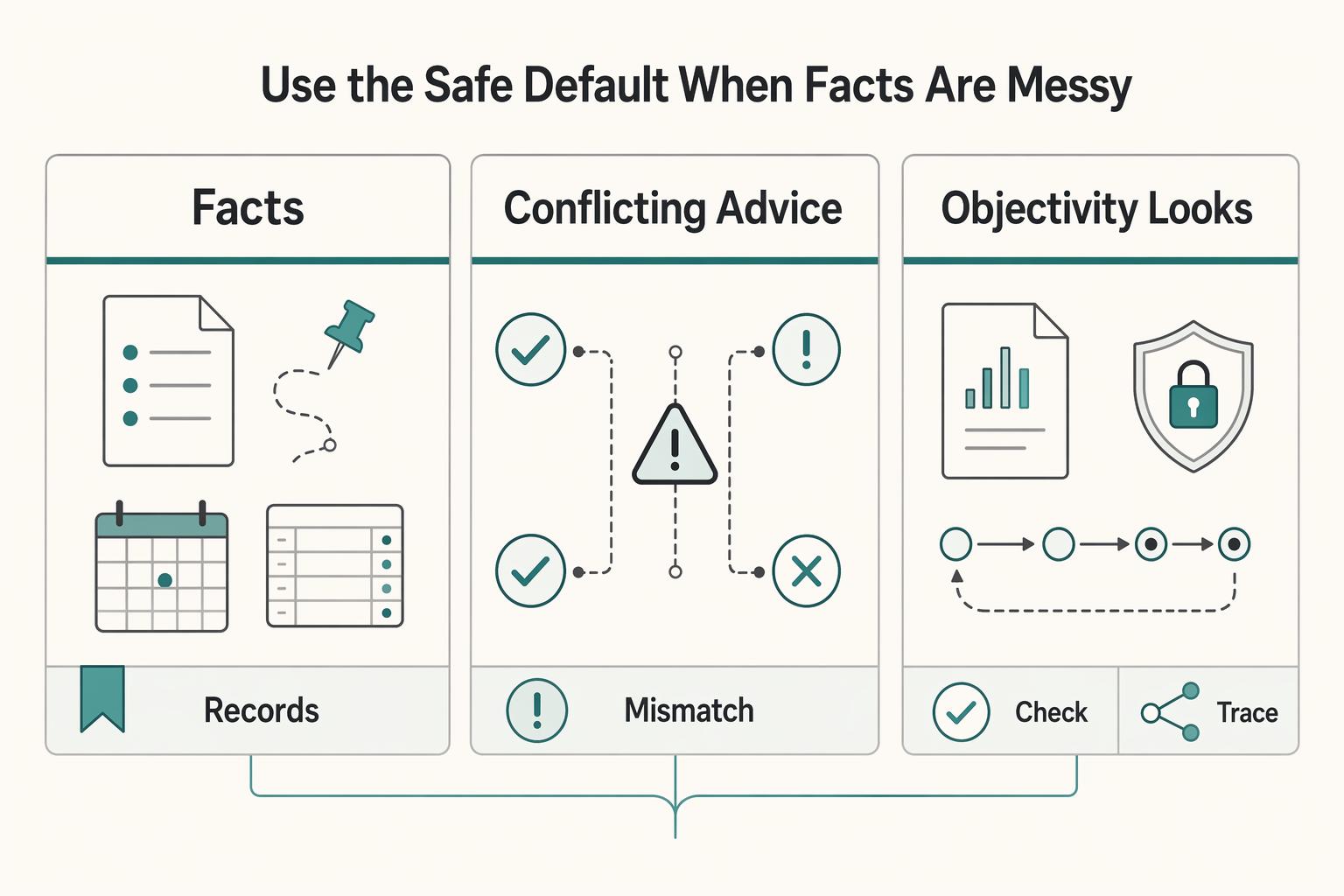
A Guide to Conflict of Interest for Independent Consultants
**You can move fast and still stay defensible when you treat conflict checks as a system, not a legal ritual.** If you sell consulting work, you will feel pressure to close quickly. As a business-of-one, you need a system that keeps onboarding moving without turning every deal into a judgment call.
Read more →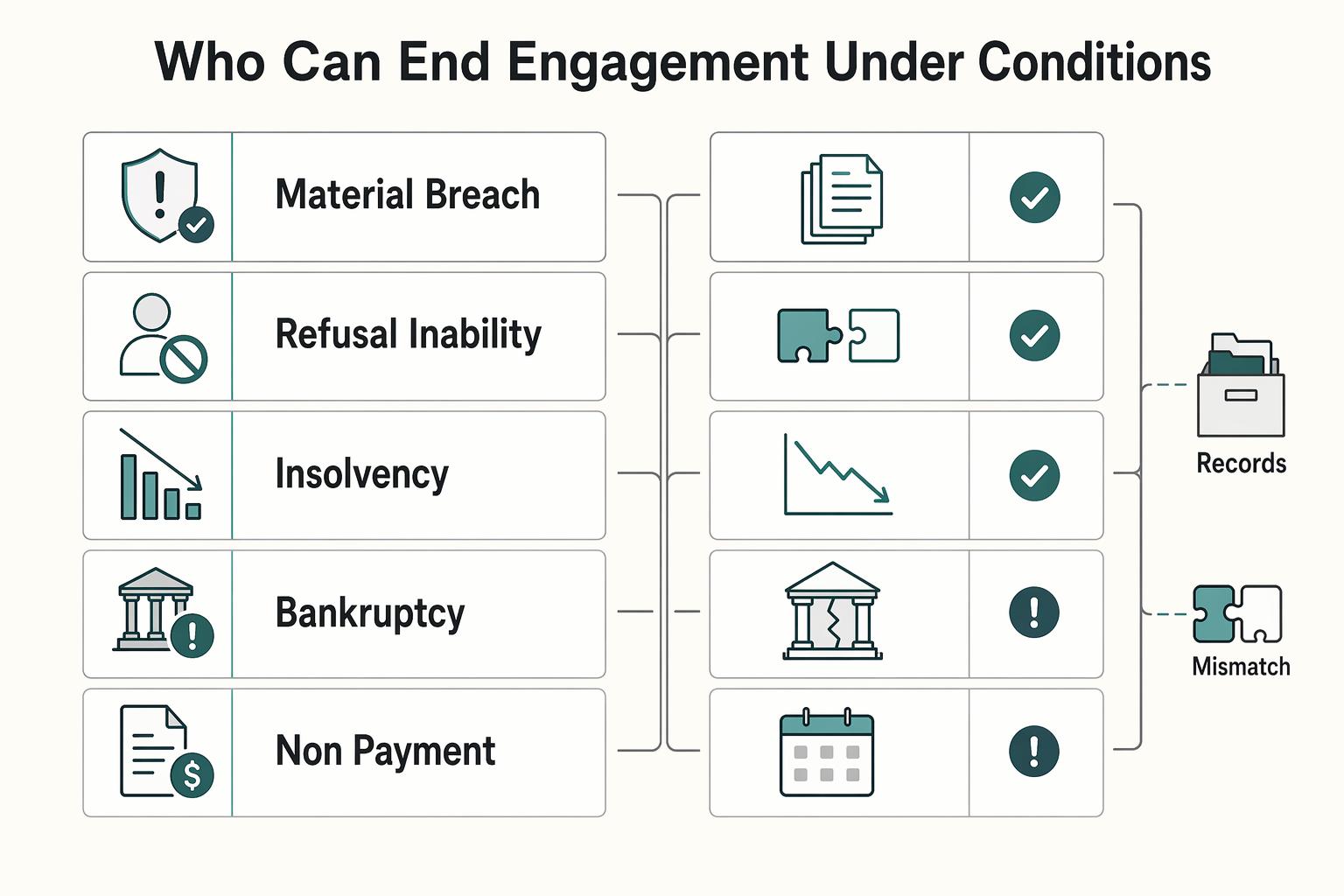
How to Handle Severance and Termination Clauses in a Consulting Agreement
**Treat your consulting termination clause as an operating control, not legal filler, and you can reduce uncertainty and dispute risk when things go sideways.**
Read more →