
Quick Answer
Key person insurance for agencies is a business-owned policy that helps your company stay operational if a critical person dies or cannot work. The practical move is to treat it as a continuity system, not a one-off purchase: identify dependency risk, rank roles by operational impact, choose policy direction, and document governance for how proceeds will be used and reviewed.
Your agency can survive a key loss if you run this as a system#
If one founder, rainmaker, or delivery operator drops out, your agency can lose revenue, delivery capacity, and client confidence fast. That risk is common, not an edge case. In small-business research, 71% of surveyed firms reported they were very dependent on one or two people. That makes continuity planning a core operating decision, not optional paperwork.
Small agencies feel this acutely. Your job is to keep the business running when a critical part breaks.
A key employee is someone whose skills and knowledge materially drive your income. Key person insurance helps the business absorb a major loss when that person dies or becomes disabled. The goal here is straightforward: protect business continuity, keep commitments moving, and buy time to execute a clean transition instead of reacting under pressure.
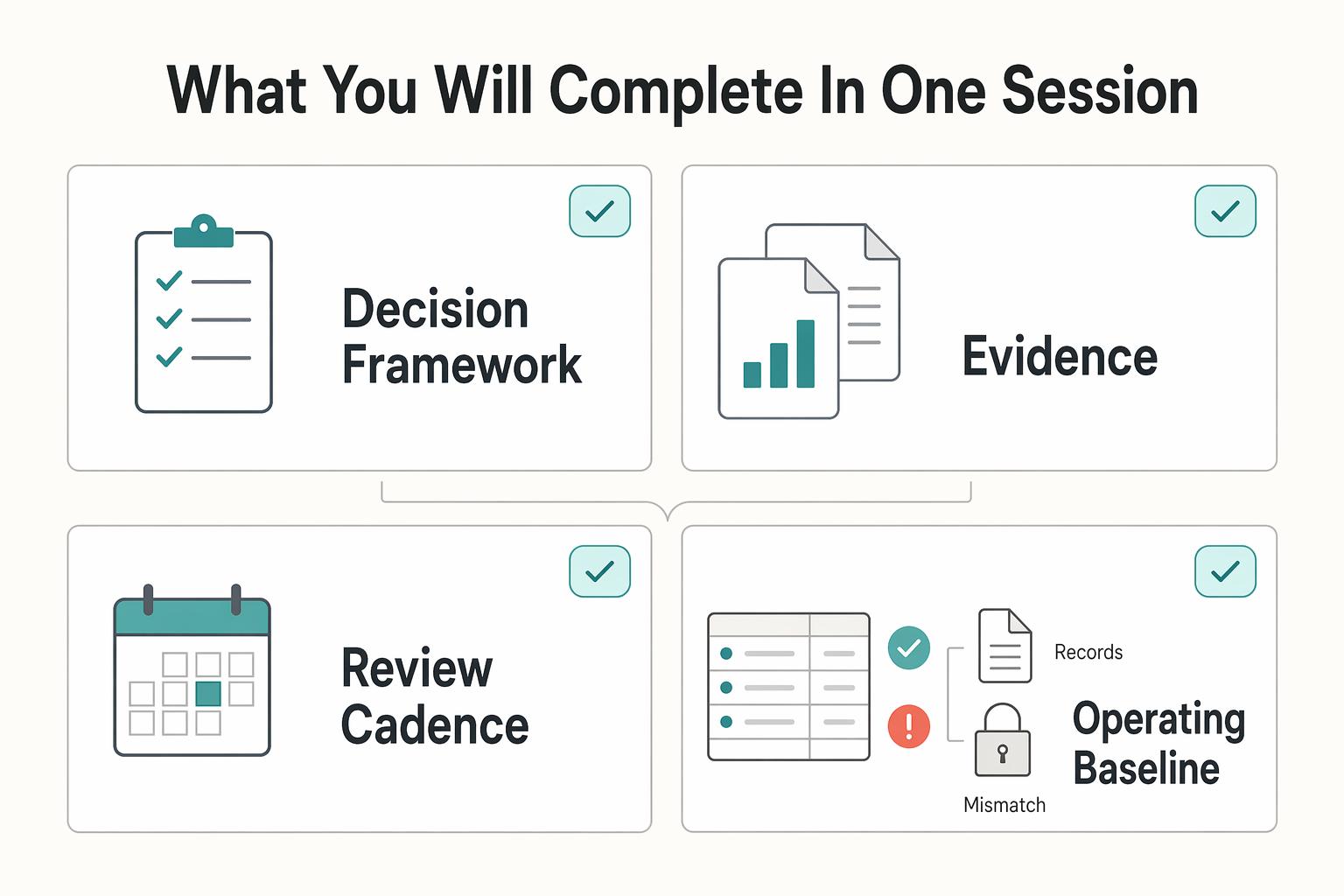
What you will complete in one session#
By the end of this playbook, you will leave with a practical system you can run immediately:
| Output | What it gives you |
|---|---|
| Decision framework | Tells you whether your current role concentration creates an urgent continuity gap |
| Documentation checklist | Records who matters most, why they matter, and how you will use proceeds if disruption hits |
| Review cadence | Fits into existing risk management and agency finance routines |
| Operating baseline | Pair with project margin controls in How to Manage Project Profitability for Your Agency |
The point is not to leave with a theoretical policy idea. It is to leave with a working decision your team can act on.
Scenario: your lead strategist suddenly steps away while two major client launches stay in flight. If you already mapped role dependency, documented decision rights, and set coverage direction, you can protect delivery, client communication, and cash priorities fast. Without that system, you improvise. That is where retention and margins get hit.
This is operating guidance, not legal or tax advice. We focus on decisions around Key Person Insurance, including where Key Person Life Insurance may fit into broader business continuity planning. Policy design, definitions, and treatment vary by insurer, market, and program. Use this as a structured decision tool, then verify final details before you bind coverage.
What key person insurance actually is and how it works#
Key person insurance gives the business cash when a critical employee dies or can no longer work. The point is not the policy itself. It is to fund a continuity plan when one role going offline would otherwise derail delivery and cash flow.
Key Person Insurance is life insurance your business buys on a specific key employee. Business Beneficiary means your company pays the premiums and receives the payout. Death Benefit is the policy proceeds your agency can use to stabilize business continuity, cover transition costs, and support replacement hiring and training.
Key Person Life Insurance and personal Life Insurance solve different problems. Key person coverage protects the company. Personal life coverage usually protects the employee's family or personal dependents. Keep those goals separate so you do not assume one policy covers both outcomes.
Match coverage to the loss event#
Match coverage to the loss event by thinking in a simple sequence:
- You pay premiums now as a planned operating cost.
- A covered loss event happens to a key person.
- The business receives funds and executes its continuity plan.
| Option | What it covers | Best use case | Important limit |
|---|---|---|---|
| Key Person Life Insurance | Death of a named key employee | Protect revenue, delivery, and client transition after a death | Does not automatically cover disability |
| Key Person Disability Insurance | Disability that prevents a key employee from working | Protect operations when role risk depends on one specialist staying active | Terms and disability definitions vary by policy |
| Accidental Death and Dismemberment (AD&D) Insurance | Accident-only death or dismemberment events | Add a specific-event layer when accident exposure matters | Excludes illness-related and natural death events |
Example: your lead operator cannot work for an extended period. Disability-focused coverage can give you room to reassign accounts, secure interim support, and protect client trust while you rebuild capacity.
Verify policy language before you bind#
Treat key person insurance as one part of your broader continuity system. Coverage design, definitions, and exclusions vary by insurer and jurisdiction. Before you finalize a program, confirm in writing that the policy language matches the loss events you are actually trying to cover.
Does your agency actually need key person insurance right now?#
Decide now whether losing one person would materially damage operations or profits. This is not a "someday" policy if your agency is built around one or two critical operators. Treat it as a business continuity decision inside your risk management process.
Use this as a pressure test: if your agency relies on one or two people for revenue or strategy, you already have key-person dependency. What you need is a formal continuity decision, not a vague intention.
Run a fast dependency trigger test#
Use this table in your leadership check-in and treat it as a trigger. If any row is true, open a key person insurance decision this week.
| Loss scenario | What breaks first | Why this creates immediate continuity risk |
|---|---|---|
| Founder becomes unable to work | New sales and key client confidence | Pipeline can slow, renewals can feel less certain, and cash planning gets tighter |
| Lead strategist exits suddenly | Delivery quality and account retention | Projects can lose direction and clients may question execution reliability |
| Operations lead goes offline | Fulfillment rhythm and handoffs | Teams can miss dependencies, timelines can slip, and margin control can weaken |
If your operations lead steps out before a major launch, ownership can go fuzzy, vendor handoffs can stall, and client updates can drift. That is not a staffing issue to handle later. It is a continuity risk now.
Gather evidence before policy shopping#
Before you request quotes, collect evidence that role loss creates real exposure:
| Evidence | Detail |
|---|---|
| Current job descriptions | For critical roles |
| Recent financial statements | Tied to role-linked revenue concentration |
| Active contracts and delivery obligations | By owner |
| Pipeline map | Showing who controls closing and expansion |
| Replacement feasibility notes | For each key role |
| Financing requirements | From lenders or investors, if applicable |
Put this in one working file before you talk to carriers: job descriptions, current financials, live obligations, pipeline ownership, replacement notes, and any lender or investor requirements.
This keeps the decision objective and improves underwriting conversations, because insurers may ask for internal role and financial documentation.
If you run a partner-led shop, align this decision with your continuity governance. If you also want tighter day-to-day control on the numbers, pair this with How to Manage Project Profitability for Your Agency.
Who should be insured first in a small agency?#
Insure the people whose loss would break revenue and operations first, regardless of title. Once you decide coverage is on the table, the next failure mode is choosing based on hierarchy instead of impact.
Start with one hard filter: if a person's loss would materially hurt income, operations, or investor confidence, that role goes to the top of the queue. In small teams, dependence can concentrate in one or two people. Your job is to rank the concentration you actually have, not the org chart you wish you had.
Use a two tier map tied to outcomes#
Use a simple two-tier map:
- Tier 1 immediate continuity roles: The person controls key client relationships, specialized delivery knowledge, or most net-new revenue. Typical death benefit use cases are funding replacement hiring, stabilizing lost income pressure, and covering transition execution.
- Tier 2 stabilizing roles: The person improves performance, but the team can absorb core work for a short period. Here, coverage logic is usually about supporting backfill and transition costs while work is redistributed.
Treat this as a working model, not a universal ranking. Document your assumptions, then test them against current contracts, pipeline ownership, and delivery dependencies.
Separate ownership from function and handle edge cases#
Founders often qualify for key person life insurance, but ownership alone should not decide priority. A non-owner specialist can rank higher if that person protects core revenue or delivery continuity.
Use this quick decision checklist:
- Rank each role by business impact first, title second.
- Map each selected role to a specific death benefit job inside your continuity plan.
- If incapacity risk dominates, compare a key person disability structure with a life-only structure before finalizing.
- Re-run this map on a fixed cadence and when major client concentration changes.
Example: your founder sets direction, but your non-owner operations lead runs delivery handoffs across major accounts. If that operator disappears, execution stalls first. In that case, the non-owner role can justify first-wave key person coverage.
How do you choose policy type and coverage level without guessing?#
Choose policy type and coverage level by modeling your real replacement and revenue risk, then pressure test that model against financing and tax constraints. Once you know who to insure, you need a sizing method that reflects your actual exposure, not generic rules.
Start with a simple coverage worksheet before you request quotes. Keep it inside your risk management process so your finance decisions stay consistent quarter to quarter.
| Worksheet input | What to capture now | Why it matters for coverage |
|---|---|---|
| Replacement timeline | Time to recruit and onboard a credible replacement | Longer gaps usually increase continuity funding needs |
| Hiring and training costs | Recruiter spend, leadership time, ramp support | Protects cash while you rebuild delivery capacity |
| Short-term revenue disruption | Accounts or pipeline tied to one person | Shows how much liquidity you need to protect operations |
| Contingency runway | Months of payroll and core delivery you must preserve | Sets a minimum survival target for policy design |
Operating test: if your lead strategist steps out during a major client transition, you need funds to hold delivery quality, protect renewals, and buy recruiting time.
Compare structure choices with explicit gates#
Use Key Person Insurance as the baseline, then choose structure based on exposure:
- Term policy: lower-cost protection for a defined risk window. The tradeoff is that coverage is temporary, often set for fixed terms.
- Permanent policy: longer-horizon protection with added business-use features. The tradeoff is a higher premium commitment.
Apply three decision gates before you finalize:
- If a lender or investor requires coverage as collateral, set a floor that can at least repay the related loan exposure.
- If the company is the beneficiary, treat premiums as generally non-deductible under U.S. rules and confirm local treatment with your advisor.
- If precise impact math is hard, use scenario ranges and document what would change your assumptions.
Document these assumptions in your partnership insurance file and review them alongside your broader continuity planning.
Build an audit ready implementation checklist your team can run#
Turn your policy decision into a documented operating checklist with clear owners, payout rules, and review triggers. Coverage only helps if your business can execute under stress. This section turns key person insurance into operational control.
Assign ownership and keep decision evidence#
Use explicit roles so nothing gets lost when pressure rises.
| Checklist control | Primary owner | What they do | Evidence to keep |
|---|---|---|---|
| Policy ownership | Policy owner | Maintains policy details, carrier communication, and change history | Current policy file and change log |
| Financial review | Finance reviewer | Confirms premium handling, payout assumptions, and continuity funding needs | Review notes tied to forecast and risk register |
| Renewal governance | Renewal reviewer | Runs renewal checklist, validates assumptions, and flags material changes | Renewal memo with approvals and open risks |
Tie every decision to your risk register. Log why you chose this structure, what assumptions you used, and which roles drive revenue or delivery. Treat this like any other financial control. If you skip the close, numbers drift and decision quality follows.
Map payout intent and set review triggers#
Define how you would use the Death Benefit before a disruption. Keep it practical:
- Operating continuity costs during transition.
- Recruiting and training costs for replacement talent.
- Debt continuity planning when obligations involve lenders.
You want those decisions made before the event, not during it.
Add practical controls your team can run every cycle:
- Set internal approval steps for policy changes, beneficiary structure, and payout-use updates.
- Store policy and consent records in a secure, access-controlled location.
- Run periodic check-ins to confirm role assumptions still match real operations.
- Consider an out-of-cycle review when client concentration shifts, a senior leader joins or exits, or financing terms change.
- Run a full review on a set cadence to refresh assumptions and update your key person policy and continuity files.
Example: your operations lead leaves during a high-stakes delivery window. With this checklist, your team does not debate responsibilities in real time. They open the log, follow assigned steps, and protect execution.
How can this strengthen lender and investor conversations?#
Present key person insurance as one governed control inside your continuity system, then show exactly how your team runs it. Lenders and investors are not looking for insurance trivia. They want proof you can absorb a leadership shock without breaking delivery, cash discipline, or client trust.
When you frame key person insurance this way, you present a risk-lowering control in financing and capital conversations. You mapped critical roles, defined proceeds governance, and set revalidation triggers. That can strengthen financing and capital conversations, but it does not replace broader diligence.
What lenders and investors need to see#
| Conversation focus | What they worry about | What your team shows |
|---|---|---|
| Credit or capital access | A key loss disrupts revenue and operations | Role prioritization memo, coverage rationale, and continuity playbook |
| Ongoing governance | Policy exists on paper but no operating control | Named owners, approval gates, review cadence, and decision log |
| Transaction readiness | Transition risk during merger or public market prep | Clear executive risk map, proceeds governance, and refresh triggers for material changes |
Your advantage is not the policy alone. It is the execution packet: role-specific coverage logic, documented decision rights, and escalation rules your operators can run tomorrow.
Use this script in diligence meetings#
"Here is who is covered, why, how proceeds are governed, and when we revalidate assumptions." Then add one line on financial controls and one line on delivery continuity. Keep it short. Keep it concrete. That framing keeps the discussion on operating resilience instead of policy jargon.
Turn this into a one session decision and move forward#
Decide role priority, policy direction, and governance in one session, then execute. You already have the framework. Convert it into an operating decision that protects business continuity, strengthens risk management, and keeps agency finance conversations clean.
Run a one session decision sprint#
Start with a hard output target: one role map, one policy direction, and one review cadence.
- Confirm which people create immediate continuity risk if you lose them.
- Set Tier 1 and Tier 2 role priority based on revenue impact, operational dependency, and replacement difficulty.
- Choose policy direction for each Tier 1 role, including where Key Person Life Insurance fits.
- Define payout governance so the company, as Business Beneficiary, controls how Death Benefit proceeds support continuity.
- Document what you still need to validate by jurisdiction and carrier program before binding.
If financing drives part of the plan, tie benefit sizing to obligations and make sure coverage can at least repay the related loan when required.
Leave with a financing ready execution packet#
Do not end the session with loose notes. Leave with decision artifacts your operators and external stakeholders can use immediately.
| Artifact | Includes |
|---|---|
| Role prioritization memo | Explicit assumptions |
| Final checklist | Owners, approval gates, and review triggers |
| Lender and investor brief | Who is covered, why, and how governance works |
| Compliance follow-up list | Any required tax, notice, consent, and reporting checks |
| Tax validation note | Under U.S. federal rules, no deduction is allowed when the taxpayer is directly or indirectly a beneficiary |
If cross-border operations shape your risk stack, talk to sales early to scope what may be supported, then verify jurisdiction-specific requirements before final decisions.
Frequently Asked Questions
What is key person insurance for a small agency?
Key person insurance for agencies is a business-owned policy that protects the company if an important person dies or becomes disabled. Your agency owns the policy, pays premiums, and receives the payout as the business beneficiary. Use it as a business continuity control, not as personal family coverage.
What is the purpose of key person insurance in business continuity planning?
Its purpose is to help your company recover financially after losing an essential owner, partner, or employee. It gives your team liquidity when a critical loss threatens revenue or operations. It helps you keep commitments moving.
Who can be covered under key person insurance in an agency?
Cover people whose loss would materially hurt outcomes, not just people with senior titles. In many agencies, that includes founders, owners, key executives, and specialists whose loss would hurt revenue, operations, or investor confidence. For partnership insurance decisions, map coverage to role impact first, then confirm structure with your advisor.
What is the difference between key person insurance and life insurance?
Key Person Life Insurance protects the business, while personal Life Insurance protects an individual household. With key person coverage, the business buys the policy, pays premiums, and receives proceeds. That ownership model makes it an operating safeguard, not a personal wealth tool.
Is key person insurance tax deductible for agencies?
Under U.S. federal rules, premiums are generally not deductible when the business is directly or indirectly the policy beneficiary. Many key person structures place the business in that beneficiary role. Confirm treatment before binding, because jurisdiction and policy setup can change tax outcomes.
Does my small agency need key person insurance now or later?
Decide now if you have someone your agency cannot afford to lose without major disruption. If one loss would materially hurt revenue, operations, or investor confidence, treat this as an immediate business continuity decision. If not, set a formal trigger and revisit as your concentration risk changes.
How should an agency prioritize which roles to insure first?
Start with a role impact test: who drives revenue, who protects operations, and who anchors investor confidence. Build Tier 1 for immediate continuity roles and Tier 2 for stabilizing roles, then tie each role to a clear payout use case. Document assumptions, assign owners, and revalidate regularly so your risk management plan stays current.
Try a related tool
Researched and edited by the Gruv editorial team. Gruv builds cross-border billing, payouts, and finance-operations software for global businesses.
Sources
Includes 2 external sources outside the trusted-domain allowlist.
Educational content only. Not legal, tax, or financial advice.
Related Posts
Canada Digital Nomad Visa Planning for Visitor Status and Work Permits
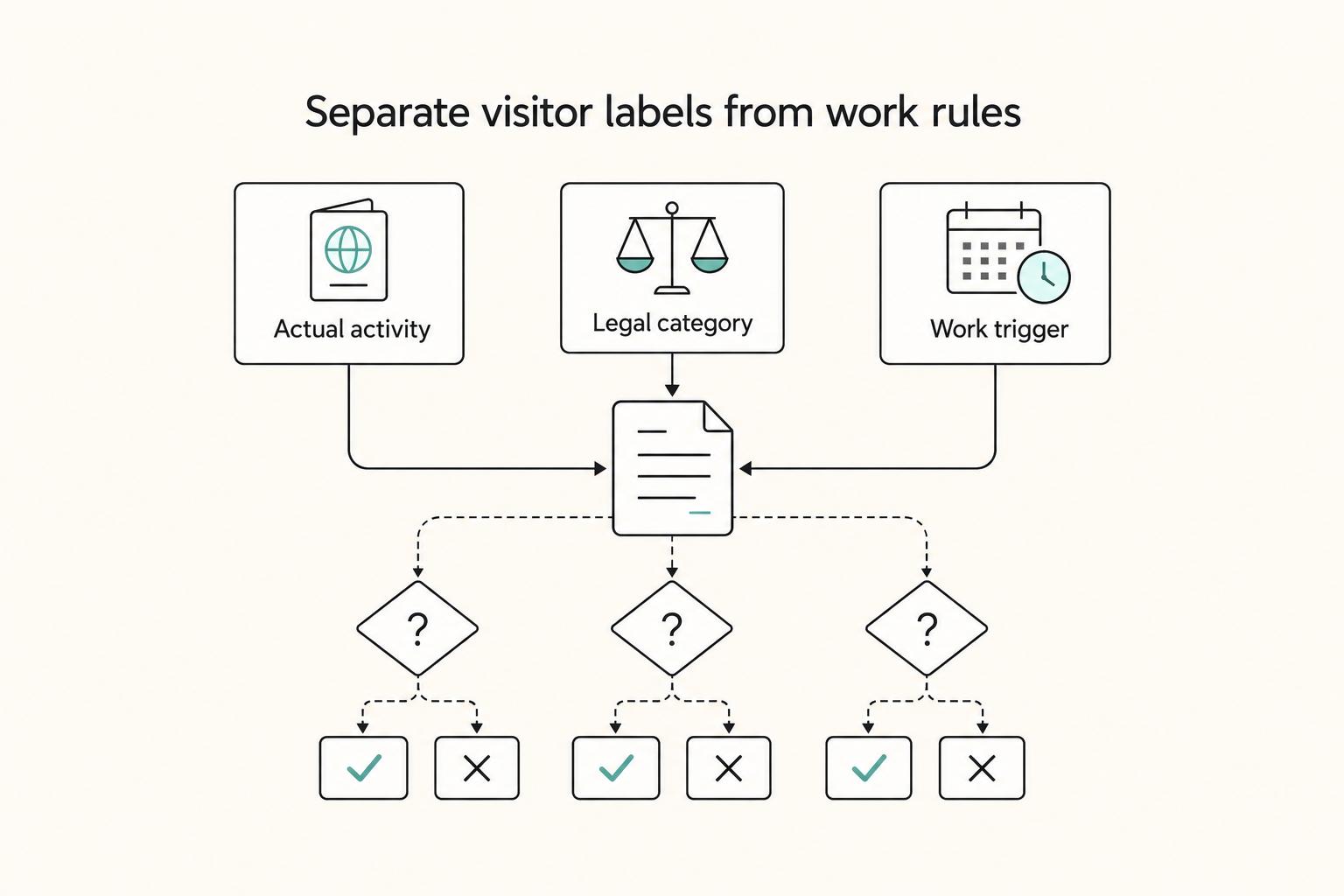
The phrase `canada digital nomad visa` is useful for search, but misleading if you treat it like a legal category. It is shorthand for existing Canadian status options, mainly visitor status and work permit rules, not a standalone visa stream with its own fixed process. That difference is not just technical. It changes how you should plan the trip, describe your purpose at entry, and organize your records before you leave.
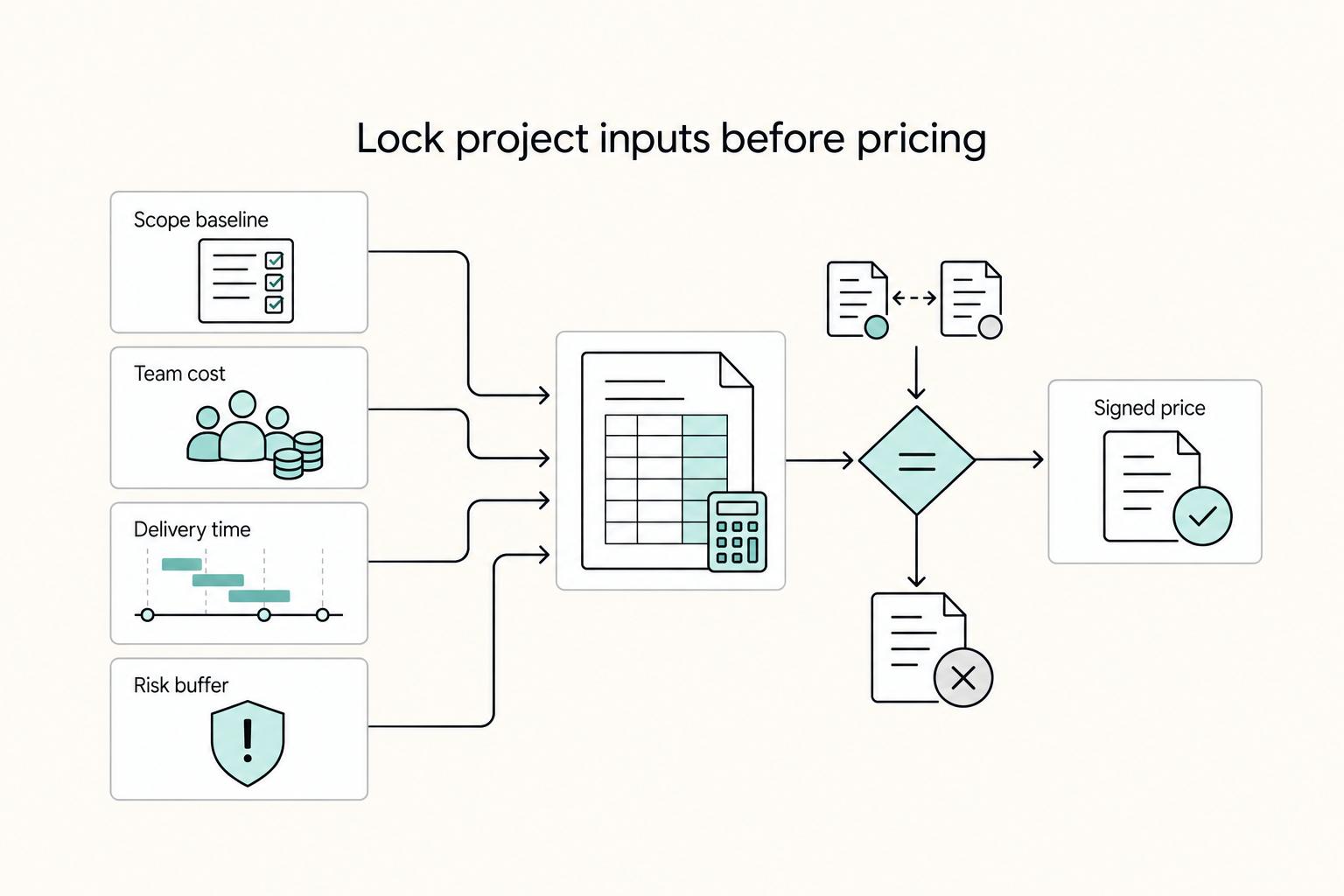
Manage Agency Project Profitability With Cashflow Checkpoints
Invoiced revenue can look healthy while cash is still unavailable. That gap is where a project that looks profitable can start to pressure routine operating costs such as payroll, rent, utilities, and equipment.

The Freelance Payment Penalty: A Modeled Audit of Platform Fees, FX Spreads, and Payout Delays
The money rarely disappears through a single, easy-to-spot fee. The real loss is stacked. A marketplace takes its commission, a processor adds a charge for international cards, a bank or payment company converts the currency at a spread, a platform holds the funds before release, and a wire sheds a little to intermediaries on the way in. Each layer looks defensible on its own, but the worker feels the combined result as a smaller deposit and a later payday.