
Operator playbooks for cross-border payments, tax, and compliance execution.
Step-by-step guidance for finance, product, and ops teams to launch faster, reduce payout friction, and keep reconciliation clean across borders.
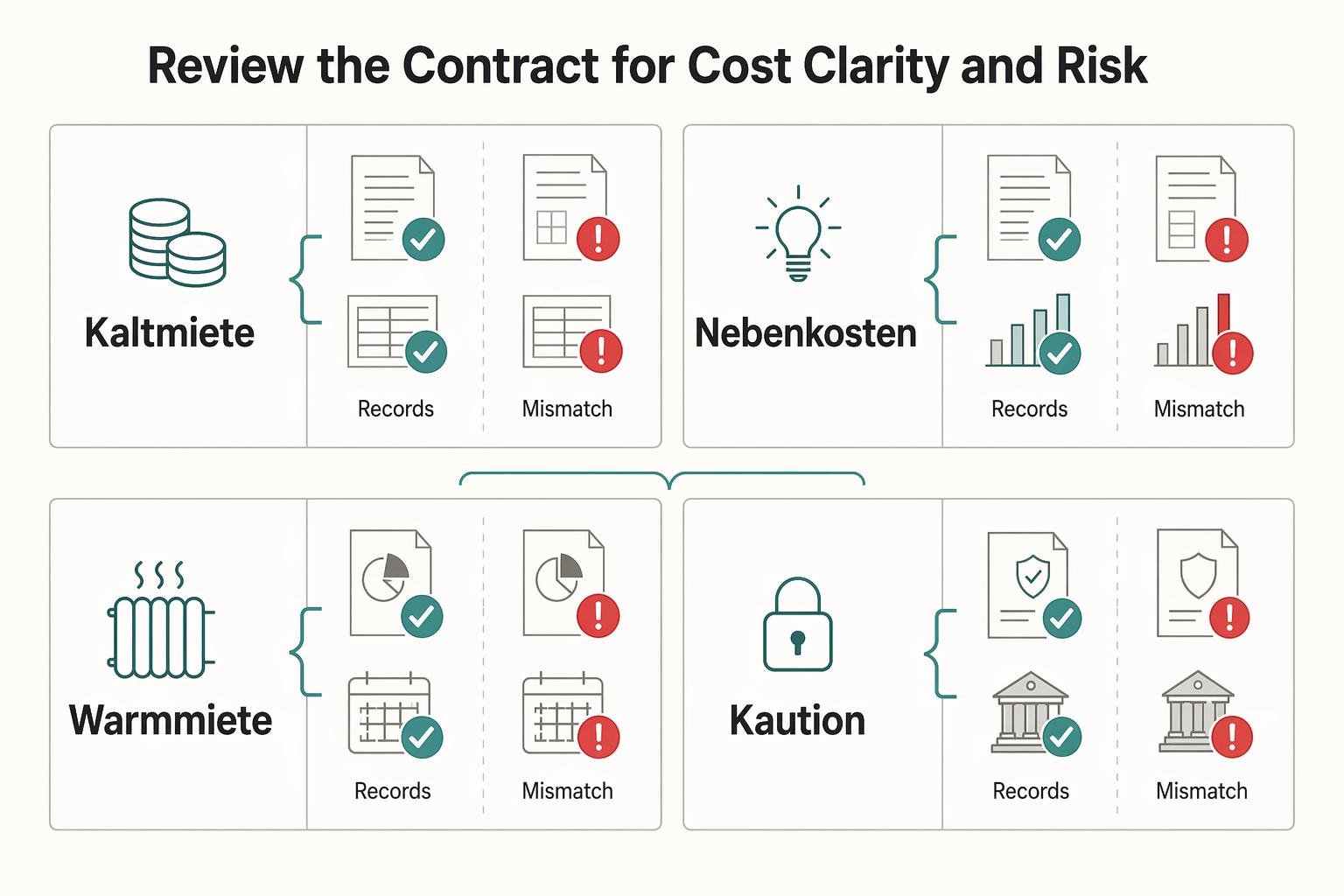
Renting an Apartment in Berlin: Dossier First, Search Second, Contract Last
**Treat renting an apartment in Berlin as a managed process, not a scramble.** Berlin is a tight, highly contested market, but the process is more predictable than it looks if you handle it in the right order. If you do three things in sequence, you improve your odds: build your dossier first, search with a ready file second, and slow down at contract review last. Most decisions turn on clarity and trust, not just income level.
Read more →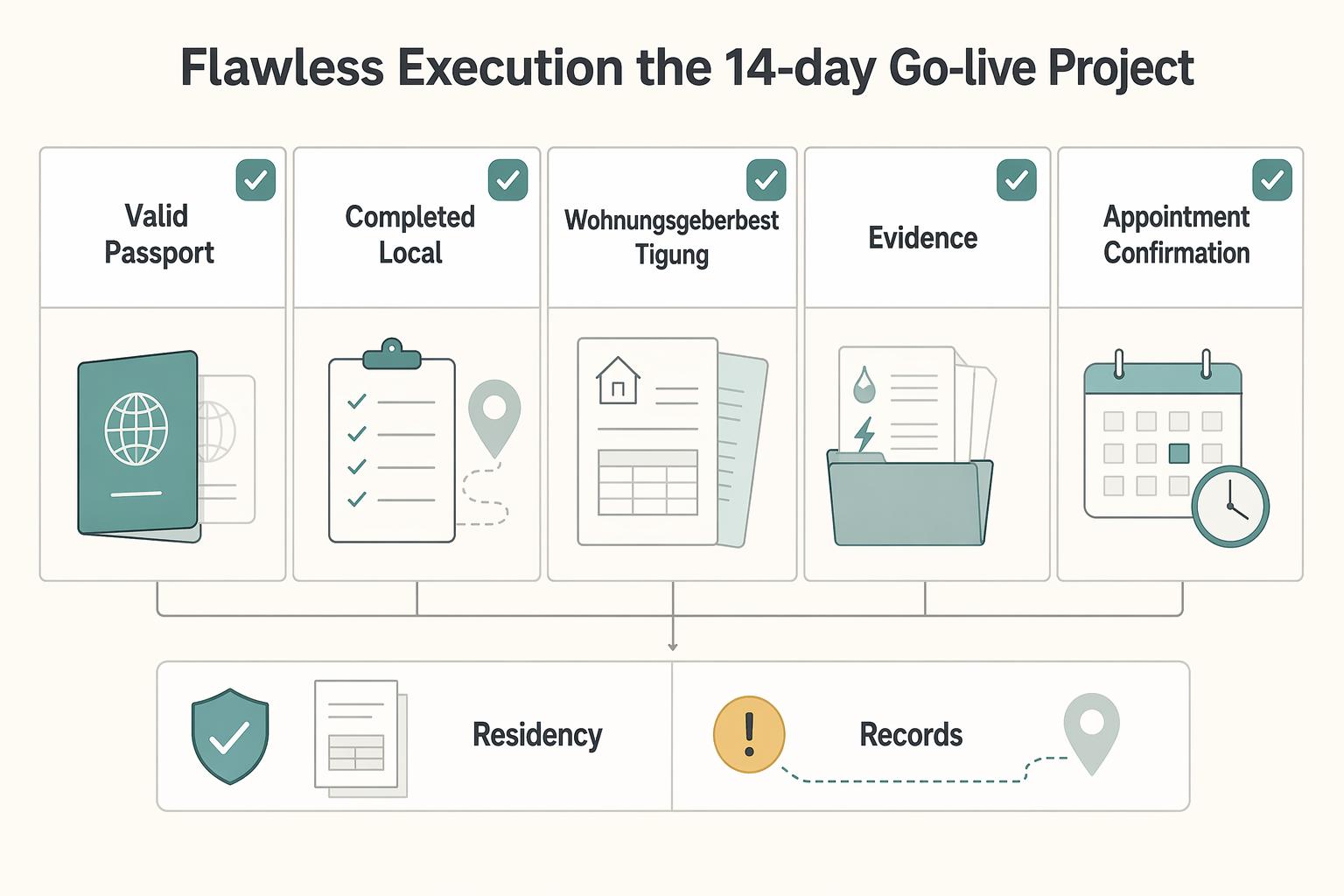
How to Do Your Anmeldung in Germany Without Delays
**Step 1. Treat address registration as your first local admin checkpoint.** If you are moving into a home in Germany, handle this within the first two weeks after move-in. Berlin service guidance says you generally have 14 days to register after moving in, and federal guidance uses the same [two-week window](https://www.bmi.bund.de/EN/topics/administrative-reform/registration/registration-node.html) once you have accommodation. If this step slips, the next tasks can slip with it. After registration, you receive the *Meldebestätigung*. For first-time registrants, the tax ID process starts once the registration office sends your data on.
Read more →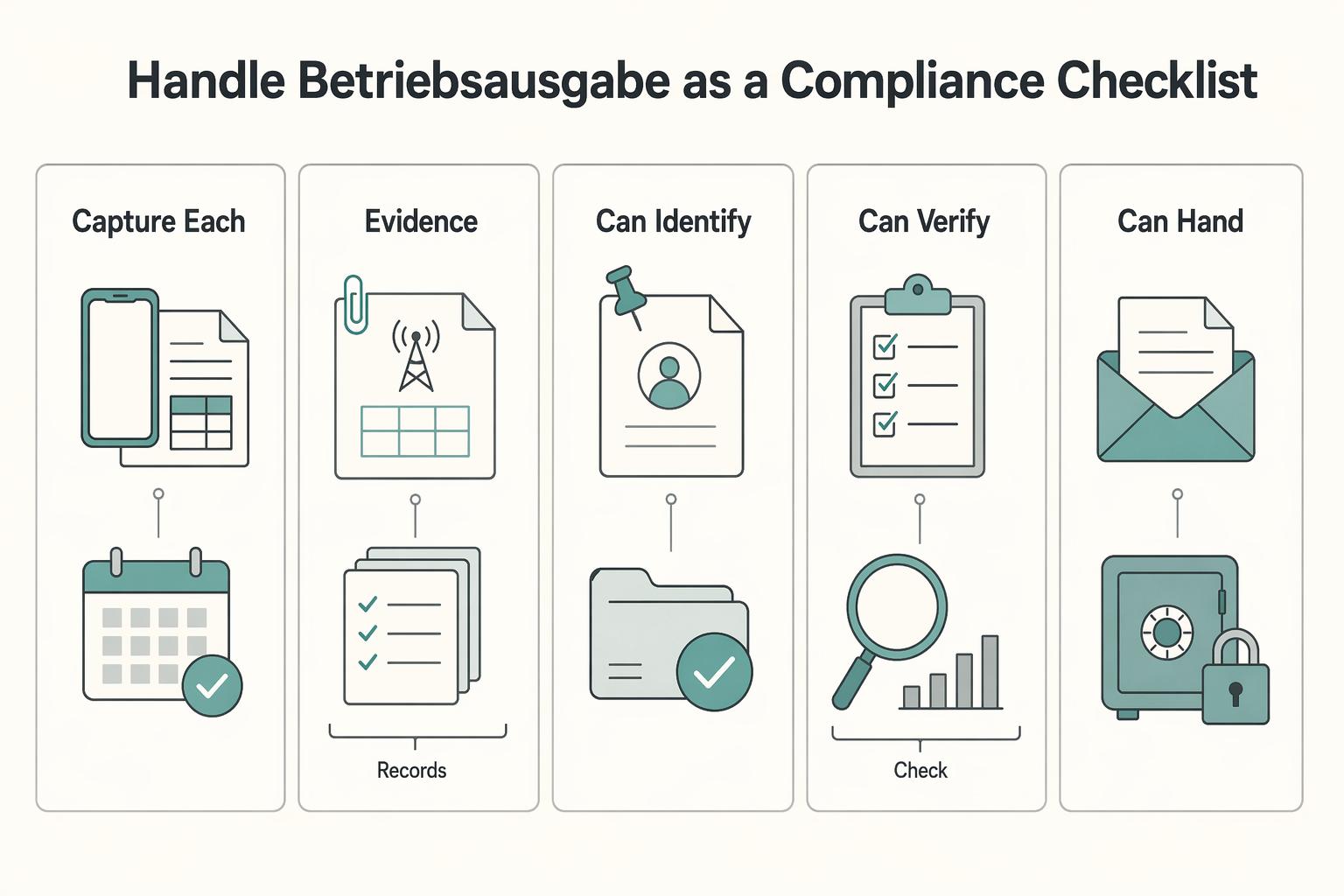
The Best German Mobile Phone Plans for Expats
If you work independently, the right mobile plan is the one that keeps you reachable, activates cleanly, and does not create admin drag. Your mobile plan is not a side purchase. It is part of your operating setup. It affects how reliably you stay reachable and how much setup work you need to handle.
Read more →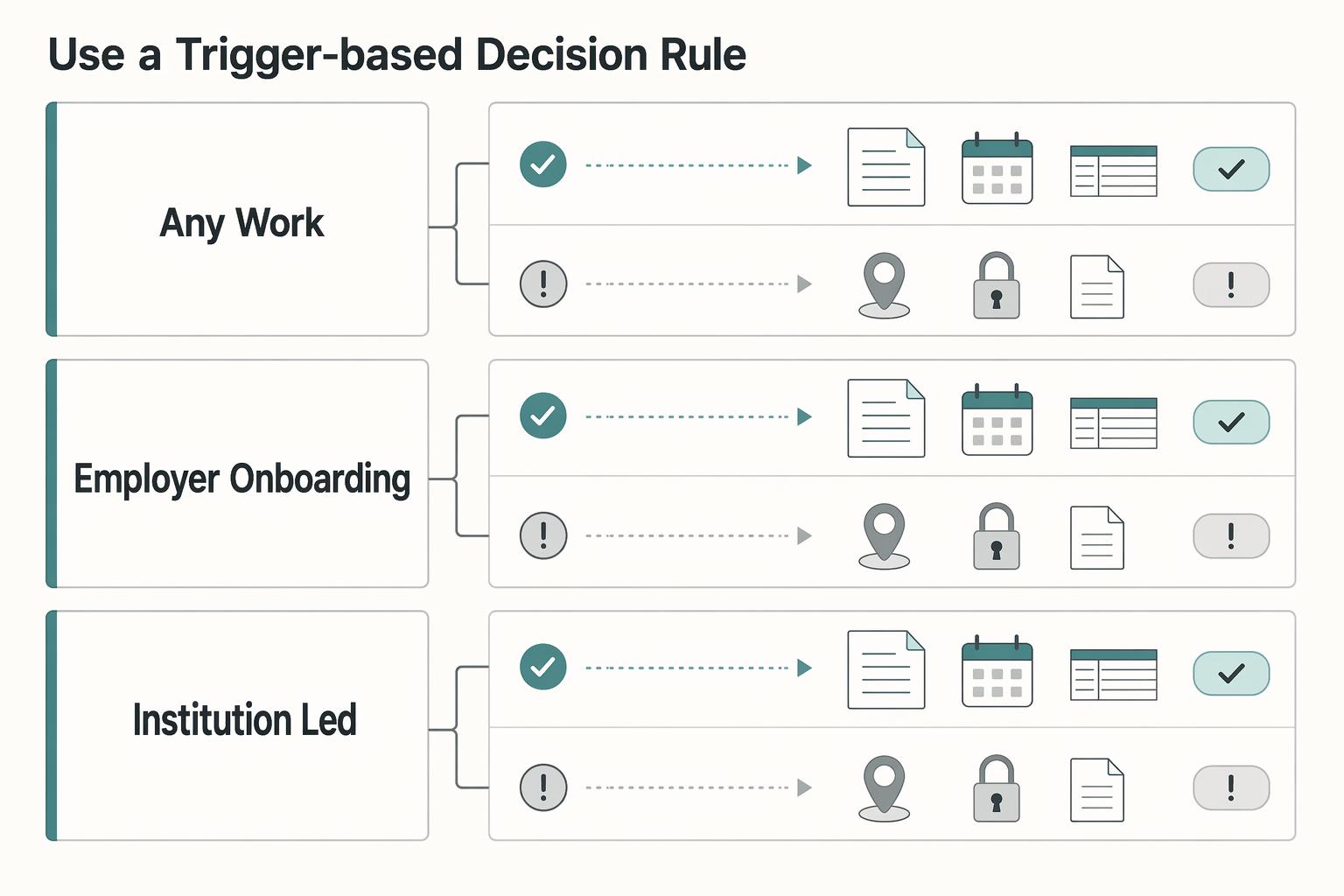
Mexico RFC Number for Foreign Freelancers
If you need an RFC in Mexico as a foreign professional, break the process into three phases: choose the right SAT registration route, complete it correctly, and then activate the credentials you need for invoicing and ongoing compliance.
Read more →
How to Get a KITAS (Temporary Stay Permit) in Indonesia
If you want to get a KITAS in Indonesia without avoidable trouble, do three things in order: match the permit to your real sponsor and work pattern, follow the filing sequence for your exact visa code, and plan for post-approval compliance from day one.
Read more →
The Best Business Bank Accounts for Canadian Sole Proprietors
If you want the right setup, start with your payment pattern, not the monthly fee. If most of your activity is in CAD, one domestic hub can be enough. When foreign receipts become meaningful, add an international gateway instead of forcing one account to handle both jobs poorly.
Read more →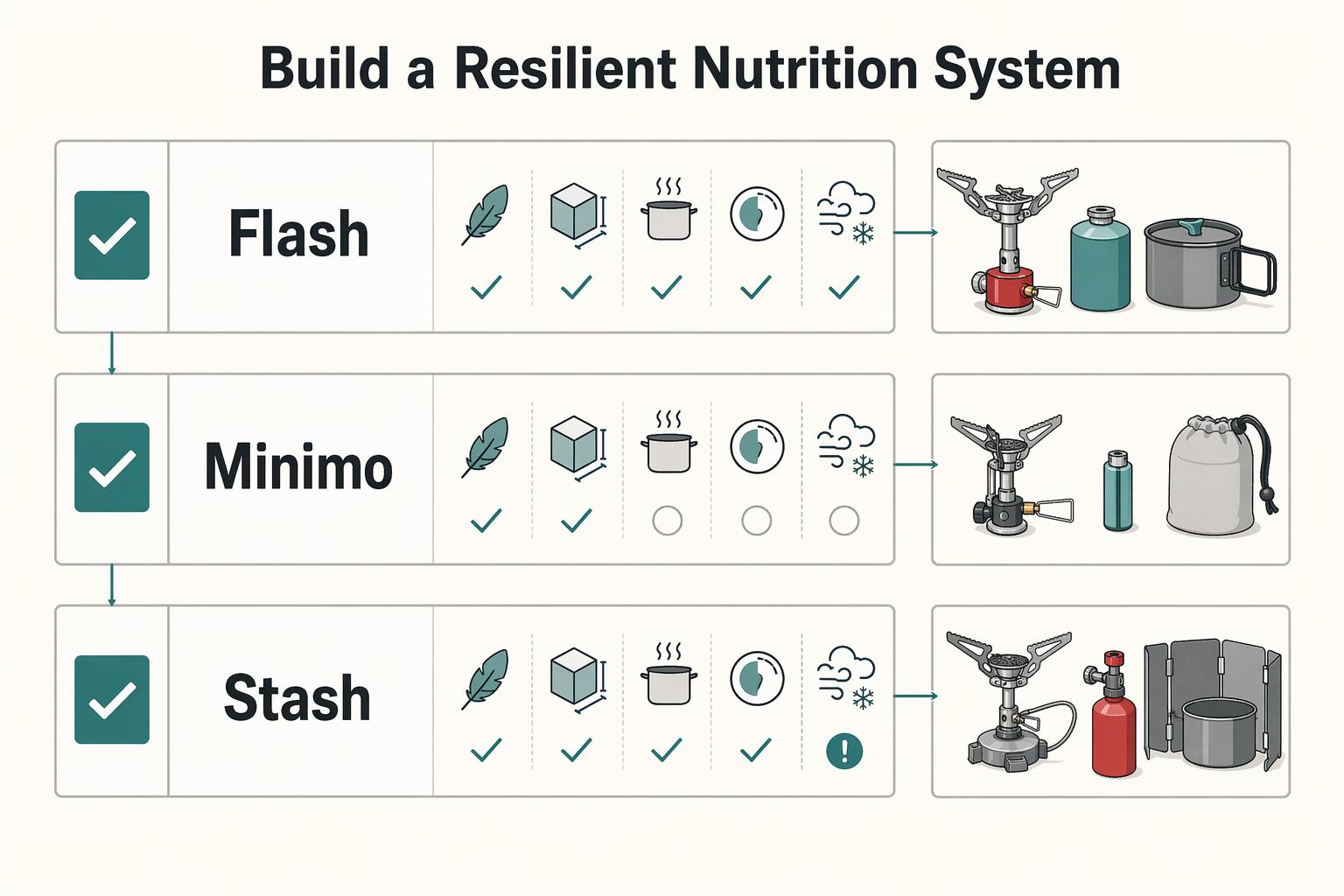
The Best Backpacking Stoves
Treat your stove as life support, not a casual gear pick. When you are cold, wet, tired, or pinned in camp by weather, hot water supports warmth, hydration, and food. The right stove is the one you can trust in your conditions, not the one that looks fastest on a product page.
Read more →
Altitude Sickness Planning for High-Altitude Travel
High altitude is manageable when you treat it as an oxygen-pressure problem early, not a toughness test after symptoms start. The main stressor is lower oxygen pressure, which means less oxygen is available to your body with each breath, and that drop can push you into hypoxia.
Read more →
Transfer Pricing for Small International Businesses with Related Entities
For a business of one operating across related entities, transfer pricing is mostly about execution. Document each related-party charge when it happens, choose the most reliable method you can actually support, and have the file ready before you file your return. If you wait until year-end, the evidence can be harder to rebuild and your method support can be easier to challenge.
Read more →
How to Hire Your First Salesperson
The decision to bring on your first salesperson begins not with a job description, but with a hard look in the mirror. This hire is an investment that goes far beyond salary; it's a strategic commitment of cash, time, and trust. Get this wrong, and you risk not only a significant financial loss but also damage to your brand and morale. Get it right, and you build the foundation for scalable growth.
Read more →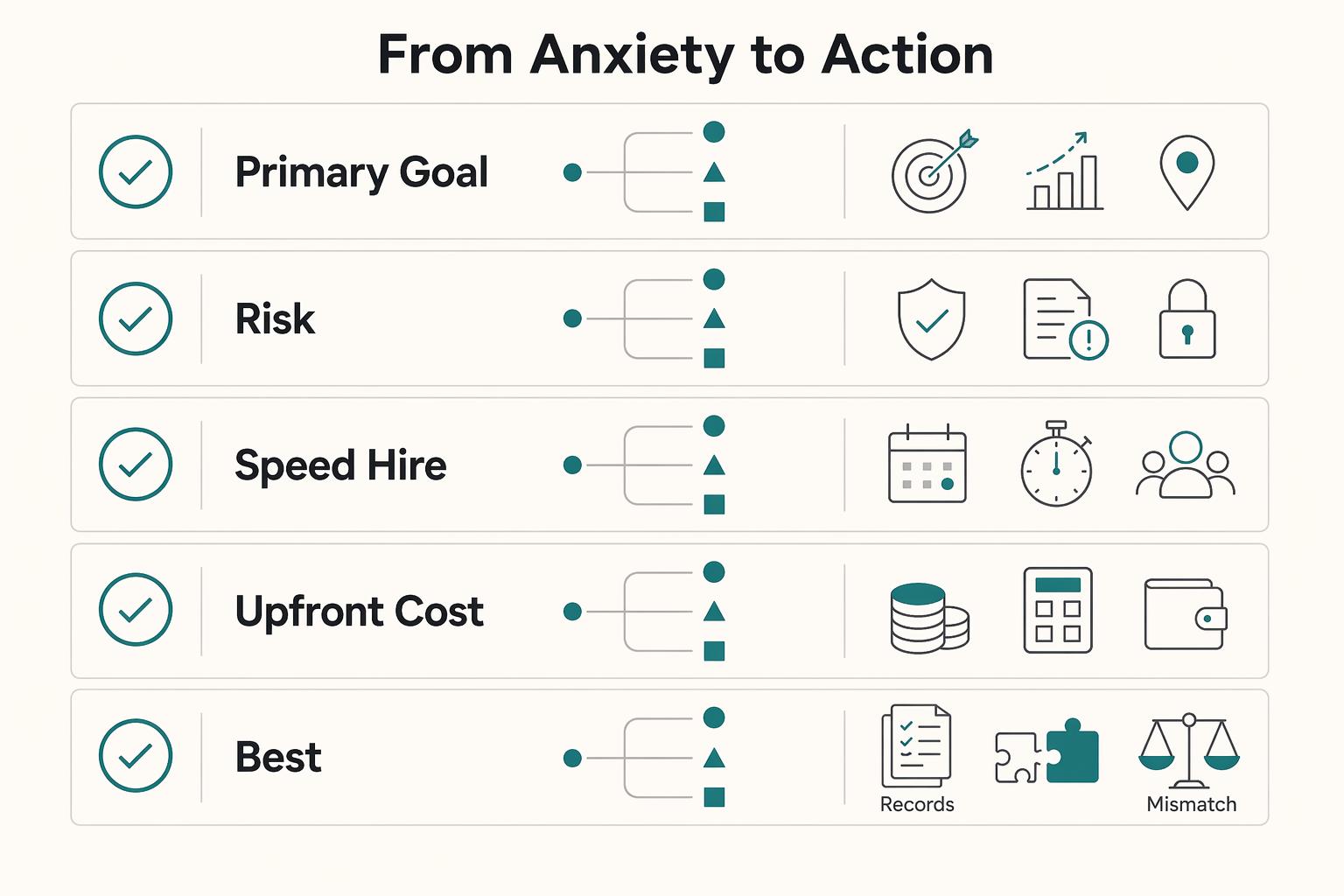
How to Hire Your First Employee in Germany
Moving from a tactical hiring checklist to a strategic market-entry playbook requires scanning the terrain for traps. Before you hire your first employee in Germany, you must understand a concept that poses a significant financial and legal risk to your global business: **Permanent Establishment**.
Read more →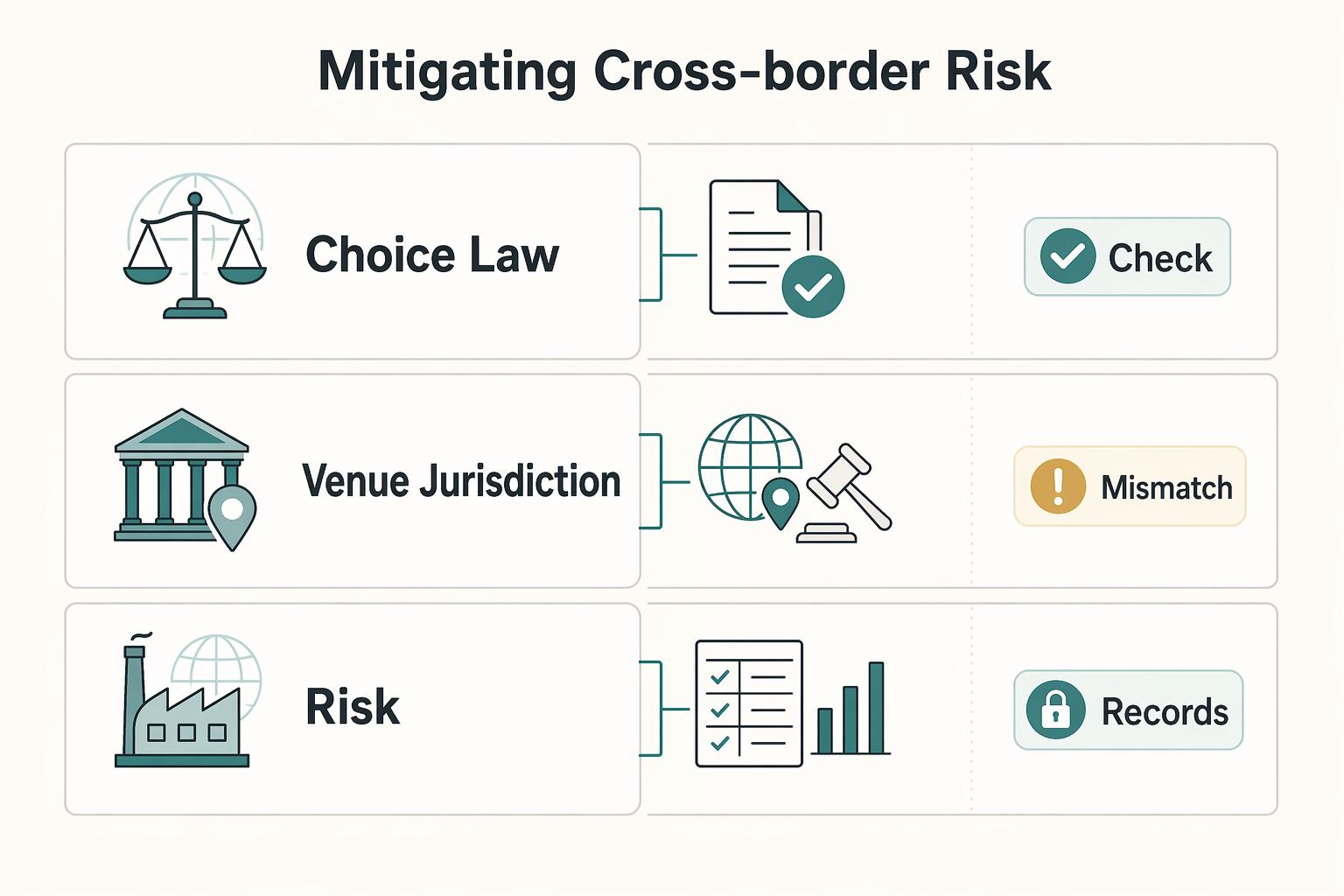
The 'At-Will' Employment Doctrine in the US Explained
If you are a true contractor, at-will employment is not the default. Your relationship with the client should be business-to-business, and a key risk is misclassification, not just contract termination.
Read more →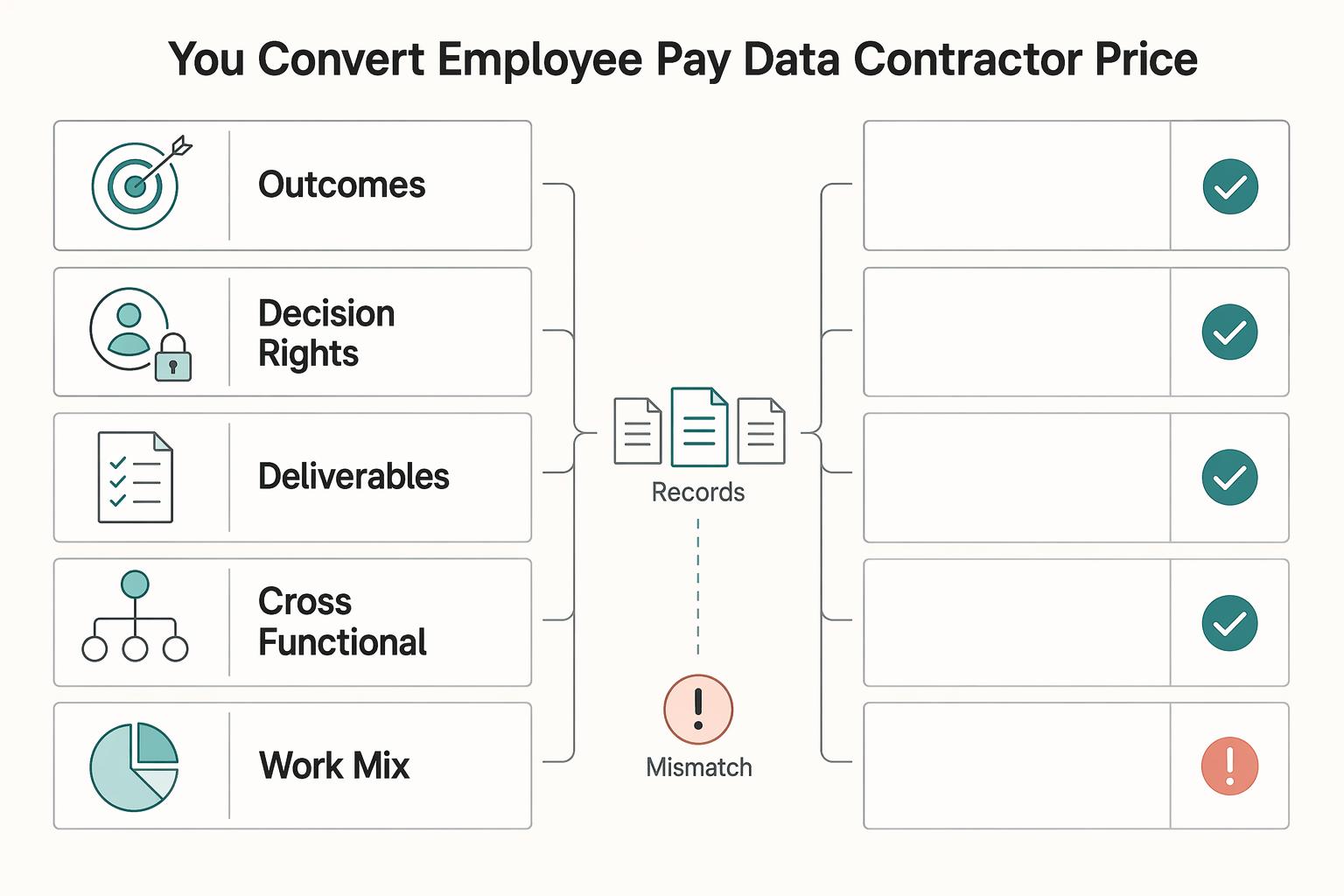
How to Comply with New York's Salary Transparency Law
Use the **new york salary transparency law** as pricing evidence only after you confirm the posting is actually in scope under current state or city guidance. A covered, current posting gives you a credible market anchor. A stale listing, a copied summary, or a misread edge case gives you weak negotiation support and makes the rest of your pricing logic harder to defend.
Read more →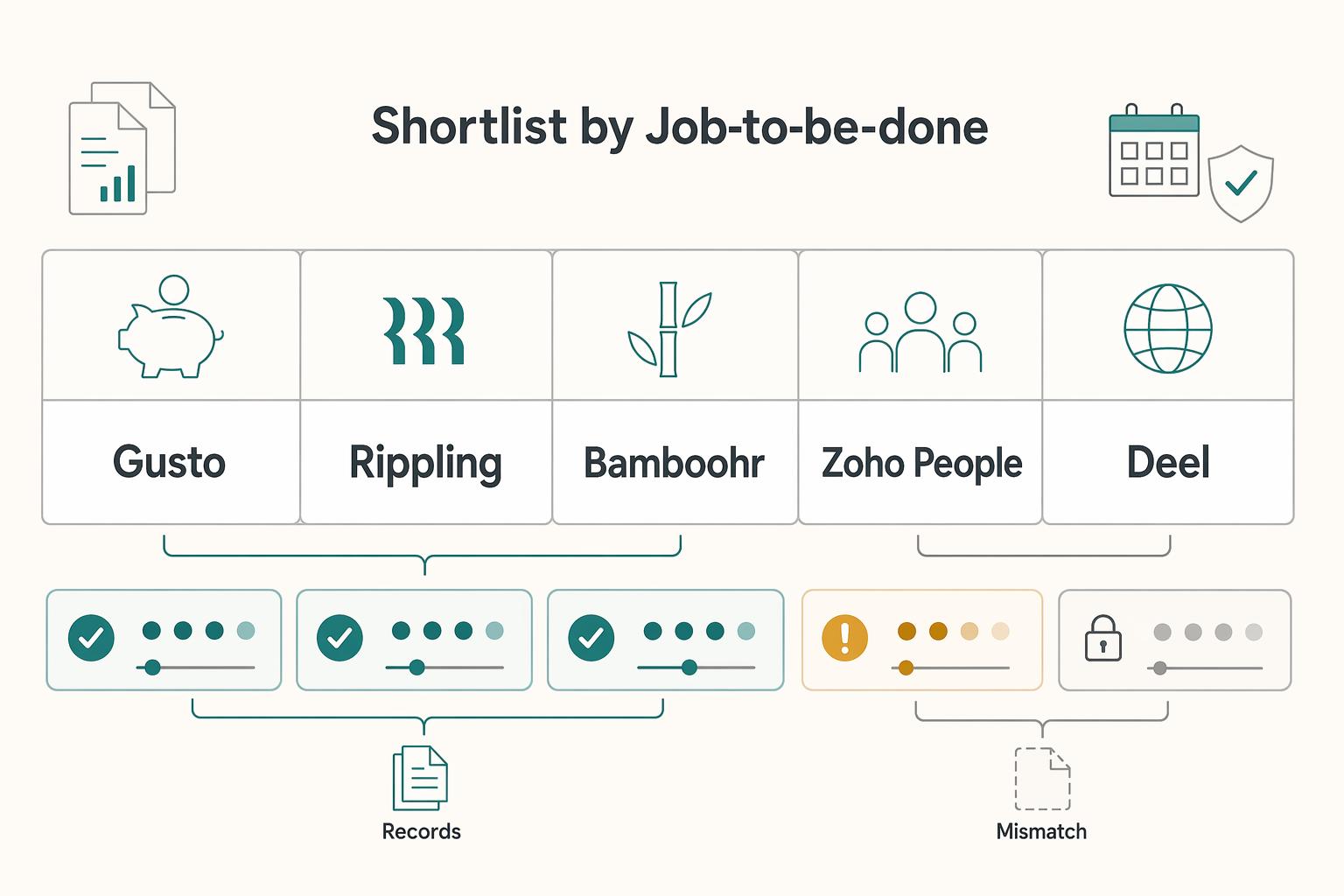
HRIS vs Payroll, EOR, and MoR for Small Businesses in 2026
Protecting revenue comes down to sequence. First, decide who carries payment and compliance liability. Next, make your invoices hard to reject. Then separate your money rails and lock terms before any work starts. Get that order right and many avoidable cash-flow problems show up earlier, when they are still easier to fix.
Read more →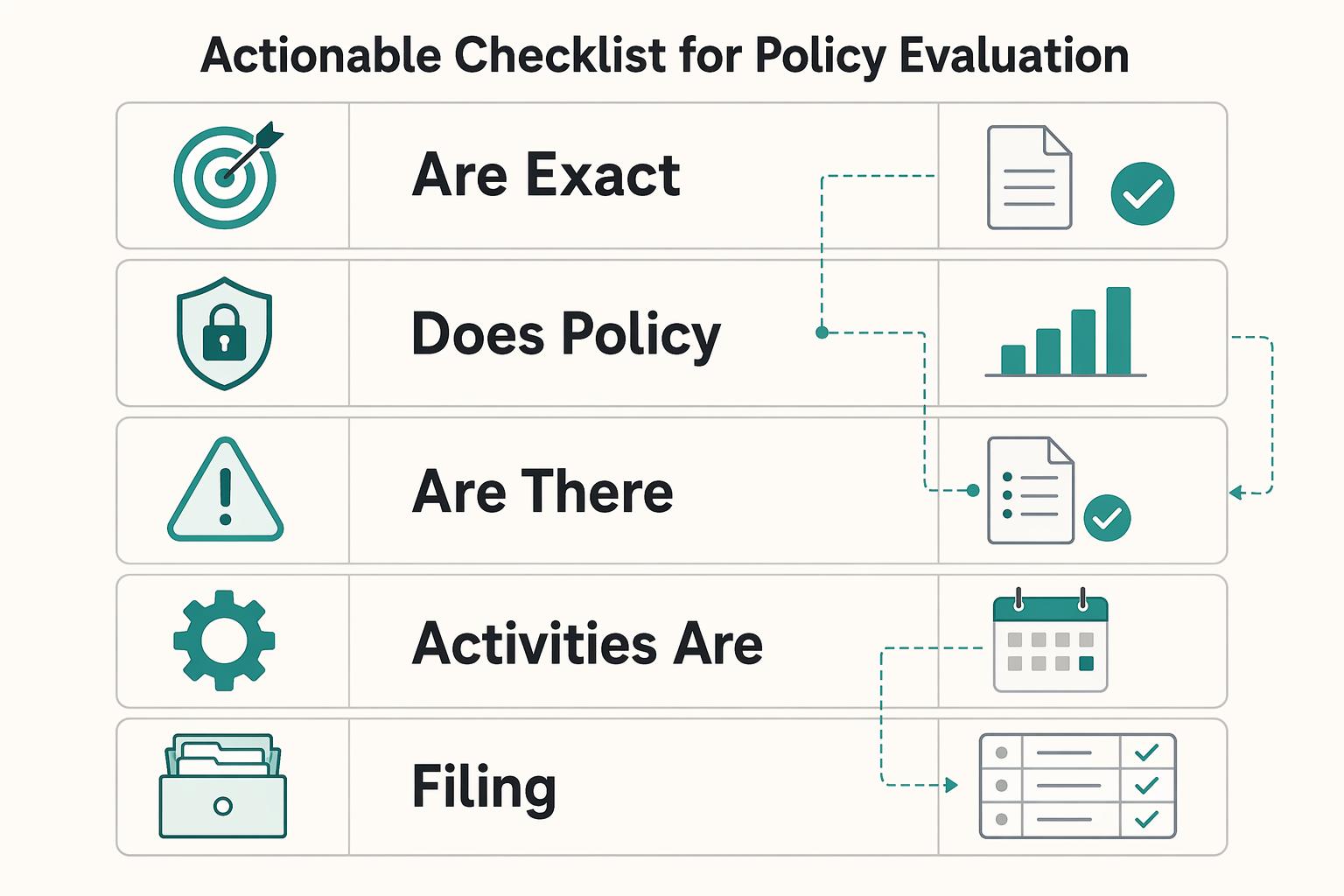
Workers' Compensation for Remote Independent Contractors: OAI, Contracts, and Liability
The shift from anxiety to advantage starts with dismantling one dangerous assumption many remote professionals make: that in a crisis, a client's insurance will protect them. That belief creates a serious risk hiding in plain sight. To build a resilient career, you first need to understand the legal and financial wall that separates you from a traditional employee.
Read more →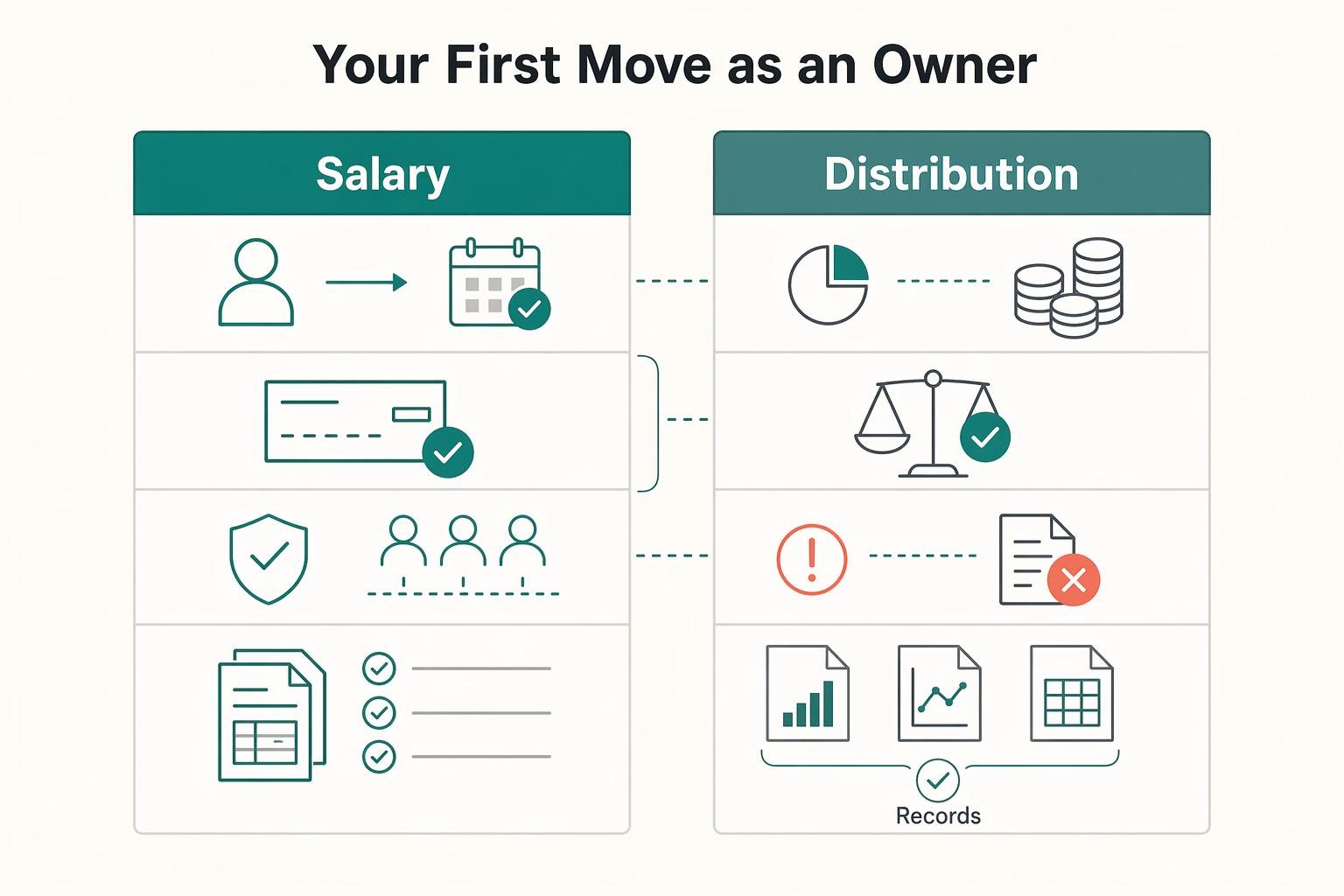
What is a 'Carried Interest' Loophole?
What many call the **carried interest loophole** is a dispute about tax character: whether a fund manager's profit share should be taxed like a **return on capital** or like **payment for services**. For you, this is more a decision lens than a tactic to copy.
Read more →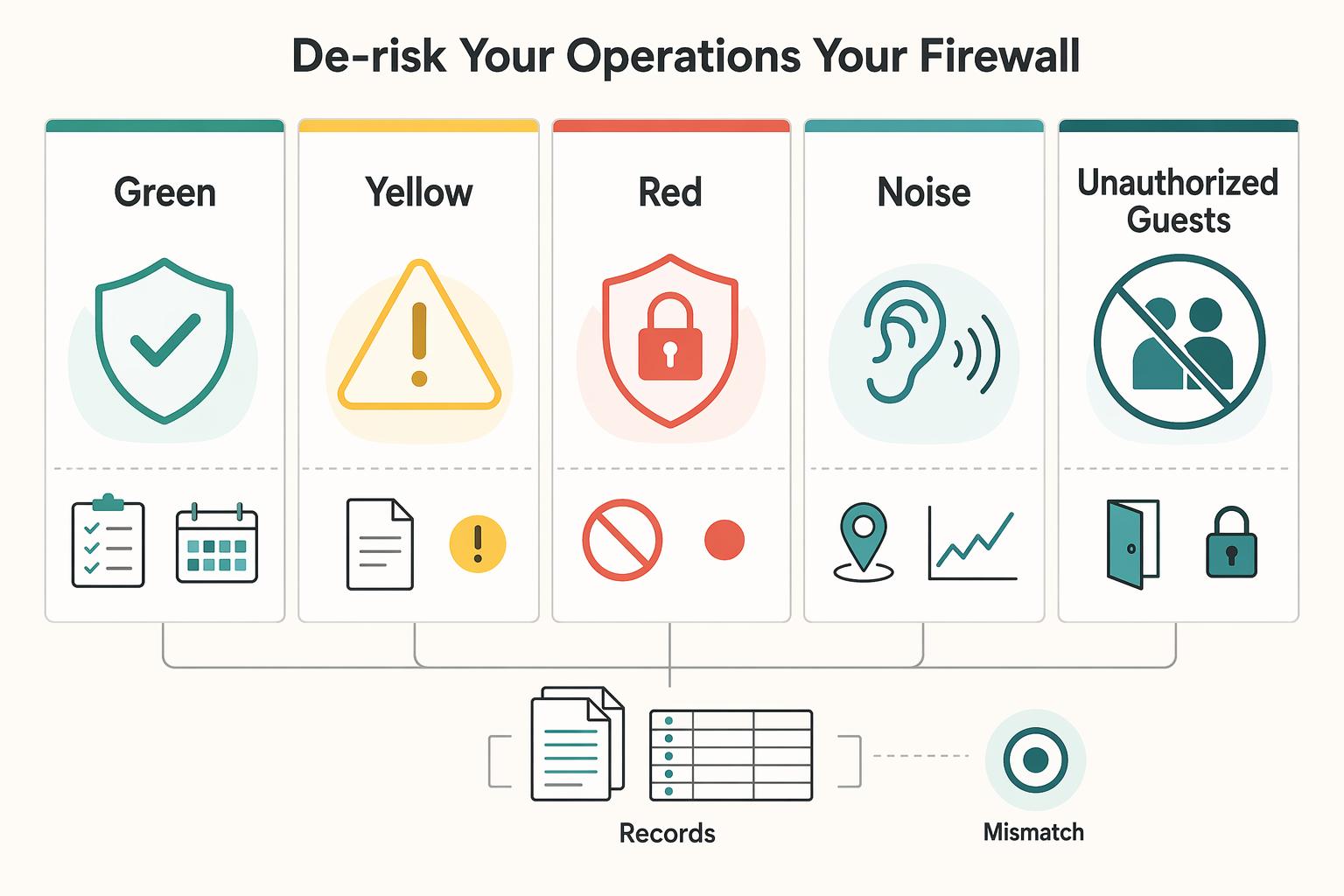
How to Become an Airbnb Superhost
You do not earn Superhost by chasing a badge. You earn it by running your listing like an asset, with controls, checkpoints, and fewer avoidable misses. If you're figuring out how to become an Airbnb Superhost, the first shift is not tactical. It's deciding what you're actually managing.
Read more →
How US Expats Should Handle the WEP Repeal
**Short answer:** WEP no longer reduces your own Social Security benefit calculation for benefits payable from January 2024 onward. That can matter if you worked in a job tied to a foreign social security system or another pension arrangement where Social Security taxes were not withheld.
Read more →
How to Report a Client to a Credit Bureau for Non-Payment
The silence after you send an invoice creates a specific kind of anxiety for any independent professional. A relationship that felt mutual suddenly turns into a chase, and it drains time and attention from work that actually moves your business forward. That anxiety is not inevitable. It usually comes from handling non-payment reactively instead of designing for it up front.
Read more →
Legal and Financial Pre-Departure Priorities for US Digital Nomads
Start here, not with flights. Decide your tax home and domicile, choose your legal structure, set up your account-reporting workflow, and check residency risk. If any of those four pieces are unclear, wait to book travel.
Read more →