
Quick Answer
Start by aligning your sponsor route with what you will actually do in Indonesia, then execute the filing sequence for your exact visa code. To get kitas in indonesia safely, verify whether your class requires VITAS-to-ITAS conversion after arrival or provides e-ITAS at entry. After activation, keep your status usable by checking MERP before travel and handling NPWP and BPJS obligations when your stay and work pattern trigger them.
If you want to get a KITAS in Indonesia without avoidable trouble, do three things in order: match the permit to your real sponsor and work pattern, follow the filing sequence for your exact visa code, and plan for post-approval compliance from day one.
Securing a long-term stay permit, or KITAS, in Indonesia, is not just a bureaucratic hurdle. It shapes how securely you can live, work, travel, and stay compliant once you arrive. Many experienced professionals still get tripped up because the process often looks simpler on paper than it is in practice.
The safest way through is to treat this like a project, not a passive application. Choose the right route before documents start moving. Check each stage against the exact visa code in play. Treat approval as the start of compliance, not the finish.
This guide follows that logic in three phases: make the right strategic choice, execute the filing in the right order, and then keep the permit usable after approval.
Phase 1: The Strategic Decision Framework#
To reduce surprises, choose your sponsorship path before anyone starts collecting documents. The goal in this phase is simple: match your legal route to how you will actually live and work after arrival.
Choose your sponsorship logic before paperwork#
Your first real decision is whether your stay status should be tied to an employer or to a business structure. That choice drives sponsorship, allowed activities, compliance duties, and how hard it can be to change course later.
A work route is often the cleaner fit when you have one Indonesian sponsor and a defined role. Immigration material labels E23 as sponsored work, and the guidance ties this path to employment obligations. It also states a key risk clearly: your work must stay within the permit scope and your employment contract.
An investor-style or business route can fit better when your actual activity is director or commissioner work rather than standard employment. At least one business-investment visa page allows board-level activity in an established company. Depending on category, this route can include additional company-side evidence and post-entry commitment reporting.
The practical test is not what sounds more flexible. It is which route matches what you will really be doing once you are in Indonesia.
Turn the acronyms into practical meaning#
The terminology matters because each label refers to a different point in the process:
| Term | What it means | Process note |
|---|---|---|
| VITAS | Limited-stay entry visa | Gets you onto the limited-stay entry track |
| ITAS | Limited-stay permit status | This is the active stay permission |
| KITAS | Card or evidence of limited-stay status | One form of evidence of limited-stay status |
| e-ITAS | Electronic limited-stay permit used in some eligible categories | Some eligible travelers receive it on arrival |
In practice, the sequence is straightforward. VITAS gets you onto the limited-stay entry track. ITAS is the active stay permission. KITAS is one form of evidence, and some categories issue e-ITAS.
What you should not do is assume one universal activation flow. One immigration source says VITAS holders must process KITAS within 30 days after arrival. Some eVisa pages say eligible travelers automatically receive e-ITAS and a Re-Entry Permit on arrival and do not need an immigration-office visit. Check your exact visa index page before travel, and confirm timing validity too. Multiple eVisa pages state the visa must be used within 90 days from issue.
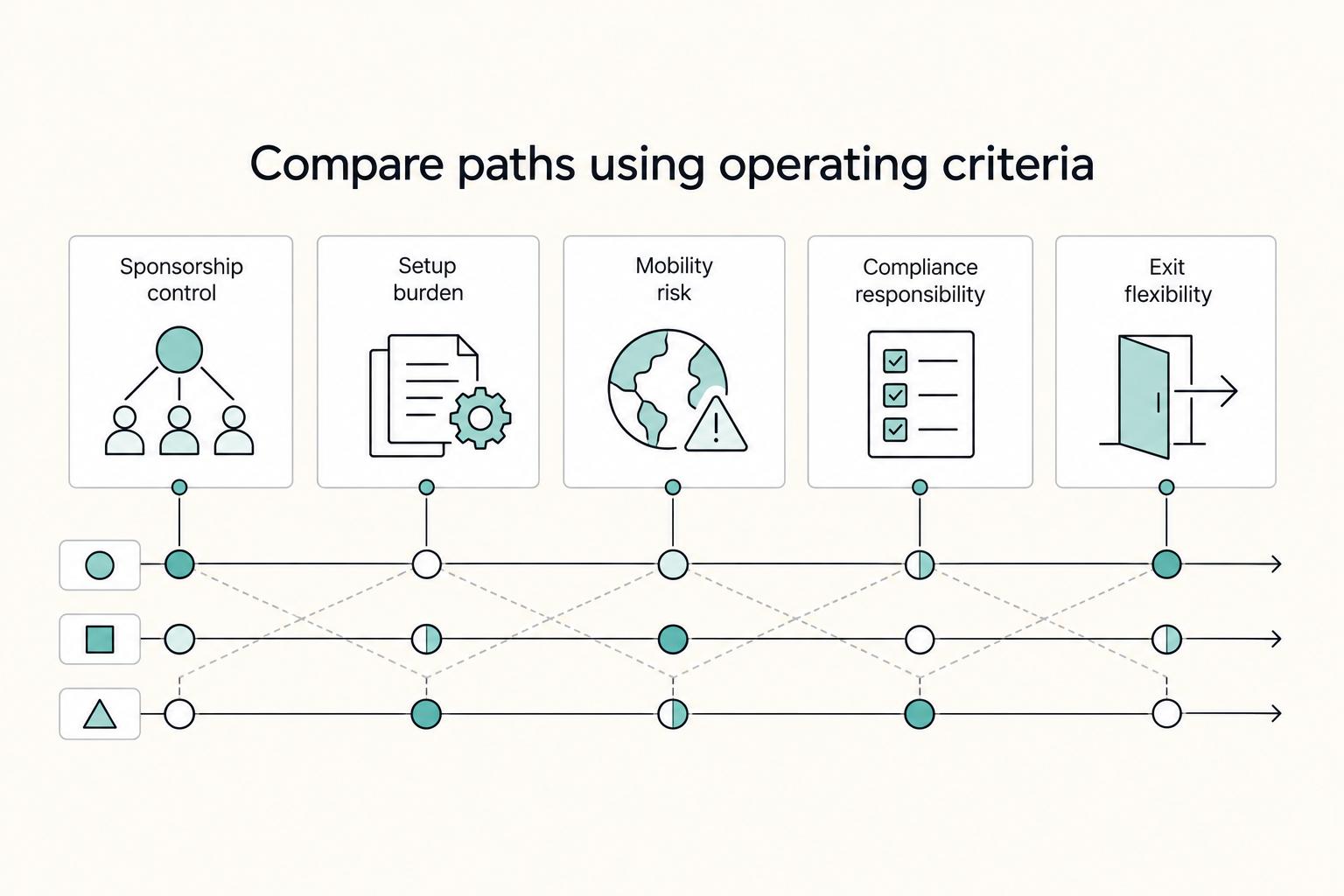
Compare paths using operating criteria#
Once the terms are clear, compare the routes by how they behave in real life, not by how they are marketed.
| Decision criterion | Work KITAS (for example, E23 sponsored work) | Investor-style or business route |
|---|---|---|
| Sponsorship control | Tied to employer or hiring-entity sponsor | Tied more closely to a company structure you control or help establish |
| Setup burden | Can be lighter if the sponsor is ready | Can be heavier when company and role evidence must align early |
| Mobility risk | Risk rises if the contract ends or activity drifts outside permit scope | Less tied to one employment contract, but category and company-side compliance still matter |
| Compliance responsibility | You and sponsor must keep activity aligned with contract and permit scope | You and your advisors may need to manage company-side evidence and category-specific reporting commitments |
| Exit flexibility | Switching structures usually means re-checking sponsor/category requirements | Switching structures still requires category-level checks and may trigger new filings |
| Best fit if... | You are an employee with one Indonesian sponsor and a clear job scope | You are a director or commissioner and want the route aligned with that role |
Use the table as a behavior check, not a marketing filter. If your real day-to-day work is standard employment, do not force an investor narrative.
Run a misconception and risk checklist#
Most costly mistakes start with a wrong assumption, not a missing document. Run this check before you commit to a route:
| Issue | Grounded point | What to verify |
|---|---|---|
| Family route and work | Family status is not automatic work authorization, and one spouse-linked flow requires an Indonesian spouse application | Whether employment is permitted on the exact family route |
| Categories that prohibit work | Some visa pages state: "You are prohibited from doing work or employment" | Whether the exact category allows the planned activity |
| C317 family reunification | Published validity is six months to two years, but it is not open to everyone with family ties in Indonesia | Permitted activities, re-entry treatment, and commitment requirements by visa index |
| Post-entry commitments | At least one employment-linked route and at least one business or investment route include a 90-day post-entry obligation | Which 90-day reporting or commitment window applies |
- Family status is not automatic work authorization. Family-reunification guidance restricts eligibility, and one spouse-linked flow requires an Indonesian spouse application. Even with a family route, verify whether employment is permitted.
- Some stay categories explicitly prohibit work. Visa pages can state: "You are prohibited from doing work or employment." Check that your exact category allows your planned activity.
- Alternative routes require category-level checks. C317 is a limited-stay family reunification class with published validity from six months to two years, but it is not open to everyone with family ties in Indonesia. If you are comparing it with business or investment routes, verify permitted activities, re-entry treatment, and any commitment requirements by visa index.
- Post-entry commitments can still create failure points. At least one employment-linked route includes a 90-day after arrival commitment window, including Manpower notification examples. At least one business or investment route also includes a 90-day post-entry reporting duty.
If you are weighing simplicity now against control later, choose the path that matches your real sponsor, real work, and your fallback plan if that sponsor relationship changes. That alignment is what makes Phase 2 workable instead of improvised.
If you want a deeper dive, read the Global Digital Nomad Visa Index.
Phase 2: Run the filing as a gated project#
To reduce delays, run this like a gated project: lock the route first, file offshore second, then confirm your onshore activation rules by visa code.
Split your workflow by sponsorship path before filing#
Do not mix routes into one evidence pack. Choose one path, then keep all documents, reviewers, and approvals tied to that path from the start.
| Path | Route-critical dependency | What you must confirm before submission |
|---|---|---|
| Investor route (E28A) | Sponsor (penjamin) is required, and filing runs through an active eVisa account | Your sponsor is ready to submit, your ownership or role setup matches the route, and your evidence package is complete |
| Work route (E23) | Company sponsor must complete the manpower-side dependency first, including RPTKA, before work-visa submission | Your role, contract scope, and labor-sector proof requirements are aligned before immigration filing |
If your shareholding is below the stated investor threshold, but you hold a director or commissioner role, treat that as a route-switch trigger. Revalidate under the work route before anyone submits.
Execute by stage, not by guesswork#
Run the case by stage. Each stage has its own gate, and most delays happen when people blur them together.
| Stage | What you do | Investor route (E28A) | Work route (E23) | Timing field to verify before launch |
|---|---|---|---|---|
| Preparation | Build the route-correct file and owner list | Confirm sponsor readiness, eVisa account, and investor-specific evidence | Confirm sponsor readiness, RPTKA dependency, and work-route evidence | Investor: use current official route page value; Work: use current official route page value |
| Offshore visa processing | Submit and track the official sequence | Follow sequence: requirements check -> payment verification -> approval -> issuance | Follow the current route sequence on the active work-code page | Investor reference includes "5 working days after payment is received"; treat this as route-specific, not universal |
| Onshore conversion / activation | Confirm what activates on arrival for your exact code | Some routes can auto-issue e-ITAS + Re-Entry Permit if conditions are met | Some routes may still require post-arrival reporting or conversion steps | Validate the current code-level rule set, including any 30-day or 90-day obligations, before travel |
Keep one distinction front and center: visa validity and stay period are different controls. Do not plan your entry date and your permitted stay as if they run on the same clock.
Use a rejection-resistant checklist format#
A strong checklist should do more than list documents. It should show who supplies each item, which format rules matter, and where rejections usually happen.
| Requirement item | Who provides it | Format rules to confirm | Common rejection cause | Recheck before submission |
|---|---|---|---|---|
| Sponsor submission + eVisa account (Investor E28A) | Sponsor | Active account and route-matched filing profile | Applicant assumes self-filing is enough | Sponsor can log in and submit on your selected code |
| Share ownership proof (Investor E28A) | Applicant + company records | Must meet stated ownership threshold format/value | Ownership evidence does not match route claim | Threshold, currency equivalence, and role narrative are internally consistent |
| 3-month bank statement (Investor E28A, minimum USD2000) | Applicant | Statement period and minimum balance threshold must be visible | Incomplete period or unclear balance evidence | Statement window, currency, and identity details are legible and current |
| RPTKA dependency (Work route) | Sponsor company | Must be completed before work-visa submission | Work filing started before the manpower dependency clears | RPTKA status is confirmed and documented in your file |
| Labor-sector proof / contract-scope evidence (Work route) | Sponsor company + applicant | Must match current work-route checklist wording | Contract or role evidence conflicts with claimed activity | Role, contract scope, and visa activity permissions align |
This is where applications fail quietly. The documents may exist, but the route logic, role narrative, and filing code do not match.
Control payment and handoffs#
Payment discipline is one of the easiest ways to reduce preventable risk. Only pay through the billing code generated in the official system and designated payment channels. If an agent asks for payment outside that flow, pause immediately and escalate before funds move.
Vet your visa agent with a due-diligence scorecard#
A good agent makes the route clearer. A weak one hides uncertainty behind confidence. Before you rely on anyone, check whether they can show how your case actually moves through the system.
| Checkpoint | How you verify | Escalation trigger | Red flag |
|---|---|---|---|
| Route logic accuracy | Ask the agent to map your facts to E23 vs E28A in writing | Their route logic conflicts with your role or shareholding facts | "We can file either way first and fix later" |
| Submission traceability | Require billing-code screenshots and status updates by stage | They cannot show system-stage evidence | Requests for off-system payment |
| Dependency control | Ask for a dependency checklist, including RPTKA for the work path and sponsor readiness for the investor path | Dependencies are described vaguely or skipped | "No need to wait for that step" |
| Timeline discipline | Require route-specific ranges, not one blanket promise | They promise fixed universal timing for every code | Guaranteed issuance date or guaranteed approval |
| Compliance posture | Ask how they handle post-entry obligations and route differences | They treat all arrivals as identical | "No risk if you miss activity limits or reporting windows" |
If any requirement is unclear for your exact code, stop and verify before submission. Overstay or prohibited activity can lead to fines, deportation, or other legal charges.
Related: How to Write Compelling Case Studies for Your Portfolio.
Before you lock your application path, run a quick side-by-side check with the Visa for Digital Nomads.
Phase 3: The Post-Acquisition System#
Once your KITAS or ITAS is active, approval is not the finish line. First verify what activated at entry, then handle tax setup, then keep BPJS, travel, and annual filing under control.
| Compliance area | Trigger or timing | What to check |
|---|---|---|
| Entry activation | Immediately after entry | Save the permit record, record any 90-day commitment-reporting deadline, and confirm whether a commitment statement is needed before extension |
| NPWP | More than 183 days in 12 months and intent to reside | Apply once subjective and objective requirements are met |
| BPJS | Foreigners working in Indonesia for at least 6 months | Confirm enrollment completion or employer registration evidence |
| Travel and annual filing | Before each international trip and by 31 March each year | Confirm re-entry permit status and calendar SPT Tahunan Orang Pribadi |
Verify what activated at entry#
Do not assume your post-entry status activated exactly as the pre-approval documents suggested. Check your exact visa class against current immigration records and the evidence held by your sponsor or agent.
For some eVisa classes, the residence permit and re-entry permit are issued automatically at entry. Some classes also require commitment-compliance reporting within 90 days after entry.
Do this immediately:
- save your permit record
- record any 90-day commitment-reporting deadline
- confirm whether your code includes a commitment statement that must be fulfilled before extension
Register for NPWP when you meet the tax test#
Tax setup should follow your actual stay pattern, not guesswork. NPWP is your taxpayer number for Indonesian tax administration. If you are in Indonesia for more than 183 days in 12 months and intend to reside, DJP guidance says you carry the same tax payment and reporting obligations as Indonesian citizens. Operationally, this affects filing and tax-administration oversight.
Use this checklist:
- confirm whether you already meet, or soon will meet, the residency test
- apply for NPWP once subjective and objective requirements are met
- keep the current PTKP reference pending until it is verified against current official source records before use
Run BPJS as two tracks (health vs employment)#
Treat BPJS as two separate compliance tracks. Immigration approval does not mean social-security enrollment is complete.
| Program | What it covers | Primary responsibility | What you verify |
|---|---|---|---|
| BPJS Kesehatan | Health insurance | Confirm process owner with your sponsor/employer (and agent, if used) | Enrollment completion and whether your current extension practice asks for proof |
| BPJS Ketenagakerjaan | Work accident, death benefit, old-age savings (JHT), pension | Sponsor/employer (at minimum, non-state employers are required to register workers for JHT) | Employer registration evidence and which employment-related coverage currently applies |
Foreigners working in Indonesia for at least 6 months are within BPJS participant scope. Do not assume this has been handled for you. Collect proof and keep it in your extension file.
Control re-entry and annual reporting on one calendar#
Travel and filing dates should live on one calendar, because they tend to collide when nobody owns them. Before each international trip, confirm your re-entry permit status. You can only exit and re-enter while that permit is valid. Do not assume one universal rule across all categories; keep the code-specific re-entry rule pending until it is verified against current official source records before use.
Then run a recurring compliance routine:
- keep salary records, invoices, bank statements, and sponsor documents in one folder
- prepare advisor handoffs before filing windows
- calendar SPT Tahunan Orang Pribadi for 31 March each year
That is what keeps renewal, travel, and tax filing from turning into last-minute exceptions.
You might also find this useful: A Guide to Indonesia's 'Second Home' Visa.
Conclusion: Securing Your Future with Confidence#
The safest way to handle this is through sequencing, not speed: choose the right permit path, complete the visa-to-stay process in order, then keep post-approval obligations current.
Phase 1: Choose the right path for your situation. Prioritize the investor route only when your ownership, role, and sponsor setup support it. One investor-visa requirement cites at least Rp10,000,000,000.00 in share ownership. If your structure may not meet that threshold, pause and verify the route before filing. If your activities are tied to employment with one employer, a work-linked path may be the clearer starting point.
Phase 2: Execute the application steps in order. Your Indonesia-based sponsor or guarantor submits the limited-stay visa request, and VITAS is the entry route before ITAS/KITAS. Then confirm your category-specific flow. Some eVisa categories state that e-ITAS and a re-entry permit are issued automatically at entry. Another pathway requires VITAS holders to report and convert to ITAS within 30 days after arrival. Also confirm visa-use timing, since some eVisa pages state use within 90 days from issue.
Phase 3: Keep compliance active after approval. After approval, treat residence, work scope, travel permission, tax, and social security as separate checks. Confirm MERP status before international travel, assess NPWP based on your tax position, and review tax residency triggers, including more than 183 days in 12 months plus intent to reside. For BPJS, use the stated foreign-worker threshold of 6 months of work in Indonesia.
What you do next: Use this quick check:
- Planning: Confirm sponsor type, permit category, and whether your case fits an investor path or a work-linked path.
- Applying: Verify your VITAS validity window, arrival timing, and whether your category follows 30-day ITAS conversion or auto e-ITAS issuance.
- Already holding KITAS: Recheck MERP, confirm whether NPWP applies, and verify BPJS timing against your actual work period.
Run it as a checklist to help keep your status both legally continuous and practically usable in Indonesia.
For a step-by-step walkthrough, see A Guide to Indonesia's KITAP (Permanent Stay Permit).
As you set up your post-KITAS compliance routine, track your residency timeline in the Tax Residency Tracker.
Frequently Asked Questions
How much does a KITAS in Indonesia cost?
There is no single total you should trust until your exact permit route is confirmed. Ask for an itemized quote that separates government charges, service fees, sponsor or company costs, and any extension or cancellation fees. One cited excerpt specifically references DKP-TKA of US$ 1,200 in a work-permit case, while investor fee treatment is conditional and should be rechecked.
What is the realistic timeline for getting a KITAS?
Use a written process map, not a generic number. This guide does not give one official current processing timeline, and one cited source splits the flow between overseas pre-KITAS work-permit initiation and an on-arrival start for the working KITAS application. Get a stage-by-stage plan from your sponsor or agent that covers offshore steps, post-entry steps, and required documents, then avoid booking flights, ending housing, or setting a work start date until that plan is confirmed in writing.
Can I work in Indonesia on a Spouse KITAS?
Do not assume that a spouse-sponsored KITAS includes work authorization. Treat paid work as requiring a separate work-authorized route through the employing company, and confirm company, position, and location scope before starting work.
What is the difference between an Investor KITAS and a Work KITAS?
The practical difference is pathway and scope. A Working KITAS is described as legal work-and-stay authorization tied to a sponsoring company, and cited guidance limits work scope to what is stated in the permit. Investor-related fee treatment is described as conditional, not universal, and one cited source also describes 12-month extendable treatment for Directors or Commissioners versus 1-6 month non-extendable treatment for some temporary roles. Do not assume multi-company or multi-location work is allowed by default, because cited guidance says extra employers may need separate permits; if work is not extended, one cited source says an EPO is required, with one working day for issuance and departure within seven days of the stamp.
How do I choose a reliable KITAS agent?
Choose the agent who can clearly document your legal sponsor path, permit scope, filing city, and fee breakdown. A strong agent is specific and written about sponsor identity, permit limits, and documents, while a weak agent stays vague, promises approval, or blurs residency rights with work authorization. Request a written scope, a recent checklist sample, and client references before payment, and avoid any agent who cannot explain city or location constraints where cited guidance ties issuance to office location and branch documentation.
Try a related tool
Researched and edited by the Gruv editorial team. Gruv builds cross-border billing, payouts, and finance-operations software for global businesses.
Sources
Includes 6 external sources outside the trusted-domain allowlist.
- state.gov/reports/2024-investment-climate-statements/i...trusted
- state.gov/report/custom/2966373564-2trusted
- balibusinessconsulting.com/faqs-about-applying-for-investor-kitas-indon...external
- cekindo.com/blog/kitas-indonesiaexternal
- consular.embassyofindonesia.org/visa/genv/LSV/getstarted.htmlexternal
- evisa.imigrasi.go.id/front/faq/975cb069-7126-4c5f-8f1d-2cba5d1a9ee5external
- evisa.imigrasi.go.id/front/faq/c56b2134-7505-4771-852a-1bbdd37eae76external
- imigrasi.go.id/wna/daftar-visa-indonesia/E28Aexternal
Educational content only. Not legal, tax, or financial advice.
Related Posts

The 2026 Global Digital Nomad Visa Index for 50+ Countries
Start with legal fit, not lifestyle filters. The practical order is simple: choose a route you can actually document, then decide where you want to live. That single change cuts a lot of wasted comparison work and stops you from falling in love with places that were never a real filing option.
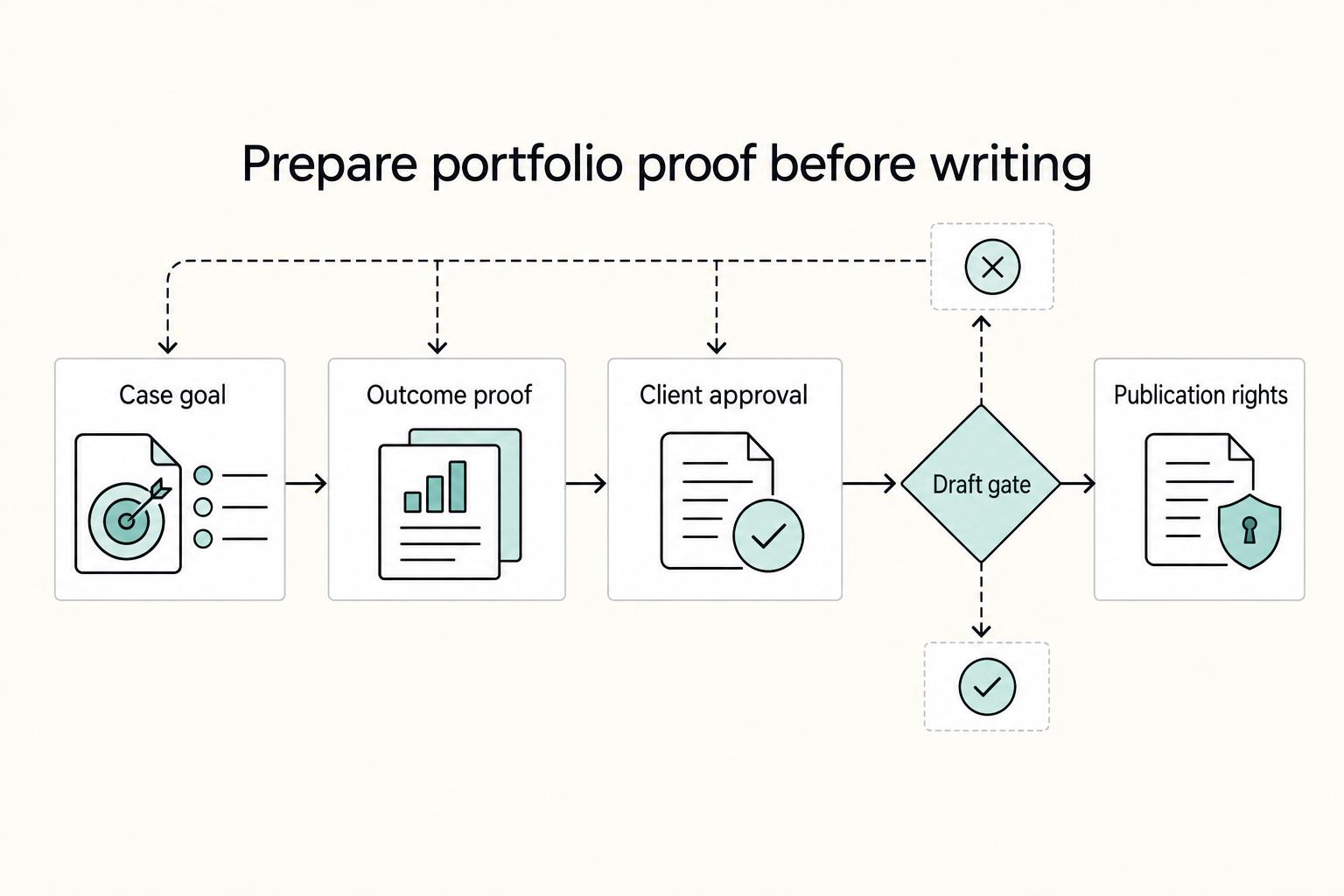
How to Write Compelling Case Studies for Your Portfolio
Treat your case study as buyer decision evidence, not as a polished recap of work you enjoyed doing. To build trust, give the reader enough real context and proof to answer one question: should they trust your judgment on a project like theirs?
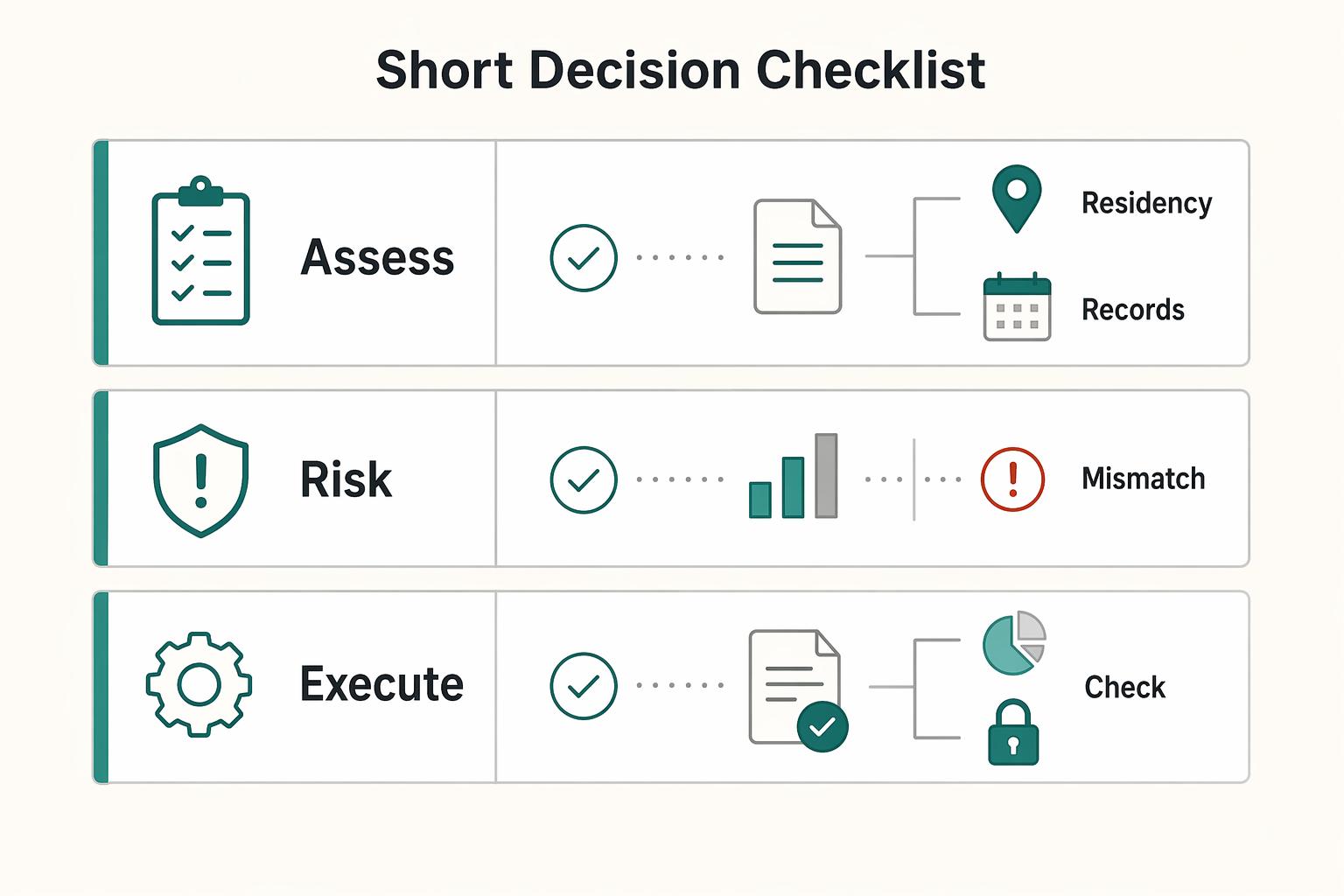
Should You Choose Indonesia’s Second Home Visa for a Long Stay?
Treat this as a go/no-go business decision, not a lifestyle pitch. There may be upside in a longer-stay base, but only if you verify the operating rules before you commit money, contracts, and relocation timing. Your risk check comes down to three definitions: