
Quick Answer
Choose reliability first: for best mobile plans germany, begin with a preconfigured eSIM for your first days, then move to a permanent setup once your admin documents are ready. The practical sequence is arrival connectivity, contract-risk review, and monthly optimization. In Germany, that means checking whether your plan includes calls or data-only service, confirming your cancellation route, and keeping invoice records for Betriebsausgabe documentation. Treat lower sticker prices cautiously if they add activation delays, unclear roaming terms, or support friction.
Introduction: Don't Choose a Phone Plan. Deploy a Business Asset.#
If you work independently, the right mobile plan is the one that keeps you reachable, activates cleanly, and does not create admin drag. Your mobile plan is not a side purchase. It is part of your operating setup. It affects how reliably you stay reachable and how much setup work you need to handle.
If you're comparing mobile plans in Germany, use a simple lens: reliability first, admin friction second, total cost of ownership third. Price matters, but a cheaper plan can stop being cheap if activation is slower than expected or contract terms create avoidable friction.
A few terms matter up front. eSIM means a digital SIM, so you can switch carriers or run multiple plans without swapping a physical card. That makes it a strong arrival tool because setup can take just a few taps. The checkpoint is simple: most new phones support eSIM, but check device compatibility before you rely on eSIM activation.
You will also see short-term and longer-term options, including SIM-only business deals positioned as flexible. In practice, this usually means choosing between a fast temporary bridge and a more settled long-term plan. This guide follows that sequence:
- Phase 1
Get connected quickly with the least admin friction. Start with the fastest workable option for your device, often eSIM if supported.
- Phase 2
Build your permanent setup. Compare provider options on reliability, flexibility, and the real cost of staying reachable.
- Phase 3
Tighten the setup for ongoing work. Review travel use and contract terms, including red flags like mid-contract price rises. One featured SIM-only business offer, for example, starts at £17 per month on a 24-month term and later rises to £19.50. That is a good reminder to read beyond the headline price.
Phase 1: The First 72 Hours - Your "Land and Connect" Strategy#
For your first 48 to 72 hours, optimize for immediate reachability, not the lowest price. The goal is simple: set up before departure, activate on arrival, and avoid choices that force a rushed decision after you land.
Before you fly#
Use this pre-departure checklist:
- Confirm your eSIM setup works while you still have stable Wi-Fi.
- Follow the provider activation sequence in advance, then switch it on when you land.
- If your product has an identity-verification step, complete it before travel when possible.
- Save your activation details, such as setup steps and support contact, so you can retry quickly.
Pick the plan type based on what you need in this first window:
- If you need calls, texts, or SMS verification, confirm the product includes a local number with calls/texts.
- If you only need internet access, a data-only eSIM may be enough.
- For short use, 3-day or 7-day options can fit better than a 30-day bundle.
- As a practical estimate, 3 to 5 GB usually covers maps, messaging, and light browsing.
| Option | Activation friction | Reliability confidence | Number availability | Risk of delays |
|---|---|---|---|---|
| Digital eSIM (set up before departure) | Low | High if setup is completed pre-flight and activated on arrival | Only when the product explicitly includes calls/texts | Setup error or wrong product choice (for example, data-only when you need SMS/calls) |
| Premium prepaid after arrival | Medium | Medium once activated | Must be confirmed before purchase | Purchase and setup happen after landing |
| Airport kiosk fallback | Medium to high | Variable | Must be confirmed before purchase | Time pressure and limited comparison |
At landing#
Activate immediately. The practical checkpoint is being connected before baggage claim. Test in order:
- Mobile data
- One outbound call (if your plan supports calling)
- Inbound SMS (if you depend on verification codes)
If activation fails, retry basic troubleshooting first and keep your original setup details nearby. Use an airport kiosk only if you need same-hour connectivity and your preloaded option is still not working.
Day one#
Use dual SIM intentionally:
- Keep local data on the new line.
- Keep your home number active for existing client contacts and verification traffic.
- This helps you avoid unnecessary roaming usage, including day-based home-carrier charges that can run around ten dollars per day.
Phase 1 done when all four are true:
- Mobile data works without Wi-Fi.
- You can receive the verification traffic you still depend on.
- You know whether your temporary line includes a local number or is data-only.
- You have a clear fallback for the next 24 hours.
Phase 2: The First 30 Days - Building Your Permanent Comms Foundation#
In your first month, optimize for stable day-to-day operations, not launch speed. Use a simple sequence: prepare your admin documents, shortlist plan types by how you actually work, then sign only after you confirm exit and bookkeeping details.
1. Secure the admin kit before you compare offers#
Prepare your documents before you start checkout. That usually means your Anmeldung record if completed, Girokonto details if opened, your passport or residence documents, and the address you want on invoices. These do not automatically approve any contract, but they can reduce delays when identity, billing, or residence details are checked.
| Item | Status cue | Article note |
|---|---|---|
| Anmeldung record | If completed | Can reduce delays when identity, billing, or residence details are checked |
| Girokonto details | If opened | Can reduce delays when identity, billing, or residence details are checked |
| Passport or residence documents | Prepare before checkout | Can reduce delays when identity, billing, or residence details are checked |
| Invoice address | Use the address you want on invoices | Can reduce delays when identity, billing, or residence details are checked |
Before applying, make sure your name and address format match across documents. Small mismatches can stall activation. Save clean scans or photos in one folder so you can reuse them for support or number transfer.
2. Shortlist the plan type, not just the logo#
Choose your operating model first: direct operator contract, MVNO monthly plan, or prepaid. Germany's prepaid segment is substantial, with source material citing over 40 million active prepaid SIM cards and describing strong supermarket-brand presence, including ALDI Talk and Lidl Connect. The same material also notes that some lower-cost prepaid options can run on the same underlying Telekom network as higher-priced offers, so price alone is not enough to decide.
| Plan type | Best fit | Contract flexibility | Network priority behavior | Hotspot / tethering | Roaming handling | Multi-SIM availability | Support quality | What to verify before you commit |
|---|---|---|---|---|---|---|---|---|
| Direct operator contract | Reliability-first usage where missed calls are costly | Check whether a Laufzeitvertrag applies and confirm term, renewal, and notice rules | Ask how traffic is handled under congestion; do not assume parity with other offers | Confirm allowed use and limits | Confirm EU and non-EU terms in writing | Ask if extra SIMs are offered for tablet/router/watch | Confirm channels and response path for urgent issues | Cancellation route, invoice format, identity-check method, relocation proof requirements |
| MVNO monthly plan | Value-flex setup with changeability | Confirm exact cancellation and renewal mechanics | May use a major network, but priority behavior can differ | Verify allowances and restrictions | Verify policy and any limits | Verify availability and cost if offered | Test app/chat/email responsiveness before porting your main number | Downloadable invoices, cancellation workflow, written confirmation process |
| Prepaid supermarket brand | Controlled spend or interim setup while admin details settle | Usually easier to start; verify top-up and validity rules | Check current product sheet; some offers list LTE 25 / 10 Mbit/s | Verify line-by-line | Verify line-by-line | Often limited; confirm directly | Often lighter-touch; confirm available channels | ID-check steps, top-up method, recharge instructions, interruption prevention |
If you choose prepaid, test one recharge in week one. A newcomer example: burning through credit in two weeks and then getting stuck during top-up because even the Guthabenkarte flow was unclear.
3. Commit only after the contract-risk check#
Before signing, confirm these points and save proof:
| Checkpoint | What to confirm | Article note |
|---|---|---|
| Renewal terms | Exact notice process | Save proof |
| Identity-check flow | What happens after a failed attempt | Save proof |
| Invoice delivery | Whether the format works for bookkeeping | Save proof |
| Relocation proof | Required proof if you relocate | Save proof |
| Sonderkündigungsrecht after Abmeldung | Current cancellation terms directly from the provider | Do not assume trigger, timing, or proof standard without checking current terms |
If you plan around Sonderkündigungsrecht after Abmeldung, do not assume the trigger, timing, or proof standard. Check the current terms and save them.
Phase 2 done means:
- You have a stable primary plan aligned to your real work pattern.
- You have a documented exit path with saved terms, invoice access, and relocation-proof notes.
You might also find this useful: The Best International SIM Cards and eSIMs for Digital Nomads.
Phase 3: Keep a repeatable monthly routine for devices, roaming, and invoices#
After setup, your main gain comes from a repeatable monthly routine: keep one clear device layout, run one travel check before trips, and maintain one invoice trail your Steuerberater can review quickly.
1. Lock one connectivity layout, then verify it monthly#
Pick one setup you can run reliably, then verify in your account that every active line, device, and charge is visible and labeled.
| Setup | When it fits | Security posture to verify | Workflow friction to watch | Likely support limits to verify |
|---|---|---|---|---|
| Single SIM + hotspot | You work mostly from one phone | One handset can become a single point of failure | Tethering and battery management can interrupt work | Ask where hotspot usage and extra charges appear in account and invoices |
| Multi-SIM or shared data add-on | You work across multiple devices under one account | Confirm each SIM/device is authorized and visible | Lower switching friction if labels are clean | Ask how add-ons are named, billed, and handled if one SIM stops working |
| Dedicated data line | One device needs separate tracking | Confirm who can manage that line and access settings | More admin, but cleaner separation | Ask whether support treats it as a separate contract flow or part of the main account |
2. Run EU roaming as a standing pre-trip check#
Do not rely on memory. Before each trip, open the current roaming policy and save a copy.
| Check | Action | Timing |
|---|---|---|
| Roaming policy | Open the current roaming policy and save a copy | Before each trip |
| Roaming enabled | Confirm roaming is enabled in account settings and device settings | Before travel |
| Fair-use trigger | Check the current fair-use trigger in the provider's roaming policy | Checklist note |
| Surcharge logic | Check the current surcharge logic in the provider's roaming policy | Checklist note |
| Invoice match | Match travel dates to the next invoice | Catch unusual charges early |
Use this short routine:
- Confirm roaming is enabled in both account settings and device settings.
- Check the current fair-use trigger in the provider's roaming policy.
- Check the current surcharge logic in the provider's roaming policy.
- Match travel dates to the next invoice so unusual charges are caught early.
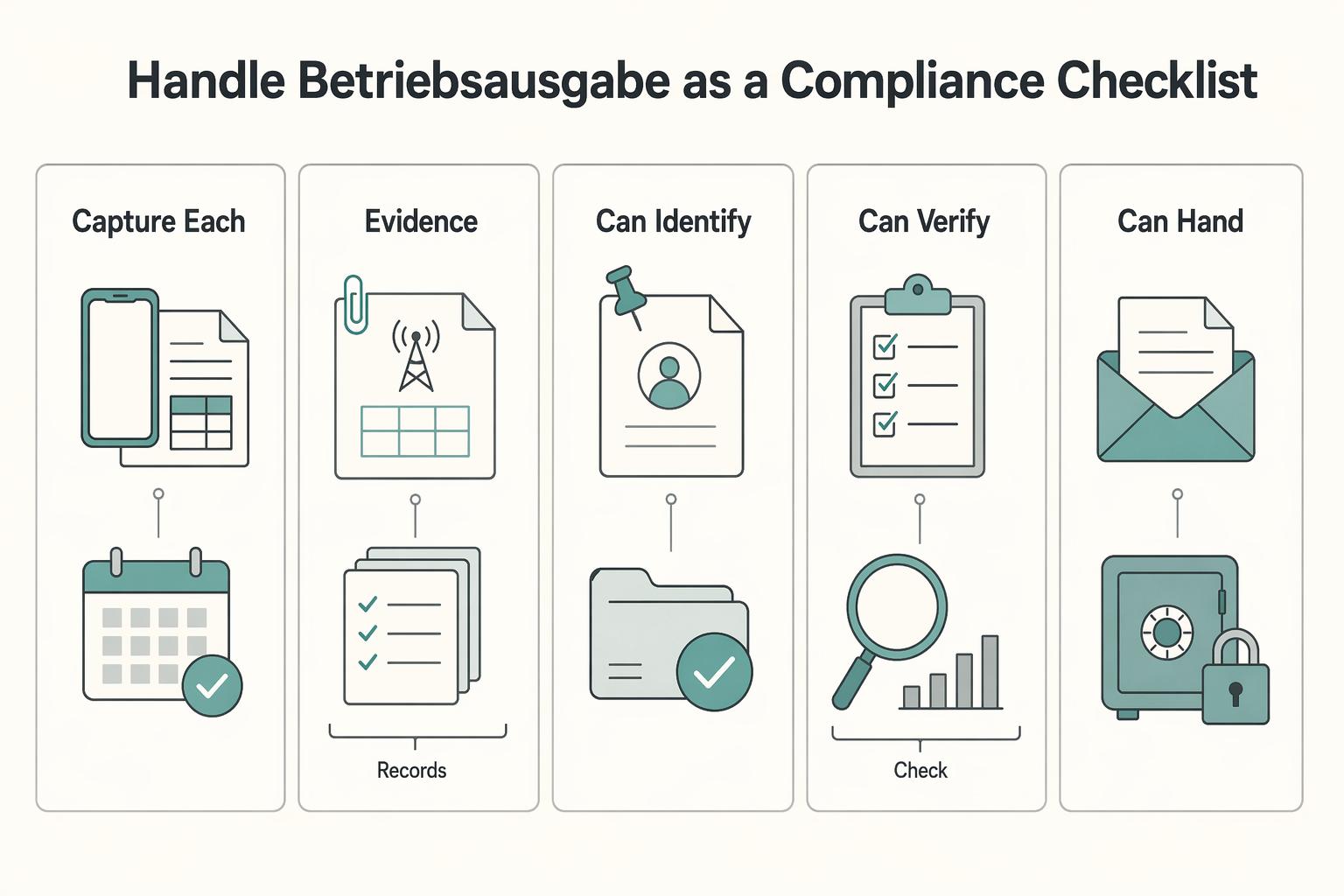
3. Handle Betriebsausgabe as a compliance checklist#
If you deduct mobile costs as a Betriebsausgabe, keep the process consistent month to month.
- Capture each invoice.
- Store the matching payment record.
- Document your business/private allocation method.
- Keep a clear documentation trail.
- Hand the same method and records to your Steuerberater.
If you also manage EU VAT obligations, keep that file in the same monthly compliance workflow. OSS is optional, and if you opt in you register in one Member State of identification; in certain Union-scheme cases, that choice is binding for the current calendar year plus the next 2 calendar years.
If you use the cross-border SME scheme, key checkpoints are fixed: one prior notification in your Member State of establishment, EX number confirmation before exemption starts, and one single quarterly report. The Union turnover cap is EUR 100 000. Registration should usually finish within 35 working days, but it can take longer when extra checks are required.
Optimization checkpoint:
- Can you identify every active line and charge in your account?
- Can you verify roaming settings and policy details before travel?
- Can you hand over a complete invoice and allocation trail without rebuilding it?
Related: Can Digital Nomads Claim the Home Office Deduction?.
Conclusion: Your Connectivity Is Your Lifeline - Invest Accordingly#
Treat your mobile plan like working infrastructure, not a casual signup. When it breaks, the fallout can be immediate: missed client calls, delayed approvals, hotspot failures during travel, and the kind of small interruptions that can make you look less reliable than you are.
- Immediate setup. If you are new to a market, optimize for live service in your first few days, not for squeezing every euro out of day one. A short-term option is often the cleaner first move when your account or address details are still in motion.
Key differentiator: speed to activation. Verify your device and activation details are ready, and keep confirmation emails until service is fully active.
- Stable long-term plan. Once your admin basics are in place, compare the total cost of connectivity, not just the headline monthly price. A broader 2020 comparison of 760 plans across 28 cities is not a Germany ranking, but it does highlight one useful caution: hidden and ancillary fees can distort what a plan really costs.
Key differentiator: predictable service with manageable admin. Check the exact plan page for billing method, notice terms, roaming wording, support channels, and any extra charges before checkout. The common failure mode is choosing on sticker price and discovering the friction later.
- Ongoing optimization. After the first month, judge the plan on live use where your work happens: home, coworking, client districts, and regular travel routes. Keep your contract, order reference, invoices, and activation emails in one folder from the start.
Key differentiator: fewer surprises and cleaner records. If you travel often, prioritize route testing and account access over marketing claims.
The default path is simple: if you are just getting started, start fast; if you are established, stabilize around real monthly use; if you travel often, optimize for roaming clarity and route reliability. Whatever you choose, keep every invoice and plan record as a routine business habit so you are not rebuilding the paper trail later.
Frequently Asked Questions
Do I need a German bank account for a mobile plan?
Do not assume yes or no. For a SIM-only rolling monthly plan or a standard contract, check the provider’s current payment methods on the checkout page and in the FAQ, then save the requirement you find. If you need immediate service, prepaid or eSIM can keep you moving while you sort the rest.
Do I need Anmeldung before I can get a permanent plan?
Do not assume a universal rule from generic advice. Verify the provider’s current identity and address requirements directly on its checkout and FAQ pages. If you have not finished all setup steps yet, keep a fallback option ready and save a screenshot of the requirement page you rely on.
Should I choose prepaid, a rolling monthly SIM-only plan, or a standard contract?
Match the plan to your stay length and your tolerance for admin. A standard contract usually means 12 or 24 months, while one rolling model described in the sources uses direct debit and can be canceled with one month’s notice. If your timeline is uncertain, short notice is usually easier to live with than an inflexible minimum term.
Is buying a SIM before travel worth it?
If you want the lowest-friction arrival, yes, pre-buying can be the better choice even if it costs a bit more. The tradeoff is explicit in the sources: buying before travel is more convenient, while buying locally can be cheaper but more of a hassle. If your trip is short, especially less than two weeks, convenience usually matters more than squeezing out a small saving.
How should I think about operator versus MVNO?
Do not treat MVNO as automatically worse or better. Compare the exact product details that affect your work: eSIM availability, cancellation wording, billing method, roaming terms, and where support actually happens. The common failure mode is choosing on headline price and discovering later that one missing feature creates daily friction.
What is the best network for reliability?
There is no grounded universal winner here, so make it context-based. If your work is mostly city-heavy, more plans may be usable. If you take frequent rail trips, test the routes you actually ride. If you depend on rural coverage, be stricter because service can be lacking in the countryside.
How do I get an eSIM in Germany without tripping over setup issues?
Start with the basics: confirm your phone is eSIM-compatible and follow the seller’s current setup flow. The concrete setup artifact in the sources is a QR code sent to your email. Keep access to that inbox, save the email, and do not delete it until calls and data work. If the seller asks for ID or address proof, follow the current requirement shown in the setup flow and keep the order reference with the activation email.
Can I cancel if I leave Germany early?
If early exit risk matters to you, read the provider’s cancellation terms before signing, especially for a standard contract. Do not rely on loose summaries from generic guides. Verify the current notice window and any required process directly with the provider, then save a copy of the terms you relied on. If you can now name your plan type, your activation fallback, and your verification checks, you are ready for the conclusion.
Researched and edited by the Gruv editorial team. Gruv builds cross-border billing, payouts, and finance-operations software for global businesses.
Sources
- berec.europa.eu/system/files/2023-04/BoR%20%2823%29%2041%20S...trusted
- congress.gov/bill/119th-congress/house-bill/7148/text/enrtrusted
- fcc.gov/stage/pdf/Berkman_Center_Broadband_Study_13O...trusted
- ntrs.nasa.gov/api/citations/20130009172/downloads/20130009...trusted
- rose.edu/wp-content/uploads/2025/07/FINAL_Catalog_202...trusted
- sme-vat-rules.ec.europa.eu/sme-scheme/cross-border-sme-scheme_entrusted
- taxation-customs.ec.europa.eu/archives/taxable-persons/vat-cross-border-ru...trusted
- uscc.gov/sites/default/files/2025-11/2025_Annual_Repo...trusted
Educational content only. Not legal, tax, or financial advice.
Related Posts
Value-Based Pricing for Freelancers Under Real Payment Risk
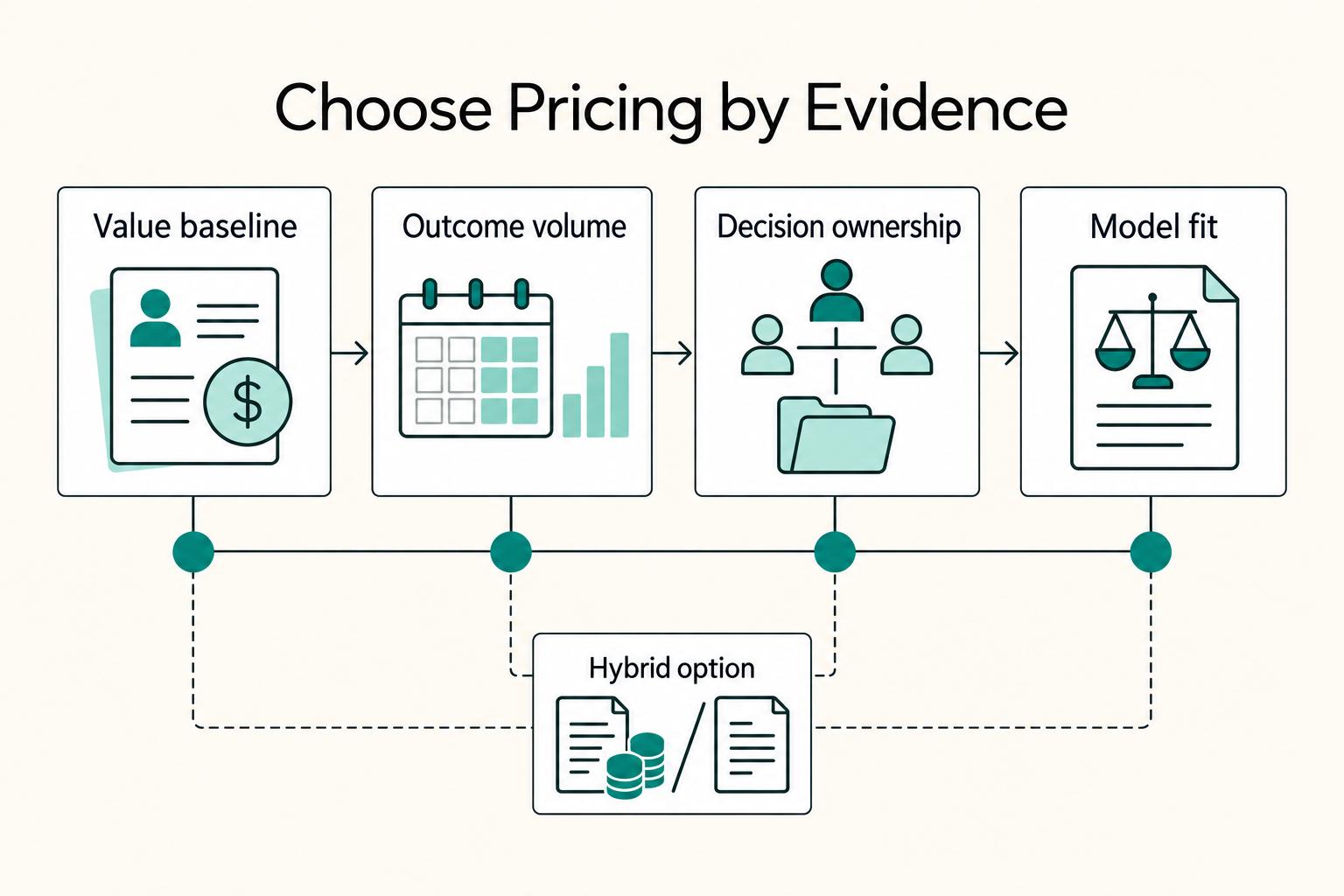
Value-based pricing works when you and the client can name the business result before kickoff and agree on how progress will be judged. If that link is weak, use a tighter model first. This is not about defending one pricing philosophy over another. It is about avoiding surprises by keeping pricing, scope, delivery, and payment aligned from day one.

Can Digital Nomads Claim the Home Office Deduction?
Claim the deduction only when your facts and records can carry it. With the home office deduction for digital nomads, the real decision is usually a three-way call: claim it, do not claim it, or pause and get help because your file is not ready.
The Best International SIM Cards and eSIMs for Digital Nomads
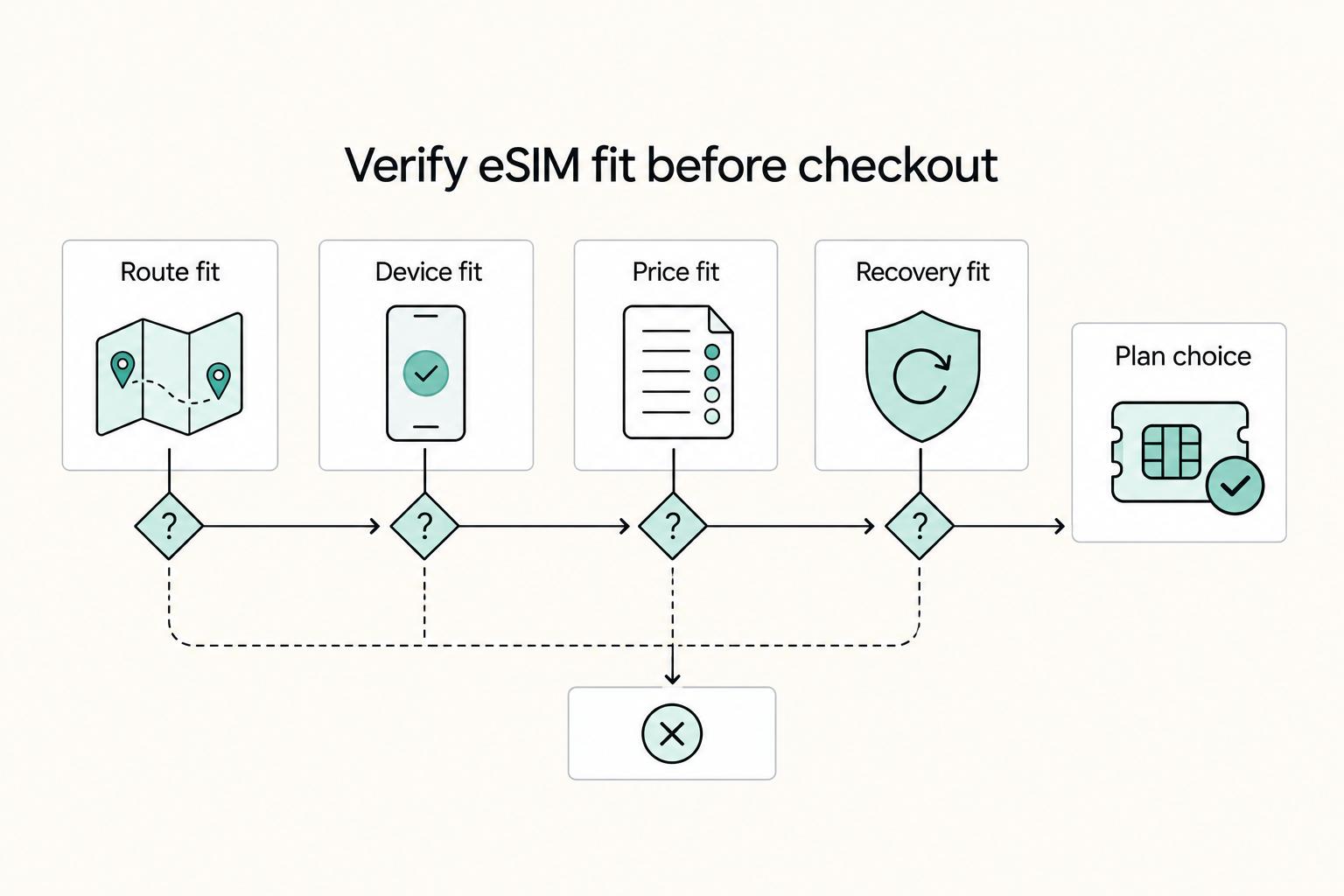
There is no universal winner here. The right pick depends on your route, your work needs, and how much setup risk you are willing to absorb. In most cases, you can narrow the field to Airalo, Nomad, Holafly, Roamless, Google Fi, or a physical international SIM card fairly quickly once you use the right filters.