
Operator playbooks for cross-border payments, tax, and compliance execution.
Step-by-step guidance for finance, product, and ops teams to launch faster, reduce payout friction, and keep reconciliation clean across borders.
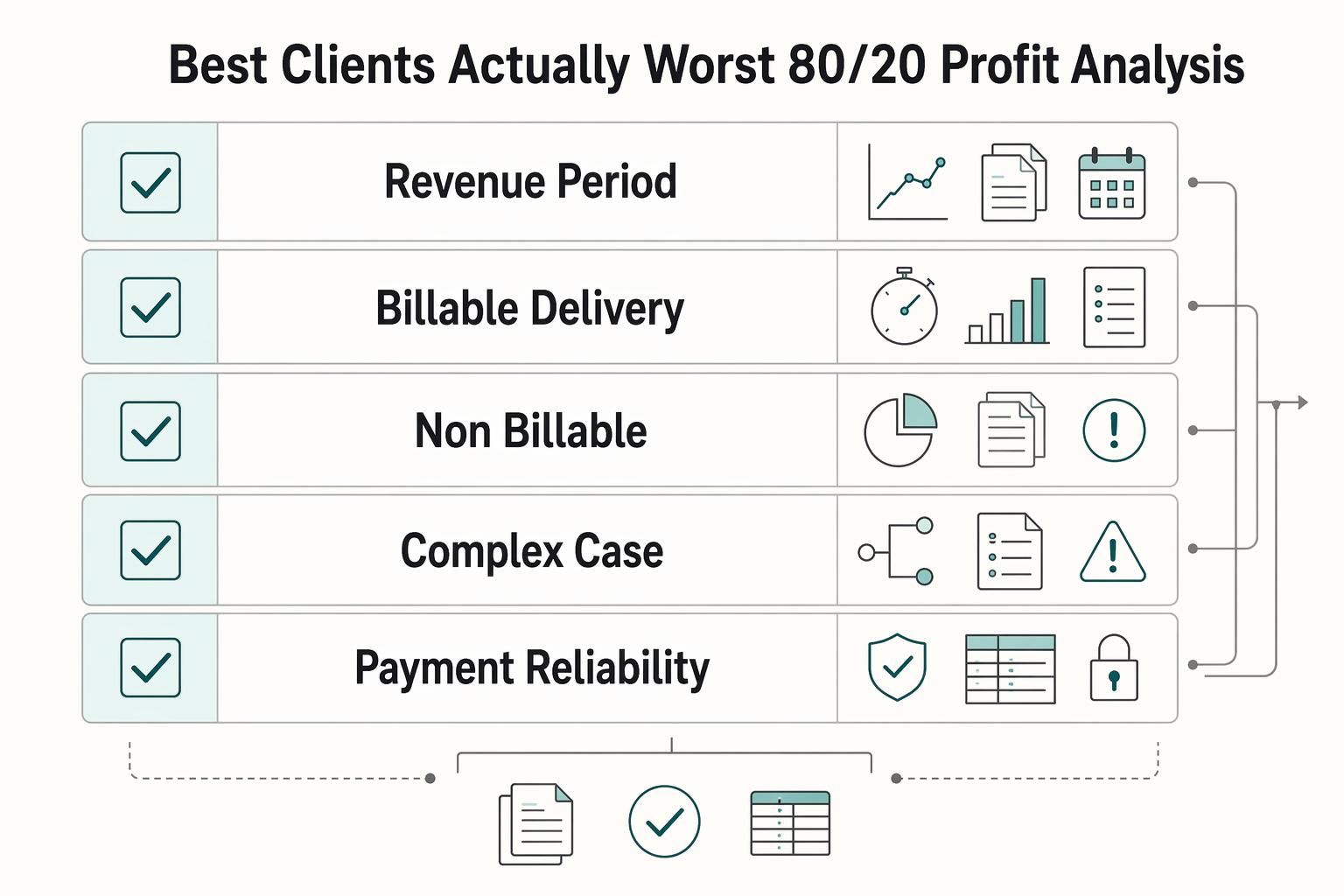
Using the 80/20 Rule to Build a Durable Freelance Business
The **80/20 rule for freelancers** is not mainly about squeezing more tasks into a day. It is a decision filter. Rather than treating 80/20 as a universal law, use it to find the small set of actions that drives most meaningful outcomes. For a business of one, that focus can lower avoidable risk, improve judgment, and help protect margin when your attention is limited.
Read more →
Leaving Canada as a Self-Employed Professional: A Departure Tax Playbook
Leaving Canada as a self-employed professional is a business project, not a last-minute tax filing task. The biggest mistake is treating departure tax as something to sort out when the return is due. Real control starts well before you leave, when you still have time to pin down your residency date, classify assets properly, and build the evidence behind each filing position. This playbook breaks the process into three phases so you can replace uncertainty with an organized, defensible plan.
Read more →
How to Write a Book Proposal for a Nonfiction Book
A nonfiction book proposal is not just a request for approval. It is a business case. An editor is weighing acquisition risk: is there a clear need, a reachable audience, a distinct concept, and an author who can help sell the book?
Read more →
The Best Tools for Repurposing Content
If your content process keeps taking time from client work, you are already paying an admin tax. It shows up in the hours you spend planning topics, recording or drafting, editing, formatting for different channels, writing captions, scheduling posts, and keeping the whole thing moving again next week. That is non-billable work pulling attention away from paid delivery.
Read more →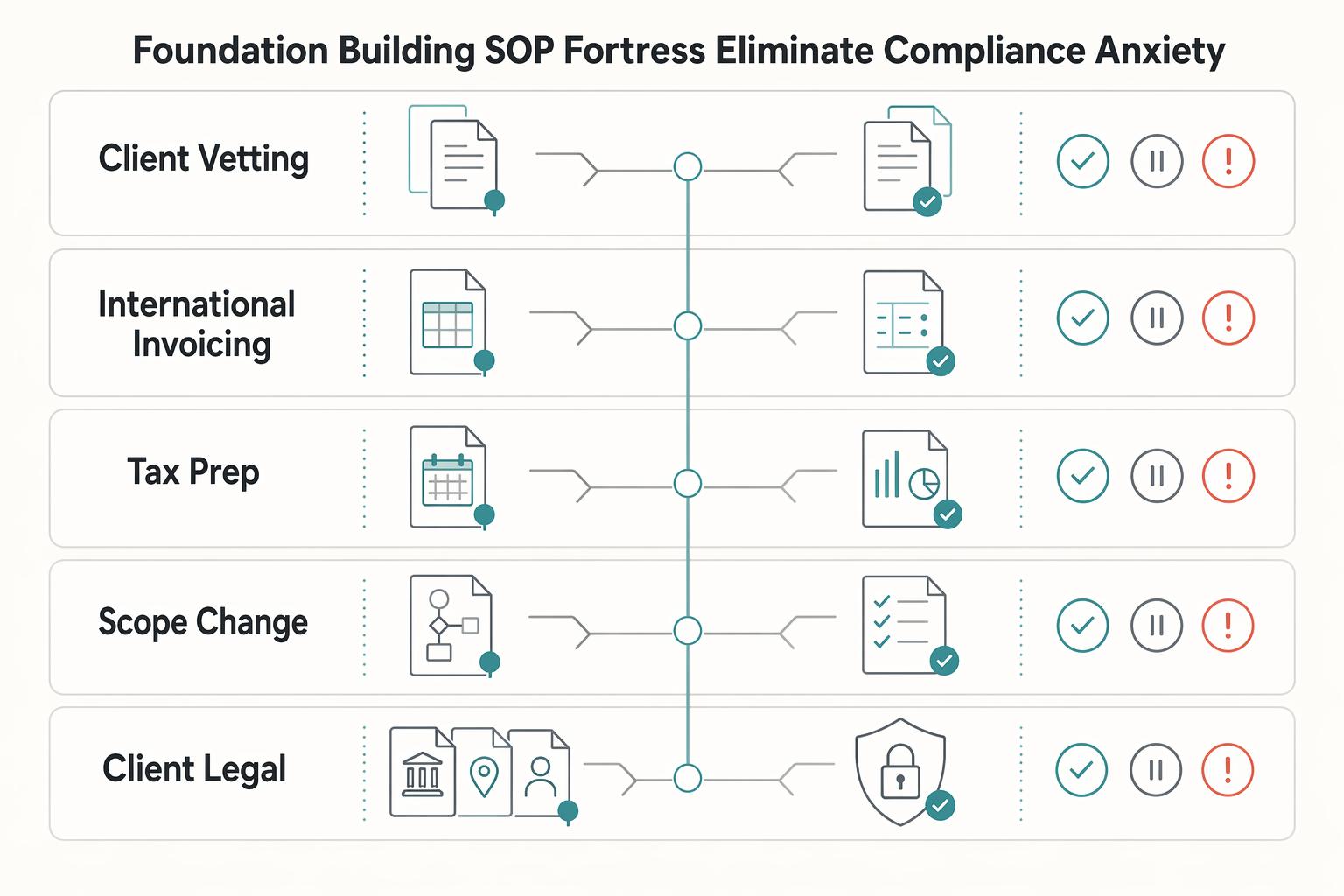
The Best Tools for Creating SOPs and Process Documentation
If compliance anxiety is the problem, do not start by documenting everything. Start with four SOPs that can help prevent expensive mistakes: client vetting, invoicing, tax close, and scope changes. If any of these still lives in your head, write it down now. In a January 2019 [simulated SOP study](https://www.researchgate.net/publication/330301419_Retention_of_a_standard_operating_procedure_under_the_influence_of_social_stress_and_refresher_training_in_a_simulated_process_control_task) (76 engineering students), stress impaired performance, while refresher training improved follow-up performance after a two-week retention interval.
Read more →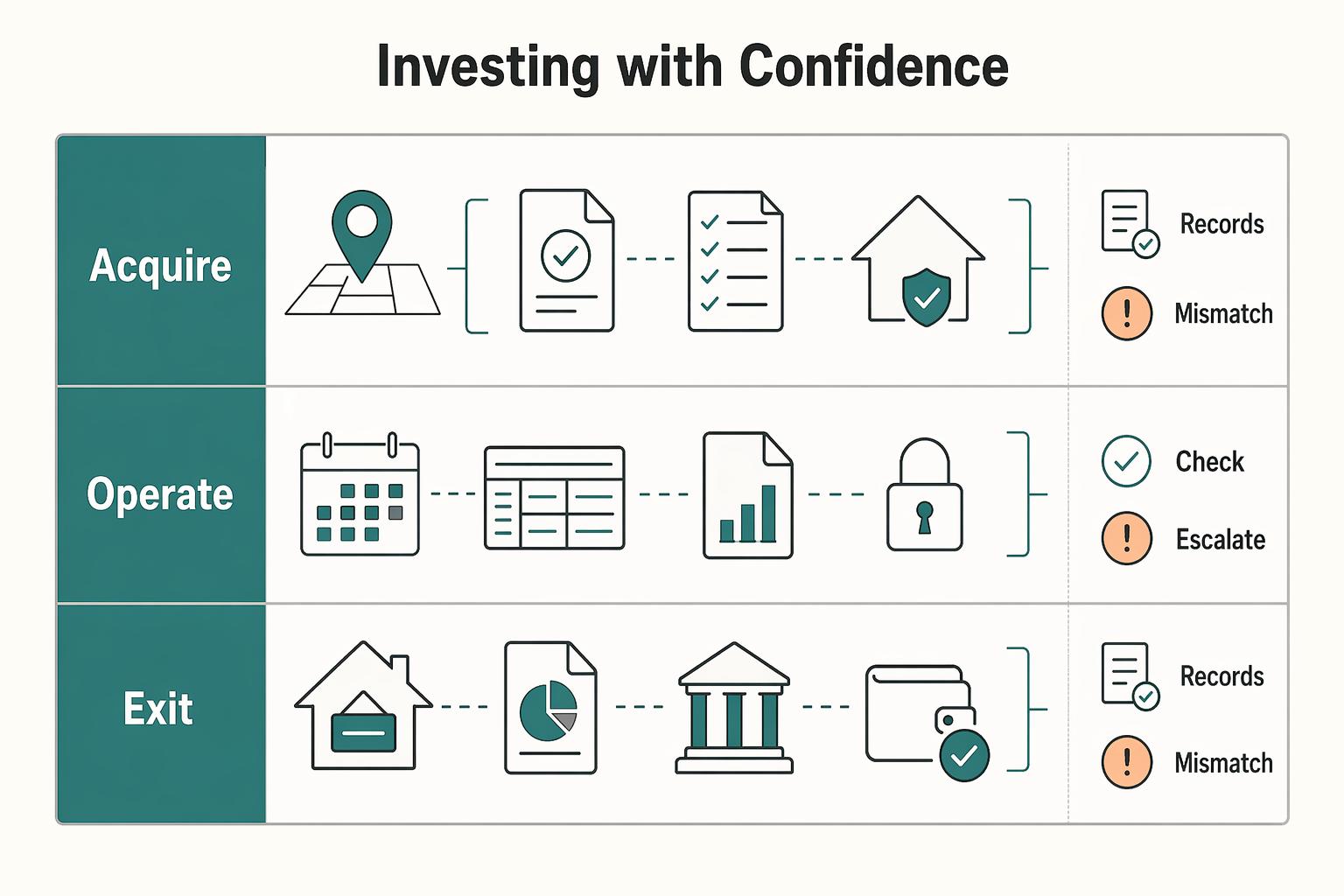
The Tax Implications of Owning a Villa in Bali as a Foreigner
This playbook starts before the property viewing, with the decision that shapes the entire life of the investment: how you will legally hold the villa. That choice affects your tax exposure, risk, operating burden, and exit options for years.
Read more →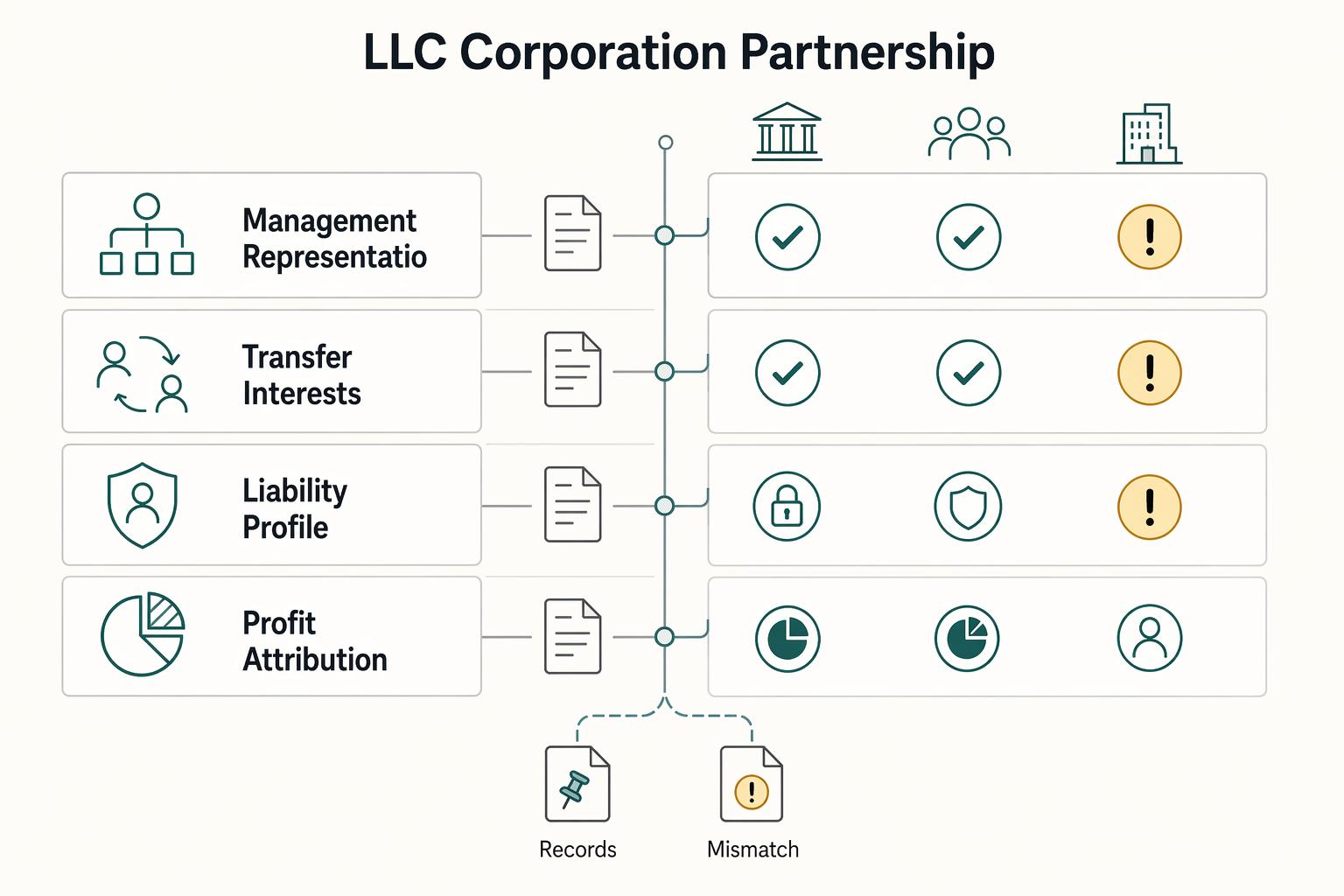
US-Germany Treaty Dividends and LLC Classification for German Residents
Everything that follows starts with German classification, not the U.S. LLC label and not your U.S. tax election. For German tax purposes, an LLC can be treated as a corporation, a partnership, or, if there is only one owner, a branch. That classification changes how domestic rules and treaty rules apply.
Read more →
How to Price a Social Media Management Package
If you are trying to **price social media management**, do not start with post volume alone. Start with a package structure that defines KPI quality, governance, and control terms before you debate deliverables.
Read more →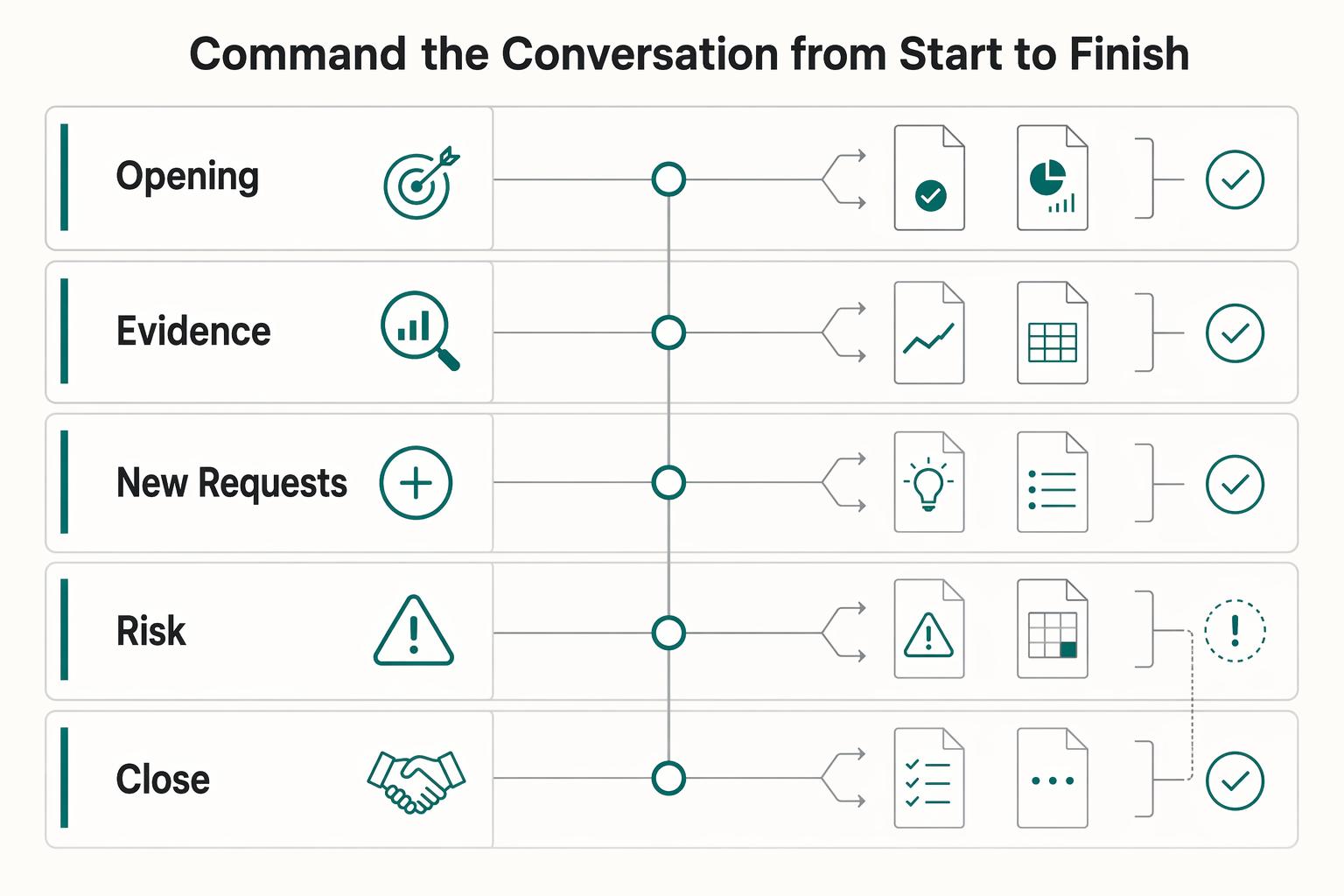
How to Run an Effective Quarterly Business Review (QBR)
For a solo operator, a **quarterly business review**, or QBR, is less about presenting updates than creating a repeatable control point with the client. Done well, it helps you tighten scope, make renewal conversations cleaner, and reduce the revenue wobble that comes from vague expectations and last-minute surprises.
Read more →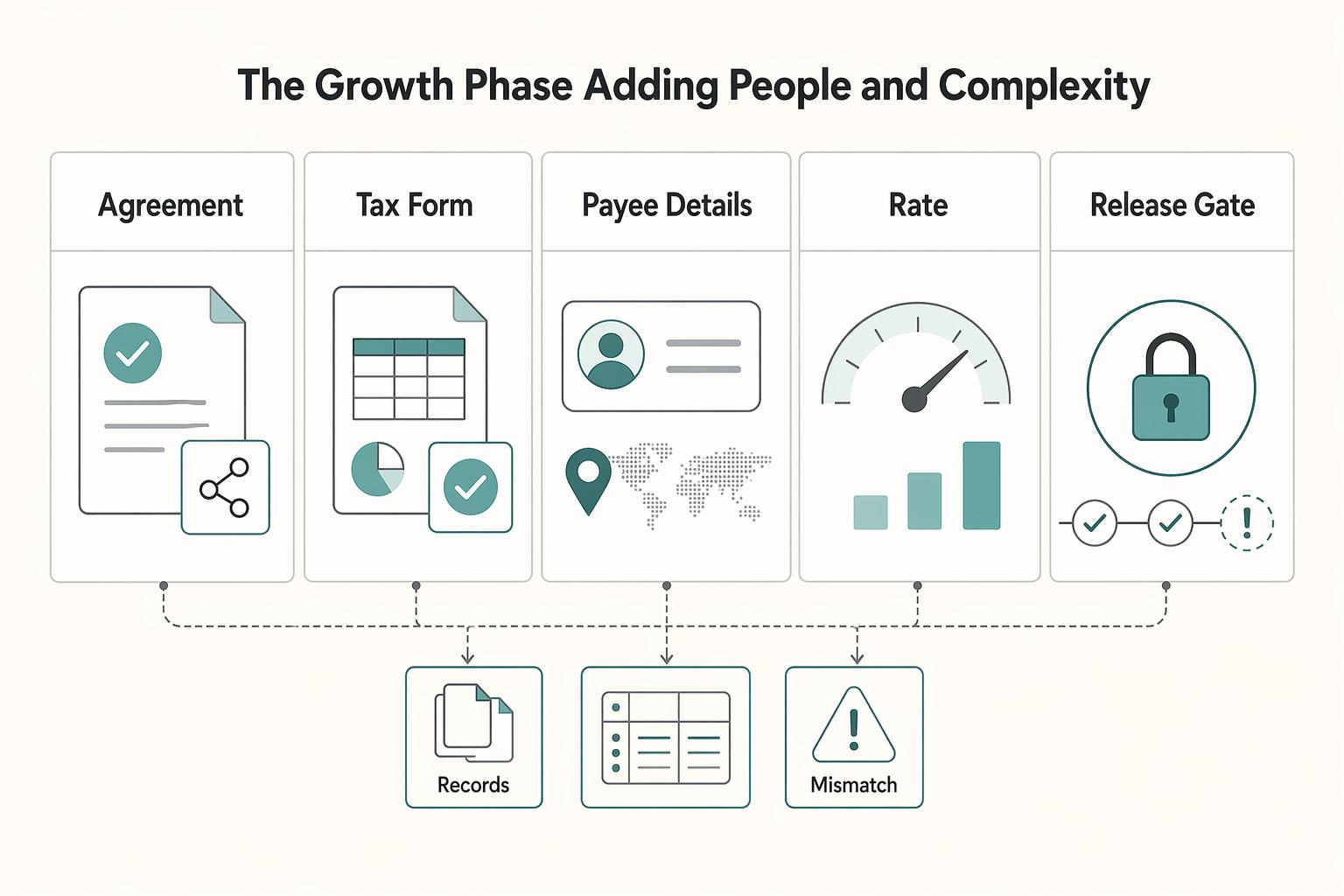
Best Accounting Firms for Startups if You Run on Client Cashflow
If you searched for the **best accounting firms for startups**, the goal makes sense: you want clean books, timely filings, and fewer surprises. The catch is the assumption that one firm should own the whole job. For a solo operator, creator, or small global team, the better move is to build a risk-first financial operations stack around how money actually moves through your business.
Read more →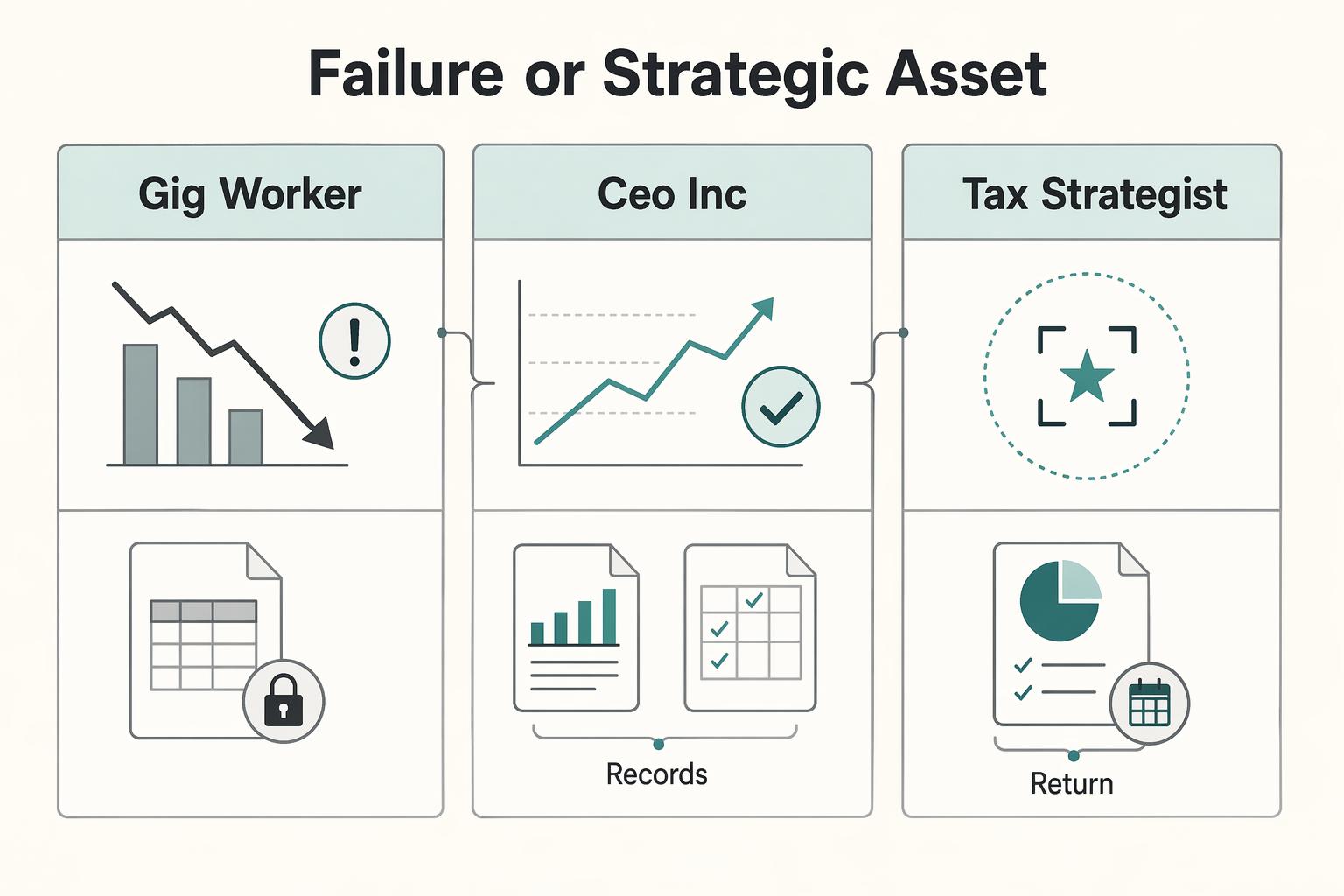
How to use a 'Loss Carryforward' to offset future freelance income
Adopting a CEO's perspective requires a shift in how you read your business's financial story. It's the difference between reacting like a gig worker and planning like an executive. A loss can feel like something that *happened to you*; the CEO of "Me, Inc." treats it as a data point that demands a strategic response. This isn't just semantics. It's how you turn a potential liability into a useful asset. A **business loss** is not a sign of failure; it is the cost of ambition, and with the right playbook, it can fuel future **tax savings**.
Read more →
A guide to setting up 'two-way sync' between Airtable and Google Sheets
Your business data isn't just a collection of rows and columns; it's the central nervous system of your "Business-of-One." It dictates the accuracy of an invoice, the validity of a tax filing, and the confidence behind your strategic decisions. But when that data lives in disconnected silos like Airtable and Google Sheets, it creates a constant, low-level anxiety. A single manual copy-paste error can cascade into a significant compliance issue, turning a simple data transfer into a high-stakes liability.
Read more →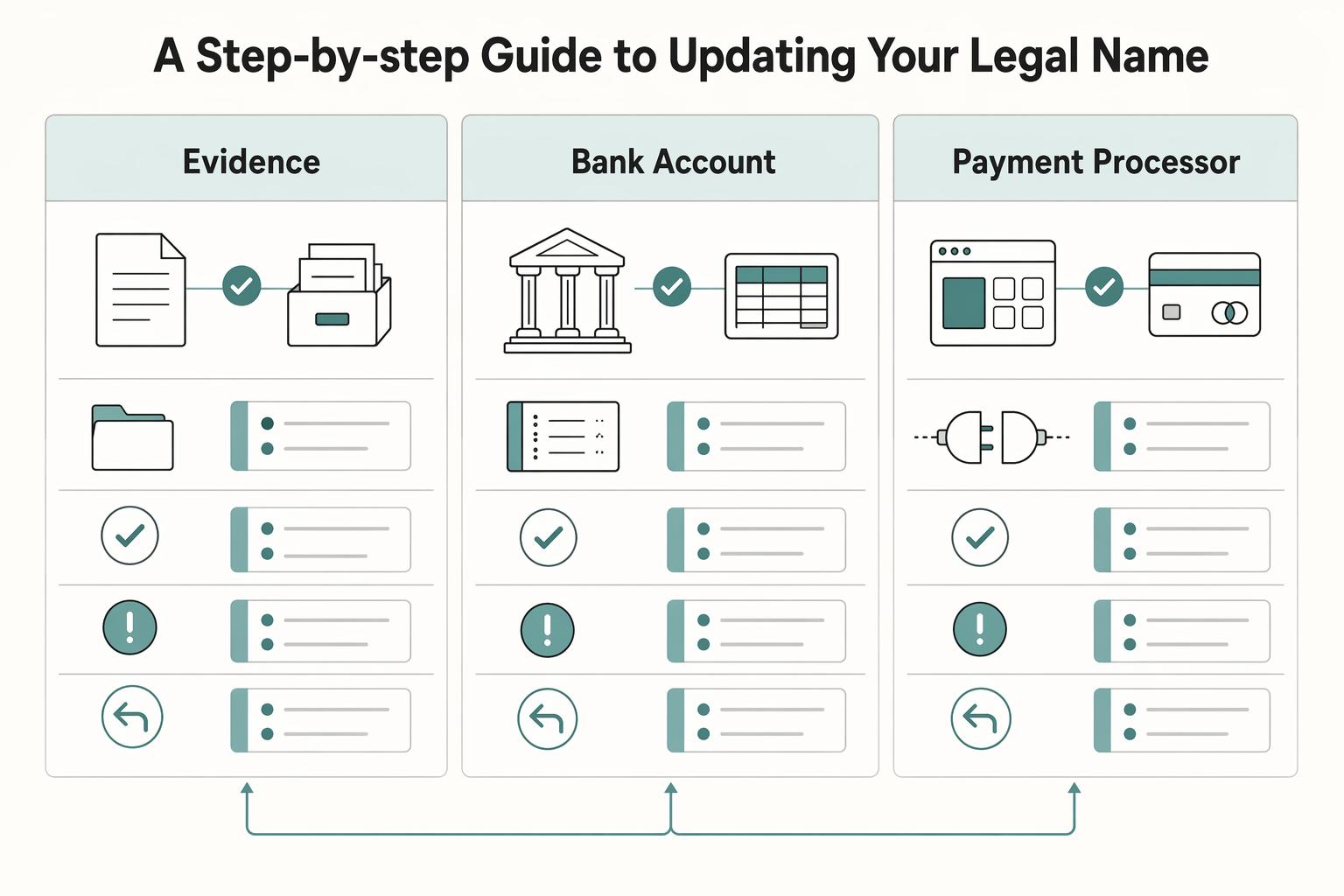
Rebranding an Existing Business Without Client or Payment Disruption
If you are rebranding an existing business, treat it as an operating-risk decision first and a creative project second. A name or identity change can affect three things at once: your legal identity, cash flow, and the trust signals clients use to decide whether you still look stable.
Read more →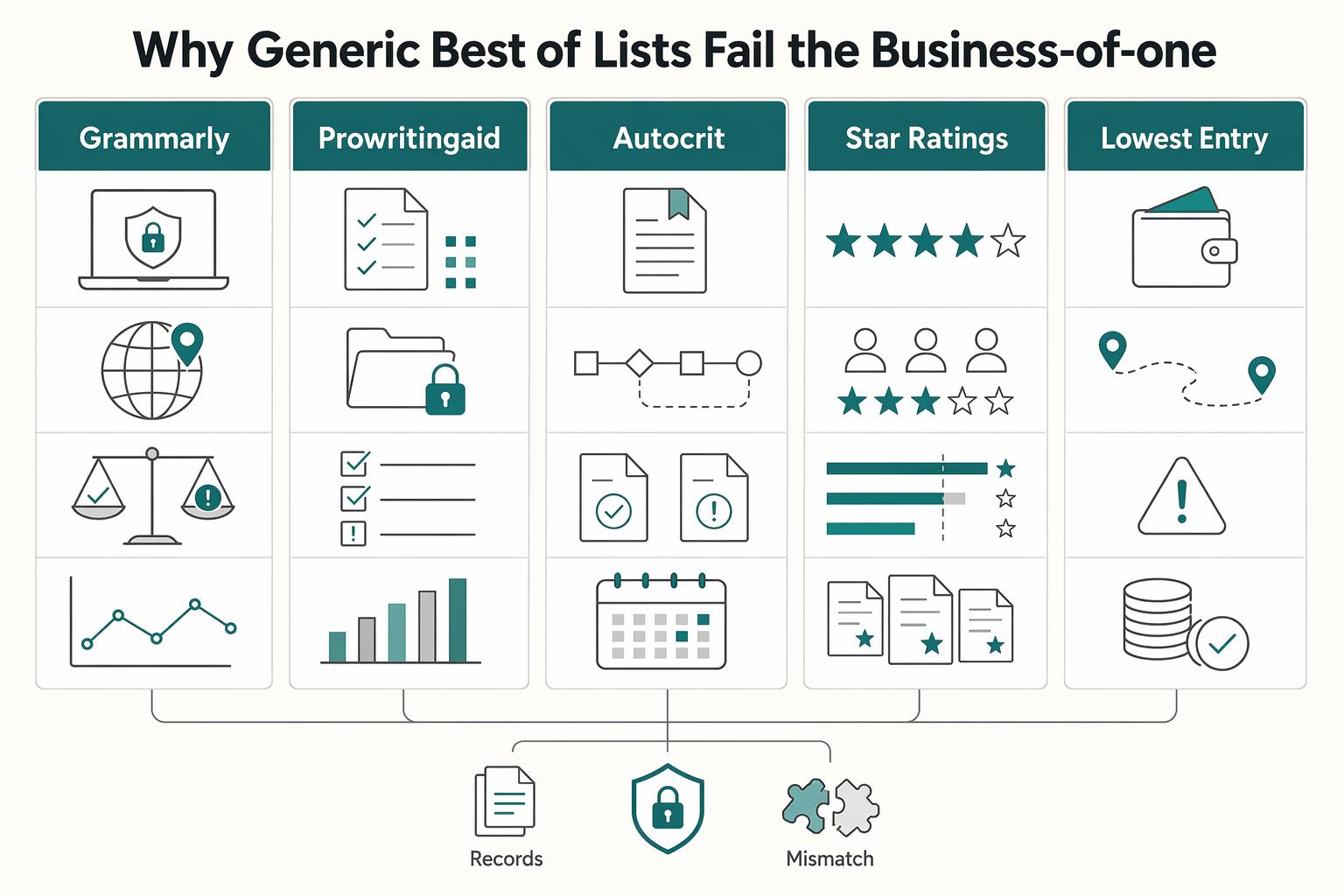
ProWritingAid vs Grammarly vs AutoCrit for Cross-Border Writers
If you work across borders, choosing an editing tool is not just an app decision. You are deciding whether software like ProWritingAid, Grammarly, or AutoCrit fits cleanly into the rest of your operation. That includes client work, data handling, review disclosures, approvals, and how finished copy gets delivered.
Read more →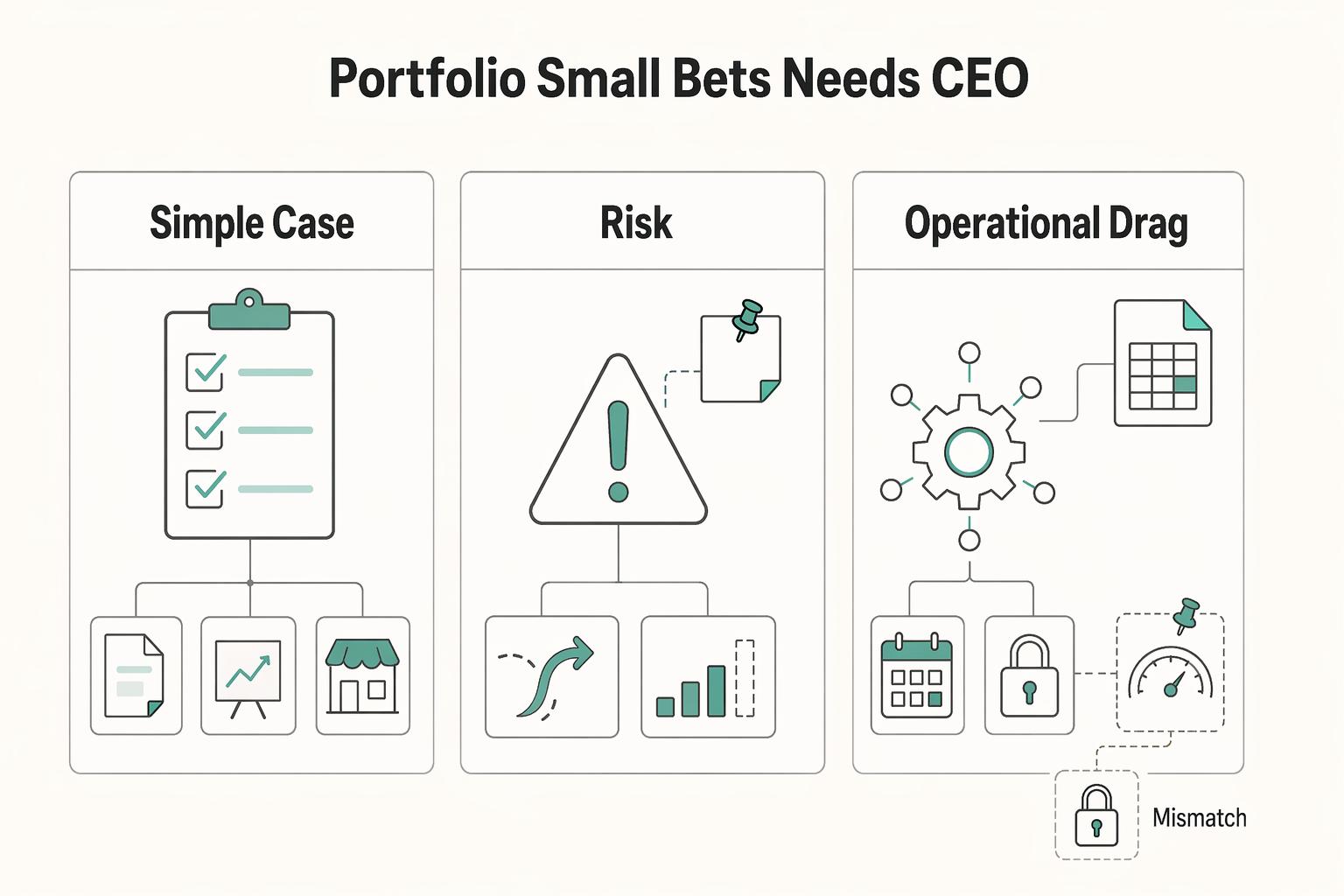
How to build a 'Portfolio of Small Bets' to diversify your freelance income
The internet is saturated with advice on building a "portfolio of small bets," often presented as a straightforward path to passive income. Launch a course, build a Shopify store, sell some digital products. While well-intentioned, this beginner-level advice dangerously ignores the realities faced by an established global professional. It’s a great idea wrapped in a framework that is simply too small for you.
Read more →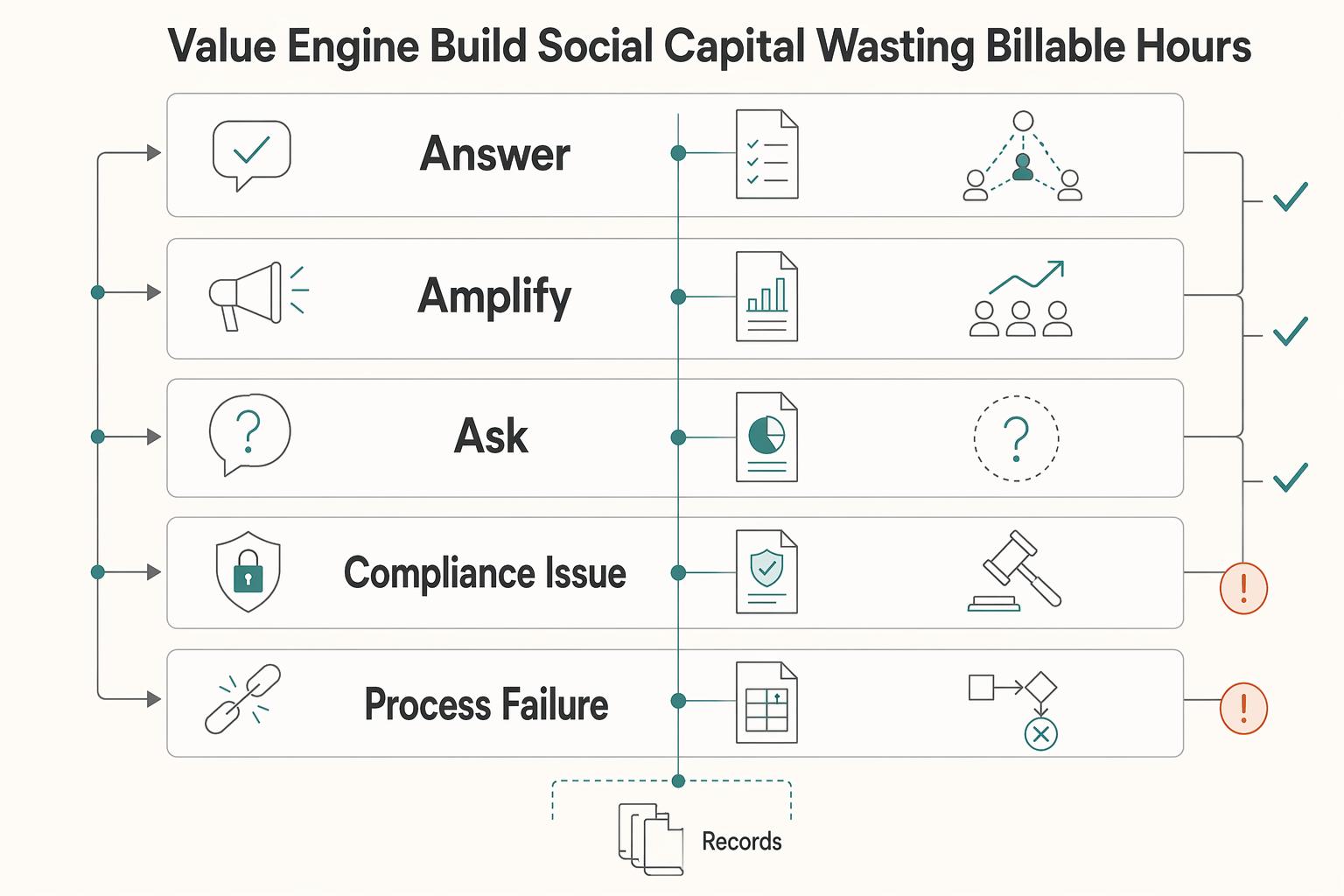
Network Effects for Community-Based Products as a Professional Moat
You've heard the advice everywhere: join communities, network, stay active. For a global professional running a business of one, that advice is too vague to be useful and loose enough to be costly. It assumes your time is unlimited. Worse, it misses the real issue: **risk**.
Read more →
Should You Build Your Business Under Spain’s Startup Law?
Treat this as a go/no-go decision before you plan a move. If you cannot clear four gates on paper, Spain's Startup Law, Ley 28/2022, is not your best path yet.
Read more →
How to Read an Income Statement (P&L)
Your income statement is an operating decision tool first. Use it to confirm that your pricing covers delivery costs, catch overhead creep early, and see whether profit is holding up before timing gaps turn into cash flow pressure.
Read more →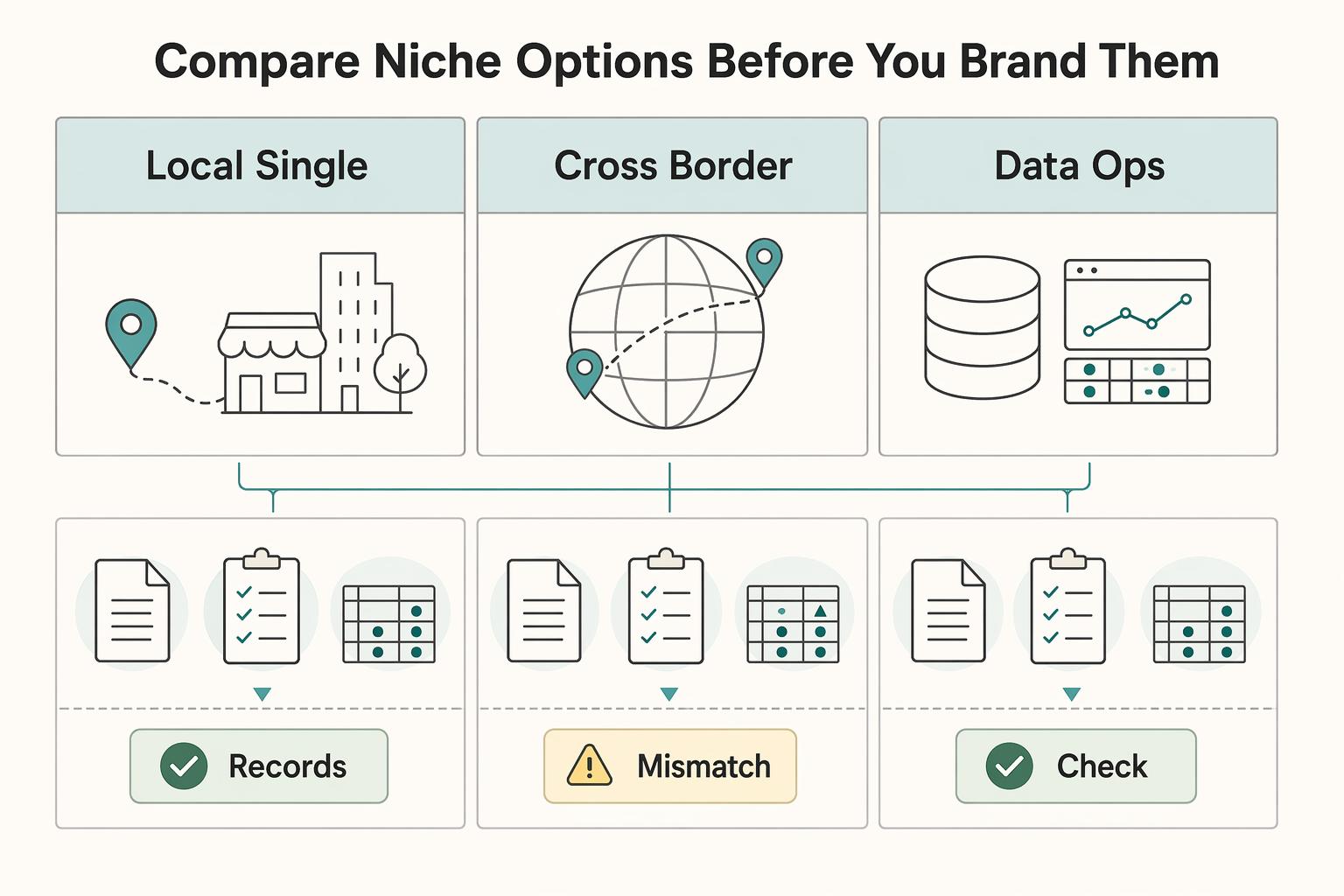
How to Apply the Long Tail Theory to Your Freelance Niche
Treat your niche as an operating choice, not a branding exercise. It shapes how replaceable you are, how easy you are to buy, and what kind of delivery friction you inherit. If you want a freelance business that is easier to sell, run, and defend, niche selection is one of the first real business decisions you make.
Read more →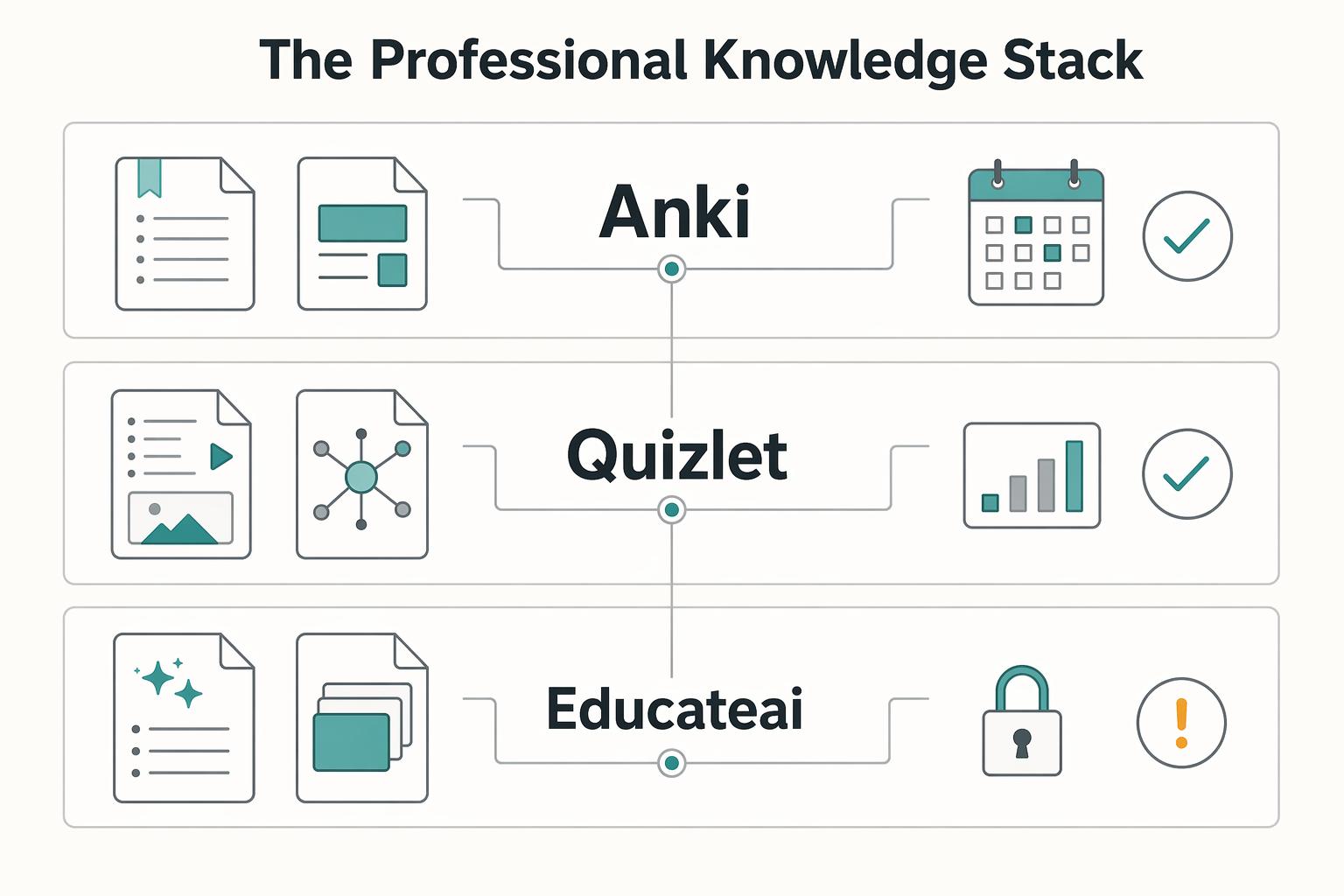
Spaced Repetition for Learning New Skills in Client Work
If your expertise is what clients pay for, memory is not a side issue. It is part of delivery. When recall slips, the impact can show up in work quality, speed, and how confident you sound when a client asks for an answer on the spot.
Read more →