
Quick Answer
Start by mapping structure and documents first: tax on bali villa foreigner depends on whether you hold through personal leasehold or PT PMA, whether current permits and rights support your intended use, and whether your presence pattern can change residency treatment. Then verify acquisition taxes, rental-income handling, annual PBB obligations, and exit mechanics before any non-refundable commitment.
This playbook starts before the property viewing, with the decision that shapes the entire life of the investment: how you will legally hold the villa. That choice affects your tax exposure, risk, operating burden, and exit options for years.
For an international buyer, getting this wrong early is often the costliest mistake. What looks like a dream asset can become a hard-to-manage liability if the structure does not match the papers and the intended use.
Stage 1: Buy Only What Is Supportable on Paper Today#
Your first acquisition decision is straightforward: only buy what is already supportable on paper today, not what depends on a future permit outcome.
As of March 2026, Bali has an active moratorium on new construction permits for hotels, restaurants, and tourism accommodation on agricultural land. Existing approved projects can continue, and existing permits or listed property-right categories (PBG, Hak Pakai, leasehold, HGB) are not stripped under the current policy.
In practice, permit and rights status is the main risk control here, not an admin detail to sort out later.
Start with term clarity before structure debates#
Most confusion starts with labels. If a deal is framed as PT PMA vs personal leasehold, treat those labels as shorthand first. Match them to the actual property papers, permit status, and intended use in writing.
Use this working rule for key terms in deal documents:
| Term in the deal | What you can safely assume now | What you must verify before signing |
|---|---|---|
| PT PMA | A company-based structure is being proposed | The exact documents, rights, permits, and operating setup tied to that company |
| Hak Sewa / leasehold | A leasehold-style position is being referenced | Term details, extension terms, and whether intended use matches existing approvals |
| Hak Milik | A title category is being referenced | Exact legal treatment for your case from your Indonesia legal/tax advisers |
| HGB | A listed property-right category that is explicitly cited as not being stripped if already existing | Whether the specific right exists, is current, and is correctly documented for this property |
| "Nominee" setup | Control may depend on side arrangements | Whether your practical control survives without off-record assumptions |
If anyone says, "we can fix the legal structure after closing," treat that as a stop signal, not a loose end.
Choose structure by operating intent, not pitch language#
Do not ask, "Which structure is best?" Ask, "Which structure fits how you will operate and eventually exit this asset?" Start there, then test whether the documents actually support that plan.
| Your priority | Practical default | Main tradeoff to accept | Non-negotiable verification |
|---|---|---|---|
| Lower operating complexity | Use the simpler structure only if current documents already support your plan | Less flexibility if facts on paper are thin | Existing permit/right status and intended use alignment |
| Cleaner business separation | Use the more formal structure only if company and property records align end-to-end | More process and documentation burden | Notary/PPAT + tax adviser confirmation in writing |
| Financing or resale flexibility | Optimize for what future counterparties will accept | You may need to reject "creative" structures | Buyer/lender acceptability based on documented permit/right trail |
Treat policy stability as a live variable#
Do not assume the current setup will stay still. Current policy is reported as operating through executive directives, with no single Pergub formally codifying the moratorium. That means policy settings can change without a legislative process.
The same source notes four policy reversals since September 2024. And while key tourist areas (Badung, Gianyar, Denpasar) are described as exceptions to the formal 6-district ban from 2026, do not read "exception" as "automatic approval."
Pre-close control list#
Before you sign or release any meaningful non-refundable deposit, assign an owner and proof standard for each item. That prevents the common drift where everyone assumes someone else checked the critical document.
| Check | Owner | Proof or red flag |
|---|---|---|
| Current permit/right evidence | notary/PPAT | Obtain the existing PBG or current property-right document; proof is a document copy that clearly matches property and holder |
| Use-case dependency check | Indonesia legal adviser + tax adviser | Confirm in writing whether your planned operation depends on any new permit in an affected area; red flag: "We will handle permit changes after closing." |
| Moratorium exposure check | legal adviser | Confirm whether the land or use falls into the currently restricted new-permit path; red flag: only an application receipt or verbal assurance |
| Policy-volatility memo | legal adviser | Document whether the transaction depends on an exception pathway; red flag: timeline assumes stable policy treatment through closing without contingency |
Build an acquisition tax verification sheet, not assumptions#
If tax treatment is material to your acquisition economics, verify each item in writing before funds are locked.
| Tax/fee item | Who pays | When due | Tax base |
|---|---|---|---|
| Acquisition-related tax or duty (if applicable) | Confirm by transaction structure | Confirm before deposit becomes non-refundable | Confirm exact valuation basis used |
| Transaction tax (if applicable) | Confirm legal remittance party | Confirm at draft agreement stage | Confirm taxable base in writing |
| Transfer-related seller/buyer taxes (if applicable) | Confirm required settlement and evidence | Confirm before execution/payment release | Confirm calculation base |
| Ongoing property tax/charges (if applicable) | Confirm status and arrears | Confirm during due diligence | Confirm assessment basis and covered periods |
The working default is simple: proceed only when today's documents already support your intended use and control. If the deal depends on a new permit in an affected area, undocumented exceptions, or side-agreement control, pause and get qualified Indonesia legal and tax advice before signing.
Stage 2: The Operations Manual - Managing Profitability and Residency#
Once Stage 1 is set, run the villa the same way: if you cannot document it, do not rely on it. From day one, keep two controls running in parallel. One is a defensible profit model. The other is a defensible residency and compliance file.
Start with profitability, but treat inputs as planning ranges#
Treat the available market figures as planning inputs, not certainty, because they come from a commercial FAQ. The same source cites 2025-2026 occupancy around 70% to 75% in prime areas, with some luxury inventory at 80%+, plus net ROI ranges of 10% to 15% overall, 12% to 20% for short-term rentals in hotspots, and 8% to 12% for long-term rentals.
| Metric | Context | Figure |
|---|---|---|
| Occupancy | Prime areas (2025-2026) | around 70% to 75% |
| Occupancy | Some luxury inventory | 80%+ |
| Net ROI | Overall | 10% to 15% |
| Net ROI | Short-term rentals in hotspots | 12% to 20% |
| Net ROI | Long-term rentals | 8% to 12% |
The same source also frames legal structure as a risk tradeoff: PT PMA is presented as safer, while gray-area shortcuts are presented as riskier. For operations planning, treat short-term and long-term performance as scenarios you need to validate against your own records.
Build your model from records, not promises: booked nights or lease periods, manager fees, cleaning, utilities, repairs, platform costs, vacancy, and a tax or charge line whose current rate is verified from official records and adviser guidance before use.
Use a residency decision flow, not online shortcuts#
Residency is one of the easiest places to make a neat-looking but wrong assumption. Run residency and compliance as a four-step check before you scale bookings:
| Step | Focus | Guidance |
|---|---|---|
| Status check | actual presence, visa pattern, and facts | Confirm whether they could change your local tax status; verify the current residency threshold from official records and adviser guidance before use |
| Treaty check | more than one country could claim residence | Verify whether a treaty applies and what it changes in practice |
| Filing consequence check | rental-income treatment, filing scope, and broader income exposure | Confirm what changes under each status outcome |
| Escalation point | day-counting, dual-residence analysis, or informal advice | Pause and get written guidance from a qualified Indonesia tax adviser |
Keep rental treatment in a scenario table#
Do not hardcode rates, withholder roles, or procedures until they are verified for your facts. The cleanest way to avoid confusion is to map the likely operating scenarios side by side.
| Scenario | Tax treatment to confirm | Payer/withholder to confirm | Documentation needed |
|---|---|---|---|
| Personal holding, non-resident treatment assumed | Confirm treatment of rental income and whether collection is at source or direct | Confirm who calculates, remits, and provides payment proof | Ownership/lease docs, booking reports, manager agreement, bank trail, written advice |
| Personal holding, resident treatment possible | Confirm what changes in local treatment and filing scope if residency applies | Confirm reporting/payment responsibility | Presence log, visa history, income summary, written residency analysis, written advice |
| Company-based operation (for example, PT PMA) | Confirm company-level treatment of operating income and distributions | Confirm company remittance responsibilities and third-party roles | Company records, contracts, invoices, bank records, accounting file, written advice |
Budget recurring property charges as a process#
Recurring property-related charges should be handled as an operating process, not a once-a-year scramble. Build a reusable file with property identity, current assessment and billing records when available, covered period, arrears status, payment proof, and current local charge details verified from official records and adviser guidance before use.
A practical 2026 control point is mandatory digital verification (OSS system) with stricter enforcement context tied to PP 28/2025. Keep your manager setup, booking records, and operating documents aligned with what is represented digitally.
Keep villa records like a real operating file#
Even if this is a single villa, treat the records like a real operating file. That is what keeps a manageable asset from turning into a tax and compliance mess later.
- Account separation: keep villa inflows and outflows separate from personal spending.
- Monthly cadence: reconcile bookings, remittances, bank entries, invoices, and payment evidence monthly.
- Retention discipline: keep contracts, operating records, OSS-related records, and unusual-transaction explanations together.
- Reconciliation workflow: tie occupied nights or lease periods to cash received and explain gaps immediately.
- Escalate early: involve a qualified tax adviser when your presence pattern changes, treaty questions appear, rental model changes, structure changes, or manager statements stop matching your bank trail.
If you want a deeper dive, read Digital Nomad Taxes in 2026 With a Defensible Filing Plan. Before you file anything, centralize your travel-day and filing evidence in one place, then pressure-test your residency assumptions with the Tax Residency Tracker.
Stage 3: The Exit Strategy - Maximizing Your Return#
Plan your exit from day one, because your holding structure can affect what is operationally cleaner later: an asset sale or a company-share sale.
Do not start the exit conversation with copied rate claims. Start with a verified transaction map for your exact facts, then build terms around that.
Choose the sale path first, then verify tax mechanics#
Treat the two sale paths as different transactions and verify each one separately. Buyers, advisers, and counterparties may diligence them differently, and your paperwork should match the route you choose.
| Transaction type | Who is taxed | Tax base | Filing flow | Treaty interaction |
|---|---|---|---|---|
| Asset sale | Verify for your seller profile and structure | Verify what amount is used | Verify who pays/files, when, and with which evidence | Verify whether treaty analysis changes the outcome |
| Company-share sale | Verify for your seller profile and share-transfer facts | Verify what amount is used | Verify who pays/files, when, and with which evidence | Verify whether treaty analysis changes the outcome |
A practical default is the path your likely buyer can diligence with confidence. Buyer preference can vary: some may prefer a direct asset transfer story, while others may accept a share transfer when company records are clean and complete. Confirm with advisers and real buyer profiles before you assume either route is "easier."
Build a due-diligence packet before listing#
Available signals suggest losses can come from non-market issues, not just price movement. Documentation is part of return protection, not a back-office task.
Use an adviser-reviewed packet outline and tailor it to your deal. Common document categories include:
- ownership and transfer documentation
- permit and status documentation
- tax and payment documentation
- operating documentation
- improvement and renovation documentation
Missing document = delay risk. If anything is incomplete, flag it early and prepare a written explanation.
Run a pre-listing compliance sweep#
Before you market the property, clear avoidable friction first. Focus on finding and closing documentation or filing gaps before buyer diligence begins.
- Confirm the selling party and transaction structure are reflected consistently across records.
- Review prior filings and payment records for gaps with qualified advisers.
- Resolve obvious record mismatches before marketing.
- Verify any jurisdiction-specific prerequisites with qualified Indonesia tax/legal professionals.
If the exit has cross-border residence, treaty, or share-transfer complexity, bring in advisers before term negotiation. The cleanest exit is usually the one documented as an exit process from day one.
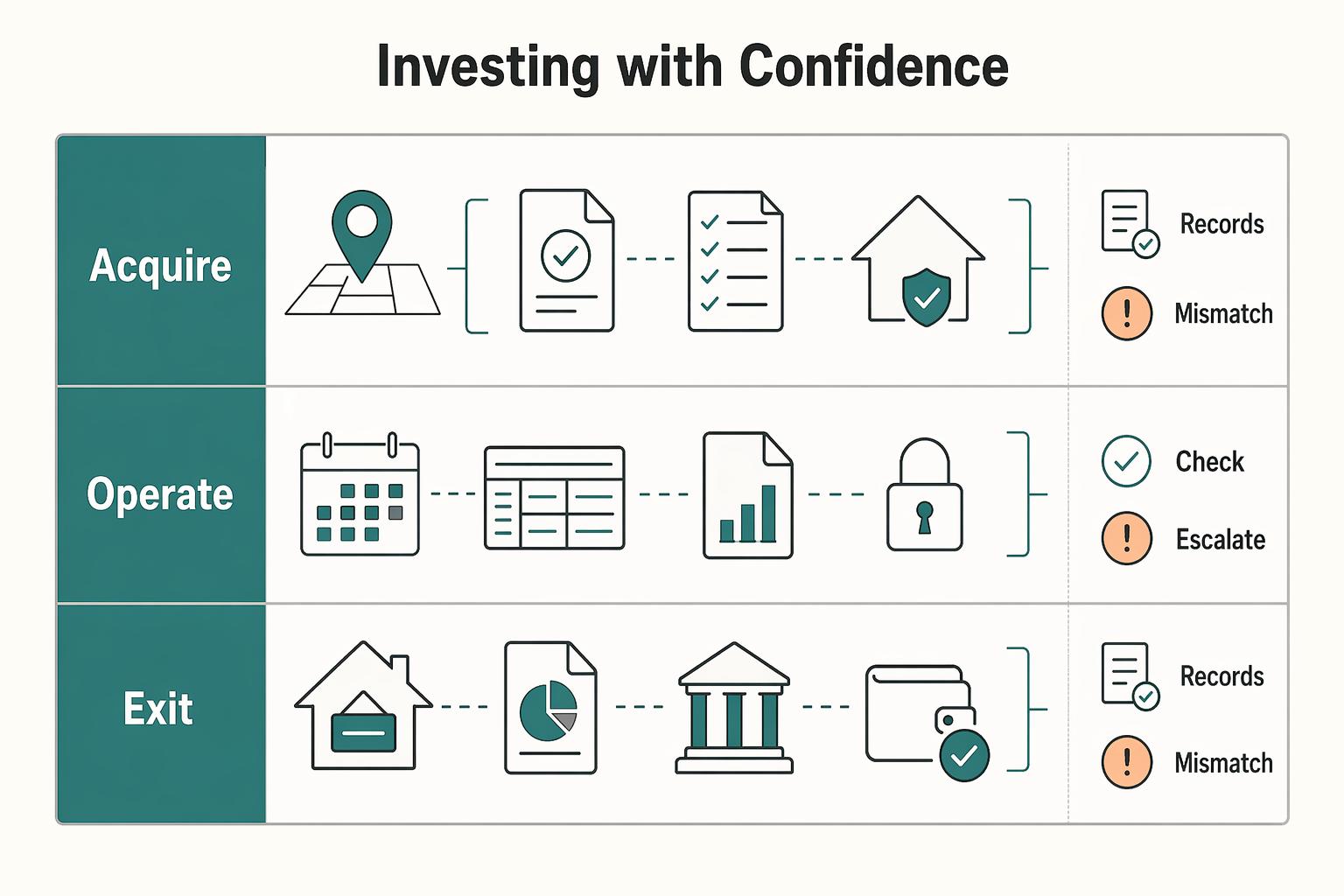
Your Villa, Your Rules: Investing with Confidence#
If you want this investment to stay manageable, keep the sequence simple: choose the holding path carefully, run operations from clean records, and map the tax path before you negotiate. Confidence comes from documents you can verify, not assumptions you hope will hold up later.
Keep the terms practical and document-led. PBB (Pajak Bumi dan Bangunan) is Indonesia's annual tax on land and buildings. NJOP is the government-assessed value used in property-tax calculations. NJKP is the taxable amount typically derived from NJOP for PBB calculations. BPHTB is the transfer tax on acquisition, indicated as a buyer-side obligation in the cited framework.
| Stage | Primary decision | Main compliance obligation | Common failure mode | Safe default action |
|---|---|---|---|---|
| 1. Acquire | Purchase structure | Confirm buyer-side BPHTB (stated at 5%) and the assessed tax base | Signing before tax split and property records are clear | Require a written closing schedule, latest PBB proof, and NJOP evidence before paying |
| 2. Operate | Personal-use asset or income-producing asset | Keep contracts, income records, and tax-payment proof consistent | Mixing cash flows and relying on informal assumptions | Maintain one compliance file with agreements, receipts, and payment evidence |
| 3. Exit | Transfer path and responsibility allocation | Define responsibilities before term negotiation and signing | Negotiating price before the tax path is mapped | Get written confirmation of responsibilities before signing |
Your hardest Stage 1 check is NJOP (government-assessed value), because it drives property-tax calculations and can differ by district. In the cited framework, PBB is stated at 0.1% to 0.5% of assessed value, and NJKP is typically 40% of NJOP before applying the rate. Treat "NJOP will stay flat" as a risk signal, especially in areas changing quickly.
Stage 2 and Stage 3 come down to execution discipline. If your ownership path or money flow does not match cleanly on paper, escalate before money moves or sale terms are set. Proceed with confidence only after current obligations are verified in writing with a qualified local advisor.
You might also find this useful: How to Invest in Real Estate as a Digital Nomad.
If your villa setup crosses ownership structure and payout workflow questions, get a practical implementation path by contacting Gruv.
Frequently Asked Questions
What tax applies to Bali villa rental income if I am a foreign owner?
Start by classifying your status correctly. A foreign individual can become an Indonesian domestic tax subject if they stay more than 183 days in any 12-month period or otherwise meet residence-intent tests. Residency outcomes in treaty cases can also be affected by treaty tie-breaker rules, so day count is not always the only test. If you are non-resident, Indonesian-source income is generally handled under Article 26 withholding, with a default 20% rate unless treaty conditions are met, while land/building rent can also fall under the PPh Pasal 4 ayat (2) final-tax framework. The practical default is to map the payer, contract, residency status, and treaty eligibility before rental cash starts moving.
How do I claim a treaty rate on rental income instead of the default non-resident withholding?
Treaty access is not automatic just because you are tax resident in another country. The process requires the Directorate General of Taxes form, and withholding evidence should be generated through Article 23/26 e-Bupot. If your setup is cross-border, treaty-sensitive, or mixes personal and company income, involve a qualified tax professional before the first payment cycle.
What taxes should I expect when buying a villa?
Do not accept one bundled purchase-tax number without a buyer and seller split. Buyer-side generally includes BPHTB (with a statutory maximum of 5%), while the seller has final income-tax obligations on transfer income, and transaction context can also involve PPN that must be verified case by case. The practical default is to require a written closing schedule that states who pays each tax, the tax base, and which receipts must be produced.
Is it better to hold a Bali villa personally or through a PT PMA?
There is no universal “better” structure. The right answer depends on your use case, operating model, and exit path. A PT PMA is a foreign-investment company vehicle for business activity, while for foreign individuals the cited residential right is Hak Pakai tied to immigration and stay-permit status, not unrestricted freehold ownership. If you plan active rental operations, staffing, or a future share transaction, get tax and legal structuring advice up front.
How does annual property tax work?
The recurring property tax to track is PBB-P2, and it is administered at the kabupaten/kota level. The legal ceiling is 0.5%, but your actual bill depends on local assessment rules and the assessed base rather than listing price assumptions. The practical default is to collect the latest assessment plus proof of payment before closing, then retain each annual receipt in your compliance file.
What happens tax-wise when I sell?
Do not reduce this to a one-line “capital gains” answer without mapping the transaction type first. For direct land/building transfers, DJP describes seller-side final income tax on transfer income, with 2.5% as the general bucket outside special categories, but outcomes can differ for special property categories or non-asset structures. If the exit is not a straightforward asset transfer, have advisers validate the tax map before term negotiation.
What is the most common compliance mistake, and how do I avoid it?
A major compliance risk is weak documentation, not just a missed payment. Keep a single file with your deed and lease records, taxpayer registration, withholding slips, e-Bupot receipts where relevant, payment proofs, and annual PBB-P2 records so your tax story matches your legal structure. If residency, treaty access, or ownership-right classification is unclear, escalate early and review Indonesia tax residency for Bali digital nomads.
Try a related tool
Researched and edited by the Gruv editorial team. Gruv builds cross-border billing, payouts, and finance-operations software for global businesses.
Sources
Includes 4 external sources outside the trusted-domain allowlist.
- 2021-2025.state.gov/reports/2024-investment-climate-statements/i...trusted
- govinfo.gov/content/pkg/PPP-2015-book1/xml/PPP-2015-book...trusted
- state.gov/report/custom/ccc5dc372ftrusted
- balipropertyrules.com/guides/bali-construction-moratorium-foreignersexternal
- balitecture.com/faqexternal
- investlandbali.com/exit-strategy-in-bali-real-estateexternal
- pajak.go.id/id/artikel/mau-beli-tanah-apa-saja-pajaknyaexternal
Educational content only. Not legal, tax, or financial advice.
Related Posts

Digital Nomad Taxes in 2026 With a Defensible Filing Plan
With digital nomad taxes, the first move is not optimization. It is figuring out where you may be taxable, where filings may be required, and what proof supports that position.
How to Write Compelling Case Studies for Your Portfolio
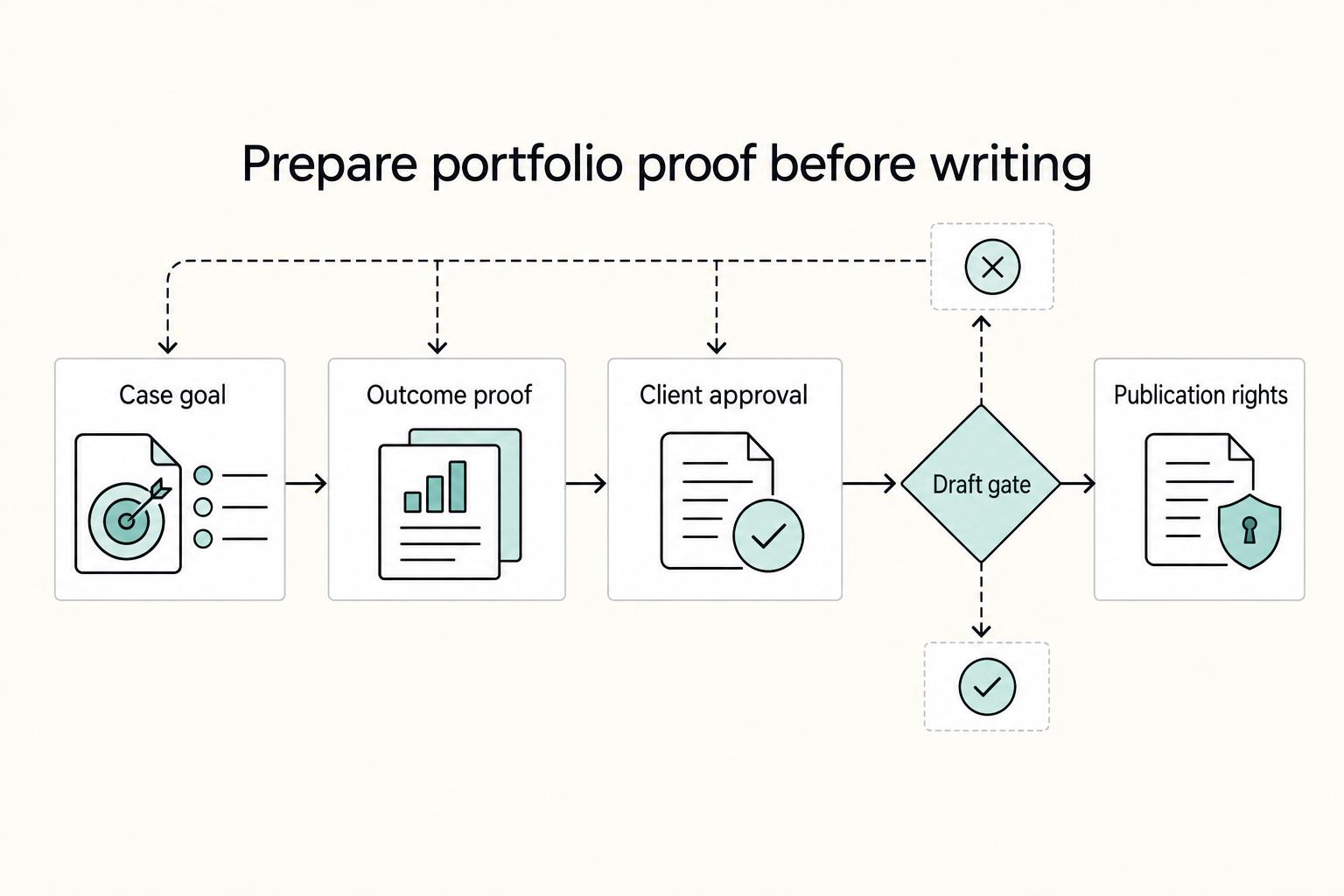
Treat your case study as buyer decision evidence, not as a polished recap of work you enjoyed doing. To build trust, give the reader enough real context and proof to answer one question: should they trust your judgment on a project like theirs?
How to Invest in Real Estate as a Digital Nomad
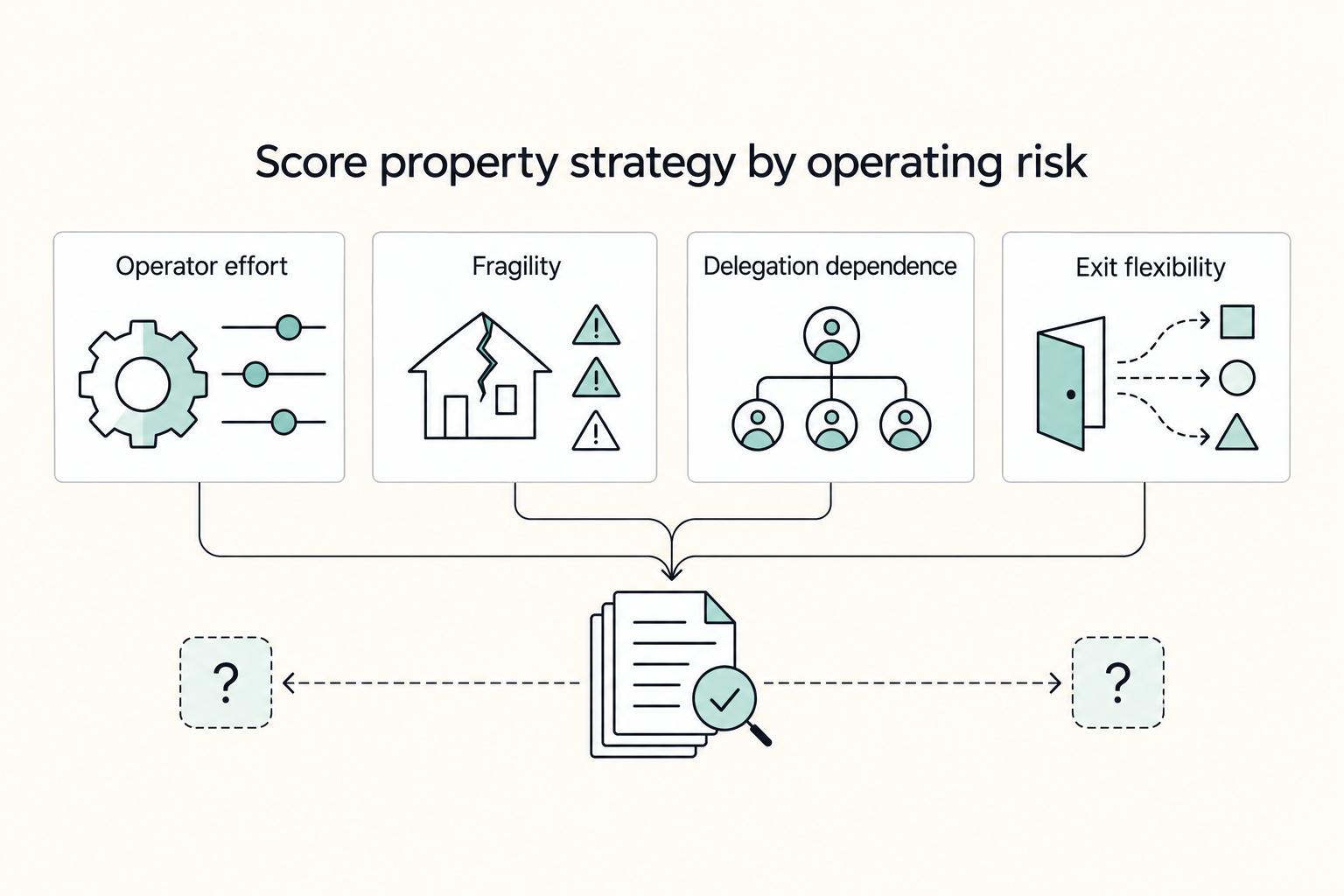
**Run anything with money and moving parts like an operations system (cash, docs, delegation, and controls), not a "passive income" vibe.** Real life stress-tests weak spots. You change time zones, a client pays late, and something breaks at the worst moment. As the CEO of a business-of-one, your job is to build a setup that keeps working when you are not available on demand.