
Operator playbooks for cross-border payments, tax, and compliance execution.
Step-by-step guidance for finance, product, and ops teams to launch faster, reduce payout friction, and keep reconciliation clean across borders.
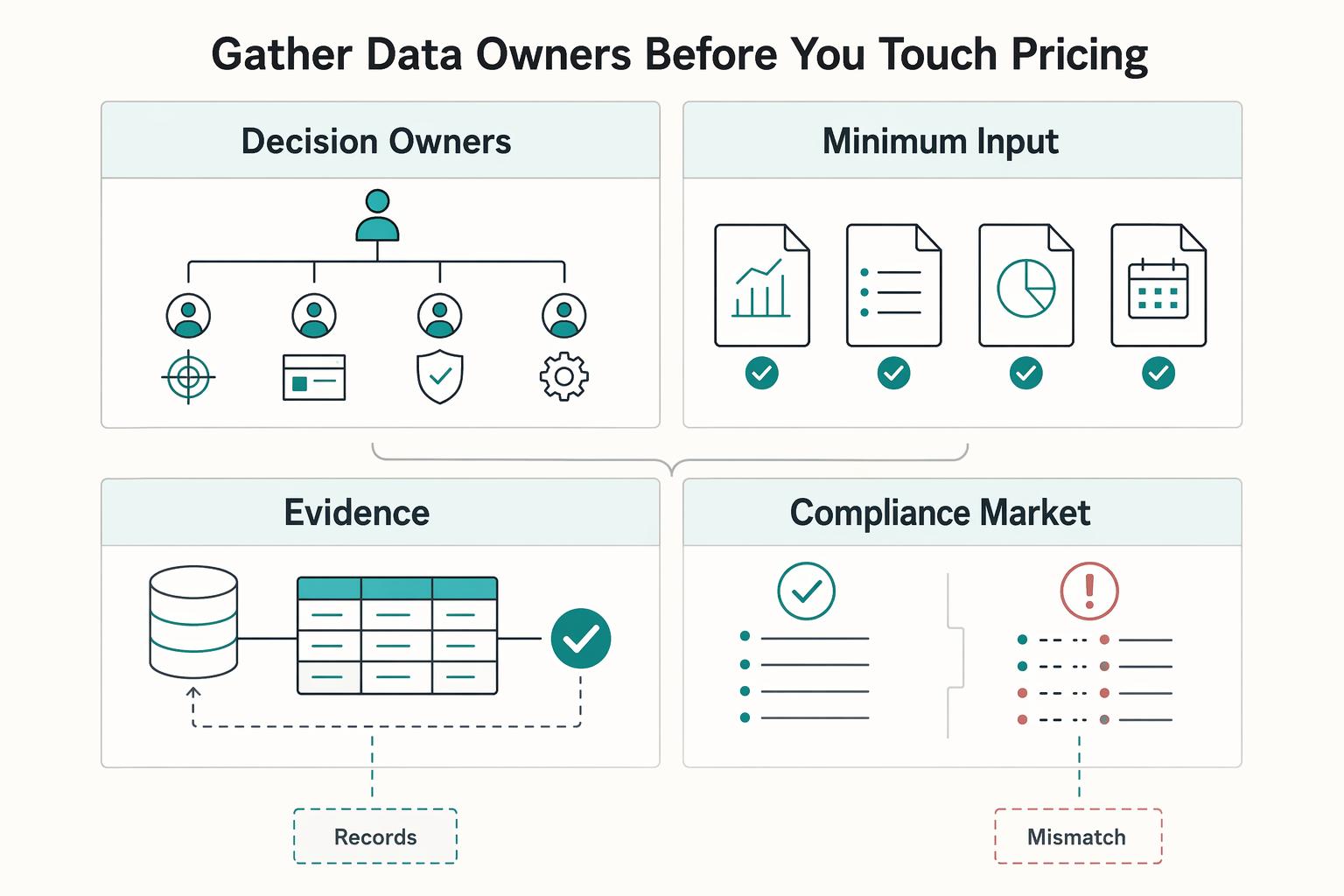
How Platform Teams Use Promotional Pricing Without Eroding LTV
**Step 1. Define promotions as a temporary pricing lever, not a growth shortcut.** Promotional pricing should earn its place by improving Customer Lifetime Value, not by making a dashboard look better for a week. Treat coupons, free trials, and discounts as temporary, time-bound interventions, not quiet permanent repricing.
Read more →
3D Secure Conversion Data for Authentication Drop-Off Decisions
3D Secure is easier to manage when you stop treating it like a single fraud setting. In card-not-present payments, it works more like a shared conversion funnel across three parties: the acquirer domain, the issuer domain, and the interoperability domain that connects them. That matters because checkout loss can start with your request, with an issuer challenge decision, or with how those domains pass state back and forth.
Read more →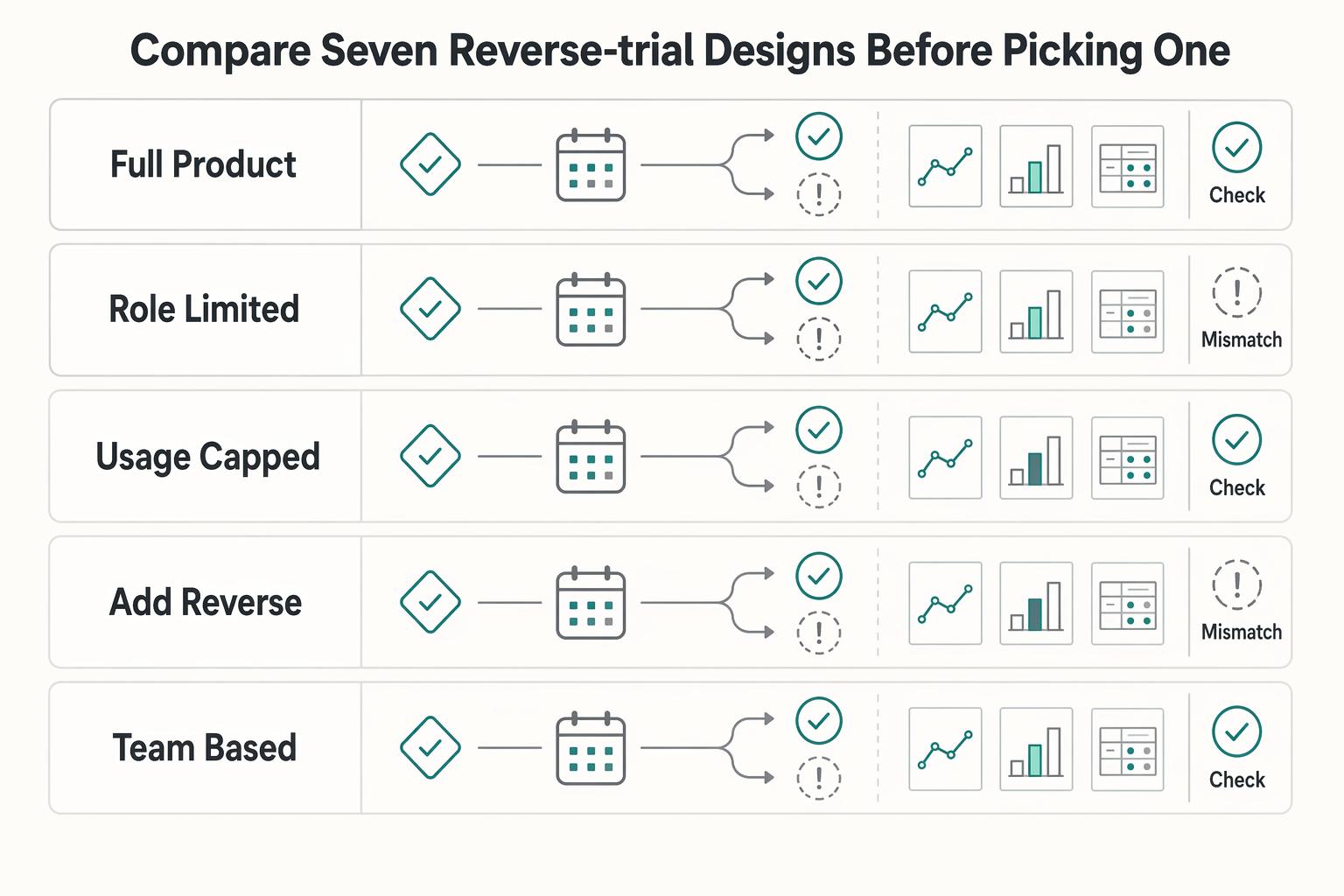
Reverse Trials for B2B Platforms That Convert More Paid Accounts
Treat a reverse trial as a monetization decision, not a short-term growth play. If your B2B platform cannot support a clean downgrade, clear plan boundaries, and reliable billing and entitlement changes, more full-access signups may not help much.
Read more →
Build Plan Tiers and Add-Ons That Raise Revenue Per Platform User
Treat plans and add-ons as one packaging decision. If you split them apart, execution can get messy across billing, sales, and renewals. The goal is not just to raise prices or create more ways to buy. It is to improve revenue in a way your product, finance, ops, and revenue teams can actually support.
Read more →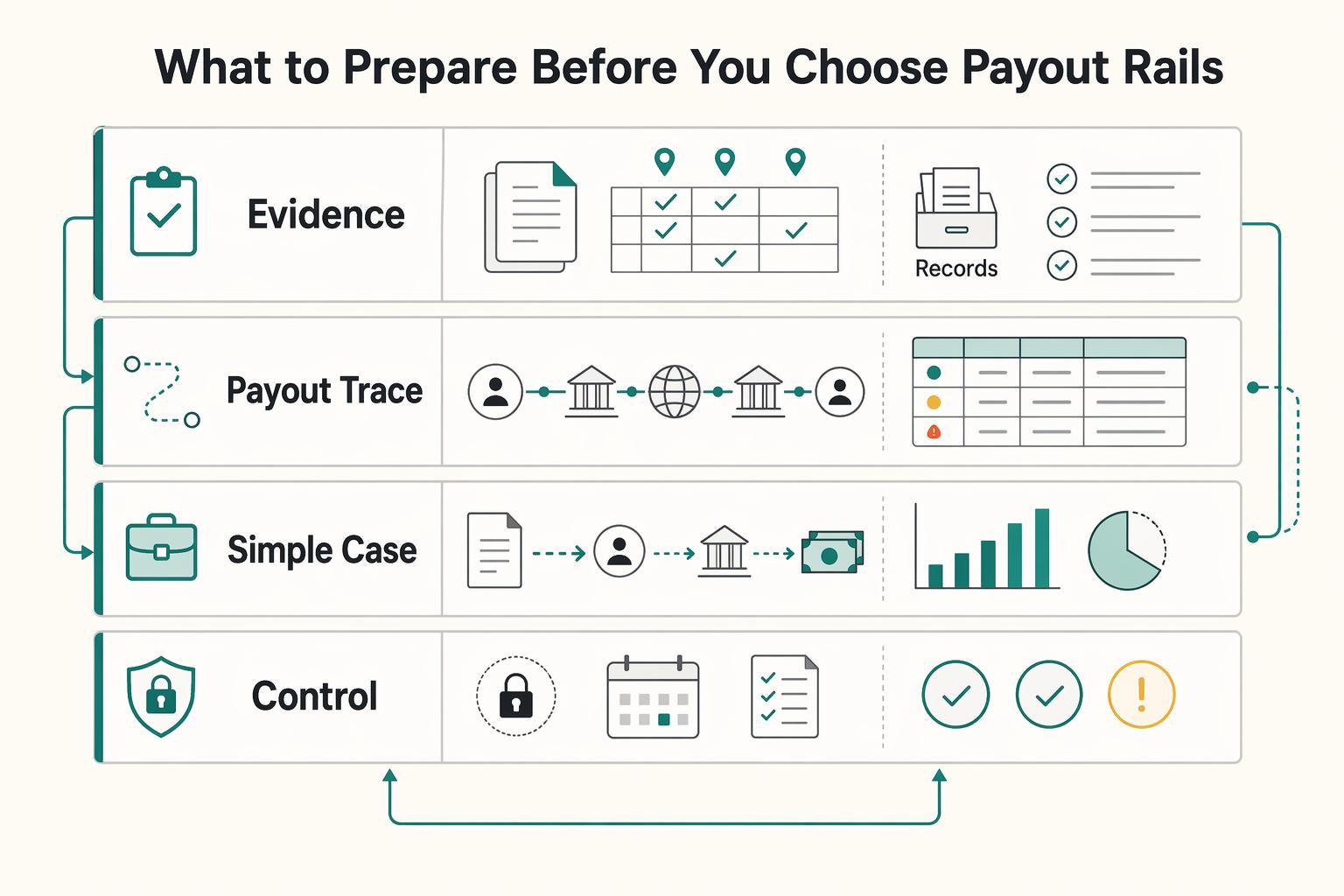
How Platform Operators Pay Creators Globally Across YouTube, Twitch, and Substack
Global creator payouts can break when you treat them like a single integration. For YouTube, Twitch, and Substack-style products, payout behavior changes by country, destination type, threshold, and provider program. The launch decision is really a series of smaller operating decisions. If you want creator trust, optimize for predictable delivery and clear exception handling first, not for the broadest coverage claim.
Read more →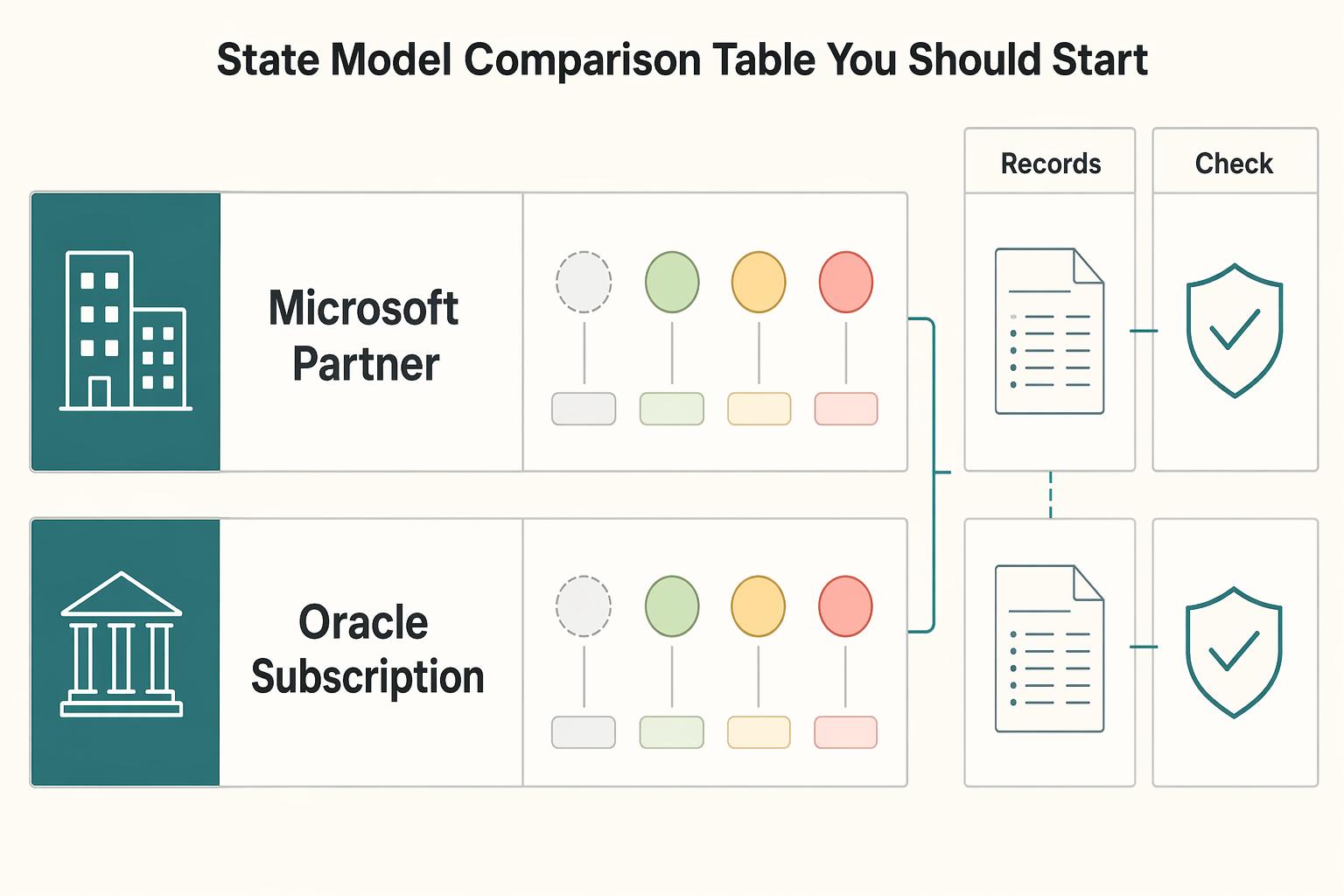
What Is a Subscription Lifecycle? How Platforms Manage Trial Active Paused and Churned States
Subscription lifecycle states matter only when they tell your team what happens next. In **subscription lifecycle states platform management**, a label like `Active` or `Suspended` should tell finance, billing ops, and product what changes in charges, access, edits, and reconciliation.
Read more →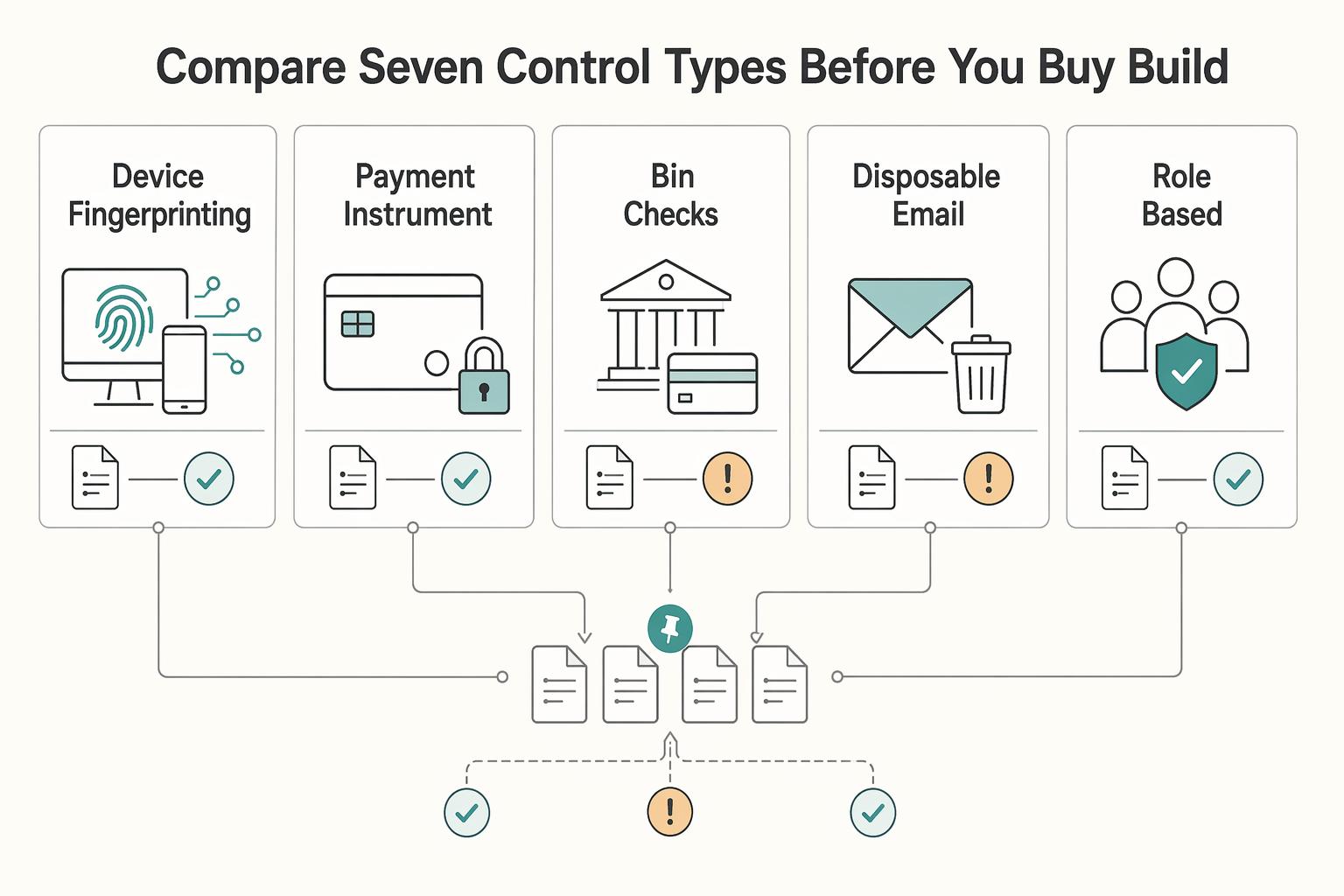
Free Trial Abuse Prevention for Platforms Blocking Serial Trial Exploiters
If you own fraud, compliance, legal, or finance, the goal is straightforward. Stop repeat trial abuse without hurting legitimate conversion, and do it in a way you can explain later. That matters most when the same account path can eventually touch payment processing, payouts, or entity onboarding across multiple markets.
Read more →
How AI-Native Startups Price Products With Usage-Based Monetization
If you are pricing AI products, do not treat usage-based monetization as a last-step packaging exercise. The hard part is that AI usage can drive cost up quickly while the value delivered is often less obvious, so your charge metric, billing model, and guardrails need to be decided together.
Read more →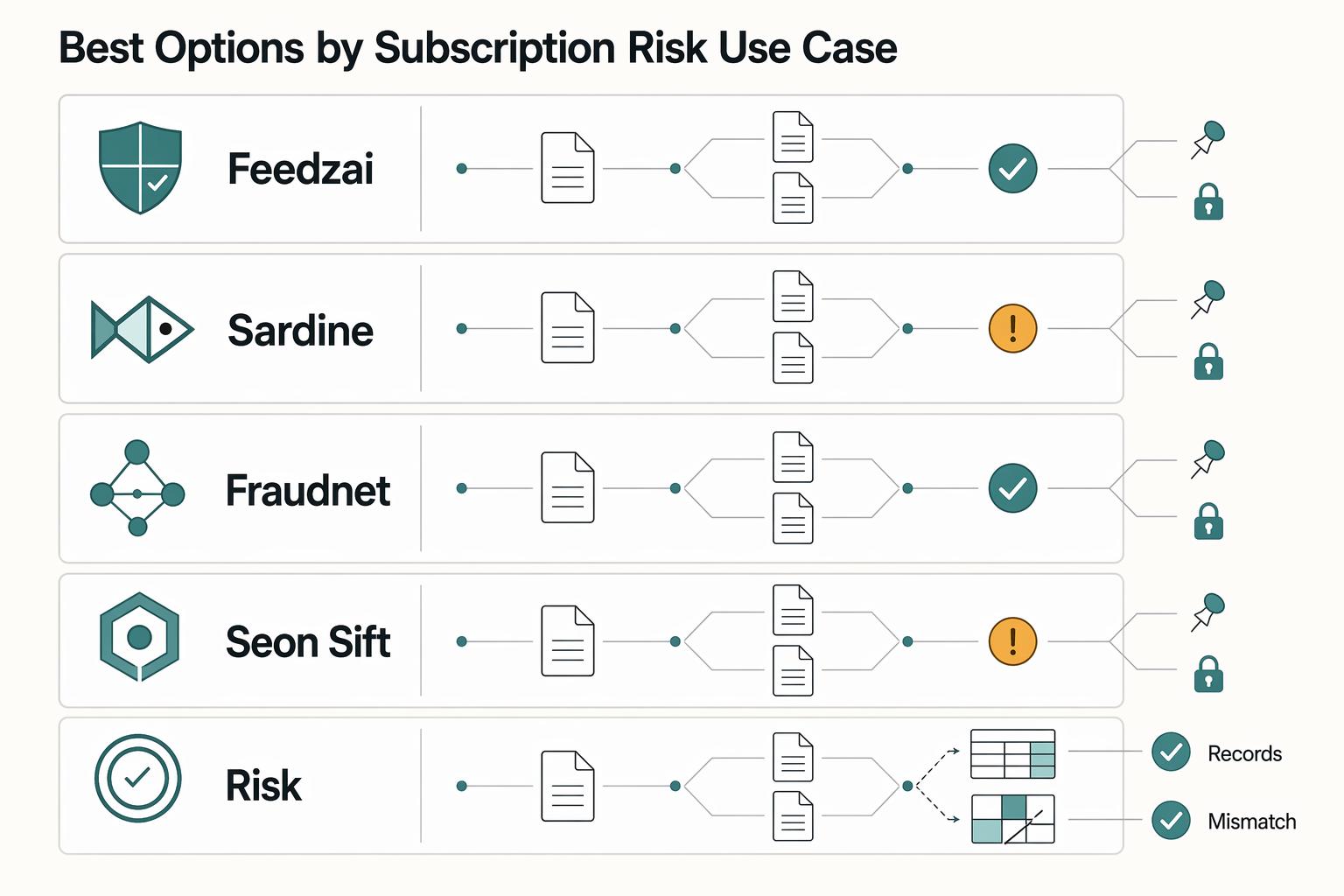
AI Fraud Detection for Subscription Platforms Beyond Rules-Based Approaches
An **AI fraud detection subscription platform** is not just a model score. For a subscription business, it should help you manage fraud risk and compliance exposure across onboarding, recurring payments, and payouts or withdrawals. It should also give your risk, finance, legal, and compliance teams decisions they can defend.
Read more →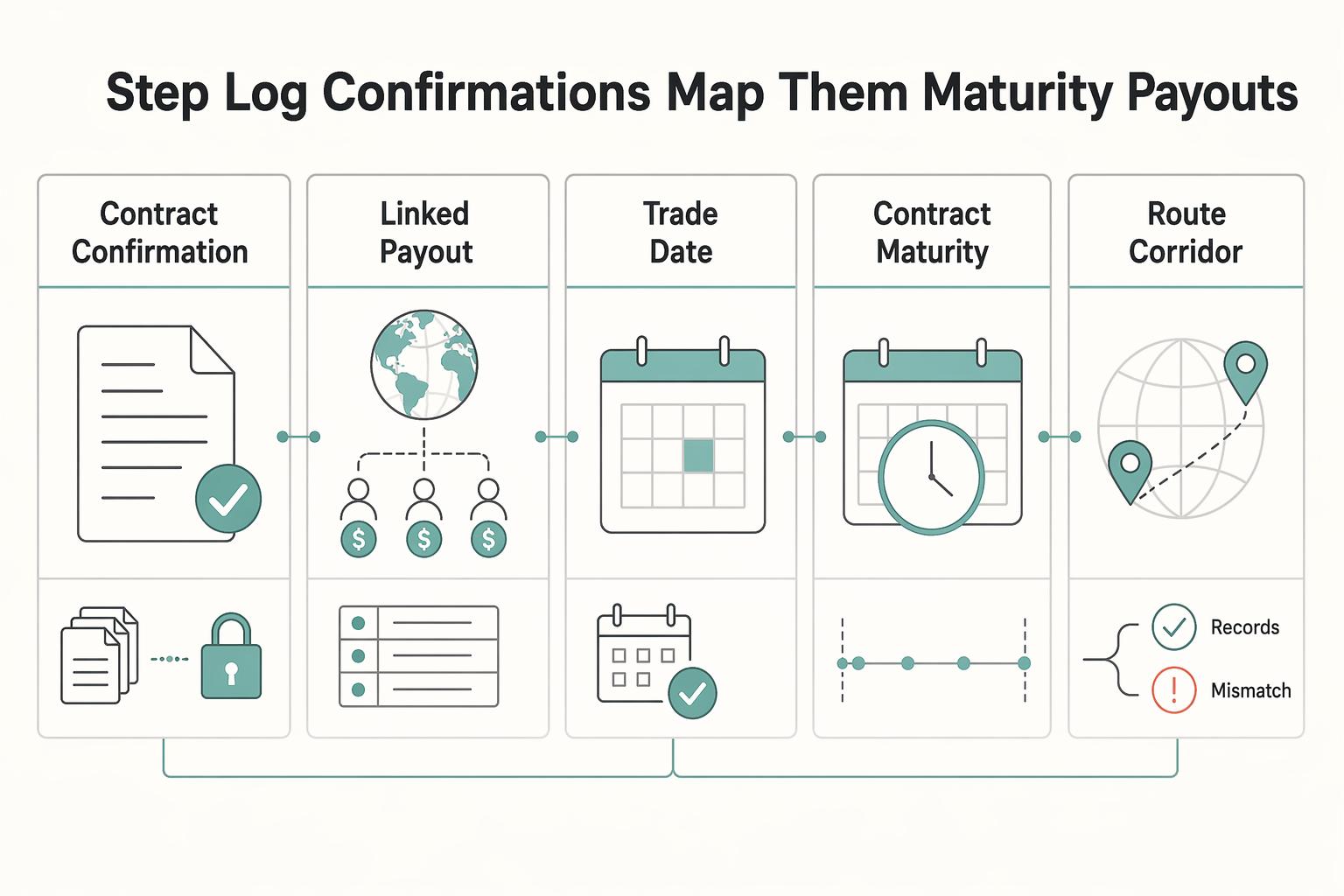
How to Lock In FX Rates for Contractor Payouts Using Forward Contracts
Recurring cross-border contractor payouts create FX cost uncertainty. You approve a payable, then settle later after exchange rates move. That gap can change the cost of a batch by payout day and introduce margin uncertainty.
Read more →
Average Freelance Rates by Country and Profession in 2026
If you are using **average freelance rates country profession 2026** data for budgeting or payout approvals, start by normalizing the benchmarks into one payout unit, then gate them by source confidence and approval controls. This is not another prettier list of freelancer benchmarks. It is a practical way to turn fragmented 2026 rate inputs into a rate policy that finance and ops teams can actually run without constant exceptions.
Read more →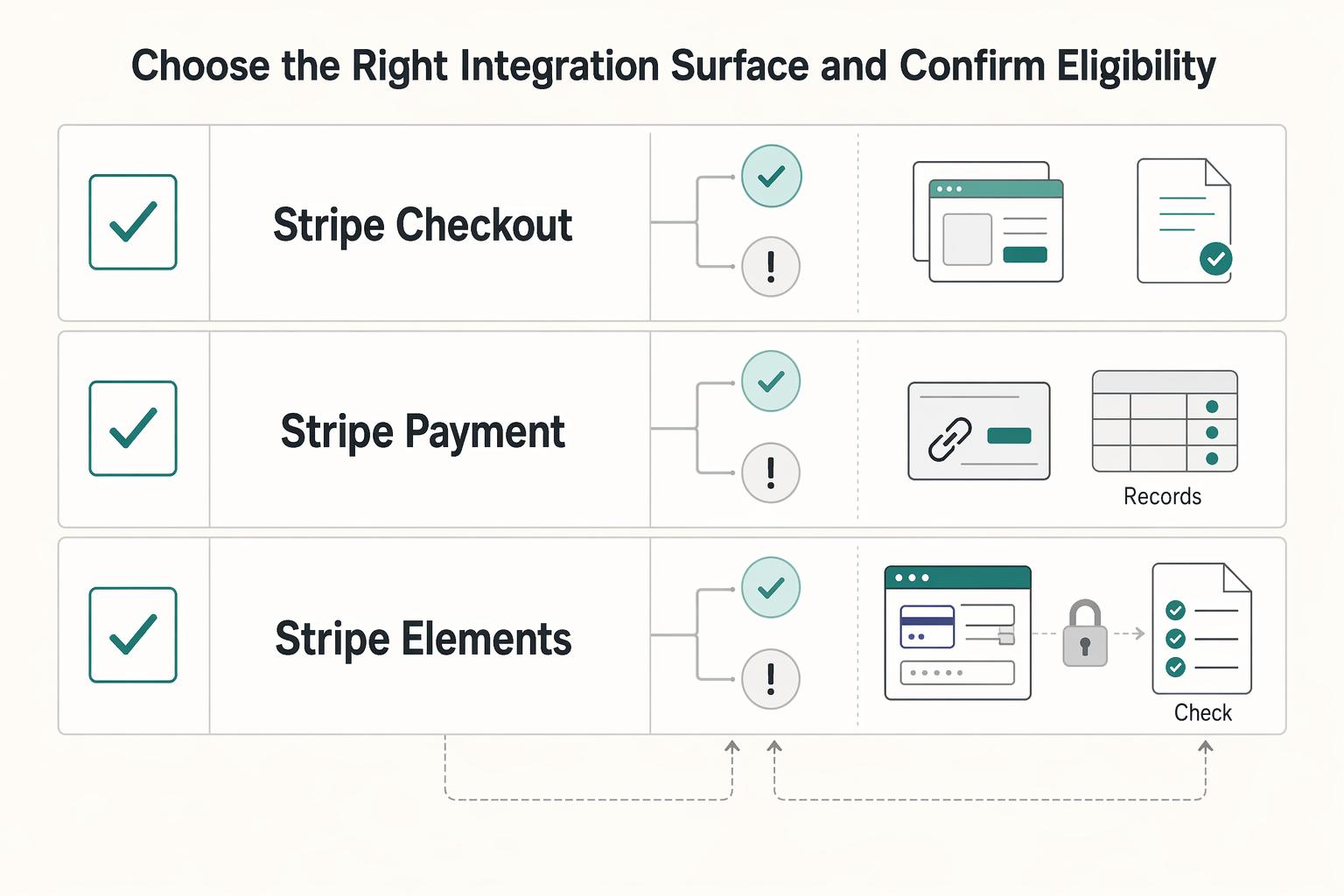
Adaptive Pricing for Subscription Checkout and Conversion Tradeoffs
Adaptive pricing in subscription checkout is a revenue decision first, not a cosmetic checkout tweak. When you show a local currency price to a buyer in another market, you change signup conversion, effective margin, and what the customer expects to see at renewal.
Read more →
Implement 3D Secure 2 for Platforms Without Losing Checkout Conversion
Treat 3D Secure 2 as an architecture choice, not a compliance box to tick. For a platform, the way you introduce 3DS2 changes how you meet Strong Customer Authentication requirements in Europe. It also changes how often customers get interrupted and how much payment logic you tie to a single checkout surface.
Read more →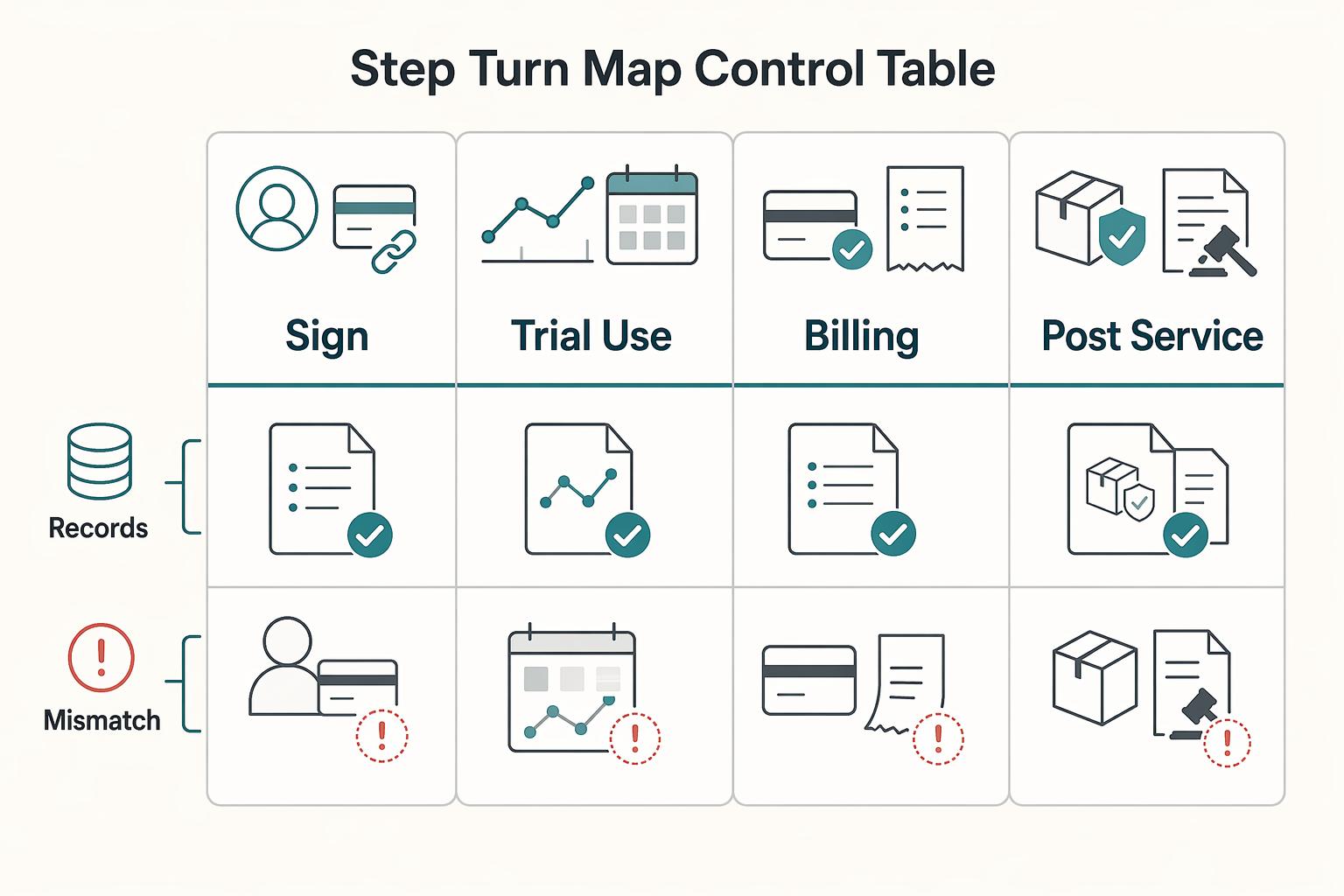
How Platforms Detect Free-Trial Abuse and Card Testing in Subscription Fraud
If your platform sells subscriptions while also handling contractor, seller, or creator payouts across markets, this is not just a signup filter issue. It is a control design issue that cuts across risk, finance, legal, compliance, and product. The damage often shows up later in the customer lifecycle, not only at account creation.
Read more →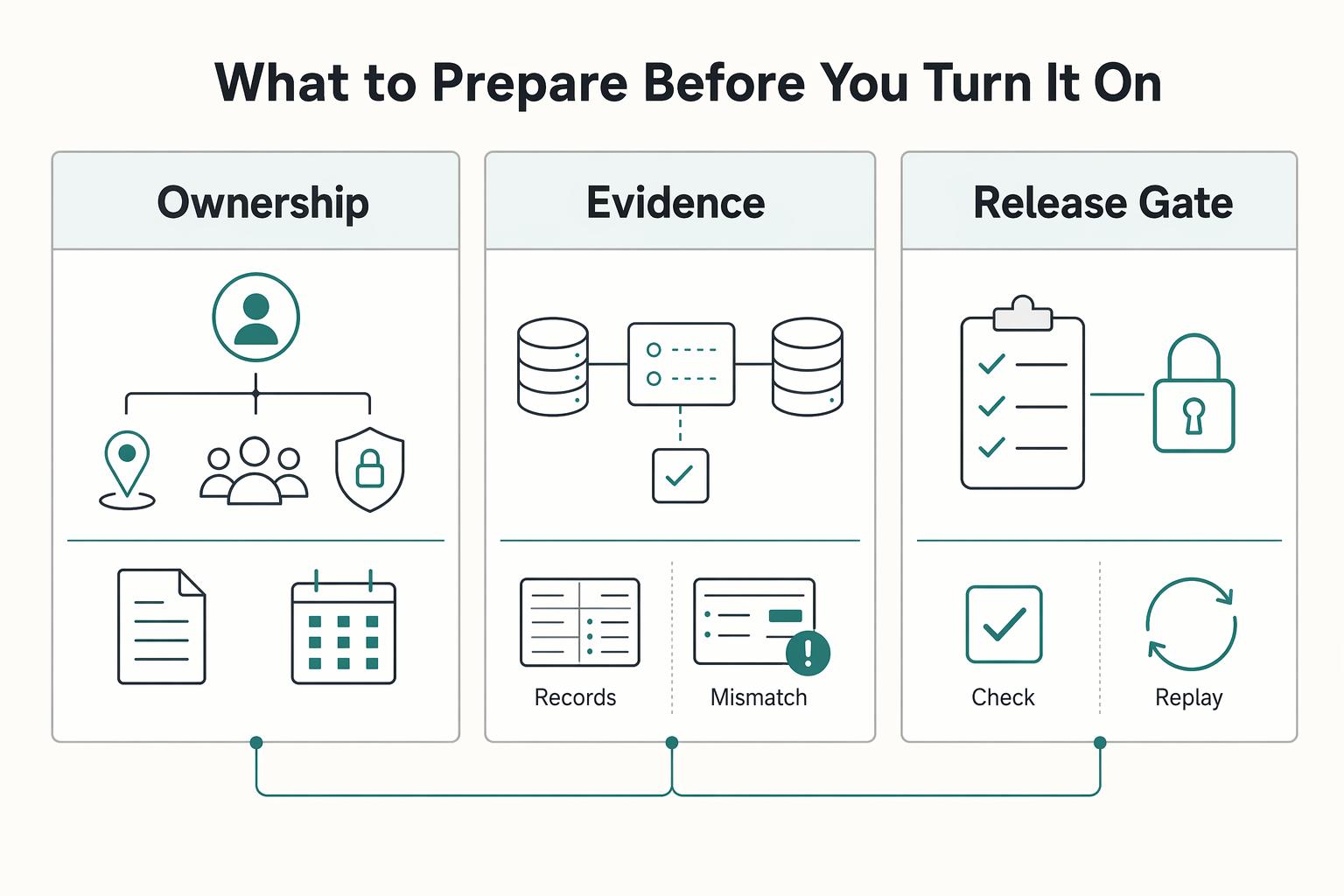
Build a Platform Dunning Campaign With Timing You Can Defend
Build this as an operating sequence, not a template library. In practice, dunning starts after a recurring auto-collection attempt fails and combines payment retries with customer notices. Your job is to recover revenue from failed recurring payments without pushing good customers into churn or creating customer confusion.
Read more →
Recurring Revenue Recognition vs Cash Accounting for Platform Teams
Recurring revenue recognition vs cash accounting is not a choice between competing methods. If you run a subscription or platform business, you need both views at once because they answer different questions on different clocks.
Read more →
Recurring Billing for Marketplaces: How to Charge Buyers and Pay Sellers on the Same Cycle
**Recurring billing in a marketplace works best when buyer charges, seller payouts, and finance close follow aligned cycle logic.** When checkout timing, payout timing, and finance close are designed separately, you can end up with charges that succeed, payouts that stall, and records that only make sense after manual cleanup.
Read more →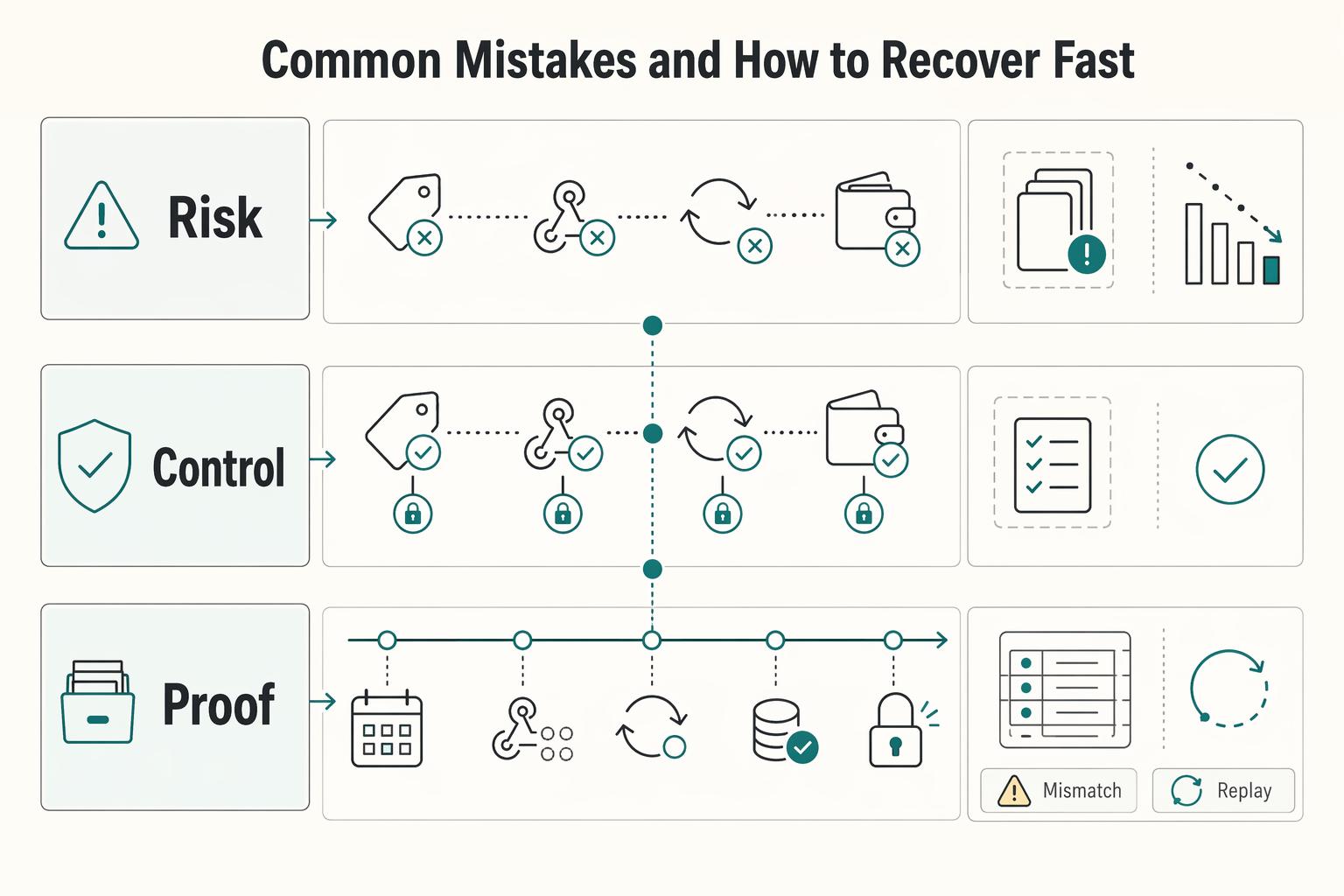
Currency Risk for Platforms Collecting USD and Paying INR
USD collection with INR payout creates a real gross-margin risk as soon as money movement happens across time instead of in one instant. The issue is simple: if the USD amount is known now but the INR conversion or payout happens later, your margin is exposed to the USD-INR move during that gap.
Read more →
Top Freelancing Countries in 2026 for Platform Expansion Decisions
This is not a generic roundup of attractive freelancer markets. If you are deciding where to expand payout and compliance coverage next, the useful question is not which country shows up most often in listicles. It is which country your team can support end to end without breaking onboarding, payouts, or downstream operations.
Read more →
FX Spread Comparison for Platform Teams Using Wise, Airwallex, Stripe, and Local Rails
The wrong way to choose between Wise Business, Airwallex, Stripe, and local payment rails is to compare a headline FX rate and stop there. For most platform teams, margin risk often shows up in execution and operations. Quotes expire before you book, fees stack across collection and payout, route selection can be suboptimal, and finance teams may struggle to tie bank movements back to transactions cleanly.
Read more →