
Operator playbooks for cross-border payments, tax, and compliance execution.
Step-by-step guidance for finance, product, and ops teams to launch faster, reduce payout friction, and keep reconciliation clean across borders.

The Best Personal Finance Apps for Freelancers
If you are choosing among the best personal finance apps freelancers can use, start with payment risk, not popularity. The goal is simple: keep cash flow visible enough to act early when income slows or bills stay fixed.
Read more →
How Generative AI Is Reshaping Creative Freelance Work
Freelance work is not disappearing, but different task types are being repriced. The generative AI impact on freelance work is uneven: draftable tasks face direct price pressure, while judgment-heavy work still earns premium fees when scope and accountability are clear.
Read more →
Using DTA Tie-Breaker Clauses to Resolve Dual Tax Residency
If two countries can both claim you as a tax resident, the safer move is a treaty position you can prove and keep consistent across filings, not a one-year optimization that may fall apart later. DTA tie-breaker rules help allocate treaty residence, but only after you confirm that dual-residency risk is real under domestic law on both sides.
Read more →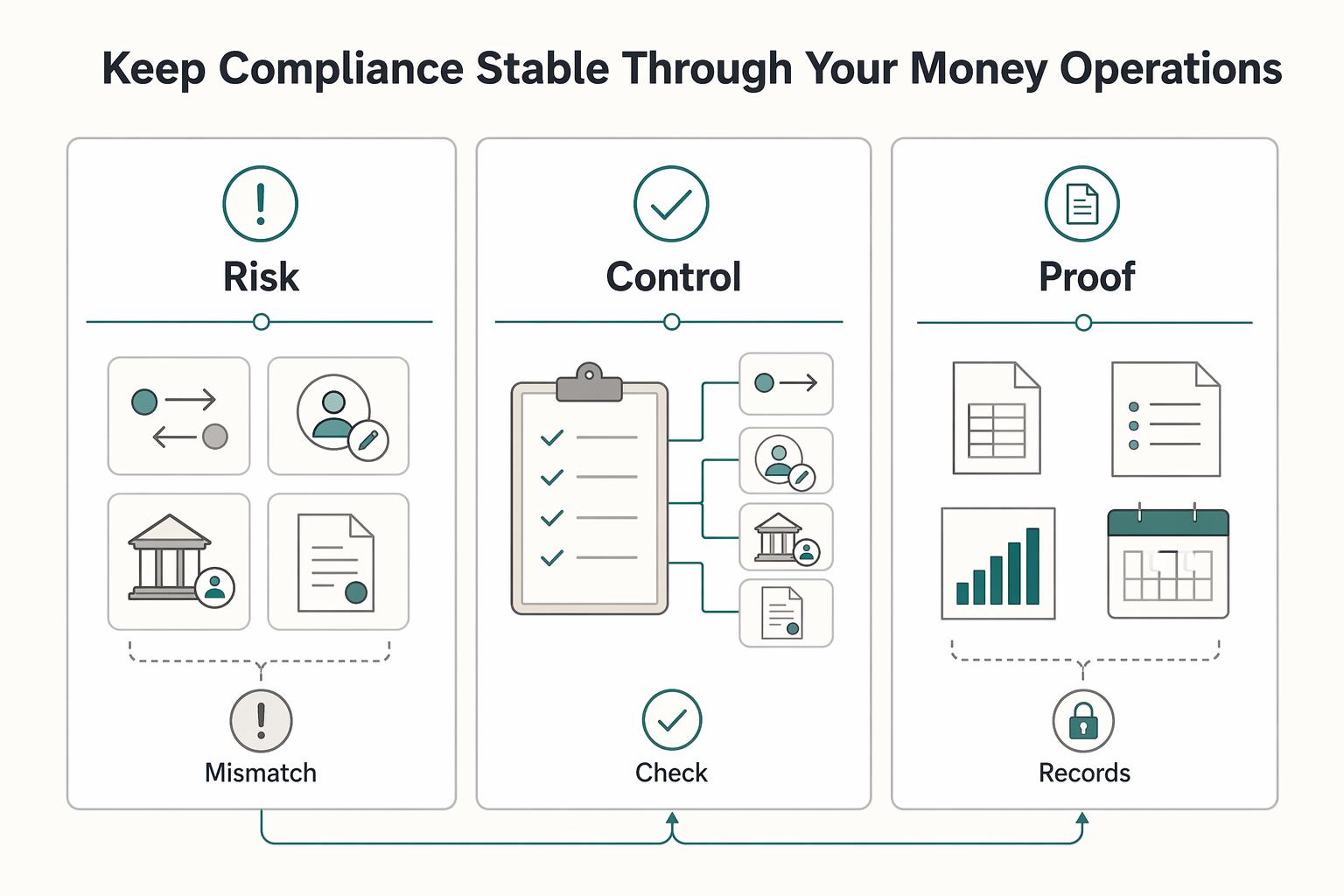
The Tax Resident of Nowhere Myth and the Real Risk in 2026
A "tax resident of nowhere" position may be possible in narrow cases, but it can be hard to defend when your records are inconsistent. The practical target is simpler and stronger: choose one tax residency position you can defend across filings, contracts, and account reviews.
Read more →
The Best Expense Tracking Apps for Freelancers
Admin drag usually starts small, then eats margin at month-end. Use this as a decision guide, not a popularity roundup: pick one tool quickly, then stick to a weekly routine that keeps records clean.
Read more →
Delaware C-Corp vs Wyoming LLC for Your Next Growth Stage
Choosing between a Delaware C-Corp and a Wyoming LLC is a stage-fit decision, not a state popularity contest. For `delaware c corp vs wyoming llc`, the real question is which structure you can run cleanly over the next 12-24 months while keeping room to scale.
Read more →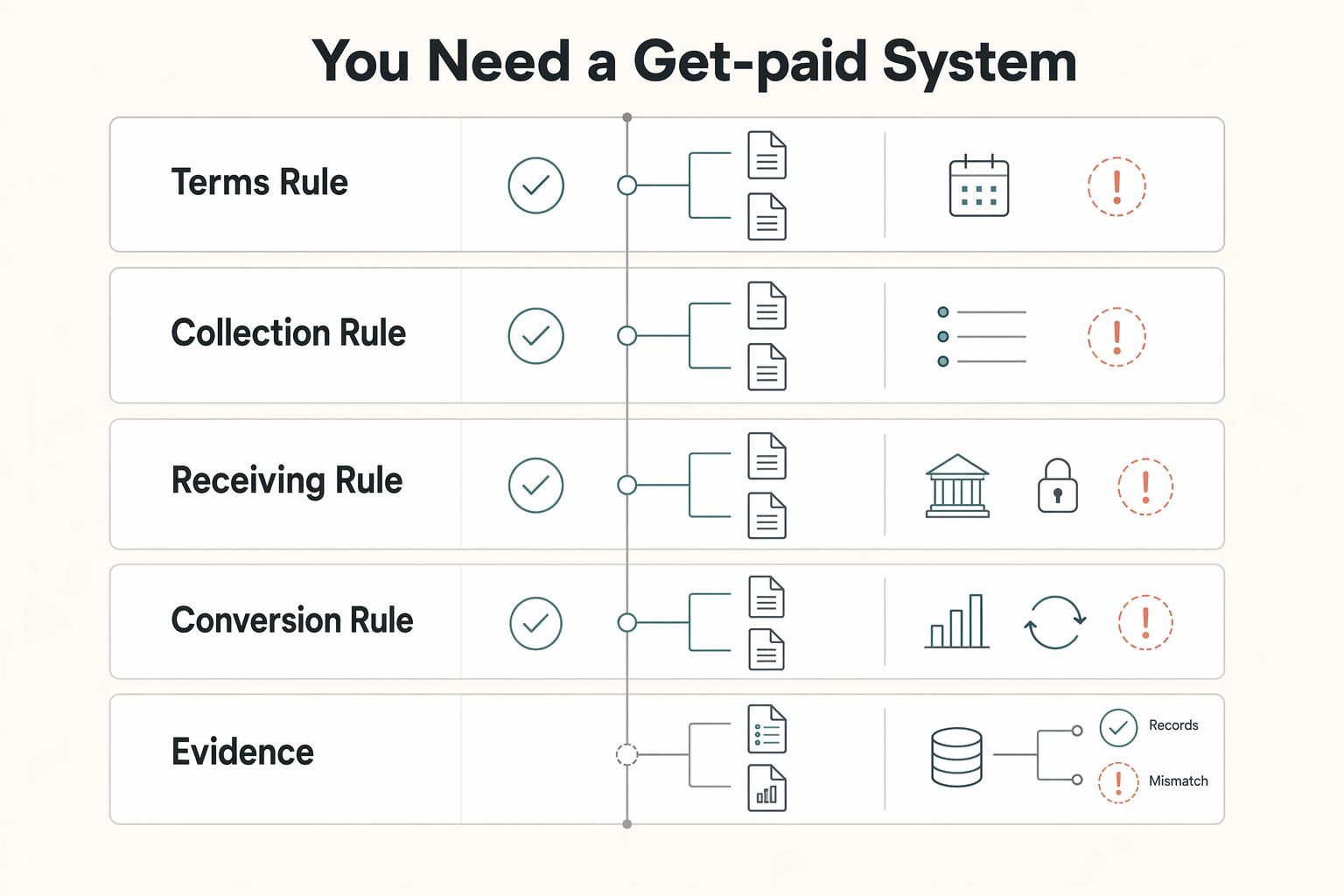
Build a Get-Paid Financial Architecture for Offshore Companies
If cashflow is unpredictable, one common issue is payment setup, not just a missing tool. Late payments, surprise holds, avoidable fees, and weak terms can pile up fast and force reactive decisions.
Read more →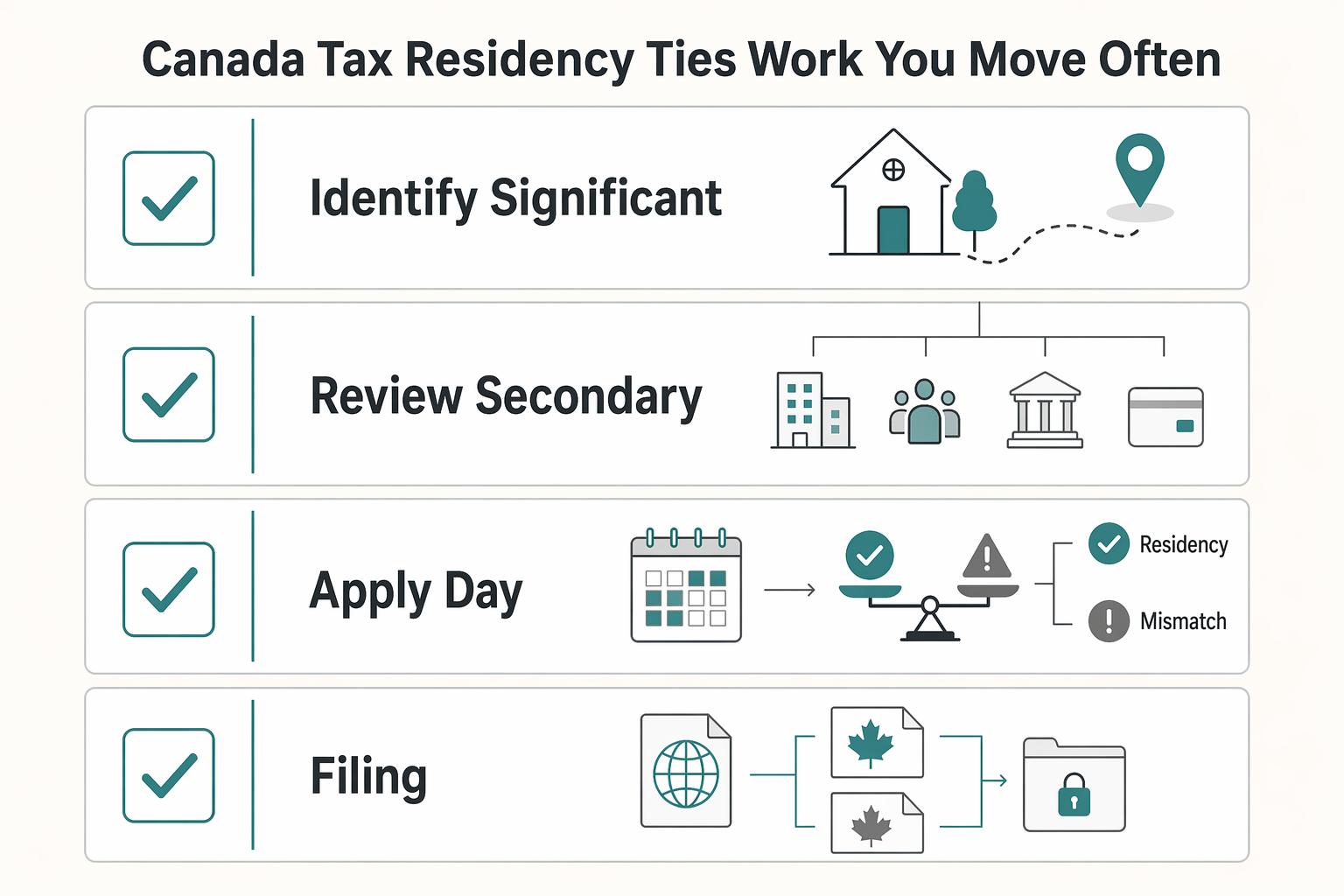
Canada Tax Residency Ties for Freelancers Who Move Often
Cross-border freelancers should determine residency status before relying on day count alone. In Canada, income tax liability starts with whether you are a resident or non-resident, and CRA looks at multiple factors rather than a single shortcut.
Read more →
Indian Freelancer Payment Analysis That Protects Net INR
For freelancers in India, the number that protects cash flow is the net INR credited to your bank, not the USD amount on the invoice. Start from that outcome and work backward through every payment decision.
Read more →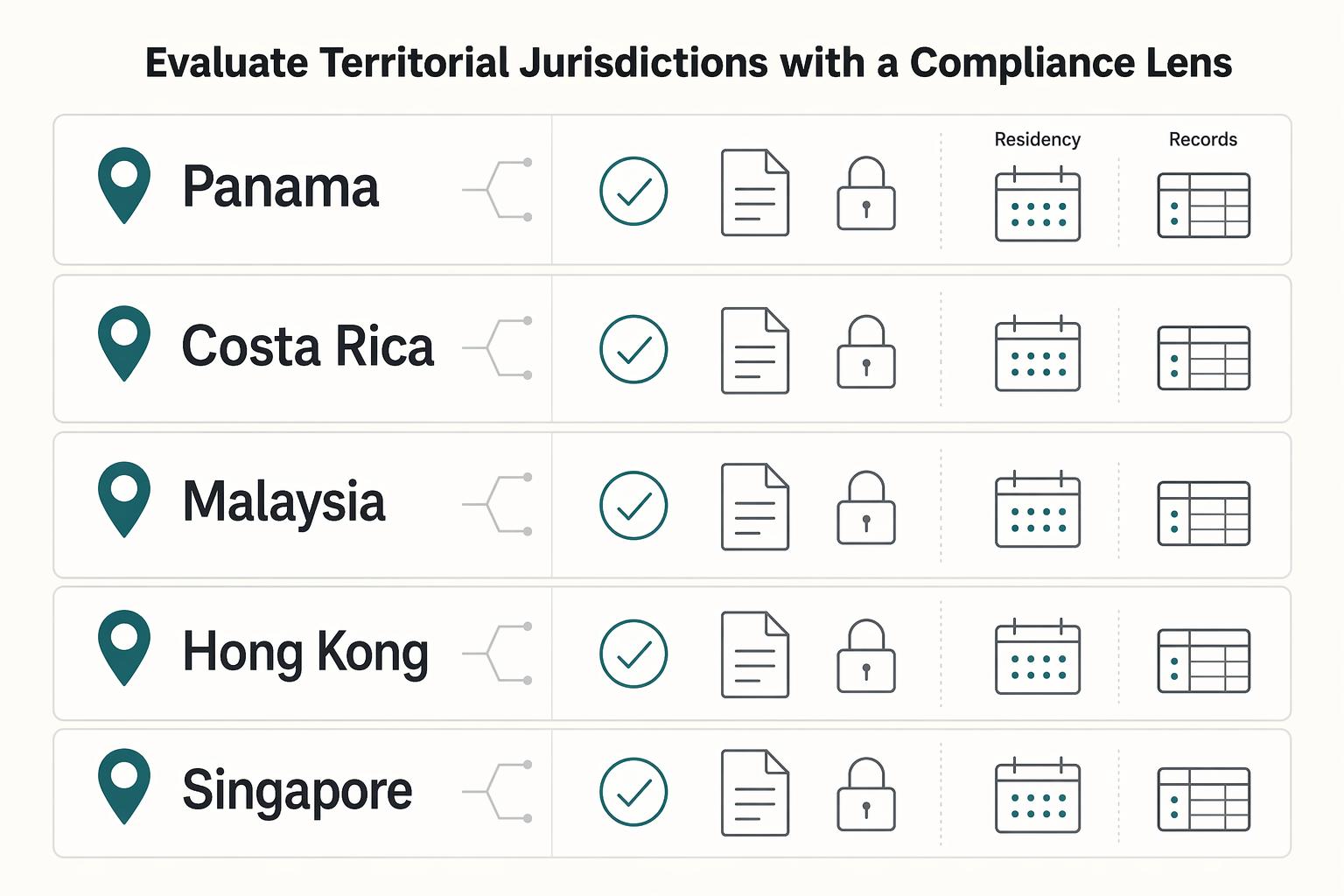
Territorial vs Worldwide Taxation for Nomads
Start by mapping who can tax you before chasing lower rates. Territorial treatment can reduce tax drag in the right setup, but residency or income-source mistakes can erase that upside through multi-country filing complexity and double-tax risk. Compare countries only after you separate the core models.
Read more →
Payoneer Marketplace Payments Review: Test Channels, Costs, and Controls First
Payoneer can be the right payout layer when marketplaces drive most of your inflow. It can also create avoidable cleanup work if you treat broad coverage statements as route-level proof. The practical move is simple: test your exact channels first, then decide.
Read more →
How to Write a Privacy Policy for Your Freelance Website
A [privacy policy](https://freelancersunion.org/privacy-policy) is easier to defend in client due diligence when each statement traces to real behavior. Treat it as a working record, not footer filler: what personal data you collect, how you use and manage it, and how someone can raise a concern.
Read more →
Digital Nomad Pre-Travel Checklist for Long-Stay Moves
Set your departure dates first. Long-term travel planning breaks down when timing stays vague. Vague timing usually turns into rushed paperwork, rushed bookings, or unresolved home obligations.
Read more →
High-Earning Indian Freelancers by Demographics and Skills
A useful Indian freelancer market analysis starts with one practical move: classify each number before you trust it. Put every claim into one of three buckets - market projection, platform activity, or worker outcome, then decide whether it changes what you do now.
Read more →
Xolo Go vs Xolo Leap: How to Choose
Start with the operating model. The real choice is not the interface or branding; it is how you want to run a solo service business day to day. `Xolo Go` is positioned as a route where you do not own a registered company and pay transaction-linked fees for professional services. `Xolo Leap` is usually treated as the more formal alternative, often in `Estonian e-Residency` discussions.
Read more →
How to Fire Your Accountant or Lawyer
Ending an accountant relationship is mostly an execution problem. If you're working through this, the safest path is to protect continuity first, then close the engagement in writing with clear records.
Read more →
Invest in Your Freelance Business by Protecting Cashflow First
Start with payment reliability before you buy another growth tool. Courses, coaching, and software can help delivery, but they do not protect cashflow when payment is delayed, disputed, or never sent. A practical move is to make each engagement payable, traceable, and harder to derail from kickoff to settlement.
Read more →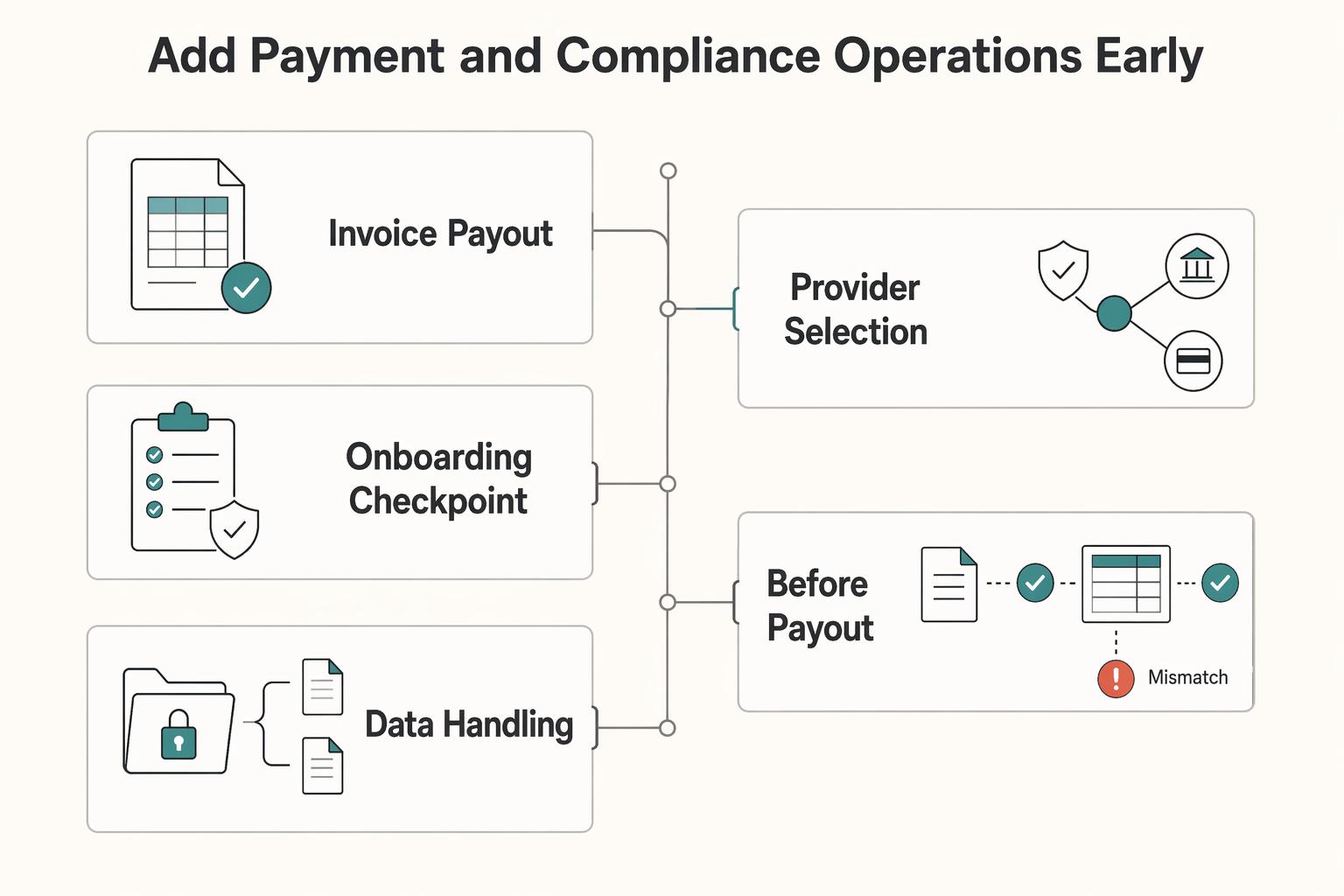
How to Build a Freelance Website on a Budget
A professional budget site should be your home base, not just another marketplace profile. Launch fast, keep costs controlled, and make it easy for prospective clients to contact you and pay you.
Read more →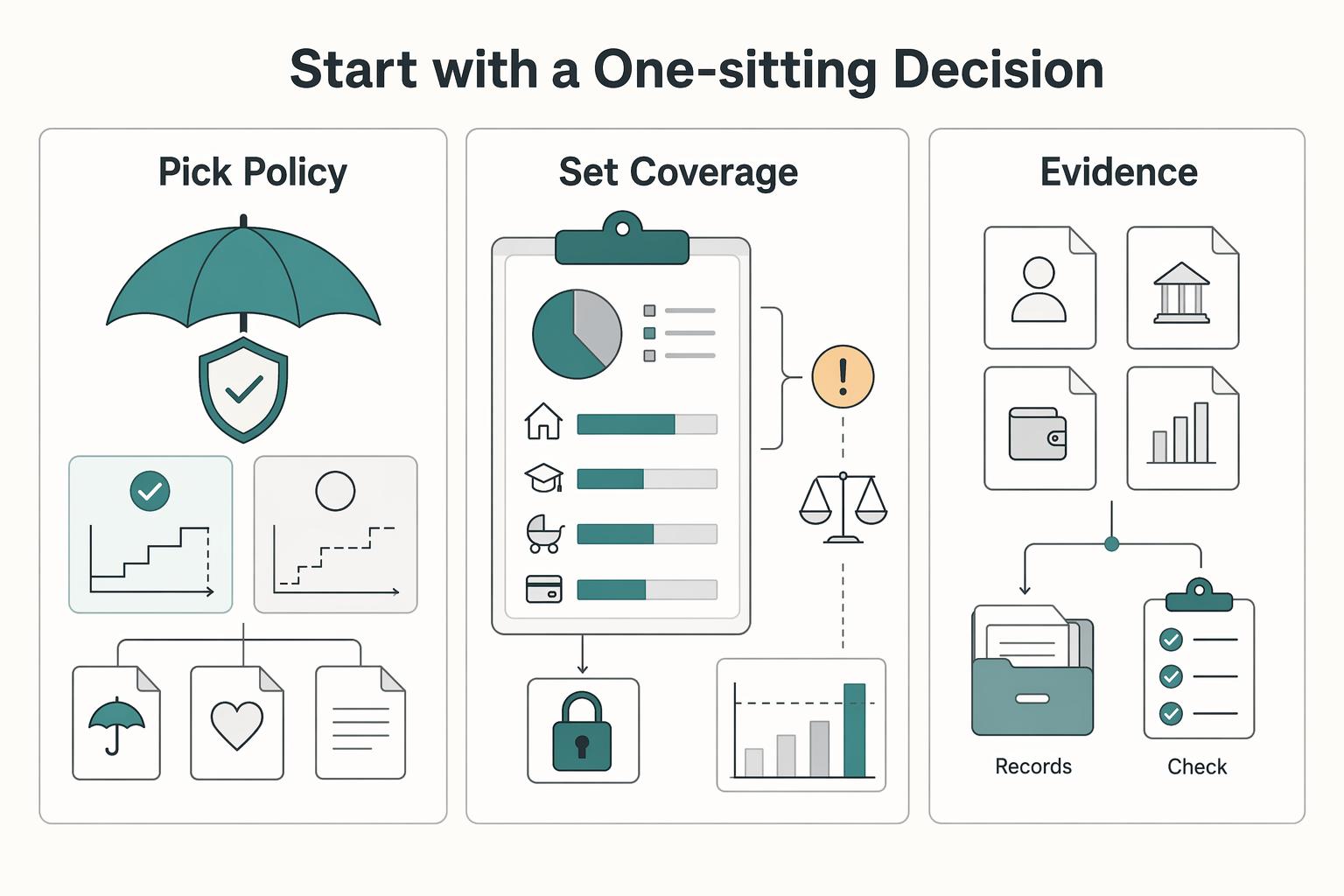
Life Insurance for Freelancers With Variable Income
Make this decision in one sitting. Pick policy type, set a death benefit tied to real obligations, and prepare your application details before you shop. A single sitting matters because it forces tradeoffs into the open. If you split the call across weeks, it is easy to keep toggling between products without locking anything in.
Read more →
The Best Ways for Freelancers to Accept Payments on a Website
Choose the payment setup your team can run cleanly from request to paid, not the one with the longest feature page. Late payments and disputes usually come from fuzzy terms, unclear ownership, and weak follow-through, not just from tool choice.
Read more →