
Operator playbooks for cross-border payments, tax, and compliance execution.
Step-by-step guidance for finance, product, and ops teams to launch faster, reduce payout friction, and keep reconciliation clean across borders.

Applying the US-Mexico Tax Treaty as a Remote Worker
For U.S.-Mexico cross-border tax decisions, use this order: confirm residency, map income and relief, then test business-presence risk. The common failure is to reverse that order and file credits or treaty forms before your residency facts are coherent.
Read more →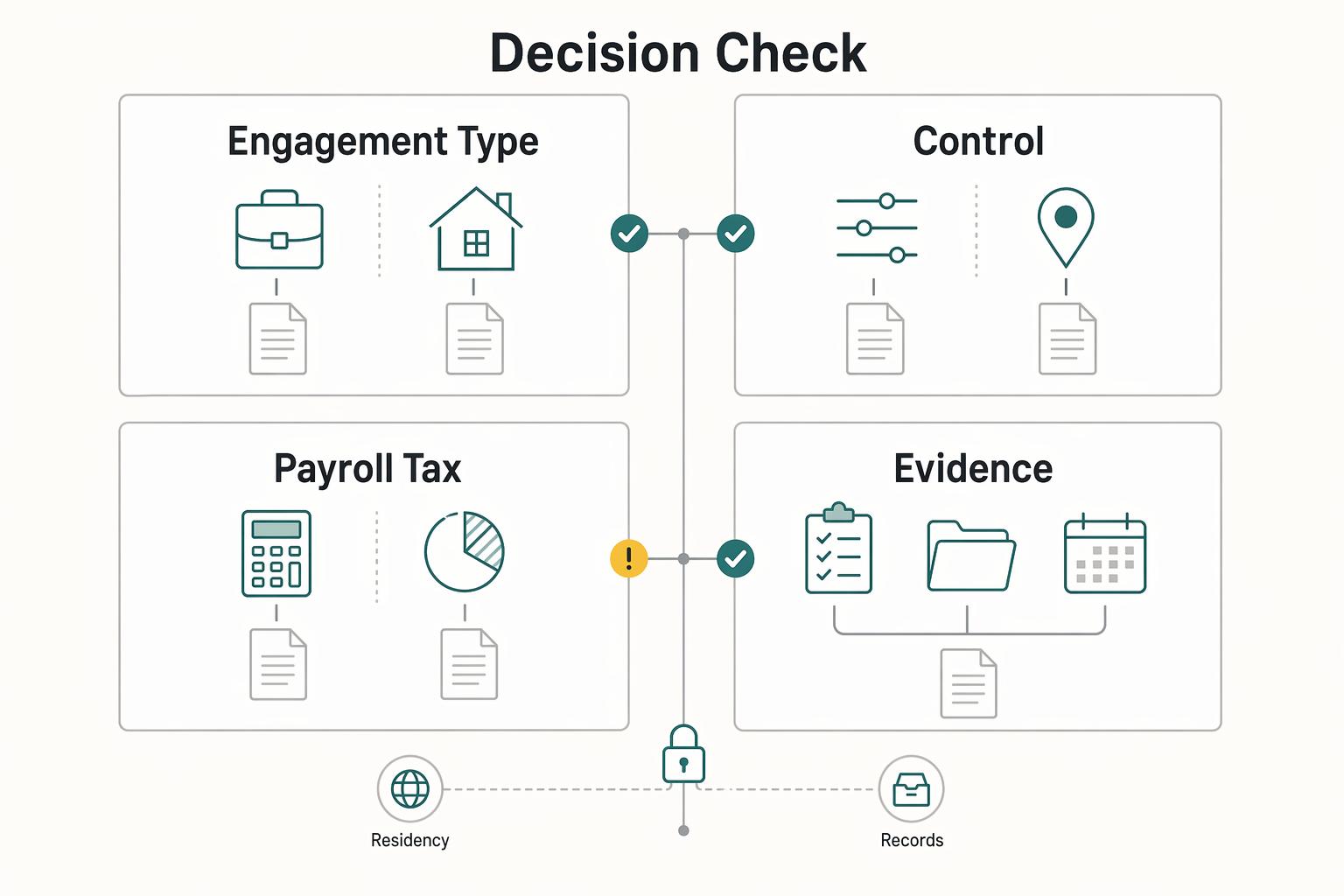
I-9 and E-Verify Compliance for Contractors and First-Time Employers
If a client is engaging you as an independent business, an I-9 request can signal a classification mismatch. For contractor onboarding, the starting tax form is typically [Form W-9](https://www.irs.gov/forms-pubs/about-form-w-9). Form I-9 is for employees hired for employment.
Read more →
Safe Creative vs. U.S. Copyright Registration: How to Build Proof and Preserve Enforcement Rights
Treat IP as two separate jobs in your workflow: document proof early, then secure enforcement rights when a work becomes commercially important.
Read more →
A Canadian Corporation's Guide to Invoicing a US Client
Use this sequence every time: **(1) pre-invoice compliance, (2) payment rail setup, (3) invoice execution**. That order matters. It helps you reduce avoidable withholding risk, conversion loss, and reconciliation problems before cash is moving.
Read more →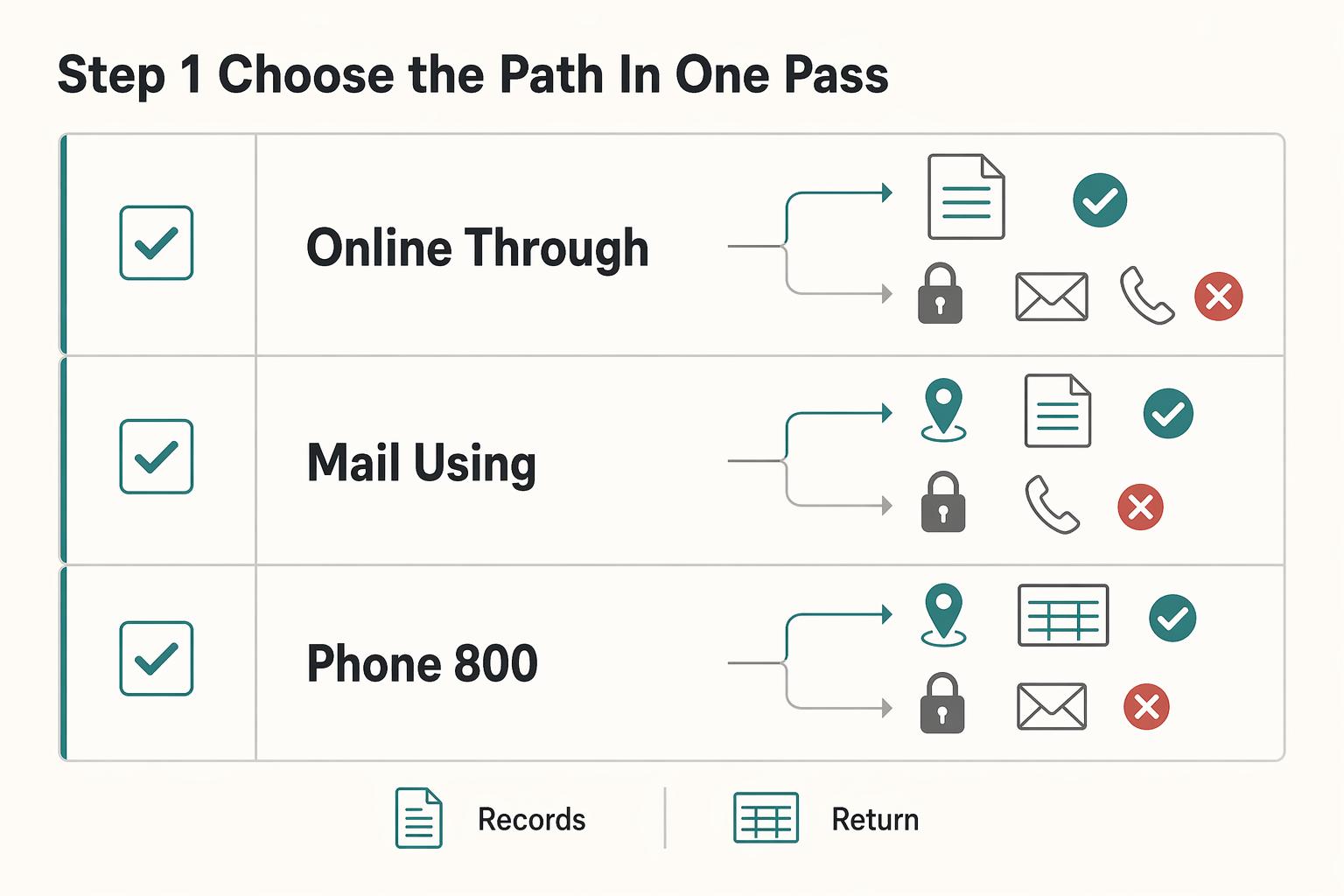
How to Get a Transcript of Your Tax Return from the IRS
For most cross-border reviews, an IRS transcript is usually the best starting document because it gives you IRS-issued verification without requiring your full return packet. In many cases, that is enough. A transcript is not a full copy of your filed return. It is an IRS record, such as a Tax Return Transcript or Record of Account Transcript. A full return copy includes the complete filed return and attachments requested through Form 4506.
Read more →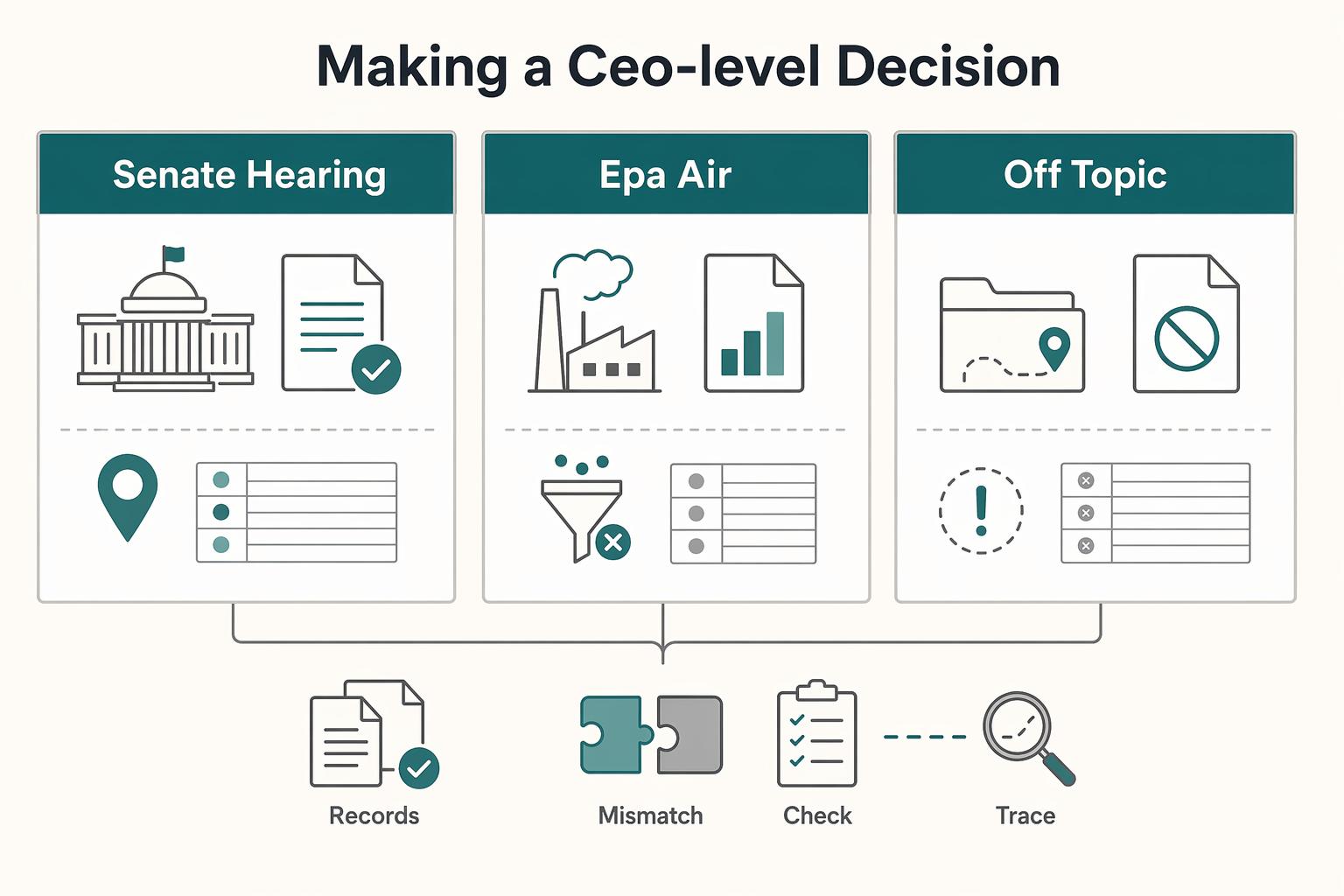
How to Choose the Best Wyoming Registered Agent for Your LLC
Start with reliability, not price. For a Wyoming LLC, the first question is whether the agent can consistently receive legal papers and state notices, follow clear privacy practices, and stay operational over time.
Read more →
Tax Residency in Poland for Freelance Developers
If you work as a senior developer on a B2B contract in Poland, treat yourself like a business, not just a contractor. Your job is to choose a tax position you can support, then keep records that hold up if questions come later. This guide follows that order: first your core tax base, then IP Box, then residency. The aim is simple: improve your after-tax result without building on assumptions you cannot defend.
Read more →
GDPR Compliance Checklist for Freelancers Working With EU Clients
Start by separating the decisions you are actually making. For a workable **GDPR setup**, run three distinct tracks and record each one in writing before the first invoice goes out: VAT treatment, GDPR scope and role, and daily privacy operations.
Read more →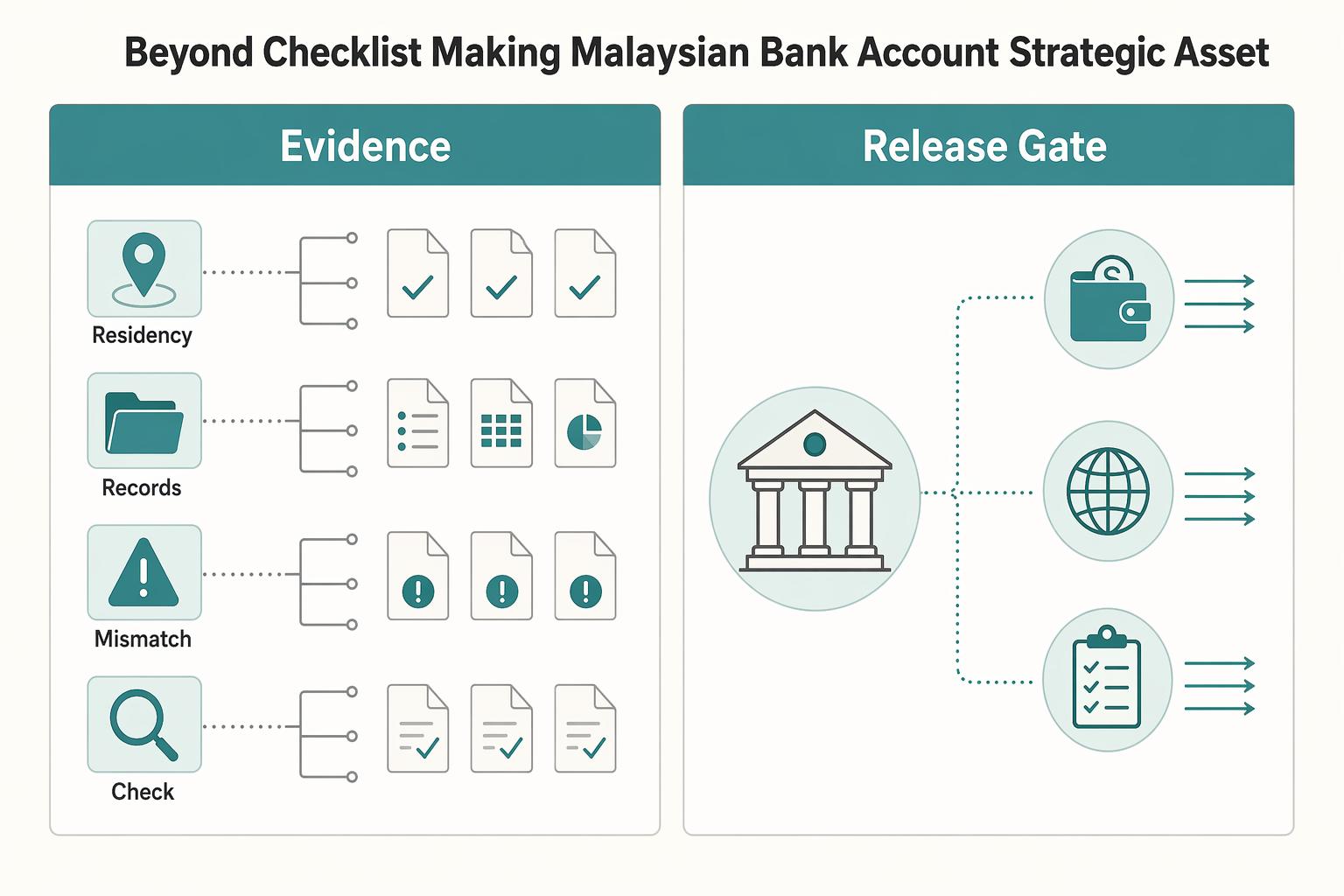
How to Open a Bank Account in Malaysia as a Foreigner
Treat opening a Malaysian account as a cashflow and risk decision, not an admin task. Your bank choice affects how you get paid, what account data may be collected and exchanged across borders, and how much rework you face if the bank asks for follow-up documents.
Read more →
How At-Risk Rules Limit S-Corp Loss Deductions
The at-risk rules in IRC Section 465 govern whether you can actually deduct your S corporation's losses. They test whether you have real skin in the game, preventing deductions for losses that exist only on paper. For a founder who values control, this is about avoiding year-end surprises and keeping a firm grip on funding and tax strategy. It is not abstract. It affects what loss you can claim and when.
Read more →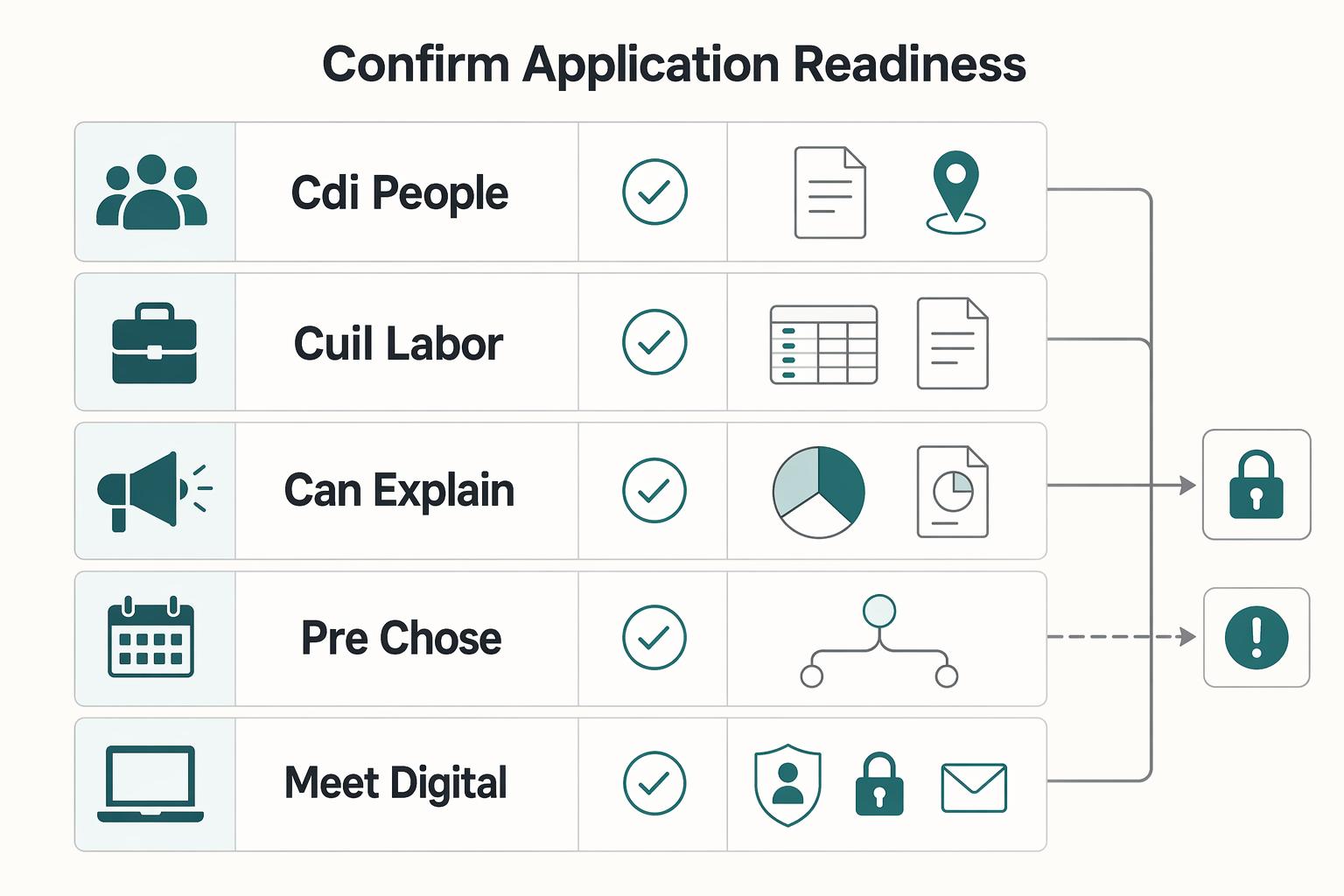
How to Get a Tax ID (CUIT/CUIL) in Argentina as a Foreigner
Getting a tax ID in a new country can look like a simple admin task. In Argentina, treating it that way is a mistake. Before you fill out anything for a CUIT, step back and assess the longer-term tax and compliance effects. If you skip that step, you create avoidable risk and uncertainty. This guide helps you make that call deliberately, not reactively, so your entry into the Argentine fiscal system matches how you actually live and work.
Read more →
How to Get a National Insurance Number (NINO) in the UK
Start with a simple sequence: check whether you already have a National Insurance number, submit one first application only if you need it, then keep your NINO, UTR, and share code in separate lanes. Many setup problems come from document mix-ups rather than difficult legal edge cases.
Read more →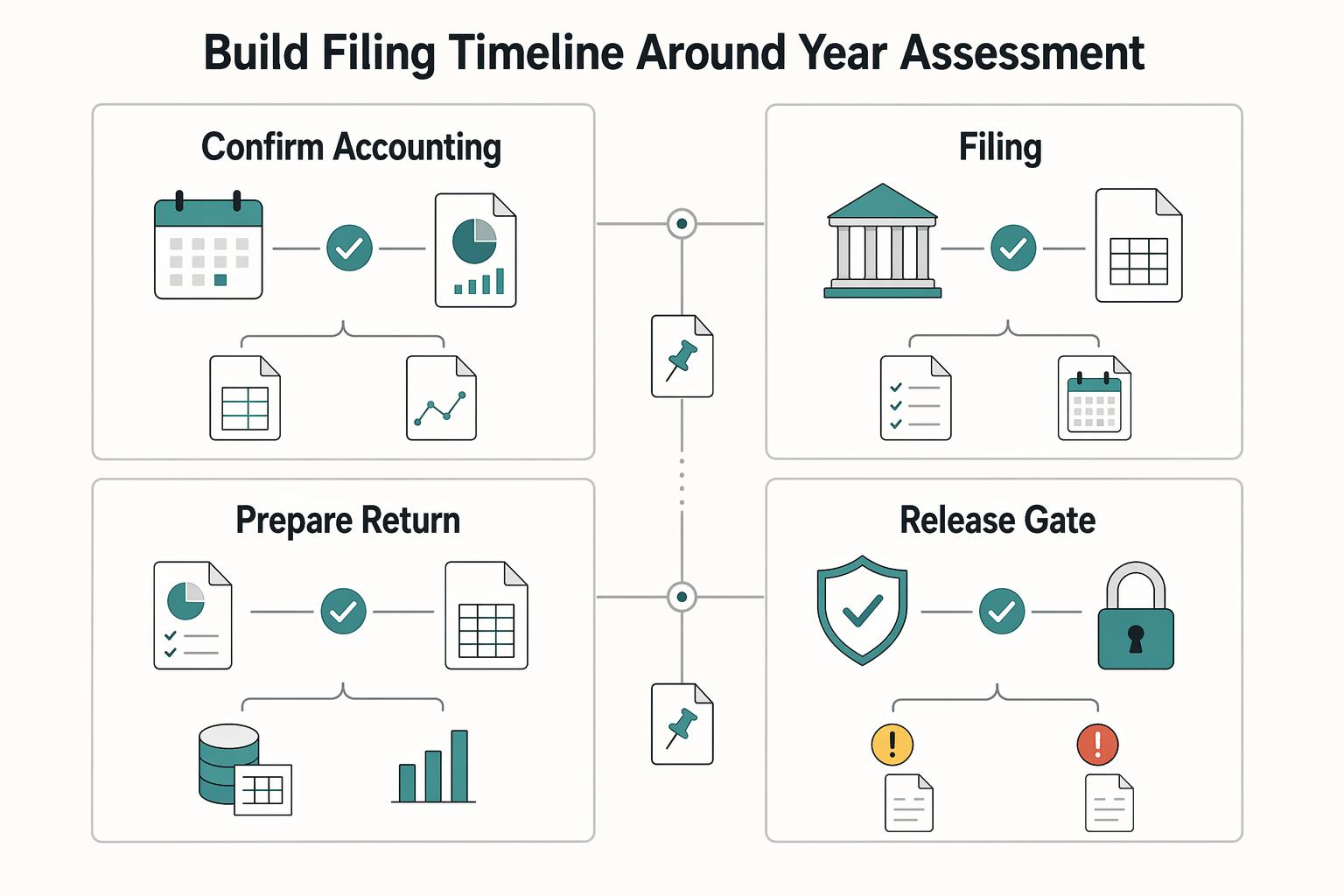
When Isle of Man 0% Corporate Tax Is Defensible for Freelancers
Start with the hard rule: **0% is a filing conclusion, not a default.** The table includes a standard 0% rate for resident and non-resident companies, but you rely on that only after four gates pass: residence, PE exposure, income classification, and period alignment.
Read more →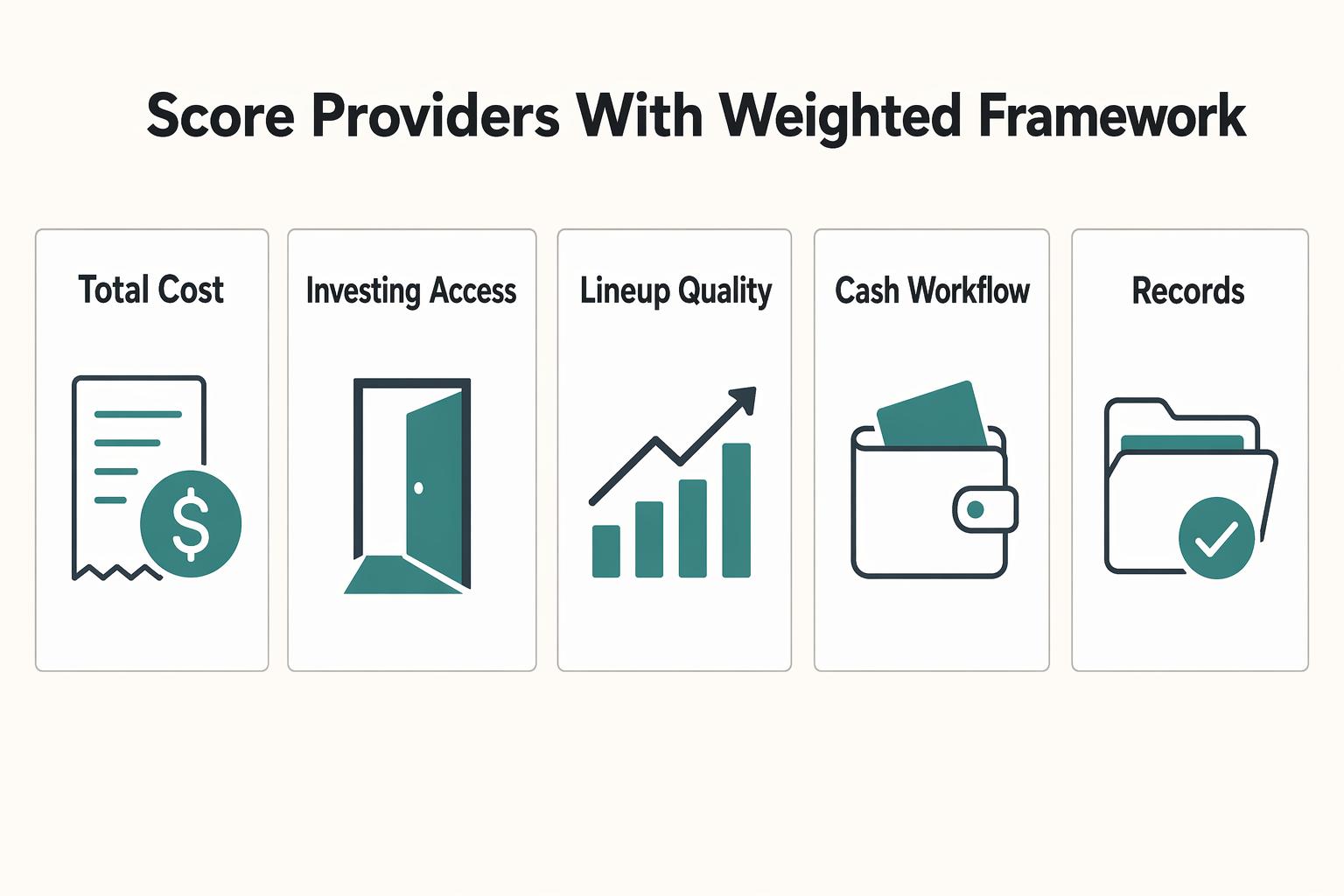
How to Invest Your HSA Funds
Your first job is compliance, not fund selection. Before you decide how to invest your HSA, first confirm eligibility, decide your tax treatment, and make sure the account setup will not create avoidable cross-border reporting issues. Use these terms precisely:
Read more →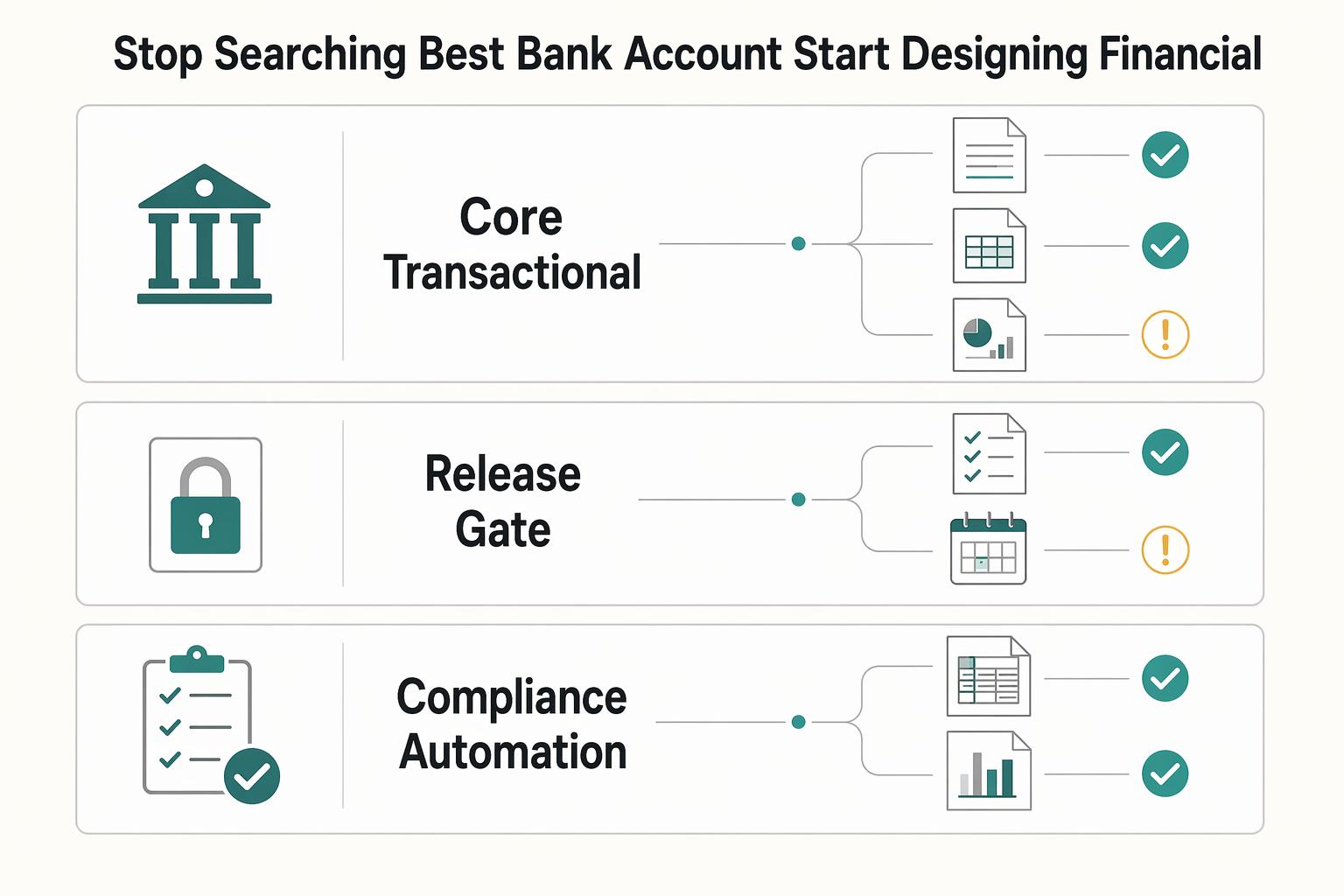
The Best Business Bank Accounts for UK Sole Traders
If you compare accounts on monthly fee alone, you are optimizing the wrong decision. Focus instead on a connected setup that improves payment reliability, keeps fees visible, and gives you clean records if HMRC checks your tax position.
Read more →
Uruguay Digital Nomad Visa: Stay Length, Tax Residency, and Income Treatment
If you're looking at the **uruguay digital nomad visa**, the bigger risk is often not entry itself. It is letting a short-stay setup drift forward without making separate decisions about migration timing, tax residence, and how different income is treated.
Read more →
Choosing Between GKV and PKV as a Freelancer in Germany
Your health insurance choice is a business decision, not a paperwork task. As a freelancer in Germany, you're choosing between two legal and financial systems that affect monthly cash flow, family costs, and how easy or hard it will be to change course later.
Read more →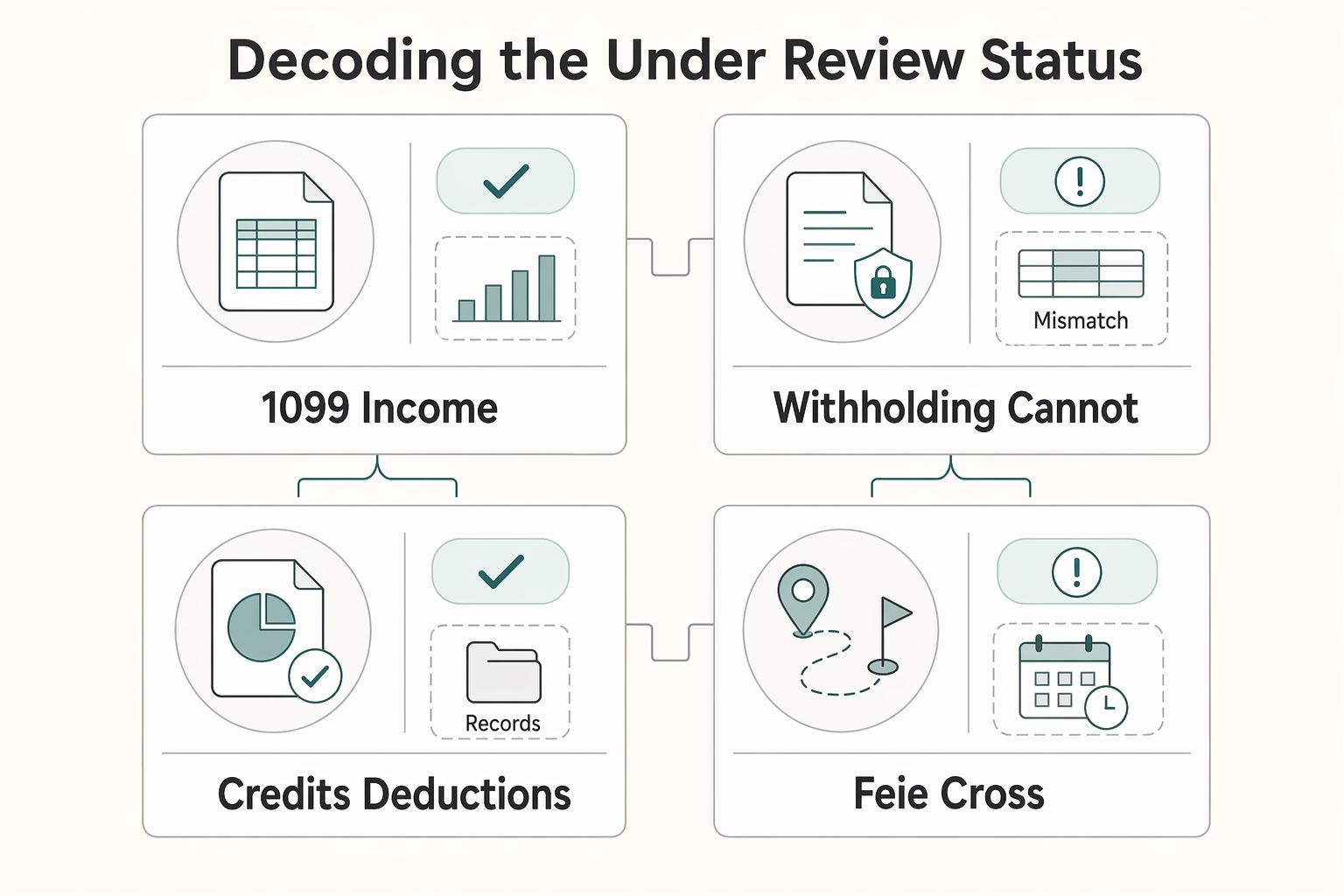
What to Do If You Haven't Received Your Tax Refund
A delayed tax refund is more than a nuisance. For a professional running a business-of-one, it signals that something in your tax process, recordkeeping, or filing controls needs attention. If you treat it that way, you stop waiting passively and start fixing the issue at its source.
Read more →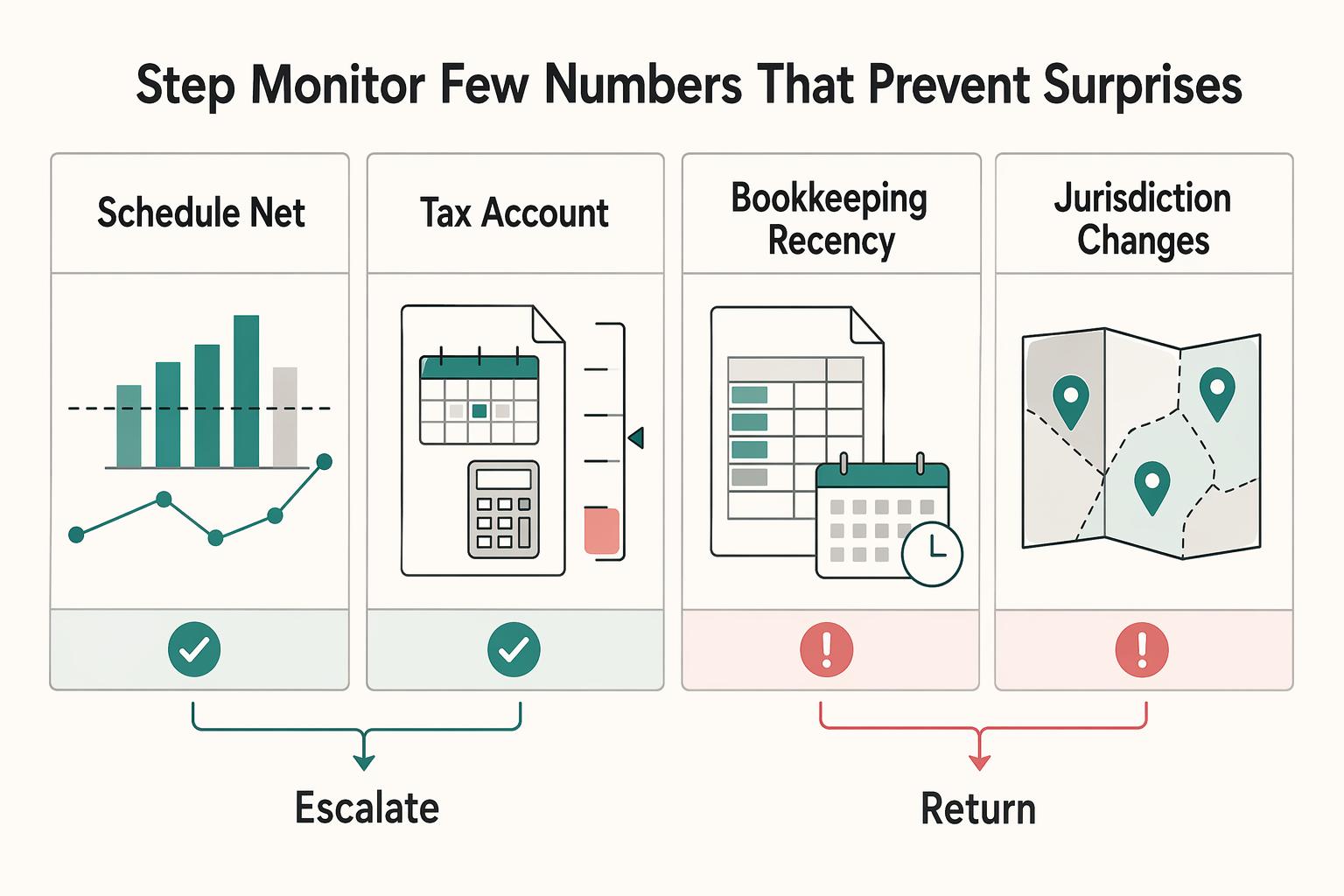
How to Fill Out Schedule SE (Self-Employment Tax)
For an independent professional, self-employment tax is not just another line on the return. It is one of the biggest places where sloppy defaults turn into avoidable cost. The standard advice to "set aside 30%" is a rough rule for a rough situation. It does not reflect the control you can have over how this tax is calculated, planned for, and managed when your business is run deliberately.
Read more →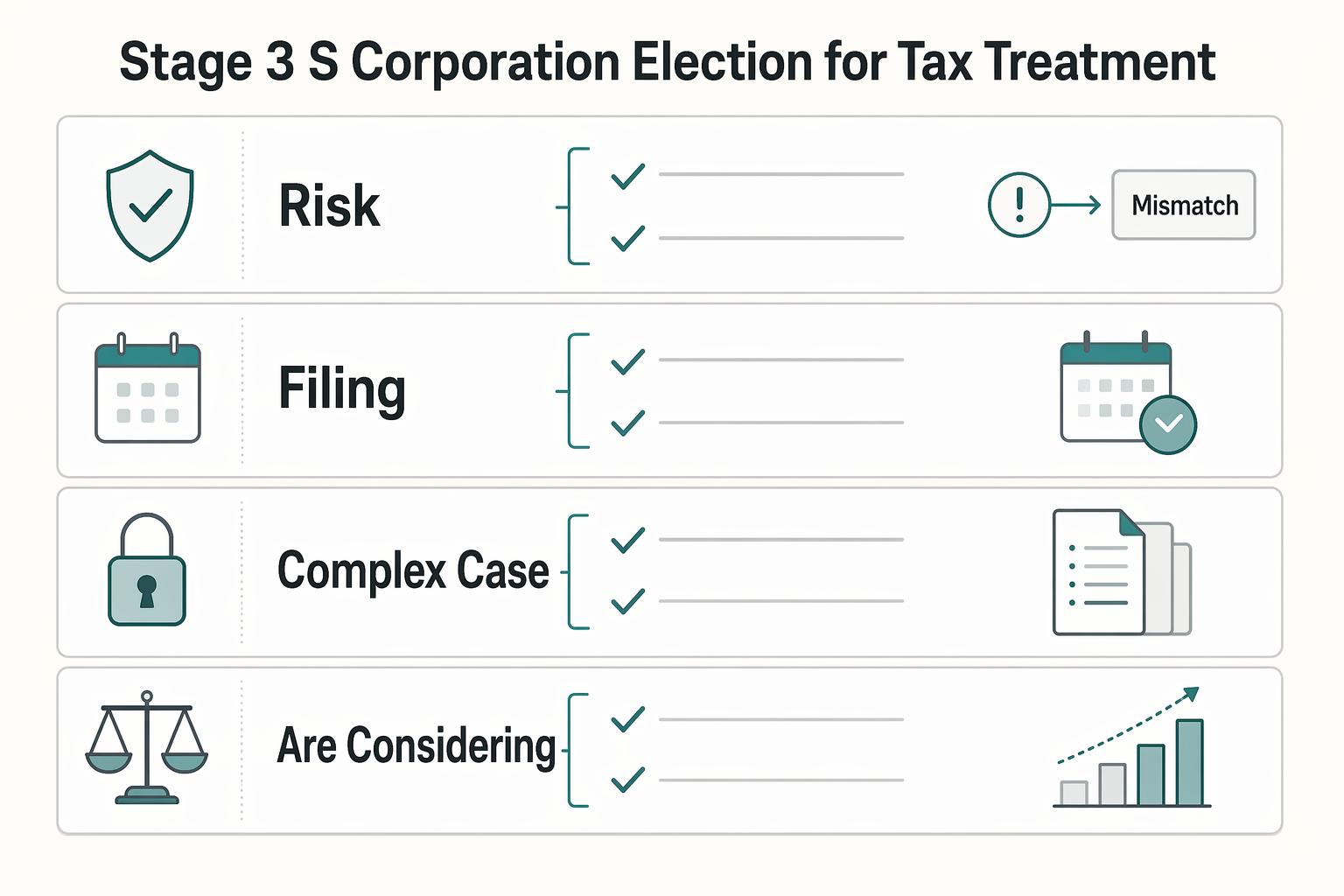
How to Structure an LLC for a Freelance Writing Business
Start here when speed and simplicity matter more than entity admin. Keep setup light, focus on winning and serving clients, and use insurance with a clear view of what it can and cannot do.
Read more →