
Operator playbooks for cross-border payments, tax, and compliance execution.
Step-by-step guidance for finance, product, and ops teams to launch faster, reduce payout friction, and keep reconciliation clean across borders.
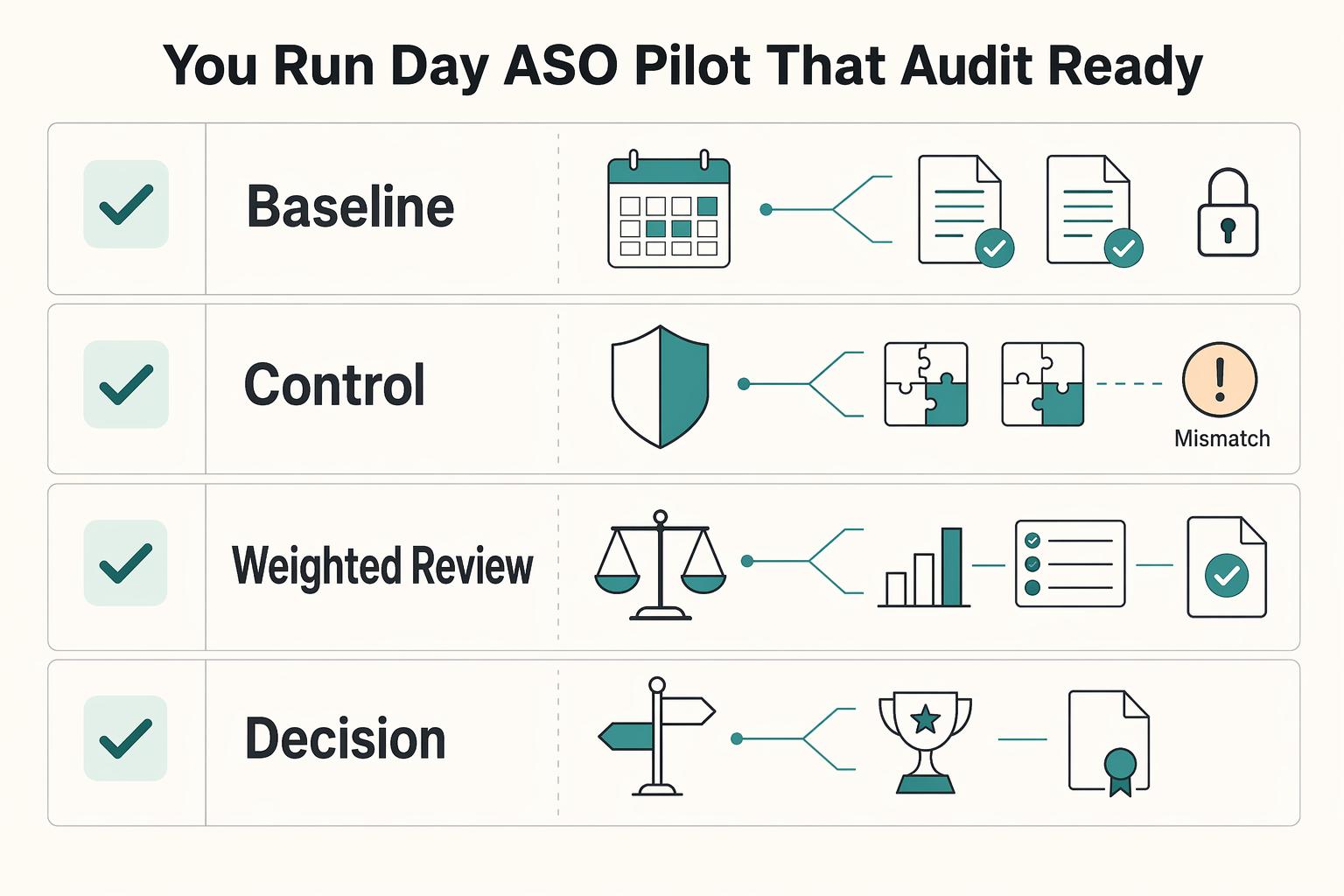
The Best Tools for App Store Optimization (ASO)
The right ASO tools help you make one change, ship it, review the result, and log the next move across the App Store and Google Play. Treat tool choice as an operating decision, not a shopping exercise. If a platform cannot support that loop with less friction than your current method, it should not be your primary tool.
Read more →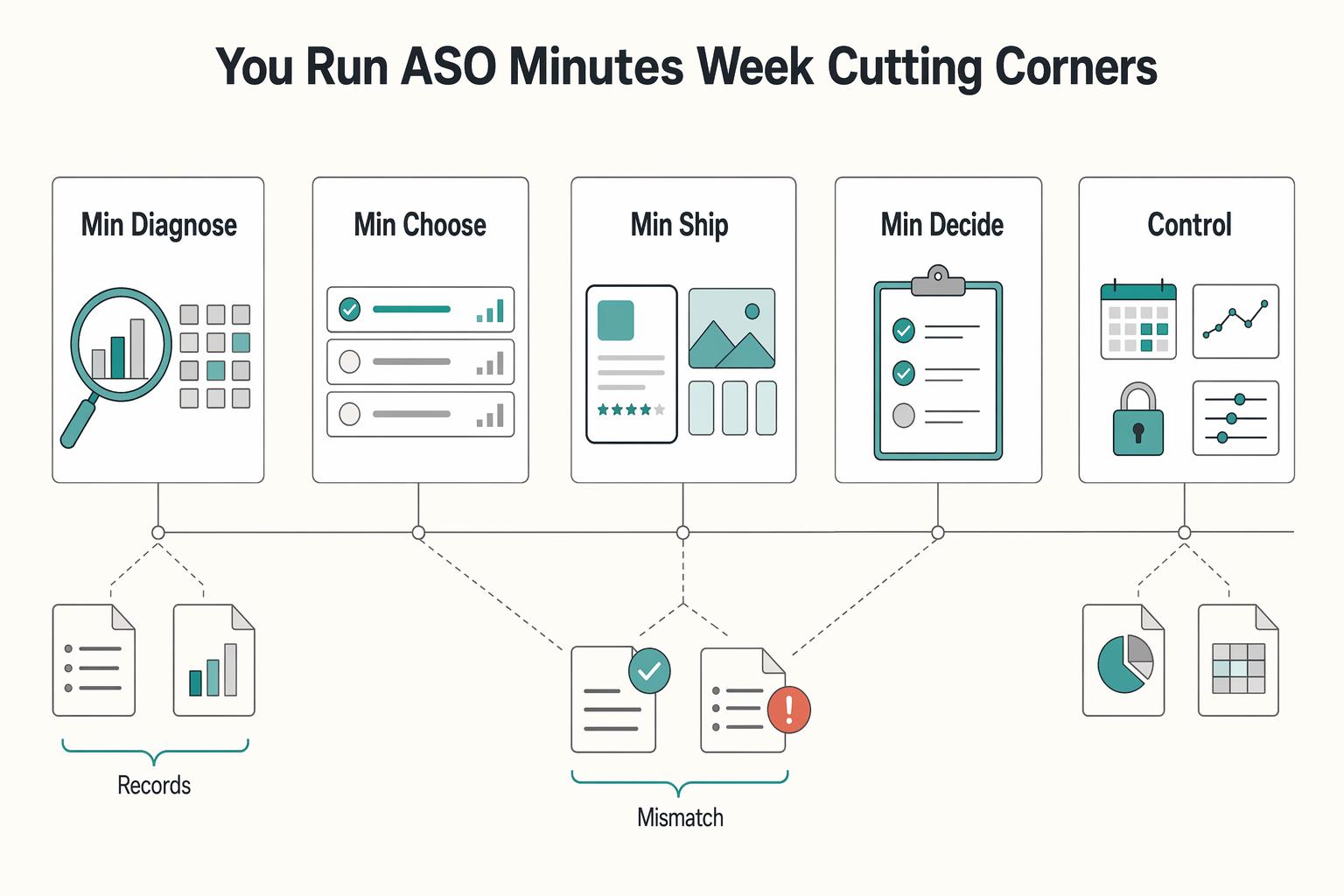
Run App Store Optimization Like an Operator for Mobile Apps
ASO works when you treat it like a recurring operating practice, not a burst of edits when installs dip. If you are working solo or with one helper, keep it to four controls you can actually manage: metadata, creative, experimentation, and risk. Think of this as a practical four-part ASO stack with a simple report card for execution.
Read more →
How to Create a Referral Program for Your SaaS Product
A major early risk is not the reward. It is launching with fuzzy attribution, unclear ownership, and payout rules nobody can defend once disputes start. Build this channel as part of your revenue system, not as a side tactic. Otherwise, you may end up cleaning up support, finance, and trust issues after the first signups arrive.
Read more →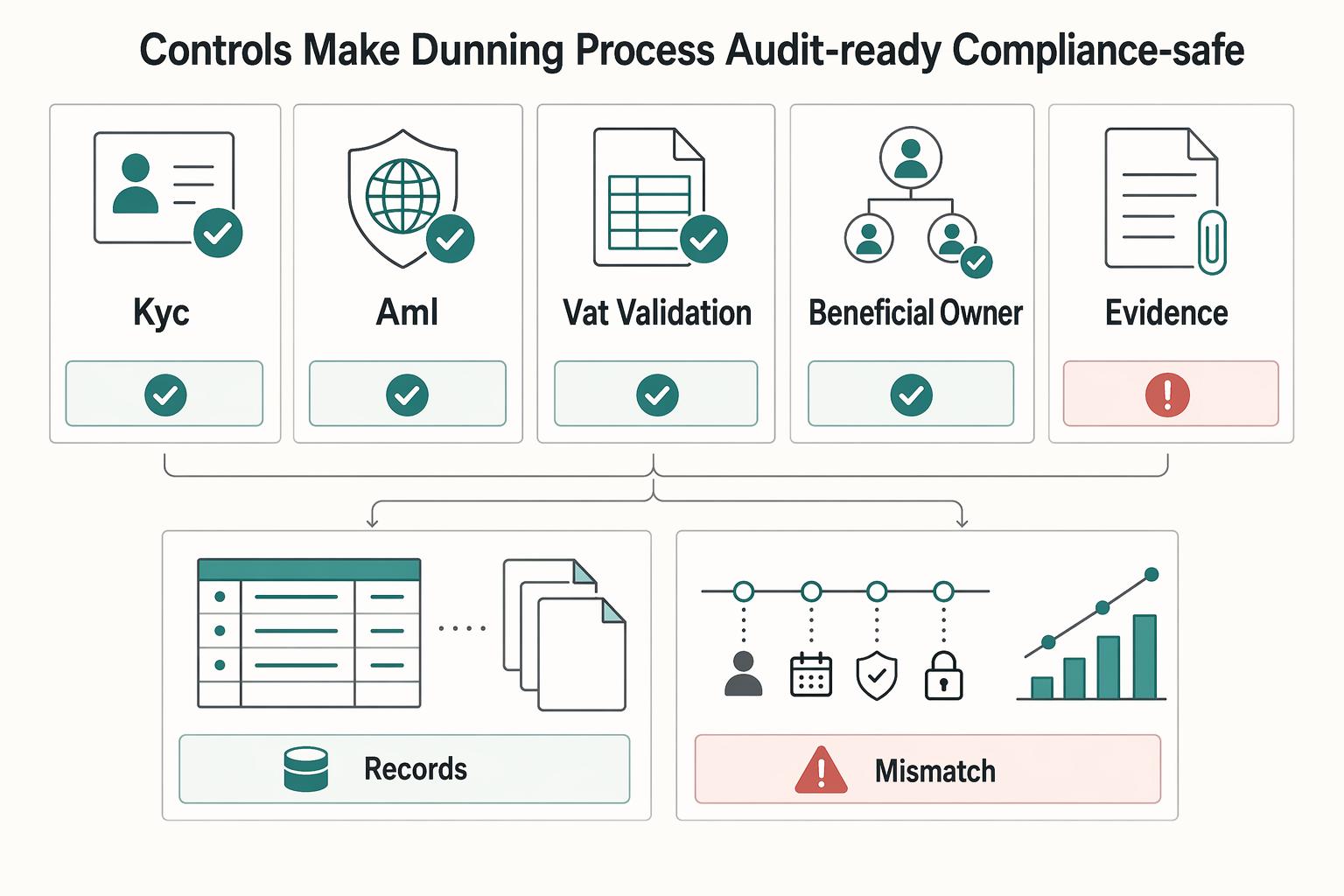
A Guide to Dunning Management for Failed Payments
If you run recurring invoices, failed payments are not back-office noise. They create cashflow gaps, force extra follow-up work, and increase **Involuntary Churn** when good clients lose access after payment friction.
Read more →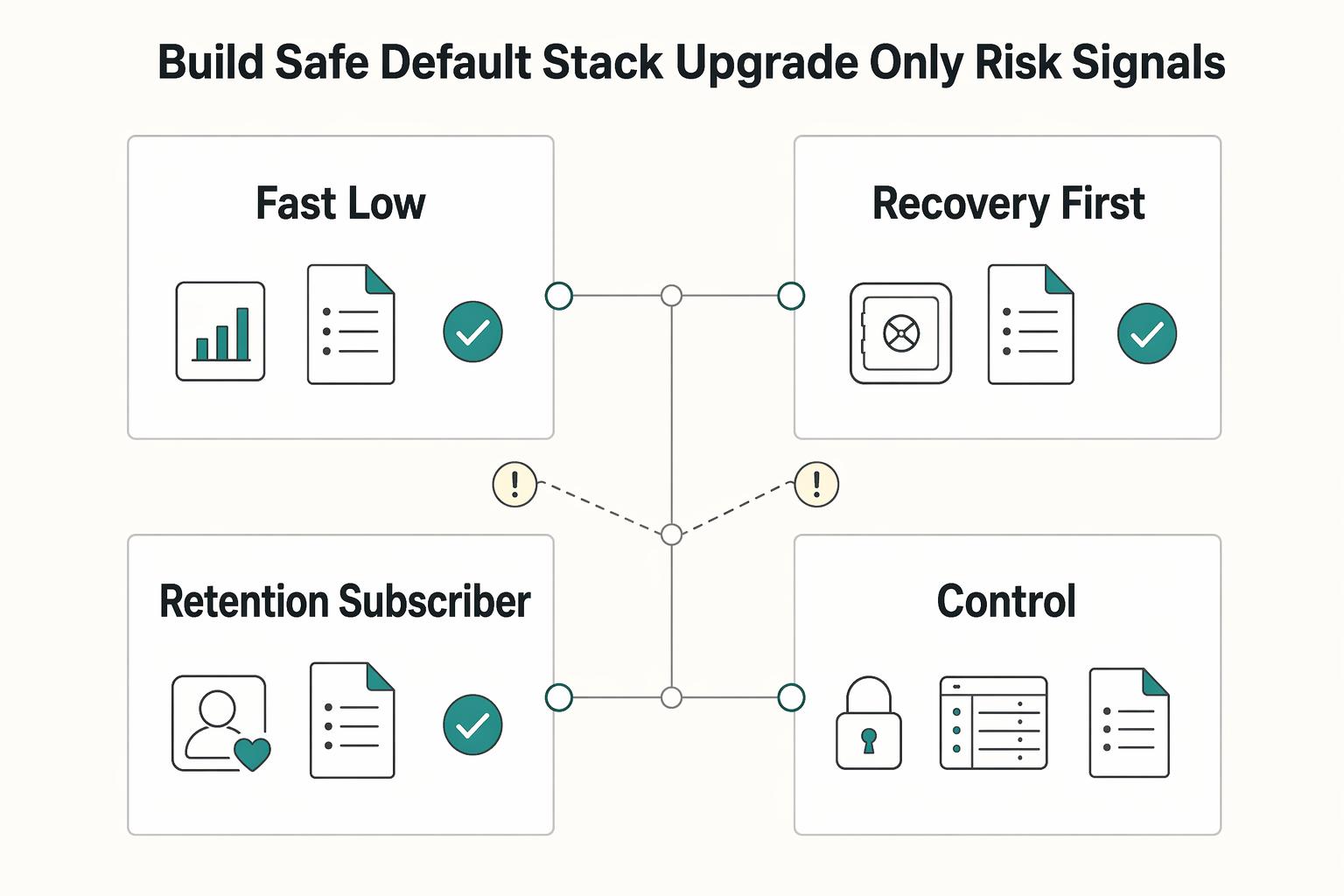
The Best Tools for Managing Subscription Billing
**Protect cashflow by selecting for recovery and control first, then layering convenience features.**
Read more →
SaaS Usage-Based Pricing for Predictable Cashflow and Fewer Disputes
If you are considering **saas usage-based pricing**, treat it as an operations and collections decision first. Pricing works best when the usage unit can be measured, shown on the invoice, and explained by someone outside your product team.
Read more →
How to Handle Multi-Currency Pricing for Your SaaS Product
**Treat SaaS multi-currency pricing as a get-paid system, not a checkout feature.** If you only localize the price label, you miss the points where margin and cash timing break. As the CEO of a business-of-one, your job is to make "getting paid" boring and predictable, even when you sell globally. Start by linking presentment, settlement, and payout so your setup can absorb delays and FX movement as you expand.
Read more →
The Best Translation and Localization Services for SaaS
**A defensible way to choose from SaaS localization services is to rank vendors only after they clear compliance and workflow gates.** You need global-ready internationalization, but you also need clean controls. Add random tools or opaque translation services now, and you create procurement friction, brittle handoffs, and risk you will pay for later.
Read more →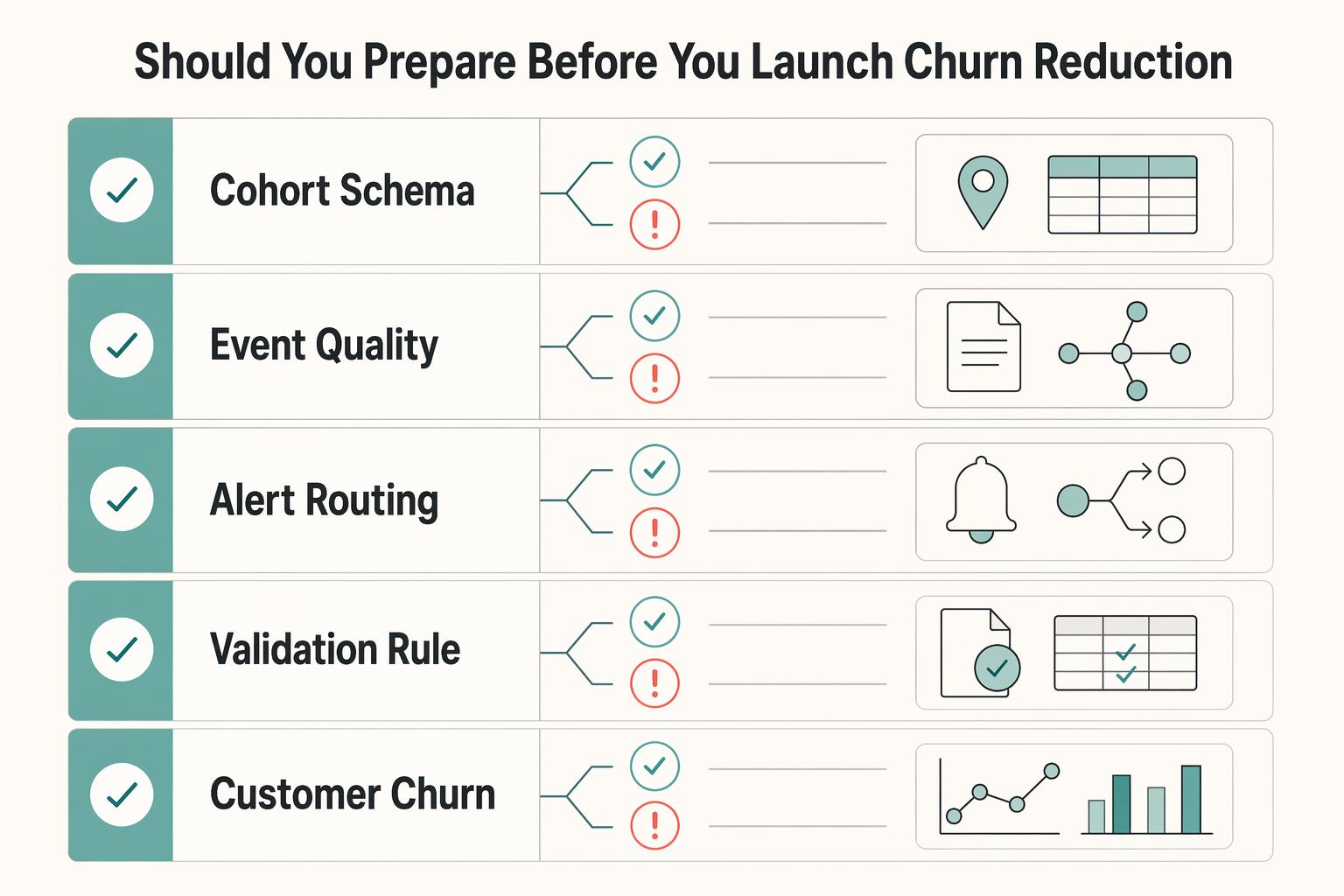
How to Use a Community to Reduce Churn and Increase LTV
If you run community as an engagement channel, you can rack up activity and still miss churn. Run it as a retention loop instead: detect risk early, intervene by segment, and verify whether the action changed retention outcomes. That is how community starts affecting churn.
Read more →
SaaS Internationalization for Teams That Need Launch Control
**You do not get orderly global growth by translating strings faster. You get it by treating saas internationalization as an operating discipline with named owners, launch gates, and documented stop conditions.** This tends to become true once you move past 1-2 languages or start shipping weekly updates across multiple markets. At that point, localization behaves more like infrastructure: invisible when it works and expensive when you ignore it.
Read more →
The Best Community Platforms for SaaS Businesses
Start by classifying the job. If you want access to other people's audience, ideas, or conversations, you are choosing a community to join. If you want a place your customers or members use under your brand, with your rules and structure, you are choosing software you will need to operate every week.
Read more →
How to Launch on Product Hunt
You will get more from a Product Hunt launch if you treat it as a repeatable set of decisions, not a one-day bet on rank. Judge success by qualified demand, feedback quality, and what happens next: signups, demos, onboarding fixes, and product changes you can act on.
Read more →
How to Build a Waitlist for Your SaaS Product Launch
Your waitlist should lower launch risk, not create cleanup work the week you open access. Treat your waitlist as a control layer for readiness: who signs up, what intent they show, what promise they heard, and what has to be true before you invite the next group.
Read more →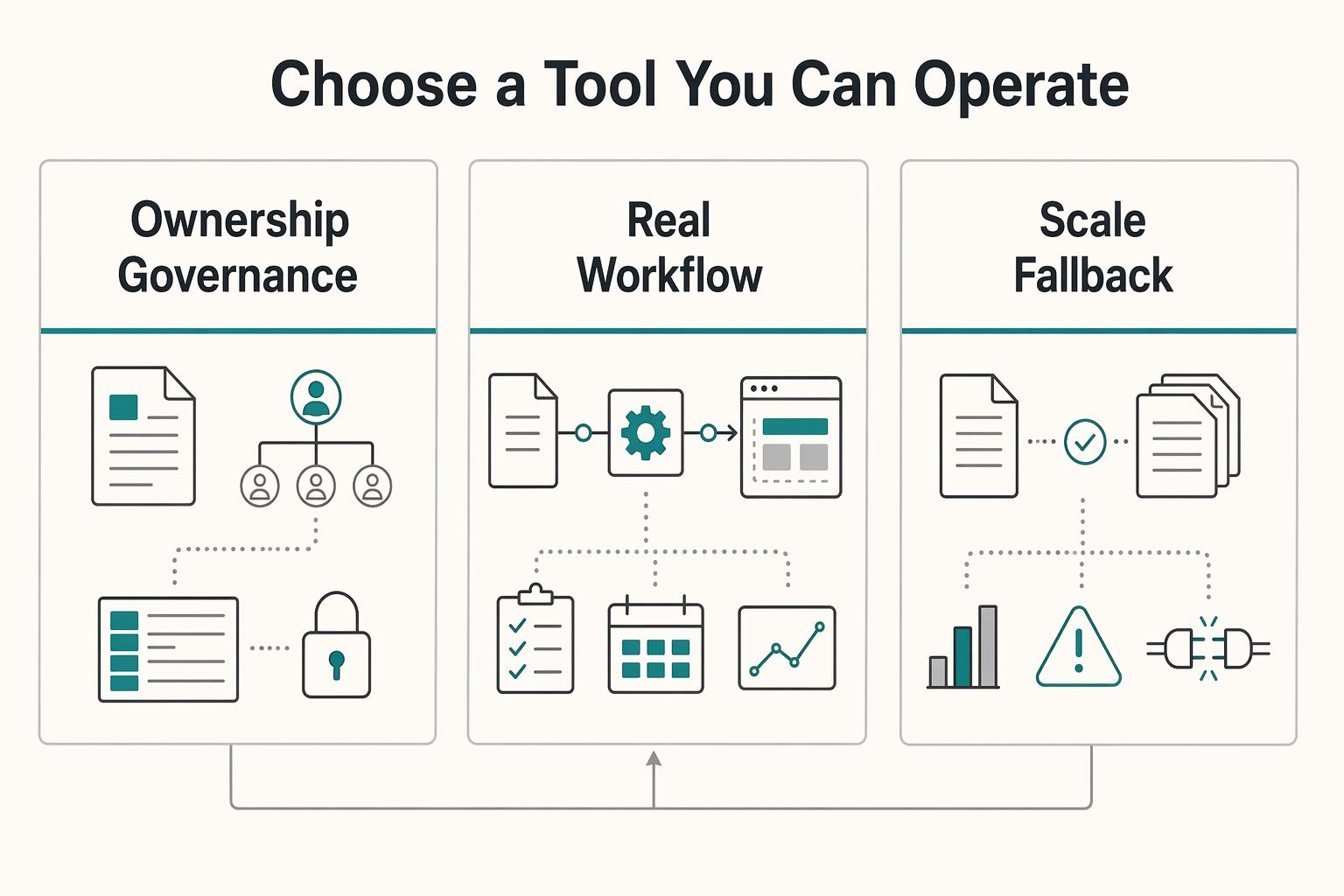
The Best API Documentation Tools for Developers
If you are comparing the **best api documentation tools** for your team, do not start with the slickest demo. Start with the stack you can actually own, review, roll back, and maintain when releases get busy. If that discipline is weak, a prettier portal can hide the problem until documentation drift shows up.
Read more →
Microservices Architecture for SaaS Without Finance and Compliance Surprises
Choose your operating model before you choose your decomposition pattern. For most early products, that means a modular monolith with clear domain boundaries, not a full microservices setup on day one. The reason is practical. Every new service adds cognitive load, failure points, and maintenance cost, so the split pays off only when your team and controls are ready.
Read more →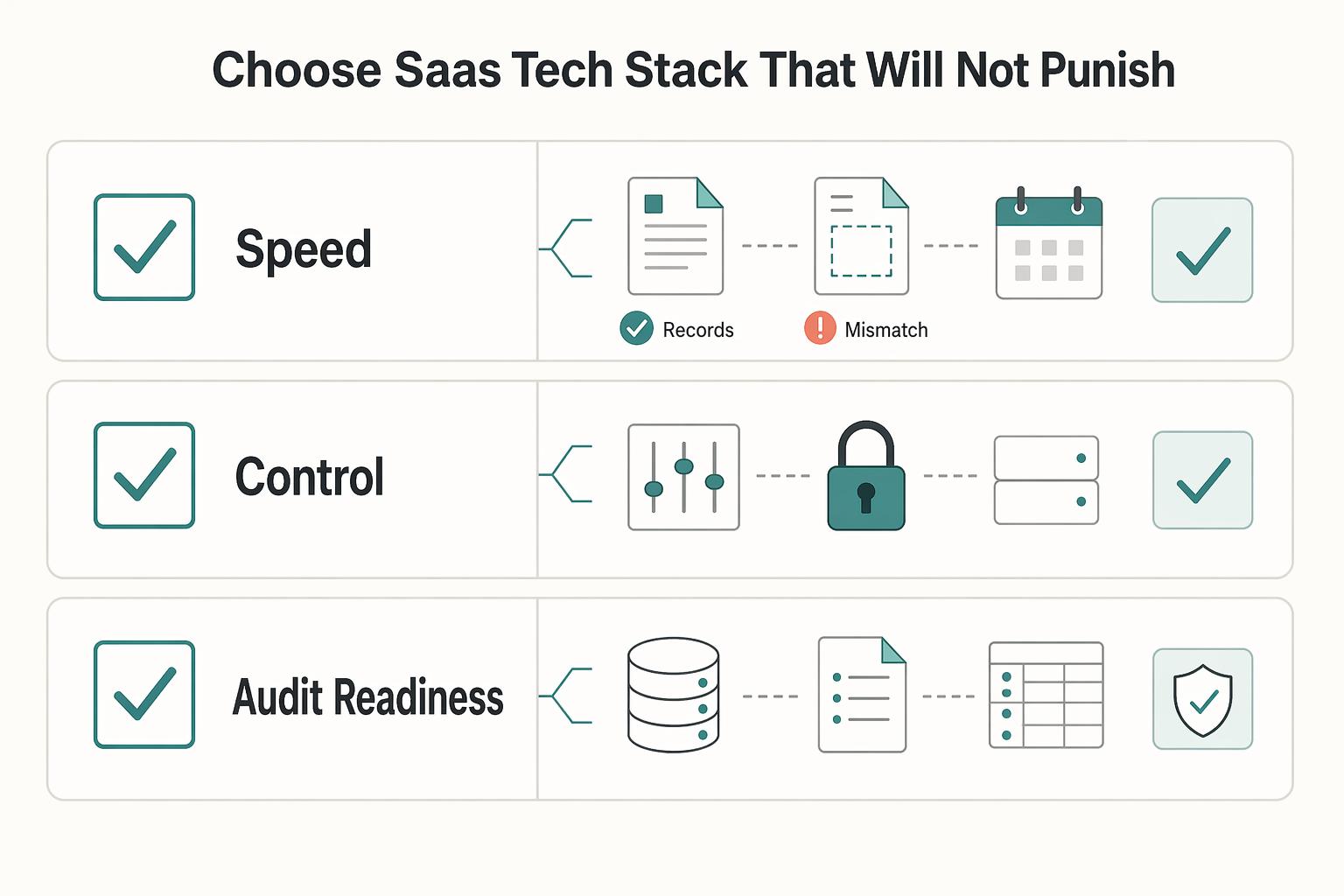
How to Choose a Tech Stack for Your SaaS Product
**Choose your SaaS tech stack by business risk first, then pick frameworks your team can ship and run without heroics.** If you are building independently, that fear is rational. You can launch fast, then pay for it later through rework and slower delivery once customers depend on you.
Read more →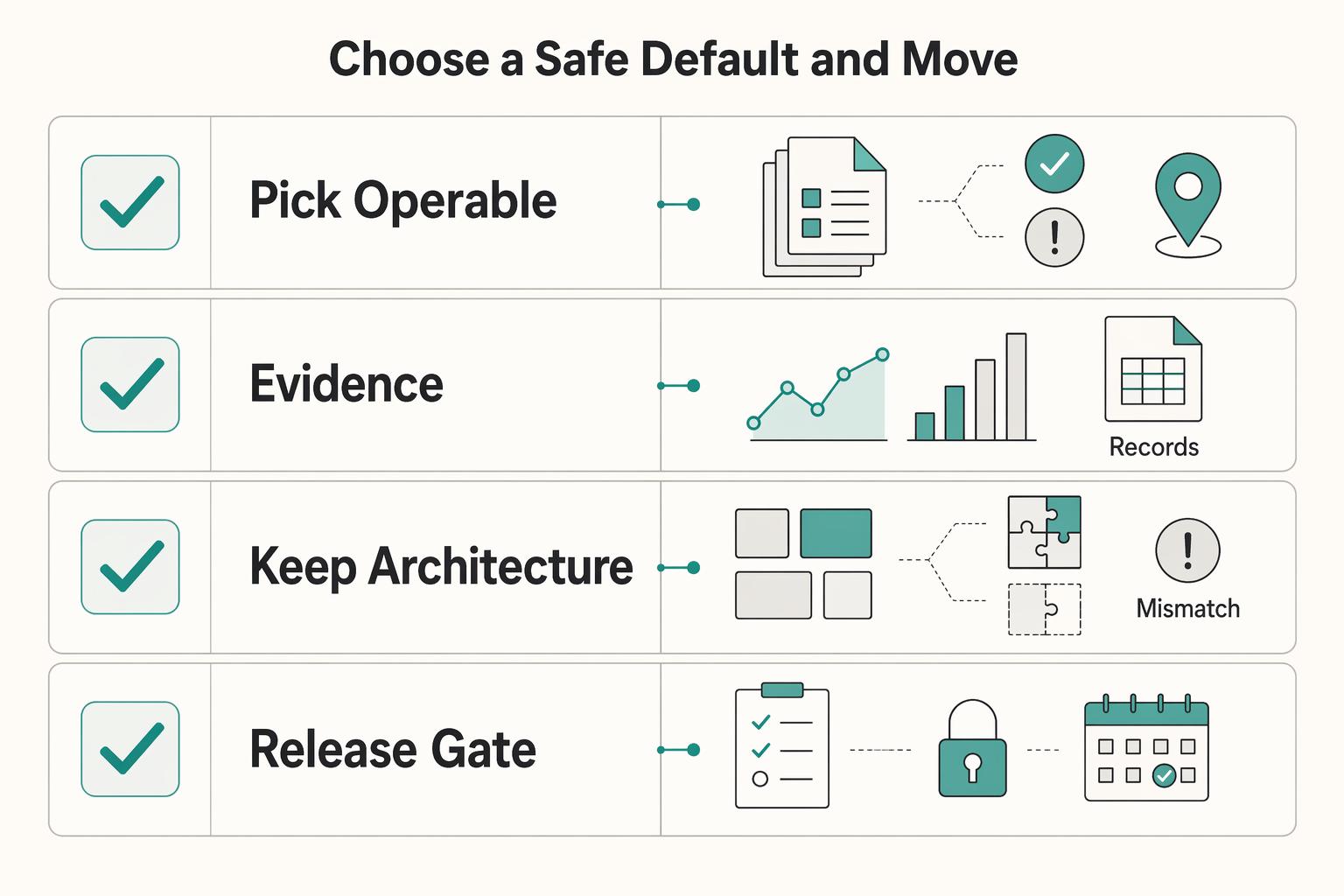
The Best Cloud Hosting Providers for SaaS Startups (AWS
**Pick your cloud hosting by minimizing risk first, then tuning for features.**
Read more →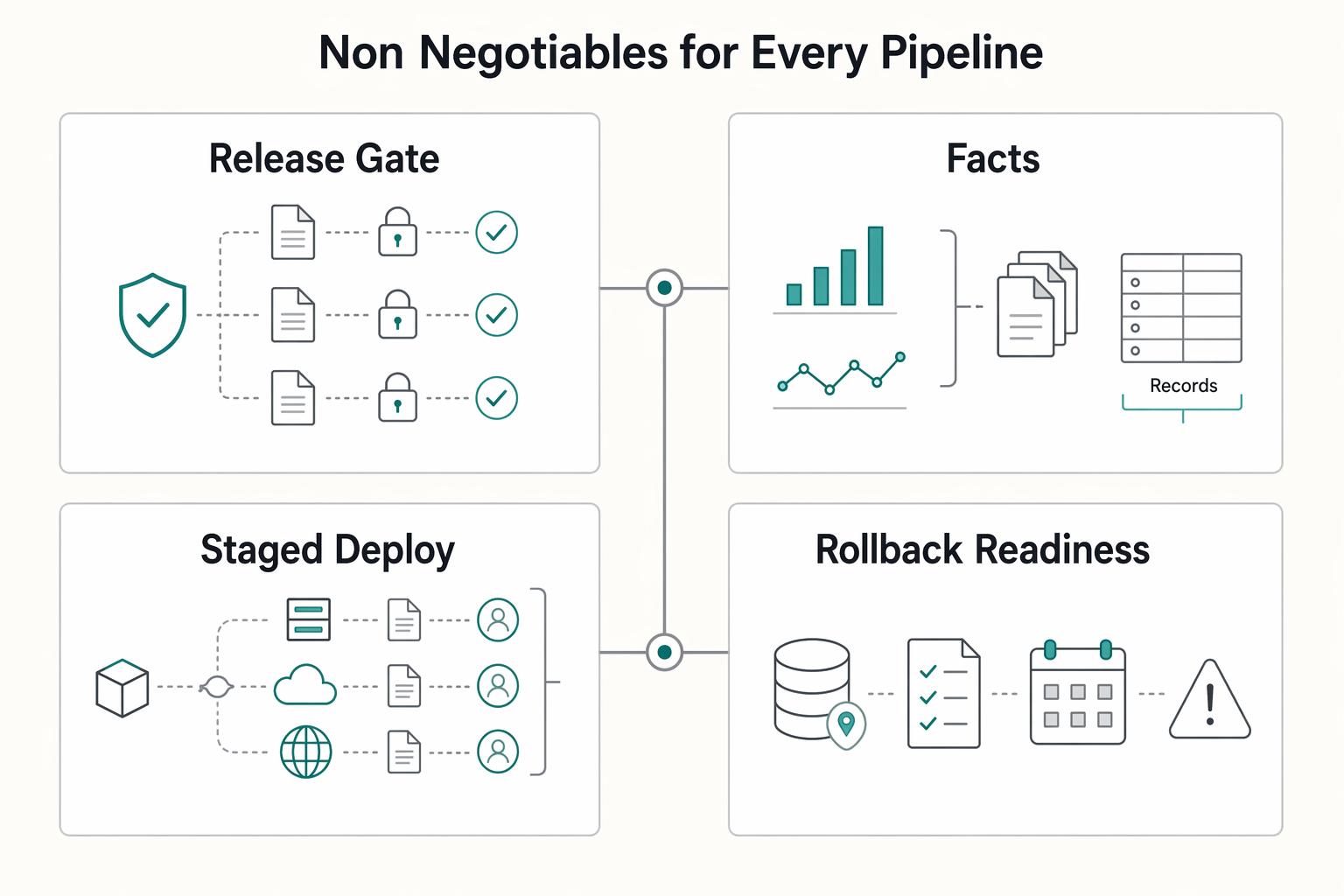
A Guide to Continuous Integration and Continuous Deployment (CI/CD) for SaaS
You are not choosing between speed and safety. You are choosing how much business risk each release can carry. As the CEO of a business-of-one, your release process is part of your risk strategy.
Read more →
Best APM Tools for Small Teams That Need Reliable Incident Triage
If you are comparing the **best apm tools**, pause the generic rankings and ask a harder question: what can you operate cleanly with the time and attention you actually have? The right choice depends less on who won a roundup and more on your incident pattern, your operator bandwidth, the onboarding effort you can absorb, and how costs behave as telemetry grows.
Read more →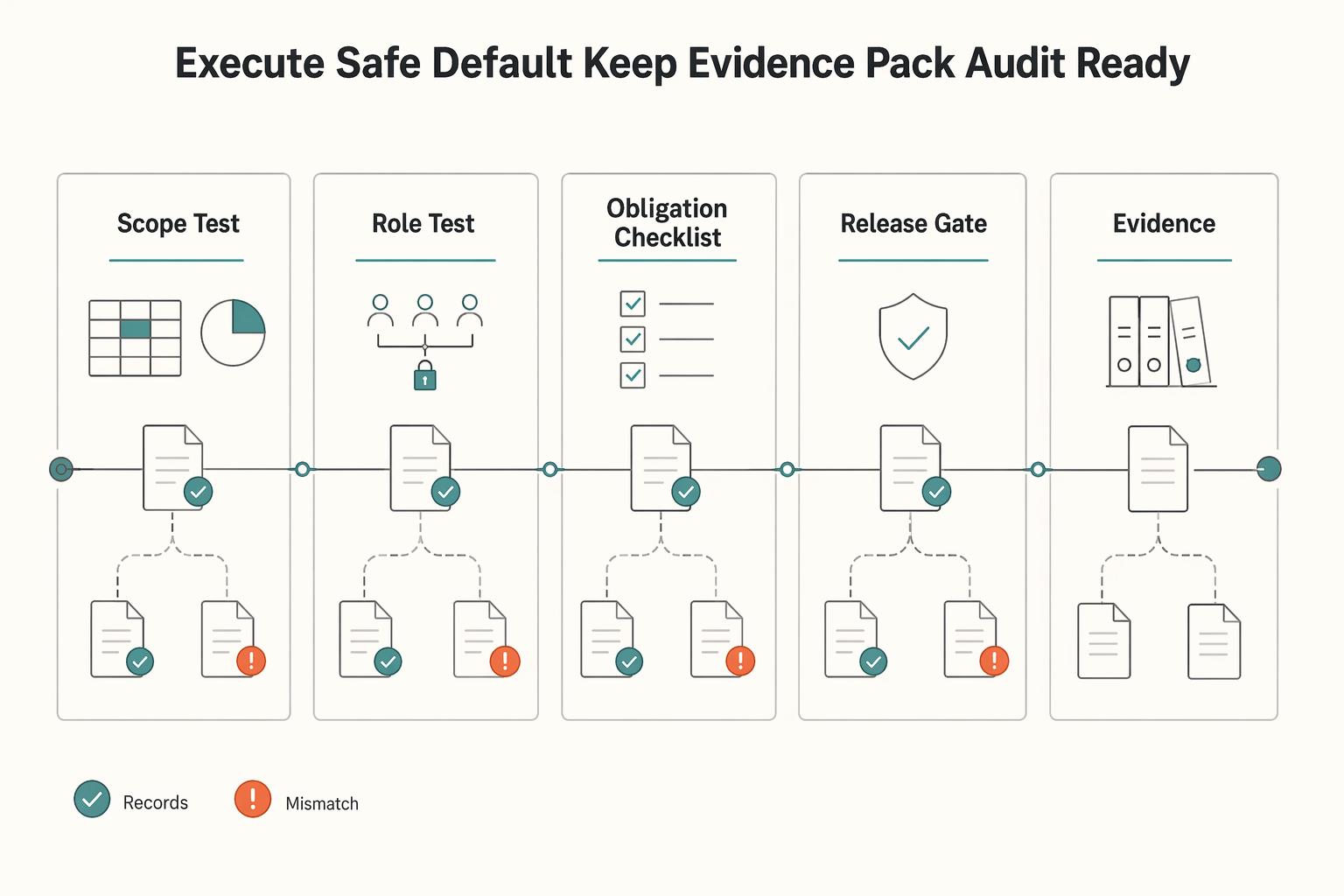
A Guide to GDPR Compliance for SaaS Businesses
**Use GDPR for SaaS businesses as an operating playbook that protects trust and gives you defensible legal decisions before onboarding.**
Read more →