
Quick Answer
The best choice is the tool your team can keep accurate through real releases, which usually means starting with OpenAPI as the source of truth and publishing through Swagger UI. For one API and one owner, that lean stack is often enough. Add SwaggerHub or a dedicated platform such as ReadMe or Redocly only when review handoffs, onboarding gaps, or audience controls become the real bottleneck.
Stop guessing and choose an API docs stack you can run professionally#
If you are comparing the best api documentation tools for your team, do not start with the slickest demo. Start with the stack you can actually own, review, roll back, and maintain when releases get busy. If that discipline is weak, a prettier portal can hide the problem until documentation drift shows up.
That matters because poor API docs are not cosmetic. They cost time, money, and developer goodwill, and Zuplo cites Postman research saying 52% of developers see poor documentation as their biggest obstacle when working with APIs. In practice, the failure mode is familiar: slower onboarding, more support tickets, and docs that stop matching the API across releases.
| Selection move | Operational consequence | What to do instead |
|---|---|---|
| Pick by demo appeal, especially the interactive explorer alone | You get a good first impression, but ownership and change control stay unresolved, which can raise drift risk | Use the OpenAPI Specification as the source of truth first, then generate docs from it with Swagger UI |
| Publish endpoint reference before checking the basics | Developers miss authentication, request and response formats, error codes, rate limits, or versioning details, so first use gets slower and support load can rise | Make those items a release checkpoint for every docs update |
| Buy a larger docs platform before you prove update and rollback habits | You add migration and maintenance work before you know your team can keep docs current | Prove the baseline first, then expand only if it cannot support your review and publishing needs |
A solid baseline is simple: keep one OpenAPI file in version control, publish it through Swagger UI, and make one person responsible for approving spec changes. That is a practical starting point because OpenAPI is a standard format behind modern interactive docs, and tools like Swagger UI can generate an explorer from a well-defined spec file. Before you add anything else, verify one real user path end to end: authentication, one successful request, one readable response, and one clear error example.
That check tells you more than any feature tour. If a new developer cannot get to a first successful call quickly, the problem is usually structure or missing detail, not the lack of a bigger platform. Organize the docs in the order people learn: authentication first, core concepts second, endpoint details after that. Once that baseline works, test whether a dedicated portal improves publishing control, broader docs integration, or developer experience.
If your API docs need to live inside a wider help center, product guide, or support content set, pair this with The Best Tools for Building a Knowledge Base so you do not solve API docs in isolation. Then do the next five things:
- Define the selection criteria that matter for your ownership model.
- Use a quick decision matrix to compare tools against those criteria.
- Match likely tools to your operating model instead of brand familiarity.
- Check hidden maintenance and migration costs before you commit.
- Plan a phased rollout and note the open questions you want the FAQ to answer.
Who this list is for and the selection criteria that actually matter#
Use this list if your docs need to stay accurate under real release pressure. Skip it if you only want a prettier portal for mostly static reference pages. The question that matters is operational reliability: will the docs stay in sync when the API changes?
| Score category | What to assess |
|---|---|
| Authoring speed | Can one spec change move to published docs without parallel rework? |
| Review and deployment | Can you run PR-based review and CI/CD publishing cleanly? |
| Reference quality | Are search, examples, and try-it flows strong enough to get users to a first successful call quickly? |
| Governance depth | Can you enforce access rules, validation, style guidance, and auditability? |
| Format fit | If event-driven docs or collection-first workflows matter, test AsyncAPI and Postman compatibility in the pilot. |
| Maintenance load | Does the hosted vs open-source tradeoff match what your team can maintain consistently? |
Set disqualification gates before you score anything. Keep OpenAPI as the source of truth so reference docs stay tied to the API contract. Keep your schema layer aligned with the request and response shapes you already maintain. Then verify the basics: a workable versioning flow, audience access controls for public vs restricted content, and review governance with role-based access, validation, style guidance, and an audit trail.
Do not pilot with toy data. Test with one current OpenAPI file, one real auth flow, one successful request, one readable error path, and one docs change that requires approval. This is where weak tools fail first, even if the demo looks polished.
| Gate | Pilot check | Failure signal |
|---|---|---|
| OpenAPI source of truth | Import one current spec and confirm generated reference docs with an interactive try-it path | You must maintain endpoint details in a second place, or docs drift from the spec |
| JSON shape alignment | Validate existing request/response structures without rewriting constraints and examples by hand | Fields or examples break silently, creating manual cleanup every release |
| Versioning workflow | Publish two active versions in a test space and confirm reviewers can separate current vs legacy | New releases overwrite prior references and break support for older clients |
| Audience access controls | Test one public page and one restricted page with different permissions | Internal endpoints or draft notes appear in the wrong audience view |
| Review governance | Run one change through PR-based review (or equivalent) and deploy via CI/CD | Direct publishing bypasses validation, traceability, and clear rollback points |
Match ownership to your operating model:
| Context | Developer | Writer | Reviewer |
|---|---|---|---|
| Single API | Owns spec updates and endpoint accuracy | Owns guides, onboarding steps, and task flows | Approves before publish |
| Multi-API | Each API has a named spec owner | Owns shared guidance and cross-API consistency in explanations | Central reviewer checks consistency across auth, errors, naming, and release notes |
If these handoffs are unclear now, a larger platform will hide the gap, not fix it.
Score finalists from 1 to 5 in the same categories so opinions do not take over:
- Authoring speed: Can one spec change move to published docs without parallel rework?
- Review and deployment: Can you run PR-based review and CI/CD publishing cleanly?
- Reference quality: Are search, examples, and try-it flows strong enough to get users to a first successful call quickly?
- Governance depth: Can you enforce access rules, validation, style guidance, and auditability?
- Format fit: If event-driven docs or collection-first workflows matter, test AsyncAPI and Postman compatibility in the pilot.
- Maintenance load: Does the hosted vs open-source tradeoff match what your team can maintain consistently?
This gives you a selection standard. The next section decides the baseline stack choice: whether Swagger is enough now or you actually need a dedicated docs platform. Related: The Best Tools for Creating SOPs and Process Documentation.
Is Swagger enough or should you add a dedicated docs platform?#
Swagger is enough when you can keep one OpenAPI specification current and publish accurate reference docs from it without friction. Add a dedicated docs platform only when handoff, onboarding, or support pain keeps repeating in real releases.
| Path | Choose it when | Required checkpoint | Not a fit when |
|---|---|---|---|
| Swagger UI + Swagger Editor | You need a lean, spec-first reference flow, and most developer questions are answered directly from the OpenAPI doc (JSON or YAML). | From the same current spec, validate one auth path, one successful request, and one readable error example. | New integrators still miss setup context, and your team keeps filling gaps in separate docs or support threads. |
| SwaggerHub | You want to stay Swagger/OpenAPI-first while testing whether a Swagger-centered workflow reduces review and publishing friction. | Run one real spec change through your current review flow and confirm published docs still match the same OpenAPI source. | The main problem is not spec publication, but onboarding clarity and task guidance outside endpoint reference. |
| OpenAPI + a dedicated docs platform (for example, ReadMe or Redocly) | Your reference is accurate, but developers still struggle to reach a first successful call without extra help. | Build and test one end-to-end getting-started path (auth to first call) and track whether repeated support questions drop. | Your OpenAPI ownership and update discipline are still unclear, so a bigger docs layer would sit on unstable inputs. |
Keep this rule in view: OpenAPI can define endpoint inputs and outputs in detail, but it only helps if your lifecycle governance keeps the spec current. If you also maintain Postman collections, run alignment checks on one live request, one auth flow, and one error example in both artifacts before you expand your stack.
Quick decision check:
- Stay lean if one owner can update the spec and publish accurate docs in one sitting.
- Test a Swagger-centered expansion if review handoffs repeatedly delay publishing.
- Move beyond reference-only docs if onboarding questions and avoidable support tickets keep repeating.
For another lean-stack selection example, see The Best SEO Tools for Freelancers.
The 10-minute decision matrix that picks the right tool with less risk#
Use a weighted decision matrix, not a demo comparison, to cut regret later. Put your top three finalists on the same criteria, score only what you can prove, and mark everything else as verify in pilot.
If you are evaluating API documentation tools, this is the practical shortcut: use a weighted matrix because your criteria are not equal. Use an unweighted matrix only if every factor truly matters the same amount.
Build the matrix around proof, not promises#
Use a 1-5 scale for each field. Test every finalist against the same OpenAPI artifact, auth path, and versioned change.
| Matrix field | What this field measures | Pilot evidence to collect | Keep as "verify in pilot" until tested |
|---|---|---|---|
| Features | Ability to publish accurate reference docs from spec and stay current as spec changes | Import one current OpenAPI file, publish, then push one real spec change and confirm docs update correctly | Version handling gaps, schema edge cases, manual cleanup still required |
| Ease of use | Whether actual owners can update and publish without specialist help | Have one developer and one writer each ship one small update from draft to publish | Hidden admin steps, brittle editing flows, single-person dependency |
| Pricing behavior | How costs change as usage, seats, or surfaces expand | Price the plan you would buy and model one realistic month | Overage behavior, lock-in terms, billing triggers, procurement friction |
| Governance and handoffs | How review, approval, access, and rollback perform under release pressure | Run one real change through your normal approval flow and record handoffs | Role limits, audit trail clarity, approval bottlenecks, rollback ambiguity |
| Portability | How easily you can export, back up, and reuse content elsewhere | Export docs and source artifacts, then attempt a basic re-import into a fallback setup | Missing metadata, broken formatting, incomplete exports, restore effort |
Keep the pilot small but real: one auth flow, one successful request, one clear error example, one retry or rate-limit case, and one versioned change. That is usually where production issues surface.
To reduce bias, hide the total score column until each evaluator finishes field scores and notes, then unhide.
Weight it by ownership model#
Do not copy someone else's percentages. Set weights based on who owns docs operations, then stress the risks most likely to break that model first.
| Ownership model | Usually weight higher | Watch for |
|---|---|---|
| Solo operator | Ease of use, pricing behavior, and migration/portability risk | If you maintain 1-2 stable APIs, lower maintenance burden often matters more than extra presentation polish. |
| Platform-led team | Features, governance/handoffs, and portability | The key test is repeatable, accurate publishing across releases with low approval drag. |
| Mixed developer-writer ownership | Ease of use plus governance/handoffs | Shared ownership fails fast when one side cannot safely complete updates end to end. |
In practice:
- Solo operator: lean toward ease of use, pricing behavior, and portability. If you maintain 1-2 stable APIs, lower maintenance burden often matters more than extra presentation polish.
- Platform-led team: lean toward features, governance/handoffs, and portability. The key test is repeatable, accurate publishing across releases with low approval drag.
- Mixed developer-writer ownership: lean harder on ease of use and governance than you might expect. Shared ownership fails fast when one side cannot safely complete updates end to end.
Break close scores with operational tie-breaks#
If scores are close, decide using the risk most likely to hurt delivery first.
- Choose lower governance friction if release reviews already stall.
- Choose stronger handoff reliability if both developer and writer must publish.
- Choose better portability if backup, fallback, or migration resilience matters.
- Reject finalists with unclear pricing behavior under real usage.
- Confirm the real support path before purchase, including escalation route.
- Include change-management burden under release pressure; maintenance and security overhead can erase tool gains.
For optional follow-ons outside this matrix workflow, see Value-Based Pricing: A Freelancer's Guide, The Best Analytics Tools for Your Freelance Website, or Browse Gruv tools.
Which API documentation tool is best for your operating model?#
The best choice is the tool family your developer and writer can run together through real releases. Start with your operating model, not vendor demos.
Before you shortlist anything, confirm your source of truth. Your OpenAPI Specification (OAS) should be current and usable as the baseline artifact, and you should be able to import an OpenAPI or Swagger spec by file or URL. If you still have Swagger 2.0, treat automatic upgrades to OpenAPI 3.x as migration help, not proof your workflow is healthy.
Run one scope check early: if your estate spans Postman collections, OpenAPI files, and possible AsyncAPI needs, test that mix in the pilot. Do not assume those artifacts stay aligned. If you cannot state which artifact is authoritative for each API, pause and resolve that first.
| Tool family and examples | Best fit when | Required team behavior | Main failure mode if discipline is weak |
|---|---|---|---|
| Spec-governed options such as SwaggerHub | You need API reference to track the spec closely across releases | Engineering updates OAS on each change, and writing stays anchored to that same artifact | You add process overhead but docs still drift because the spec is stale or single-owner |
| Portal-first onboarding options such as ReadMe or Redocly | You need strong onboarding journeys and interactive API playground flows, not just endpoint reference | Writers own guides while engineering updates the spec on the same release path | Onboarding looks polished while reference details drift |
| Open-source reference options such as Stoplight Elements or Scalar | You want higher customization, docs-as-code flexibility, or lower lock-in pressure | Your team can handle setup, edge-case testing, and publish-runbook maintenance | Trial-and-error setup consumes time before value appears |
| OpenAPI-synced multi-API options such as Bump.sh or Mintlify | You manage multiple API surfaces and need consistent spec-driven updates | Someone owns version naming, source locations, and cross-API consistency | Fast publishing amplifies inconsistency across APIs |
| Mixed docs-estate options such as GitBook, Docusaurus, Document360, or help-center-plus-API-docs platforms like Ferndesk | API docs must live beside support or product documentation in one entry point | You separate spec-derived reference from manually written guidance | Help content improves while API accuracy slips |
Use practical checkpoints, in order:
- Commit now when one family matches your ownership model and passes a pilot with three checks: import current spec, publish one real change, and complete handoff between developer and writer without side-channel help.
- Pilot before committing when artifact alignment is unclear, Swagger 2.0 migration is still active, or pricing depends on editor seats. A low headline price or a per-user price such as $9/user/month can still create seat-tax pressure as more contributors need access.
- Reject early when the source of truth is unclear, fallback export is weak, or only one specialist can publish safely.
Pick the option your team can operate repeatedly without review bottlenecks or documentation drift. If you want a deeper dive, read The Best API Testing Tools for Developers.
What hidden costs will hurt you after tool selection?#
The cost that usually hurts you is not the plan price. It is the operational drag you add when your docs platform does not fit your OpenAPI source of truth, approval workflow, or fallback path.
A March 17, 2026 comparison snapshot showed starting prices from Free to $300/month, with some tools using per-user pricing such as $9/user/month. Treat that as pricing shape, not total operating cost. Your real spend usually shows up in spec cleanup, migration rework, approval friction, and the time it takes engineering and writing to ship accurate updates.
| Hidden cost bucket | Cost trigger | Early warning sign | Practical mitigation | Who owns it |
|---|---|---|---|---|
| Spec cleanup and OpenAPI governance | Your spec imports, but naming, examples, tags, or auth details are inconsistent | Docs publish, but support load stays high and adoption slows | Import your real OpenAPI or Swagger spec (URL or upload), then publish one real release change. If you still have Swagger 2.0, test auto-upgrade behavior in pilot and assign mismatch cleanup ownership | Engineering lead + docs owner |
| Legacy markdown migration and frontmatter normalization | Existing guides and changelogs use mixed metadata and uneven structure | Pages migrate, but navigation or search quality degrades | Run migration on real docs, not sample pages. Define required frontmatter before cutover so edits stay predictable | Writer or content ops owner |
| Workflow debt and stale ownership | Ownership for freshness, approvals, archive rules, and version naming is unclear | Publishing depends on one specialist | Assign clear owners for reference docs, guides, and approvals. If review-before-publish exists, test that path with both developer and writer | Product or platform owner |
| Export portability | You assume exit is easy without testing what exports cleanly | Rollback is discussed, but no one can show a usable export | Verify current export workflow in pilot, then re-import a sample into a fallback destination. Keep source files and source-to-publish mapping documented | Engineering manager |
| Maintenance, release-change monitoring, and security review | Vendor changes and interactive docs are treated as one-time setup | Release changes are missed, examples age, or credentials handling gets sloppy | Review platform changes on a fixed cadence. For any "Try It" experience, review examples, auth instructions, and config handling so you do not expose hardcoded API keys | Security-focused engineering owner + docs owner |
Do not separate docs operations from API security. REST endpoints are commonly internet-exposed and predictable patterns can be easier to probe with automated tooling, so documentation changes need security review too. Use OWASP API Top 10 as a risk-alignment lens, not a checkbox.
Before you buy, require these gates:
- Ownership model: You can name owners for reference docs, guides, approvals, and versioning.
- Migration test with real docs: One real OpenAPI import plus real markdown pages.
- Portability drill: Export usable output and prove you can re-home it.
- Release-change monitoring: Assign who reviews vendor changes and on what cadence.
- Cross-role onboarding: A developer and a writer can each publish an update without side-channel help.
For a practical next step, use How to Calculate ROI on Your Freelance Marketing Efforts as a template to track documentation operating cost over time, including update effort, migration labor, and support-ticket trend after launch. For another evaluation framework, read The best tools for 'Usability Testing'.
How do you roll this out in 90 days without breaking delivery?#
Use the 90 days as a proving window, not a promise to migrate everything. Keep OpenAPI as your source of truth, run one pilot API through your real release flow, and expand only after documentation, versioning, and review stay reliable under change.
| Phase | Scope you own | Required gate before you move on | Failure signal | Rollback action |
|---|---|---|---|---|
| Days 1 to 30 | Choose one pilot API, validate the OpenAPI file, assign an API owner and docs owner, and publish a baseline reference. | The pilot is documented, versioning is defined, and published docs match implementation. | Engineers bypass the spec, examples are incomplete, or basic questions show missing coverage. | Keep publishing from Swagger UI using the same OpenAPI file while you fix spec quality and ownership. |
| Days 31 to 60 | Route every spec and docs change through pull-request review and tie contribution standards to release flow. | A change moves from code to published docs without side-channel help, and reviewers can confirm what changed. | Docs lag behind releases, or code ships without matching docs updates. | Pause broader rollout, keep the pilot live, and fix the review workflow before re-running this gate. |
| Days 61 to 90 | Add more APIs, standardize contribution rules, and include AsyncAPI only when event-driven docs are in scope. | The pilot stays current as change volume grows, and governance checks still catch drift. | Mismatch defects rise, or each added API needs one-off handling. | Pause expansion, continue on the proven pilot path, and re-test gates before adding another API. |
If your portal has interactive examples, treat credential handling as rollout-critical. Static API keys are a common incident source, so keep configuration snapshots, key-management logs, and rotation evidence in your audit trail. For public docs, decide URL structure early: a dedicated API subdomain gives cleaner separation for security and caching policy, while path-based URLs are simpler to launch but often add maintenance overhead later.
Operating dashboard#
Track a short dashboard so you can intervene early:
| Metric | What it shows | Primary responder |
|---|---|---|
| TTFC | First-use onboarding friction | Docs owner |
| Docs update latency | Whether release and docs workflows are still connected | API owner + docs owner |
| Doc-to-implementation mismatch defects | Trust erosion fastest | Engineering lead |
- TTFC: watch this for first-use onboarding friction; the docs owner should respond when it degrades.
- Docs update latency: if this rises, your release and docs workflows are drifting apart; the API owner + docs owner respond.
- Doc-to-implementation mismatch defects: this is the fastest signal of trust erosion; the engineering lead responds.
If the pilot misses a gate, use a controlled continuity plan: keep publishing from Swagger UI with OpenAPI as source of truth, fix the workflow gap, then re-run pilot gates before expanding. Related reading: The best tools for 'Visual Collaboration' with remote teams.
Choose a tool you can operate, not just a tool you can demo#
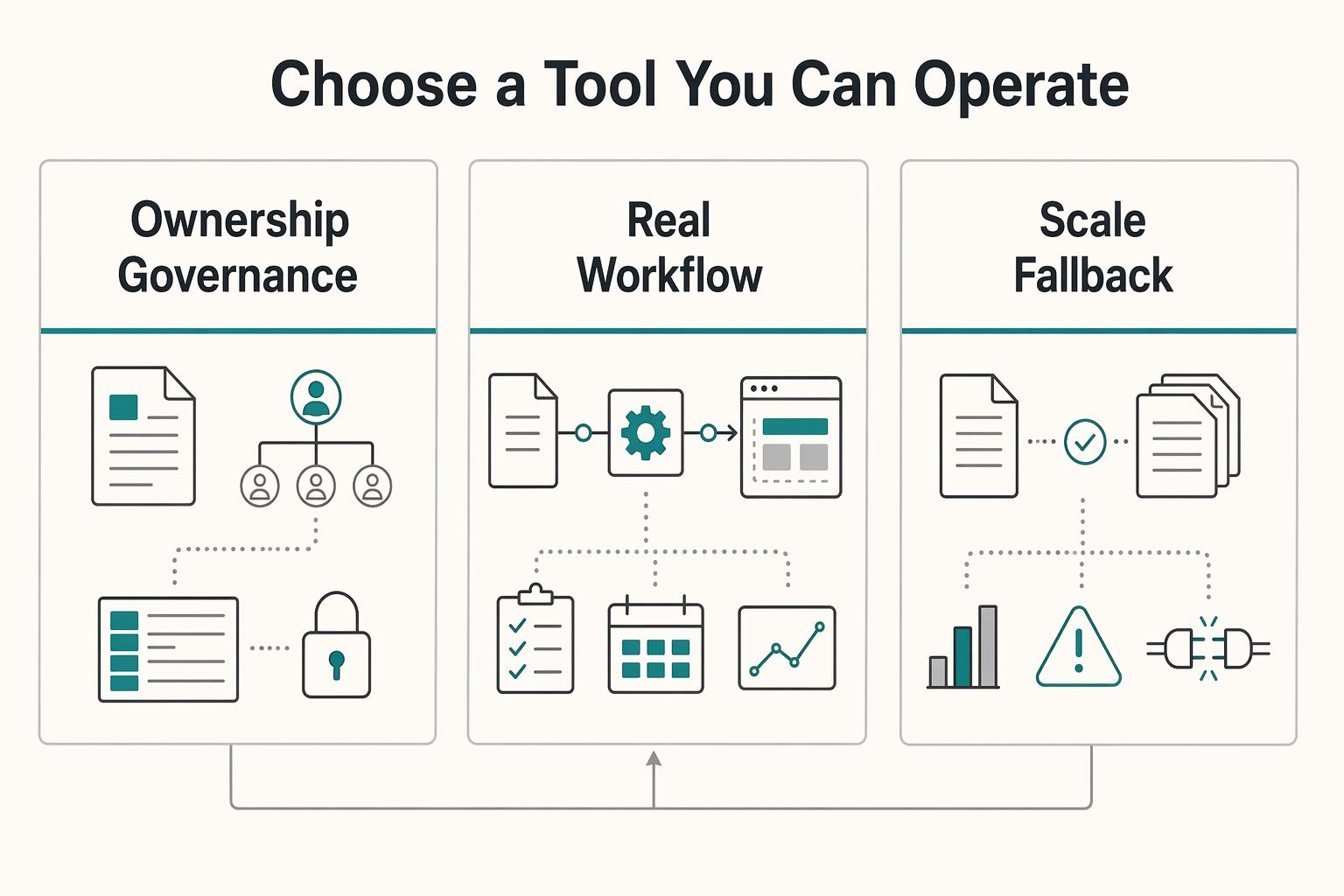
Choose the tool you can run under real release pressure, not the one that looks best in a demo. Keep OpenAPI as your source of truth, test each finalist in the same workflow as your Swagger UI baseline, and only expand when the results stay reliable in production-like work.
There is no single winner for every team. Your decision should match who owns docs work day to day, how approvals happen, and whether the tool works in real workflows instead of marketing claims. Treat hidden documentation effort as a risk signal: if a tool creates duplicate editing or unclear ownership, it will usually fail later.
| What you evaluate | Evidence you require | Go or no-go signal |
|---|---|---|
| Ownership and governance fit | A named owner, a clear reviewer path, and a working publish flow from the same OpenAPI file or URL | Go if one source publishes to the right audience without copy-paste maintenance. No-go if ownership or access control remains unclear after pilot use. |
| Real workflow performance | Autogenerated reference docs from API definitions, then a manual check of one operation page (parameters, auth, headers, response schemas) | Go if output matches implementation and review stays inside the defined flow. No-go if docs drift or reviewers must patch content outside the source spec. |
| Scale and fallback safety | A documented rollback path to baseline, plus proof that updates, approvals, and discoverability features (such as API catalogs) still hold in normal release cadence | Go if rollback is simple and quality holds. No-go if reliability depends on manual heroics. |
Use this execution rule: run shortlisted tools in the same workflow as your baseline, define rollback before expansion, and scale only when accuracy and review friction hold through a real release.
This week, do three concrete actions:
- Apply your matrix to one live API, not a sample spec.
- Write a one-sentence pilot hypothesis tied to your bottleneck (for example, docs drift or audience control).
- Set your rollback trigger before rollout, then track impact with How to Calculate ROI on Your Freelance Marketing Efforts.
If you want a broader operations comparison, review The Best Log Management Tools for SaaS Businesses. If you need help pressure-testing your shortlist, use Talk to Gruv.
Frequently Asked Questions
What is the best API documentation tool for a small team with one API?
Start with Swagger UI if you have one API and can keep the OpenAPI file clean. It gives you a low-overhead baseline and shows whether the real issue is docs quality or tooling. If the spec and auth details stay current in the pilot, do not add a platform yet.
Is Swagger UI enough for production docs, or should I use SwaggerHub or ReadMe?
Swagger UI is enough when your main job is publishing accurate, spec-driven reference from one source of truth. Move to SwaggerHub or ReadMe only when ownership, approval, onboarding, or audience separation becomes the real blocker. Pick the product that fixes that workflow gap, not the one with the best demo.
How do I choose between ReadMe, Redocly, Stoplight Elements, and GitBook?
Run the same pilot for all four: import your real OpenAPI spec by file or URL, publish one pilot API, and check who can edit, who can view, and how updates reach production. If discoverability matters, also test an API catalog or a clear way to browse multiple APIs. If self hosting matters, verify interactive behavior in that exact setup because self-hosted Redoc does not include Try It.
What makes API documentation genuinely AI ready for coding assistants?
API docs are AI ready when the source content is structured, retrieval is grounded in an authoritative knowledge base, and a human approval checkpoint exists before new content goes live. Validate that in a pilot by asking the same questions after a release. Reject any tool that answers from stale versions or hallucinates.
Should internal API docs and public API docs live in the same platform?
Use one platform when the same team owns both and audience controls work cleanly. Split them only when partner or private visibility rules create too much risk or review friction in one place. The key checkpoint is whether one OpenAPI source can publish to the right audience without manual copying.
What should I verify before signing an annual contract for a docs tool?
Run your own spec through the product and inspect one operation page in detail. Confirm that parameters, response schemas, headers, and authentication schemes render correctly, and verify how updates are approved before publish. Also confirm the exact hosted plan, limits, visibility controls, and any auto sync cadence in writing so it matches your release rhythm.
How do I migrate from Docusaurus or Document360 to an OpenAPI first workflow?
Move the API reference layer first and make OpenAPI the single source of truth. Keep guides where they are until one pilot API publishes cleanly from the spec. If people are still editing markdown pages and spec files in parallel, stop and fix ownership before migrating more.
Try a related tool
Researched and edited by the Gruv editorial team. Gruv builds cross-border billing, payouts, and finance-operations software for global businesses.
Sources
Includes 7 external sources outside the trusted-domain allowlist.
- academia.edu/33142222/BIG_DATA_ANALYTICS_A_Practical_Guid...trusted
- apisyouwonthate.com/blog/top-5-best-api-docs-toolsexternal
- blog.dreamfactory.com/5-best-api-documentation-toolsexternal
- bump.sh/blog/top-5-api-docs-tools-in-2025external
- clickhelp.com/clickhelp-technical-writing-blog/12-best-api...external
- composio.dev/blog/apis-ai-agents-integration-patternsexternal
- deepdocs.dev/api-documentation-template-exampleexternal
- document360.com/blog/api-documentation-toolsexternal
Educational content only. Not legal, tax, or financial advice.
Related Posts
Value-Based Pricing for Freelancers Under Real Payment Risk
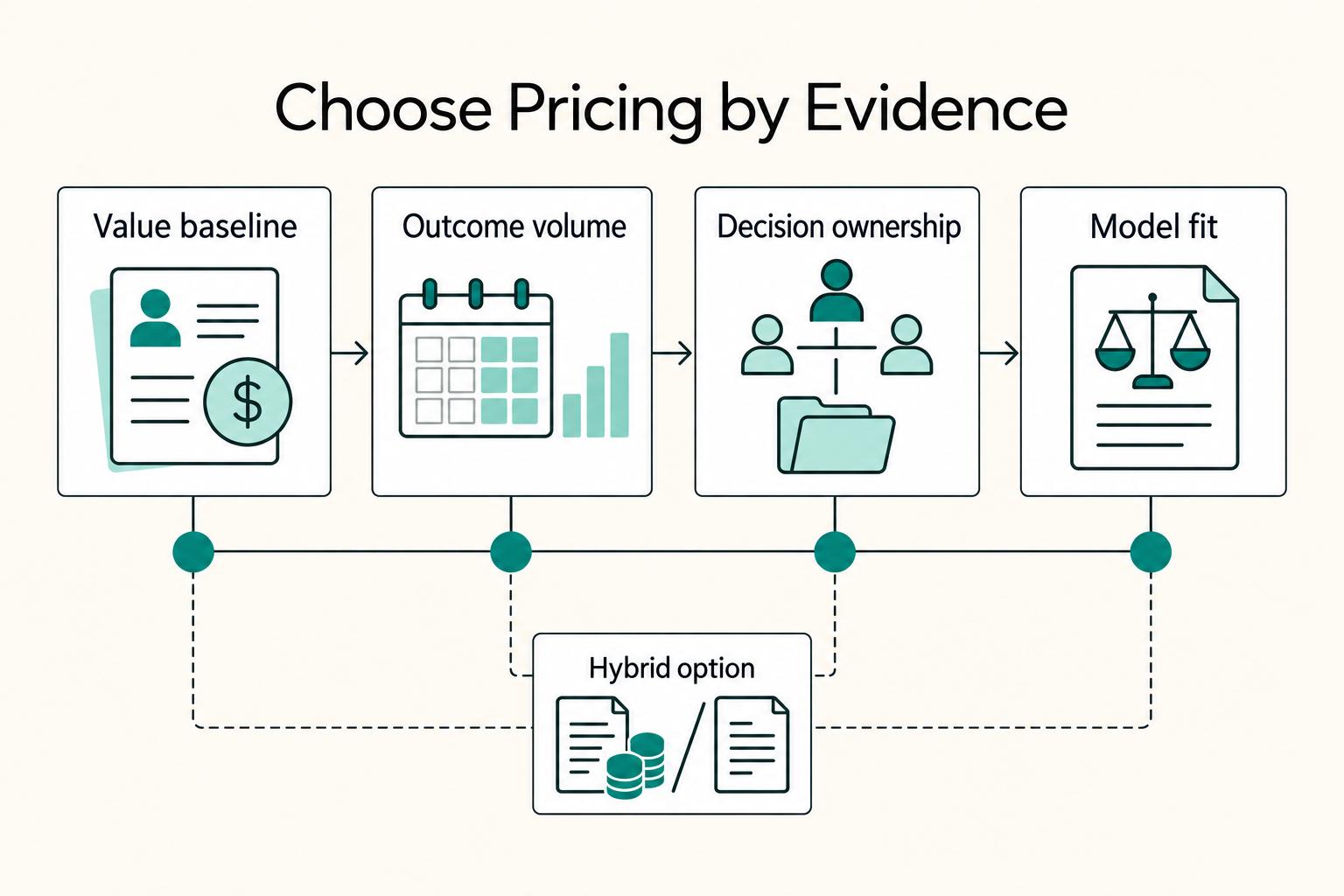
Value-based pricing works when you and the client can name the business result before kickoff and agree on how progress will be judged. If that link is weak, use a tighter model first. This is not about defending one pricing philosophy over another. It is about avoiding surprises by keeping pricing, scope, delivery, and payment aligned from day one.
How to Calculate ROI on Your Freelance Marketing Efforts
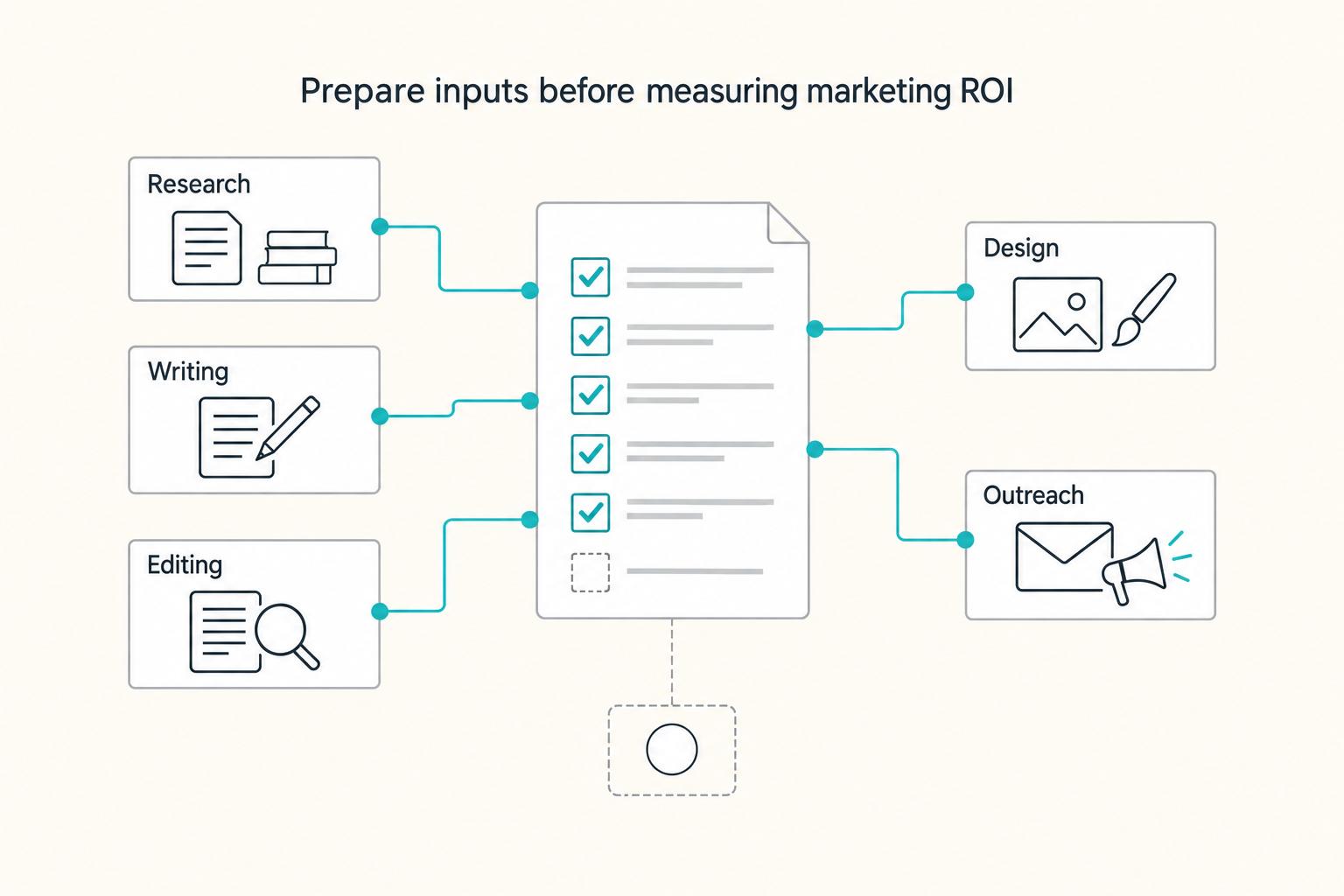
If you want ROI to help you decide what to keep, fix, or pause, stop treating it like a one-off formula. You need a repeatable habit you trust because the stakes are practical. Cash flow, calendar capacity, and client quality all sit downstream of these numbers.
Best Knowledge Base Tools for Support and Internal Work
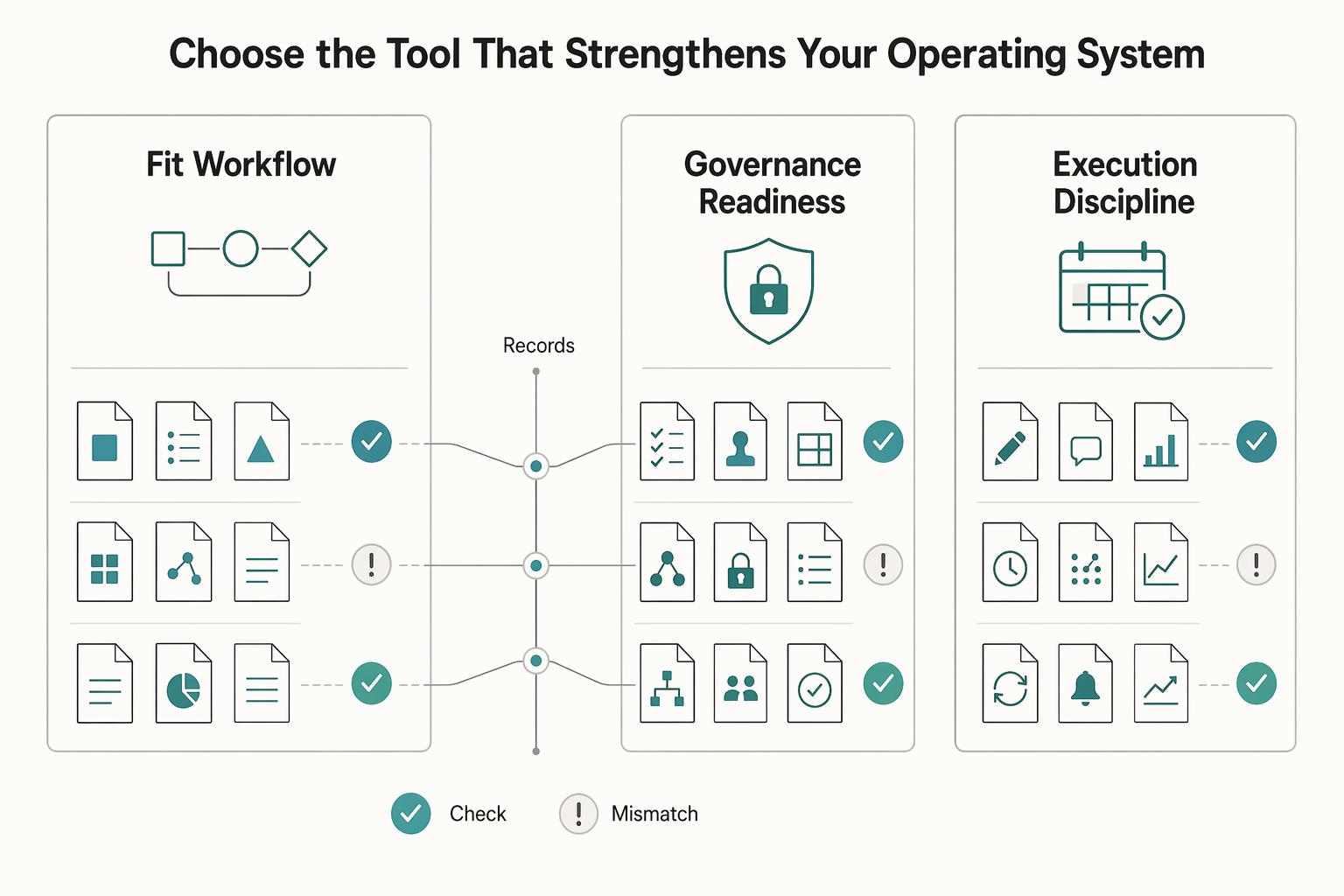
You want fewer repeated questions, fewer handoff errors, and answers people can find fast without digging through chat, email, or memory. That usually starts with one searchable home for shared knowledge, but it only sticks if someone owns the content and someone checks that it still reflects reality.