
Operator playbooks for cross-border payments, tax, and compliance execution.
Step-by-step guidance for finance, product, and ops teams to launch faster, reduce payout friction, and keep reconciliation clean across borders.

How to Build a Client Acquisition System for Your Agency
Build the first version of your **agency client acquisition system** over the next month so weekly decisions replace guesswork. The point is not to collect more tactics. It is to run one repeatable acquisition process with clear checkpoints, cleaner handoffs, and fewer avoidable risks.
Read more →
How to Calculate Client Lifetime Value (CLV) for Your Agency
To make pricing and acquisition decisions you can defend, use a consistent view of Customer Lifetime Value (CLV), whether revenue-only or margin-aware. This guide is for freelancers, creators, and small agency teams that invoice clients and need decisions that hold up under day-to-day planning pressure.
Read more →
Best Accounting Software for Small Agencies That Protects Cashflow
Pick the platform that protects cash timing, not the one with the longest feature list. For most agencies, three controls deserve early attention: dependable invoicing, project-level profitability visibility, and billing steps that match contract terms without constant exceptions.
Read more →
Manage Agency Project Profitability With Cashflow Checkpoints
Invoiced revenue can look healthy while cash is still unavailable. That gap is where a project that looks profitable can start to pressure routine operating costs such as payroll, rent, utilities, and equipment.
Read more →
Australia Tax Residency for Digital Nomads With GST and ABN Checkpoints
The goal is a defensible, low-drama position the Australian Taxation Office (ATO) can follow from your records, not a clever workaround. For a digital nomad, that usually means keeping two tracks straight: residency and GST/ABN admin. Consistency is what holds up over time: use real facts, take steps in a clear order, and keep documents that still match months later.
Read more →
What Is an 'Evergreen' Clause in a Retainer Agreement?
Steadier payment continuity starts with one clear rule: when the balance drops below the agreed floor, funding is restored to the target amount. That is the job of an evergreen clause in a retainer agreement, and it can keep payment expectations explicit before work gets ahead of cash.
Read more →
Master Service Agreement for Freelancers in Long-Term Client Engagements
If you expect repeat work with the same client, set the contract architecture first: one reusable MSA for standing terms, then project documents for each engagement. The point is not just speed. It is making sure your baseline terms are set before they repeat across future projects. Treat each document as a separate layer:
Read more →
IT Agency Competitor Analysis in One Afternoon
A useful IT agency competitor analysis can leave you with a short decision list by the end of one afternoon, not a long document no one uses. The goal is simple: decide where to focus, what to stop doing, and what proof to strengthen next.
Read more →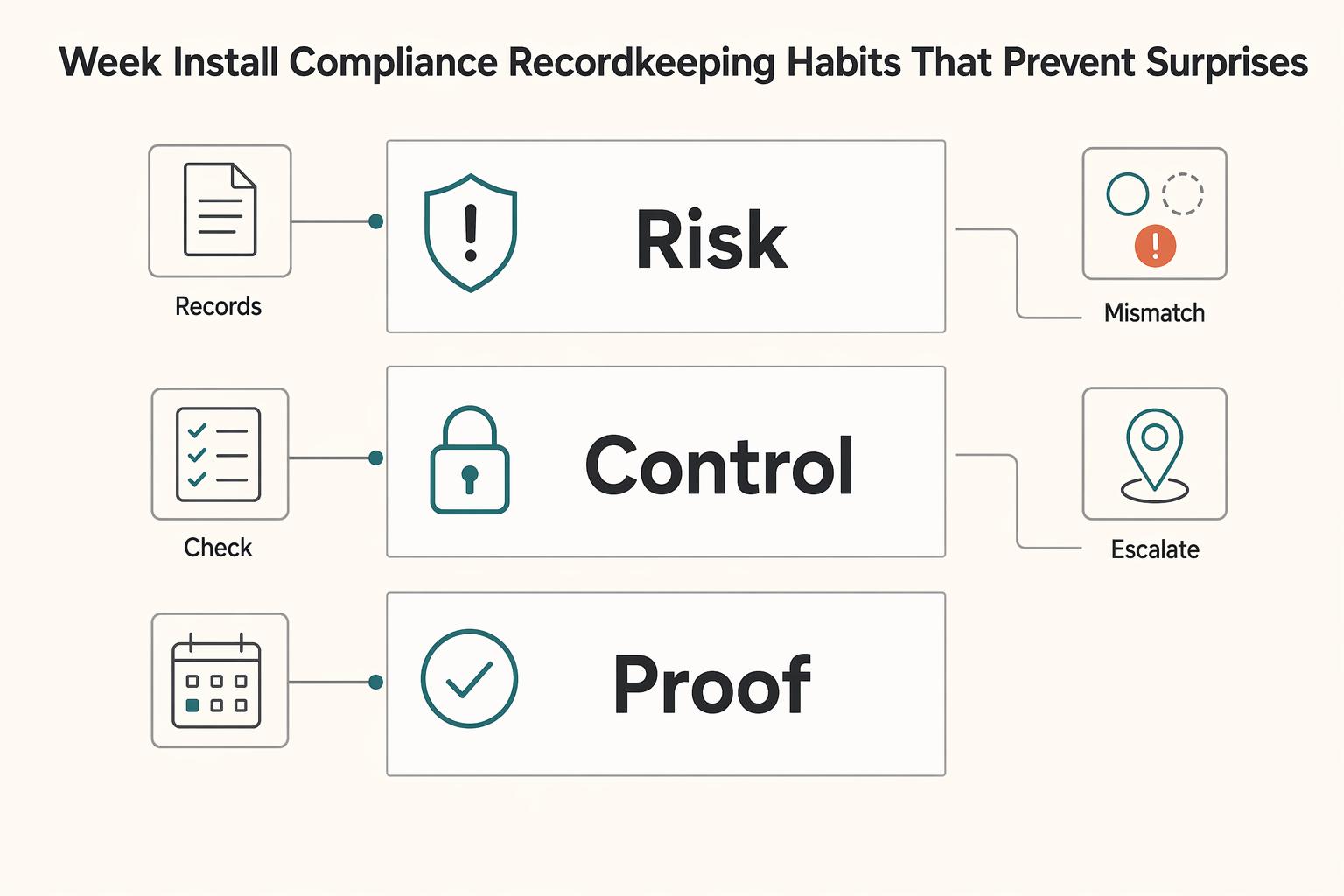
How to Build a Resilient Freelance Business in an Economic Downturn
Treat the next month as a cash-protection sprint first, then a controlled growth restart. That order helps you avoid rushed decisions when invoices slip and buyers hesitate.
Read more →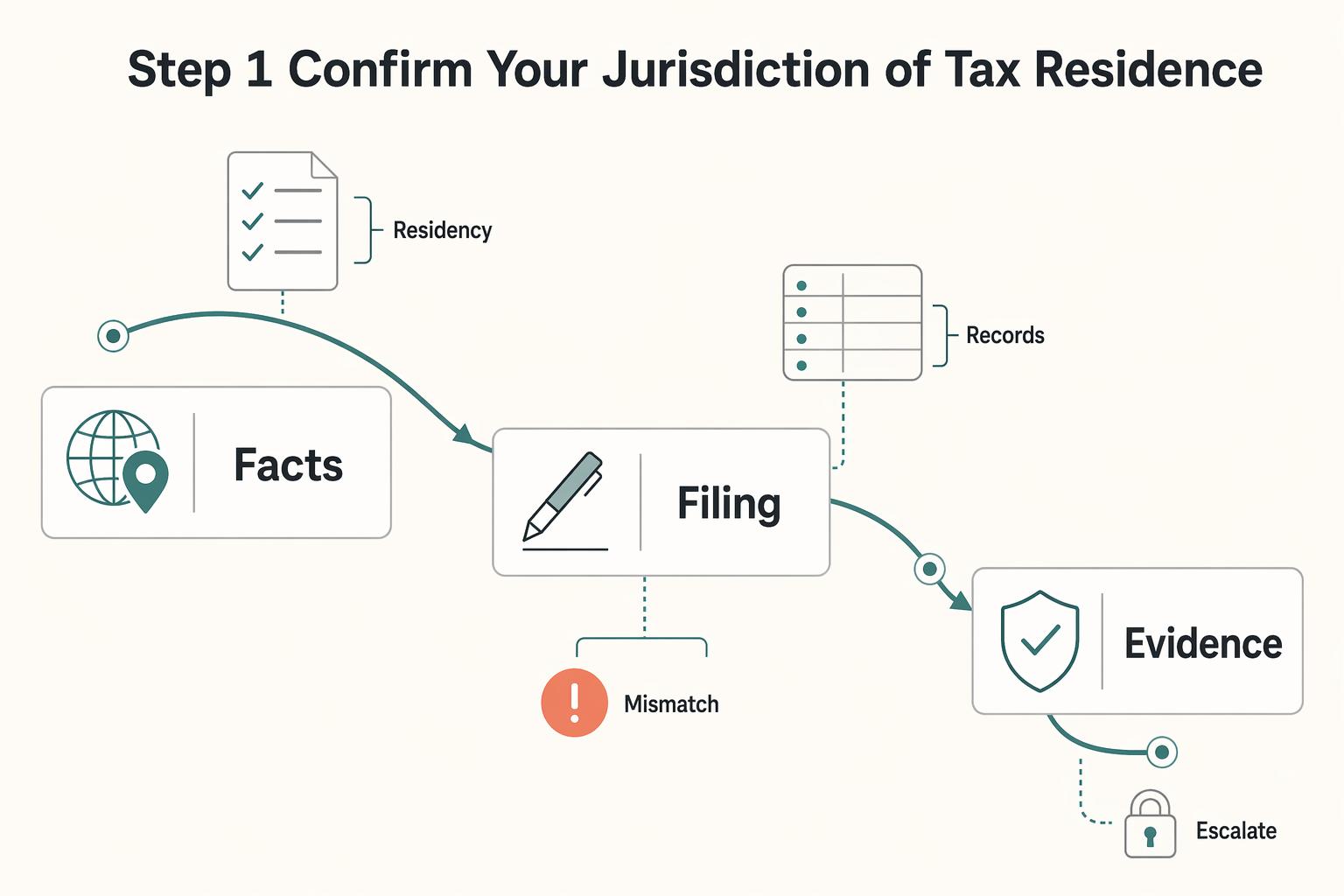
How to Get a Foreign TIN Without W-8BEN Filing Mistakes
Start by identifying the exact number the form asks for, then match that request to the right ID type. A common avoidable mistake is treating different tax IDs as interchangeable. If a field label conflicts with what you expected, follow the label first and resolve the mismatch before you submit anything.
Read more →
How to Choose a Reliable Southeast Asia Fintech Setup for Cross-Border Work
If you run cross-border work as a freelancer, consultant, or small team, the 2026 priority is simple: pick a setup that still works when exceptions happen, not only when everything goes smoothly. Adoption is real across the region, but day-to-day reliability matters more than product noise.
Read more →
Deel vs Remote for Freelancers Who Need a Clear First-Payout Decision
Choose the platform that makes your first payout cycle predictable and your contracts easier to defend. This is an operating decision, not a brand contest.
Read more →
Bank Secrecy Act Fintech Decisions That Prevent Review Delays
Start with one decision: choose the control model you can prove before launch. Know what to put in place before go live, what a bank partner will likely ask for, and which proof points help avoid long review loops.
Read more →
How Senior Freelancers Make Fractional Work Stable and Accountable
A lot of fractional advice focuses on winning the first engagement and leaves delivery risk under-addressed. Profiles, marketplaces, and pitch decks can get you a yes. They do not automatically solve the hard part: clear ownership, scoped authority, predictable payment, and clean records as client count grows.
Read more →
How to Use Performance-Based Pricing for Your Freelance Services
Performance-based pricing can offer upside, but cashflow protection should come first. In performance based pricing freelance work, the first question is not how much upside you might win. It is how much downside you can carry if project conditions or payment timing go sideways.
Read more →
Data Localization Laws for Global Freelancers Before You Sign
You can work within **data localization laws** without stalling a cross-border deal, but only if you scope data location before price and timelines are set. For freelancers, the goal is simple: make assumptions explicit, tie them to contract language, and update them when facts change.
Read more →
How to Form and Run a Cayman Islands LLC
This is for independent professionals who need a compliant operating setup, not a fund-structuring memo. The goal is practical: decide fit, form carefully, and run ongoing compliance with fewer avoidable mistakes.
Read more →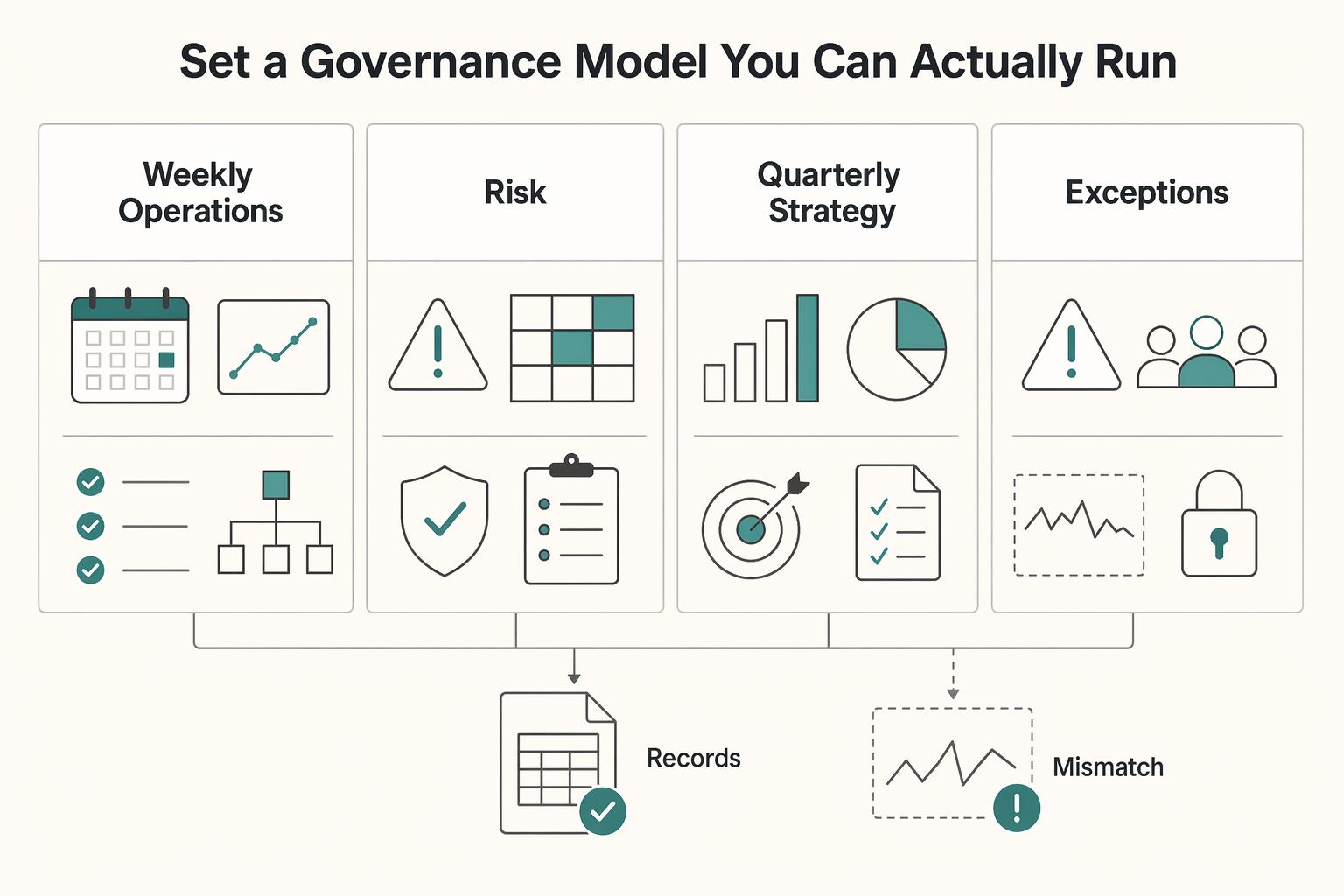
Choosing Between IT Staff Augmentation and Managed Services
Choosing an outsourcing model is a risk and reputation decision before it becomes a staffing decision. In [staff augmentation vs managed services](https://www.sparxitsolutions.com/blog/staff-augmentation-vs-managed-services), hourly rate often matters less than who controls delivery, who owns failures, and how disputes are settled in the contract.
Read more →
How to Set and Track KPIs for Your Freelance Business
Better decisions matter more than more metrics. The practical goal is to finish each review knowing what to change next, who owns that change, and when you will verify whether it worked.
Read more →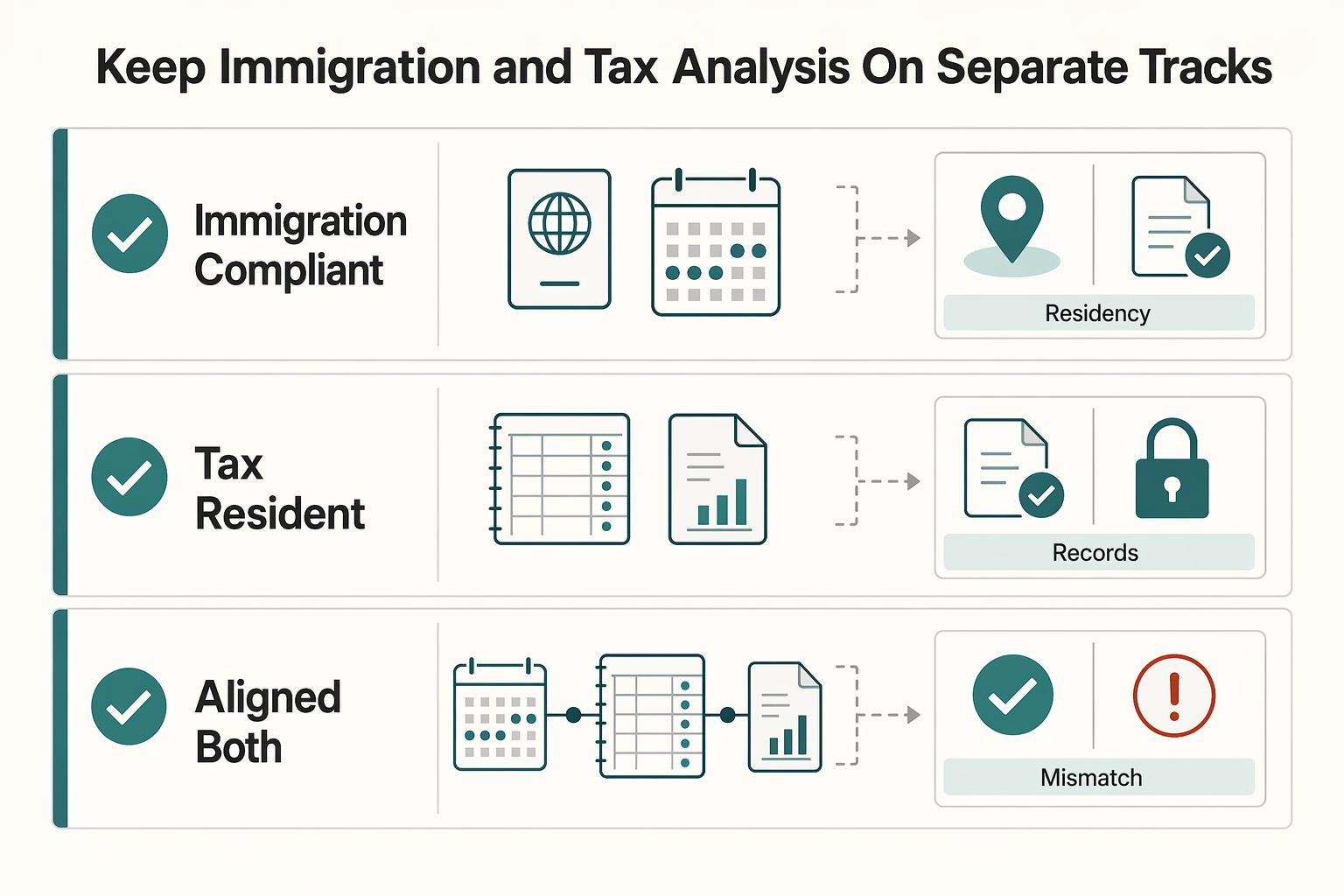
Costa Rica Tax Residency for Pura Vida Nomads
A six-month day-count threshold is a useful starting filter, not the full test. A defensible position depends on both time in country and Costa Rica-source income, using definitions tied to Article 5 of the Costa Rican Income Tax Law Regulations and Article 2 of Administrative Regulation DGT-R-033-12.
Read more →