
Operator playbooks for cross-border payments, tax, and compliance execution.
Step-by-step guidance for finance, product, and ops teams to launch faster, reduce payout friction, and keep reconciliation clean across borders.

How to Network with Journalists on Social Media
Networking with journalists works best when first contact feels useful, not transactional. You are building trust over time so a reporter can recognize you, reach you quickly, and use your input under deadline pressure.
Read more →
How to Get Featured in the Press as a Freelance Expert
Treat press outreach as a repeatable earned media channel, not a lottery ticket. The goal is to be quoted, mentioned, or featured because your expertise fits a real story, not to expect instant placement in outlets like Forbes or TechCrunch.
Read more →
Best PR Tools for Freelancers Who Need a Lean Weekly System
Solo PR work can break down from execution drift, not just from having too few apps. Dropped leads, missed follow-ups, and patchy client updates are common failure points when your weekly routine gets too heavy.
Read more →
How to Write a Press Release for Your Freelance Business
You can write this yourself, and that is often the right first move before you decide whether outside help is needed for complexity or messaging risk. If you want a press release your business can publish without role confusion or inflated claims, make the key decisions before drafting. A press release is a document you send to media contacts to share a news item.
Read more →
The Best Travel Insurance with Electronics Coverage for Remote Workers
Electronics coverage problems often start before the trip, not only after damage happens. Many trace back to purchase-stage choices: broad labels read as guarantees, eligibility details entered too quickly, or exclusions ignored until a claim is active. If a denied claim would interrupt your income, choose clarity over price from day one.
Read more →
Build a Freelance Media Kit That Reduces Client Friction
Treat your media kit as a buyer decision tool, not a design exercise. If a prospect can spot fit, proof, and the next action quickly, you cut a lot of avoidable back and forth before a call is scheduled. That is this document's job.
Read more →
Build a Freelance Referral Program Without Payout Disputes
Your week one control set is a practical baseline: the offer, the Referral Program Terms and Conditions, and the decision log. If a payout decision cannot point to one clause in the terms and one dated record entry, you are not ready to launch.
Read more →
Recording Client Calls Without Guesswork
A recording mistake can turn an ordinary client call into a dispute about what was said or agreed. If there is no audio or video file and no near-verbatim transcript, people can challenge what happened.
Read more →
The Best Email Encryption Tools for Freelancers
You can choose an email encryption route, test it in a real exchange, and keep contract and invoice threads moving.
Read more →
A Freelancer's Guide to Canada's Anti-Spam Legislation (CASL)
Treat this article as a pre-send gate, not background reading. Use CASL as the baseline. If you are in Canada, or you send a Commercial Electronic Message to Canadian residents, the message is in scope. The same applies when a CEM is sent from or to computers or devices in Canada. This material treats messages routed only through Canadian systems as not subject to CASL, so flag those for separate review before you send.
Read more →
How to Handle a Data Breach in Your Freelance Business
Start with control, not speed. Separate `Verified`, `Alleged`, and `Unknown` before you make any client or legal commitment.
Read more →
CCPA for Freelancers Handling California Client Data
Privacy risk is delivery risk for many freelancers who handle client data. The practical move is to assess likely CCPA exposure early and put baseline controls in place before a client issue forces rushed decisions.
Read more →
Securely Wipe Devices Before Selling Them With Clear Risk Checks
Make one call before you touch the device: choose a wipe level that matches the risk, then document each step you complete. That keeps your decisions consistent when you are under pressure from a buyer, a trade-in deadline, or a handoff date.
Read more →
When Freelancers Need a Data Processing Agreement and What to Redline First
Start with one decision before kickoff: if you will touch client personal data on client instructions, settle the DPA before anyone gets live access.
Read more →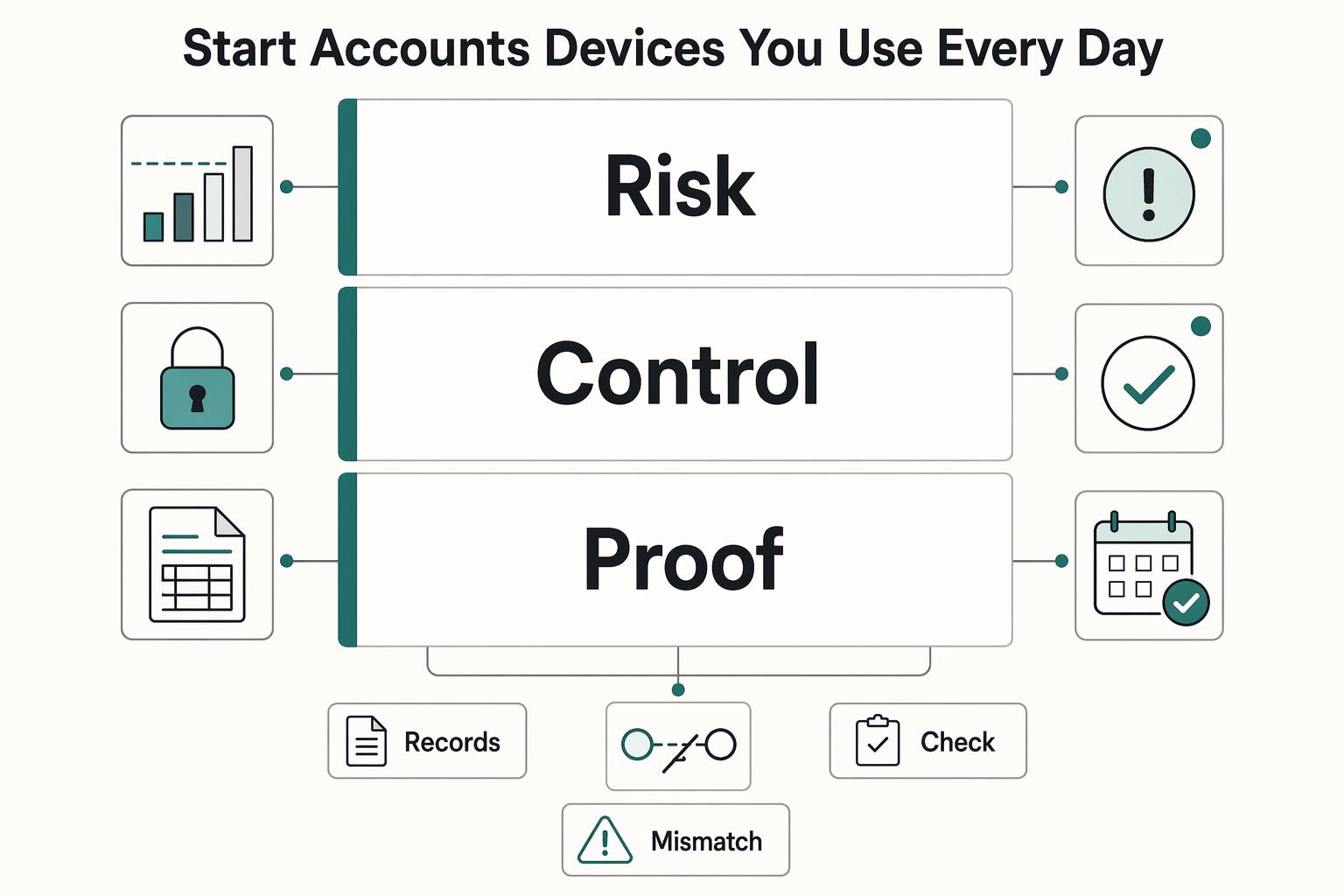
How to Conduct a Personal Security Audit as a Freelancer
A freelancer-grade personal security audit should end with a ranked action plan, not more anxiety. In one focused pass, you should spot the highest-risk gaps, decide what can wait, and leave with fixes you can start this week.
Read more →
The Best Antivirus and Malware Protection for Freelancers
If you want the best antivirus for freelancers, do not start with feature lists. Start with your work context, choose the right lane, and keep your shortlist small. That is the simplest way to avoid paying for extra admin while still protecting client files and keeping billable work moving.
Read more →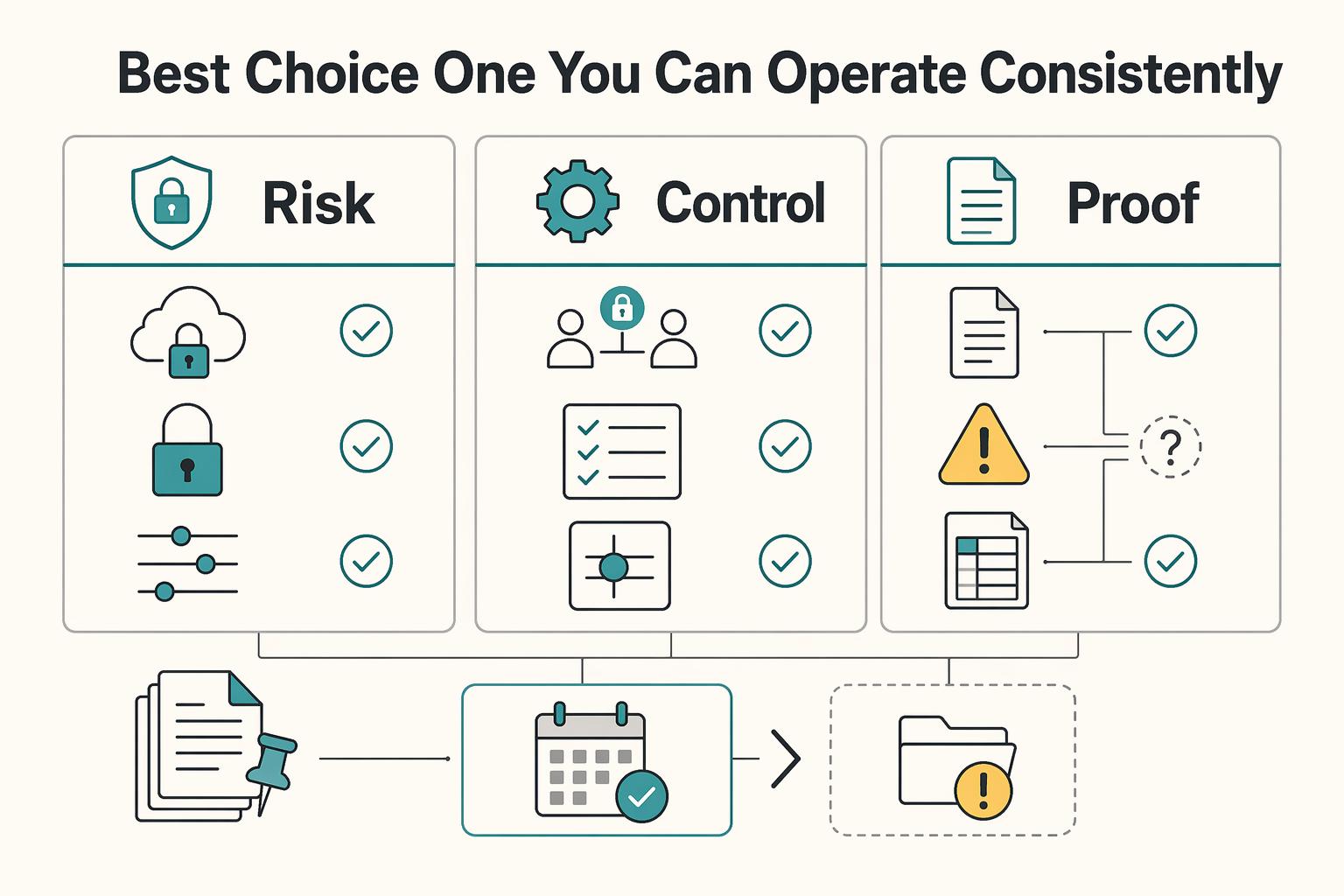
The Best Secure Cloud Storage for Freelancers
For freelancers, a secure cloud storage decision should start with risk, not convenience. One weak sharing setting can expose client files, and trust is harder to rebuild than a folder structure.
Read more →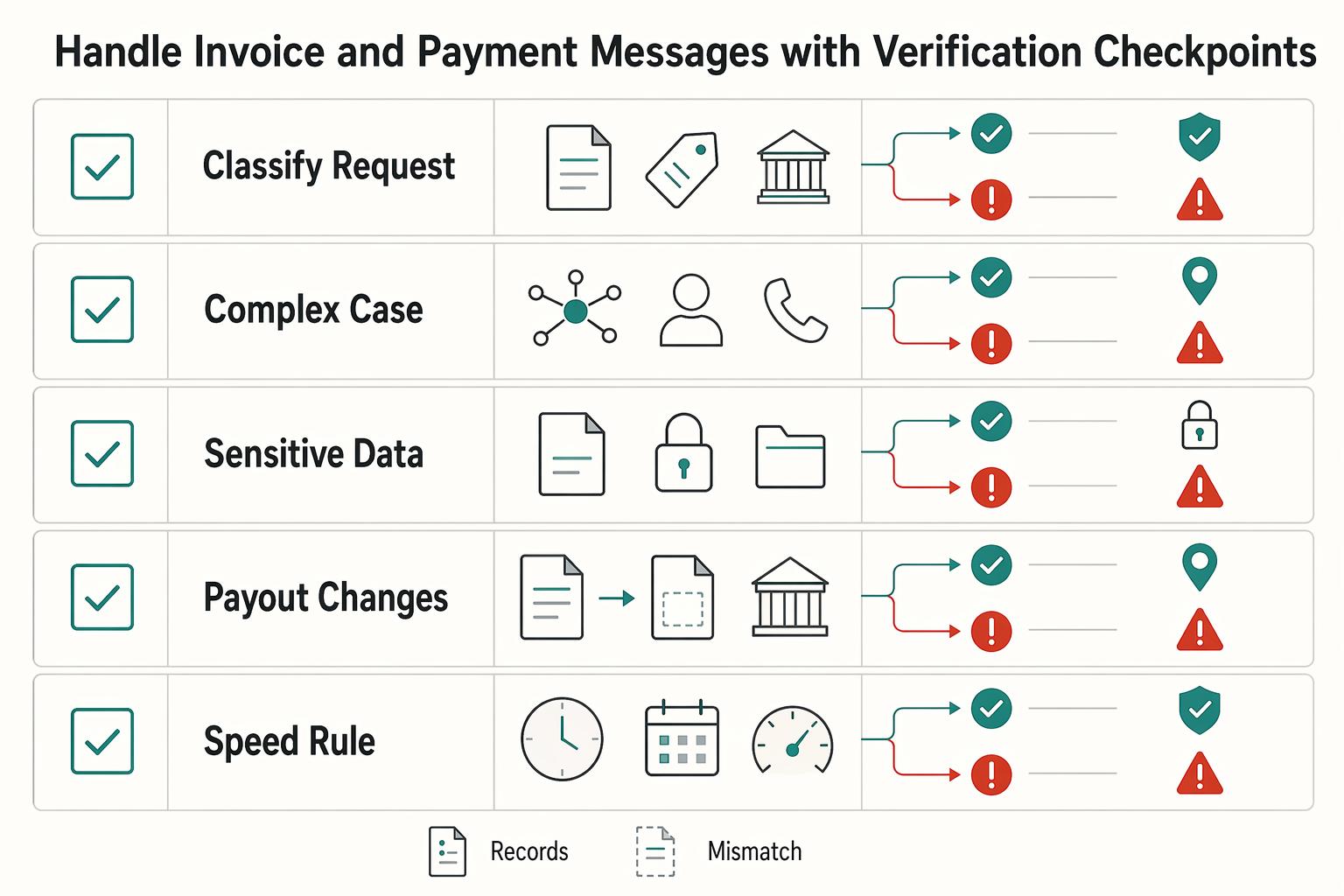
How to Avoid Phishing Scams When Payments and Access Are at Risk
You do not need perfect detection to reduce phishing risk. You need a repeatable sequence you can run quickly when a message asks for money, credentials, or sensitive information. The sequence is simple: prevent, verify, respond, and recover.
Read more →
Secure Messaging Apps for Client Communication That Hold Up Under Pressure
Client work goes more smoothly when you set messaging rules before pressure hits: one primary channel, one fallback, and a short written policy.
Read more →
Freelance Liability Clauses That Limit Risk Without Stalling the Deal
Start with one written freelance contract, then negotiate liability-related terms from that same text. That keeps payment, scope, and risk terms tied to the same deal. If you skip that step, both sides are more exposed to misunderstandings and avoidable disputes.
Read more →