
Operator playbooks for cross-border payments, tax, and compliance execution.
Step-by-step guidance for finance, product, and ops teams to launch faster, reduce payout friction, and keep reconciliation clean across borders.
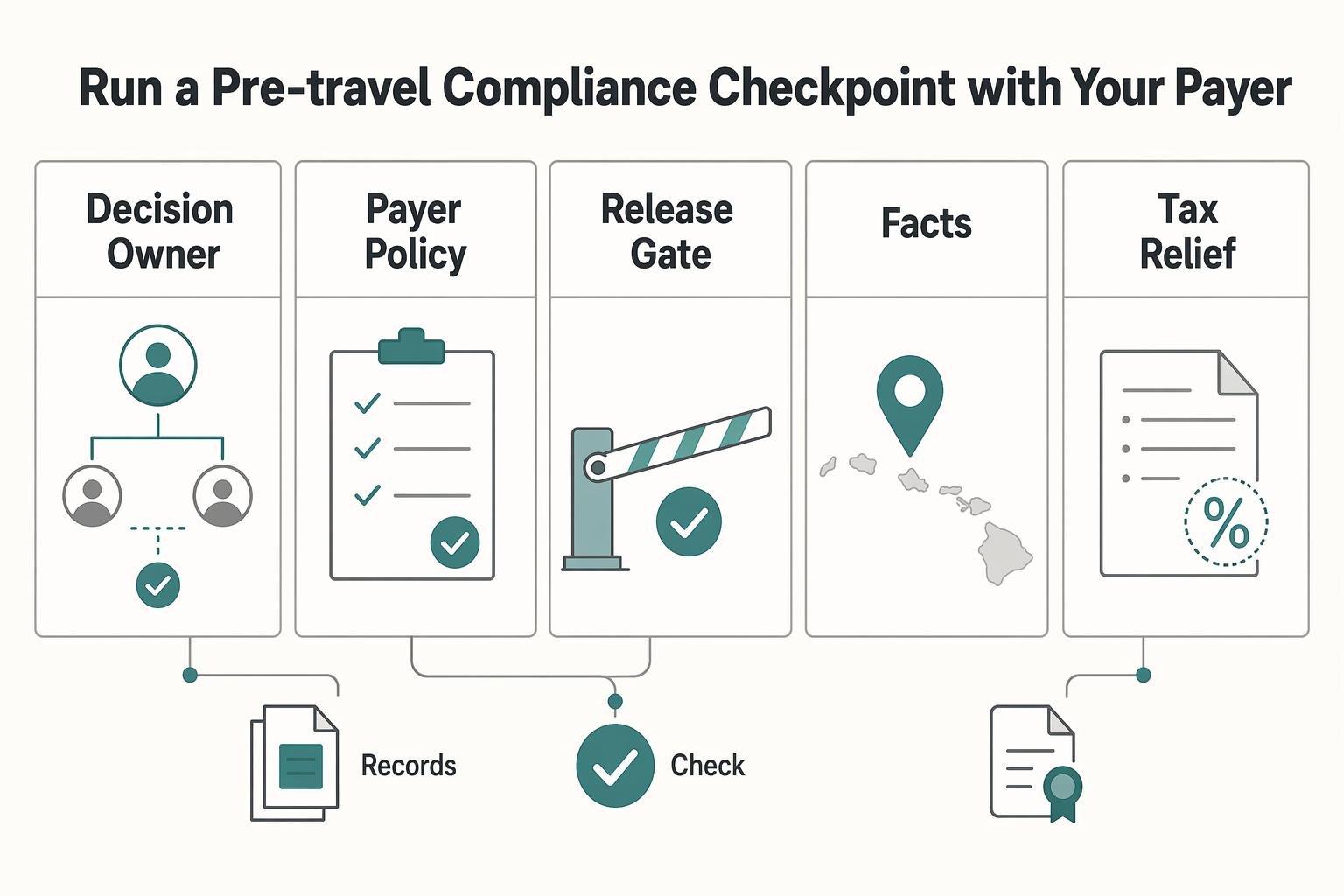
The Tax Implications of Working Remotely from Hawaii for a Mainland Company
If you physically perform services in Hawaii, use a safe default: assume Hawaii tax consequences may apply, then verify withholding and filing details before work starts.
Read more →
US-Canada Tie-Breaker Rules for Defensible Tax Residency Calls
If you split life and work between the United States and Canada, start with a defensible residency position, not a guess. In practice, that usually means confirming your domestic-law status first, then using treaty analysis when both countries can plausibly treat you as resident. The job of a **us-canada tax treaty tie-breaker** review is to choose a supportable position, document it, and file consistently.
Read more →
VAT for UK Freelancers Without Filing Surprises
If you want a low-stress approach to **vat for uk freelancers**, start with an HMRC-first baseline. Think of compliance as a series of decisions backed by records, not a setting inside your invoicing tool.
Read more →
How a UK LTD Should Invoice an EU Business on VAT Post-Brexit
You can reduce VAT guesswork by establishing the facts first, then applying the treatment. This guide is for a UK limited company invoicing an EU business client after Brexit. It starts by separating confirmed facts from working assumptions. The goal is practical: choose a supportable VAT treatment, issue a compliant invoice, and know when to pause for current HMRC guidance or adviser input.
Read more →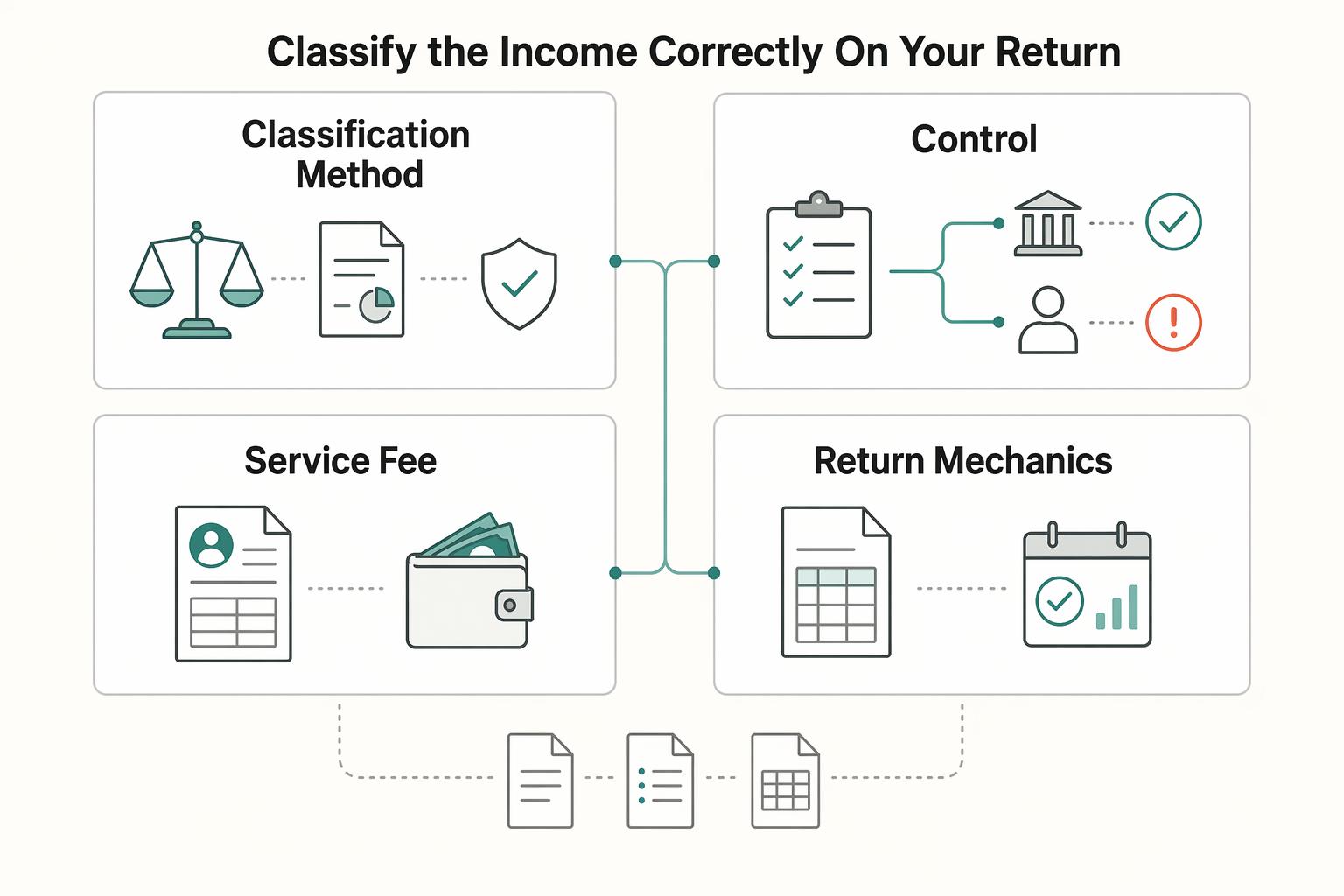
What Are the Tax Implications of an Honorarium Payment?
Use a conservative default: treat an award-style payment as taxable and reportable, and do not assume a missing form removes your filing duty. This article is a decision path for income reporting, not a loophole guide.
Read more →
Taxes in Mexico for Expats Without Guesswork
Use a conservative sequence: decide residency first, map income second, then file from records that support your position. For freelancers and consultants, that order keeps the process workable.
Read more →
Indonesia Tax for Foreigners With a Defensible Filing Path
If you are trying to make sense of **indonesia tax for foreigners**, this guide gives you a practical way to assess your likely tax position. It also helps you organize records in a way that reduces avoidable compliance stress.
Read more →
Renouncing US Citizenship Starts With Form 8854 Readiness
Treat this as a tax-compliance decision first and a consular step second. For freelancers and consultants, the practical sequence is to assess covered expatriate risk, organize and verify your tax file, and only then decide whether to proceed.
Read more →
Fair Use Decisions for Freelancers in Paid Client Work
If you use third-party material in paid client work, make the call based on sources you can defend, not myths. This guide gives you a practical go-or-no-go path and a permission fallback when support is weak.
Read more →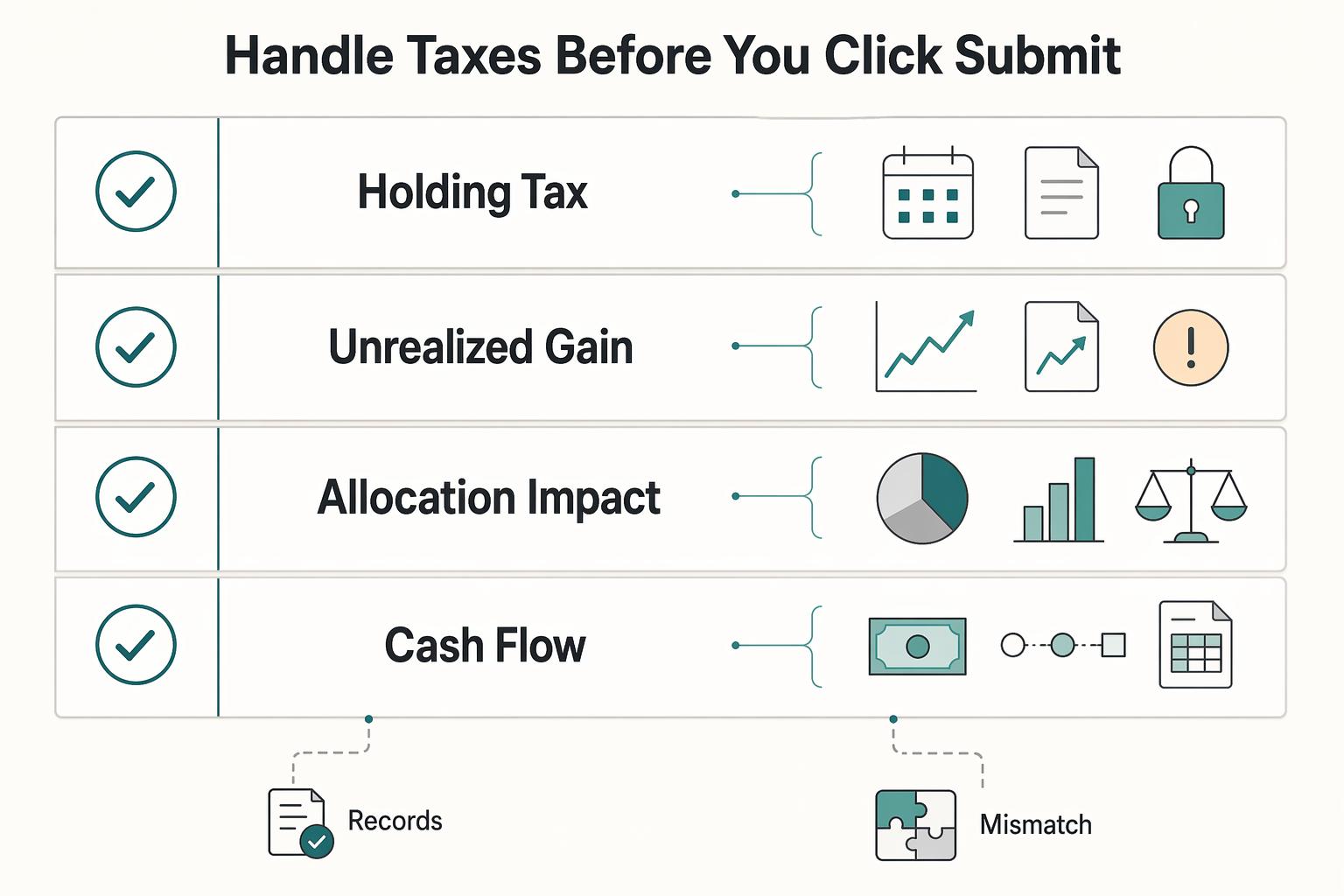
How to Rebalance Your Investment Portfolio Without Cashflow Stress
Start with cash, then rebalance. Protect near-term needs first, and only then bring long-term investments back toward your target allocation. That can help keep portfolio risk where you intended it without creating avoidable liquidity pressure.
Read more →
Section 351 Transfer Planning for a Clean Incorporation
A **Section 351 transfer** can defer gain when property is transferred to a corporation solely for stock and the transferor group is in control immediately after the exchange under **26 U.S.C. § 351(a)**. In practice, eligibility turns on structure, sequencing, and records, not just the label on the deal.
Read more →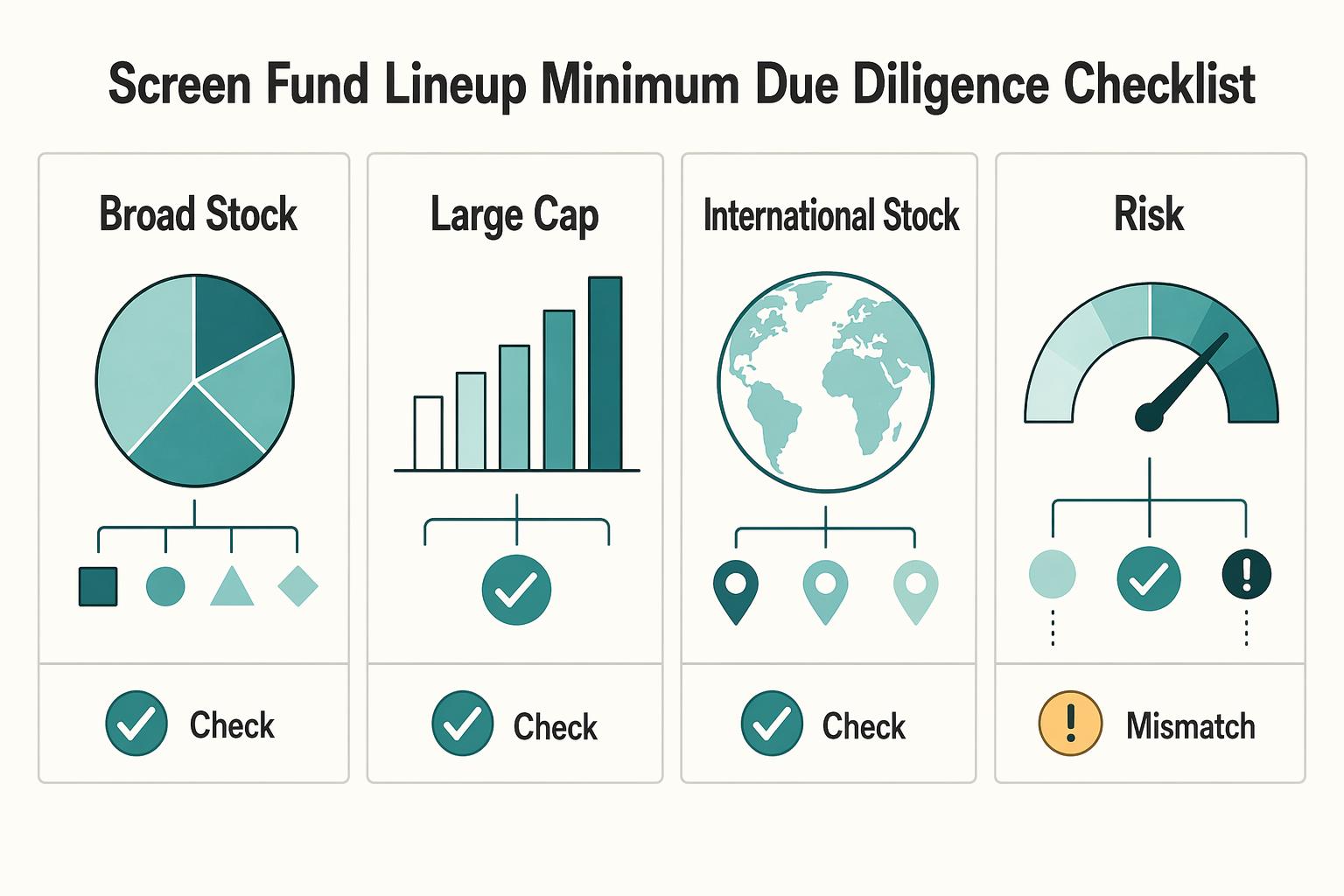
Choose Your 401(k) Investment Plan in 30 Minutes
Treat this as a cash flow and behavior decision first, and a fund-picking exercise second. The goal is to help you make a workable choice from a real plan menu without guessing, chasing what is hot, or changing course every time markets move.
Read more →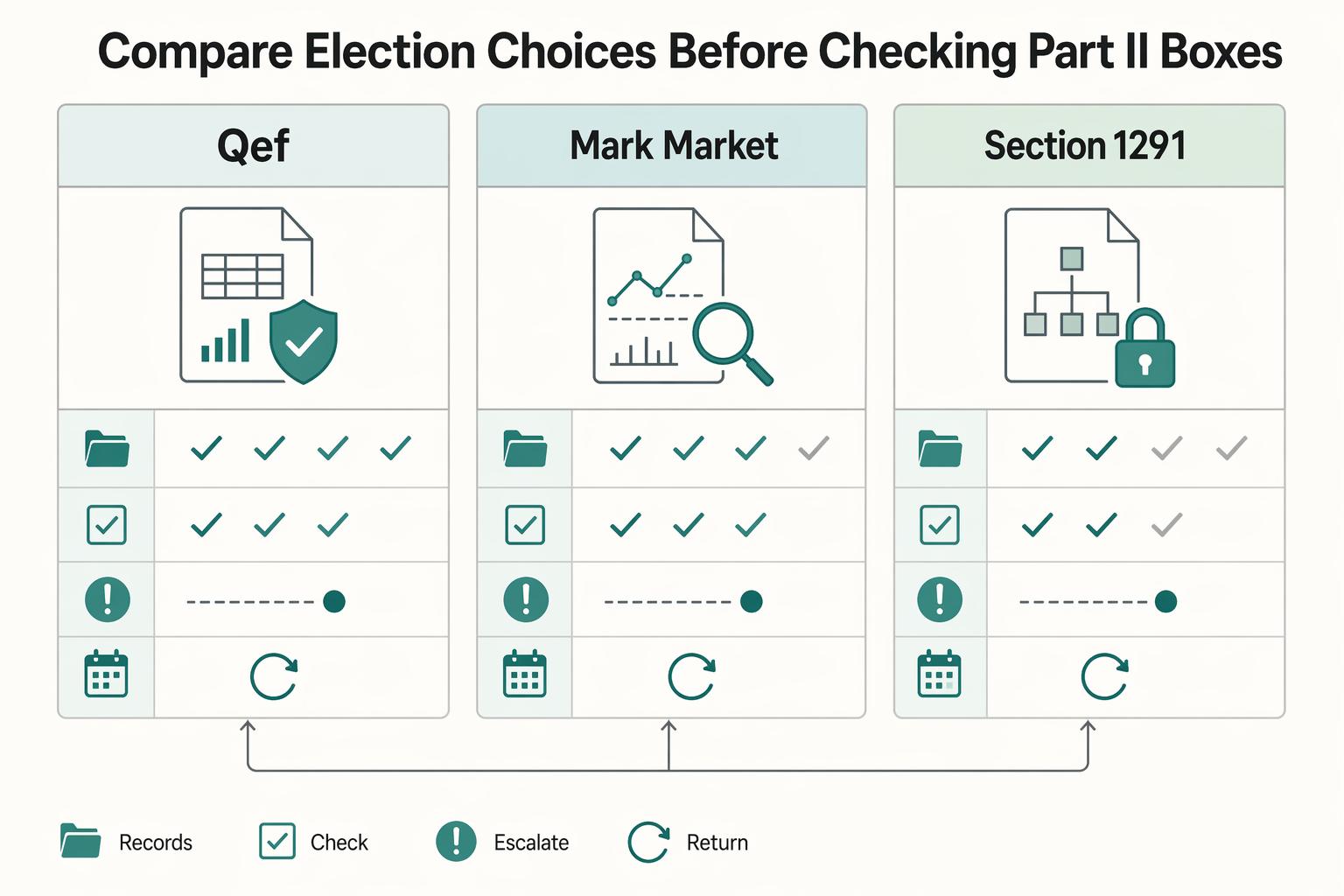
Form 8621 PFIC Reporting for US Expats Without Guesswork
Form 8621 is hard because filing can turn on three moving parts at once: your ownership status, your election posture, and what happened during the year, even if you did not sell. If you treat this as only a sale-or-no-sale question, you can miss a real filing trigger.
Read more →
Writing Case Studies for B2B SaaS That Buyers Trust
If you work independently, you do not need another gallery of polished examples. You need a way to produce B2B SaaS case studies that help a buyer trust the result, help a client feel fairly represented, and hold up in review when someone asks, "Where did this number come from?"
Read more →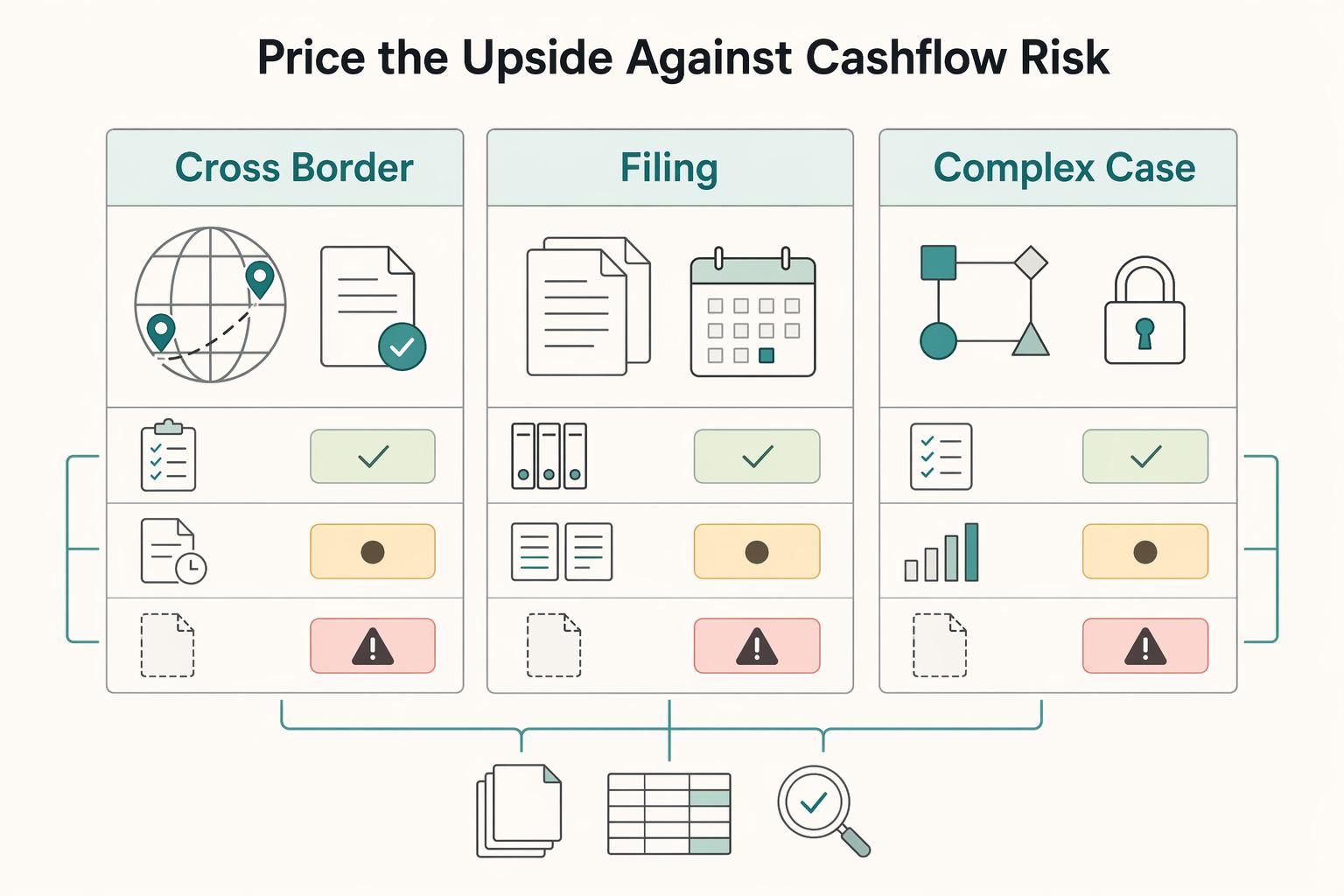
Handling Company Stock Options Without Breaking Freelance Cashflow in Europe
Start with one rule: **treat private company stock options as upside, not operating income**. Your monthly essentials should work on cash alone, because equity can stay uncertain longer than your runway.
Read more →
Mexico Temporary Resident Visa for Nomads Planning a 90-Day Move
Start with one assumption: this process does not end at the consulate. First, you apply at a **Consulado de México** for the visa that lets you travel for this process. After arrival, additional in-country steps may apply. A visa lets you travel to Mexico, but it does not guarantee entry at the border.
Read more →
How to Use QuickBooks Online to Manage Multiple Currencies as a Freelancer
Treat **quickbooks online multi-currency** as an operations decision, not a settings exercise. The real benefit is cleaner client invoices, fewer manual conversions, and less month-end repair work when exchange rates move or a payment settles differently than expected.
Read more →
How to Structure a Holdback in a Purchase Agreement
A workable holdback provision does one job well. It lets both sides move forward now without reopening the purchase-price fight later. In a smaller cross-border deal, the practical route is straightforward drafting: name the risk, name the proof, and name the release path.
Read more →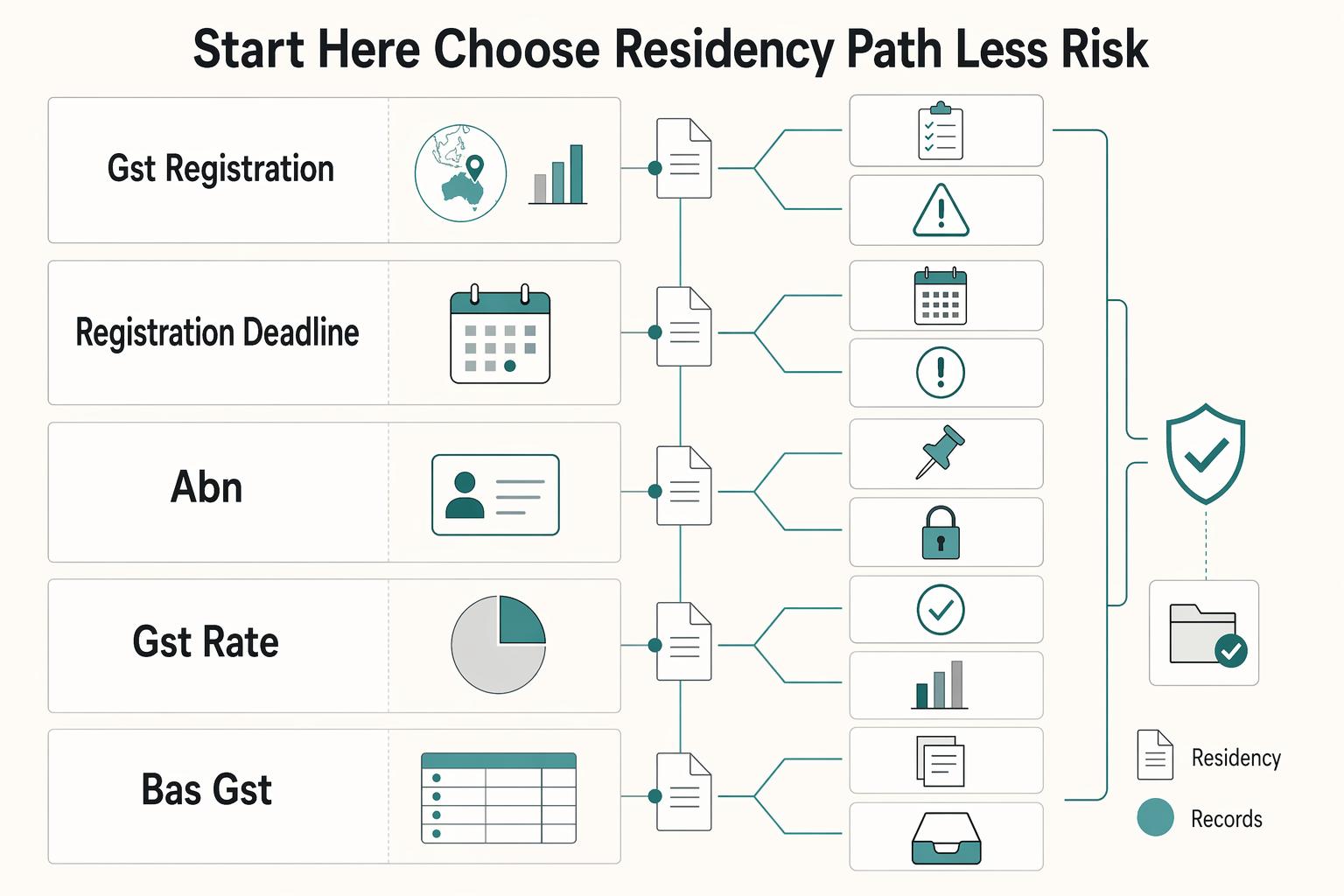
US-Australia Tie-Breaker Rules for Dual-Resident Software Developers
Start by building a position you can document and file consistently, not by trying to force a gray-area outcome. Keep the treaty question separate from admin compliance tasks, then line up the filing steps behind the same factual record.
Read more →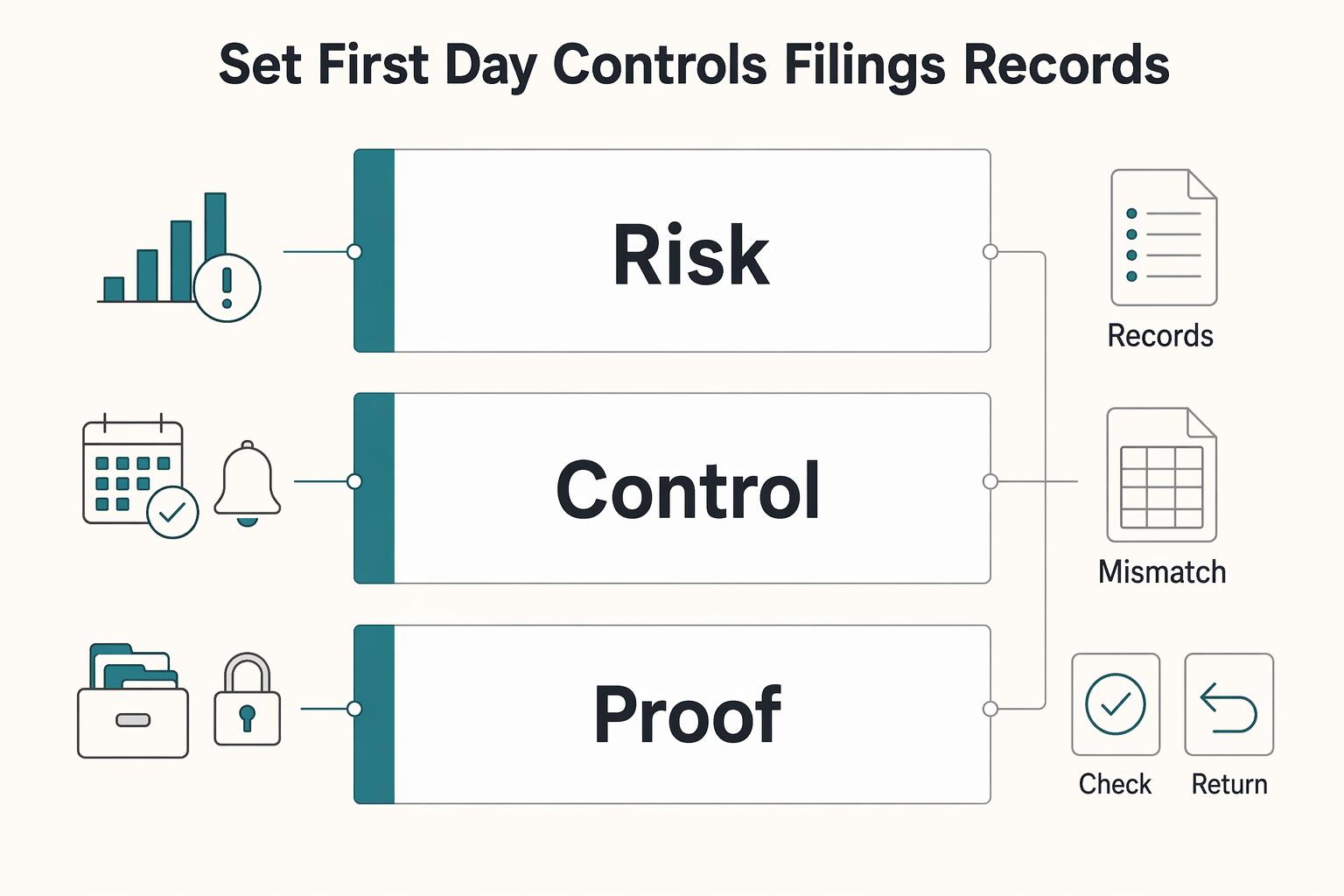
How to Hire Your First Employee in Canada
Hiring your first employee in Canada is not just a recruiting task. It is an employer-compliance project. Payroll, contract, and onboarding decisions should happen in a clear order. Use a province-first sequence so your terms, payroll, and onboarding are set before first payroll and can stay aligned through the first 30 days.
Read more →