
Operator playbooks for cross-border payments, tax, and compliance execution.
Step-by-step guidance for finance, product, and ops teams to launch faster, reduce payout friction, and keep reconciliation clean across borders.
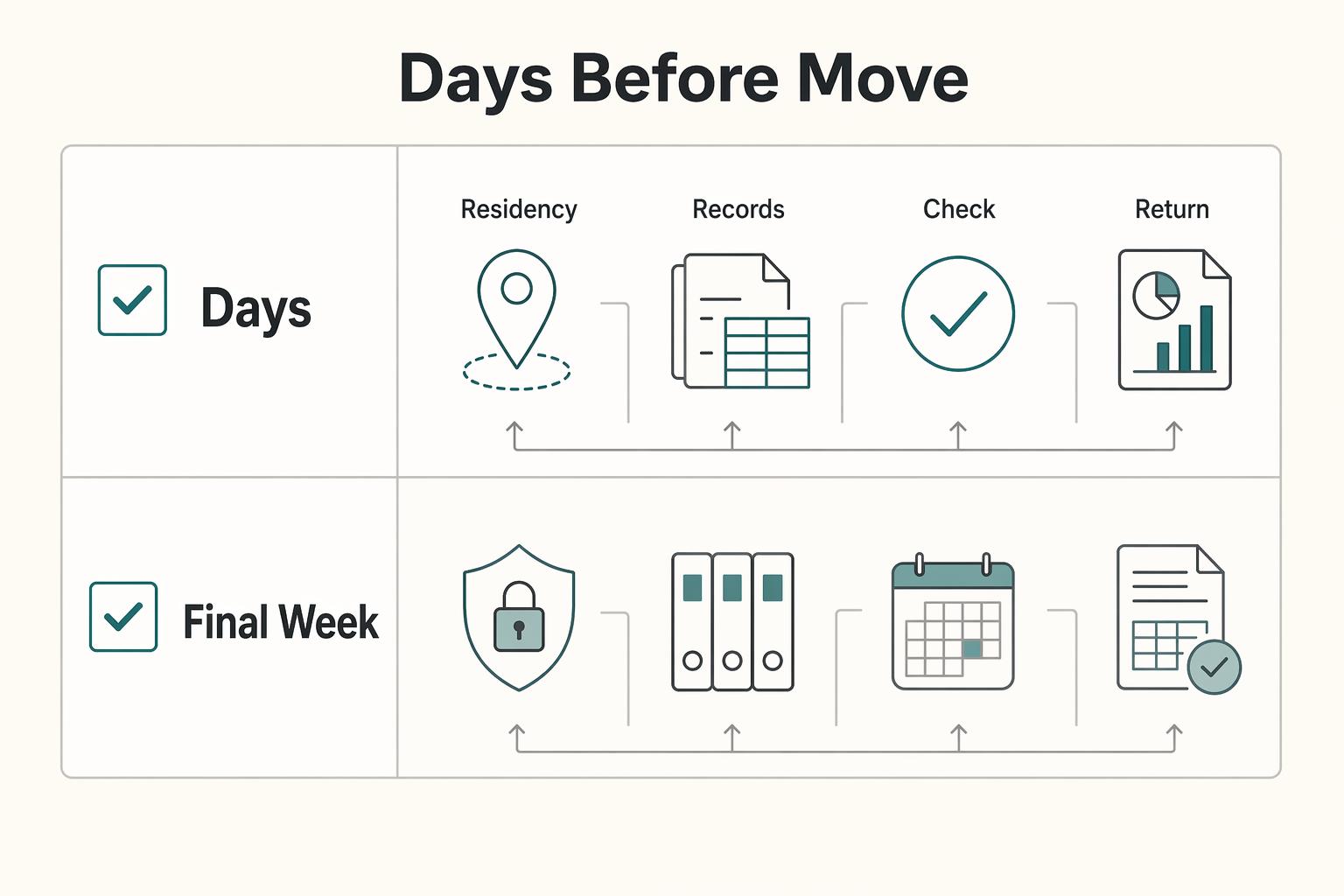
Tax Free Digital Nomad Visas and the Tax Outcome You Can Defend
A digital nomad visa can support a lower-tax plan, but it does not create a tax-free result on its own. Treat every promise as conditional until you map tax residency, filing duties, and income type in writing.
Read more →
Getting Paid on Upwork Without Cashflow Surprises
Most payout surprises come from mixing three clocks: contract type, payout process steps, and withdrawal method. Keep them separate and your cashflow is much easier to predict.
Read more →
How to Write a Freelance Change Order That Holds Up in Practice
When a client request changes Deliverables, Timeline, or Budget, stop treating it like routine project chatter. Move it into a formal change-order process right away. If you keep working under informal terms, payment, timing, and acceptance disputes get much harder to unwind later.
Read more →
Germany Freelance Tax Decisions for Globally Mobile Consultants
Set your German tax position first, then register and file. If you are a globally mobile consultant, a lower-risk approach is a clear decision order, not a tax shortcut.
Read more →
How to Choose a Jurisdiction for Your European Subsidiary
Pick your European subsidiary jurisdiction as an operating decision first, then map VAT administration around that choice. The aim is simple: one primary incorporation country and one fallback you can activate without restarting discovery. If your fallback depends on Estonia setup speed, map banking steps in [How to Open a Business Bank Account for Your Estonian Company](/blog/estonian-company-bank-account).
Read more →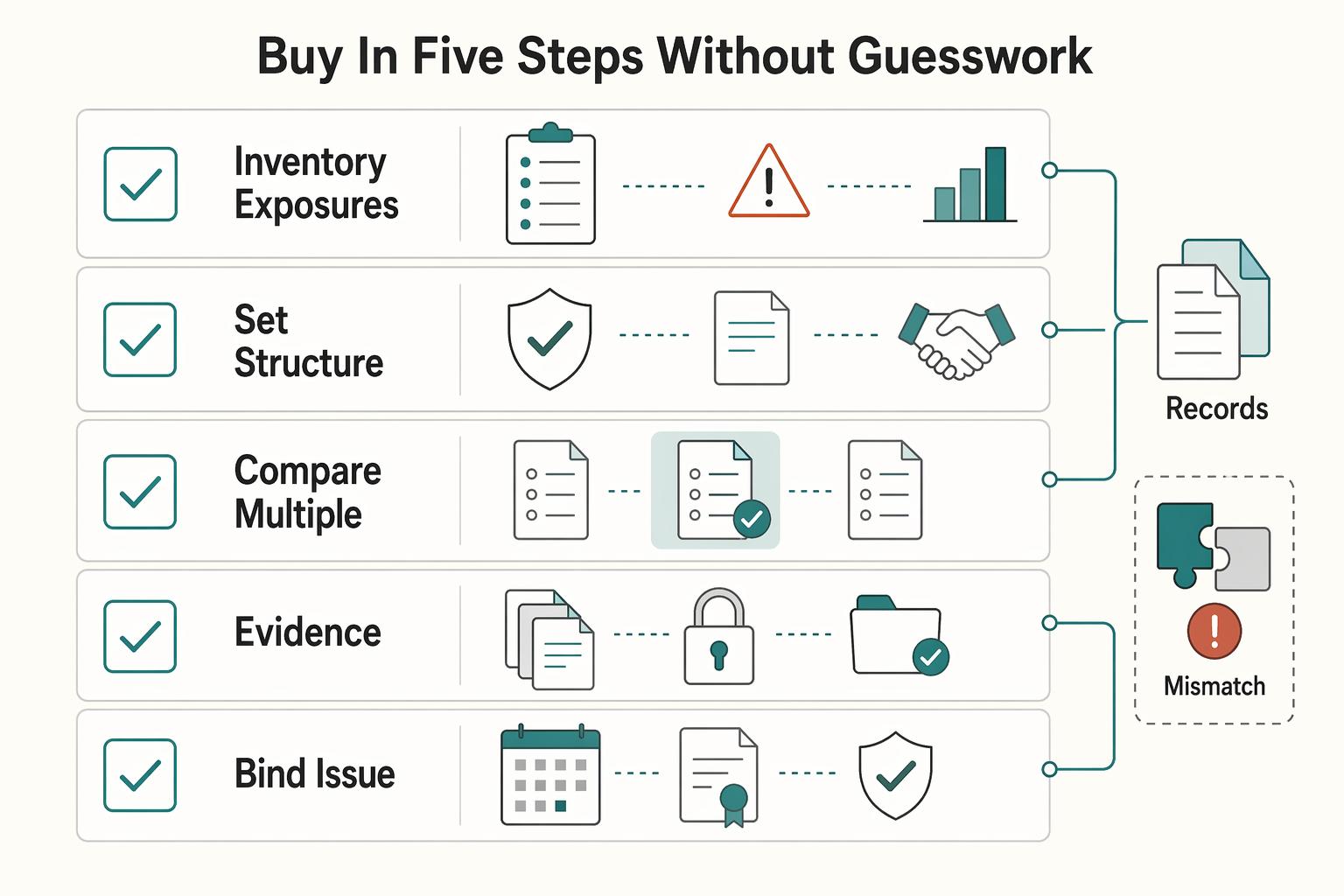
Do Freelancers Need Business Insurance Before Client Onboarding?
Make one decision first: buy coverage that matches your real exposure and the proof your contracts require, not the cheapest result on a quote page. The goal is practical and immediate: decide what to bind now, what can wait, and what documentation must be ready before kickoff.
Read more →
How to Build a Freelance Financial Model That Protects Cash Flow
A model like this only matters if it changes a live decision before you commit. If it does not affect whether you take the work, how you set terms, or when you release money, it is just spreadsheet decoration. The goal is usable cash, not neat tabs.
Read more →
Choosing Embedded Finance for Freelance Platforms With an Operations-First Scorecard
Trend headlines are not a selection method. If you are evaluating embedded finance for freelancers, start with an operations-first scorecard that tests day-to-day execution before you reward product polish.
Read more →
International Inheritance Tax Guide for Digital Nomads
Start with classification, not rates. In this international inheritance tax guide for nomads, we recommend that you split your case into three lanes: U.S. estate tax, local inheritance or estate tax, and cross-border reporting. Keeping them separate helps you prevent mixed assumptions later.
Read more →
What Is FinCEN for Freelancers and FinTech Users
If you are asking **what is fincen**, focus first on the decision in front of you. FinCEN, the Financial Crimes Enforcement Network, is tied to FBAR filing through FinCEN Form 114 when foreign financial accounts create reporting duties. By the end, you should know whether to act now, gather records, or escalate.
Read more →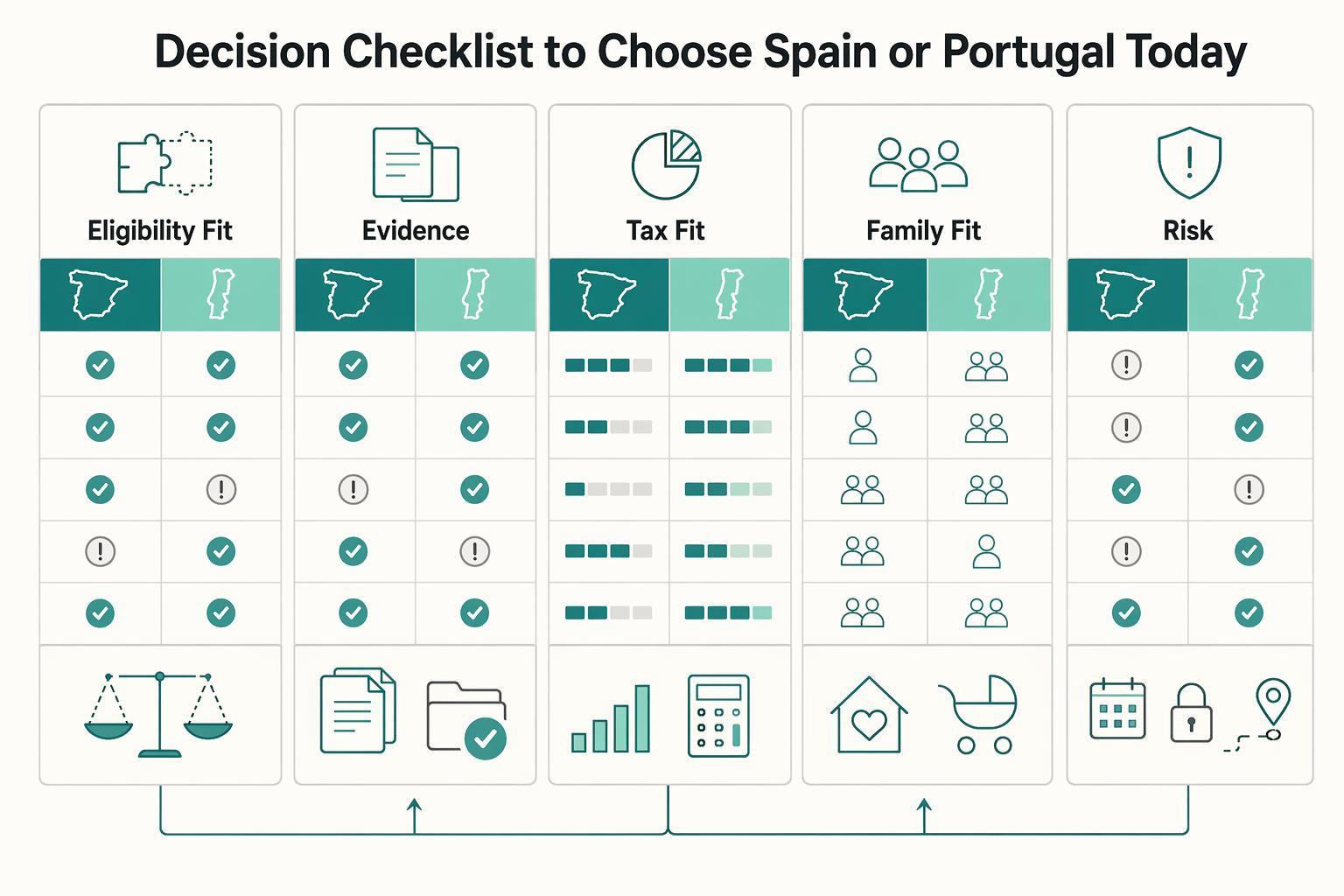
Spain vs Portugal Digital Nomad Visa for a Confident 2026 Move
Choose the country where your case is easiest to prove and where the fewest details are still unclear. When you weigh Spain against Portugal for a digital nomad visa, both options can look similar at first, and there is no single best option for everyone. The better outcome usually depends on your situation and on how clearly you can evidence income, family inclusion, minimum stay, and process.
Read more →
How to Handle Cross-Cultural Communication with International Clients
Freelance cross-cultural communication is less about polite phrasing and more about shared meaning before work starts. Cross-cultural communication is how people from different cultural backgrounds adjust interactions to improve mutual understanding.
Read more →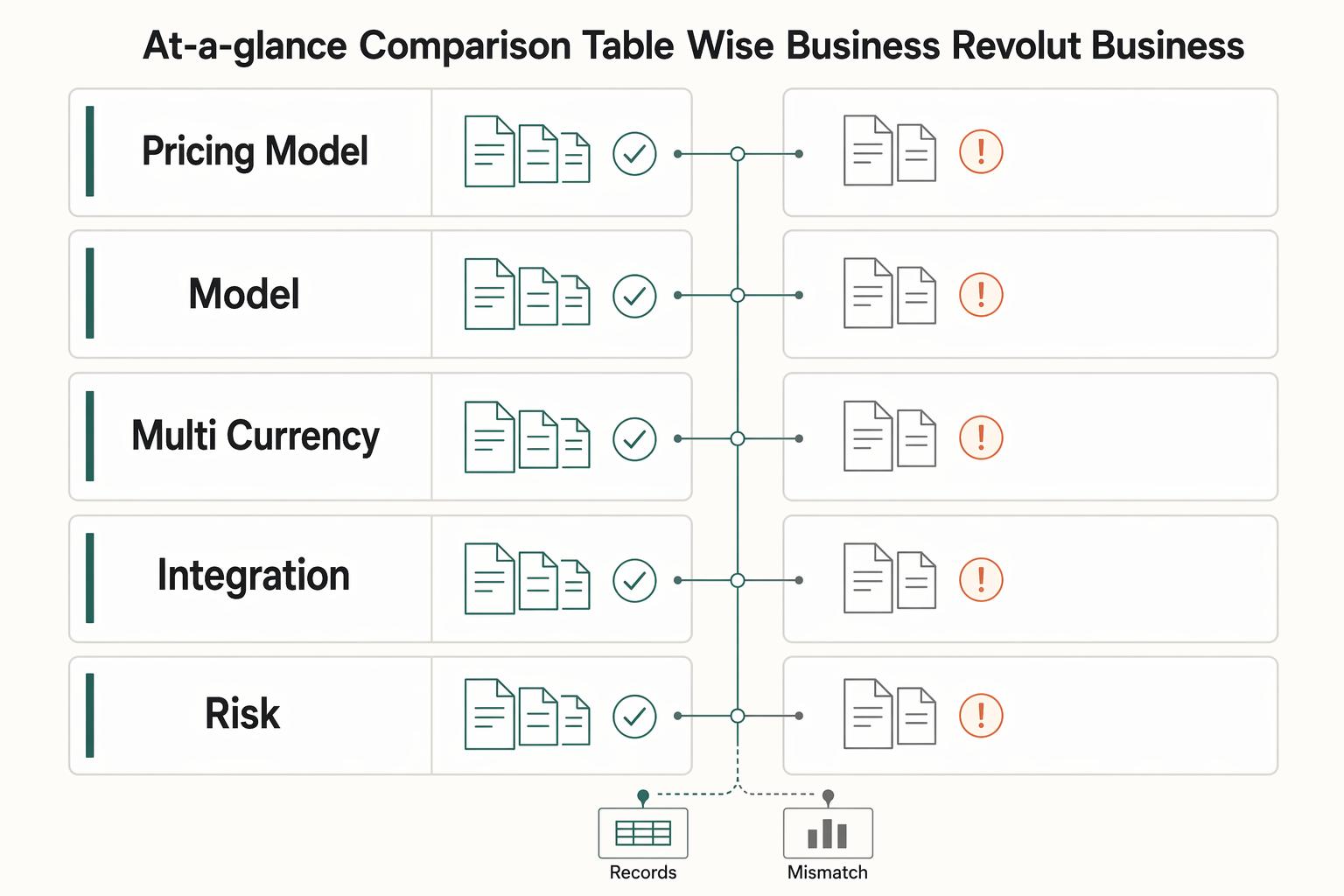
Wise Business vs Revolut Business for Cashflow Reliability
Cashflow reliability should drive this choice before brand familiarity or feature sprawl. For freelancers, creators, and small teams, the real question is not which provider feels more established, but whether you can get paid predictably, understand the full cost of each settled invoice, and recover quickly when a payment path stalls.
Read more →
AI Content Copyright Issues in Client Work Contracts
You can use generative AI in client work, but only if copyright risk is treated as a delivery requirement from day one. The practical question is not whether you can use AI. It is whether you can defend human contribution, ownership intent, and jurisdiction before production starts.
Read more →
The Impact of EU Blacklisting on Offshore Jurisdictions
If your offshore entity, clients, or payment flow touches EU VAT obligations, make the compliance call early: lock your contract, invoicing, and VAT path before review pressure starts. For EU tax blacklist exposure, this is a revenue protection decision, not a policy debate.
Read more →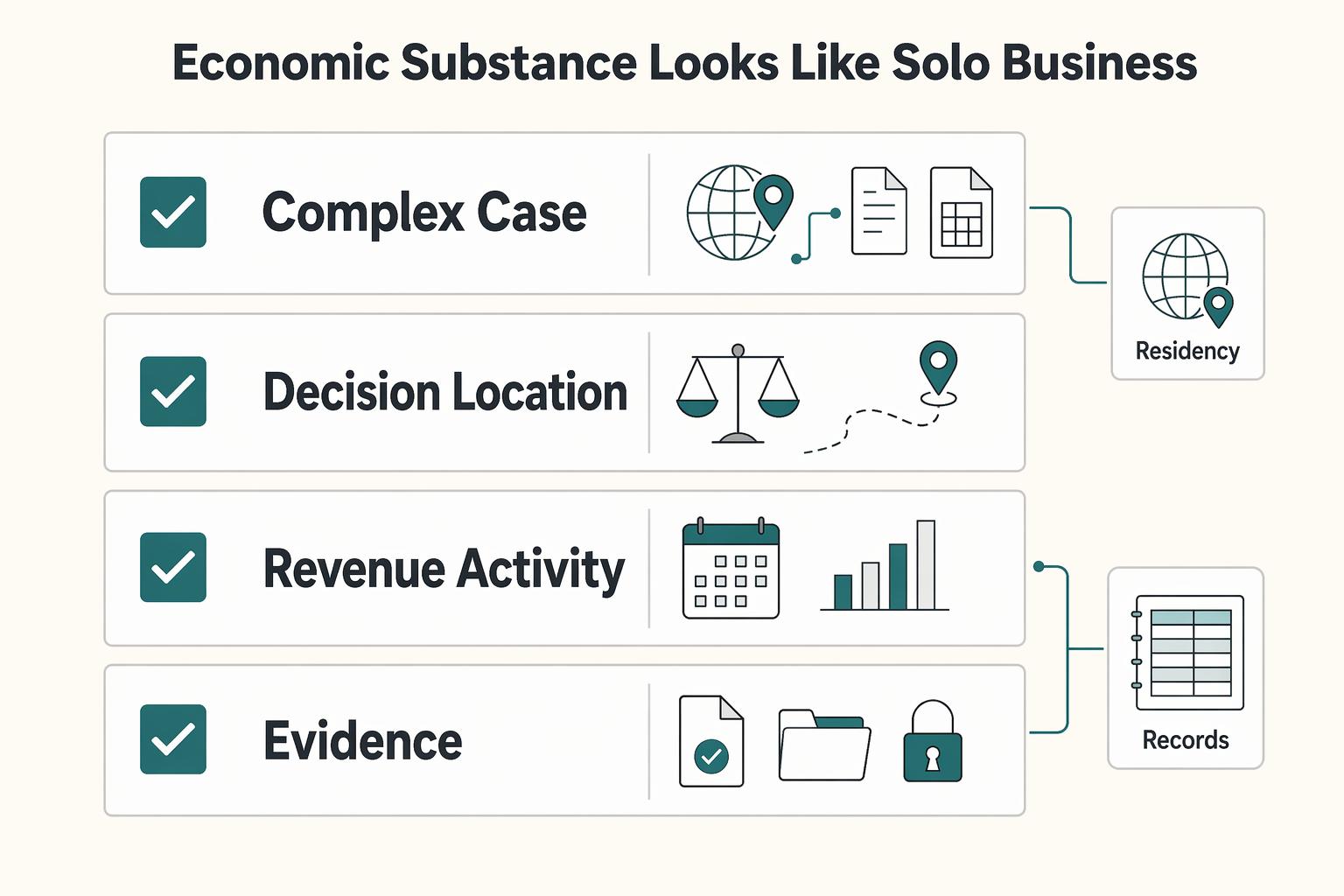
Economic Substance for Solopreneurs Who Need Defensible Records
If you run a one-person business through a Single-Member LLC or an offshore company, start with a simple question: which compliance and reporting obligations may apply now, and what is the smallest structure you can defend with records. Make that call before you change entities, move banking, or submit filings that lock in a story you cannot support later.
Read more →
Razorpay MoneySaver Review for Indian Freelancers and Small Teams
This review is a cashflow decision, not a popularity contest. Treat every claim as provisional, and verify it with live transactions and support records before you route meaningful invoice volume.
Read more →
How to File a GST LUT Without Rework
Filing LUT is more straightforward when you lock the sequence before you log in. Set four items first: your tax route, the financial year, who can sign, and where proof will be stored. If any one of those is fuzzy, filing can slow down and invoice treatment can get risky.
Read more →
DMCA for Freelancers in Client Content Disputes
Use the DMCA as a containment tool. The immediate goal is to get copied material removed through a platform process, not to resolve every ownership dispute in one step.
Read more →
OFAC Sanctions Screening for Global Businesses
Treat **OFAC sanctions screening** as a payment control, not a formality. If your business touches cross-border counterparties or transactions that may fall under U.S. jurisdiction, screening can help protect your ability to move money when pressure is high. The Office of Foreign Assets Control (OFAC), within the U.S. Treasury, can block property, freeze assets under U.S. jurisdiction, and prohibit certain transactions involving sanctioned parties, countries, or regions.
Read more →