
Quick Answer
Choose publishing subscription paywall models by market evidence first: use Metered Paywall for discovery, move to Hard Paywall when niche intent is strong, and adopt Hybrid or Dynamic logic only after enforcement and billing are stable. In practice, US and EU rollout constraints can change outcomes even with the same content strategy, so verify checkout friction, renewal behavior, and bypass control before scaling.
Choose paywalls by audience and enforcement fit#
Treat paywall choice as a market-entry decision, not a pricing tweak. If you are deciding where to put product and GTM effort, the first question is not which model sounds strongest on paper. It is whether the target market shows enough reader demand, trust, and subscription maturity to support the access rules you plan to enforce.
| Market signal | What the section says |
|---|---|
| Audience repeat intent | Inspect it before committing engineering time, offer design, and launch budget |
| Current subscription appetite | At this stage, market-level evidence matters more than internal optimism |
| News trust or engagement fragility | If these signals are mixed, defaulting straight to a Hard Paywall can become a bet on scarcity before you have proven habit |
Evaluate reader revenue alongside your own advertising economics and audience relationship. Market reports can provide context, but they do not establish your acquisition cost, willingness to pay or retention. Choose access rules through local tests rather than assuming a universal ad-market trend requires one paywall.
The point of comparing Metered Paywall, Hard Paywall, and Hybrid Access is not to find a universal winner. It is to match each model to conditions you can verify before rollout. Reuters Institute's Digital News Report 2025 describes an uneven picture across markets, with declining engagement, low trust, and stagnant digital subscriptions. That is why copying a paywall label from another publisher is risky. A model that works in one country can fail in another if the audience relationship is weaker or subscription habit is less developed.
For operators, the practical check is simple. Before you commit engineering time, offer design, and launch budget, inspect at least three things in the target market: audience repeat intent, current subscription appetite, and whether news trust or engagement looks fragile. Let market-level evidence outrank internal optimism. If those signals are mixed, jumping straight to a Hard Paywall becomes a bet on scarcity before you have proven habit.
The model label is not the strategy. Define target readers, expected acquisition paths and retained-subscriber goals before rollout. Use an evidence pack that shows demand and revenue quality rather than an initial conversion spike.
The sections that follow are for operators doing that job. We will compare the three models by acquisition friction, retention pressure, and execution burden so you can choose based on conditions you can actually test, not category lore.
At a glance comparison of metered hard and hybrid models#
For most operators, the practical default is simple: metered lowers top-of-funnel friction, hard paywalls tighten access fastest, and hybrid gives more control but raises execution load.
| Row group | Evaluation area | Metered Paywall | Hard Paywall | Hybrid Access |
|---|---|---|---|---|
| Model shape | Acquisition friction | Lower: readers can sample before paying. | Highest: full access is blocked without a subscription. | Medium: some content stays open, some is reserved. |
| Model shape | Conversion path | Indirect: conversion follows habit or deeper article use. | Direct: value must be clear at first gate. | Mixed: conversion can come from premium topics, formats, or segments. |
| Model shape | Retention pressure | Moderate if free sampling stays disciplined. | High: stronger intent at signup, but value has to stay obvious each cycle. | Moderate to high: alignment can improve, but unclear packaging can hurt trust. |
| Model shape | Operational complexity | Medium: meter rules and prompts need tuning. | Lower to medium: fewer access states, but offer timing and messaging matter. | Highest: content splits, entitlements, and offer logic require tighter coordination. |
| Execution burden | Enforcement effort | Medium to high: limits must hold across logged-out and multi-browser behavior. | Medium: simpler gating, but entitlement checks still have to be clean. | High: more rule branches increase inconsistency risk. |
| Execution burden | Experimentation cadence | High: Chartbeat ties metered success to frequent iteration. | Medium: still test offers and messaging, usually with fewer threshold variants. | High: ongoing testing is central to content mix and triggers. |
| Execution burden | Sensitivity to bypass behavior | Medium to high when implementation is porous. | Medium: fewer free-rule paths, but weak checks still leak. | High: more paths create more bypass surface area. |
| Execution burden | Directional examples and benchmark limits | Sampling before a threshold can suit reach and demand discovery; test the threshold locally. | Strict access can suit a defensible niche; it is not a universal high-conversion choice. | Free/premium content or dynamic triggers require clear entitlement and experiment rules. |
Before you trust performance data, check two things. First, definitions: hard paywalls gate all content, while metered models allow a limited free sample. Second, enforcement: porous implementations can leak through browser workarounds, and Boston Globe reporting is a concrete reminder that bypass behavior can distort results if you do not test across logged-in, logged-out, incognito, and fresh-browser states.
Treat enforcement and reader messaging as part of each experiment. A model is usable only when readers receive the intended access and teams can measure both conversion and retained value.
When growth is flat, Dynamic Paywall or Hybrid Access is often a better next test than locking into a static model, if you have the execution capacity to run it well.
For the broader fee-model tradeoff, read Choosing Between Subscription and Transaction Fees for Your Revenue Model.
Where each model wins by market maturity and audience behavior#
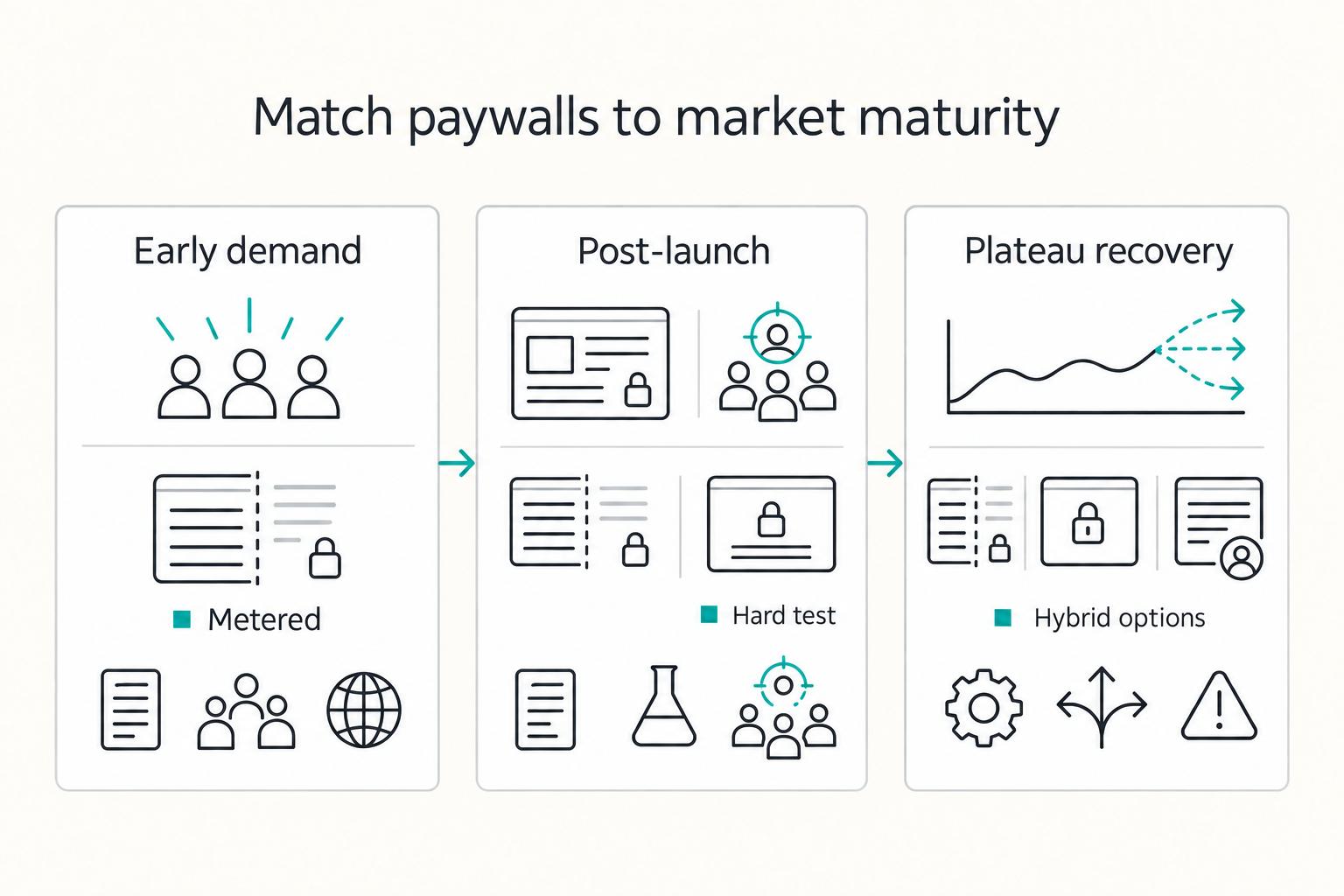
Choose the model based on market maturity and audience intent, not product ambition. If paid news is still minority behavior in your market, a Metered Paywall is usually the safer starting point because it preserves reach while you learn what readers will pay for.
Reuters Institute’s Digital News Report 2025 reports 18% paying for online news across 20 richer countries, with Norway 42%, Sweden 31% and the United States 20%. These are survey population/time-specific context, not paywall conversion benchmarks. Test willingness to pay and reach tradeoffs in your own audience before selecting a strict gate.
| Market stage | Audience behavior signal | Model fit that usually makes sense | Why |
|---|---|---|---|
| Early demand discovery | Broad top-of-funnel traffic, weak proof of willingness to pay, ad reach still matters | Metered Paywall | Keeps acquisition friction lower while you learn where payment intent appears |
| Post-launch scaling | Repeat readership clusters and some segments show stronger habit | Metered Paywall, with earlier hard tests in narrow segments | Keep metering for breadth; test hard access where intent is concentrated and value is clear |
| Plateau recovery | Subscription operation is mature and headline growth slows | Hybrid Access, Freemium Paywall, or Dynamic Paywall (selectively) | This is an optimization phase where more granular access logic can help if execution is strong |
Digital Content Next describes this later phase as a subscription plateau: growth slows, and the focus shifts from pure acquisition to optimization. That is where hybrid, freemium, and dynamic models can matter more, but not by default. If your growth still depends on ad-supported reach, start metered. If your category has strong habit and urgency and you hold a defensible niche, test hard access earlier; Chartbeat frames hard paywalls as most durable in niche positions.
Before tightening access, check who is hitting the wall. If exposure is mostly casual search or social traffic, a hard gate can cut audience faster than it improves paid conversion. If exposure is concentrated among repeat readers in a narrow topic area, stricter access is usually a stronger test.
Freemium and dynamic models also require discipline. Freemium still depends on clear free-versus-premium boundaries. Dynamic changes when the wall appears and what offer is shown, and FT Strategies notes it historically sat with more technically advanced organizations. Metered models already require frequent experimentation and careful data and reporting; freemium and dynamic raise that bar, not lower it.
The operating rule is simple: start metered when reach and learning are the priority, move earlier to hard access only when intent is concentrated, and treat freemium and dynamic as precision tools for teams that can support the added complexity.
Once you know which access pattern fits demand, billing can still change the practical choice by market. For churn and billing differences by audience, read B2B SaaS vs. B2C Subscription: How Billing Models and Churn Drivers Differ.
Payment and billing constraints that change model choice across US and EU#
A paywall model can be right on paper and still miss revenue if billing design is mismatched to the market. For US and EU rollouts, choose access logic and billing operations together, because checkout friction, renewal mechanics, and cancellation and refund handling directly affect conversion and retention.
Choose payment methods from your target readers’ behavior and current provider support. For relevant EU flows, map SCA and recurring-payment handling to the actual setup. Under the same-amount/same-payee recurring exemption, SCA applies to creating, amending or first initiating the series, while subsequent qualifying payments may be exempt. SEPA Direct Debit has mandate and return rules separate from card authentication.
| Factor | US rollout | EU rollout | What it changes |
|---|---|---|---|
| Checkout tolerance | Card-first is usually the starting point | SCA can add authentication steps in relevant flows | Hard paywalls are less forgiving when checkout friction rises and no fallback method exists |
| Renewal setup | Card renewals fit the default mix | SEPA-aware recurring collection may matter alongside cards | Retention depends on rail coverage, not only offer design |
| Packaging scope | One-market defaults are often workable | SEPA reduces domestic vs cross-border differences for euro payments | Regional packaging is easier when rails and mandates are set up early |
| Consumer handling | No equivalent universal federal 14-day withdrawal right to assume | Distance contracts ordinarily have 14-day withdrawal rights, subject to contract-specific digital-content/service exceptions and valid consent | Trial, refund, and cancellation flows must be aligned before launch |
This is why the same reader-revenue strategy can perform differently by market. A metered model in the EU can show strong intent but still underconvert if checkout is built as US card-only and ignores SCA-aware handling or local recurring options. In the US, the opposite failure happens too: teams add complexity that slows a flow that could have converted with a simpler card-led setup.
Before launch, align your product, billing, and support teams on a short readiness checklist:
- Payment rails: primary method by market, recurring support, and whether EU flows need SCA-aware handling or SEPA Direct Debit coverage
- Recovery behavior: failed-payment retries, dunning messages, and reporting by country and method; failed recurring charges are often recoverable, so retries should be configured before go-live
- Customer handling: cancellation, paid-through access, refunds and applicable withdrawal rights; record any required express consent/acknowledgment rather than assuming all digital subscriptions lose withdrawal rights
- Verification checks: first-payment success, first-renewal success, and recovered-revenue rate after retries
Use a simple operating rule: if you are tightening access with a hard paywall or stricter meter, verify billing readiness first. Revenue performance comes from the full path from paywall exposure through renewal, not the paywall screen alone. If billing ops are still immature, keep access more forgiving until rails, retries, and cancellation handling are proven in market.
Once billing is stable, sequence rollout changes so you can isolate access-model performance before adding more complex targeting. For publishing-specific billing mechanics, read Media and Digital Publishing Subscription Billing: Paywalls Metering and Bundling for Platform Operators.
Rollout sequence from first launch to hybrid optimization#
Launch one baseline model you can enforce, then add complexity only after controls are stable. Start with a Metered Paywall or Hard Paywall, verify entitlement and meter behavior under real traffic, and move to Hybrid Access or a Dynamic Paywall only when the baseline is reliable.
| Phase | What you launch | What to verify first | Do not advance until |
|---|---|---|---|
| Baseline | Metered Paywall or Hard Paywall | Page-load entitlement checks and trigger accuracy | Paid users pass reliably, and unpaid users hit the intended wall |
| Enforcement | Meter rules, bypass controls, trigger logging | Cookie and session behavior, private-mode behavior, access after renewal and cancellation events | Loopholes are closed or clearly measured and contained |
| Optimization | Hybrid Access or Dynamic Paywall | Segment conversion, retention quality, offer-to-user fit | Gains are not coming from weak cohorts or broken trigger paths |
| Market expansion | Proven model in a new market or segment | Conversion by segment, retention cohorts, failure logs by trigger path | You can explain why it worked, not just report higher top-line conversion |
Tighten controls before you tighten the wall#
At page load, entitlements should match the contract, paid-through period, valid cancellation effective date and payment/renewal state. Cancellation can stop the next renewal while preserving already-paid access. Define refunds, failed renewals and grace periods explicitly; investigate unintended blocks or overlong access before targeting experiments.
Test meter enforcement in logged-in, logged-out, private-mode and fresh-browser states, across devices and templates. A historical Boston Globe example illustrates browser-reset risk; it does not establish the publisher’s current threshold or justify blocking privacy features indiscriminately.
Next, close or at least log bypass paths. Track browser-mode resets, cross-device mismatches, templates that skip the wall, and subscription states that fail to sync after payment events. If mismatch patterns keep appearing in QA or support logs, hold the rollout at the current model.
Move to hybrid when evidence quality improves#
Move to Hybrid Access or a Dynamic Paywall only when your measurement can support it. Reuters Institute has documented publishers running multiple models in parallel, including metered, premium, and dynamic, instead of a single static wall, but that is usually a later-stage operating model.
Before dynamic targeting, segment exposure, checkout, subscription and retention outcomes with consistent definitions. Run a controlled experiment and compare retained value, reach and support load; another publisher’s reported lift is not a causal promise for your audience.
The practical test is offer-to-user fit: get the right product to the right person at the right price, then scale what holds up in retention.
Keep a fixed review rhythm, then require an evidence pack before expansion#
Use a steady operating cadence: weekly model-health checks, monthly pricing and packaging review, and quarterly market-fit reassessment. Treat this as execution discipline, not a universal rule.
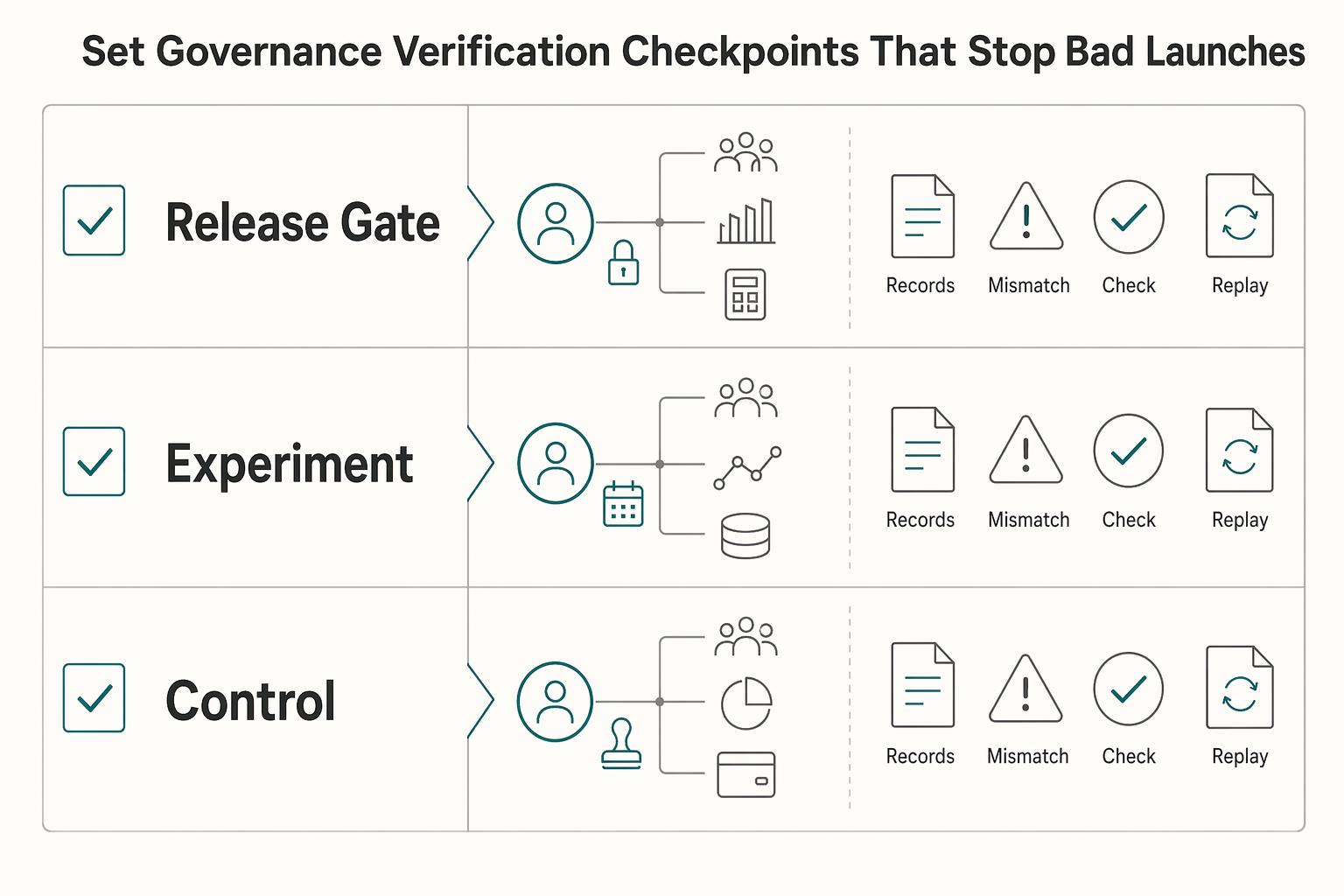
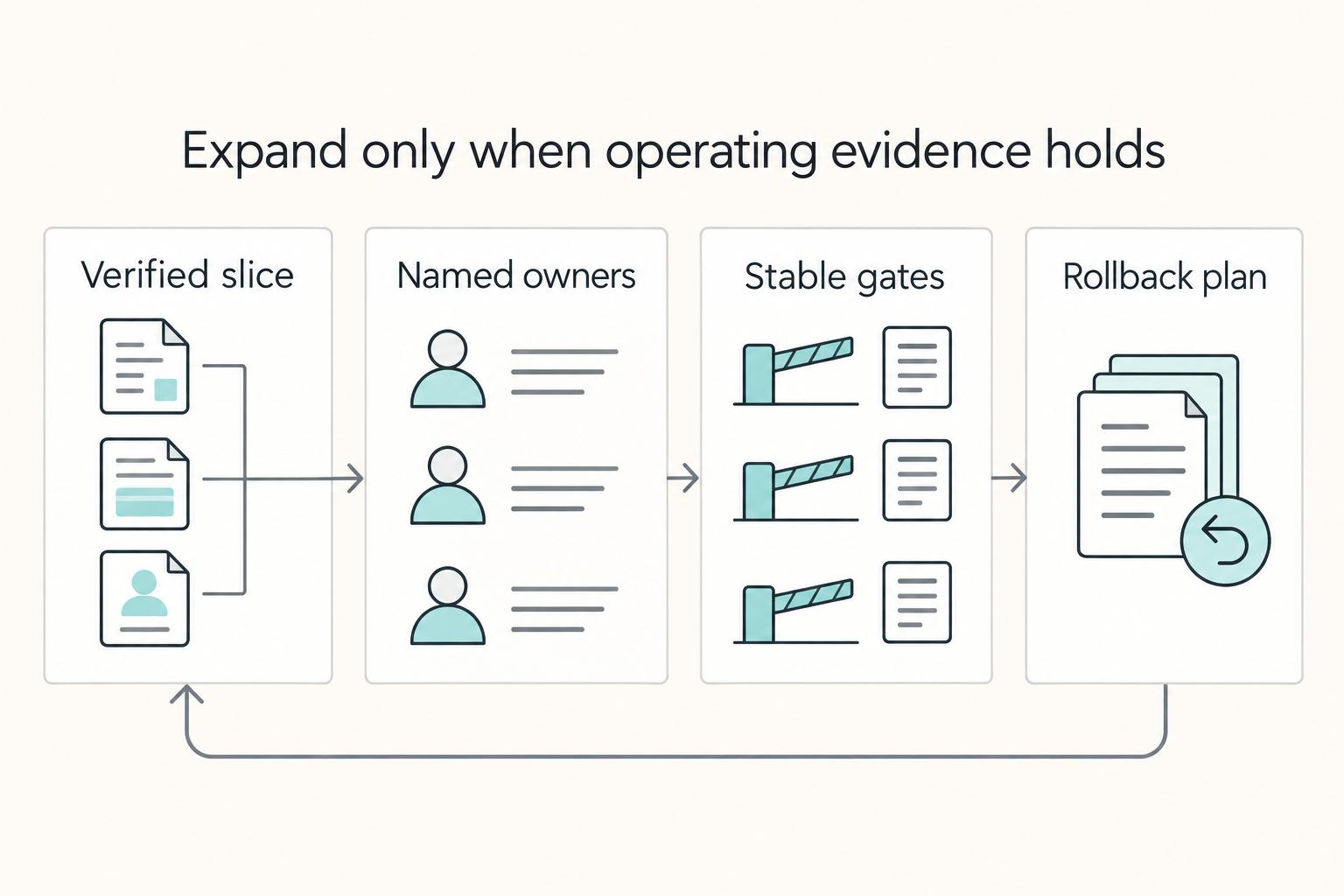
Before entering a new market, require an evidence pack with three items: conversion by segment, retention cohort quality, and failure logs by paywall trigger path. If conversion rises but retention weakens, or trigger failures cluster by device or browser mode, pause expansion and fix enforcement first.
Carry that same discipline into market expansion, where weak measurement can make a healthy-looking launch hard to trust. For another subscription rollout model, read Retainer Subscription Billing for Talent Platforms That Protects ARR Margin.
Instrumentation and verification checkpoints before market expansion#
Do not expand a paywall model into a new market unless your data can show that conversion gains are real, durable, and enforceable. Conversion lift alone is not enough if retention weakens or support load rises.
Before expansion, run a minimum scorecard every cycle:
| Signal | What to verify | Why this gate matters | Red flag |
|---|---|---|---|
| Exposure-to-subscribe funnel | Distinct steps from paywall exposure to click to completed subscription | A single conversion rate can hide instrumentation gaps and demand drop-off points | You count pageviews as exposure, or paywall views are missing on some templates |
| Trial-to-paid quality | Trial starts that become paid after first billing | Trial volume can inflate results without durable revenue | Trial starts rise while paid continuation falls, or access breaks after renewal |
| Churn by acquisition source | Retention split by source such as paywall, newsletter, promo, or campaign cohort | Expansion is risky if growth comes from low-quality sources | One source drives signups and early cancellations |
| Paywall bypass incidence | Sessions where the wall should fire but does not | Weak enforcement can make demand look stronger than it is | Private-mode resets, template skips, or post-payment entitlement mismatches persist |
Use market research with its date, sample and population attached. Reuters’ richer-country news-payment figures do not measure every household subscription category, and broad subscription surveys are not direct paywall benchmarks. Make launch decisions from your own funnel, cohort and enforcement evidence.
Require one operator-facing readout each cycle before approving expansion:
- Assumptions: demand, offer fit, and expected acquisition mix in the next market
- Test outcomes: funnel movement, trial-to-paid quality, churn by source, and bypass incidence
- Unresolved unknowns: logging gaps, segment blind spots, support-ticket spikes, or billing-state mismatches
- Decision: explicit go or no-go with owner and documented hold reason when no-go
If conversion improves but retention degrades or support burden climbs, hold expansion. Scale only when subscriber quality and enforcement stability both hold.
For metered paywalls, bundles, and gift subscriptions, read Subscription Billing for Media and Publishing: How to Manage Metered Paywalls Bundles and Gift Subs.
Failure modes that sink paywall rollouts#
Three patterns repeatedly sink paywall rollouts: copied strategy, conversion-only decision-making, and weak enforcement paired with weak messaging.
| Failure mode | What it looks like | Why it matters |
|---|---|---|
| Treating a model label as strategy | Borrowed examples from Evolok, Purple, or SODP Media are only a starting point | What works varies by market and brand, so local validation is still needed before rollout |
| Over-indexing on conversion and ignoring churn quality | A Hard Paywall can look strong at launch if you track starts but not what happens at renewal | If paid continuation softens while conversion rises, acquisition friction moved but durable subscriber revenue did not improve |
| Weak enforcement and weak messaging together | Porous enforcement can train readers to bypass the wall while unclear value messaging reduces willingness to subscribe | Browser resets, template gaps and entitlement mismatches can distort wall-hit and conversion measurements; investigate actual incidence in your implementation. |
- Treating a model label as strategy
Borrowed examples from Evolok, Purple, or SODP Media are only a starting point. The Reuters Institute point applies here: what works varies by market and brand, so you still need local validation before rollout.
- Over-indexing on conversion and ignoring churn quality
A Hard Paywall can look strong at launch if you track starts but not what happens at renewal. If paid continuation softens while conversion rises, treat that as a warning that you moved acquisition friction, not that you built durable subscriber revenue.
- Running weak enforcement and weak messaging together
Porous metering or hybrid rules can undermine measurement while unclear premium value reduces willingness to subscribe. Measure private-mode resets, template gaps and entitlement mismatches under your actual privacy and access design. Fix enforcement and messaging together rather than treating external bypass percentages as universal targets.
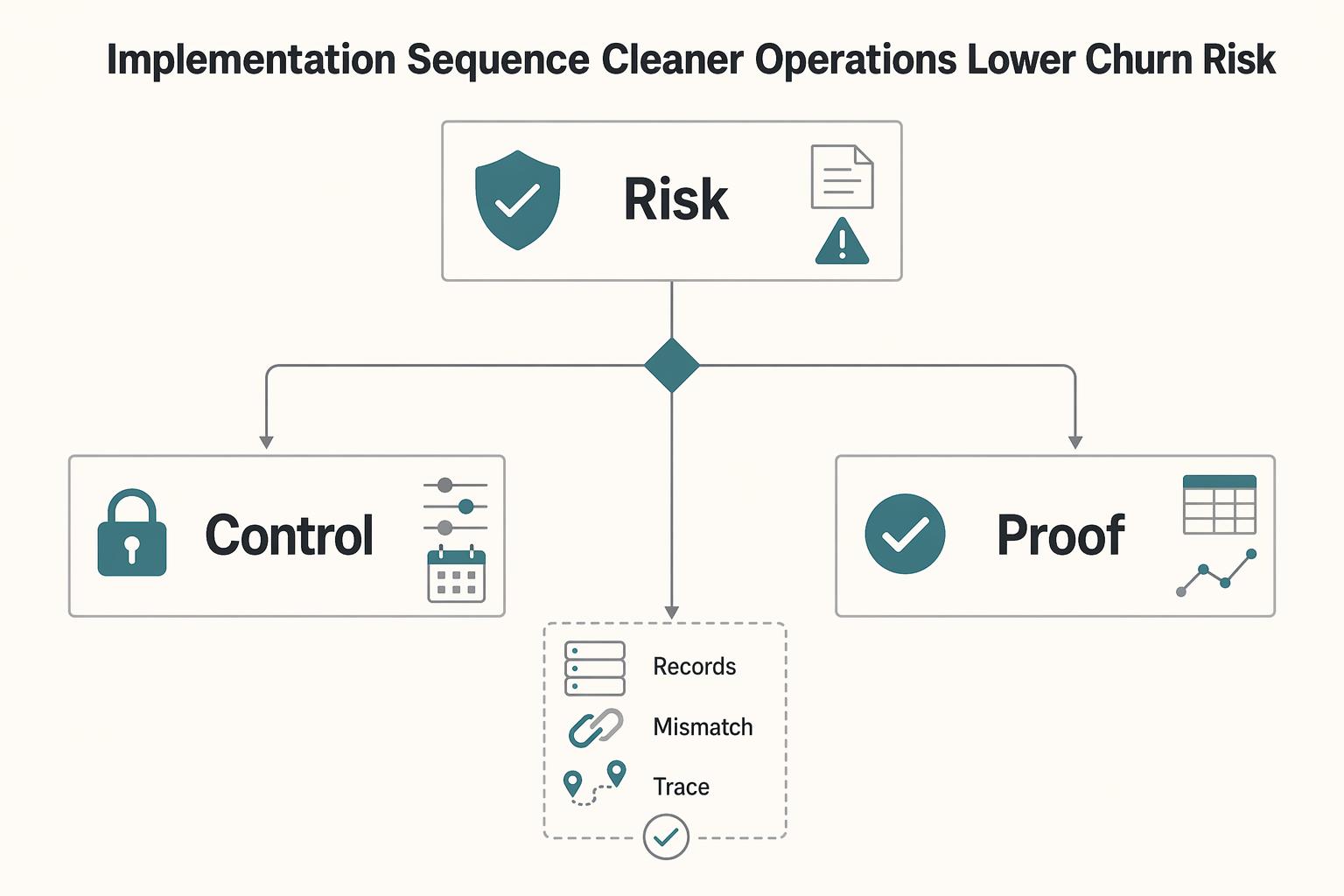
Use this operating rule: validate fit locally, judge success on retained subscribers, and close bypass paths before you scale exposure.
For a step-by-step walkthrough, see Building Subscription Revenue on a Marketplace Without Billing Gaps.
Scenario recommendations for founders and operators#
Choose the model that matches your current evidence gap, not the one with the strongest label.
| Situation | Model direction | Note |
|---|---|---|
| Willingness to pay is still uncertain | Start with a Metered Paywall | Readers can sample before the wall, and you can learn from real behavior |
| Conversion and early retention look stable across segments | Move toward Hybrid Access | Do it after the evidence holds, rather than reacting to an early spike |
| High-urgency niche with repeat intent | Test a Hard Paywall earlier | Define the fallback before launch, because weak fit can push prospective subscribers to bounce |
| Growth has plateaued | Prioritize Dynamic Paywall testing before broad packaging changes | Tune when the wall appears, which offer is shown, and how enforcement is applied |
If willingness to pay is still uncertain, start with a Metered Paywall so readers can sample before the wall and you can learn from real behavior. Move toward Hybrid Access only after conversion and early retention look stable across segments, rather than reacting to an early spike.
If you operate a high-urgency niche with repeat intent, test a Hard Paywall earlier, but define your fallback before launch. Hard walls can work in niche contexts, but weak fit can push prospective subscribers to bounce, so be ready to relax into metered or hybrid access if acquisition drops below target.
If growth has plateaued, prioritize Dynamic Paywall testing before broad packaging changes. In practice, tune when the wall appears, which offer is shown, and how enforcement is applied. Reported dynamic outcomes are directional, not guaranteed in every market.
For creator-platform monetization choices beyond publishing, use Choosing Creator Platform Monetization Models for Real-World Operations.
Conclusion#
The goal is not to choose a universally "best" paywall. It is to match Metered Paywall, Hard Paywall, or Hybrid Access to conditions you can verify in your market, then operate that choice with discipline. If you cannot support the billing path, enforce the rules, or measure outcomes cleanly, the model label will not save you.
A practical way to close the decision is:
- Start with Metered Paywall when willingness to pay is still uncertain and you need reach to learn
- Consider Hard Paywall earlier when your audience shows clear urgency and repeat intent
- Move toward Hybrid Access after you have test evidence on what drives conversion, what should stay open, and whether retention holds after the sale
Choose and operate the model using current local demand and your own economics. If growth flattens, inspect price/value, acquisition quality, renewal failures and entitlement behavior before assuming a different wall label is the remedy.
Validate the full path through authentication, payment and renewal. SCA or exemption handling depends on the actual flow; do not assume every renewal needs a fresh challenge or that every recurring charge is exempt. Separate payment success, subscription status and entitlement effective dates so a checkout experiment tests the intended access model.
Your final go or no-go check should be blunt. Before expanding, require one evidence pack that ties model choice to measurable funnel and retention outcomes by audience segment. Do not expand on conversion lift alone if downstream signals are unstable.
The real conclusion is simple: the strongest paywall models are the ones that fit your target market and survive contact with billing, enforcement, and reporting. Teams that stay close to those checkpoints make better decisions with less cleanup later. For adjacent context, see Self-Publishing vs Traditional Publishing.
Frequently Asked Questions
What are the core publishing subscription paywall models, and when should each be considered?
The main models are metered access, hard access, and hybrid combinations. A metered paywall lets readers consume a limited number of articles before asking for payment, so it is often considered when you still need clearer demand evidence. A hard paywall blocks content unless the reader subscribes and is often considered when a publisher can support stricter access controls. Hybrid setups make sense after you know which content should stay open for reach and which content can carry subscription pressure.
Why did paywalls become central to publisher monetization after ad-market shifts toward Google and Facebook?
Because the ad base shifted. Reuters Institute noted that advertising revenues increasingly go to Google, Facebook, and a few other large digital platforms, which made reader revenue more important for publishers that wanted a less fragile business. If ad reach no longer funds the newsroom on its own, your access model stops being a pricing detail and becomes a core product decision.
Are paywalls still growing, or has subscription adoption reached a ceiling in mature markets?
Both signals can be true at once. Paid adoption is real, but still far from universal across major markets. At the same time, Digital Content Next described subscription growth as stalled, which is a useful warning that mature markets may offer slower gains unless you improve offers, targeting, or retention.
What matters more in outcomes: choosing Hard Paywall vs Metered Paywall, or execution quality?
Execution quality usually decides whether the model works. Chartbeat's guidance is blunt: experimentation and innovation are key to success with any paywall model you choose. If execution is weak, the model label will not rescue performance. A good checkpoint is whether conversion improvements hold up when you look at retention and cancellation trends.
How should operators evaluate US vs EU differences before selecting a model?
Test actual checkout and recurring authentication in each market. EU withdrawal is ordinarily 14 days for distance contracts, with specific service/digital-content exceptions requiring appropriate consent and acknowledgment; subscription start alone does not establish an exception. The FTC’s 2024 click-to-cancel rule was vacated, and a new 2026 rulemaking process is underway. Verify currently applicable federal/state cancellation requirements and make the contractual cancellation, paid-through access and refund behavior explicit.
What evidence should teams collect before expanding a paywall model to another market?
Track wall exposure, subscribe starts, checkout completion, paid continuation, cancellations, refunds and enforcement errors by market and acquisition source. Expand only when retained value and access quality hold; a conversion increase with unstable retention is not enough.
Try a related tool
Researched and edited by the Gruv editorial team. Gruv builds cross-border billing, payouts, and finance-operations software for global businesses.
Sources
- commission.europa.eu/law/law-topic/consumer-protection-law/consum...trusted
- eba.europa.eu/publications-and-media/press-releases/eba-cl...trusted
- eba.europa.eu/single-rule-book-qa/qna/view/publicId/2018_4048trusted
- ecb.europa.eu/paym/retail/sepa/html/index.en.htmltrusted
- europa.eu/youreurope/citizens/consumers/shopping/retur...trusted
- ftc.gov/news-events/news/press-releases/2026/03/ftc-...trusted
- reutersinstitute.politics.ox.ac.uk/digital-news-report/2025/dnr-executive-summarytrusted
- reutersinstitute.politics.ox.ac.uk/digital-news-report/2024/how-much-do-people-...trusted
Educational content only. Not legal, tax, or financial advice.
Related Posts
Media Subscription Billing Decisions for Paywalls, Metering, and Bundling
**A metered paywall is only a good business decision if your billing operations can support it.** For platform founders, the real question is not whether reader revenue sounds attractive. It is whether digital publishing subscription billing and paywall metering can survive the messy parts of launch: failed renewals, entitlement sync, invoicing, tax treatment, and local payment movement.
Subscription Billing for Media Publishing with Metered Paywalls and Gifts
Treat this as a contract and access problem first, not a pricing-page tweak. For teams working through subscription billing in media publishing with metered paywalls and bundles, the common challenge is getting product, finance, and engineering to agree on exactly when access starts, pauses, resumes, and ends. If your team cannot explain that in plain language before launch, you are not ready.
B2B SaaS vs B2C Subscription Billing and Churn Differences That Drive Operations
Treat B2B SaaS and B2C subscription as different operating models, not just two versions of recurring revenue. Both rely on repeat payments, but when you choose between charges on saved payment methods, recurring invoices, or a mixed collection setup, you also choose a different level of billing effort, ledger reconciliation work, and churn risk.