
Quick Answer
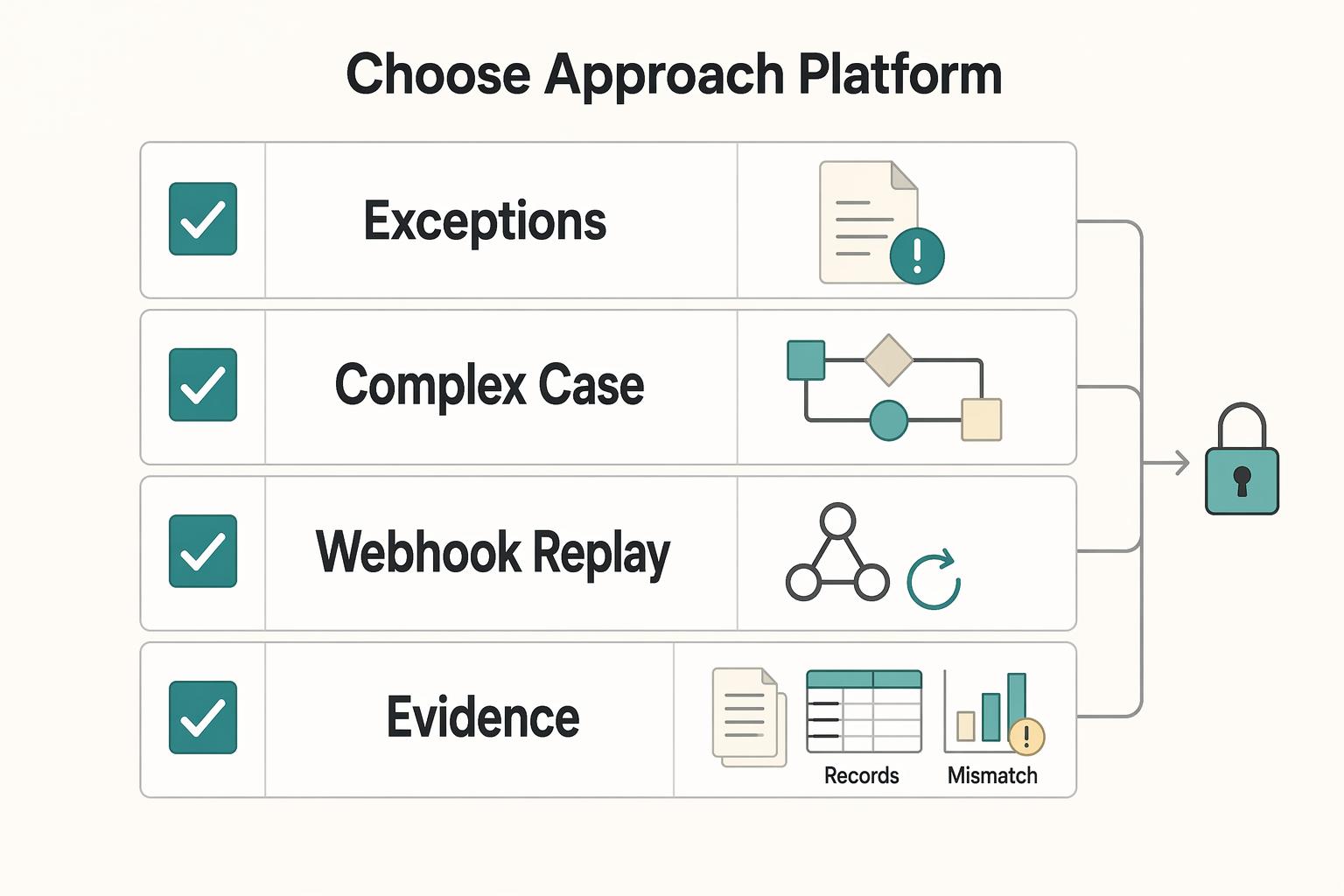
Use a PO for contractor engagements when it improves approvals and matching, not as a default rule for every bill. The PO should remain useful from authorization through invoice review and payout reconciliation, with a reliable PO Number carried across records. If work is one-off and low risk, contract-plus-invoice can be enough; if approvals are multi-owner or scope changes are common, PO controls and formal revisions are the safer path.
When a Purchase Order Makes Sense for Contractor Work#
A purchase order can tighten control in a contractor program. But it can also create pointless gates if it stops with procurement and never reaches billing and payout records. For platform teams, the real question is not whether a PO exists. It is whether the same record can authorize spend, support AP review, and still reconcile cleanly when money moves.
-
Construction-oriented PO advice. A lot of public guidance on POs is written for construction. That framing is not wrong, but it can push platform operators toward project-site habits and manual document handling when the real problem is linking approvals to billing, payout, and reconciliation events. What matters for platforms is not a document that looks complete at approval time. It is a control that stays intact across systems.
-
What a PO actually does. A Purchase Order (PO) is a formal document a buyer sends to authorize the purchase of goods or services. In practice, the value is simple: a PO turns an informal request into an approved commitment with clearer accountability and an audit trail. But if the PO number never appears again on the billing record or payment record, you have proof that someone approved spend, not a dependable matching key for AP.
-
Why platform owners need a different operating view. PO management is not just document creation. It includes purchase requisition approval, billing and payment processing, and keeping PO records current. Product guidance from large systems reflects the same reality: vendors may work with POs and invoices in one place. For finance, AP, ops, and engineering, the real checkpoint is whether procurement data, contractor identity, and payment events stay linked end to end.
-
Where control turns into friction. If contractor engagements repeat, approvals cross multiple owners, or AP needs deterministic matching, a PO can add real control before money goes out the door. If the work is one-off and low risk, forcing PO creation before every bill may only add manual review and exception cleanup. One failure mode is simple: the scope changes in the contract, but the PO does not, so reconciliation breaks later. The right control is the one your team can maintain under audit, not the heaviest one the software allows.
-
What you should expect from this guide. This guide is for teams connecting procurement controls to API-driven billing, payout, and reconciliation flows. It covers practical PO operating options, clear decision checkpoints, and implementation details worth checking before audit or compliance review exposes weak links between records. The goal is operational fit, not procurement theory.
Related: What Is a Requisition Order? How Platforms Use Internal Purchase Requests to Control Spend.
How to choose a PO approach for your platform#
Choose a PO approach only if the same record improves approvals, AP review, and reconciliation from PO to invoice to payout. If work is mostly one-off and low risk, start lighter and add controls only when mismatches or exceptions justify more process.
-
Start with spend pattern, not policy preference. Use a PO when contractor engagements repeat, approvals cross multiple owners, or AP needs a reliable matching key. If a contract plus invoice already provides enough visibility and exceptions stay low, heavy PO controls can add manual cleanup without adding much control.
-
Rank options on three criteria before building. Compare each option by control strength, build complexity, and operational drag. For control strength, look at duplicate prevention, approval depth, and whether you need PO-invoice matching or three-way checks. For build complexity, look at webhooks, retry handling, and idempotency. For operational drag, look at the burden on AP and engineering. Approval workflows can move documents from Draft to Approved, and approved requisitions can be converted into POs, but that control only matters if your downstream systems can keep it intact.
-
Design reliability into the integration path. If your flow depends on webhooks and retries, idempotency cannot be an afterthought. Safe retries require explicit idempotency design, and retry/replay handling should align with the fact that idempotency keys may be removed after at least 24 hours.
-
Lock document boundaries early. The MSA sets the general legal and commercial terms across future work. The SOW defines project-specific deliverables, timelines, and responsibilities. The PO should authorize spend for that defined scope, not replace contract documents. If the SOW scope changes, update the PO too, or expect reconciliation and approval disputes later.
If your team also manages split-payment workflows, see How MoR Platforms Split Payments Between Platform and Contractor.
PO operating options at a glance#
Choose the lightest model that still gives you a reliable audit trail and dependable invoice matching. As repeat engagements and multi-owner approvals increase, lighter models often shift effort from control to cleanup.
| Option | Best for | Key pros and cons | Duplicate control | Change-order handling | Invoice matching reliability | Support for payout batch operations | Implementation effort | Main Audit Trail / Reconciliation risk | Not a fit |
|---|---|---|---|---|---|---|---|---|---|
| No-PO baseline | One-off, lower-risk contractor work with a small trusted pool | Fast to run and minimal setup, but weak approval evidence as spend scales. | Low; mostly manual review. | Usually handled in contract or SOW edits outside a PO record, so history can fragment. | Low; no PO record to support three-way matching before payment. | Possible through manual grouping, with weak linkage to approved spend. | Low | Harder to explain approval history and investigate mismatches later. | Repeat engagements, multi-owner approvals, or recurring reconciliation noise |
| Manual PO Number tracking | Teams moving from email/spreadsheets to basic control | Fast bridge model and clearer AP checks, but manual entry and split records create drift. | Low to medium when every bill includes a PO Number and AP verifies it. | Medium at best; tracker updates are possible but version discipline is manual. | Medium if PO Number is carried into billing, but still process-dependent. | Workable for manual grouped runs, but review effort stays high. | Low to medium | Mistyped or reused PO Numbers break traceability across records. | Higher-volume flows, frequent scope changes, or API-heavy payout operations |
| ERP-led Approval Workflow | Procurement/AP teams needing deeper approval routing | Strong policy enforcement, including separate approver workflows in some setups, but heavier configuration and integration work. | Medium to high through structured records and approval gates. | High where PO change orders are supported after approval. | High when AP runs three-way matching before payment. | Can support grouped payment runs when ERP and AP configuration align. | High | Approval history can still disconnect from payout reconciliation if references are not carried through. | Teams without procurement ownership or integration capacity |
| Platform-native PO + PO Flip | Product-led teams that want tighter PO-to-billing continuity | Strong data continuity from approved PO into billing, with higher product/engineering effort. | High when unique references are enforced through the flow. | Medium unless formal post-approval amendment handling is designed. | High when bills are generated directly from approved PO records, including PO Flip. | Can be strong if PO-linked billing records feed grouped payout checks; implementation-specific. | High | Reconciliation weakens if downstream payout review does not consistently retain the PO reference. | Teams with mostly one-off work or no ownership for product/process rollout |
| Hybrid Requisition Order to PO | Teams that want intake control before supplier commitment | Balanced control model: internal request first, then external PO after approval; adds an extra operational step. | Medium to high when requisition and PO references are both controlled. | Medium to high with explicit revision rules for both stages. | Medium to high when approved requisitions are consistently converted to POs used in billing. | Moderate when approved POs are used in scheduled grouped payment runs. | Medium to high | Internal approval can be mistaken for supplier commitment if requisitions are not converted into external POs. | Urgent one-off work where intake overhead outweighs control value |
For the middle options, judge the model by matching reliability, not by the approval screen alone. If your current issue is spreadsheet drift, manual PO tracking can be a bridge. If your issue is weak approval evidence or recurring reconciliation breaks, move to ERP-led or platform-native controls sooner.
Before you roll out, test two paths with live-like data: scope changes after approval, to confirm formal change-order handling, and grouped payout runs with a bad billing reference, to confirm exceptions are visible before payment. We covered adjacent procurement design choices in What Procurement Means for Platform Operators Managing Strategic Sourcing and Vendors.
The 5 PO models platforms actually use#
Start with the lightest model that still preserves a usable approval record and a matchable PO reference through bill review. If duplicate bills or payout reconciliation breaks are already your pain, skip no-PO and spreadsheet-heavy setups.
-
No-PO baseline. Use this only when contractor work is infrequent, spend is low, and your supplier pool is small and trusted. It is the fastest option with the least process overhead, but it removes PO-based verification. Since two-way matching compares an invoice to its PO, no-PO workflows rely on looser checks and make duplicate or scope issues harder to catch early.
-
Manual PO Number gate. Use this as a bridge when finance is moving from email and spreadsheets toward tighter control. Requiring the exact PO Number on each bill gives you a basic two-way match between bill and PO. The tradeoff is manual error: spreadsheet and inbox workflows are prone to confusion and duplicate orders, so missing, reused, or mistyped PO Numbers need hard stops.
-
ERP-procurement first. Use this when procurement and AP need stronger policy enforcement and separation of duties. In this model, requisitions and POs can be approved by someone other than the person who entered them. It also supports stronger matching discipline, including three-way matching when the third step verifies the service or deliverable was actually provided.
-
Platform-native PO + PO Flip. Use this when product and engineering need tighter PO-to-billing lineage at higher volume. A PO flip creates the invoice digitally from PO data, and in some systems the user selects the PO to create that invoice record. This can reduce rekeying, but retries and state handling must be strict so one approved PO does not create duplicate billing actions. For mechanics, see What Is a PO Flip? How Platforms Auto-Convert Purchase Orders Into Invoices.
-
Hybrid Requisition Order to PO. Use this when you need internal intake control before committing externally. The requisition captures the internal request and moves through internal approvals; once approved, it is converted into the external PO used with the supplier. The key discipline is conversion tracking: every approved requisition should become a PO or be explicitly closed.
For PO numbering and tracking, read What Is a PO Number? How Platforms Assign and Track Purchase Order Numbers Across Contractor Engagements.
When to require a PO for contractor work#
Require a Purchase Order (PO) when it materially improves approval control and invoice matching, not by default for every contractor engagement.
-
Require a PO for recurring or release-based spend. If billing happens repeatedly against an ongoing commitment, use a PO so AP has a stable match key from approval to invoice, including 2-way matching within your configured tolerances. This is also where blanket-style ordering logic fits: one broader commitment with releases over time.
-
Require a PO when approvals span multiple owners. If budget, legal, ops, or engineering all need signoff, use a PO approval workflow so approver assignment is explicit and requester/approver separation can be enforced. That gives Finance and AP defensible authorization records.
-
Require formal PO revisions when scope changes frequently. If the SOW keeps changing, keep the PO in sync through change orders for value, service, or date changes. Otherwise, AP matches against an outdated PO while delivery follows a newer scope, which creates payment holds and approval disputes.
-
Use contract-plus-invoice controls for small, one-time, low-risk work. You can skip full PO gating when the engagement is limited and stable, as long as approvals and amount checks are still clear before payout.
Set explicit PO trigger rules by business unit so Procurement, AP, and engineering make consistent decisions on similar contractor work.
Minimum PO data and evidence pack#
Once a PO is required, treat it as an operating record, not just an approval stub. The minimum pack should let you match bills, trace decisions, and show AP exactly what was authorized.
- Core PO fields that make the order usable
Capture the PO Number, legal entity, contractor identifier, approved amount, currency, scope link to the current Statement of Work (SOW), and effective dates. Include accountable business unit and payment terms at the header level so ownership and payment context are clear. If AP cannot tell who is buying, who is being paid, what amount is approved, and which SOW version controls, the PO is not operationally complete.
- Matching keys that reconcile across procurement, billing, and Ledger
Keep the same matching keys across the full flow, including invoice and PO Flip paths, so records reconcile without manual cleanup. In practice, that means stable PO Number, contractor identifier, legal entity, currency, and date logic from procurement through Ledger posting. Matching and tolerance checks only work when those identifiers stay consistent.
- Approval artifacts and change history, not just the latest state
Store a full audit trail: who approved, when, which version, what changed, and why. Keep change logs for amount updates, date extensions, and scope revisions. That decision history is what Finance and AP need when a payout is questioned.
- Compliance and tax documents where relevant and enabled
Do not force the same compliance pack on every platform, but where controls apply, link them to the contractor record and PO context. Include KYC/KYB status, AML review outcomes where your obligations require them, and tax-profile artifacts such as Form W-9, Form W-8 BEN, and Form 1099-NEC handling. A common failure point is collecting forms without clearly tying them to the paid entity.
For a step-by-step walkthrough, see Contractor Misclassification at Platform Scale: Legal and Financial Risks.
Implementation sequence across product, finance, and engineering#
Set policy first, then build integrations in dependency order, and keep the Ledger as the financial source of truth.
- Set policy before shipping endpoints
Define who can create a Requisition Order, who can approve a Purchase Order (PO), and which exceptions can bypass the standard Approval Workflow. Keep separation of duties explicit so the approver can be different from the transaction creator, and document the approval path and approver tasks before engineering encodes them in APIs. Checkpoint: for any PO or requisition, you can identify who created it, who approved it, and why any exception path was used. If urgent payout is a real exception, model it with a required approver and stored justification.
- Build integrations in dependency order, not team order
A practical sequence is PO creation API, invoice intake rules, PO Flip logic, webhook events, then payout release checks with idempotency protections. This is not universal, but it usually reduces rework because downstream logic depends on stable identifiers and document state created upstream. Do not start PO Flip or payout release logic until PO creation returns persistent matching keys, for example PO number and contractor identifier, that invoice intake validates. For retryable writes, require an idempotency key so retries do not duplicate financial effects.
- Use Ledger-first reconciliation
Treat the Ledger as authoritative when AP dashboards or ops views disagree. In contractor engagement flows, approvals, bills, and payouts can update asynchronously, so authoritative state should be posted to the Ledger first and then projected to AP and operations views. That gives one reconciliation backbone for states like PO approved, bill matched, payout pending, and payout released. Webhook events should update ledgered state, not replace it.
- Add checkpoints where errors are cheapest to catch
Add duplicate detection before approval, stale PO validation before payout, and an Exception Handling queue for mismatches. Duplicate checks should compare core matching keys before approval completes. Stale validation should confirm the PO is still effective and still mapped to the current SOW version before release, without assuming one fixed age threshold for every platform. Route mismatches into a visible queue with an owner in finance or ops. Verification is simple: every failed match has a status, reason, and next action.
Where PO programs fail and how to prevent it#
Most PO failures come from four predictable control gaps, and the fix is usually to move controls earlier in the flow. If you wait until payout or close, small mismatches turn into duplicate actions, blocked payments, or close-period cleanup.
- Scope drift after approval
A PO can look valid in AP but still be wrong if the Contract or Statement of Work (SOW) changed after approval. Treat scope changes as approval events, not admin edits. Use a mandatory amendment flow: each PO change should point to the original PO number, include its own modification identifier, and trigger approval revalidation when amount, dates, or scoped deliverables change. If your records cannot show old vs. new SOW, approver, and reason, your change control is not complete.
- Retries that create duplicate actions
Retries should repeat the same request, not create a new financial action. Without strict idempotency, you get duplicate POs, bills, or payout releases. Require idempotency keys on every write that creates an object or moves money, including PO creation, billing intake or PO Flip, and payout requests. For any duplicate dispute, you should be able to show one request key, one resulting object, and one ledgered outcome.
- Compliance checks that start too late
If identity verification starts at payout release, approved work can still end in blocked funds. Payout enablement depends on collecting and verifying required identity information before charges and payouts are enabled. Run identity and compliance gating before payout eligibility, and bind that status to the same contractor record used for PO and bill matching. The operating goal is simple: no last-step surprises after work is approved and billed.
- Closing books with unresolved mismatches
Closing with PO, billing, and ledger mismatches pushes risk into the next period. Matching is a pre-payment control, and AP reconciliation is a pre-close control. Set scheduled reconciliation checkpoints and assign a named owner to each exception. Keep a visible queue for price, quantity, receipt, and reference mismatches, with status and next action on every item.
Related reading: How Gig Platforms Can Use Earned Wage Access (EWA) as a Contractor Retention Tool.
Conclusion#
The answer depends on your setup. You do not win by forcing a Purchase Order (PO) into every contractor case, and you do not win by skipping it everywhere either. You win when the model matches your contractor engagement risk, spend volume, and the maturity of your approvals, API behavior, and reconciliation controls.
- Choose the model that fits your stage
Start with the simplest approach that still gives you reliable control. If the work is one-off, low risk, and handled by a small contractor group, a contract plus billing record can be workable. If spend is recurring, approvals cross teams, or AP needs consistent matching before payment, move to a PO-based model because the PO gives you a clearer agreement point and better control over fulfillment against agreed scope.
The key test is organizational reality, not theory. In practice, define the source-to-pay process early, because procurement often requires coordination across multiple departments. If your teams cannot consistently answer who approves spend, who owns changes, and what document governs scope versus payment, adding more PO steps will expose that weakness quickly.
- Make the controls do real work
A PO only earns its keep when the data is standardized and enforced end to end. At minimum, your PO number, contractor identifier, approved amount, currency, scope link, and effective dates should carry from request through billing and into your payment records so matching is possible without manual repair. If PO and bill data do not align, matching controls should stop approval rather than let AP discover the issue later.
Idempotency and matching solve different problems. Idempotency lets you safely retry API requests without creating duplicate side effects, but it does not replace approval, three-way matching, or reconciliation controls. One practical checkpoint is your retry window. If your platform reuses or prunes idempotency keys after the 24-hour threshold, confirm that duplicate-request protection still holds across PO, billing, and payout events.
- Pilot narrowly, then scale from evidence
Roll out one model to a narrow cohort first, not the whole contractor base. A canary-style rollout works well here: test with a defined business unit, contractor segment, or spend type, then expand only if the early group shows minimal operational impact. Watch the exception queue, approval holds, and AP cycle time together, because a model that reduces duplicates but floods review teams is not ready to spread.
The discipline is in the expansion. If you see quiet SOW edits after PO approval, frequent mismatches between billing and PO data, or retry-driven duplicates, stop and fix those failure modes before broad rollout. That is the practical path for a platform deciding how to handle purchase orders in contractor engagements. Pick one model, prove it on a small cohort, and scale only when the controls stay clean under normal operating pressure.
Need a related deep dive? Read FDIC Pass-Through Insurance for Platform Wallets: How to Protect Your Contractor Funds.
Frequently Asked Questions
What is a Purchase Order (PO) in a contractor engagement?
A Purchase Order (PO) is the document that represents an agreement with a vendor to buy goods or services. In contractor work, it is the spend authorization that says what you are buying and from whom, usually after the details are known. If your PO is missing key purchase details, downstream matching and invoice accounting become harder.
How is a PO different from a Contract and an Invoice?
A Contract sets terms and conditions, often before the exact goods or services are fully specified. A PO is the transaction-level authorization for a specific purchase, while an Invoice is the payment request submitted by the vendor. If you need a clean control split, think of it as terms in the Contract, approved spend in the PO, and payment request in the bill.
When should a platform require a PO instead of allowing invoice-only billing?
Require a PO when the service details are known in advance, or when someone other than the requester must approve the purchase. It also earns its keep when AP needs matching from PO to bill to receipt before approval. If the work is one-off and low risk, a contract-plus-invoice path may still be a policy choice, but it should be explicit rather than ad hoc.
Do POs actually prevent duplicate spend, or just add process overhead?
They help, but only when paired with the right controls. The strongest mechanism is matching: a three-way match compares the PO, bill, and receipt before approval to catch billing errors and reduce fraud exposure. The red flag is assuming the document alone solves duplicates; approval workflow and matching discipline still matter.
Can you use POs for services, not only goods and Inventory Management use cases?
Yes. This guide is explicit that a PO can cover goods or services, and service-related project requirements can map directly to PO lines. That matters for contractor programs because you can apply the same PO and approval discipline to service work, not just physical procurement.
What should happen when scope changes after a PO is approved?
Treat it as a change event, not a quiet edit. Changes to confirmed POs can materially affect downstream processes, so they should be reviewed and reconfirmed as needed. Keep a clear record of what changed and who approved it so reconciliation is easier later.
Try a related tool
Researched and edited by the Gruv editorial team. Gruv builds cross-border billing, payouts, and finance-operations software for global businesses.
Sources
- acquisition.gov/far/13.302trusted
- acquisition.gov/far/13.302-3trusted
- bsaaml.ffiec.gov/manual/AssessingComplianceWithBSARegulatoryR...trusted
- bsaaml.ffiec.gov/manual/AssessingComplianceWithBSARegulatoryR...trusted
- docs.stripe.com/api/idempotent_requeststrusted
- ecfr.gov/current/title-31/subtitle-B/chapter-X/part-1...trusted
- irs.gov/forms-pubs/about-form-w-9trusted
- irs.gov/forms-pubs/about-form-w-8-bentrusted
Educational content only. Not legal, tax, or financial advice.
Related Posts
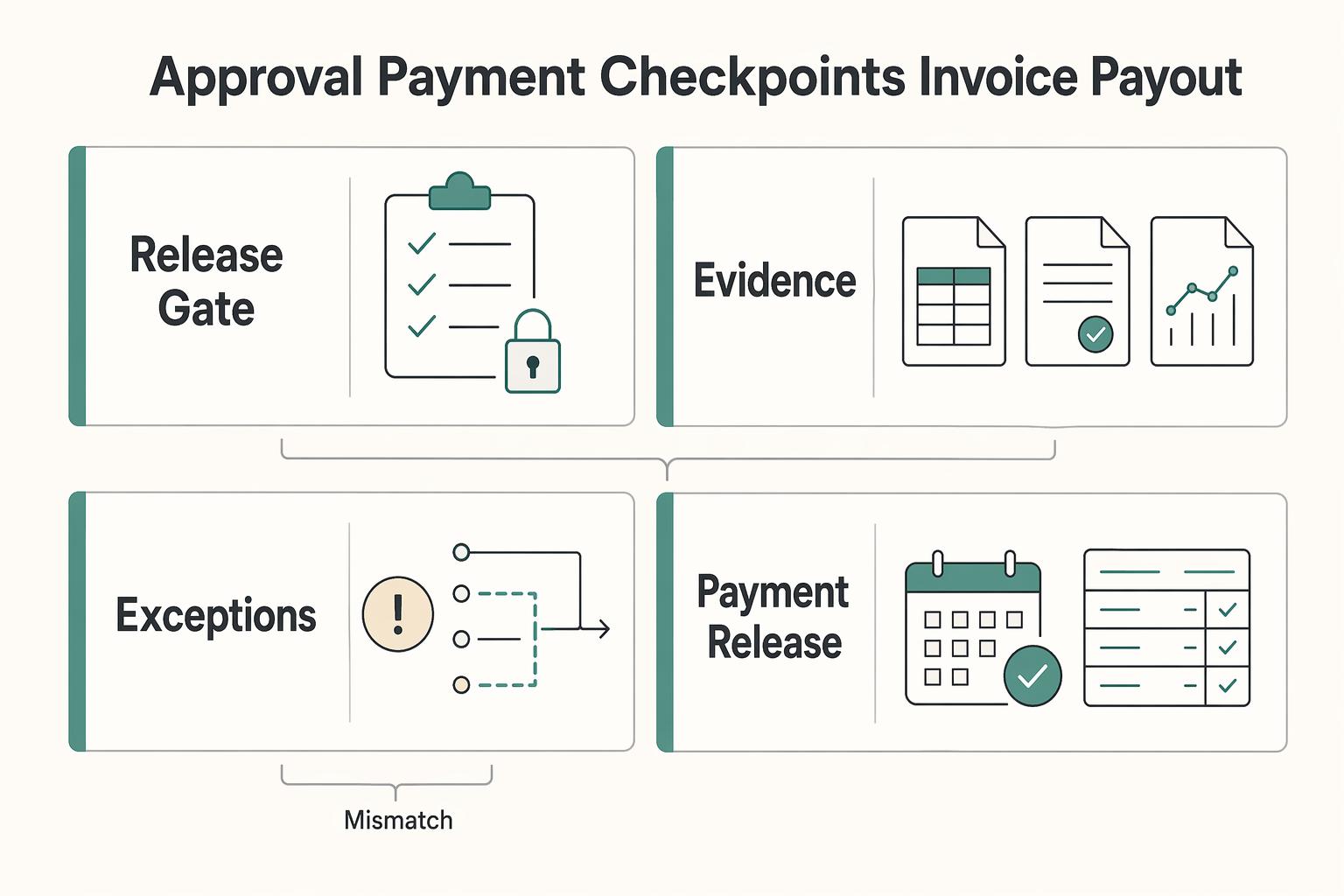
What Is a PO Number? How Platforms Assign and Track Purchase Order Numbers Across Contractor Engagements
For many platform teams, the real question is not what a PO number is. It is whether your process can keep one approved identifier attached to the same purchase from request through billing.
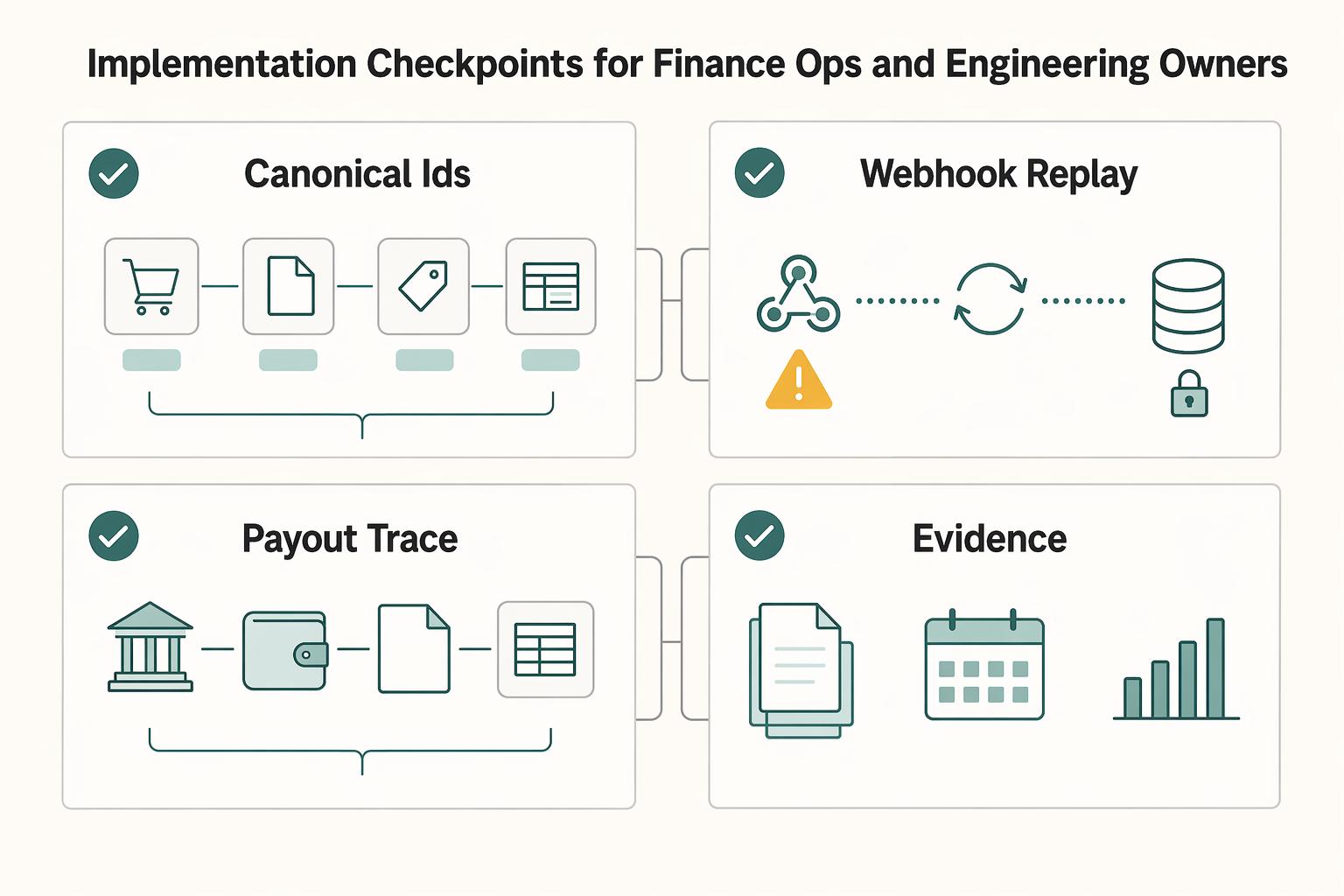
What Is a PO Flip? How Platforms Auto-Convert Purchase Orders Into Invoices
PO flip only pays off when your purchase order data, controls, and exception paths are strong enough to support it. The conversion itself is straightforward. The operating risk is not. Weak order data, stale changes, or poor duplicate checks can turn a useful shortcut into long-tail reconciliation work.
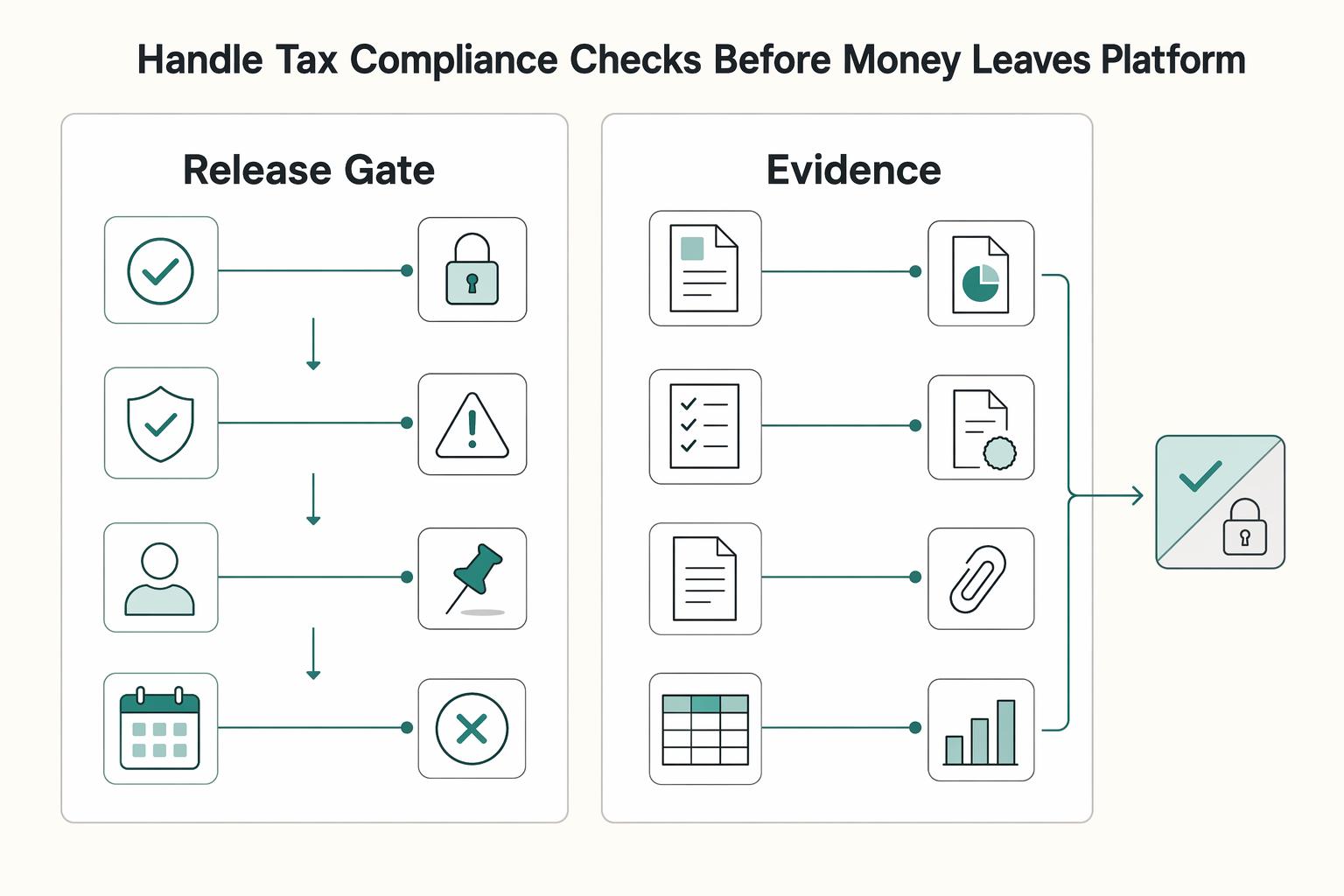
What Is a Requisition Order? How Platforms Use Internal Purchase Requests to Control Spend
Requisition control matters when it answers one practical question: where must a **Purchase Requisition** exist before anyone commits company money, and where can you allow a faster path without losing control? The goal is not to make every purchase harder. It is to make sure higher-risk spend is authorized early, with enough detail for finance to review before a **Purchase Order** is issued.