
Quick Answer
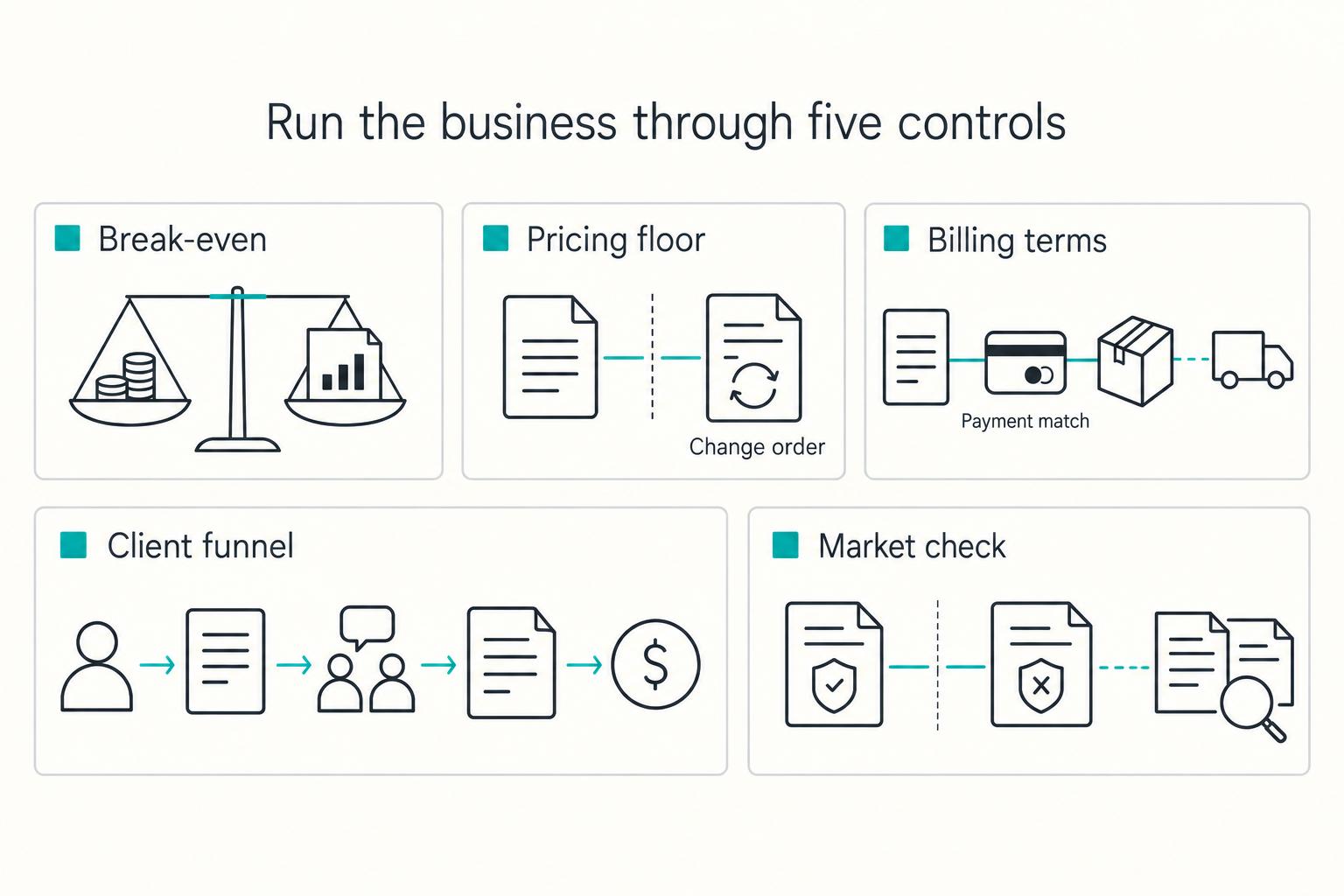
Start by locking one offer, one buyer type, and one collection path, then test it before scaling. For how to freelance as photographer, the practical sequence is: define scope, set a pricing floor from your P&L, issue clear invoice terms, and verify that payment can be reconciled before final delivery. Enter one main country and one secondary test market first, and expand only after invoice-to-payment execution works without manual exceptions.
Treat this as an operating guide, not a motivation piece#
Treat this as an operating guide, not a motivation piece. If you're figuring out how to freelance as a photographer, the early decisions are not about inspiration. They are about choosing a pricing model, setting payment terms that get you paid, and building a client acquisition funnel that fits the markets you can actually serve.
Start with the operating decisions#
A freelance photographer is an independent contractor selling photography services directly to clients. That sounds simple, but the operating details change fast once money starts moving. This guide stays focused on choices that affect how you quote, invoice, and collect before you commit serious marketing effort.
- Choose the commercial decisions first.
Treat three choices as connected from the start: your pricing model, your billing terms, and your acquisition path. A day rate, fixed project fee, or retainer works best when it matches the buyer you are targeting and the scope you can support. The same logic applies to payment timing. For newer clients with less predictable approval flows, many freelancers use tighter deposits or shorter due dates than they use with repeat buyers. The checkpoint is simple: if you cannot explain how you will quote, bill, and collect for one typical job, you are not ready to scale outreach.
- Verify payment and compliance constraints before you market broadly.
Country coverage is not a minor detail. It determines whether your processor supports your home country and whether you can accept client payments in practice. Stripe states that once it is supported in your country, you can accept payments from customers worldwide. PayPal also publishes that it is available in 200+ countries or regions and supports 25 currencies, which is broad coverage but still not universal.
Check your processor's country and currency support pages before you build offers around international clients. If you are in the U.S., there is another hard checkpoint: the IRS says you usually must pay self-employment tax once net self-employment earnings reach $400 or more, and self-employed individuals generally need to file an annual return and pay estimated taxes quarterly. A common failure mode is winning work first, then discovering your payment stack or tax setup does not match the clients you pursued.
- Use broad internet advice as orientation, not as your operating plan.
A lot of visible advice in this space is tips-driven. You will see articles about turning a hobby into a job, videos with broad guidance, and posts centered on figuring out what kind of photographer you want to be. That material can help you name a direction, but it rarely answers the harder operator questions: which market to enter first, what payment terms reduce risk, or when a high-lead-volume market is not worth the collection friction.
That standard carries through the sections that follow. You should leave with decision checkpoints you can verify, not just broad tips that sound encouraging.
What to prepare before you take your first paid job#
Get the operating basics in place before you accept paid work. This is pre-launch setup, not cleanup work for later.
- Build a pre-launch checklist.
Define one offer so clearly that someone else could price and deliver it the same way. Include your target buyer, what is in scope, what is out of scope, delivery boundaries, and who approves late changes. If a client asks for an extra edit, location change, or faster turnaround after approval, you should already know whether it stays in scope or moves to escalation.
- Draft a one-page P&L before setting rates.
Start with fixed costs, variable costs, and a 12-month sales forecast, then test year one with monthly or at least quarterly projections. Add simple break-even logic so you can see whether your pricing model holds under normal operating pressure, not just best-case volume.
- Choose one payment method and one fallback rail.
Cross-border billing can become complex quickly, and available options can vary by location and account context. Pick a primary method, then document an exception path for clients who cannot use it. This protects you on cost and delays: fee differences can be large (for example, local bank transfer at $0.99 USD vs wire transfer at $50 USD on a major freelancer platform).
- Prepare reusable client documents.
Set up a proposal, an invoice template, a revision log, and handoff notes. Align each document with how you actually sell and deliver so your terms, approvals, and delivery language stay consistent. Generic templates often create scope confusion, billing friction, and messy handoffs.
When sharing previews, How to Watermark Your Creative Work Before Sending to Clients covers a simple protection step before client delivery.
Choose the market you enter first and why#
Start with the market where you can collect reliably on your preferred payment rail, not the one with the most inbound interest. If settlement is slow, disputes or returns are frequent, or onboarding is heavy, early unit economics usually erode through support and reconciliation overhead.
Use a compact country comparison before outreach scales:
| Candidate country | Demand quality | Payment reliability | Dispute/return risk | Onboarding friction |
|---|---|---|---|---|
| Country 1 | Budget fit, inquiry clarity, repeat potential | Payout timing, failed payments, hold history on your main rail | Dispute activity, chargeback pressure, return behavior | KYC burden, entity fit, extra checks |
| Country 2 | Same criteria | Same criteria | Same criteria | Same criteria |
| Country 3 | Same criteria | Same criteria | Same criteria | Same criteria |
Use this rollout rule: pick one primary country and one secondary test market, then expand only after collections are repeatable in practice: invoice sent, payment received, reconciliation completed, delivery released without manual exceptions.
Apply a payment checkpoint before you promote any market. Cross-border timing varies by payment method, payout timing can vary by country and risk profile, and even "daily payouts" can still run on a 3-business-day settlement timing. If you depend on PayPal, one documented hold flow releases funds 7 days after order completion is confirmed.
If your preferred rail shows slow settlement or elevated return or dispute pressure, deprioritize that market even when lead volume is strong. As one payments ops leader put it, "Data is the lifeblood of our operation. I cannot do my job and drive payments performance without it."
Translate each market choice into operator cost before you expand: support load from payment holds, reconciliation time, dispute handling (all disputes count toward dispute rate, including won disputes), and onboarding variance tied to business model, transaction type, entity type, and country. Related: How a UK-Based Creative Director Can Optimize Taxes with a US LLC.
Build a pricing model that protects margin under real client behavior#
Protect margin by setting a non-negotiable pricing floor first, then matching your pricing model to scope stability. If the brief is likely to move, do not hide that uncertainty inside a flat fee.
Step 1. Set a pricing floor before you pick a model#
Your floor should come from explicit inputs, not competitor matching: operating costs, cost of goods, time and labor, profit, and taxes. If those numbers are not in your one-page P&L, build them before you send quotes.
Pressure-test one real job against revision drift. If one extra review cycle or delayed approval pushes the work below your floor, reduce scope or decline the project.
Step 2. Match the model to scope stability#
Choose the model based on how defined the work is: evolving work fits hourly structures better, while well-defined work fits fixed-price structures. A day rate is often a practical middle ground when the client is buying your time on set and output can shift during production.
| Pricing model | Best fit | Main margin risk | Use these controls |
|---|---|---|---|
| Project fee | Clear deliverables, stable brief, limited approvals | Unlimited edits hidden inside a fixed quote | Exact deliverable count, revision rounds, turnaround window, usage boundaries, milestone billing for staged delivery |
| Day rate | Shoot days where schedule, shot list, or location conditions can change | Assumptions that edits, reshoots, or licensing are automatically included | Define day-rate coverage, what post-production is extra, and what triggers overage billing |
| Retainer with explicit revision limits | Ongoing monthly or recurring services | Scope creep through rolling requests and edits | Written service window, included deliverables, revision limits, response times, and usage rights by asset type |
If scope is stable, fixed fee can work. If revision risk is high, use milestone billing and tighter payment terms. Splitting fixed-price work into payable stages can reduce payment-risk exposure when milestones are pre-funded on supported platforms.
Step 3. Put scope controls in the contract, not in your inbox#
Margin protection belongs in the contract. Write scope of work clearly (services, shoot dates, location, and image count), then lock usage rights (licensing terms, exclusivity, duration) and payment terms (rates, deposit, schedule, late fees).
Before you send a proposal, confirm five items are explicit: deliverable count, revision rounds, turnaround windows, usage boundaries, and the payment trigger for the next milestone. Clear written scope, rates, and payment terms reduce payment conflicts.
Step 4. Recover fast when margin starts slipping#
When margin starts slipping, act before final delivery. Freeze out-of-scope edits, issue a change order, and reprice before the next milestone or delivery stage.
Keep a simple revision log with dated requests, approvals, and current image count. It helps you enforce scope and avoids training clients to treat your pricing as unlimited access.
For a step-by-step walkthrough, see How to Fire a Freelance Client and End the Contract Professionally.
Design invoice and payment terms that reduce late payment risk#
After scope is set, late payment risk is mostly an invoicing and enforcement problem. Make your terms explicit so clients know exactly when payment is due, how to pay, what happens if they pay late, and when final assets are released.
Step 1. Standardize every billing document#
Use one invoice template for every job. At minimum, include a specific due date, accepted payment methods, a late-fee policy, and the trigger for final file release.
| Invoice item | What to include |
|---|---|
| Due date | Specific due date |
| Payment methods | Accepted payment methods |
| Late-fee policy | Late-fee policy |
| Final file release | Trigger for final file release |
State the release trigger directly. For example: proofs can be reviewed first, and final edited files are delivered after the invoice is marked paid. This is an operational policy, not a universal legal standard.
Step 2. Match payment terms to client and job risk#
Payment terms define when invoices are due, so set them by risk, not habit. For smaller jobs or first-time clients, use shorter windows such as Net 7 or due on receipt. For project work, use deposits or milestones instead of waiting for one end-of-project payment.
| Context | Term | Note |
|---|---|---|
| Smaller jobs or first-time clients | Net 7 or due on receipt | Use shorter windows |
| Project work | Deposits or milestones | Instead of waiting for one end-of-project payment |
| Dates reserved in advance | Retainer | Can move payment earlier in the workflow |
| One reported model | 50% non-refundable retainer | Presented as one workable model, not a universal rule |
If you reserve dates in advance, a retainer can move payment earlier in the workflow. One freelance photographer reports requiring a 50% non-refundable retainer and says this made payment "taken care of FIRST." Treat that as one workable model, not a universal rule.
Step 3. Set collection logic before anything is overdue#
Late-payment handling should be predefined and consistent:
- Send the invoice with due date and payment method confirmed in the same message.
- Follow up within 1-3 days after the due date if payment has not arrived.
- At your stated escalation point, pause further editing, delivery, or new scheduling until the overdue balance is resolved.
If you keep working while invoices are overdue, your terms become optional in practice.
Step 4. Reconcile payment before closing delivery#
Do not close a job on "we paid" alone. Reconcile by matching the received payment to the invoice record before marking delivery complete.
Keep a compact record: invoice number, paid timestamp, amount received, payment confirmation/remittance note, and final delivery date. How a US photographer can license photos to a UK magazine and handle withholding tax applies the same record discipline to UK magazine licensing and withholding.
Build a client acquisition funnel that can be audited and improved#
Treat acquisition as a measurable process, not a hope-based activity. Build a funnel with explicit stage rules so you can see whether the bottleneck is demand, qualification, proposal quality, or closing.
Step 1. Define minimum stages and one exit rule per stage#
Use a simple sequence: outreach, qualification, proposal, close, onboarding, and repeat booking. This follows the core logic of a structured sales process and conversion funnel: leads move through defined stages, not loose conversations.
| Stage | Exit rule |
|---|---|
| Outreach | First contact sent and logged |
| Qualification | Fit confirmed, including budget and decision authority |
| Proposal | Scoped offer sent with pricing model and key terms |
| Close | Client accepts and agrees to move forward |
| Onboarding | Dates, contacts, assets, and billing or deposit steps confirmed |
| Repeat booking | Same client books again |
Keep one non-negotiable operating rule: every live lead must have a current stage and next action.
Step 2. Run a First-10-clients checklist and track stage progression#
Use a First-10-clients checklist in each market to force early measurement. It is a practical checkpoint, not a scientific threshold.
For each opportunity, record:
- current stage
- whether it progressed beyond the prior stage
That gives you a clear conversion view by stage. If close rate is healthy but payment delays stay high, tighten pre-proposal qualification: confirm budget owner, final approver, and billing process (including PO, vendor setup, or required payment method). This will not fix every late-payment case, but it helps surface weak approval and AP friction earlier.
Step 3. Prioritize channels by tradeoff, then adapt by market#
Choose channels based on speed, margin, and repeatability, not vanity reach. Judge them by whether they move qualified leads forward through stages.
Tie channel choices to go-to-market execution by market. There is no one-size-fits-all process, and market context can change channel and distribution realities. Track your primary and test markets separately so you can compare response quality, qualification friction, and billing reliability instead of forcing one script across countries.
Decide when to work solo and when to bring in a photography assistant#
Work solo by default. Bring in a photography assistant only when solo coverage creates a clear delivery risk or the added coverage supports the price you quoted.
Step 1. Set a real trigger for adding help#
Use an assistant when you cannot physically cover the job alone without missing concurrent moments or losing control of setup and lighting. The checkpoint is simple: name the exact gap the assistant solves before the shoot. If you cannot point to a coverage gap or setup/logistics bottleneck, stay solo and protect margin.
Step 2. Check throughput against unit economics#
An assistant can increase on-site throughput, including covering more ground in the same event window. That benefit matters only when it protects delivery on work you sold, increases billable coverage, or reduces rework risk you would otherwise absorb. If none of those are true, you are likely adding labor cost without enough return.
Step 3. Write role boundaries before call time#
Define assistant scope in writing before call time. At minimum, document:
- Capture and setup tasks they own
- Who handles card swaps, file copies, and backup checks before anyone leaves
- Whether client-facing communication goes through you or can be handled directly
- Who is responsible if handoff, setup, or backup gaps create rework
Step 4. Plan for no-shows and quality drops#
Set a substitution path in advance in case your assistant is unavailable. If replacement coverage fails, triage early: protect must-capture moments first, simplify setup, and communicate scope adjustments before missed coverage turns into rework.
For task-heavy shoots, use a board or checklist that ties each deliverable to scope, approval, and billing status.
Mistakes that look small but quietly break your business#
The quiet business-killers are usually operational: copied tactics, untested pricing, vague invoice terms, and scaling lead flow before your funnel is controllable.
Step 1. Filter outside advice through your rollout reality#
Advice from Reddit, Medium, or YouTube can be useful, but copying it directly is risky. Before adopting any tactic, check what market conditions it assumes, how clients pay, and what support load it creates for your current setup. If those assumptions do not match your rollout, leave it out of your first offer.
Step 2. Set rates from your cost floor, then cap revision risk#
Pricing from peer rates without validating your own costs is a structural mistake. Build quotes from a tested cost baseline, then define revision limits so margin is not consumed by open-ended rework. If a real quote stops working once revisions expand, tighten scope or reprice before sending it.
Step 3. Lock invoice clarity and funnel ownership before you scale outreach#
Ambiguous invoice terms create avoidable collection friction. Include the issue date, explicit due date, accepted payment method, and clear late-payment handling; if you use late fees, make sure the terms fit the relevant jurisdiction.
Do not increase lead volume until your client acquisition funnel has defined stages and clear ownership through qualification, close, onboarding, and payment reconciliation. The common failure mode is adding more leads than your process can track, then finding proposals, deposits, and billing status out of sync with delivery. If you are still building that pipeline, How to Find Your First Freelance Client is the adjacent starting point.
Conclusion#
The durable answer is not a pile of generic tips. It is a short set of operating choices across your pricing model, payment terms, and client acquisition funnel, made in the right order.
That order matters more than most people admit: validate one market, stabilize collections, then expand your market entry rollout. If your first country still has messy reconciliation, slow settlement, or payment methods clients do not recognize, more demand can create more admin and higher unpaid-work risk, not better growth.
A copy and paste checklist#
Step 1. Confirm your pre-launch checklist and baseline P&L. Make sure your startup cost baseline and one-page P&L are current enough to show when you expect to turn a profit. Your verification point is simple: you should be able to point to your break-even point, where total cost and total revenue are equal, and explain what assumptions move it. If you cannot do that, your pricing floor is still guesswork.
Step 2. Finalize your pricing floor and revision boundaries. Lock the minimum price you will accept before a job starts. Then write the exact revision limit, deliverable count, turnaround window, and change order trigger into your proposal and client record. The failure mode here is familiar: a project that looked profitable at quote stage drops below floor after extra edits, reshoots, or usage creep. When that happens, freeze new changes and reprice before the next milestone instead of absorbing the loss.
Step 3. Standardize your billing template and payment escalation rules. Every bill should carry the issue date, due date, accepted payment method, late payment handling, and the condition for final asset release. That is not admin for its own sake. Clear payment terms improve cash flow forecasting, and late payment exposure is real: QuickBooks reported that US small businesses with outstanding invoices are owed more than $17,000 each on average. Your checkpoint is operational, not verbal: do not mark delivery complete until the payment is settled and matched to the billing status.
Step 4. Track funnel conversion through your First-10-clients checklist. Treat your client acquisition funnel as a measurable path from outreach to paid work, not a vague sense that leads are coming in. For each of your first 10 clients, record movement through qualification, proposal, close, onboarding, and repeat booking. If closes look healthy but cash comes in late, tighten qualification around budget authority and billing process instead of just adding more outreach.
Step 5. Run a monthly country by country market comparison before expanding. Use a simple table for demand quality, payment reliability, dispute risk, onboarding friction, and collection cost by country. This matters because cross-border collection economics are not uniform: the World Bank still reports a 6.49% global average remittance cost, and its corridor data was last updated August 18, 2025. Add one practical check from Stripe's reminder too: if customers do not see a payment method they use, they might leave. If one market still fails that test, pause expansion and fix collections first.
Related reading: How Generative AI Is Reshaping Creative Freelance Work.
Frequently Asked Questions
How do you start freelancing as a photographer in a way that actually gets paid, not just booked?
Start with one offer, one buyer type, and one payment path you can reconcile cleanly. Freelance photographers are independent contractors, so getting paid consistently depends on documented scope, price, and payment timing, not only booking shoots. A practical checkpoint is simple: do not lock the shoot date until the proposal is accepted, the bill or payment request is issued, and you can match any payment confirmation to the client record.
How should a photographer choose a pricing model for different job types and revision risk?
Start from your costs and your market rate, then set a pricing floor tied to your break-even point, which is the point where total cost and total revenue are equal. Use a project fee when deliverables are stable, a day rate when shoot time or logistics may expand, and a retainer when the client needs recurring work. If revision risk is high, fixed pricing works best when the proposal names deliverable count, revision rounds, turnaround windows, and the point where a change order kicks in.
What payment terms most effectively reduce late payments with new clients?
Put the issue date, explicit due date, accepted payment method, and any late-payment handling or final-asset-release trigger on every bill. For new clients, many photographers use tighter payment terms than they would for a repeat buyer they already trust, and avoid vague language like “payment ASAP.” Your verification step is to mark delivery complete only after the payment has actually settled, not when the client sends a screenshot or says finance has “processed it.”
What is the minimum viable client acquisition funnel before scaling outreach?
At minimum, map your process to the core customer acquisition funnel stages: awareness, consideration, conversion, and retention. You can operationalize those stages as outreach, qualification, proposal, close, onboarding, and repeat booking. If you cannot say how many leads moved from qualification to proposal and from proposal to paid work, you are not ready to scale outreach yet. A common failure mode is chasing more leads when the real bottleneck is weak qualification, especially around budget authority and billing process.
How do payment method and payment rail choices change by client geography?
Geography matters because familiar local options can change whether a client pays smoothly or drops off. Stripe reported average lifts of 12% in revenue and 7.4% in conversion when businesses added at least one relevant payment method beyond cards, but that is not a guarantee for every photography business. For cross-border work, check the actual country corridor first: the World Bank tracks 367 corridors across 48 sending countries and 105 receiving countries, so one rail is not cheapest or fastest everywhere.
When should you delay market expansion even if demand looks strong?
Delay it when your first market still has messy collections, slow settlement, or billing records that do not match delivery records. More demand is not helpful if each new country adds reconciliation overhead and support load you cannot absorb. Expand only after you have repeatable collections on your preferred payment rail and a clean handoff from outreach to payment confirmation in the market you already serve.
Try a related tool
Researched and edited by the Gruv editorial team. Gruv builds cross-border billing, payouts, and finance-operations software for global businesses.
Sources
Includes 1 external source outside the trusted-domain allowlist.
- docs.stripe.com/payoutstrusted
- irs.gov/taxtopics/tc554trusted
- irs.gov/businesses/small-businesses-self-employed/se...trusted
- paypal.com/us/webapps/mpp/country-worldwidetrusted
- remittanceprices.worldbank.orgtrusted
- sba.gov/business-guide/plan-your-business/calculate-...trusted
- sba.gov/business-guide/plan-your-business/calculate-...trusted
- asmp.org/colorado/photography-contracts-coloradoexternal
Educational content only. Not legal, tax, or financial advice.
Related Posts
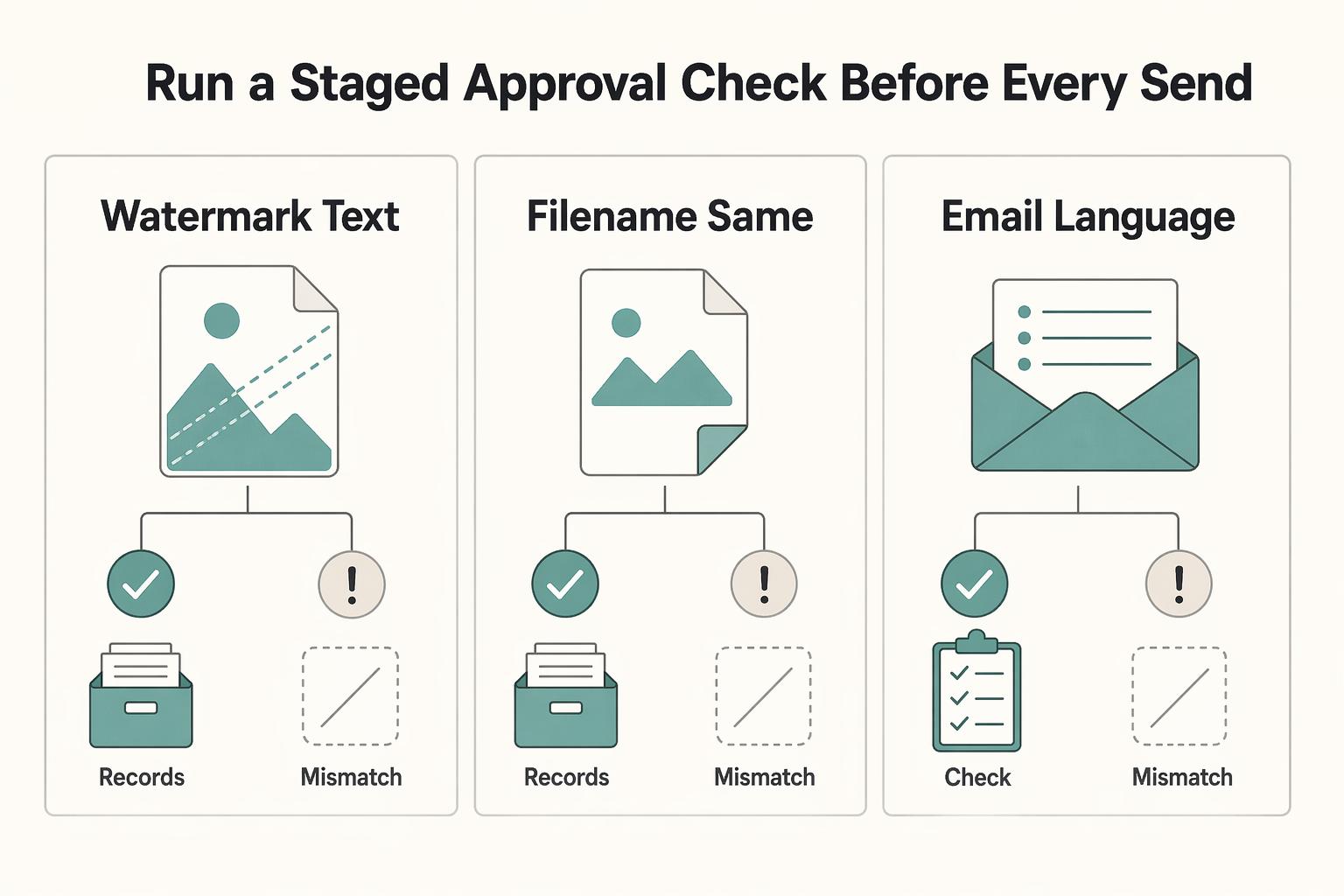
How to Watermark Your Creative Work Before Sending to Clients
If you are figuring out how to watermark creative work for clients, start with the business moment, not the graphic. A watermark can do more than look artistic. It can label what the file is in your process: a preview, a proof, a review copy, or a public sample.
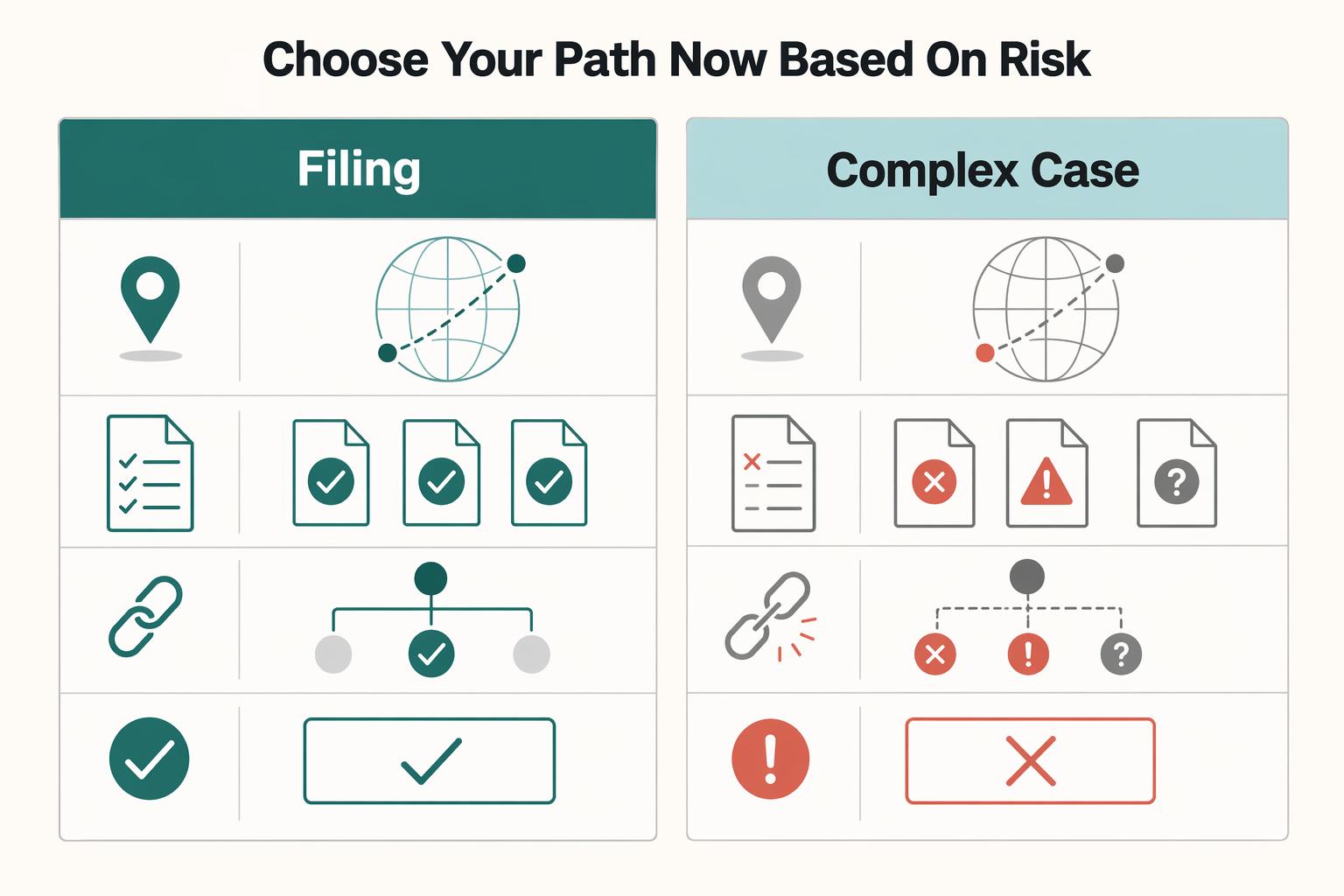
UK Creative Director With a US LLC: Filing Readiness, Classification, and Distribution Risk
Start with filing readiness, not tax optimisation. This guide is for you if you're using a US LLC and filing, or expecting to file, a UK Self Assessment return. Its purpose is to reduce avoidable filing risk and keep your position defensible. It is not a promise that this structure will lower your total tax bill.

A Guide to Client-First Development in Webflow
**Treat Client-First in Webflow like a system for delivery decisions, not a styling trend, so you can move faster today without creating surprises tomorrow.**