
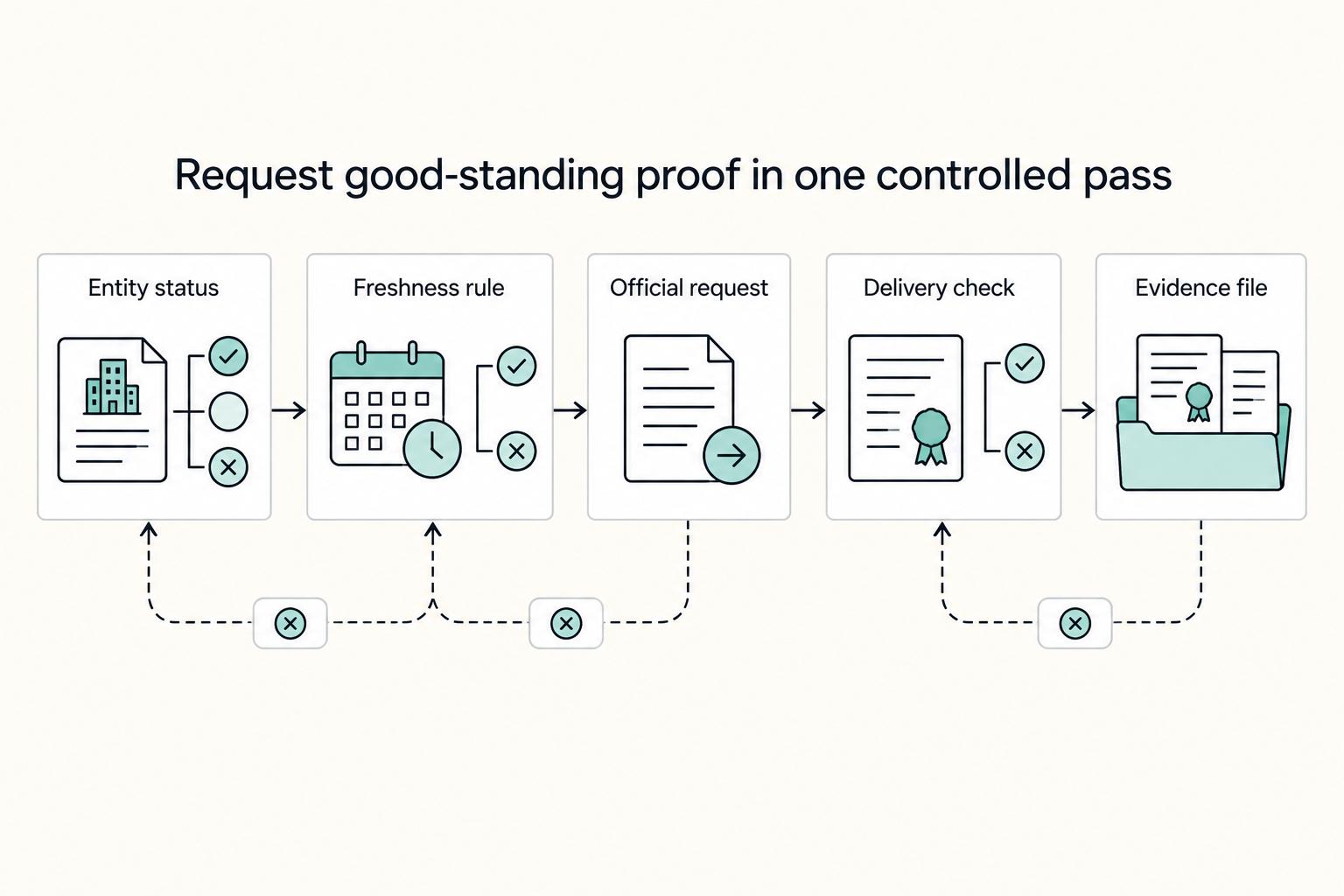
Quick Answer
Check your state record first, then request a certificate only after the reviewer confirms the exact title they accept. A certificate of good standing is point-in-time proof from the state filing office, not a full compliance clearance. In Texas, the requested document may be labeled Certificate of Fact - Status and routed through SOSDirect. Before submission, verify recency expectations, exact legal name, and entity type, and confirm whether separate tax proof is also required.
Start Here and Avoid Last Minute Surprises#
Start with two moves, in this order: confirm your entity status, then request the exact document title your reviewer will accept. That sequence removes the most common avoidable delay and keeps you from paying for the wrong output when the clock is already running.
Texas is a useful example because status and timing are separate decisions. Your entity can be valid, yet your file can still stall if the check happens at the wrong moment. In Texas, franchise tax account status can be required in certain real estate or financial transactions, and printed query results show what the state record said when you ran the search. You need the right status and the right timestamp.
The cost of waiting is not theoretical. If the right to transact business is forfeited, an entity can lose the right to sue or defend itself in Texas court, and directors or officers can become liable for entity debt. Texas provides at least a 45-day notice period before actual forfeiture, but that window closes quickly when the problem surfaces only after a lender, counterparty, or filing office gives you a deadline.
The practical mindset here is simple: treat this as document control, not admin cleanup. You are matching one requirement, from one requester, to one state-issued file with a usable issue date. Keep that framing and the task stays manageable, even when several teams touch it.
Use this sequence to get through the job in one pass:
- Confirm eligibility before paying for any document.
- Tie timing to the transaction or filing deadline.
- Request through the correct state channel and match the exact title to the stated purpose.
- Check recency and record accuracy before submission.
- Save what you submitted, why you submitted it, and when.
Most teams do not lose time because the process is hard. They lose time because ownership drifts. One person checks status, another places the order, and a third submits without seeing the original request language. Give one person responsibility for keeping the requirement note, receipt, and issued file aligned through submission day.
One more discipline prevents a lot of rework: do not assume one status file fits every request. Texas notes that some Secretary of State actions require a purpose-specific certificate rather than a general status summary. If a reviewer names a specific certificate, match that wording first and confirm acceptance before you order.
Keep a short internal note with three fields: who requested the document, the exact title they requested, and the submission deadline. That note sounds basic, but it turns a rushed task into a controlled handoff if someone else has to finish the packet.
What a Certificate of Good Standing Actually Confirms#
This document is valuable because it is narrow, not because it is broad. It confirms a point-in-time status with the state filing office: the entity is active, properly registered, and current on the obligations that office tracks. It does not certify every compliance topic across every agency.
That limited scope is why banks, lenders, and qualification reviewers ask for it. They usually want current state-record confirmation for the file in front of them, not a broad legal opinion about the company. Many requesters also apply recency rules, often in a 30 to 90 day range, so the issue date can matter just as much as the status language.
| What it typically confirms | What it does not automatically confirm |
|---|---|
| Active, registered status with the state filing office | Full federal and state tax compliance across all agencies |
| Required filings and fees handled by that office are current | Local business licenses or permits |
| Status as of the issuance date | Compliance outside the filing office's scope |
Form type can change what you receive. A short form generally confirms existence and status. A long form may also list filed records. Certified copies of underlying filings are often separate requests, so do not assume they are bundled with the status document.
In practice, it helps to think of this as one precise attachment in a larger packet. It should answer one question clearly, then hand off to other records, such as tax proof or licensing proof, when those are requested. That is where many submission packages go sideways. Someone sees a clean status certificate and assumes it answers every compliance question in the file. It does not.
The failure mode here is usually scope drift, not an inactive entity. A team orders the right file, then uses it as a stand-in for tax clearance, licensing, or some other separate requirement. That creates avoidable back-and-forth late in the review.
Before you order, run this quick check:
- Confirm the exact document title required.
- Confirm whether short form or long form is required.
- Verify legal name and entity type against state filing records.
- Ask whether certified copies are also required.
- If tax clearance is requested, obtain separate proof from the relevant tax agency.
- Confirm the accepted recency window in writing.
Do that work early and the final packet usually moves cleanly. Skip it, and you often end up replacing documents later for scope or age reasons rather than because of any real status problem.
Why Names Change by State and Why That Matters#
Treat naming as an acceptance risk, not a semantics debate. Copy the title from the request exactly, then confirm it comes from the correct issuing office.
Across jurisdictions, the same core proof can show up under labels such as Certificate of Status or Certificate of Existence. Those labels may point to the same basic concept, but acceptance still belongs to the reviewer. If their checklist names one title, submit that title instead of recycling whatever worked in a different state.
Similar wording also deserves caution. Close labels do not guarantee interchangeability, especially when intake teams use document-title matching as an early gate.
| Request wording | Practical read | Verify before ordering |
|---|---|---|
| Certificate of Status | Common alternate label for status proof | Reviewer accepts this exact title |
| Certificate of Existence | Common alternate label for status proof | It satisfies the transaction requirement |
| Certificate of Compliance | Not confirmed as an equivalent title | Ask whether this exact document is required |
| Certificate of Fact - Status | Not confirmed as an equivalent title | Confirm exact document type and issuing office |
This is one area where a tiny habit saves real time: update your template after each accepted submission. If your intake language still reflects what passed in another jurisdiction, the next request can inherit a title that is technically familiar but wrong for the current file.
Why the naming issue matters so much is timing. Major transactions often require recently issued proof, sometimes within 30 to 60 days. If you order the wrong title first, you burn review time and compress your correction window for no good reason.
Use the same rule every time:
- Copy the requested title exactly as written.
- Ask whether that exact title satisfies the requirement.
- Confirm the correct issuing office.
- Confirm whether status proof alone is enough or additional records are required.
A short email usually does the job: please confirm that this title from the issuing office satisfies your requirement for this submission. One clear reply can prevent multiple reorder cycles.
Check Eligibility Before You Spend Time Ordering#
Before you spend time or fees, confirm that the entity is actually eligible for the request path you plan to use. If legal registration or entity type is unclear in state records, fix that first and only then place the order.
California is a good reminder that request paths are often tied to the state registry record. Limited Liability Company (LLC), Corporation, and Limited Partnership (LP) entities can obtain certificates or copies online. Registered General Partnership and Limited Liability Partnership (LLP) entities use the Sacramento office request path.
That means your internal label is not enough. If your team calls the business an LLC but the state filing record reflects something else, pause and reconcile that mismatch before ordering. Ordering first and clarifying later is how duplicate fees and avoidable delays happen.
If you manage multiple entities, slow down even more on this step. Cross-entity confusion is common when names are similar, and it can produce a technically valid file that is useless for the deal or filing in front of you. The state may issue exactly what you asked for, but against the wrong legal entity.
In California, entity type changes the request channel:
| Entity type example | California request path |
|---|---|
| Corporation, LLC, LP | Online certificate or copy ordering |
| Registered General Partnership, LLP | Sacramento office request by mail or drop-off |
Use this checkpoint before you order anything:
- Verify the business is legally registered in the requesting state.
- Confirm the exact legal entity type on the state record.
- Match the request channel to that entity type.
- Resolve unclear registration or entity type before ordering.
- If you operate as a sole proprietor, confirm whether a comparable state path exists.
This pre-check prevents a common failure mode: ordering through the wrong channel and discovering later that the selected record cannot produce the document you need. If your structure is still unsettled, read Sole Proprietorship vs. LLC: The Definitive Guide for Global Freelancers before you request anything.
Know the Exact Moments You Should Pull a Fresh Certificate#
The right time to order is when a real submission window exists, not when the task first lands in someone's inbox. Pull the file only after you know the exact title required and the timing standard the reviewer is applying.
A simple sequence works well. First, capture the requirement in writing. Next, confirm the document name and acceptance criteria. Then order the file so the issue date falls inside the actual submission window instead of an assumed one.
That timing discipline matters because internal delays are usually what age these documents out. If signatures, board approvals, or onboarding checks are still pending, ordering too early can leave you with a file that is perfectly valid but too old by the time anyone uploads it.
A quick decision split helps keep people from guessing. If the filing or deal is still exploratory, verify requirements and wait. If submission is scheduled and dependencies are ready, order now and route the file into final review. The point is to tie the issue date to a known use, not to a vague sense that it might be needed soon.
Separate from the standing request itself, make sure no other compliance clock is running at the same time. If your company was formed outside the United States and then registered to do business in a U.S. jurisdiction by filing with a secretary of state or similar office, check whether FinCEN BOI reporting applies. FinCEN says its March 26, 2025 interim final rule narrowed reporting company to this foreign-entity category. Entities registered before March 26, 2025 had an April 25, 2025 BOI deadline. Entities registered on or after March 26, 2025 have 30 calendar days after notice that registration is effective to file an initial BOI report.
For every request, collect these three artifacts and keep them together:
- The requirement in writing, including who requested it and where it was stated.
- The exact document title the requester will accept.
- The submission deadline, including date, time, and delivery channel.
This is not extra overhead. Those three items explain why you chose the issue date and document type, and they make revision requests much easier to sort out later.
Decide How Fresh Is Fresh Before You Submit Anything#
Freshness is usually set by the reviewer, not by the state alone. A state-issued file can be fully valid and still fail intake if it is older than the transaction's accepted window.
That is why recency needs to be treated as a submission rule every time. Published guidance shows different windows, including 30 to 60 days and 30 to 90 days, so there is no single age rule that works across lenders, agencies, and counterparties. If no window is documented, ask for one in writing before you submit.
Right before upload or delivery, run this final check:
- Confirm the issue date remains inside the stated window on submission day.
- Confirm the legal name matches exactly, including suffixes and punctuation.
- Confirm the entity type matches exactly, such as LLC versus Corporation.
- Confirm the reviewer accepts your document title.
A lot of friction starts when one person relies on a verbal rule and another applies a stricter written standard. If that happens, escalate quickly and ask for the written intake rule before you resubmit. It is faster to settle the standard once than to keep replacing files.
Keep the scope of the document clear while you review it. This file confirms standing with the filing office. It does not automatically prove full tax, licensing, permit, or litigation clearance. Most last-minute rework comes from stale issue dates or naming mismatches, not from difficult legal questions.
A two-person handoff is worth using when the timing is tight. Whoever uploads should repeat the same four checks even if someone else already verified them. Independent review catches copy errors, naming mismatches, and date problems before they become external rejections.
Request Sequence You Can Execute in One Sitting#
When the record is clear and the timing is right, run the request in one controlled pass. The goal is simple: finish with one usable file and one complete record of what happened.
Start by validating the channel before you enter any sensitive information. Share sensitive data only on official, secure sites: confirm the page is an official .gov domain and confirm HTTPS. If either signal is unclear, stop and re-enter through a verified state page.
From there, use this checklist and adapt it to your state portal. It is a practical sequence, not an official universal script:
- Confirm the entity record, including exact legal name and current status language.
- Gather the identifiers your portal requires.
- Confirm the document title matches your written request.
- Submit through the official state filing-office channel.
- Save the order confirmation or receipt immediately.
- Open the issued PDF and confirm readability and completeness.
- Archive the final issued file with the receipt and a short internal note.
The naming convention matters more than people think. Save the file so someone else can verify it quickly, for example by legal name, issue date, and requester. Clear file names do not change legal validity, but they do reduce handoff mistakes when deadlines are close and another team member has to pick up the thread.
Each step in the sequence removes a specific risk. Steps 1 and 2 reduce identity mismatches. Step 3 reduces wrong-document submissions. Steps 5 and 7 preserve evidence of what was requested and when. Step 6 catches file-quality problems before an external reviewer sees them.
Before external submission, do one more quality check: legal name spelling should match exactly, and the status language in the issued file should match what the reviewer asked for. If the file is technically valid but does not answer the stated requirement cleanly, you have not actually finished.
Keep a compact evidence pack for every request: the issued file, the order receipt, and a short note explaining who requested it and why. Store all three together. That one habit turns a fragile handoff into a durable one.
Texas Example You Can Mirror Without Assuming Every State Works the Same#
The practical lesson from Texas is lane discipline. Before you enter data, make sure you are on the page that actually handles entity-status requests. Not every official page serves the same purpose, even when it looks relevant at first glance.
The Comptroller guidance on Ag/Timber Numbers and sales-tax exemption certificates is valid for its own lane, but it is not the lane for a status document. It links Ag/Timber requirements to House Bill 268 (2011), gives an effective date of Jan. 1, 2012, requires the number on certain exemption certificates, states that retailers must charge sales tax when a customer lacks an Ag/Timber Number, and notes four-year renewals. Those are sales-tax exemption rules.
If your goal is proof of entity standing, use the office and process language tied to entity-status requests. That distinction matters because equally official pages can route you to very different outcomes. You can follow every instruction on the wrong page and still end up with something unusable for the transaction.
That same lane-check habit works outside Texas. The labels and portals change by jurisdiction, but the risk pattern stays the same: official page, wrong purpose, unusable output. Once you see it that way, the correction becomes obvious. Verify the office, verify the purpose, and only then proceed.
Use this logic in Texas and elsewhere, even when portal names differ:
- Start with written requirements: document title, requester, and deadline.
- Confirm the issuing office and request lane before entering data.
- If the page focuses on Ag/Timber numbers, exemption certificates, or retailer sales-tax rules, stop and re-enter through the status-document channel.
- Proceed only after the process language matches the requested status file.
- Save the issued document, receipt if provided, and a short note on who requested it and why.
This check usually takes less time than fixing a rejected packet. Keep the order steady: verify lane, confirm title, request file, review output, and archive proof.
If You Are Not in Good Standing Fix the Root Cause First#
If the record is not clear, do not order yet. Fix the underlying issue first, then request the file after the state record is clean.
California business-entity FAQs are useful here because they separate topics that teams often blur together under pressure. Those topics include annual and biennial requirements, delinquency and penalty notices, suspension or forfeiture notices, and records topics that include a Certificate of Status. Treat that separation as an operating rule. Resolve compliance blockers before you spend time ordering documents.
The right first move is diagnosis, not guesswork. Pull the latest notices, read the current status language exactly as shown, and identify the specific deficiency. Assuming it is probably just a late filing can waste days if the actual blocker is a different notice or a tax issue sitting in another channel.
Use this remediation sequence:
- Identify the exact deficiency in notices or status text.
- Submit required filings and resolve related obligations.
- Recheck the state record and confirm the status language changed.
- Request the status document only after the record is clear, then save the issued file and confirmation.
When you clear a blocker, record the date and the status text you observed. That gives you a clean audit point and helps explain your timing if a reviewer later asks why the file was ordered when it was.
Common blockers can involve annual or biennial compliance issues, delinquency or penalty notices, or suspension and forfeiture notices. The important part is not to guess which one applies. Treat each possibility as a hypothesis until the state record confirms the real hold. Once the status text updates, move to ordering.
If tax standing is also unclear, verify both channels before submission. In California, FAQ language points to the Franchise Tax Board alongside the Secretary of State. That is another reminder that filing-office status and tax status can travel on separate tracks.
Use a firm stop rule: do not send status proof externally until the filing-office record and any required tax-status check are both aligned with the request. That prevents split-record confusion during underwriting, onboarding, or qualification review.
Build a Simple Compliance Calendar So This Never Becomes Urgent Again#
The easiest way to keep these requests from turning urgent is to make status checks routine. When checks are scheduled, requests stop turning into deadline-week emergencies.
You do not need a complex process for this. One calendar, one owner, and one repeatable checklist are usually enough to keep the record current and the evidence easy to retrieve. The real gain is not administrative neatness. It is being able to answer a request quickly without rebuilding history from scattered emails and portal downloads.
A simple calendar can cover the basics:
- Add filing-cycle checkpoints based on entity records and state notices, including state filing obligations where relevant.
- Keep your latest status document, any state-specific Certificate of Status, and filing confirmations in one folder.
- Before financing, bank changes, or expansion filings, run a quick status check and decide whether a fresh file is needed.
- At each checkpoint, confirm current status text first, then note what you verified and when.
Assign one owner for the calendar and one backup reviewer. That light ownership model prevents reminders from disappearing when someone is busy or out, and it gives you a second set of eyes before something time-sensitive goes out the door.
Consistency matters more than sophistication. When records, confirmations, and timestamps live together, you can respond quickly without relying on memory. It also lowers the chance that someone submits an old file simply because it was the easiest one to find.
California offers a useful reminder that legal context can shift while your internal timeline keeps moving. The Franchise Tax Board page on AB 1765 says related proposals were introduced on March 16, 2023 and chaptered into law on September 22, 2023, including conditional revivor provisions for LLCs and installment-agreement authority changes. You do not need to treat that as a universal rule to learn from it. The operating lesson is simpler: keep monitoring active.
If you work across multiple counterparties, align these checks with payout onboarding, tax-document collection, and new-platform onboarding so the evidence stays organized in the same rhythm as the rest of your operations. A lean archive helps here: one folder per request cycle with the issued file, receipt, requirement note, and submission confirmation.
Common Mistakes That Turn a Simple Request Into a Deal Blocker#
Most blockers in this process come from avoidable execution mistakes, not hard legal analysis. The pattern is usually simple: the entity is fine, but the file, timing, or submission discipline is not.
Here are the four mistakes that show up most often.
- Using the wrong document label
If a reviewer asks for a specific title and you submit a different label, you can trigger unnecessary back-and-forth even when the entity is active. States use different names for similar status proof, including Certificate of Status, Certificate of Existence, and Certificate of Good Standing. Match the requested wording first, then confirm the issuing office.
- Treating status proof as full tax clearance
This file confirms filing-office standing. It may not prove every tax detail in every jurisdiction. If tax standing is also requested, route that through the relevant tax authority instead of assuming one file satisfies both requirements. A clean status document does not fix a missing tax record.
- Waiting until the request lands
Banks can require legal-status proof for account setup, and multi-state expansion filings often need home-state status evidence. If you wait until deadline week, you may not have enough time to resolve compliance blockers and obtain a fresh file. The request itself is often quick. What takes time is fixing whatever the request uncovers.
- Submitting an old copy
Many recipients expect recently issued proof, often inside a 30 to 90 day window. A document accepted for one transaction may fail another recipient's recency rule. Reusing a past file without checking the current standard is one of the easiest ways to create preventable rework.
If you lead a small operations team, review recent rejections once a month and update your pre-submit checklist. Short feedback loops are usually enough to remove repeat mistakes because the root causes are often procedural, not technical.
Run this check every time before you send anything out:
- Confirm exact document title.
- Confirm recency requirement.
- Confirm status language does not show delinquent, void, suspended, forfeited, or dissolved.
- Confirm whether a separate tax-status check is required.
One last discipline helps teams improve quickly: keep rejected examples with a short note on why each one failed. That turns past misses into a practical checklist instead of tribal memory.
Take the Next Step Before You Need It#
The best time to check status is before anyone asks for proof under deadline. Treat standing as a recurring operating habit, not a one-time form.
Banks, investors, and state agencies can ask for this file at key moments, and routine administrative checks happen whether you planned for them or not. If your status is unverified when a reviewer opens the packet, the timeline can stall for reasons that were entirely preventable.
Before your next bank or growth milestone, do four things:
- Check your state record and confirm the entity is active and current.
- If anything is off, resolve it first, then request the status document.
- Keep a one-page entity note with exact legal name and latest status result.
- When you receive the file, verify legal name, active or good-standing language, issue date, and authorizing signature or state seal.
Also confirm the accepted label in your jurisdiction. Equivalent proof may appear as Certificate of Good Standing, Certificate of Status, Certificate of Existence, or Certificate of Fact. Using the exact accepted title avoids unnecessary resubmissions.
Keep one larger rule in view: standing is maintained through ongoing compliance. Most states expect annual or biennial reports and timely payment of taxes and filing fees. Next, read Sole Proprietorship vs. LLC: The Definitive Guide for Global Freelancers, then apply The Profit First Method Part 2: Setting Up Your Bank Accounts so compliance and cash operations stay aligned.
Frequently Asked Questions
What is a certificate of good standing in one sentence?
It is a state-issued document confirming a business entity is registered and current with that filing office's obligations. The label varies by state, including terms like Certificate of Existence in Indiana and Certificate of Legal Existence in Connecticut. Use the one-sentence definition to anchor decisions, then verify scope before submission. It confirms filing-office status, not every other compliance area your reviewer may care about.
Is a certificate of good standing the same as a business license?
No. Entity status filings and activity-specific licensing are separate checks. Treat licensing and entity standing as two lanes in your packet. If a reviewer requests both, gather both instead of trying to map one document onto the other.
Who can get one, and why can request paths differ?
Request paths usually follow state entity records. If a business is not on that registry, the same ordering path may not apply. Confirm eligibility directly with your state office before you spend time on portal steps or payment screens. That quick check prevents channel mismatch and duplicate work.
What information is usually included on the certificate?
The core purpose is status confirmation for the filing office. Exact fields can vary by state and issuing office, so use the issued document itself as your final quality-control checkpoint before external submission.
Does a good standing certificate prove tax compliance in every state?
Not always. Some jurisdictions treat tax-compliance proof as a separate document path. Treat filing-office status and tax compliance as separate requirements unless your reviewer states in writing that one document is sufficient.
How quickly can I get one in Texas through `SOSDirect`?
Turnaround can vary. Check current processing details in the live Texas channel at the time you submit. When timing matters, verify expected delivery before you commit to a submission date. If timing is uncertain, request earlier in your window and keep your reviewer informed.
What should I do first if my business is not currently in good standing?
Fix the underlying compliance issue first. Then confirm the status update appears in the state record and request a fresh document. If tax proof is also required, handle that through the tax authority path separately. Submitting before both checks are aligned can trigger avoidable rejection.
Try a related tool
Researched and edited by the Gruv editorial team. Gruv builds cross-border billing, payouts, and finance-operations software for global businesses.
Sources
- business.ct.gov/knowledge-base/articles/sots/certificates-of...trusted
- calbar.ca.gov/legal-professionals/maintaining-compliance/a...trusted
- faqs.in.gov/hc/en-us/articles/115005046687-Where-do-I-fi...trusted
- mass.gov/info-details/faqs-dor-certificate-of-good-st...trusted
- pa.gov/agencies/dos/resources/business-resources/fr...trusted
Educational content only. Not legal, tax, or financial advice.
Related Posts

Sole Proprietorship vs LLC for Global Freelancers in 2026
For most freelancers in 2026, the practical default is still simple: use the simplest structure you can run cleanly, then formalize when risk actually rises. If your work is still in validation mode and the downside is contained, a sole proprietorship is often the practical starting point. When contract exposure, delivery stakes, or dispute risk starts climbing, forming an LLC deserves earlier attention.
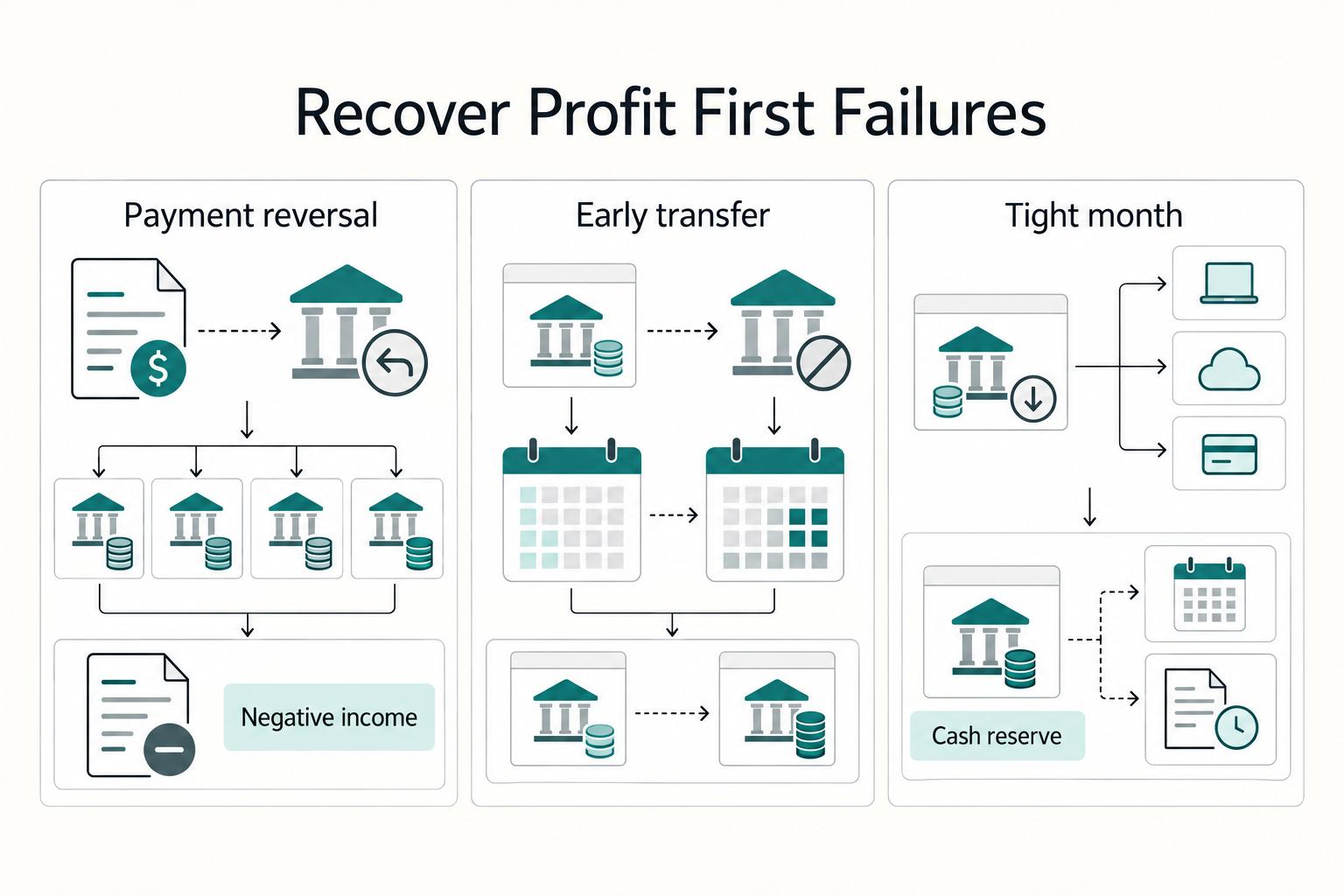
The 'Profit First' Method Part 2: Setting Up Your Bank Accounts
Most freelancers who try Profit First open a few extra bank accounts and call it done. That's the wrong move.
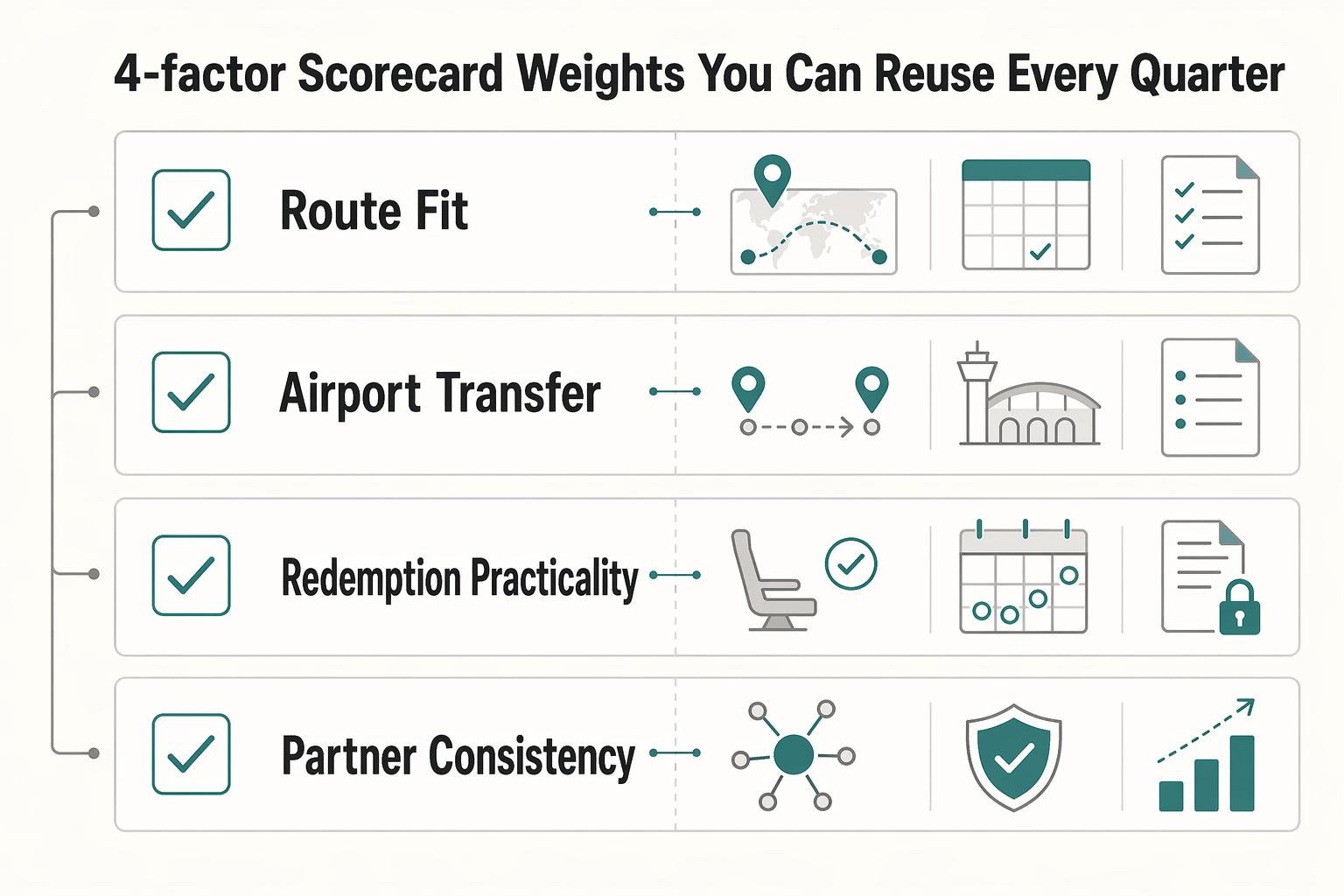
Best Airline Alliances for Global Travelers Who Need Reliable Routes
Choose a default fast. Pick one alliance that fits most of your real trips, reduces connection friction, and gives you a written exception rule for the trips where it does not. The goal is not to crown a universal winner. It is to make your booking behavior repeatable, easier to hand off, and less likely to break your work calendar.