
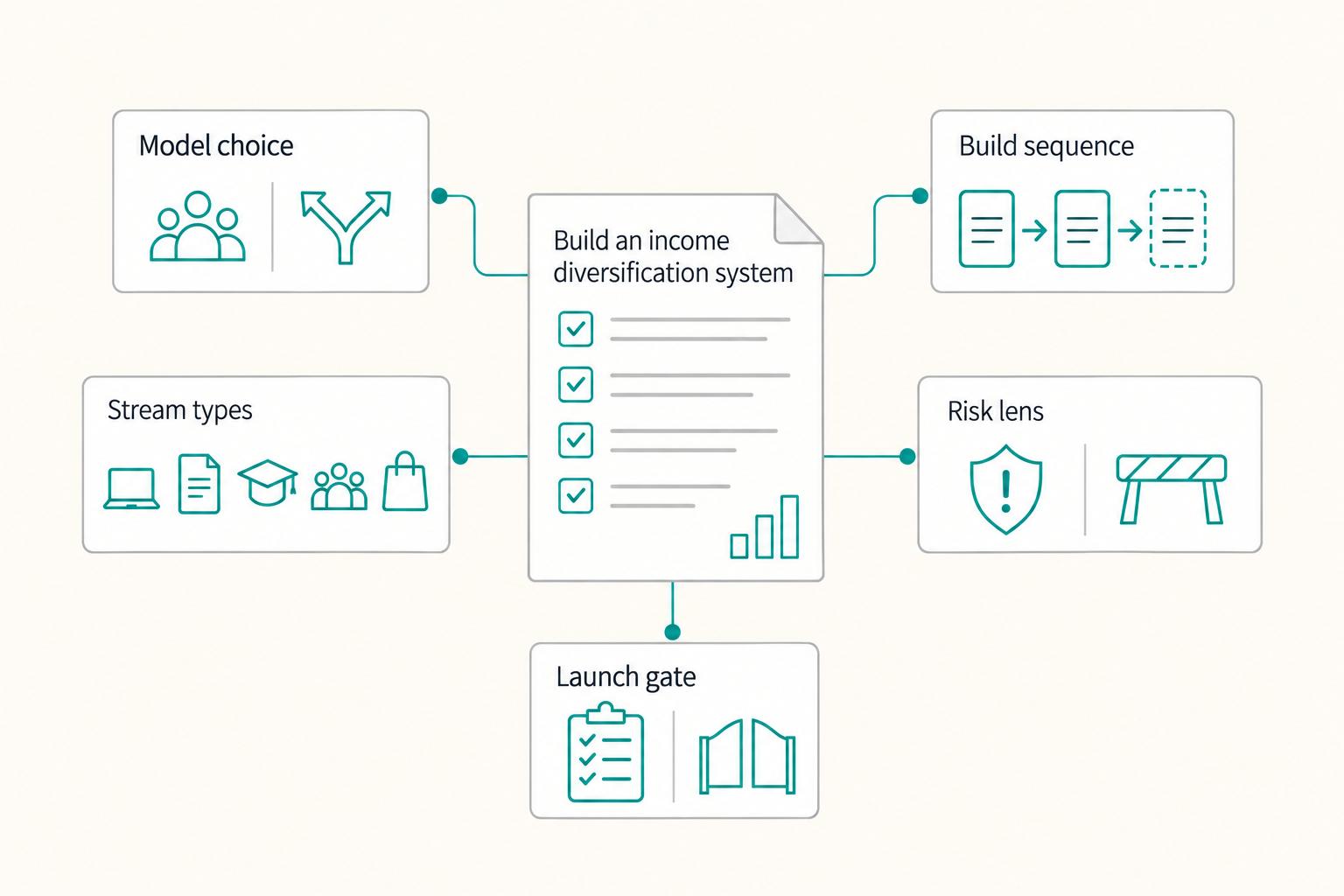
Quick Answer
The best way to diversify your freelance income is to lower concentration risk in sequence: stabilize core client work, spread revenue across more clients, then add one adjacent service before testing productized offers or digital products. That order reduces dependence on any single buyer, keeps operations manageable, and avoids stacking new offers on top of unstable fundamentals.
The Best Ways to Diversify Your Freelance Income (A Risk-First Framework)#
Most freelancers add new revenue lines reactively: a course after a slow month, an affiliate link because someone else said it works, a consulting offer because one client asked for it once. The result is usually the same: more moving parts, unclear priorities, and no real protection when one major client or platform wobbles.
A better approach is to start with risk, then sequence. Identify what can break your month right now, then add the stream that reduces that specific exposure first. Repeat in layers. When you run your business this way, every new stream has a job. Without that discipline, you are mostly stacking side projects on top of your existing workload.
Another common trap is mistaking offer variety for real protection. If multiple offers still depend on the same buyer type, platform, or fragile payment process, risk is still concentrated. You changed packaging, not exposure.
The goal is not to collect income streams. It is to build revenue that can absorb churn, payment delays, and operational drag without forcing panic decisions. This article follows that logic from diagnosis to build order to risk controls, so you can make one solid next move instead of chasing five interesting ones.
Who This Is For#
This is for freelancers, solo operators, and creators who already earn from client work and want more stability without turning the business into a second full-time admin job.
You're likely in scope if any of this sounds familiar:
- You invoice regularly and deliver solid work, but one delayed payment can throw off your month.
- One client still represents an outsized share of your income.
- You have considered products, retainers, coaching, or affiliate income, but are not sure what to add first.
- You want to reduce risk without overcomplicating operations.
income diversification simply means earning from multiple distinct sources so no single buyer, platform, or format controls your financial stability. Early in freelance work, concentration is normal. Over time, it gets expensive because it leaves you with little margin for error.
This guide is not a push to start everything at once. It is a practical order of operations for people who want more resilience with controlled complexity.
This article is structured as a decision path:
- First, you will separate stream count from actual risk reduction.
- Next, you will choose between two different diversification models.
- Then, you will rank possible streams by setup speed, operational burden, and payment risk.
- After that, you will pressure-test your plan against tax, bookkeeping, and cross-border realities.
- Finally, you will use a pre-launch gate so each new stream is added deliberately, not emotionally.
The throughline is simple: add only what you can run cleanly. Stability comes from clear sequencing, clear terms, and consistent execution.
Outline#
Most advice on new income streams skips the order question and jumps straight to ideas. That is where freelancers lose time. You do not need twenty options. You need the next option that solves the biggest current risk.
Read this as a decision stack:
- Why a structured approach beats random stream stacking: where concentration risk actually comes from, and why passive-income talk often distracts from core fixes.
- Two diversification models: adding more clients inside your core discipline versus adding new stream types.
- A build sequence that protects focus: what to add now, what to add later, and what to defer until you have enough distribution.
- Five stream types ranked by speed and risk: how each one behaves in real operations, not just in theory.
- Payment failure modes by stream: churn, chargebacks, payout delays, fee drag, and cross-border friction.
- Tax and recordkeeping shifts: what changes once money starts arriving through multiple channels.
- FAQ, readiness checklist, and close: a reusable operating logic you can run every quarter.
If you're reading under pressure, start with the build sequence and readiness checklist, then come back to the model and risk sections. If you are redesigning your whole revenue mix, read it in order once. The sections build on each other, and the logic gets stronger when you follow the full path.
Work through it in sequence and you should end with a plan you can actually execute without breaking delivery quality.
## Why Every Freelancer Needs an Income Diversification System (Not Just More Streams)#
If one client, one retainer, or one platform controls most of your monthly cash, your business is exposed. It can feel stable until renewal week, a procurement delay, or a platform policy change. Then that stability disappears because of one decision you do not control.
That is why stream count can mislead. A freelancer can have three income sources and still carry concentration risk if one of them accounts for most real cash flow or most operating attention. Diversification only works when each stream has a distinct role, a known maintenance cost, and a risk profile you can tolerate.
The usual mistake is chasing passive income before fixing structural weaknesses in core service work. If pricing is weak, terms are loose, and cash collection is inconsistent, adding streams usually increases stress rather than resilience.
A more useful frame is role-based planning. Keep one base stream that funds operations now, one bridge stream that improves cash predictability, and one longer-horizon stream that can scale later. That simple split keeps expansion tied to a purpose instead of mood.
The Foundation Has to Come First#
Before you package products, publish templates, or test affiliate deals, stabilize your base service income.
In practice, that means three things:
- Pricing has to leave room for margin, not just survival.
- Payment terms have to be explicit and enforceable.
- Delivery capacity has to be predictable enough to support one additional offer.
Underpriced project work creates a volume trap. You stay busy, cash stays noisy, and there is no calendar space to build anything durable. In that state, new streams are usually just more obligations.
If you're still trying to secure reliable core clients, that is still the right priority. A broader menu of offers will not compensate for unstable fundamentals.
Before moving on, run a quick checkpoint: can you forecast next month's core cash with reasonable confidence, enforce payment terms, and protect delivery hours from constant overrun? If not, keep working the base. Diversification works best when it rests on something steady.
What You'll Walk Away With#
By the end of this article, you should have a practical operating map, not just a list of ideas.
You'll leave with:
- A clear model choice: whether your next move is client spread or stream expansion.
- A sequence you can run now: what to build first, second, and later based on current exposure.
- Five stream types assessed by operations, not hype: setup speed, predictability, and maintenance cost.
- A stream-specific risk lens: common payment and policy failures, plus pre-launch prevention moves.
- A reusable launch gate: a checklist to decide if a stream is ready before you spend time and money.
You'll also have a way to spot false progress. New offers are not automatically improvements. The right improvement is the move that lowers current risk without creating overhead you cannot carry.
The core principle is straightforward: structure first, expansion second. That order is what turns extra revenue lines into real protection.
## Two Models: Are You Diversifying Streams or Diversifying Clients?#
Before you build anything new, identify the problem you are actually solving. Most freelancers do not lack ideas; they lack diagnosis. Choose the wrong model first and you get complexity without much risk reduction.
There are two valid paths, and each solves a different problem.
Model A: Spread Within Your Discipline#
Model A means adding more clients while keeping the same core service. You are not changing what you sell. You are reducing dependence on any single buyer.
This is the right first move when one contract, retainer, or agency partner still dominates your month. If that relationship pauses, your cash flow drops immediately. Model A fixes that through distribution, not invention.
Why Model A is often the fastest stabilizer:
- You already know how to deliver the work.
- You usually need no new platform or audience.
- Sales cycles can be shorter because the offer is proven.
- The payback period is often measured in weeks, not quarters.
Operationally, Model A usually requires better pipeline discipline, cleaner qualification, and pricing that prevents overbooking. It is not glamorous, but it reduces concentration risk quickly.
One caveat: Model A reduces client concentration, but it does not change your dependence on time-bound service revenue. That is fine in phase one, as long as you are clear about where the ceiling still is.
Model B: Branch Into New Stream Types#
Model B means adding structurally different revenue types such as productized services, digital products, coaching, affiliate income, or brand deals.
This path can increase long-term upside and reduce reliance on client-by-client selling. It can also create more independence once distribution and offer fit are established. But the setup burden is real: new positioning, new delivery logic, new policies, and often new support work.
Use Model B only after core service revenue is stable enough to absorb slower payback and experimentation noise. Jump too early and delivery quality can slip while the new stream is still not funding itself.
Treat early tests here as controlled pilots. Keep scope narrow, define success criteria up front, and avoid building multiple new assets at the same time. That keeps exploration from cannibalizing the work that currently pays the bills.
Which Model Do You Run First?#
For most freelancers, the answer is simple: run the model that reduces your current concentration risk fastest. Ambition matters less here than exposure.
This table makes the tradeoff easier to see.
| Factor | Model A: More Clients | Model B: New Stream Types |
|---|---|---|
| Time to revenue | Weeks | Months |
| Risk profile | Low, because delivery is familiar | Medium to high, because setup is new |
| Operational complexity | Lower | Higher |
| Best-fit situation | One client still controls too much of your month; pipeline is thin | Core income is stable and no single client has outsized control |
| Primary benefit | Fast concentration-risk reduction | Longer-horizon upside and more format independence |
Decision rule: run Model A until concentration risk is controlled, then layer Model B deliberately. That keeps expansion grounded in cash reality instead of momentum alone.
In practice, the signal to switch looks like this: no single client dominates your month, payment terms are predictable, and you have enough bandwidth to run one new build without delivery quality dropping. Once those conditions are true, Model B becomes strategic instead of distracting.
Once your base is stable enough to add something new, the highest-probability first expansion is usually an adjacent offer, not an audience-dependent one.
## What Are Proximity Services - and Why Should You Build Them First?#
If you already have active clients, proximity services are usually the best first expansion because they monetize trust you have already earned.
A proximity service is an adjacent offer that sits close to your current delivery. The buyer, context, and problem are familiar. That lowers sales friction and delivery risk at the same time.
Examples across common freelance lanes:
- A web developer adds hosting setup, analytics implementation, or SEO checks after launch.
- A copywriter adds email sequence implementation to accompany campaign copy.
- A designer adds brand guidelines or a Figma component library after visual identity work.
The point is not novelty. It is closeness. The new offer sits one step away from work you already do, so you can add revenue without rebuilding your business model or training the market to understand a totally different service.
A useful test is dependency: if the add-on naturally improves outcomes in the service you already deliver, it is probably close enough. If it requires a new audience, a new skill stack, and a new support model, it probably is not.
Why They Win on Every Friction Metric#
Proximity services win early because they avoid the most expensive part of starting from zero.
You are not waiting to build a large audience. You are not learning a completely new craft. You are not figuring out unknown buyer behavior on a new marketplace. You are extending a relationship where trust, context, and communication channels already exist.
From an operating perspective, that usually means:
- Lower acquisition friction: the buyer already knows your quality.
- Shorter sales cycle: scope expansion is easier than cold-start sales.
- Cleaner implementation: same communication channel, same project context.
- Lower payment uncertainty: established relationships tend to settle faster than one-off new transactions.
- Minimal billing changes: often a new line item, not a new billing architecture.
They also create better feedback loops than most other additions. Because buyers already understand your work, objections are clearer and faster. You get usable signal on pricing, scope, and delivery without paying a high acquisition cost to collect it.
That is why adjacent offers punch above their weight. They may not look exciting on paper, but they are one of the cleanest ways to add meaningful revenue without much chaos.
One Operational Step Worth Getting Right#
Because the sale can feel easy, paperwork is where mistakes creep in. When you add an adjacent offer, update the statement of work before delivery starts.
Your SOW should clearly define:
- what is included,
- what is excluded,
- who owns approvals,
- when work is considered complete,
- and what happens if scope changes.
If the added service is technical, especially around infrastructure, integrations, or live environments, include a limitation of liability clause that aligns exposure with engagement value. It does not need legal theater. It needs clarity.
Also check that payment terms still match the expanded scope. If duration, complexity, or operational responsibility changed, your invoicing cadence and collection policy should change with it.
Finally, set a clear acceptance checkpoint so both sides know when delivery is complete. That protects your timeline and keeps open-ended support expectations from quietly becoming part of the job.
Proximity services are not flashy. They are practical. For most freelancers, that is exactly why they should come first.
## The Build Sequence: What to Add First, Second, and Later#
Once you know what kind of expansion makes sense, sequence matters more than variety. Most freelancers do not fail because they chose a bad idea. They fail because they tried to launch too many ideas at once and diluted execution.
The fix is simple: build one layer, stabilize it, then add the next. That protects quality, cash flow, and attention.
When in doubt, keep one active build slot. Run one launch at a time while core delivery continues. It feels slower, but it keeps you from collecting half-built offers and unfinished operational setup.
The Four-Step Build Order#
Use this order unless your current constraints clearly force a different one.
Step 1 - Stabilize core service income. Confirm monthly revenue predictability from existing client work. Tighten payment terms, invoice discipline, and scope boundaries first. If you are chasing old invoices every month, fix collection behavior before adding complexity.
Step 2 - Add one proximity service. Choose one adjacent offer that maps to repeat client needs. Price it clearly, add terms to your SOW template, and test it with existing clients first. This is usually the fastest low-risk lift because the trust is already there.
Step 3 - Package one productized service. Turn one repeat engagement into a fixed-scope, fixed-price offer with explicit deliverables. Productization protects your calendar and simplifies buying decisions. The control that matters most is scope boundary clarity.
Step 4 - Launch one digital product. Build a guide, template, or course from work you already do well. Plan for a slower ramp and more policy overhead. Define support expectations and refund handling before launch so you are not improvising after sales begin.
The logic behind this order is cumulative. Each layer funds the next, teaches you something about demand and operations, and gives you better data before you commit more time.
Treat each step as complete only when it is repeatable. One sale is encouraging. Repeatability is what turns a new stream into dependable income.
What to Defer#
Audience-dependent streams can look attractive, but they are usually weak first bets when core operations are still maturing.
Newsletter monetization, YouTube ad revenue, affiliate-heavy media plays, and brand deals often need sustained distribution work before returns become meaningful. For most freelancers, those belong later.
Use this planning table to set expectations:
| Stream Type | Time to First Revenue | Operational Complexity | Payment Risk | Build Order |
|---|---|---|---|---|
| Core client services | Immediate | Low | Low in established relationships | Step 1 - Stabilize |
| Proximity service | 2-8 weeks | Low | Low | Step 2 |
| Productized service | 4-12 weeks | Medium | Low to medium | Step 3 |
| Digital product | 8-16 weeks | Medium | Medium | Step 4 |
| Audience-dependent streams | 12+ months | High | Variable | Defer |
Deferring is not the same as abandoning. Keep a parking list for later-stage streams, then revisit it once the earlier layers are stable. That lets you keep ambition without letting it hijack execution.
A clean sequence reduces decision fatigue. You know what to build now, what to ignore for now, and what to revisit later. With that order in place, the next step is choosing the actual stream type that fits best.
## The 5 Best Income Streams for Freelancers (Ranked by Speed and Risk)#
For most freelancers starting from client work, the best income stream is the one you can launch with the least new friction while still reducing concentration risk. Fast does not always mean easy, and scalable does not always mean timely. The ranking below balances both.
Use this section as a matching exercise, not a popularity contest. The right pick depends on your current base, your tolerance for extra operations, and the kinds of payment risk you are willing to manage.
1. Proximity / Adjacent Services#
For freelancers with active clients and recurring delivery touchpoints, this is usually the strongest first move.
The reason is straightforward: you are selling to people who already trust you, in a context they already understand. If scope is clear, the revenue lift can be immediate.
Where it shines
- Very low acquisition cost.
- Short path from offer to first payment.
- No new platform dependency required.
What to watch
- It is still time-linked income.
- Without explicit scope boundaries, add-ons can quietly become unpaid expansions.
Typical use-case
A developer delivers a website, then adds a monthly hosting and uptime management retainer. Same client relationship, new recurring line item.
Pricing note for international buyers
If a client pays through Stripe from abroad, your pricing needs to absorb fee reality. Stripe lists a standard domestic rate of 2.9% plus 30 cents, then adds 1.5% for international cards and 1% for currency conversion. If you ignore that, margin erodes fast.
The deeper advantage is implementation speed. You can often test demand and pricing inside existing project cycles instead of waiting for a full launch campaign. That makes adjacent work the most practical place to start if your goal is stability first.
2. Productized Services#
Productized services are often the best second layer once you can see a repeatable pattern in the work you already do.
A productized service is a fixed offer with fixed scope, fixed price, and defined deliverables. Buyers know what they are getting, and you know what you are committing to. That clarity helps on both sides of the transaction.
Where it shines
- Easier buying decision for clients.
- Better forecastability for your calendar.
- Cleaner pricing and less proposal churn.
What to watch
- Scope creep is the main failure mode.
- Weak boundaries turn fixed-price work into open-ended support.
Typical use-case
A copywriter packages a three-email welcome sequence with one revision round and a two-week timeline. The buyer gets clear terms, and you protect delivery time.
When productization works, sales and delivery both get simpler. You quote less, negotiate less, and spend more time on execution quality. But the simplicity only holds if you keep the scope tight enough to be repeatable.
3. Digital Products (Templates, Guides, Courses)#
Digital products are attractive for one good reason: they can scale without a matching increase in delivery hours. But they usually take longer to validate than service offers, and they come with a different kind of operational work.
This works best when you already have documented expertise and at least a small base of buyers, readers, or clients to seed first sales.
Where it shines
- High margin once distribution is working.
- Revenue can continue without active delivery per unit.
- Expertise can be packaged once and sold repeatedly.
What to watch
- Ramp time is longer.
- Platform policy and dispute handling matter more than most new sellers expect.
- Customer support and update cycles still consume time.
Typical use-case
A designer sells a Figma template pack through Gumroad or direct checkout with Stripe. The asset is created once, then sold many times.
Risk control before launch
Define your refund policy and dispute process before the first sale. Stripe's standard domestic processing rate is 2.9% plus 30 cents, and charge disputes add both cost and operational work. Policy clarity up front saves cleanup later.
Treat digital products like products, not uploads. Version control, clear scope on what is included, and basic buyer communication standards all affect support load and refund pressure.
4. Coaching or Consulting#
Coaching and consulting can work well when buyers want your judgment more than they want done-for-you execution.
This stream is best for freelancers with proven results and a clear pattern of peers or clients asking for advice. It can produce strong hourly economics quickly, but it is not passive. A better way to think about it is packaged judgment.
Where it shines
- Low startup cost.
- Fast route to paid offers if demand already exists.
- Strong rate potential when positioning is specific.
What to watch
- Vague positioning weakens conversion.
- Session prep, delivery, and follow-up remain time-bound.
Typical use-case
A senior SEO freelancer runs a monthly group session for junior freelancers who want help winning and retaining their first meaningful retainers.
To keep this stream healthy, define boundaries early: who it is for, what outcomes are in scope, and what support happens between sessions. Without that, it becomes a blurred version of custom client work.
5. Affiliate Marketing and Brand Deals#
This stream works best when you already have consistent attention from a defined audience. Without that distribution base, most affiliate and brand plans stay theoretical for a long time.
The upside is that published content can keep earning after the initial work is done. The hard part is getting enough qualified attention in the first place.
Where it shines
- Low marginal cost once content exists.
- Revenue can recur from older content.
- Can layer onto existing newsletters, videos, or educational content.
What to watch
- Payout timing can be delayed or variable by network.
- Platform and partner dependency is unavoidable.
- Audience growth is usually a long game.
Typical use-case
A developer newsletter recommends software tools through affiliate partnerships and earns commission from qualifying conversions over time.
Use this as a later layer unless your distribution engine already performs. The problem is rarely setting up the links. It is earning enough trust and traffic for those links to matter.
Stream Comparison at a Glance#
| Stream | Best For | Time to First Revenue | Payment Risk | Passive? | FX Exposure? |
|---|---|---|---|---|---|
| Proximity / adjacent services | Freelancers with active clients | 2-8 weeks | Low | No | Low to medium if buyers are international |
| Productized services | Freelancers with repeatable outcomes | 4-12 weeks | Low to medium, mostly scope-related | No | Low to medium |
| Digital products | Freelancers with existing audience or client base | 8-16 weeks | Medium, often dispute-related | Yes, after setup | Medium, including conversion fees |
| Coaching / consulting | Freelancers with strong expertise and demand | 2-6 weeks | Low | No | Low |
| Affiliate marketing / brand deals | Freelancers with existing distribution | 3-12+ months | Low to variable by partner terms | Yes, eventually | Low |
The pattern is consistent: start where trust and delivery certainty already exist, then add slower and more scalable streams once operations are stable. Ranking by speed is useful, but the real decision comes from understanding how each stream fails.
## Payment Risk by Stream: What Can Go Wrong (and How to Prevent It)#
This is where diversification stops being a theory exercise. Every stream has a predictable way it can break, and most losses come from using the wrong protection method for the revenue type in front of you.
Think in terms of pre-launch controls. A few clear decisions made early usually prevent expensive cleanup later.
Retainer Clients: Churn Risk#
Retainers are useful because they smooth cash flow, but they are not guarantees. The main risk is sudden churn with weak notice terms, followed by immediate revenue shock.
Protection starts in your contract:
- Include a written termination notice requirement.
- Invoice monthly in advance rather than after delivery.
- Define scope boundaries and change-order terms in writing.
Advance invoicing shifts credit risk away from you. Clear scope protects margin even when the relationship remains active. Together, those controls make churn less disruptive and ordinary scope pressure easier to manage.
Also treat client concentration as part of churn risk. Even with strong terms, one dominant retainer can still create monthly instability. Keep distribution work active while retainers are healthy, not only after they end.
Digital Products: Chargeback and Tax Exposure#
With digital products, the challenge is not just making sales. It is keeping the revenue after disputes, refunds, and reporting friction.
Chargebacks happen when a buyer disputes a card charge and the processor reverses funds. If your policy and records are weak, defending those disputes gets harder and more time-consuming.
Prevention is operational, not philosophical:
- Publish a visible refund policy before launch.
- Keep purchase, delivery, and communication records.
- Track gross receipts, refunds, and dispute outcomes in your own ledger.
For tax handling, platform paperwork helps, but it does not replace your records. Payments may be reported through Form 1099-K for third-party platform processing and Form 1099-NEC for direct non-employee compensation. Business income and expenses are reported on Schedule C attached to Form 1040, whether or not a platform issued a form to you. The IRS definition of income is broad: money and things of value received.
The practical takeaway is simple: policy clarity and record quality matter as much as top-line sales.
A useful habit is monthly reconciliation while volume is still manageable. It is much easier to resolve disputes and reporting gaps close to the transaction date than at year-end.
Cross-Border Clients: FX and Fee Exposure#
Cross-border revenue adds conversion and fee friction that can quietly compress margins if you do not price for it.
Two controls reduce surprises:
- Invoice in your functional currency when possible.
- Confirm processor fee structure before final pricing.
PayPal, for example, lists a consumer international fee with a minimum of $0.99 USD and a maximum of $4.99 USD per transfer. Cross-border send fees from a PayPal balance or linked bank account are listed at 5.00%. Those costs are manageable when expected and priced. They are painful when discovered after delivery.
Choose platforms that give you clear conversion rates and transaction records you can reconcile later. That matters for bookkeeping quality once foreign-currency receipts feed into Schedule C reporting.
For cross-border work, quote with fees and conversion assumptions included rather than treating them as afterthoughts. The best time to protect margin is before the client agrees to terms.
New Clients (Any Stream): Bad-Payer Risk#
New relationships carry the highest default risk because trust is still unproven.
Protect yourself before work starts:
- Require a deposit to confirm intent.
- Add a late-fee clause to written terms.
- Tie milestones to payment, not only to calendar dates.
If you earn from affiliate or ad channels, treat early payouts as variable until they clear consistently over at least two to three cycles. Partner payout timing is not under your control, so avoid using it as base operating cash too early.
Across streams, the pattern is the same. Most losses come from preventable policy gaps, not from unforeseeable events.
If you are unsure about a new payer, reduce first-exposure risk with a smaller initial scope and tighter payment checkpoints. You can always expand terms once reliability is proven. Once revenue starts coming from several directions, the next pressure point is recordkeeping.
## How Diversifying Income Changes Your Tax and Recordkeeping Burden#
More revenue channels can increase stability, but they also increase accounting surface area. If you do not separate streams early, tax season turns into reconstruction work.
The goal is not perfect bookkeeping. It is reliable records you can defend and reconcile without panic.
Treat Each Stream as Its Own Ledger#
As a freelancer, you already operate like a business for tax purposes. Adding more income types does not change that basic reality, but it does make tracking more complex.
When different income types are mixed into one undifferentiated bucket, Schedule C preparation gets slower and less reliable. Separate categories before volume grows.
A practical minimum setup once you run three or more income types:
- One category per stream in your ledger, such as retainers, productized services, digital products, affiliate payouts, and ad revenue.
- A parallel income log outside any single platform dashboard with date, source, amount, currency, and platform details.
- Segregated banking where useful, such as dedicated business accounts by stream or currency when cross-border volume rises.
This structure keeps reconciliations straightforward and reduces the chance of year-end misclassification.
The key is consistency. A simple logging habit you can maintain beats a complex setup you abandon after two busy months. You do not need a beautiful system. You need one where every dollar has a traceable path back to its source.
Platform 1099s Are a Starting Point, Not the Final Word#
Platform forms are useful signals, not the full picture. Timing differences, refunds, chargebacks, and currency conversion details can all create mismatches between platform figures and actual net receipts.
You may receive Form 1099-K or Form 1099-NEC, but you still need to report all taxable income. The IRS is clear that reporting obligations do not depend on whether a 1099 arrives. Income includes money and things of value received, and your records are what support your return.
Cross-border streams add one more control point. Amounts are generally measured in USD at receipt, so keep exchange-rate records on the day funds are received. Since treatment details can vary, confirm edge cases with a qualified tax professional for your situation.
Once you have multiple active streams and international receipts, working with a freelancer-aware CPA before year-end is usually more efficient than waiting for filing season. The fee is deductible on Schedule C, and early guidance can prevent avoidable cleanup work later.
Do not wait for a mismatch notice to improve your logs. Reconcile platform exports to your own records on a regular schedule so differences are found while they are still easy to explain.
For payment setup choices that make multi-stream tracking easier, see The Best Ways to Accept Payments on Your Website.
## Your New Income Stream Readiness Checklist#
Before you launch any new stream, run a hard pre-launch gate. This keeps enthusiasm from outrunning operations.
The checklist below is intentionally simple. If any item is unclear, that gap is your next task. Launching anyway usually just moves the problem from planning to expensive cleanup.
Pre-Launch Checklist#
1. Payment terms are written and visible. Define invoice cadence, deposit requirements, due dates, and late-fee language in your SOW or product terms before first payment.
2. Collection method is chosen and tested. Know exactly how buyers will pay, when funds settle, and what fees apply. Confirm this before you announce the launch.
3. Refund and dispute policy is documented. For productized and digital offers, publish policy terms where buyers make the purchase. Ambiguity here becomes avoidable conflict.
4. Tax tracking is ready before revenue starts. Set up stream-specific categories and a parallel log for date, source, amount, currency, and platform details. Build this first, not at quarter-end.
5. FX exposure is priced in. If the stream touches foreign currency, decide who bears conversion cost and how you will record rates at receipt.
6. Concentration check is complete. Map projected monthly income by stream and by client. If one source still dominates your cash position, keep reducing concentration before expanding further.
7. Scope boundaries are enforceable. For service-based streams, list inclusions, exclusions, revision limits, and change-order process in writing. This is what protects margin under pressure.
8. Support load is realistic. For digital and coaching offers, define response windows and support scope up front so delivery does not erode core client work.
Run this checklist again after the first billing cycle. Early post-launch review catches policy gaps while they are still inexpensive to fix.
If all boxes are checked, launch with confidence. If not, resolve the missing control first. A stream added without payment clarity, policy discipline, and tracking structure increases complexity faster than it increases stability.
For channel and processor decisions, The Best Ways to Accept Payments on Your Website is a useful companion before go-live.
## Build the System, Then Add the Streams#
Income diversification is not a collection hobby. It is an operating discipline. The order you choose determines whether added streams reduce risk or multiply it.
For most freelance businesses, the right sequence is consistent: stabilize core revenue, add adjacent offers, then layer slower scalable streams once the base can support them. That is not the most exciting path, but it is usually the one that holds up under real operating pressure.
The 3-Layer Build (Restated, for Keeps)#
Keep this order as your default:
- Layer 1 - Stabilize
Lock down payment terms, scope control, and predictable invoicing in core client work. Without this, every additional stream inherits instability.
- Layer 2 - Add Adjacent
Introduce proximity and productized services that fit your current capabilities and buyer relationships. These usually offer the best balance of speed, risk control, and effort.
- Layer 3 - Layer Passive
Add digital products, affiliate income, and media-led monetization once earlier layers are steady. These streams can scale, but they usually require more lead time and better policy infrastructure.
Every stream has its own risk pattern. Retainer churn, chargebacks, payout delays, and FX friction do not behave the same way. Treat each one as a specific operating problem with a specific preventive control.
What makes this durable is repetition, not intensity. Small, consistent controls around terms, pricing, and records beat occasional overhauls every time.
The Practical Takeaway#
Build for durability first. Then build for upside.
Run a quarterly review across your full income stack: concentration risk, payment terms, fee drag, tax records, and cross-border exposure. If one client or one channel can still derail your month, the next move is risk reduction, not expansion.
If you manage multi-stream income across borders, Gruv's Virtual Accounts and FX tools can help keep your receiving details, conversion visibility, and ledger-level records cleaner as complexity grows. You can also review The Best Digital Nomad Cities for Remote Teams and Meetups and The Best Ways to Accept Payments on Your Website for related operating decisions.
When you're ready to pressure-test your setup for your country or program, Talk to Gruv.
Frequently Asked Questions
How many income streams should a freelancer have?
Start with two dependable layers: core client work and one adjacent offer. Add a third only after the first two are stable and easy to track. If one source still dominates monthly cash, reduce concentration before adding more.
What is the difference between diversifying income streams and diversifying clients?
Diversifying clients means spreading revenue across more buyers while selling the same service. Diversifying streams means adding different revenue formats, such as productized offers, digital products, coaching, or affiliate income. For most freelancers, client spread comes first because it stabilizes cash faster with less setup friction.
What are proximity services for freelancers?
Proximity services are adjacent add-ons tied closely to your current delivery. They use existing trust, existing context, and familiar execution, so they usually convert faster than offers that require new audience building. If a client can say yes during an active engagement without much re-education, the offer is probably close enough.
What should I build first when diversifying freelance income?
Stabilize core client revenue and payment terms first. Then add one adjacent service, followed by one productized offer. Build digital products and audience-dependent streams after earlier layers are producing steady, trackable cash.
How does diversifying income affect taxes and recordkeeping?
Each stream adds separate tracking, reconciliation, and policy requirements. Platform reports can differ from actual receipts after refunds, disputes, and timing differences. Your own log by stream, date, source, amount, and currency is the backbone for clean Schedule C reporting.
How do I handle cross-border payments across multiple income streams?
Where possible, invoice in your functional currency and price with fee and conversion costs in mind. Use processors with transparent FX rates and exportable transaction records. Avoid pooling all multi-currency activity into one unstructured ledger if you want easier reconciliation.
How do I add income streams without losing focus on my core freelance work?
Add one stream at a time and evaluate it over a fixed 60-day window. Favor adjacent and productized offers first because they reuse more of your current delivery engine. Give each new stream a real time block on your calendar before you launch it.
Try a related tool
Researched and edited by the Gruv editorial team. Gruv builds cross-border billing, payouts, and finance-operations software for global businesses.
Sources
Includes 2 external sources outside the trusted-domain allowlist.
- admisiones.unicah.edu/Resources/RiZtfZ/6OK121/multiple-streams_of_...trusted
- irs.gov/irb/2025-08_IRBtrusted
- taxpayeradvocate.irs.gov/news/nta-blog/an-introduction-to-tax-forms-f...trusted
- nickleroy.com/blog/revenue-diversificationexternal
- theautonomousfreelancer.com/blog/freelancers-diversify-incomeexternal
Educational content only. Not legal, tax, or financial advice.
Related Posts
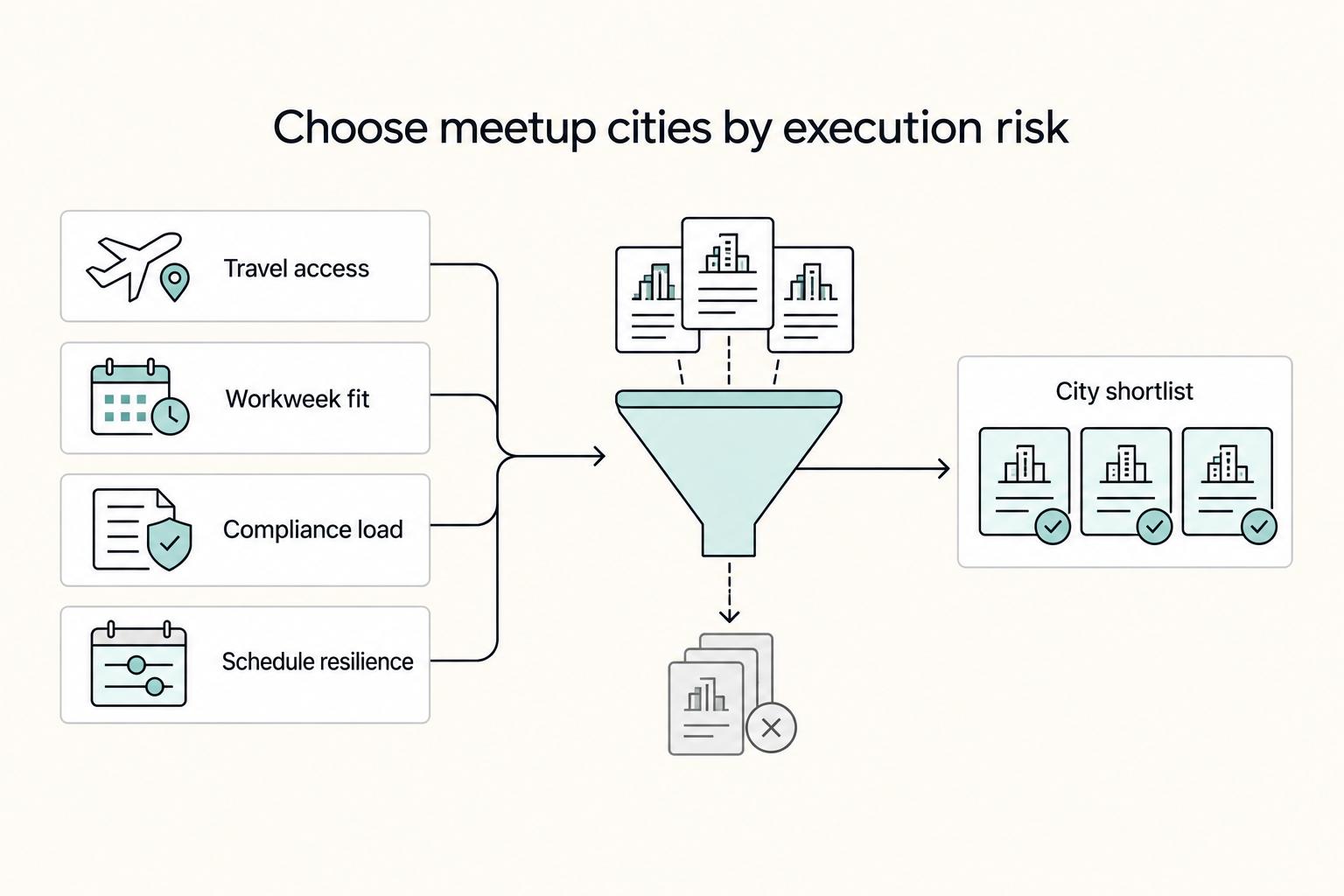
The Best Digital Nomad Cities for Remote Teams and Meetups
Pick the meetup city your team can actually execute, not the one that wins on social buzz. For a distributed team, a good destination is the one that still works once flights are booked, calendars tighten, and the work starts. That usually comes down to stable internet, a clear entry path, workable overlap hours, and day-to-day logistics that hold up under pressure.
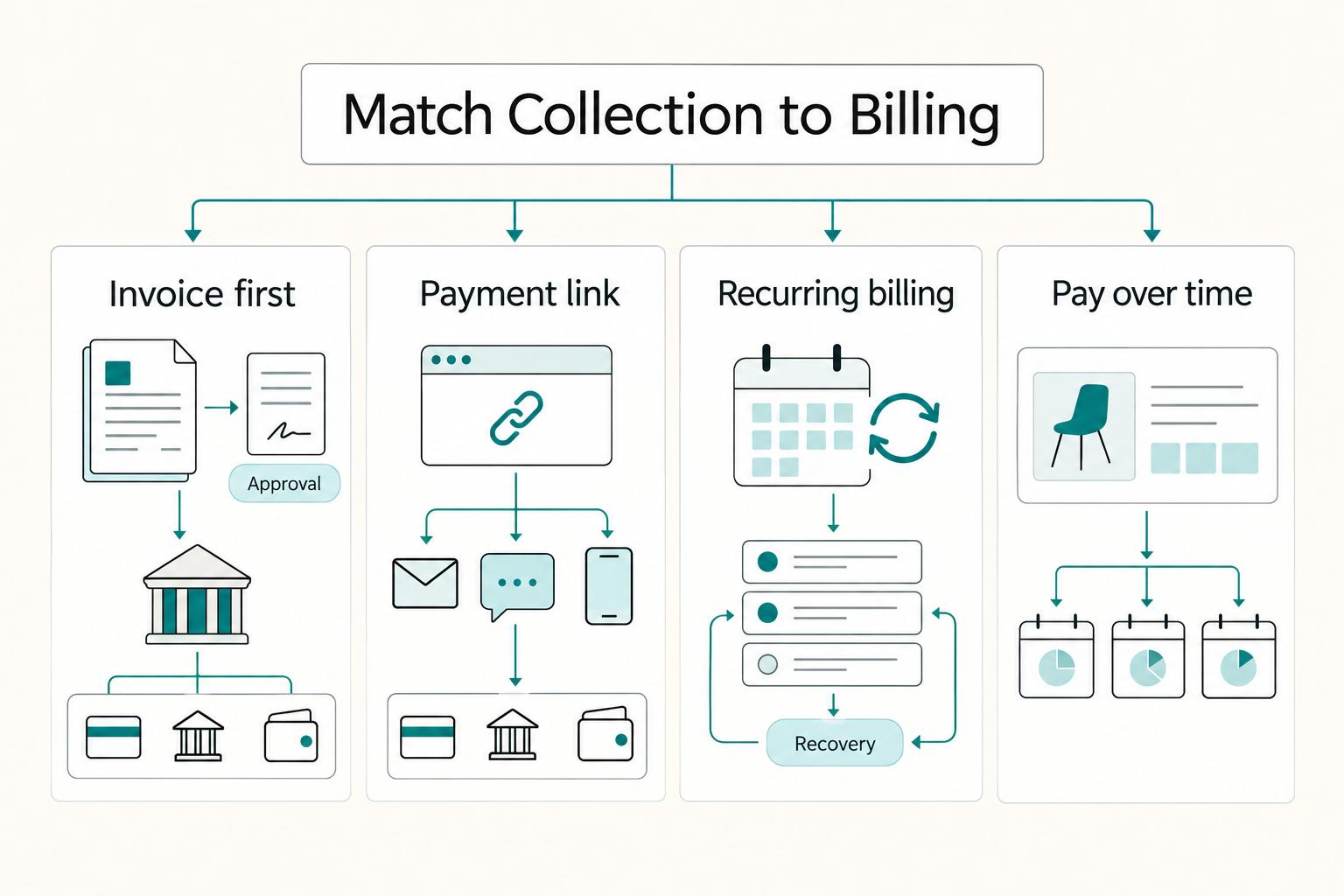
The Best Ways for Freelancers to Accept Payments on a Website
Choose the payment setup your team can run cleanly from request to paid, not the one with the longest feature page. Late payments and disputes usually come from fuzzy terms, unclear ownership, and weak follow-through, not just from tool choice.

The Freelance Payment Penalty: A Modeled Audit of Platform Fees, FX Spreads, and Payout Delays
The money rarely disappears through a single, easy-to-spot fee. The real loss is stacked. A marketplace takes its commission, a processor adds a charge for international cards, a bank or payment company converts the currency at a spread, a platform holds the funds before release, and a wire sheds a little to intermediaries on the way in. Each layer looks defensible on its own, but the worker feels the combined result as a smaller deposit and a later payday.