
Quick Answer
There isn’t a single “best” visa for high earners - pick the program that fits your income type, renewal horizon, and paperwork reality. Use the guide’s four-step filter, then shortlist options like the Spain Digital Nomad Visa, Portugal D7, Thailand LTR, Dubai’s Virtual Working Program, and routes in Bermuda, Cabo Verde, and Costa Rica. Build one evidence pack, verify requirements locally, and follow the three-phase timeline to reduce delays while targeting the best digital nomad visas for high earners.
Shortlist high-earner visa options with cleaner paperwork#
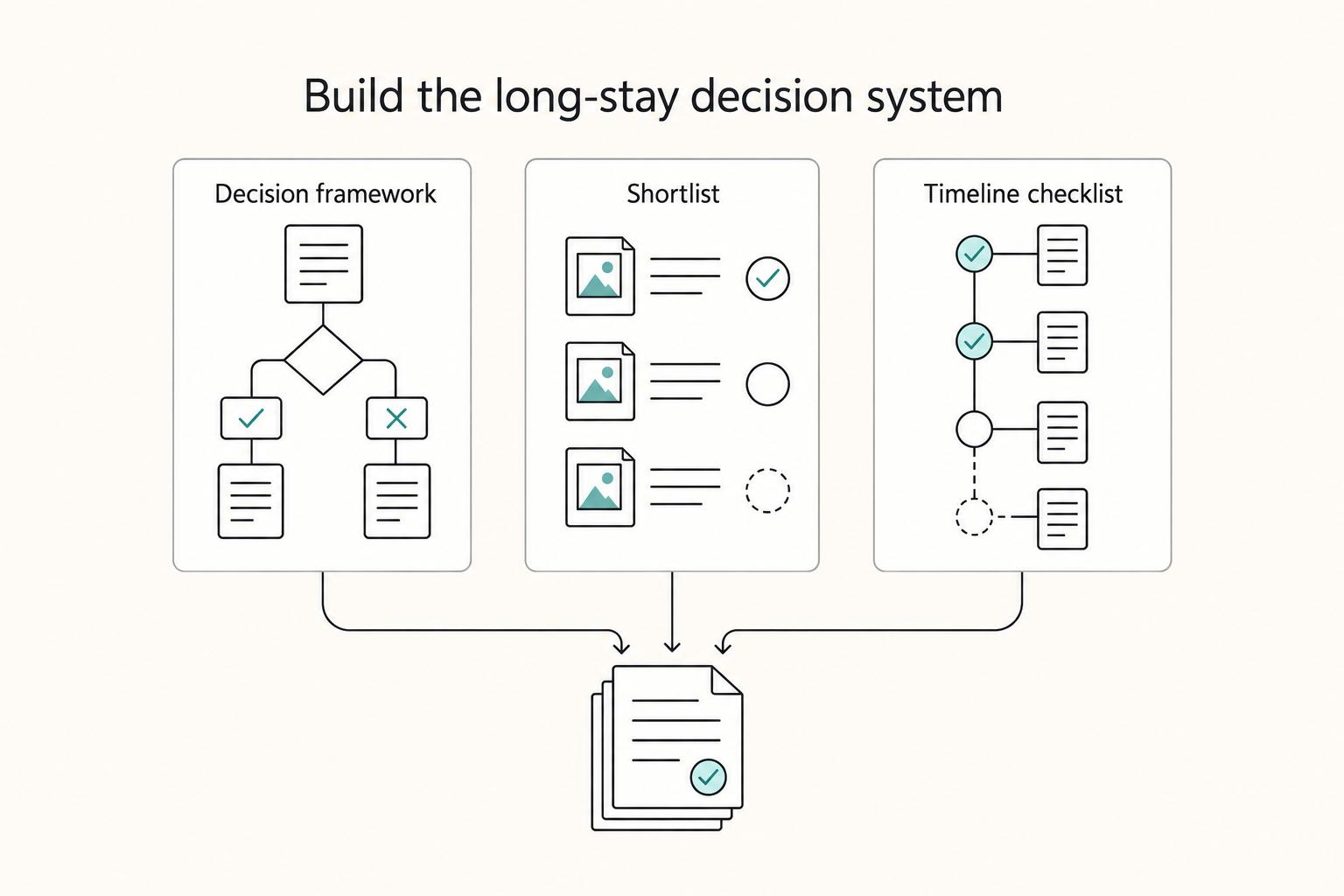
Use this 10-minute framework to shortlist high-earner digital nomad options with cleaner paperwork and fewer surprises. In one pass, you get an order of operations, a three-option shortlist to vet, and a simple timeline you can run without backtracking.
A digital nomad visa is a longer-term status that lets remote workers legally live and work from another country beyond a tourist stay. About 55 countries offer dedicated options as of 2026. Requirements differ by jurisdiction, so verify official guidance before you file.
Who this guide is for: remote professionals planning longer stays#
This guide is for remote professionals planning longer stays who want clean paperwork, predictable timelines, and low audit risk. It is not for short tourist hops or attempts to work on a tourist visa.
Many programs ask for proof of remote income, comprehensive health insurance, and a clean criminal record. A common avoidable mistake is mismatched names across contracts, bank statements, and IDs. Fix that early to avoid delays.
Throughout the guide you will see examples like the Spain Digital Nomad Visa. Treat them as illustrations, not one-size-fits-all answers, and confirm specifics locally before you commit.
| Component | What it gives you | Outcome |
|---|---|---|
| Decision framework | A safe order to evaluate options | A primary path you can justify |
| First pass shortlist | Three programs to pressure test | Focused research and faster yes or no |
| Timeline checklist | Pre filing, filing, and post arrival tasks | Fewer delays and less rework |
How to use this guide#
Start by marking your income pattern. If you earn remote income, flag Spain's program as a candidate to evaluate. If your income is largely passive, keep notes for the options discussed later.
Next, build a clean evidence pack once and keep it reusable. Include an employer or contractor letter showing foreign payers, recent bank statements, health insurance proof, identity documents, and a clean criminal record certificate. Then align names and dates across contracts, statements, and your passport. Keep addresses and contact details consistent too.
Finally, build a three-option shortlist from the comparison table in the next section. Add a "confirm locally" note beside any assumption and set a simple submission order. If notarizations or translations are required, reserve those appointment windows early and keep a pivot option ready if processing stalls.
For a wider view before you commit, scan The 2026 Global Digital Nomad Visa Index. Then return to your shortlist and execute.
Which high-earner priorities change the "best visa" for you?#
For high earners, the "best" option usually turns on tax posture, renewal stability, and documentation fit, not the sticker price. You already have a shortlist. Now pressure test it against the variables that actually change outcomes. Drop anything that fails two or more checks before you invest real time.
Use this as a scoring pass, not a final verdict. Start with the high-level map below, then confirm the details with official guidance where you plan to file.
| Priority | Why it matters | Example anchors (confirm locally) |
|---|---|---|
| Tax posture | Shapes residency exposure and filing work. Fees rarely offset poor posture. | Spain Digital Nomad Visa |
| Stability and renewals | Longer permitted stays reduce reapplications and switching costs. A 2026 index places Spain first and notes a path up to five years. | Spain Digital Nomad Visa |
| Documentation friction | Naming consistency and required translations drive speed. Small mismatches trigger back and forth. | Indonesia B211A or E33G |
| Lifestyle tiebreaker | Use only when the first three tie. Lifestyle should not override risk. | Spain, Malta, Portugal |
Quick checklist to pressure test an option#
- Write a one-line tax posture note for your case and mark unknowns to confirm locally.
- Confirm the initial term and renewal path. If Spain stays on your list, the 2026 index cites up to five years for its route.
- List translation or apostille steps and who owns them. Align names, dates, and addresses across all documents.
- Check operational fit. With a residency card, you can sign leases, open a bank account, and get a long-term phone plan more easily.
- Make a call on cost versus friction. In practice, chasing the lowest fee often adds delays and unplanned rework.
If Spain remains a candidate after this pass, review the process details here: Spain Digital Nomad Visa: Income Requirements and Application Process.
What's the safe-default decision framework for $100k+ earners?#
Use a four step filter that sorts by income type, verifies tax exposure, chooses the cleanest documentation path, then confirms renewal and exit options. You already pressure tested priorities. Now run a sequence that turns a broad shortlist into one defensible choice with fewer surprises.
This framework keeps you from picking by fees or hype. It pushes the decision toward what you can control: paperwork quality, clarity on tax exposure, and a renewal path you understand before you file.
Run this four step filter#
- Step 1. Income type triage. If your income is largely passive, keep options that accommodate passive income. If you operate as an active remote employee or contractor, compare remote-work routes side by side. Keep both lanes open until paperwork clarity, not assumptions, decides it.
- Step 2. Tax exposure screen. If community chatter suggests benefits, pause and label "verify tax residency and foreign source treatment" as a prerequisite. Do not proceed until you confirm how your case is treated by official guidance in the jurisdiction where you plan to file.
- Step 3. Documentation friction. Choose the path that matches your cleanest paper trail. When timelines are tight, prefer programs where forms and instructions align with your documents to reduce translation or apostille steps. Align names, dates, and payor details across contracts, letters, and statements to prevent back and forth.
- Step 4. Renewal and exit options. If you may need to pivot, favor jurisdictions where you can confirm extension or status-switch paths before filing. Consider comparing multiple jurisdictions for this reason. Avoid programs that make switching status or relocating mid-plan unclear.
| Step | Decision driver | Example anchors to compare (confirm locally) |
|---|---|---|
| 1 | Passive vs active income lane | Passive-income-friendly options; remote-work residency routes |
| 2 | Confirm tax residency and foreign source treatment | Verification with official guidance; local rules vary |
| 3 | Paperwork and translation load | Programs whose forms match your existing documents |
| 4 | Clear renewals and ability to pivot | Jurisdictions with published extension or switch pathways |
Operator aside: applicants who optimize for documentation fit usually move faster and answer fewer follow-ups than those chasing the lowest fee. If you already have clean contractor letters and bank statements that match one program's expectations, file that route first and keep a second option warm as contingency.
If active remote income is your lane and the UAE stays on your list, skim the logistics here: Dubai Virtual Working Program: What to Know Before You Apply.
Want a quick next step for "best digital nomad visas for high earners"? Try the digital nomad visa cheatsheet.
Quick comparison you can act on now#
If your move also involves EU B2C sales, sort that admin question early. Use this table to pick the EU VAT path you can confirm with official guidance before you file. Choose OSS for certain cross-border B2C supplies and use CBR when VAT treatment is unclear.
Treat each entry as a starting point, not a promise. Requirements vary by Member State, so confirm locally before you submit.
| Option | Who it is for | What it does | Where to apply | Notes (confirm locally) |
|---|---|---|---|---|
| One Stop Shop (OSS) | Online sellers and marketplaces making certain cross-border B2C supplies in the EU | Lets you register in one EU Member State to declare and pay VAT on certain cross-border B2C supplies, reducing red tape | One EU Member State | EU notes a reduction in red tape of up to 95%. Rules changed from 1 July 2021; verify current scope and eligibility. |
| VAT Cross Border Rulings (CBR) | Taxable persons with complex cross-border transactions | Provides an advance ruling on VAT treatment before you file | Participating EU country where you are registered for VAT | Introduce the request in the country where you are VAT-registered. Use when treatment is uncertain. |
How to use this table#
Pick the path that matches your situation and write one sentence on why it fits, based on the transactions you actually make.
Add two verification questions per path: eligibility criteria and the exact place to apply. Assign an owner and a deadline so "confirm locally" does not sit in limbo.
Build one evidence pack you can reuse for this admin layer too, including registrations, transaction records, and invoices. Align names, dates, and customer details across all files. If treatment remains unclear, schedule a CBR request in the participating country where you are registered.
Be aware rules changed from 1 July 2021 and confirm current guidance before filing.
The shortlist you'll actually vet, with best-for, trade-offs, and a concrete use case#
Pick one path by matching income type, paperwork fit, and renewal flexibility. Fees are a tiebreaker, not the strategy. For EU options, keep immigration and VAT separate: the One Stop Shop lets you register in one Member State for eligible cross-border B2C VAT and can reduce red tape by up to 95%. If your VAT treatment is complex, use the EU Cross-border Rulings mechanism to request advance guidance in a participating state where you're VAT-registered.
| Option | Key note | Use case |
|---|---|---|
| Portugal D7 Visa | Eligibility and documentation vary by case; verify official requirements and timelines. VAT administration is separate from immigration; if you sell B2C into the EU, consider OSS for centralized VAT filing. | A passive-income profile evaluating Portugal after confirming current rules. |
| Spain Digital Nomad Visa | Confirm program criteria locally for an EU-aligned base. OSS can simplify VAT administration and cut red tape by up to 95%. When VAT treatment is complex, Spain participates in the EU CBR project. | A software consultant serving EU and US clients from a Spanish base, with VAT handled via OSS where eligible. |
| Thailand Long-Term Resident (LTR) Visa | Program specifics and tax treatment depend on official guidance; verify before relying on any outcomes. EU VAT schemes like OSS apply to EU supplies only. | A tech lead coordinating regional work while operating from Thailand. |
| Dubai Virtual Working Program (United Arab Emirates) | Confirm program requirements and any residency interactions with official sources. EU VAT considerations are separate and only relevant if you make EU-taxable supplies. | A founder managing a distributed team from Dubai. |
| Work From Bermuda Certificate | Check the current paperwork and renewal options with official guidance. Immigration and taxation vary by case; verify before committing. | A product manager taking a one-year island stint while retaining foreign clients. |
| Cabo Verde Remote Work Visa | Confirm documentation specifics and any local registrations through official channels. EU VAT schemes like OSS are only relevant if you sell into the EU. | A designer testing an Atlantic base while serving EU clients. |
| Costa Rica Remote Worker Program | Verify insurance and income-proof requirements with the competent authority; tax posture varies by case. EU VAT applies only to EU supplies; treat immigration separately. | A consultant relocating operations to Costa Rica for a defined season. |
Portugal D7 maps to the passive-income profile in this guide, while Spain maps to the active remote consultant use case. The Thailand, Dubai, Bermuda, Cabo Verde, and Costa Rica options are more about operational fit, paperwork quality, and how long you want to stay. Use the table for your first pass, then confirm the official checklist for your two finalists.
Operator aside: when two EU options tie, check whether your sales need an OSS registration or a cross-border VAT ruling. Clearing admin friction often saves more time than chasing marginal fee differences. If Spain remains on your shortlist, scan the process details here: Spain Digital Nomad Visa: Income Requirements and Application Process.
What paperwork should you prepare before you even shortlist?#
Build one clean evidence pack first. It keeps you fast, reduces rework, and gives you optionality if you switch routes midstream. Programs vary by jurisdiction. The move here is to standardize what you can control, then adapt only what the local checklist truly requires.
Think in two layers. First, collect the core documents you will need almost anywhere. Second, apply the consistency rules that keep case officers from bouncing your file back for avoidable fixes.
Core documents to collect now#
| Document | Collect | Note |
|---|---|---|
| Identity documents | Valid passport and any national ID | Use the same name format across all files. |
| Proof of stable remote income | Recent payslips, invoices, or contract schedules | Show income earned from outside the host country. |
| Employer or contractor letter | Signed and dated letter stating your role and remote status | Include a reachable contact where requested. |
| Bank statements and cash flow | Consecutive monthly statements | Map deposits to invoices or payslips to demonstrate runway. |
| Comprehensive health insurance | Policy that covers care in your intended jurisdiction | Cover the period you will reside there. |
| Criminal record certificate | Recent background report | Provide it where requested by the jurisdiction. |
| Translations and legalization | Certified translations and apostille or notarization | Only where the program requires them. |
Consistency and runway that prevent delays#
Evidence consistency reduces refusals. Use one exact name, the same address, and aligned dates across contracts, letters, and statements. Inconsistent evidence is a frequent cause of rejection, so harmonize details before you export PDFs.
Proof of stable remote income works best when the path is obvious. Make it easy to follow the chain from contracts to invoices or payslips, then to deposits. A one-page index that pairs invoice dates with statement lines can speed review in structured processes. Do this only when requirements are confirmed locally.
Many programs last between six months and two years. Extended stays can make you a tax resident and trigger filings, so confirm local definitions and plan your reporting before you commit.
Operator aside: a common mistake is a polished employer letter with no direct contact or a missing signature. Ask for a dated, signed letter with a real email and phone on employer or client letterhead.
Packaging tip: compile one indexed PDF per application with clear file names (01_Passport, 02_Contract, 03_Statements). Keep originals and attach certified translations where required. This single pack lets you pivot between programs or jurisdictions without rebuilding from scratch.
Can you avoid costly delays with a simple timeline?#
Yes. Use a three phase timeline that front loads prep, sequences submissions, and plans post-arrival admin early. If you already have, or are building, a consistent evidence pack, the timeline protects momentum and keeps a pivot option realistic.
Your three phase timeline#
Pre-application prep: gather certified translations and any legalization if required, refresh background checks, confirm health insurance details, and validate employer or contractor letters. This is the work that often stays reusable across jurisdictions with minimal edits, depending on requirements.
Application window: submit a complete, consistent pack that matches names and dates across forms, contracts, and statements. Track acknowledgements and follow-ups. Most slowdowns come from mismatches you could have caught in your own PDF before anyone else saw it.
Post arrival setup: complete any local registrations required by your chosen jurisdiction, secure address proofs where needed, and put renewal artifacts on your calendar. If a program allows a long stay, you want check-ins scheduled before renewal, not after.
Contingency pivot: set a decision point to move to an alternate program if the first route stalls. This only works if your indexed PDF pack is kept current.
| Phase | What to prepare | Why it matters | Useful fact |
|---|---|---|---|
| Pre-application | Translations or legalization if required, background certificate, insurance, employer or contractor letter | Makes your pack jurisdiction ready and reusable | Two legal pathways exist: official digital nomad visas and other long stay options |
| Application | Completed forms, consistent names and dates, cross references from invoices to deposits | Consistency reduces refusals and clarifies income provenance | More than 50 countries offer dedicated remote work residence visas |
| Post arrival | Local registrations where required, address proofs, renewal calendar and document refresh plan | Prevents status gaps and last minute scrambles | Many programs last months to years |
Operator aside: protect your calendar first. If you do nothing else, set two reminders on day one of the application window and at the midpoint of your permitted stay. That one habit prevents most scramble scenarios.
If you need a quick sense of alternates while you schedule, scan the comparison here: The 2026 Global Digital Nomad Visa Index: 50+ Countries Compared.
How do you set up your money flows to be audit-ready from day one?#
Make your money legible. If a reviewer cannot follow the story from contract to invoice to deposit, you are volunteering for delays. You already have a timeline. Now set up your records so you can prove remote income quickly, whether you file locally or abroad.
| Area | Action | Why |
|---|---|---|
| Invoice and collection trail | Issue invoices that match contract names, roles, and dates. Store the paid invoice next to the bank line that shows the deposit. | Lets a reviewer follow the story from contract to invoice to deposit. |
| Proof of income continuity | Keep consecutive monthly statements and a simple ledger tying client payors to deposits. | Shows stable foreign income and travels well if you pivot between jurisdictions or visa routes. |
| FX and holdings hygiene | Reduce unnecessary hops between currencies where practical. | Less reconciliation noise makes the income story easier to review. |
| Identity and payout alignment | Use the same full name and address across invoices, contracts, bank accounts, and IDs. | Most follow-ups are just mismatched identifiers. |
| Pre-move financial plan | Partner with a cross-border specialist advisor and audit your asset base across cash, real estate, equities, and alternatives. | Helps you pick the right accounts to receive client payments, plan currency needs, and set documentation habits. |
| Compliance reality | Keep your ledger and exports versioned, searchable, and ready to hand to a reviewer in minutes. | Fits stricter compliance checks. |
Invoice and collection trail: issue invoices that match contract names, roles, and dates. Store the paid invoice next to the bank line that shows the deposit. If you want one high-leverage move, create a one-page index that maps invoice numbers to statement entries.
Proof of income continuity: keep consecutive monthly statements and a simple ledger tying client payors to deposits. This shows stable foreign income without long explanations, and it travels well if you pivot between jurisdictions or visa routes.
FX and holdings hygiene: where practical, reduce unnecessary hops between currencies so your statements stay clean. Fewer conversions usually mean less reconciliation noise, which makes the income story easier to review.
Identity and payout alignment: use the same full name and address across invoices, contracts, bank accounts, and IDs. Most "mystery" follow-ups are just mismatched identifiers.
Pre-move financial plan: before you relocate, partner with a cross-border specialist advisor and audit your asset base across cash, real estate, equities, and alternatives. This helps you pick the right accounts to receive client payments, plan currency needs, and set documentation habits that fit long-term residency goals without constant rework.
Compliance reality: remote-work pathways have expanded alongside stricter compliance checks. Treat your ledger and exports like a product. Keep them versioned, searchable, and ready to hand to a reviewer in minutes.
Operator aside: use one "source of truth" folder with monthly bundles (Invoices, Bank, Ledger, Insurance). When you add a new client or change bases, update the index file first. That small ritual prevents most back-and-forth and keeps renewals moving.
What's the lowest-risk next step you can take today?#
Take a short, reversible set of actions that narrows options, confirms fit, and starts prep without locking you in. You already have the framework and the timeline. Now turn it into a week of execution.
Start by building your three-option shortlist. Focus on countries that offer a Digital Nomad Visa, for example Portugal, Italy, and Spain. Write one sentence on why each fits your income type and paperwork reality, then keep the list visible.
Next, run the framework and be strict about it. Score each path on three filters: tax posture, process friction, and renewal stability. Confirm tax posture locally before you rely on it. Drop any option that fails two or more criteria. If two remain close, favor the one your documents already satisfy to reduce rework.
Then execute the timeline with small, concrete moves. Start translations or notarizations where needed, refresh background checks, and confirm health coverage details. Pre-book a submission window and set a pivot date. If the first route stalls, move your complete evidence pack to your alternate without rewriting from scratch.
Finally, do a light-touch confirmation before you spend money. Speak with a trusted immigration professional to validate jurisdiction specifics before you pay any fees. Align your invoicing and bank exports to the file names in your pack so review is quick when you submit.
Operator aside: when two options look equal, choose the process that matches your cleanest paper trail. The fastest path is usually the one that needs the fewest edits to your contracts, statements, and insurance proof.
If Spain stays on your list, scan the step-by-step overview here: Spain Digital Nomad Visa: Income Requirements and Application Process. Keep iterating your pack as you learn.
Frequently Asked Questions
Which visas suit passive-income earners?
Match your income type to the eligibility language. If you live on investments or rentals, prioritize routes that assess overall solvency instead of employer ties. Verify accepted income sources on the official program page before you shortlist.
How many countries offer digital nomad visas in 2026?
Counts differ by tracker and update date. Some lists show 73 countries in 2025, while others report over 40 in 2026. For a quick scan, start with the Global Digital Nomad Visa Index.
Is Thailand’s LTR visa tax-friendly for foreign income?
Do not assume any tax outcome. Tax rules and residency depend on the country and your facts. Confirm treatment of foreign income with official guidance before you rely on community claims.
Are budget visas best for high earners?
Usually not. For six figure operators, stability, renewal clarity, and process fit often beat small fee differences. Choose the track that matches your cleanest paperwork and your intended length of stay.
What documents do I need for a high-earner application?
Requirements vary by jurisdiction. Build one clean evidence pack and then match it to the official checklist for the route you choose.
How do renewals and long stays work if my income changes?
Track renewal dates early and keep records current. If income dips, document client pipeline, savings, or other support as permitted by the program. Check whether thresholds or categories change before you renew and plan a pivot if needed.
Can I switch jurisdictions without restarting the entire process?
Often yes, if you maintain a single indexed evidence pack with consistent names and dates. Reuse certified translations where valid and re-label files to the new country checklist. The goal is to change only what the new route requires, not rebuild the whole file.
Try a related tool
Researched and edited by the Gruv editorial team. Gruv builds cross-border billing, payouts, and finance-operations software for global businesses.
Sources
Includes 1 external source outside the trusted-domain allowlist.
Educational content only. Not legal, tax, or financial advice.
Related Posts

The 2026 Global Digital Nomad Visa Index for 50+ Countries
Start with legal fit, not lifestyle filters. The practical order is simple: choose a route you can actually document, then decide where you want to live. That single change cuts a lot of wasted comparison work and stops you from falling in love with places that were never a real filing option.

Spain Digital Nomad Visa Guide: Requirements, Application & 2026 Updates
Stop collecting more PDFs. The lower-risk move is to lock your route, keep one control sheet, validate each evidence lane in order, and finish with a strict consistency check. If you cannot explain your file on one page, the pack is still too loose.
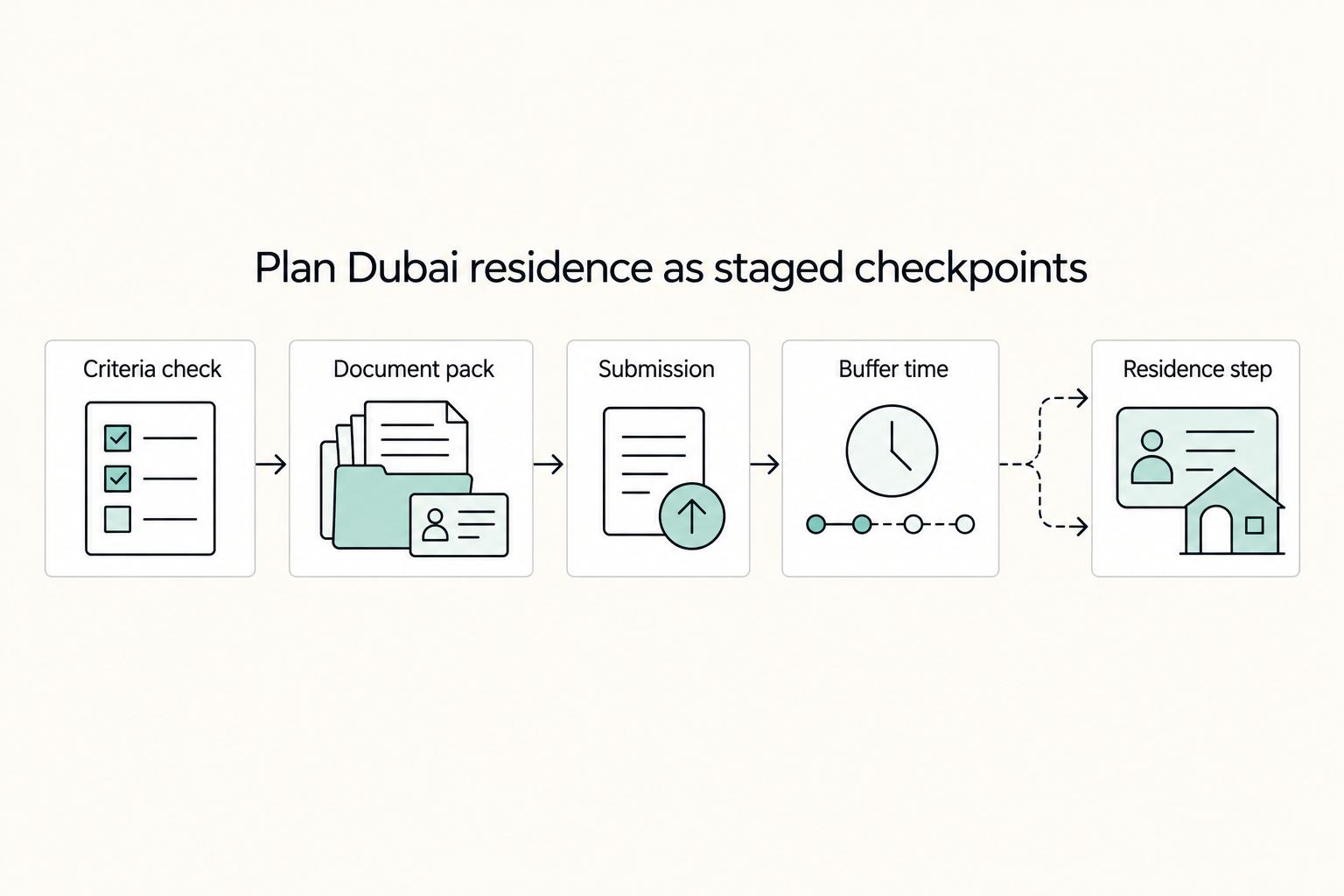
Dubai Virtual Working Program for Nomads Who Need Certainty
Treat this as an execution guide, not a travel blog. Start by separating what is clearly stated from what still needs official confirmation before you pay, travel, or commit to housing dates.