
Quick Answer
Start by defining your constraints, then use rankings only as reference points. For best tents for backpacking, this article recommends narrowing to 2-3 finalists, comparing tradeoffs in a table, and pressure-testing the exact model-year specs before purchase. Big Agnes Copper Spur UL2 is presented as a strong balance benchmark, while options like REI Half Dome, MSR Hubba Hubba 2, and Zpacks models are better judged by your priorities on weight, livability, weather use, and setup complexity.
Start Here If You Need a Backpacking Tent You Can Trust#
If you need a tent you can trust on a multi-day trip, do not start with rankings. Start with your constraints, sort tents by class, then pressure-test a shortlist of 2 to 3 models before you buy. That order keeps you from ending up with a tent that looks great in reviews but does not fit how you actually travel.
| Decision point | What to note first |
|---|---|
| Capacity | Likely number of sleepers |
| Seasonality | Expected weather |
| Weight | Ounces carried versus dollars spent |
| Livability | How usable the shelter feels once you are inside |
- Start with your hard limits
Write down four decision points first: capacity, seasonality, weight, and livability. REI frames backpacking-tent selection as a sequence of decision points, and those four are the core tradeoffs: likely number of sleepers, expected weather, ounces carried versus dollars spent, and how usable the shelter feels once you are inside. That keeps you from chasing a popular tent that fails your actual trip pattern. If two people will sleep in it for a week, "2 person" is not enough information on its own. You also need to decide whether you care more about interior comfort and setup ease or about carrying less.
- Use rankings as anchors, not answers
Good reviews help you get oriented. They should not make the decision for you. OutdoorGearLab's review updated February 2, 2026 says it compared 20 contenders, and it calls the Big Agnes Copper Spur UL2 its favorite two-person backpacking tent. That is useful because it gives you a credible benchmark, not because it settles the question for every buyer. Use a known model as a reference point. If a tent interests you, ask, "What am I getting instead of a Copper Spur UL2, and what am I giving up?" That one comparison usually shows whether you are trading for lower cost, more space, or lower carried weight.
- Know whether this guide fits your kind of trip
This guide is for people planning multi-day backpacking use who want clear checkpoints instead of endless gear theory. It is aimed at typical backpacking decisions, not every shelter scenario. If your use case sits outside typical backpacking conditions, skip generic roundup pages and look for gear tested in your exact conditions. A tent that works well in a general backpacking roundup is not automatically the right call for every trip.
- Pressure-test the shortlist before you spend
Once you have 2 to 3 finalists, make a quick evidence sheet for each one: capacity, seasonality, shelter type, material family, biggest drawback, and one realistic trip where you would trust it. Then verify the current retailer spec page and current model-year details, because snippets and old reviews often blur revisions. This is where most regret starts or stops. A common failure mode is buying the lightest option, then realizing the pitch is fussier than you want or the livability is worse than expected. If you cannot state the main tradeoff in one sentence, the tent is not shortlisted yet. You might also find this useful: How to Plan a Multi-Day Hiking Trip.
Pick Your Non Negotiables Before You Look at Models#
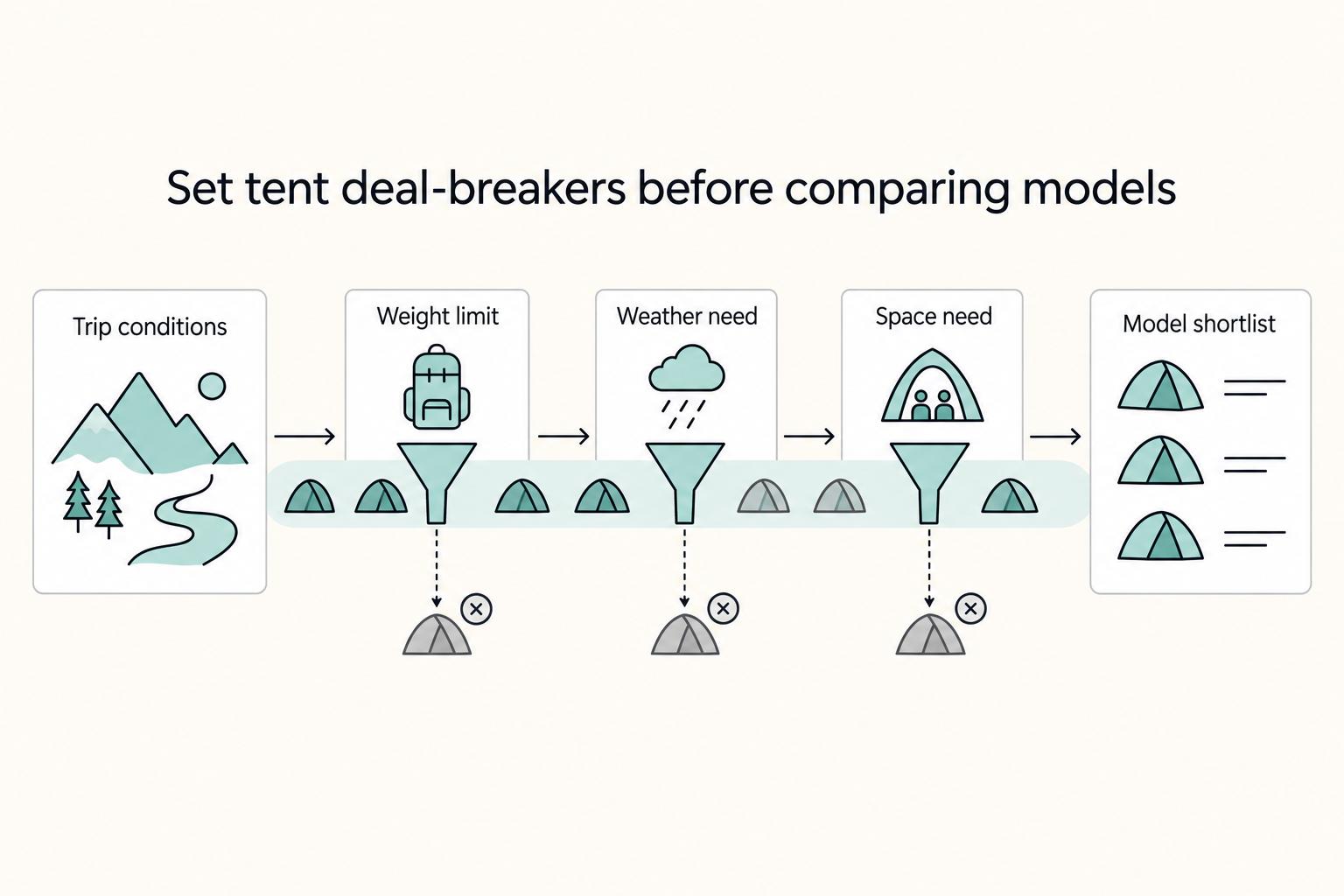
Set your deal-breakers before you compare models. If a tent fails the limits you wrote down, it is out, even if it is popular in rankings or forums.
- Set your hard limits on one note
Write down your sleeper count, max spend, expected weather exposure, and how much setup complexity you are willing to handle. REI's roundup (updated August 11, 2025) cites feedback from more than 30 member-testers over the past two years, including rainstorms, stake-down fails, and windy evenings. That keeps your shortlist tied to real trail conditions, not review hype.
- Choose a shelter class before you choose a model
Start by sorting options into single-wall vs double-wall instead of jumping straight to brand comparisons. Backwoods Pursuit explicitly recommends comparing shelter construction this way early. This class-first sort helps you compare like-for-like instead of mixing tents built for different priorities.
- Compare materials in the first pass, not at the end
Review shelter materials alongside wall construction when you build your first shortlist. This keeps your evaluation criteria consistent across models. It also helps you avoid late-stage surprises that force you to restart the comparison.
- Build a reject list before you open forums
Write 3 to 5 automatic "no" reasons, for example: too expensive, too cramped, too fussy in wind, and keep that list next to your shortlist. Use it to remove options quickly as you read reviews and forum threads. A reject list keeps you from drifting toward popular picks that do not fit your real constraints. For a related gear decision, see The Best GPS Watches for Hiking and Trail Running.
Use This Comparison Table to Build a Shortlist Fast#
Use this table to narrow the field fast: no single tent design is best for every trip, so treat each row as a screening prompt, not a winner.
| Model | Best for | Shelter type | Material family | Known tradeoff | Deal-breaker check |
|---|---|---|---|---|---|
| Big Agnes Copper Spur UL2 | A balanced benchmark in your shortlist | Verify current model page | Verify current model page | Middle-lane options can feel neither cheapest nor lightest | If you only want the lowest price or the lightest carry, cut |
| MSR Hubba Hubba 2 | A mainstream baseline for comparison | Verify current model page | Verify current model page | Brand familiarity can hide a mismatch with your budget or priorities | If your budget cap is strict, cut early |
| REI Co-Op Half Dome 2 | Comfort-first comparison in your shortlist | Verify current model page | Verify current model page | More comfort can conflict with weight goals | If pack weight is your top filter, cut |
| REI Half Dome SL2 | A lighter-leaning comfort comparison | Verify current model page | Verify current model page | "Lighter" versions can still miss your space expectations | If interior space is non-negotiable, cut unless confirmed |
| The North Face Stormbreak 2 | Value-first comparison point | Verify current model page | Verify current model page | Value-focused picks may not fit aggressive weight goals | If bulk and carried weight are primary concerns, cut |
| Nemo Aurora 2 | Livability-first comparison point | Verify current model page | Verify current model page | Livability priorities can raise carried-weight tradeoffs | If shelter weight must do most of the weight-saving work, cut |
| Zpacks Plexamid | Weight-first comparison point | Verify current model page | Verify current model page | Weight-first setups can require more tradeoff tolerance | If you want maximum forgiveness and low fuss, cut |
After you label each row keep, maybe, or cut, stop and verify every keep on the current product page, shelter type and material family first. Then cut to 2-3 finalists before reading deep dives. If you cannot do that yet, your deal-breakers are still too soft.
Best Overall Balance for Most People#
If you want one tent for mixed three-season trips, the Big Agnes Copper Spur UL2 is a strong balanced pick. It is not the lightest option and not the budget lane, but it is a practical choice when you want lower carried weight without giving up livable space.
This is how major reviews frame the decision: the best backpacking tents are tradeoffs across weight, cost, durability, livable space, ease of pitch, and stability. In that context, the Copper Spur UL2 sits in the middle better than shelters built mainly to win on minimum weight.
Independent testing also supports keeping it high on your shortlist. In a review updated February 2, 2026, OutdoorGearLab called the Copper Spur UL2 its favorite two-person backpacking tent after comparing 20 contenders, and described it as lightweight and spacious with large vestibules. That livability matters on real trips when you are storing gear, changing clothes, or waiting out weather.
Use-case fit: weekend to weeklong trips where comfort and day-to-day usability matter almost as much as ounces. Tradeoff: you will usually give up some weight savings versus DCF-first ultralight options in the Zpacks lane.
Before you move from "keep" to "buy," verify the current product page for the current model year. Confirm shelter type, material family, and the space and storage features you care about, because familiar model names can keep changing specs.
If you want one dependable three-season tent instead of an ultralight-only setup, keep the Copper Spur UL2 on your final shortlist. Related: The Best Travel Backpacks for Digital Nomads.
Best Value and Comfort Picks When Space Matters More Than Lowest Weight#
If you care more about livability and a simpler ownership experience than absolute minimum pack weight, start here. This is especially practical for a first setup or partner trips where you can split tent weight.
| Model | Best fit here | Caution |
|---|---|---|
| REI Co-Op Half Dome 2 | A roomier feel when you are fine carrying more than a weight-first shelter | Verify the current Half Dome 2 model year and specs before buying |
| The North Face Stormbreak 2 | Straightforward, value-minded ownership rather than chasing an aggressive weight target | Be clear whether your use case is backpacking, car camping, or something in between |
| Nemo Aurora 2 | Camp comfort matters more than building the lightest kit in your group | Lower pack weight usually comes with tighter comfort margins |
That tradeoff shows up in major reviews too. OutdoorGearLab's backpacking review (updated February 2, 2026) compared the top 20 contenders and called out the hefty REI Co-Op Half Dome 3 as a roomier direction. The point is not that one model is universally best, but that space and comfort are valid backpacking priorities.
- REI Co-Op Half Dome 2: Keep this on your shortlist if you want a roomier feel and are fine carrying more than a weight-first shelter. The grounded signal is family-level, Half Dome 3 as the roomier callout, so verify the current Half Dome 2 model year and specs before buying.
- The North Face Stormbreak 2: Consider this when your goal is straightforward, value-minded ownership rather than chasing an aggressive weight target. Use-case discipline matters here: are you backpacking, car camping, or something in between?
- Nemo Aurora 2: Keep this in play when camp comfort matters more to you than building the lightest kit in your group. The tradeoff mirrors the broader ultralight framing: lower pack weight usually comes with tighter comfort margins.
My recommendation: pick from this group when durability, price control, and less fiddly setup matter more than cutting every gram. Before buying, check the retailer page and brand page together to confirm the current model year, packed weight, and setup style. If you want a deeper dive, read Value-Based Pricing: A Freelancer's Guide.
Best Ultralight Picks When Pack Weight Is the Top Priority#
If lowest carried weight is your top priority, choose an ultralight shelter only if you also accept the tradeoffs that come with it. If you already know condensation management is a deal-breaker, a lighter double-wall option like the Big Agnes Copper Spur UL2 is usually the better fit for you.
| Model | Role here | Caveat |
|---|---|---|
| Zpacks Plexamid | Most weight-first bucket; an ultralight single-wall direction to verify | Treat it as a direction to verify before you buy |
| Zpacks Duplex Lite Tent | Clearest supported ultralight reference point here; iRunFar says its team loved it | Still not a universal best-for-everyone pick |
| Big Agnes Copper Spur UL2 | Strong off-ramp if you want low weight without going all the way into strict single-wall tradeoffs | OutdoorGearLab calls it a favorite two-person backpacking tent and describes it as lightweight and spacious |
There is no single winner in this category. iRunFar's ultralight roundup (January 25, 2026) says no single shelter was top-ranked by every tester, and that nine shelters stood out for being light, stormworthy, versatile, and durable enough. So the real decision is which tradeoff you will still accept after multiple trips.
- Zpacks Plexamid: Keep this in the most weight-first bucket, but treat it as an ultralight single-wall direction to verify before committing. Check the current product specs directly before you buy.
- Zpacks Duplex Lite Tent: This is the clearest supported ultralight reference point here, since iRunFar explicitly says its team loved it. It is still not a universal best-for-everyone pick.
- Big Agnes Copper Spur UL2: Strong off-ramp if you want low weight without going all the way into strict single-wall tradeoffs. OutdoorGearLab calls it a favorite two-person backpacking tent and describes it as lightweight and spacious.
Single-wall performance has improved, but it is not a free pass. iRunFar says single-wall tents are now nearly as good as double-wall tents for preventing condensation. "Nearly" is the key word.
Material checkpoint#
If DCF is not right for your budget, sil-nylon and sil-polyester can be a practical middle lane. You may give up some weight savings, but you can widen your options and still stay in an ultralight-minded setup.
GearJunkie's testing lens is a good sanity check: it weighs material choice, interior space, footprint size, and total weight, not weight alone. Use that same order in your own comparison, then choose the lightest shelter you will still enjoy using. For a step-by-step walkthrough, see The Best Sleeping Bags for Backpacking.
How to Break Ties Between Copper Spur Hubba Hubba and Half Dome#
If your shortlist is still the Big Agnes Copper Spur HV 2, MSR Hubba Hubba 2, and REI Half Dome SL2, use a simple matrix and cut the tent that performs worst on your top two constraints. Focus on the criteria that change real trip outcomes: weight, cost, durability, livable space, ease of pitch, and stability.
The Trek uses that same balance after comparing basic specs for almost 90 one- and two-person tents in the U.S. market, so this is a practical way to break a tie without overthinking small feature differences.
| Criterion | What to verify on the current product page | Why it changes real outcomes |
|---|---|---|
| Carried weight | Current listed packed or trail weight, plus what is included | Small paper differences matter only if your mileage and trip style make them matter |
| Livable space | Floor dimensions, peak height, vestibules, door access | Determines whether two people can function comfortably for multiple nights |
| Wet-weather behavior | Fly coverage, venting, pitch sequence, stake-out needs | Rain quickly exposes setup friction and ventilation limits |
| Durability and stability | Pole structure, tension points, reinforced wear areas, repair cues | Affects how the tent holds up over repeated trips |
| Total buy-in | Current retail price plus any required extras | Base price alone can hide the real cost of your setup |
Scenario calls#
- Frequent wet-weather trips
Pick the model whose current listing makes weather setup and ventilation easiest to confirm. REI says its tent guide draws on testing from more than 30 member-testers over the past two years, which is a good reminder to prioritize repeatable field behavior over tiny feature differences.
- Shared two-person use
Prioritize livability before gram-level differences. OutdoorGearLab says it has purchased over 100 tents since 2012, and long-run testing consistently reinforces the same point: cramped space creates daily friction. If two adults will share the tent often, cut the model that loses your two most important space checks.
- Budget-capped first serious purchase
Compare total buy-in, not sticker price alone. OutdoorGearLab's roundup, updated February 2, 2026, says it compared 20 contenders, but broad rankings still do not replace your own budget and comfort tradeoff. If a tent only wins by a small spec edge but breaks your budget or comfort ceiling, eliminate it.
Final verification before you click buy#
Before checkout, open the exact current product pages for the Copper Spur HV 2, Hubba Hubba 2, and Half Dome SL2 side by side. Confirm the full model name, model year, included parts, listed weight, listed dimensions, and that you are not comparing the wrong variant.
That final check matters because search snippets and roundup summaries are incomplete, and similar model names are easy to mix up. For adjacent planning, see The Best Water Filters and Purifiers for Backpacking.
Mistakes That Cause Tent Regret After the First Trip#
Most first-trip regret comes from a category mismatch, not from buying a universally "bad" tent. Use rankings as a starting point, then pressure-test fit against how you actually camp.
- Buying the ranking, not your use case
Roundups help you shortlist, but they cannot choose for your trip pattern. Generic or outdated advice can push you into the wrong pick, especially when you copy recommendations without matching your own conditions. Confirm the shelter category first: freestanding, semi-freestanding, or trekking-pole.
- Assuming ultralight is automatically better
Lighter is not always better if the setup style or livability tradeoffs frustrate you in real conditions. A single-wall option can work well, but only if its day-to-day demands fit how you camp. Check whether you would still be comfortable pitching and managing that tent in cold, wet, low-light conditions.
- Treating material names as the decision
Material labels alone do not tell you whether a tent fits your trips. They only make sense when considered with shelter type and pitch style. Verify the exact model details, included parts, and setup notes on the current product page before you buy.
- Skipping a simple pre-buy note
Before checkout, write three lines for each finalist: best for, known drawback, and one realistic trip you will actually use it on. That quick exercise usually exposes the mismatch early. If you cannot state the drawback clearly, keep comparing. We covered this in detail in The Best Sleeping Pads for Backpacking.
Choose the Tent Class First Then the Model#
Choose your class first, then your model. If your shortlist is still close, lock your constraints, pick the tent class that fits them, and only then compare model names.
- Lock the constraints that decide the shelter
Start with REI's decision points: capacity, seasonality, weight, livability, setup, and materials. Capacity is the likely number of sleepers, and seasonality is tent construction relative to expected weather. Set your budget ceiling and your tolerance for setup complexity early, since tent choice has a big effect on both budget and pack weight.
- Pick the class before the brand showdown
Decide the tradeoff first: more comfort in rough weather, or less weight to carry. OutdoorGearLab frames that as the core fork in the road, and it is the decision to make before ranking one model against another.
- Pressure-test the exact model-year details
Before buying, verify the live product page for what is actually included. The Trek notes that specs are only a starting point, and published "trail weight" is not always apples-to-apples when included accessories differ, for example stakes, extra guyline, or a footprint.
Confidence checkpoint: if you can state one clear "best for" reason and one clear "biggest downside" for your top pick, you are ready to buy. Next step: run a final model-page check, then do one local test pitch with the exact stake setup you plan to carry before your first trip. Need the full breakdown? Read The Best Backpacking Stoves. If you want help sorting the options, Talk to Gruv.
Frequently Asked Questions
What is the best backpacking tent for most people right now?
For many buyers, the Big Agnes Copper Spur UL2 is a reasonable place to start. The reason is not that it fits everyone. It is that OutdoorGearLab's backpacking tent review updated February 2, 2026 calls it its favorite two-person backpacking tent. Before buying, confirm that the current model page still matches the shelter type and setup style you actually want.
How light should a backpacking tent be for one person versus two people?
Do not assume there is a universal target weight. Start with capacity, which REI defines as the "likely number of sleepers," then judge weight alongside budget, expected weather, and how the load will be split. The common failure mode is chasing the lowest listed number, then ending up with less livable space or a fussier pitch.
Is a single-wall tent or double-wall tent better for three-season trips?
Do not assume there is a universal winner between single-wall and double-wall for three-season trips. Use seasonality (construction relative to expected weather) and livability (space, access, setup ease) as your filter. Then verify setup and ventilation details on live product pages rather than relying on spec tables alone.
Is Dyneema Composite Fabric worth the extra money?
There is a clear reviewer preference for DCF in solo ultralight use, but not a universal recommendation. Whether it is worth the extra cost depends on your weight goals, budget, and priorities.
How should I choose between Big Agnes Copper Spur, MSR Hubba Hubba, and REI Half Dome options?
Use your top two constraints and cut hard. If balanced low weight plus livability matter most, starting with the Copper Spur is reasonable given current category rankings. If your shortlist still includes the MSR Hubba Hubba 2 and a REI Half Dome variant, compare the current model-year pages for dimensions, access, and what is included in the box. Specs alone are not enough, and The Trek's Jan 16, 2026 roundup makes that point directly.
What matters more in real use: weight, interior space, or weather protection?
What matters most is the balance between them. REI says tent choice has a big effect on both your budget and pack weight, and The Trek says good picks balance weight, cost, durability, livable space, ease of pitch, and stability. A practical takeaway is to avoid sacrificing too much livability for a small paper weight savings.
What are the most common mistakes people make when buying a backpacking tent?
Common pitfalls include treating rankings or fabric names as shortcuts and relying on specs alone. A practical fix is to keep a three-line note for each finalist: best for, known drawback, and one real trip you would use it on. If you cannot state all three after checking the current product page, you likely need one more pass before buying.
Try a related tool
Researched and edited by the Gruv editorial team. Gruv builds cross-border billing, payouts, and finance-operations software for global businesses.
Sources
Includes 8 external sources outside the trusted-domain allowlist.
- adventurealan.com/best-backpacking-tentexternal
- backwoodspursuit.com/best-backpacking-tents-for-huntingexternal
- cascadedesigns.com/blogs/msr-gear-guides/how-to-choose-best-bac...external
- cleverhiker.com/backpacking/best-tents-backpackingexternal
- cleverhiker.com/backpacking/best-ultralight-tarps-and-tentsexternal
- gearjunkie.com/camping/best-ultralight-tentexternal
- irunfar.com/best-ultralight-tents-for-fastpackingexternal
- myopencountry.com/best-backpacking-tentexternal
Educational content only. Not legal, tax, or financial advice.
Related Posts
Value-Based Pricing for Freelancers Under Real Payment Risk
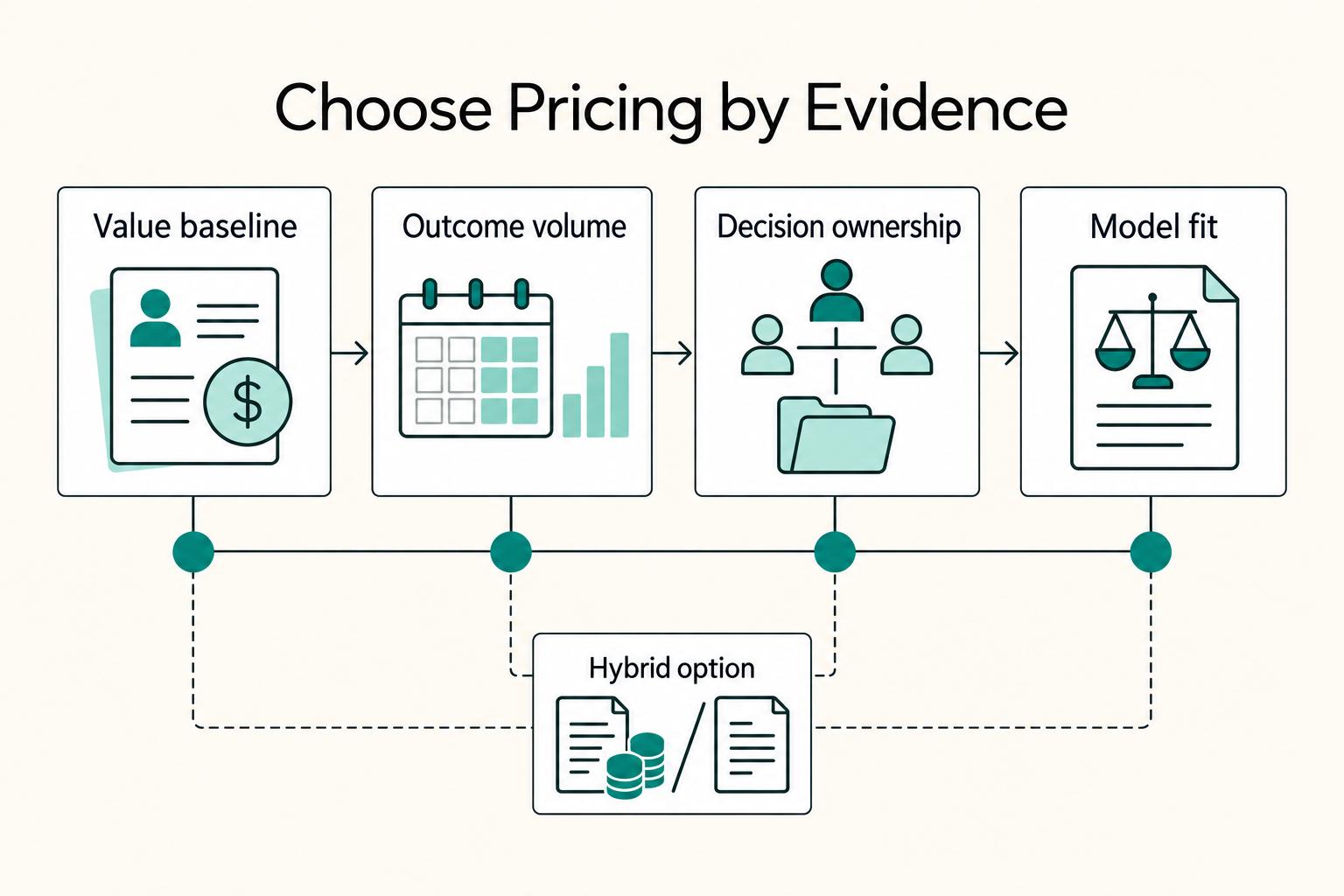
Value-based pricing works when you and the client can name the business result before kickoff and agree on how progress will be judged. If that link is weak, use a tighter model first. This is not about defending one pricing philosophy over another. It is about avoiding surprises by keeping pricing, scope, delivery, and payment aligned from day one.

The Best Travel Backpacks for Digital Nomads
Start by ruling out bad fits, not by chasing a universal winner. If a bag does not match how you move, how you work, or what you can comfortably carry, drop it early. That matters far more than one extra pocket or a slick product page.
How to Plan a Multi-Day Hiking Trip
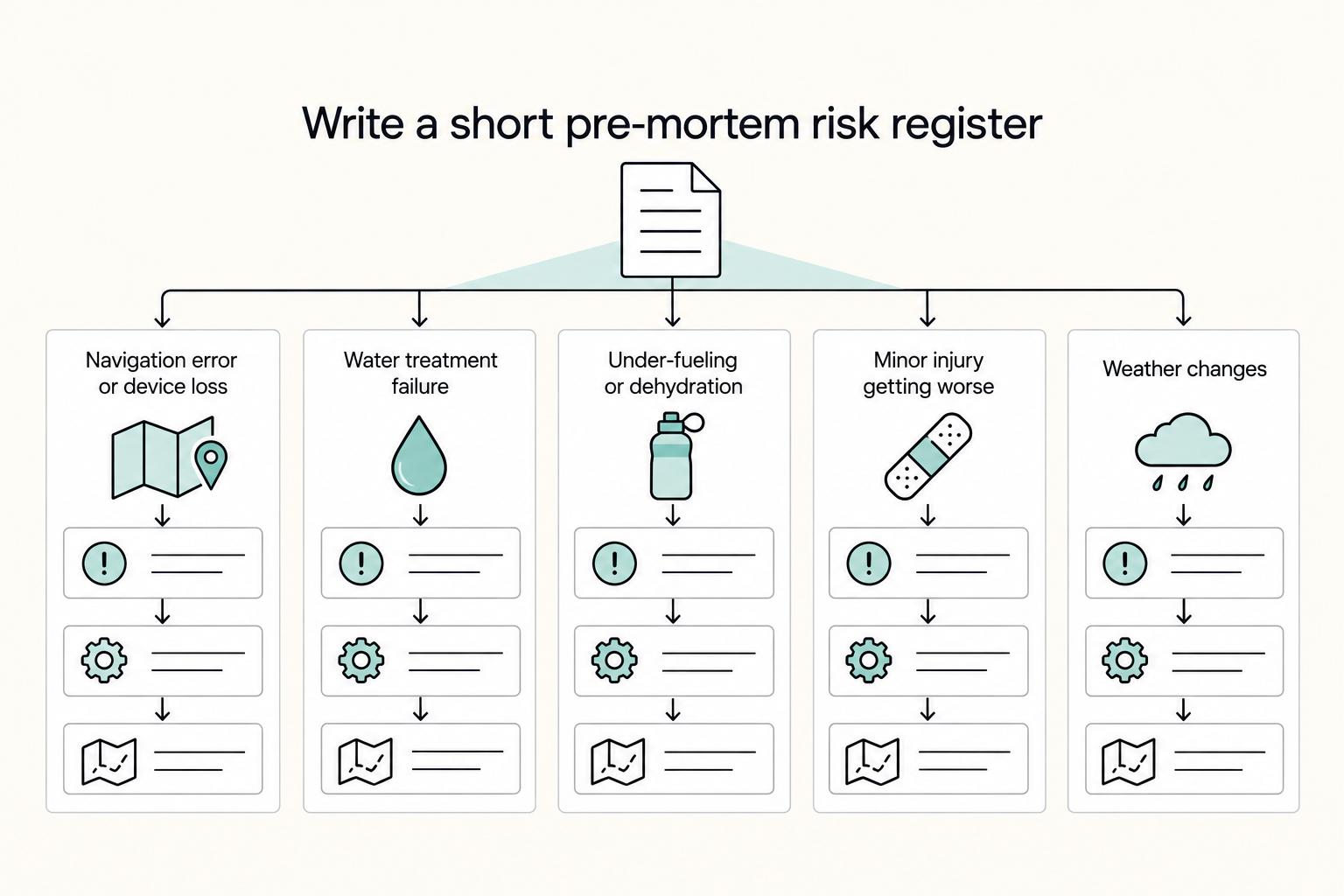
If you want to plan a multi-day hiking trip with fewer avoidable mistakes, treat it like something you build on purpose, not something you improvise the night before. By the end, you should have a practical phase-by-phase plan and a checklist mindset you can use right away.